
Choosing a family dog is a big decision. You want a breed that is loving and fits your family’s lifestyle.
Alaskan Malamutes are known for their loyalty and playful nature. This makes them a popular choice for many families.
But, their high energy levels and specific needs are important to consider. It’s key to understand these aspects.
This ensures your family can give them the care and environment they need to thrive.
Key Takeaways
- Alaskan Malamutes are loyal and playful, making them great family pets.
- Their high energy levels require regular exercise and mental stimulation.
- Understanding their needs is key for a harmonious family environment.
- They are a popular breed for active families.
- Careful consideration is necessary before deciding to bring one home.
Understanding the Alaskan Malamute Breed
To understand the Alaskan Malamute breed, we must look at their history, physical traits, and purpose as sled dogs.
Their rich heritage has shaped their characteristics and behavior.
Origin and Arctic Heritage
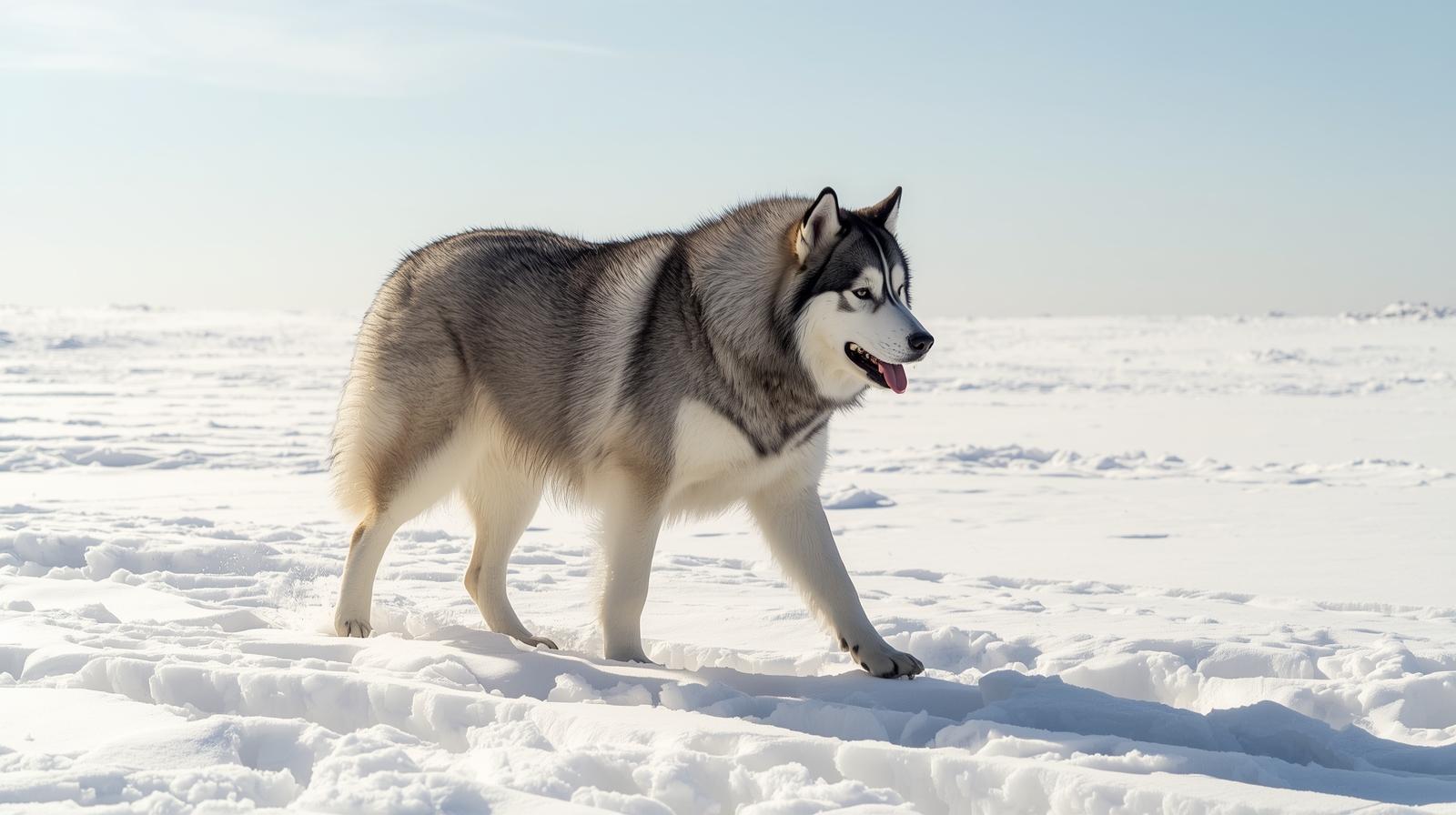
Alaskan Malamutes come from the Arctic, bred by the Inupiat people for strength and endurance.
They hauled heavy loads and were companions. Their Arctic roots gave them a thick coat and strong build, perfect for cold climates.
The American Kennel Club says, “The Malamute’s history is deeply intertwined with the indigenous people of Alaska.”
Physical Characteristics and Size
Alaskan Malamutes have broad heads, thick coats, and curved tails. They are large, with males weighing 85-100 pounds and standing 25-28 inches tall.
Their size and strength were key for their sled dog role.
| Characteristic | Male | Female |
|---|---|---|
| Weight (lbs) | 85-100 | 75-90 |
| Height (inches) | 25-28 | 23-26 |
Working Background and Original Purpose
Alaskan Malamutes were bred for strength and endurance. They were sled dogs, hauling heavy loads in the Arctic.
Their work ethic and high energy levels come from this background.
As sled dogs, they were key for survival in the Arctic.
“The Malamute’s ability to pull heavy loads over long distances is unmatched, making them invaluable in their original role as sled dogs.”
This heritage affects their behavior today. They need regular exercise and mental stimulation to stay happy and healthy.
Alaskan Malamute Temperament and Personality
The Alaskan Malamute’s personality is a mix of loyalty, independence, and smarts. They are fascinating dogs.
Their past as pack animals and working dogs shapes how they act and interact with their family.
Natural Disposition and Character Traits
Alaskan Malamutes are friendly and outgoing. They are pack animals that love to be with others.
This makes them loyal and loving to their family.
Pack Mentality and Hierarchy Needs
It’s important to understand the pack mentality of Alaskan Malamutes. They need a clear leader to avoid being too bossy.
Being the pack leader helps keep your Malamute well-behaved and obedient.
Independence vs. Loyalty Balance
Alaskan Malamutes are independent, which can seem stubborn. But, they are also very loyal to their family.
With the right training and socialization, you can build a strong bond with your Malamute while respecting their independence.
Intelligence and Problem-Solving Abilities
Alaskan Malamutes are very smart and can solve problems. They need mental challenges to avoid getting bored or destructive.
Giving them puzzle toys and obedience training keeps their minds active and happy.
Some key characteristics of Alaskan Malamutes include:
- Loyal and affectionate towards their family
- Independent and strong-willed
- Highly intelligent and capable problem-solvers
- Require consistent leadership and training

Are Alaskan Malamutes Good Family Dogs? The Honest Assessment
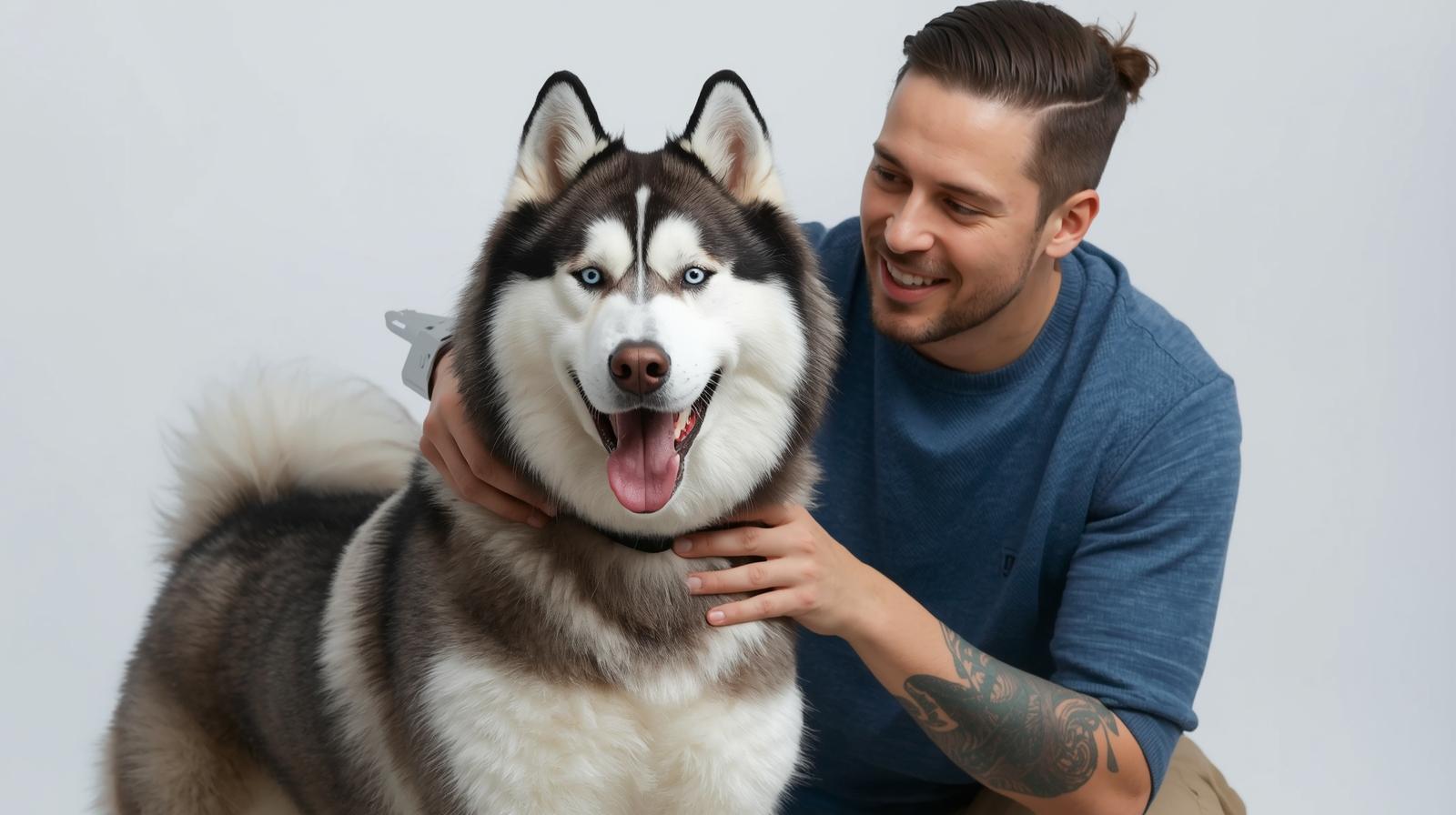
Alaskan Malamutes can be great family dogs, but you must be ready for their needs.
Whether they fit well in your family depends on your lifestyle, dog experience, and care abilities.
Family-Friendly Qualities
These dogs are loyal and loving to their families. They get along well with kids if they’re socialized early.
Their playful nature is perfect for active families who love the outdoors.
Potential Challenges for Family Life
Alaskan Malamutes also have some challenges. They need lots of space and exercise because of their size and energy.
They can be stubborn, so training is essential. Families with very young kids might struggle to manage the dog’s energy and size.
Family Dynamics That Work Best
Active families with experience in large breeds and a commitment to training do well with Malamutes.
A securely fenced yard and plenty of time for play are key. Consistency and patience are vital when adding a Malamute to your family.
In summary, Alaskan Malamutes are excellent family dogs for the right family.
Understanding their needs and being ready to meet them ensures a happy and healthy home for everyone.

Malamutes and Children: Compatibility Guide
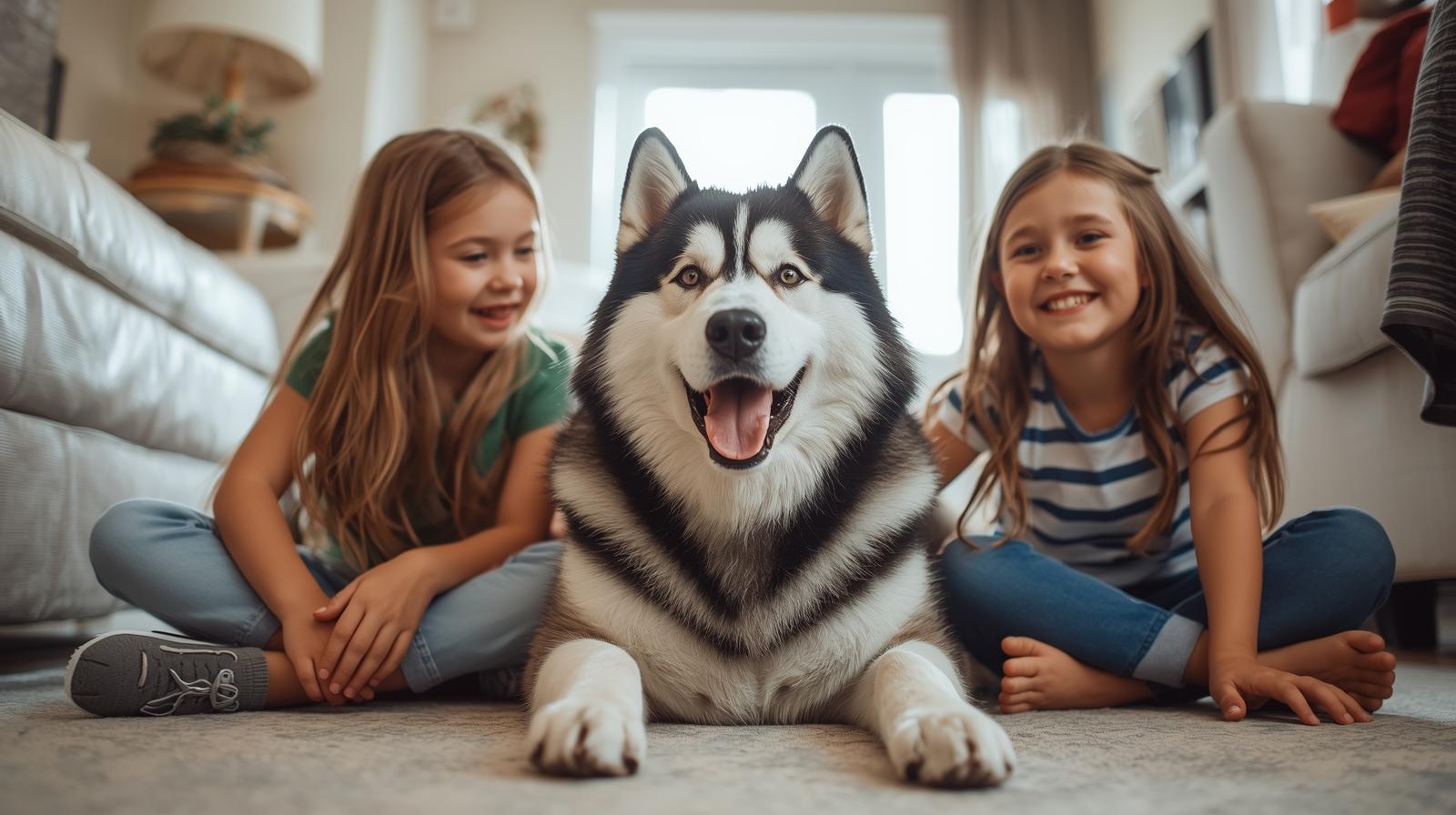
Alaskan Malamutes can be great family pets, but they need careful handling around kids.
Their strength and energy make it key to know how to mix them with families.
Interactions with Toddlers and Young Children
Watching toddlers and Malamutes together is very important. Malamutes are usually gentle, but their size and energy can be too much for little kids.
A famous dog trainer says it’s vital to teach kids how to be gentle and respectful around dogs.
It’s important to watch how kids and dogs interact. Teach kids not to bother the dog when it’s sleeping or eating.
Relationships with School-Age Children
School kids can really bond with Malamutes if they know how to be around them.
Getting kids involved in dog care, like feeding or grooming, helps build a good relationship.
Teaching Children Proper Handling and Respect
Teaching kids how to handle dogs gently and with respect is very important.
This means not pulling their ears or tail and understanding their body language.
Supervision Requirements and Boundaries
Supervision is always needed, no matter the child’s age. Setting rules for how kids and dogs interact keeps everyone safe.
Being consistent with these rules is very important.
By understanding Malamutes and teaching kids how to safely interact with them, families can have a loving and safe place for both kids and pets.
Exercise and Space Requirements for Family Malamutes
Exercise is key for an Alaskan Malamute’s health and happiness.
These dogs were bred to be active and need lots of exercise to thrive.
Daily Exercise Needs and Activities
Alaskan Malamutes need at least 60 minutes of exercise daily. This can include walks, runs, and playtime in a fenced area.
It’s important to challenge them physically and mentally with activities like hiking, agility training, or pulling a cart or sled.
Yard and Home Space Considerations
A big yard is great for Alaskan Malamutes, giving them space to play. But, the yard’s size and security are also important.
A 6-foot high fence can stop them from escaping. Inside, they need enough room to move comfortably.
Urban vs. Suburban vs. Rural Living
Alaskan Malamutes can live in different places, but they love lots of outdoor space.
Rural homes are best, but big suburban yards work too. If you live in the city, you must commit to lots of exercise outside.
Consequences of Insufficient Exercise
Not exercising enough can cause bad behavior, restlessness, and obesity in Alaskan Malamutes.
It’s vital to ensure they get enough physical activity. Regular exercise keeps them physically and mentally healthy.
Training Challenges and Essential Strategies
Alaskan Malamutes have a strong prey drive and are independent. This makes training them a challenge but also rewarding.
Their intelligence and stubbornness play a big role in this.
Realistic Trainability Assessment
Alaskan Malamutes are smart but can resist training if it’s boring or pointless.
It’s important to know they’re not as eager to please as some other dogs. Consistency and positive reinforcement are the keys to success.
Critical Commands for Family Safety
Teaching basic commands like “sit,” “stay,” and “come” is vital. It helps manage your Malamute’s behavior and keeps your family safe.
Early socialization is also key for good interactions with others.
Consistency and Leadership Requirements
Consistency in training is essential. It helps your Malamute understand what’s expected.
Being a firm but gentle leader helps them respect you and follow commands better.
Professional Training Considerations
If you’re new to dog ownership, professional training might be a good idea. Trainers can offer insights and methods specific to Alaskan Malamutes.
This can help you overcome training hurdles.
“Training an Alaskan Malamute needs patience, persistence, and understanding their nature.
With the right approach, they can become loving and well-behaved family members.”


Grooming and Home Maintenance Realities
The Alaskan Malamute’s thick double coat needs regular grooming. It has a thick undercoat and a coarse outer coat.
This coat sheds a lot, mostly during shedding season.
The Truth About Malamute Shedding
Alaskan Malamutes shed a lot. This shedding is intense, mainly in spring and fall. They “blow their coats” during these times.
It’s important to groom them regularly to manage shedding and prevent matting.
Required Grooming Routine and Tools
To keep your Malamute’s coat in good shape, do the following:
- Brush their coat 2-3 times a week, every day in shedding season.
- Use a high-quality brush or rake made for thick-coated breeds.
- Check for mats and tangles, like behind the ears and under the legs.
Home Cleanliness Strategies
To keep your home clean with a shedding Malamute:
- Vacuum often, where your Malamute hangs out.
- Use a lint roller on clothes and furniture.
- Think about getting a HEPA air purifier to cut down dog dander.
Allergies and Sensitivities in Family Members
If you or a family member has allergies, think about it before getting a Malamute.
While some people might not react as much, Malamute dander can cause allergic reactions.
Regular grooming and cleaning can help lessen this problem.
Health Considerations for Family Life with Malamutes
Thinking about getting an Alaskan Malamute? It’s key to know about their health.
These dogs are usually healthy but can face some health problems.
Common Health Issues and Genetic Concerns
Alaskan Malamutes might get hip dysplasia and eye issues like cataracts. Good breeding can lower these risks.
Lifespan and Long-term Family Commitment
Alaskan Malamutes live about 10 to 12 years. This means a big commitment to their care.
Families need to offer a stable, loving home for their Malamute’s whole life.
Healthcare Costs and Insurance Considerations
Having an Alaskan Malamute means dealing with healthcare costs. This includes vet visits, surgeries for hip dysplasia, and managing chronic conditions.
Pet insurance can help cover some of these expenses.
Exercise-Related Health Benefits
Exercise is vital for an Alaskan Malamute’s health and happiness.
Activities like hiking, running, and playtime prevent obesity and some health issues.
Multi-Pet Households: Malamutes with Other Animals
Alaskan Malamutes can do well with other pets if you know how they get along.
It’s important to keep the peace among your pets.
Compatibility with Other Dogs
Alaskan Malamutes are pack animals and can get along with other dogs if socialized early.
But, their strong prey drive and assertive nature mean you need to be careful when introducing them to other dogs.
Key Considerations for Dog-to-Dog Introductions:
- Start with neutral territory to avoid territorial behavior.
- Monitor body language closely for signs of aggression or fear.
- Gradually increase their interaction time under supervision.
Prey Drive and Small Animal Concerns
One big challenge with Alaskan Malamutes in multi-pet homes is their strong prey drive.
This can be a danger to small animals like rabbits, guinea pigs, or small dogs.
To mitigate this risk, it’s essential to:
- Keep small animals in secure, escape-proof enclosures.
- Supervise interactions between the Malamute and small animals closely.
- Train your Malamute to respond to commands that can help manage their prey drive.
Introduction, Strategies, and Management
To successfully add an Alaskan Malamute to your multi-pet home, you need a good introduction plan.
Start by keeping the animals apart and letting them get used to each other’s scents and sounds before meeting face-to-face.
| Introduction Step | Description |
|---|---|
| Scent Introduction | Swap bedding or toys between pets to introduce their scents. |
| Visual Introduction | Allow pets to see each other from a distance before direct contact. |
| Controlled Meeting | Meet in a neutral area, with pets on leashes or in controlled environments. |
Success Stories and Warning Signs
Many families have successfully added Alaskan Malamutes to their homes with other pets.
But it’s important to watch for warning signs of trouble, like growling, snapping, or aggressive behavior.
By understanding your Alaskan Malamute and other pets’ needs and behaviors, you can create a safe and happy home for everyone.
FAQ
Are Alaskan Malamutes good with children?
Alaskan Malamutes can be great with kids if they’re socialized right. Kids need to know how to be gentle and respectful around them.
But, because they’re so energetic and have a strong prey drive, they need to be watched closely around little ones.
How much exercise do Alaskan Malamutes need?
These dogs are very active and need lots of exercise to be happy. They need at least an hour of activity every day.
This can be walks, runs, or just playing around.
Do Alaskan Malamutes shed a lot?
Yes, they shed a lot, even more during their shedding seasons. You’ll need to brush them often to manage their coat.
Be ready for a lot of hair.
Are Alaskan Malamutes easy to train?
They’re smart but can be hard to train because they like to do things their own way.
Use positive methods and start training early to help them learn.
Can Alaskan Malamutes live in apartments?
They’re not the best fit for apartments because they need lots of room to move. They do best in homes with yards where they can run around.
Are Alaskan Malamutes good family pets?
They can be great family pets for active families. They’re loyal and loving but need a lot of attention and exercise.
They’re best suited for families who can give them the time and effort they need.
How long do Alaskan Malamutes live?
They usually live between 10 to 14 years. With the right care and regular vet visits, they can live a long and healthy life.
Do Alaskan Malamutes get along with other pets?
They can get along with other pets if they’re socialized early.
But, because of their strong prey drive, they might not be good with small animals like rabbits or hamsters.
What are common health issues in Alaskan Malamutes?
They can get hip dysplasia, elbow dysplasia, and eye problems. Regular vet visits and genetic tests can help catch these issues early.
How often should I groom my Alaskan Malamute?
They need regular grooming to keep their coat in check. Brush them several times a week, and more often during shedding season.
This will help reduce shedding.
Conclusion: Is an Alaskan Malamute Right for Your Family?
Exploring Alaskan Malamutes has helped you decide if they’re right for your family. You now know more about their temperament, needs, and traits.
This knowledge will help you choose if they fit your lifestyle.
Alaskan Malamutes aren’t for everyone. They need a dedicated owner who can meet their needs and give them the care they deserve.
If you want a loyal companion, this breed could be a great choice.
Think about your family’s lifestyle, your ability to exercise them regularly, and your commitment to training.
If you’re ready to meet their needs, an Alaskan Malamute can bring joy and loyalty to your home.
Choosing an Alaskan Malamute should be a careful decision. It’s important to understand if they’re a good fit for your family.
This way, you can create a happy and harmonious home for both you and your new pet.
Available On Our Apparel Store