
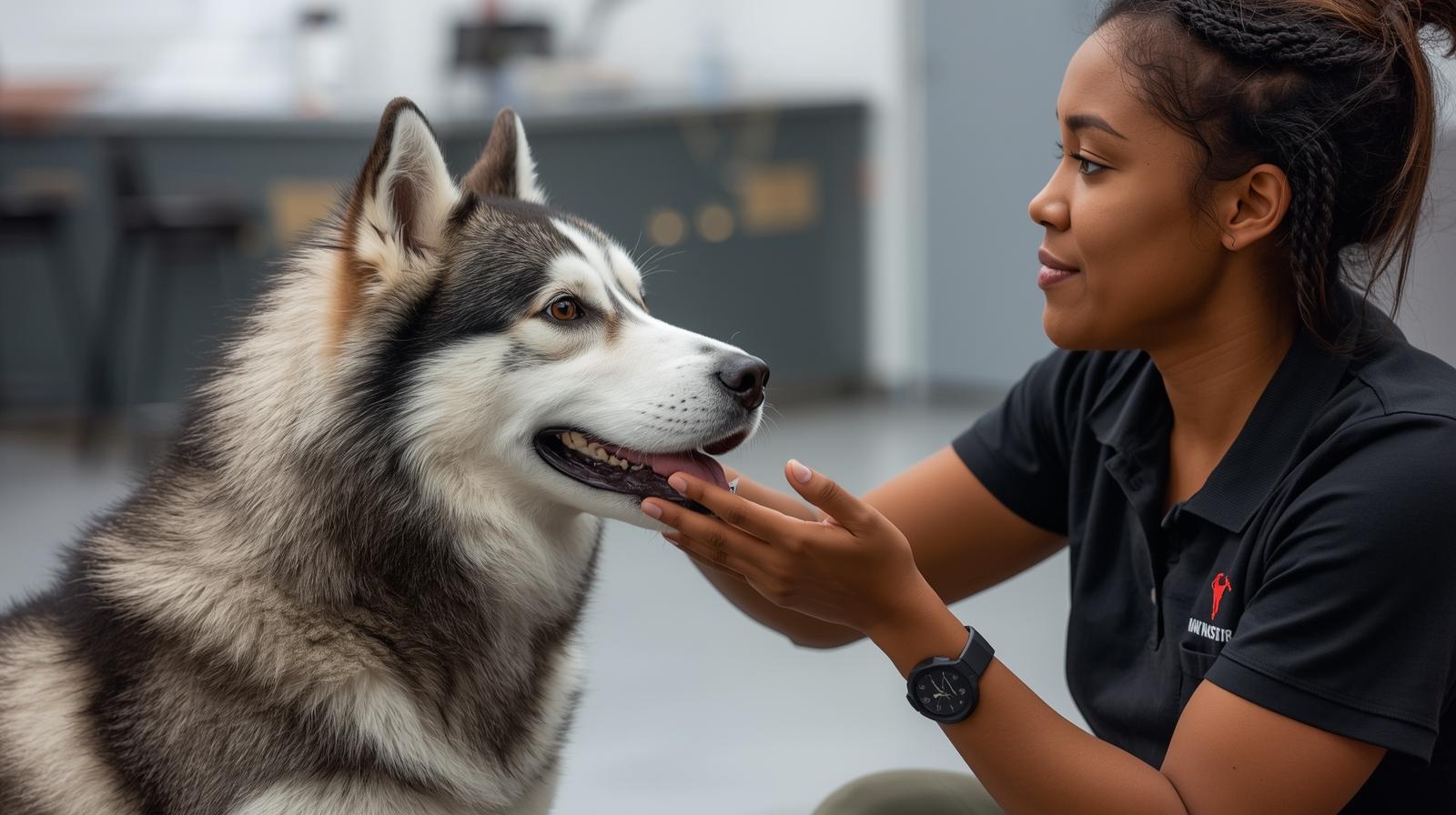
Training an Alaskan Malamute can be tough because of their independent nature and strong will.
These traits make them special and loving, but also present big challenges for owners.
Many wonder if it’s possible to train a breed known for being stubborn. The answer is yes, with the right approach, understanding, and patience, you can train your Alaskan Malamute.
This article will help you through the training process. It offers important Alaskan Malamute training tips and insights into their behavior.
By the end, you’ll know how to tackle the training challenges of a stubborn Alaskan Malamute.
Key Takeaways
- Understanding the independent nature of Alaskan Malamutes is key for effective training.
- Patience and consistency are vital when training a stubborn Alaskan Malamute.
- Positive reinforcement techniques can greatly improve training results.
- Early socialization and training can help overcome some breed challenges.
- Customizing your training approach to the dog’s needs is essential.
The Alaskan Malamute: Understanding the Breed
To train your Alaskan Malamute well, you must first understand the breed. Knowing their history, personality, and how smart they are is essential.
History and Original Purpose as Working Dogs
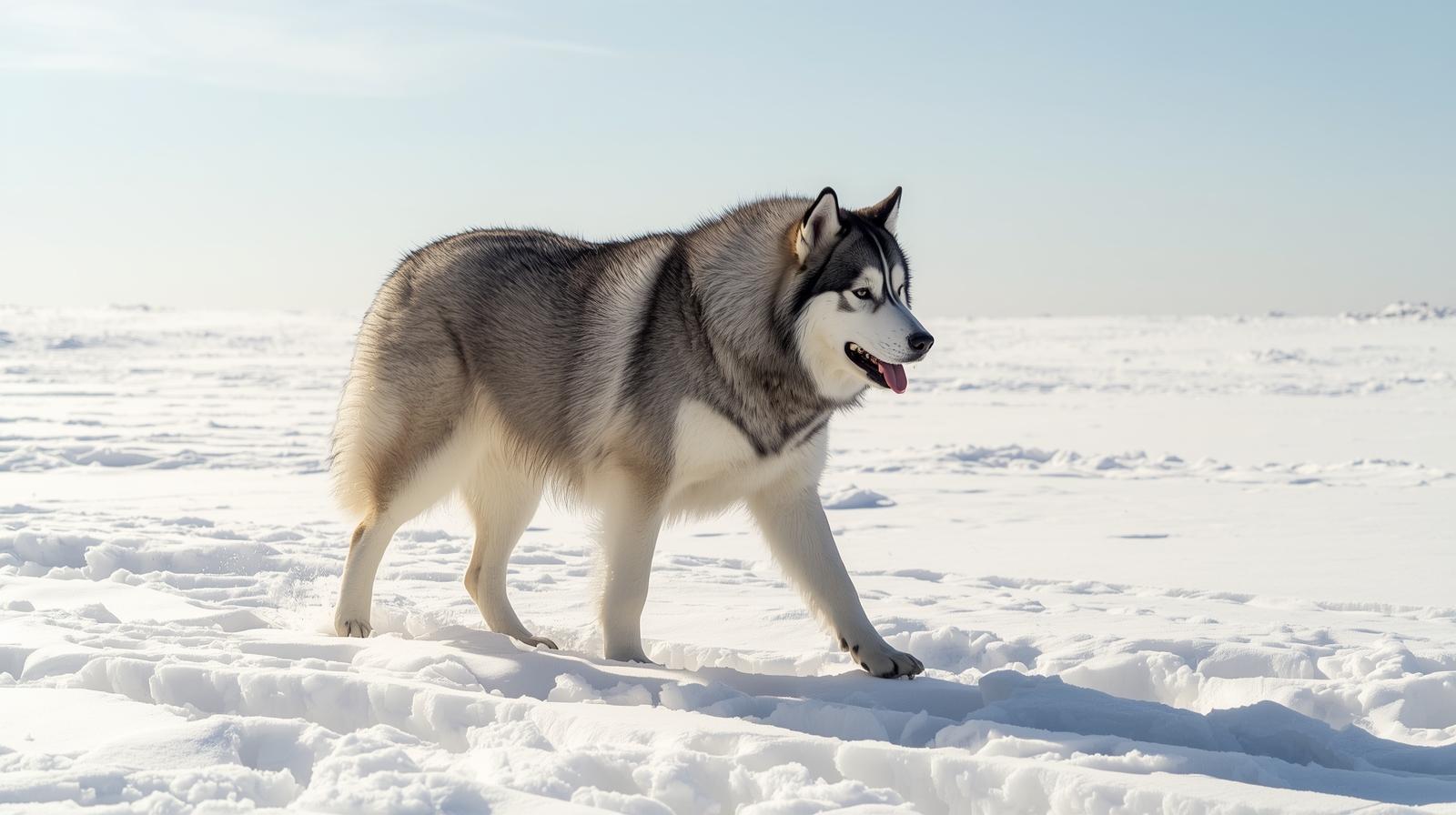
Alaskan Malamutes were bred to pull sleds in the Arctic. They have strong bodies and minds, making them great workers. Their past as working dogs shapes their behavior and how they learn.
Key Personality Traits That Affect Training
Alaskan Malamutes are independent and can be stubborn. These traits make training tough if you don’t know how to handle them.
It’s important to respect their personality for successful Alaskan Malamute behavior training and Alaskan Malamute obedience training.
Intelligence Level and Problem-Solving Abilities
Malamutes are very smart and can solve problems easily. Their intelligence helps in training but can also lead to disobedience if not motivated right.
Using the best methods to train Alaskan Malamutes means tapping into their smarts and problem-solving skills.
Knowing the breed’s history, personality, and intelligence helps you create effective training plans. These plans will meet their unique needs.
Are Alaskan Malamutes Hard to Train? The Short Answer
Alaskan Malamutes are known for being tough to train. But is this true? Let’s explore what makes them special.
The Reputation vs. Reality of Malamute Trainability
Many think Malamutes are stubborn or hard to train because they’re independent. But they’re not impossible to train.
Malamutes are smart and can learn, they just need a special way to be taught.
Defining “Hard to Train” in the Context of Working Breeds
Working breeds like Malamutes are seen as strong-willed. They might not always want to please you like other dogs.
But this doesn’t mean they can’t learn. They just need training that’s fun and makes sense to them.
Comparing Malamutes to Other Northern Breeds
Alaskan Malamutes aren’t the only ones hard to train. Breeds like Siberian Huskies and Samoyeds face similar challenges.
The secret is to know and meet their unique needs.
In short, training an Alaskan Malamute can be tough, but it’s doable. With the right strategy, patience, and understanding, you can teach your Malamute well.
The Malamute Mindset: Why They Train Differently
Understanding the Alaskan Malamute’s mindset is key for effective training. These dogs are smart and have a strong will.
This makes training both tough and rewarding.
Independent Thinking and Decision-Making Instincts
Alaskan Malamutes were bred to think on their own. This was important for their job as sled dogs in the Arctic.
Their independent nature can seem stubborn, but it shows their intelligence and problem-solving skills. It’s important to work with this trait when training.
Pack Mentality and Leadership Dynamics
Malamutes are pack animals and need a clear leader. Being the pack leader is essential for successful training.
It’s not about dominance or force. Instead, use positive reinforcement to guide your Malamute and make them feel secure.
What Truly Motivates an Alaskan Malamute
Alaskan Malamutes are not as food-motivated as some breeds. They are more driven by praise, affection, and the chance to work or play.
Knowing what motivates your Malamute is important for effective training strategies. Use their natural instincts and desires to make training engaging and productive.
By understanding and respecting your Alaskan Malamute’s unique mindset, you can tailor your training.
This leads to a stronger, more positive bond between you and your dog.

Common Training Challenges with Alaskan Malamutes
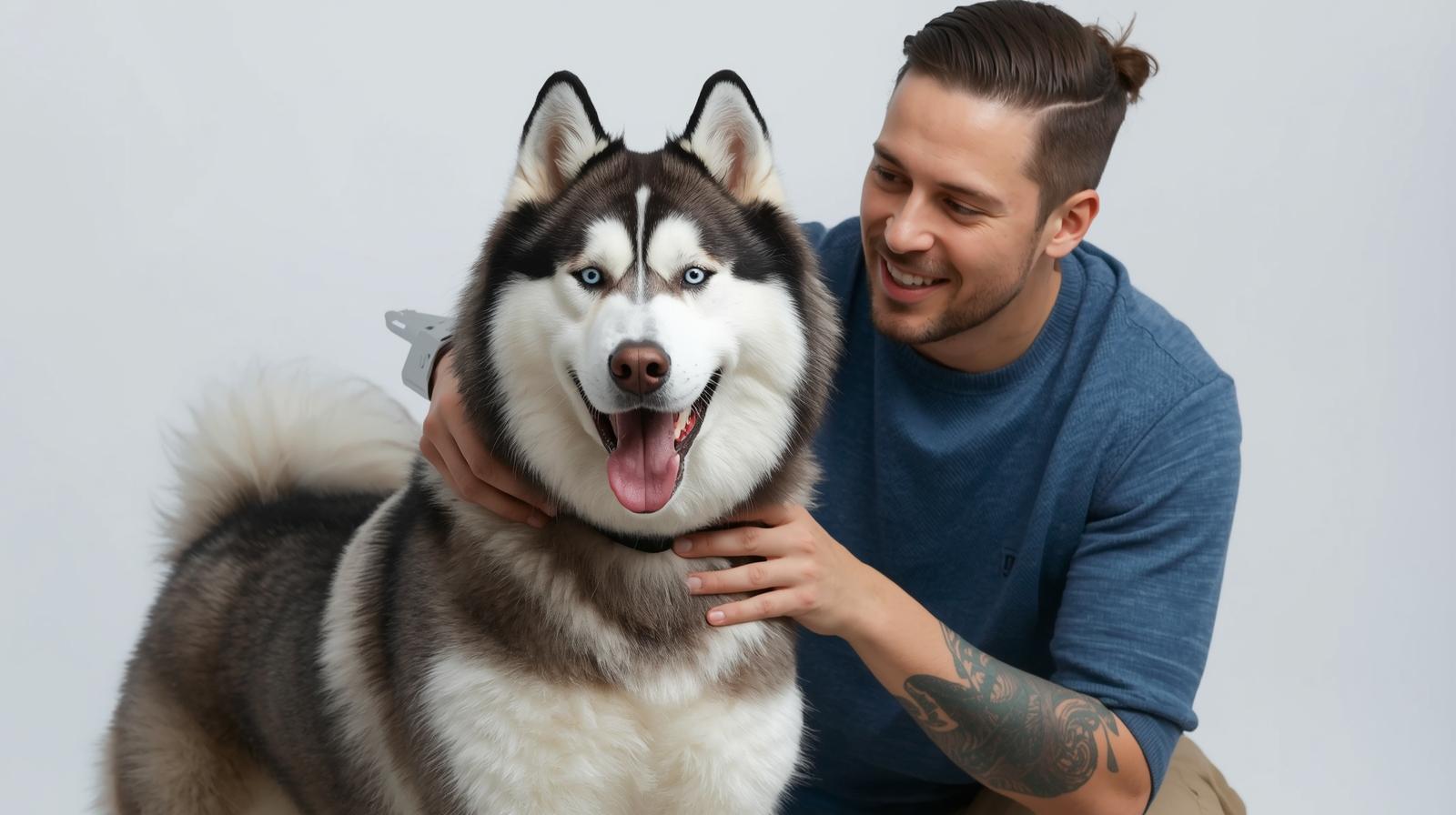
Alaskan Malamutes are known for their independent nature. This can make training a bit tricky.
Their strong will and smarts are great, but they can also be a challenge for owners.
Stubbornness and Selective Listening Behaviors
Alaskan Malamutes are stubborn and may not listen all the time. They might ignore you if they don’t see the point or aren’t feeling it.
Being consistent and using positive methods is key to winning them over.
Managing Strong Prey Drive and Distractions
These dogs have a strong prey drive, making them easily distracted. It’s important to teach them to stay focused.
Using high-value rewards and slowly introducing distractions can help.
Dealing with Boredom and Maintaining Engagement
Alaskan Malamutes get bored fast if they’re not kept busy. Adding variety to their training and making sure they get enough exercise is vital.
This keeps them interested and engaged.
Handling Physical Strength and Energy Levels
These dogs are very strong and full of energy. Owners need to manage their physical needs. Regular exercise and training that uses their energy positively is a must.
Knowing these challenges is the first step to training an Alaskan Malamute. By understanding their unique needs, owners can find effective ways to train them.
Training Strengths of the Alaskan Malamute
Knowing what makes Alaskan Malamutes great for training is key. They can be tough, but the right way to train them works well.
Natural Intelligence and Problem-Solving Capabilities
Alaskan Malamutes are smart and can figure out problems. They can learn hard tasks if they’re fun and challenging. They also adjust well to different training places.
Physical Endurance and Work Ethic
They were made for hard work like pulling sleds.
They have lots of stamina and strength. They do best when they have tasks that use these skills.
Loyalty and Desire to Please (When Properly Motivated)
Even though they’re independent, Alaskan Malamutes are loyal and want to please. Positive rewards help them listen better to training.
Using their smarts, strength, and loyalty, you can train your Alaskan Malamute well.
This will lead to great results.
Effective Training Techniques for Alaskan Malamutes
Training an Alaskan Malamute is rewarding with the right approach. The secret is to use methods that match their natural instincts and smarts.
Positive Reinforcement Strategies That Actually Work
Positive reinforcement is a strong tool for training Alaskan Malamutes. It focuses on rewarding good behavior instead of punishing bad ones.
Use treats, praise, and play to keep your Malamute happy and eager to learn.
Establishing Leadership Without Force or Dominance
Leading an Alaskan Malamute doesn’t need to be aggressive or dominant. It’s about setting clear boundaries and being consistent.
Being calm and assertive earns your Malamute’s respect and trust.
Consistency, Timing, and Clear Communication
Consistency is key when training Alaskan Malamutes. Clear, concise commands and consistent timing help them understand what’s expected.
Avoid confusing them with mixed signals or delayed rewards.
Using Play and Natural Drives in Training
Alaskan Malamutes are built for work and play. Adding play and natural drives to training makes them more engaged and motivated.
Activities that mimic their natural behaviors, like pulling or running, work well.
By using these techniques, you can create a great training program for Alaskan Malamutes. Remember, patience, consistency, and positive reinforcement are essential for success.
Training Your Alaskan Malamute Puppy: The Critical Period
Welcoming an Alaskan Malamute puppy into your home is exciting. It’s key to start a structured training plan right away.
This time is critical for shaping their behavior, social skills, and growth.
Early Socialization: Exposing Puppies to Various Stimuli
Early socialization is vital for Alaskan Malamute puppies. Introducing them to various environments, people, and animals boosts their confidence.
It also lowers the risk of anxiety or aggression later on.
Make sure these experiences are positive and controlled.
Foundation Commands and Setting Clear Boundaries
Setting clear boundaries and teaching basic commands like “sit,” “stay,” and “come” is essential.
Everyone in the family should use the same commands and rewards. This avoids confusing the puppy. Positive reinforcement, like treats and praise, works best.
| Command | Purpose | Tips for Training |
|---|---|---|
| Sit | Basic obedience | Use treats to guide the puppy into a sitting position. |
| Stay | Enhances control and safety | Start with short distances and gradually increase the length. |
| Come | Ensures the puppy returns to you | Use a happy, upbeat tone and reward with treats and affection. |
Preventing Common Behavioral Issues Before They Start
Preventing behavioral issues requires proper socialization, consistent training, and enough physical and mental stimulation. Alaskan Malamutes often chew and dig.
Giving them the right outlets can stop these destructive habits.
By focusing on these key areas early, you set the stage for a well-behaved adult dog.
Remember, patience and consistency are your greatest tools in this journey.


Professional vs. DIY Training for Malamutes
Choosing between professional training and DIY for your Alaskan Malamute is a big decision.
It depends on several factors. Some owners like the personal help from professional trainers. Others prefer the flexibility and savings of DIY methods.
When to Consider Professional Training Help
Professional training is great for specific issues or if you’re new to dogs. Alaskan Malamutes can be stubborn due to their strong will and independence.
If you’re having trouble with training or specific problems, a pro can offer personalized advice.
Experts know how to handle Malamutes’ high energy. They ensure the dogs’ physical and mental needs are met.
They also teach about pack dynamics and leadership, which is key for a balanced dog-human relationship.
Selecting the Right Trainer for a Northern Breed
Finding a trainer for your Alaskan Malamute is important. Look for someone with experience in Northern breeds.
These breeds have special needs that not all trainers know about.
Choose trainers who use positive methods and understand the breed’s history and needs.
A good trainer should have references and show their training approach.
| Criteria | What to Look For |
|---|---|
| Experience with Northern Breeds | Trainers who have specific experience with breeds like Alaskan Malamutes |
| Training Methods | Positive reinforcement techniques that encourage good behavior |
| References and Reviews | Feedback from other dog owners who have used their services |
What You Can Realistically Accomplish on Your Own
DIY training can be rewarding, helping you bond with your dog. It lets you tailor training to your life.
With patience, consistency, and the right resources, many owners can train their Malamutes at home.
But, know your dog’s limits and yours. If you’re stuck or feeling overwhelmed, it’s time for professional help.
The key is to know what you can do and when to ask for help.
Whether you go for professional training or DIY, the most important thing is a strong, loving bond with your Alaskan Malamute.
With the right approach, your dog can become a well-behaved and cherished family member.


Advanced Training for Alaskan Malamutes
To unlock your Alaskan Malamute’s full power, try advanced training. They are smart, strong, and can go long distances.
This makes them great for tough tasks.
Sledding, Carting, and Weight Pull Activities
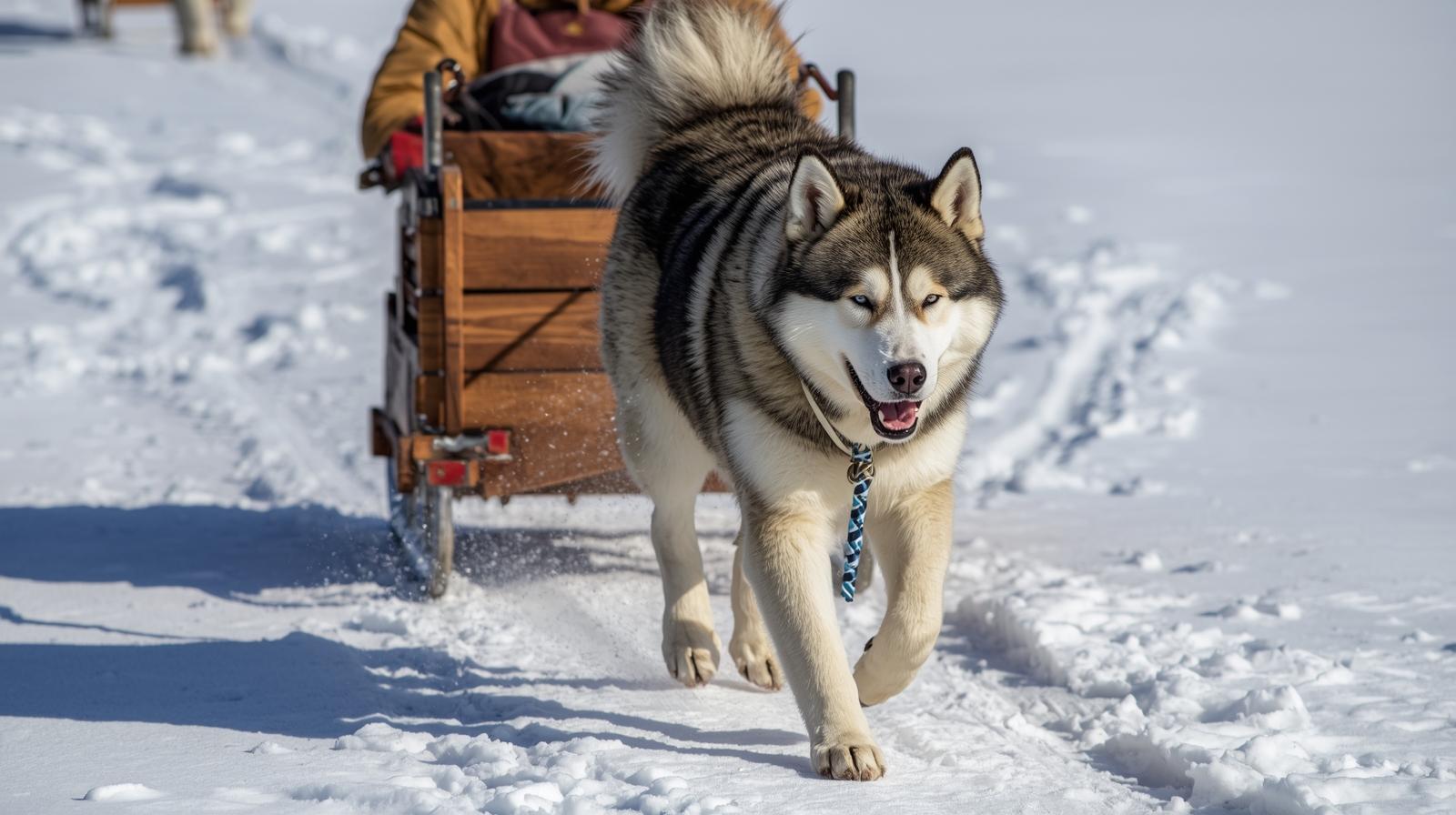
Alaskan Malamutes love to pull. They do well in sledding, carting, and weight pulling. These activities keep them fit and use their natural talents.
- Sledding: Perfect for snowy places, it uses their strength and endurance.
- Carting: Without snow, carting lets them pull weight safely.
- Weight Pull: It tests their strength and willpower, making it fun and challenging.
Agility, Rally, and Other Competitive Sports
Alaskan Malamutes can also do agility, rally, and other sports. These tests assess their quickness, obedience, and teamwork with their handler.
Benefits of Competitive Sports:
- They get better at agility and following commands.
- It strengthens their bond with their handler.
- It keeps them physically and mentally sharp.
Building Reliable Off-Leash Reliability (Is It Possible?)
Teaching an Alaskan Malamute to be off-leash can be tough. They like to do their own thing.
But, with the right training and positive feedback, it’s doable.
Tips for Off-Leash Training:
- Begin in safe places.
- Use clear, consistent commands.
- Slowly add more distance and distractions.
Advanced training boosts your Alaskan Malamute’s abilities. It also deepens your connection and offers a fun way to challenge them.
Common Mistakes When Training Alaskan Malamutes
To train an Alaskan Malamute well, you must avoid some common mistakes. These errors can make training hard for both you and your dog.
Inconsistency and Sending Mixed Signals
Being inconsistent in training is a big mistake. Alaskan Malamutes love routine and clear rules.
If you don’t follow the same rules all the time, they get confused.
For example, when teaching your Malamute to stay, make sure everyone uses the same command and hand signal. If not, training will take longer and be harder.
Inadequate Physical and Mental Stimulation
Alaskan Malamutes need lots of physical and mental activity. Without enough, they might get bored, destructive, or restless.
To keep your Malamute active, plan a weekly schedule. Include walks, runs, playtime, and training sessions.
| Activity | Frequency | Duration |
|---|---|---|
| Walks | Daily | 30-60 minutes |
| Training Sessions | 3-4 times a week | 15-30 minutes |
| Playtime | Daily | 30 minutes |
Misinterpreting Breed-Specific Behaviors as Disobedience
It’s important to know how Alaskan Malamutes act naturally. Their independent nature and strong prey drive can look like disobedience.
“The key to successful training is understanding and working with the breed’s natural characteristics, not against them.” – Expert Dog Trainer
Giving Up Too Soon or Expecting Instant Results
Training an Alaskan Malamute takes patience. Don’t expect quick results or give up too soon. Celebrate small wins along the way.
Avoiding these mistakes will make training more fun and effective for you and your Alaskan Malamute.
FAQ
Are Alaskan Malamutes hard to train?
Yes, Alaskan Malamutes can be tough to train. They are independent and have a strong will. But, with the right approach and positive reinforcement, they can learn well.
What are the most effective training techniques for Alaskan Malamutes?
The best techniques include positive reinforcement and setting a clear leadership without force. Using play and their natural drives also works well.
How do I train a stubborn Alaskan Malamute?
Training a stubborn Alaskan Malamute requires patience and consistency. Use positive reinforcement and understand their independent nature and pack mentality. This helps in creating effective training plans.
Can Alaskan Malamutes be trained for advanced activities like sledding and agility?
Yes, they can be trained for activities like sledding, carting, and agility. Their physical endurance and work ethic make them great for these sports.
How important is early socialization for Alaskan Malamute puppies?
Early socialization is very important for Alaskan Malamute puppies. It helps them get used to different things and prevents behavioral issues. It also sets a strong foundation for their growth.
What are the common mistakes to avoid when training an Alaskan Malamute?
Avoid being inconsistent and not providing enough physical and mental stimulation. Don’t mistake breed-specific behaviors for disobedience. And don’t give up too soon or expect quick results.
Should I consider professional training help for my Alaskan Malamute?
If you’re having trouble training or need help with specific issues, consider professional training. A qualified trainer experienced with Northern breeds can be very helpful.
How can I keep my Alaskan Malamute engaged during training?
Keep them engaged by using different training methods and incorporating play. Make sure they get enough physical and mental stimulation to prevent boredom.
Is it possible to achieve off-leash reliability with an Alaskan Malamute?
Getting an Alaskan Malamute to be off-leash reliable can be hard. Their strong prey drive and independent nature make it challenging.
But, with consistent training, patience, and positive reinforcement, it’s possible.
What motivates an Alaskan Malamute during training?
Alaskan Malamutes are motivated by positive reinforcement, play, and activities that match their natural drives and instincts.
Conclusion: Setting Realistic Expectations for Your Malamute
Training an Alaskan Malamute needs you to understand their special traits and needs. You’ve learned they are smart, strong-willed, and independent.
To train them well, you must have realistic goals and strategies that fit their natural ways.
Knowing Alaskan Malamutes are bred to work helps you see their pull instinct and high energy. This insight lets you adjust your training to their strengths and weaknesses. Positive reinforcement and clear leadership can lead to great results.
Training an Alaskan Malamute is a journey needing patience, consistency, and creativity. By setting realistic goals and using the right methods, you can bring out your dog’s best.
Whether for sledding, agility, or just being a friend, focus on their natural talents and build a strong bond.
With the right mindset and approach, training your Alaskan Malamute can be rewarding.
You’ll not only train your dog but also grow your bond and create a lifelong friendship.