

If you’re new to dog ownership, you might be interested in the Basenji’s unique characteristics.
They are smart and don’t bark. But is this breed a good fit for you?
The African barkless dog has a long history. They are known for their howl instead of a bark.
Their intelligent breed nature makes them great companions. Yet, it’s key to think about their needs and personality.
Before getting a Basenji, you should know their needs and if they match your lifestyle.
In this article, we’ll look at their traits, temperament, and care needs. This will help you decide if a Basenji is right for you.
Key Takeaways
- Understand the unique characteristics of the Basenji breed
- Learn about the care requirements and temperament of Basenjis
- Discover whether a Basenji is suitable for first-time dog owners
- Explore the importance of training and socialization for Basenjis
- Find out how to provide the best life for your Basenji

Understanding the Basenji: Breed History and Characteristics
The Basenji, known as the “African Barkless Dog,” has a rich history. It has distinct characteristics that make it stand out.
To see if a Basenji is right for you, it’s important to learn about their history and traits.
Ancient Origins of the African Barkless Dog
The Basenji comes from the Congo region of central Africa. They have a history that goes back thousands of years.
They were highly valued for their hunting skills and unique yodeling howl.
Physical Traits and Appearance
Basenjis have unique physical traits. They have a short coat, curled tail, and erect ears.
They come in colors like red, brindle, and black. Their sleek and athletic build makes them visually appealing.
The Unique “Basenji Yodel”
One of the Basenji’s most distinctive features is their unique yodeling howl. Unlike other breeds that bark, Basenjis make a melodious sound.
This sound is a result of their uniquely shaped larynx.
Some key characteristics of the Basenji yodel include:
- A distinctive, melodious sound
- A result of their uniquely shaped larynx
- A trait that sets them apart from other breeds
Basenji Temperament and Personality
As a first-time dog owner, understanding the Basenji’s independent nature and intelligence is key.
This breed is unique, making it both fascinating and challenging as a companion.
Independent Nature and Intelligence
Basenjis are known for their smarts and independent spirit. They don’t need as much attention as some breeds but do need interaction.
Their intelligence helps in training, but their independent side can make them stubborn at times.
Energy Levels and Exercise Needs
Basenjis have a lot of energy, needing regular exercise to stay happy and healthy.
They need daily walks, playtime, and mental challenges to avoid boredom and bad behavior.
Aim for at least 30 minutes of exercise each day.
Social Behavior with Humans and Other Animals
Basenjis can be shy with strangers but are very loyal and loving to their families.
They need early socialization to get along well with people and other animals.
Interaction with Children and Families
Basenjis can be great family pets if they’re socialized right. They’re usually good with kids, as long as they’re raised together.
But, their strong prey drive might not be good for homes with small pets.
Compatibility with Other Pets
Because of their hunting instincts, Basenjis might not get along with small pets like rabbits or guinea pigs.
Early socialization and training can help, but it’s important to think about this when adding a Basenji to a home with other pets.
| Aspect | Description |
|---|---|
| Independent Nature | Basenjis are known for their independence, requiring patient training. |
| Intelligence | Highly intelligent, but can be stubborn. |
| Energy Levels | Moderate to high, requiring regular exercise. |
| Social Behavior | Loyal to family, aloof with strangers, requires early socialization. |
Daily Care Requirements for Basenjis
To keep your Basenji happy and healthy, it’s key to know their daily needs.
They need a mix of grooming, diet, and exercise to do well.
Grooming Needs and Shedding
Basenjis have a short, fine coat that needs little grooming. They are easy to care for in this area.
Regular brushing helps cut down on shedding and keeps their coat in good shape.
Dietary Considerations
A good diet is vital for your Basenji’s health. They need high-quality dog food full of nutrients.
Watching their food intake helps avoid obesity.
Exercise and Mental Stimulation
Basenjis are full of energy and need regular exercise to be happy. They need daily walks and playtime.
They also need mental challenges to avoid boredom.
Indoor Activities for Basenjis
Indoor games like puzzle toys and hide-and-seek keep your Basenji’s mind active.
These games help stop boredom and destructive behavior.
Outdoor Exercise Requirements
Basenjis need lots of outdoor play, including walks and playtime. They love to run and play fetch.
Making sure they get enough physical activity is important for their health.
| Care Aspect | Description | Frequency |
|---|---|---|
| Grooming | Brushing to reduce shedding | Weekly |
| Diet | Balanced, nutrient-rich dog food | Daily |
| Exercise | Walks, playtime, and mental stimulation | Daily |
Training Challenges with Basenjis
Basenjis are smart and full of energy. They need a careful training approach.
Their independent nature can seem stubborn, but with the right methods, they can learn well.
Independence vs. Trainability
Basenjis are very intelligent, but training them isn’t always easy. Their independent nature makes them sometimes ignore commands.
But, being consistent and using positive methods can help a lot.
Effective Training Techniques
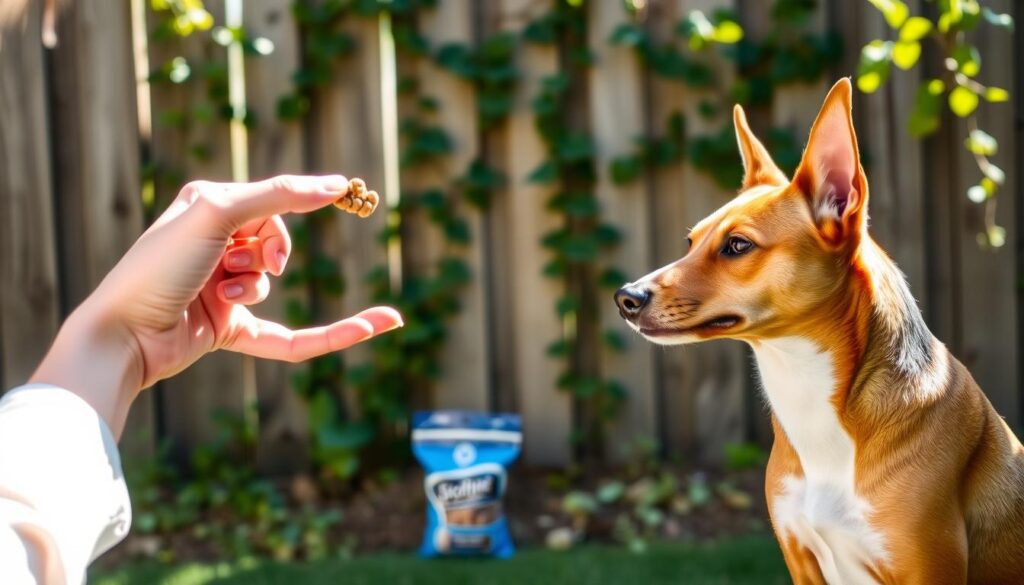
Training a Basenji requires patience, consistency, and positivity. Clicker training and reward-based methods work well.
Keep training sessions short and fun to keep them interested.

Socialization: Critical for Basenji Puppies
Socialization is vital for any dog, but it’s key for Basenjis. Introduce your puppy to different places, people, and animals.
This helps them grow into confident, calm dogs.
Common Training Pitfalls to Avoid
Don’t use punishment or negative methods. They can make your Basenji fearful and mistrustful.
Instead, build a strong bond with positive reinforcement and consistent training.
| Training Technique | Effectiveness for Basenjis | Key Benefits |
|---|---|---|
| Clicker Training | High | Precise, encourages positive behavior |
| Reward-Based Training | High | Motivates, builds trust |
| Punitive Measures | Low | Can lead to fear, not recommended |
Health Considerations for First-Time Basenji Owners
As a first-time Basenji owner, it’s important to know about their health.
Basenjis are usually healthy, but they can face some health issues.
Common Health Issues in Basenjis
Basenjis can get sick with certain health problems. Knowing about these can help you keep your dog healthy.
Fanconi Syndrome and Genetic Testing
Fanconi Syndrome is a big health worry for Basenjis. It’s a genetic kidney problem. Genetic testing can find dogs that carry this gene.
This is important for breeding responsibly.
Other Breed-Specific Health Concerns
Besides Fanconi Syndrome, Basenjis might get hip or elbow dysplasia and eye problems.
Taking your dog to the vet regularly can catch these early.
Preventative Care and Regular Maintenance
Keeping your Basenji healthy means regular care. This includes shots, flea control, and dental care.
Also, watch your dog’s health closely and tell your vet about any changes.
By being informed and proactive, you can help your Basenji live a long, happy life.
Living Arrangements: Is Your Home Suitable for a Basenji?
Before getting a Basenji, check if your home fits their needs. They are active and curious, needing lots of exercise and mental play.
A good home setup is key.
Space Requirements and Yard Needs
Basenjis need room to run and play. A fenced yard is best for them to play safely.
If you live in an apartment, plan for daily walks or dog park visits. At least 30 minutes of exercise daily is needed.
Basenji-Proofing Your Home
Basenjis love to explore and can get into trouble. You must basenji-proof your home.
This means keeping things safe and stopping them from escaping.
Escape Artist Prevention
Basenjis are great at getting out. Make sure your yard is fenced well, at least 6 feet high.
Check your yard often for any weak spots.
Protecting Valuables from Curious Basenjis
Keep things you value out of their reach. Items like shoes, books, and remotes can be tempting to Basenjis.
Here’s how to keep things safe:
- Secure trash cans and recycling bins.
- Keep electrical cords away from them.
- Store dangerous items safely.


Understanding Basenji needs and preparing your home will make a great place for your new pet.
First-Time Owner Preparation Checklist
Getting ready for your Basenji is important.
As a first-time owner, you need the right stuff, a vet who knows Basenjis, and friends who get it.
Essential Supplies for Your New Basenji
Having the essential supplies ready will make things easier. You’ll need:
- A comfy bed
- Good food and treats
- Toys and chews
- Grooming tools
- A crate for training
These things will make your Basenji feel at home and safe.
Finding a Basenji-Experienced Veterinarian
Finding a Basenji-experienced veterinarian is key for your dog’s health. Ask other Basenji owners or breeders for tips.
Make sure the vet knows about Basenji health and needs.
Building a Support Network
Building a support network of Basenji lovers is great. Join online groups, go to dog meetups, or be part of breed groups.
This way, you’ll find friends who know what it’s like to have a Basenji.
Finding Your Basenji: Adoption vs. Breeders
Choosing between adopting a Basenji or buying from a breeder is a big decision. Each option has its own benefits.
The best choice for you depends on your lifestyle and what you want in a pet.
Identifying Reputable Basenji Breeders
Buying from a breeder means finding one who cares about their dogs’ health.
Look for breeders who share health information and let you visit. They should also have health clearances for the puppy’s parents.
A good breeder knows a lot about Basenjis and will answer your questions.
Check if they’re members of kennel clubs or breed associations. This shows they’re serious and knowledgeable.
Basenji Rescue Organizations and Adoption Tips
Adopting a Basenji from a rescue can be very rewarding. It gives a loving home to a dog in need.
Research Basenji-specific rescue groups and learn about their adoption process.
Be ready to share about your home, family, and dog experience. Many rescue groups offer support after adoption.
Whether you adopt or buy, make sure you’re ready for a lifelong commitment.
With the right preparation, you’ll have a happy and healthy Basenji.


Practical Advice from Successful First-Time Basenji Owners
Successful Basenji owners share valuable insights to help newcomers. As a first-time owner, you’ll face challenges.
But with the right guidance, you can overcome these hurdles.
Common Challenges and Solutions
One big challenge is the breed’s independent nature. Setting clear boundaries and consistent training early on helps.
Basenjis also need lots of exercise and mental stimulation to avoid bad behavior.
Another issue is Basenjis’ knack for escaping. “Basenjis are known to be Houdini-like in their ability to escape,” says Jane Smith, a seasoned owner.
To prevent this, make sure your yard is well-fenced. Also, consider a GPS tracker for your pet.
Realistic Expectations for Your First Year
Having realistic expectations is key for a great first year. Your Basenji will need time to adjust and test boundaries.
Be patient and consistent, and remember, building a strong bond takes time.
Remember, every dog is different. What works for one Basenji might not work for another.
Stay flexible and adjust your approach as needed.
With the right mindset and preparation, you can have a rewarding and loving relationship with your Basenji.
Available on our apparel store

FAQ
Are Basenjis good for first-time dog owners?
Basenjis can be great for first-timers who are ready to put in the work. They need time for training and socializing.
Their smart and independent nature asks for a dedicated owner.
How much exercise do Basenjis need?
Basenjis need lots of exercise to stay happy and healthy. They need daily walks and playtime. Aim for at least 30 minutes of activity each day.
Do Basenjis shed a lot?
Basenjis have a short coat and don’t shed much. But, they need regular grooming to keep their coat in good shape.
Are Basenjis hypoallergenic?
Basenjis are low shedders, making them a good choice for allergy sufferers. But, it’s important to meet a Basenji before getting one to see how you react.
Can Basenjis be trained easily?
Basenjis are smart and can learn with positive training. But, they can be stubborn. Consistent training and early socialization are key.
How do I prevent health issues in my Basenji?
Regular health checks and early detection are vital.
Choose a reputable breeder and keep your Basenji healthy with a good diet and exercise.
Can Basenjis live in apartments?
Basenjis can live in apartments if they get enough exercise and mental stimulation. A safe yard or regular walks can prevent bad behavior.
How do I find a reputable Basenji breeder?
Look online, ask for referrals, and check with local clubs to find a good breeder. Make sure they focus on health, temperament, and socialization.
What are the benefits of adopting a Basenji from a rescue organization?
Adopting a Basenji from a rescue is rewarding. It gives a loving home to a dog in need. Rescue groups also offer support and resources.
A must-read for any prospective Basenji owner…

Conclusion: Is a Basenji Right for You as a First-Time Dog Owner?
You now know a lot about Basenjis, their personality, and what it takes to care for them.
As a first-time dog owner, it’s important to think if your lifestyle fits a Basenji’s needs.
If you’re ready to spend time training, exercising, and keeping their mind active, a Basenji could be a great pet.
Being well-prepared and informed will help you create a happy and healthy bond with your Basenji.
Deciding to get a Basenji should be a thoughtful choice. Make sure you can meet their needs.
With the right attitude and preparation, owning a Basenji can be a fulfilling experience.