What to Expect in Your Chocolate Lab’s First Year
Bringing home a Chocolate Lab in East Cornwall feels like sunshine in a wagging tail. From Puppy to Best Friend: What to Expect in Your Chocolate Lab’s First Year is simple.
Expect fast growth, big hearts, and even bigger energy. With the right routine, you’ll build trust, manners, and a strong bond.
That first year shapes everything. Early socialisation, calm handling, and short, fun walks set your pup up for life. Labs are smart and food-motivated, so training comes quickly with clear cues and rewards.
Keep exercise sensible while joints are still developing, and focus on steady, happy progress.
Life here means lanes, beaches, and moor paths, which can feel busy for a young pup. A plan for daily dog walks helps prevent nipping, jumping, and overexcitement.
Mix short training sessions with gentle play and sniffy strolls. If you’re searching “pet walking near me,” you’re already on the right track.
Need help during workdays or school runs? A professional dog walker can guide calm leash skills, social time, and age-appropriate dog exercise services.
If you want support with puppy walking services or group dog walks, reach out through our friendly contact page at book a local puppy walk in East Cornwall.
We’ll cover easy routines, house training tips, safe gear, and how dog walking services fit into your week. You’ll learn how to read your Lab’s body language, plus when to scale activity.
For background on the breed’s temperament and history, see the Labrador Retriever overview.
By the end of the first year, you’ll have a confident pup and a loyal best friend.
Bringing Home Your New Chocolate Lab Puppy: First Steps for Success
The first week sets the tone for your pup’s first year. Keep routines simple, safe, and calm. Stock the essentials, set up a quiet sleep spot, and book that first vet visit.
From Puppy to Best Friend: What to Expect in Your Chocolate Lab’s First Year starts with small, smart choices that reduce stress and build trust.
Essential Supplies and Home Setup for Your Puppy
A tidy setup helps your Lab settle fast. Think comfort, safety, and chew-friendly enrichment.
Here is a smart starter list you can build on as your puppy grows.
- Crate with divider: Choose a size that fits adult Labs, then use a divider. This helps with house training and gives a safe den.
- Bed and washable blankets: Pick a firm, easy-wash bed. Expect muddy paws in East Cornwall.
- Food and water bowls: Stainless steel is sturdy and easy to clean.
- Puppy food and simple treats: Aim for balanced, age-appropriate food. Treats should be small and soft.
- Flat collar, ID tag, and harness: A harness is kinder for growing necks. See our picks in the best harness for large dogs.
- Short, light lead: A 1.2–1.5 m lead is easy for early training.
- Chew toys and safe tug toys: Offer rubber chews, braided fleece, and soft-texture options. Use tug toys for quick play bursts and bonding.
- Baby gates and a pen: Block stairs and set up a calm play area.
- Enzymatic cleaner: Accidents happen. This removes lingering odours so your pup does not re-mark.
- Brush and nail clippers: Start gentle grooming early to build comfort.
Why these help:
- Teething comfort: Chews soothe sore gums and guide bite pressure. Rotate textures to keep interest high.
- Bonding and focus: Short games with tug toys channel energy into you, not the sofa. Tug builds trust, impulse control, and clear rules. End with a calm sit and a treat.
- Better rest: A crate and pen prevent overtired zoomies. Rested pups learn faster and nip less.
Want a gear checklist to double-check your setup? The AKC has a handy guide in its new puppy checklist.
Local tip for East Cornwall: prepare for wet lanes. Keep a towel near the door and teach a quick “paws up” to wipe feet.
If you are planning daily dog walks, keep sessions short at first and add sniff breaks in quiet spots.
If workdays get busy, you can book a trusted hand. Review our dog walking service prices to plan puppy walking services that fit your week and budget.

First Vet Visit and Health Basics
Book your puppy’s first vet visit within a few days. Bring breeder records, microchip details, and any questions.
A calm early check builds trust with the clinic and catches health issues early.
What to expect at the first visit:
- Physical exam, weight check, and body condition score.
- Review of diet, sleep, toilet routine, and early training.
- Parasite screen and deworming plan.
- Vaccination schedule and next appointment dates.
Puppy vaccine basics:
- Core vaccines often start at 6 to 8 weeks, then repeat every 2 to 4 weeks until about 16 weeks. These cover distemper, parvovirus, and adenovirus, usually as DHPP. See the AKC’s outline in its first-year puppy vaccinations guide.
- Many vets also add leptospirosis from around 12 weeks, based on local risk.
- Rabies timing depends on UK guidance and your vet’s protocol.
- After the puppy series, boosters usually happen at one year, then on a schedule your vet advises.
Deworming basics:
- Many pups start deworming at 2 weeks, then repeat at 4, 6, 8, and 12 weeks. Your vet may continue monthly treatments through the first year, based on risk and stool tests.
- Preventives for fleas and ticks are part of health care. Keep these regular to avoid skin issues and disease.
Why this matters: parvovirus spreads easily and can be serious. If you want to read more, see the background on canine parvovirus.
Regular check-ups reduce risk from parasites and help you stay on top of growth, joints, and weight. Labs love food, so a monthly weigh-in stops creeping pounds.
Practical walking and safety tips for young Labs:
- Keep outdoor time short until vaccines are complete. Use safe spaces like your garden and clean, low-traffic paths.
- Socialise with sights and sounds at a distance. Treat for calm looks at bikes, strollers, and birds.
- Practice loose lead skills indoors before busy lanes. A few minutes daily beats one long session.
- Use enrichment on rest days. Sniff mats, simple hide-and-seek, and quick play with tug toys keep brains busy.
Need structured support during work hours? A professional dog walker can maintain routine, reinforce cues, and offer gentle social time.
Check our dog walking service prices to compare daily dog walks and group dog walks, then plan the right mix for your pup.
Pro tip for first-year success in East Cornwall:
- Build a simple record: vaccine dates, weights, worming, flea care, and training notes.
- Use short training sessions, three to five minutes, after naps.
- Keep walks light while joints mature. Labs grow fast in year one.
With smart prep, vet guidance, and steady routines, your puppy moves from wide-eyed newcomer to confident companion.
That is the heart of From Puppy to Best Friend: What to Expect in Your Chocolate Lab’s First Year.
Growth Milestones:
Watching Your Chocolate Lab Puppy Thrive Month by Month

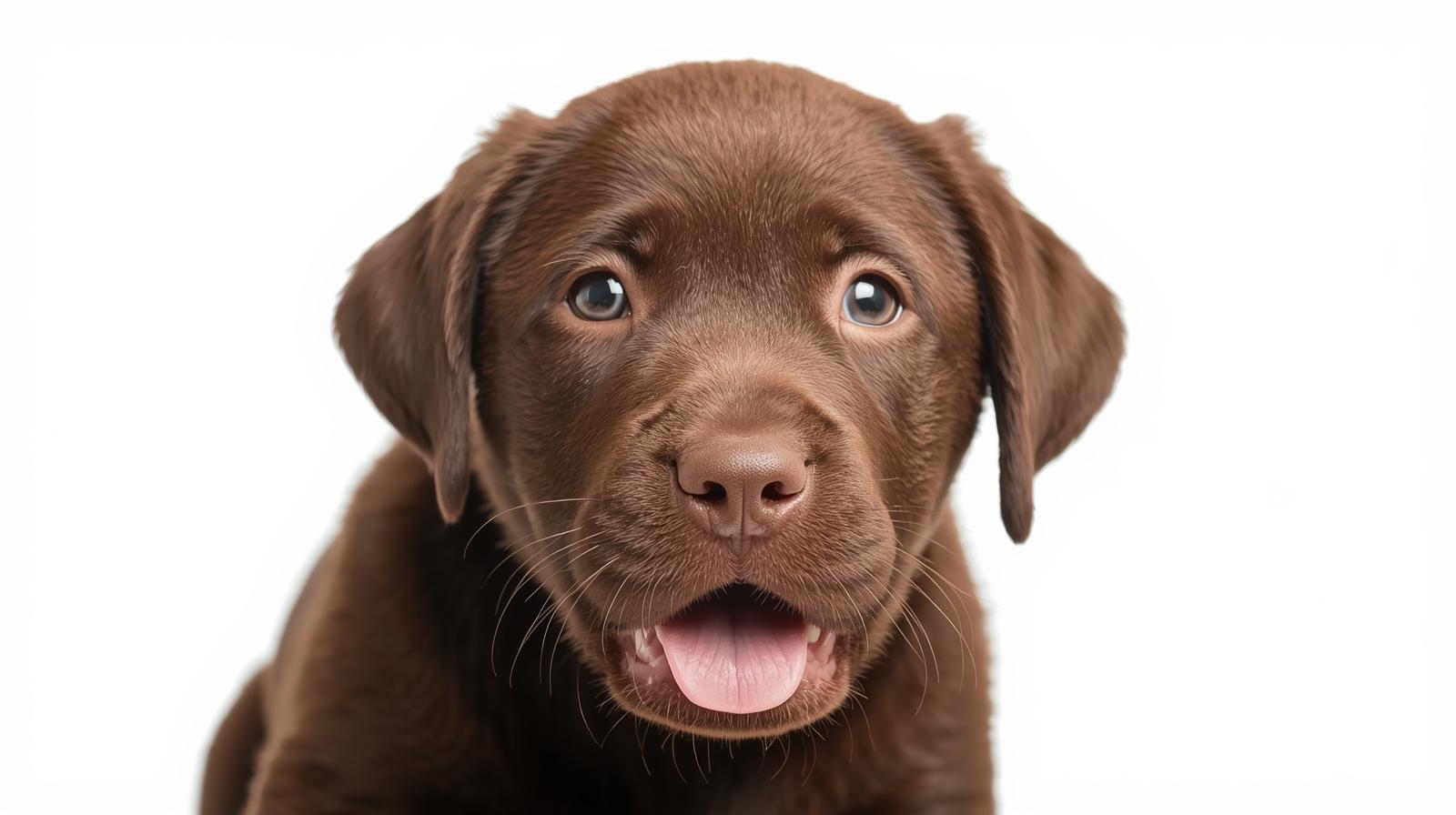
From Puppy to Best Friend: What to Expect in Your Chocolate Lab’s First Year includes big changes in a short time.
Your Lab goes from wobbly fluff to strong teen by 12 months. Track progress month by month, adjust exercise, and keep chewing under control. Small, steady steps set you both up for success.
Teething and Chewing Phase: How to Handle It
Baby teeth usually arrive by 3 to 6 weeks, then fall out between 12 and 24 weeks. Most Labs have a full set of adult teeth by 6 to 7 months.
During this window, gums feel sore and chewing ramps up. Sofas and shoes become tempting if you do not plan ahead.
Make teething easier with a smart setup:
- Rotate safe chews daily. Use rubber, nylon, and soft-texture options to match mood and mouth.
- Offer chilled items for sore gums. A frozen, damp flannel in a bag, or a freezer-safe rubber toy, can soothe nicely.
- Keep sessions short. Two to five minutes of calm chew time beats frantic gnawing.
- Redirect, do not scold. Guide the mouth to a chew, then praise once engaged.
- Puppy-proof high-value items. Block access to wires, shoes, and table corners.
- Add quiet sniff games after chewing. A few scattered treats on a mat helps settle energy.
Handy signs that teething is active:
- Drooling and light bleeding on toys.
- Chewing more after meals or naps.
- Mild ear scratching or face rubbing.
If you want a simple vet-backed overview, see these clear puppy teething tips from a veterinary team. It covers comfort ideas and when to call your vet.
Pro tip for East Cornwall homes: keep a “chew basket” in each room you use often. When your pup starts mouthing a chair leg, swap in a chew from the nearest basket.
Easy, fast, and kind.
Physical Development: From Playful Pup to Strong Adolescent
By 5 to 6 months, your Lab looks taller and leaner. Energy spikes, focus wobbles, and curiosity peaks.
Exercise needs grow, but joints still develop. The goal is calm, regular movement, not endless sprints.
Build a balanced routine around six months:
- Add length to daily dog walks slowly. Think 5 to 10 extra minutes per week if your pup stays loose and happy.
- Prioritize low-impact walks on grass or trails. Save hard fetch for later.
- Use sniff time as work. Ten minutes of scenting can tire the brain more than running.
- Keep training bites short. Practice 2-minute sits, downs, and loose lead after naps.
Avoid over-exercise to protect growth plates and hips. Repetitive jumping, long runs, or intense stairs can stress young joints.
Want to understand joint risk? Review canine hip health in this clear primer on canine hip dysplasia.
Social time matters too. Group dog walks, when matched by age and temperament, build manners and confidence. Ask a professional dog walker about small, well-managed groups that suit a friendly Lab.
If you often search “pet walking near me,” look for teams that focus on pacing, rest breaks, and kind handling.
Weather shifts fast in the UK. For safe, happy outings on wet days, use these practical walking-in-the-rain tips for dogs.
A good routine keeps your pup moving even when Cornish drizzle rolls in.
Quick signs you are on track:
- Your pup finishes walks a little tired, not wiped out.
- Play stays bouncy and relaxed, without frantic zooms afterward.
- You see steady muscle tone and a shiny coat.
- Settling at home gets easier each week.
If your schedule is tight, lean on local dog walking services or puppy walking services for midday support.
A reliable dog walker can blend short training, gentle social time, and age-appropriate dog exercise services.
That consistency helps your Lab grow from playful pup to polite teen without losing the fun.
Training and Socialisation:
Building a Well-Behaved Best Friend
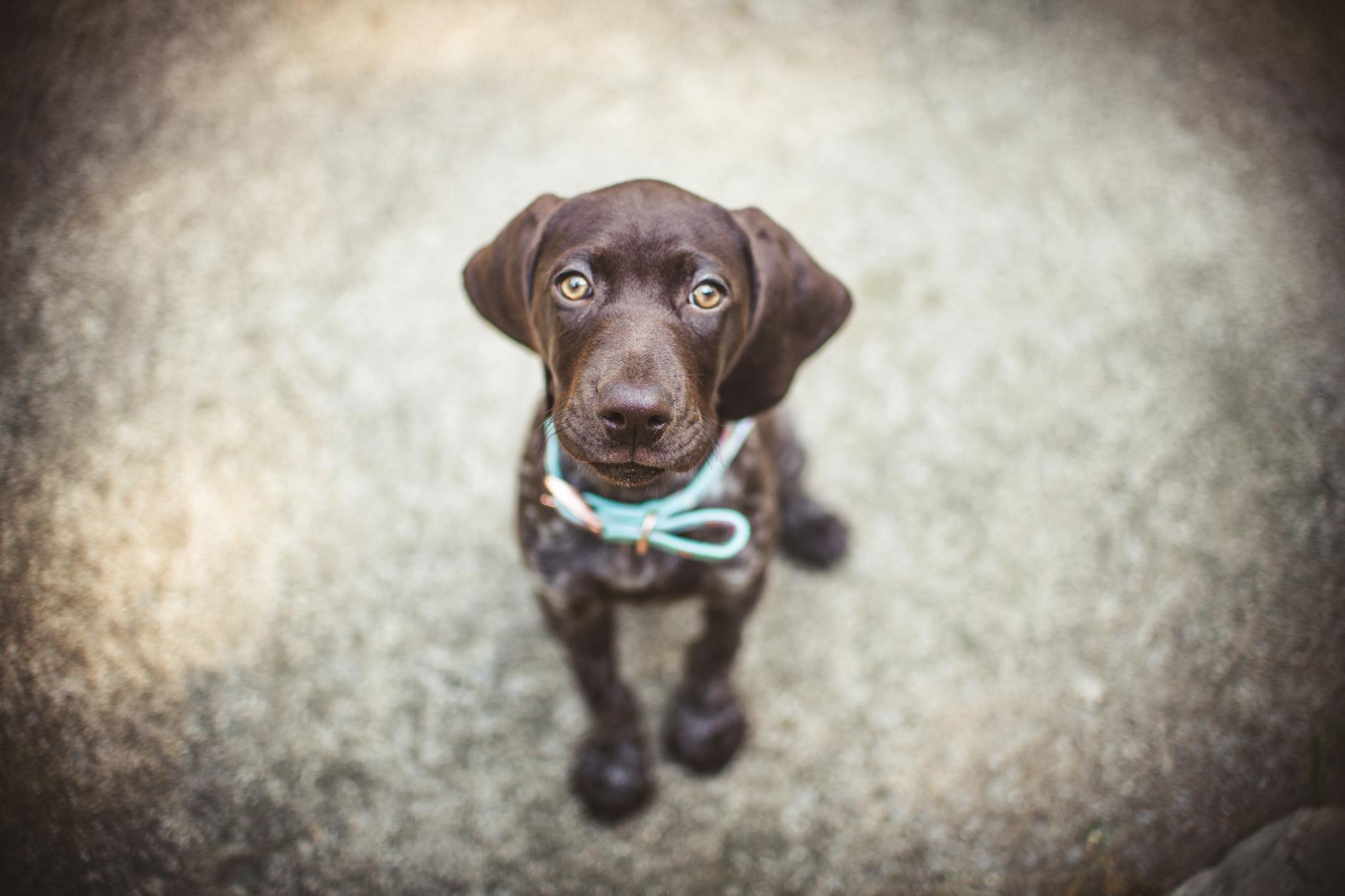

A calm, confident Chocolate Lab starts with simple daily habits. From Puppy to Best Friend: What to Expect in Your Chocolate Lab’s First Year is about turning tiny wins into strong manners.
Keep sessions short, pay well with treats, and use clear cues. Positive reinforcement works because dogs repeat what pays off. If you want to peek at the science, read about operant conditioning.
Key Training Tips for the First Six Months
The first half-year sets your base layers. Keep it friendly and consistent. Here is a simple plan that fits busy East Cornwall lives.
- House training
- Take your pup out after waking, eating, and playing. Set a timer for every 45 to 60 minutes at first.
- Pick one toilet spot in the garden. Stand still, say nothing, then quietly praise after success.
- Use an enzymatic cleaner indoors. It removes scent so your pup does not re-mark.
- If accidents happen, interrupt gently and guide outside. Reward the right spot.
- Crate training
- Make the crate a cosy den. Feed a few meals inside and scatter treats for a quick explore.
- Start with the door open. Add short door-closed moments while you potter nearby.
- Build up to calm rests after walks or play. Cover half the crate to reduce visual noise.
- Add a safe chew to help your pup settle. Rotate textures to keep interest high.
- Leash walking
- Begin indoors on a light lead and harness. Reward any slack in the lead with a treat by your knee.
- Move to a quiet lane, then short local paths. Keep sessions under 10 minutes at first.
- Reward often for a loose lead, eye contact, and sits at kerbs.
- If your pup pulls, stop. Wait for slack, then move. No yanking or nagging.
- Start light activities and build up
- Aim for several mini walks and play bursts instead of one long march.
- Mix in brain work. Simple nose games, scatter feeding, and short recall games beat endless fetch.
- Keep jumps, stairs, and hard sprints low while joints grow.
- Add structured skills weekly: sit, down, stay, recall, leave it, and a cheerful “this way.”
- Need a guide by age? The AKC’s clear timeline for Labs covers skills from puppy to teen, see the Labrador puppy training milestone guide.
Quick example that works on Cornish lanes: carry five pea-sized treats in each hand. Every few steps of loose lead, drop one at your heel.
Your pup learns that sticking close pays well.
If you want a refresher on polite greetings and reading body language, scan our friendly notes on dog training secrets for better socialization.
It is great for family members and visiting friends.
Socialising Your Puppy:
Why It Matters and How to Do It Right
Good socialisation builds a steady dog that can handle busy beaches, farm noises, and the odd seagull.
Aim for calm exposure, not chaos. Your goal is relaxed curiosity with lots of rewards.
- Bite inhibition and gentle mouths
- Puppies learn to soften their bite through play with humans and dogs.
- If teeth touch skin, go still for two seconds, then redirect to a chew. Praise soft mouths.
- Progress takes time. Many pups improve as adult teeth arrive. For a detailed Lab-focused guide, see teaching bite inhibition to your Labrador puppy.
- Smart exposure plan for East Cornwall
- Sounds and sights: farm machinery, bikes, buses, gulls, waves, and kids at play. Start at a distance, feed for calm looks.
- Surfaces: sand, wet grass, slip mats, gentle steps. Reward confident steps and pauses.
- Places: quiet beaches at off-peak times, village lanes, garden centres that allow dogs.
- People: different shapes, hats, hi-vis gear, walking sticks, and prams. Let your pup choose to approach.
- Safe puppy playdates
- Choose friendly, vaccinated dogs with easy manners. Keep size and play style in mind.
- Keep first meetings short with lots of breaks. Watch for soft bodies, loose tails, and easy swaps of roles.
- End early while play is still happy. A good finish teaches your pup that calm pays.
- Handling real-life dog encounters
- Practice a “let’s go” and step off calmly if another dog feels too forward.
- Keep a distance if your pup looks unsure. Curves and arcs reduce pressure.
- If you meet pushy or roaming dogs on lanes or moor paths, read our guide to dealing with loose aggressive dogs on walks. It covers space-making, barriers, and a calm exit plan.
- Build recall confidence
- Use a long line on open fields until recall is solid.
- Pay big for the return. Cheese, chicken, and party-level praise.
- In wide, rural spaces, many owners like extra peace of mind with a tracker. Here is a simple overview of the Tractive GPS Dog Tracker.
Helpful social rules that keep things easy:
- Let your pup watch the world before meeting it. Looking calmly is a win.
- Pair new things with food. The brain forms a positive link fast.
- Keep sessions short. Two minutes of calm beats ten minutes of overwhelm.
- Add rest. Sleep cements learning.
Want an extra boost during busy weeks? A professional dog walker can run gentle meetups, short training breaks, and patient leash practice as part of daily dog walks. When you search “pet walking near me,” look for small group dog walks that suit your puppy’s age and confidence.
Ask about local dog walking, puppy walking services, dog exercise services, and dog walking rates so support fits your routine.
And do not forget quick games with tug toys at home, which build focus, confidence, and a lovely bond.
Good training and kind social time turn curiosity into trust. With steady practice, you will see polite greetings, soft mouths, and a happy heel beside you.
That is how you move from first sit to best friend.
Health Care and Overcoming Common Challenges in Year One
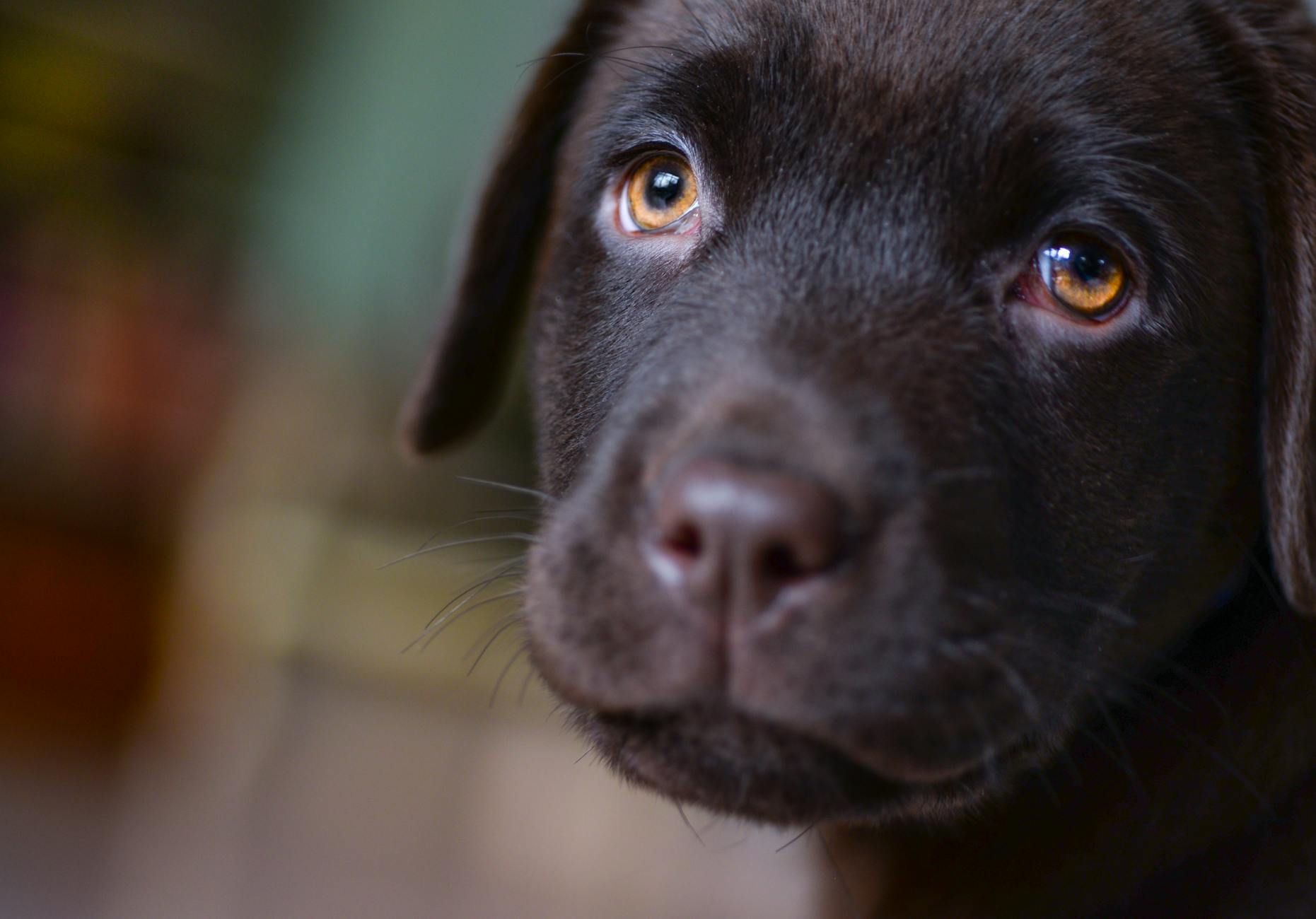

Your Lab’s first year brings fast growth, big appetites, and boundless zooms.
The goal is steady development, not sprinting ahead. From Puppy to Best Friend: What to Expect in Your Chocolate Lab’s First Year means getting the basics right, week after week.
Feed for growth, walk for balance, and keep an eye on weight, joints, and energy.
Nutrition and Exercise: Keeping Your Lab Puppy Healthy
Chocolate Labs grow into strong, athletic adults. Proper nutrition and smart activity protect joints and set healthy habits for life.
A few simple rules keep you on track.
- Feed a large-breed puppy formula to support controlled growth.
- Keep body condition lean, aim for 4 to 5 on a 9-point scale.
- Weigh weekly in the first six months and adjust food using the bag’s chart.
- Split meals to protect tummies and energy levels.
Here is a simple feeding rhythm that matches typical growth patterns.
| Puppy age | Meals per day | What to focus on |
|---|---|---|
| 8 to 12 weeks | 4 | Offer small meals often. Change foods slowly. Count training treats, too. |
| 3 to 6 months | 3 | Support steady growth. Keep an eye on weight and poo. |
| 6 to 12 months | 2 | Keep your puppy lean. If your vet agrees, plan adult food at around 12 months. |
Helpful checks you can do at home:
- Ribs should be easy to feel with light pressure.
- There should be a clear waist from above and a slight tummy tuck from the side.
- If weight creeps up, reduce portions by 5 to 10 percent for two weeks, then review.
Why lean matters: extra weight stresses hips and elbows in large breeds. If you want a quick primer on risks, scan this overview of obesity in dogs.
Staying trim helps your Lab move well and live longer.
Now, exercise. Young Labradors need regular movement, not marathons. Build a plan that mixes sniffing, rest, and short skills.
- Use short, frequent outings. Many pups do well with 10 to 20 minute walks, two to three times daily, as they grow.
- Keep sessions on softer ground when possible. Grass and trails beat hard pavements for young joints.
- Include sniff breaks. Ten minutes of scent work can calm busy brains.
- Avoid repetitive jumping, long stairs, and high-impact fetch until growth plates close.
A sample week for a 5 to 6-month Lab:
- Two short daily dog walks with loose-lead practice and sniff time.
- One calm training burst, two to five minutes, after each nap.
- One easy social field trip, like a quiet village lane or garden centre.
- One full rest day with puzzle feeding and gentle play at home.
How do you know you got the balance right?
- Your pup finishes slightly tired and settles within 20 minutes.
- Gait stays smooth during and after walks, no stiffness later.
- Appetite, stool quality, and sleep are steady.
Busy schedule or school runs piling up?
A trusted hand helps a lot. Book age-appropriate support through our local dog walking services.
A professional dog walker can deliver midday toilet breaks, steady social time, and kind leash practice.
This is ideal when you keep searching “pet walking near me” and want a reliable dog walker with fair dog walking rates.
East Cornwall can throw four seasons into one stroll. On blustery or wet days, swap a long route for a shorter loop and extra sniffing.
If safety is on your mind during darker evenings or busy lanes, here is a practical guide on is dog walking dangerous.
It covers planning, visibility, and calm handling so daily dog walks feel easy again.
A few final pointers for year one:
- Track weekly weights for six months, then monthly to 12 months.
- Keep treats to 10 percent of daily calories. Measure, do not guess.
- Ask your vet about the right time to switch to adult food. Many Labs change near 12 months.
- Use local dog walking to maintain routine during workdays. Group dog walks can suit confident teens, while puppy walking services fit younger pups.
Stay simple, steady, and kind. With balanced food and sane activity, your Lab will grow strong, settle faster, and enjoy every mile beside you.
Conclusion
From Puppy to Best Friend: What to Expect in Your Chocolate Lab’s First Year comes down to steady routines, kind training, and simple health checks.
Keep growth lean, teach calm leash skills, and protect young joints with short, regular walks. Reward good choices, keep sessions brief, and watch for stress signals.
For a quick background on breed temperament and energy, see the Labrador Retriever overview on Wikipedia: https://en.wikipedia.org/wiki/Labrador_Retriever.
Enjoy the journey. Use gentle social time, sniffy strolls, and rest days to keep your pup balanced.
If you often search pet walking near me, local support makes life easier.
A professional dog walker can handle midday toilet breaks, daily dog walks, and small group dog walks that fit your puppy’s age.
Book puppy walking services when work or school runs get busy, and ask about dog exercise services and fair dog walking rates that match your routine.
Ready for next steps in East Cornwall?
Start with small wins on every walk, then build consistency.
For extra help shaping great habits, see these tips to avoid common dog walking mistakes: https://paw-tastic-walks.com/common-walking-mistakes-and-how-to-fix-them/.
When you want a reliable dog walker who keeps things calm, friendly, and fun, get in touch to arrange puppy walking services and set your Lab up for a happy year.
Your care today grows a confident dog and a lifelong best friend.