
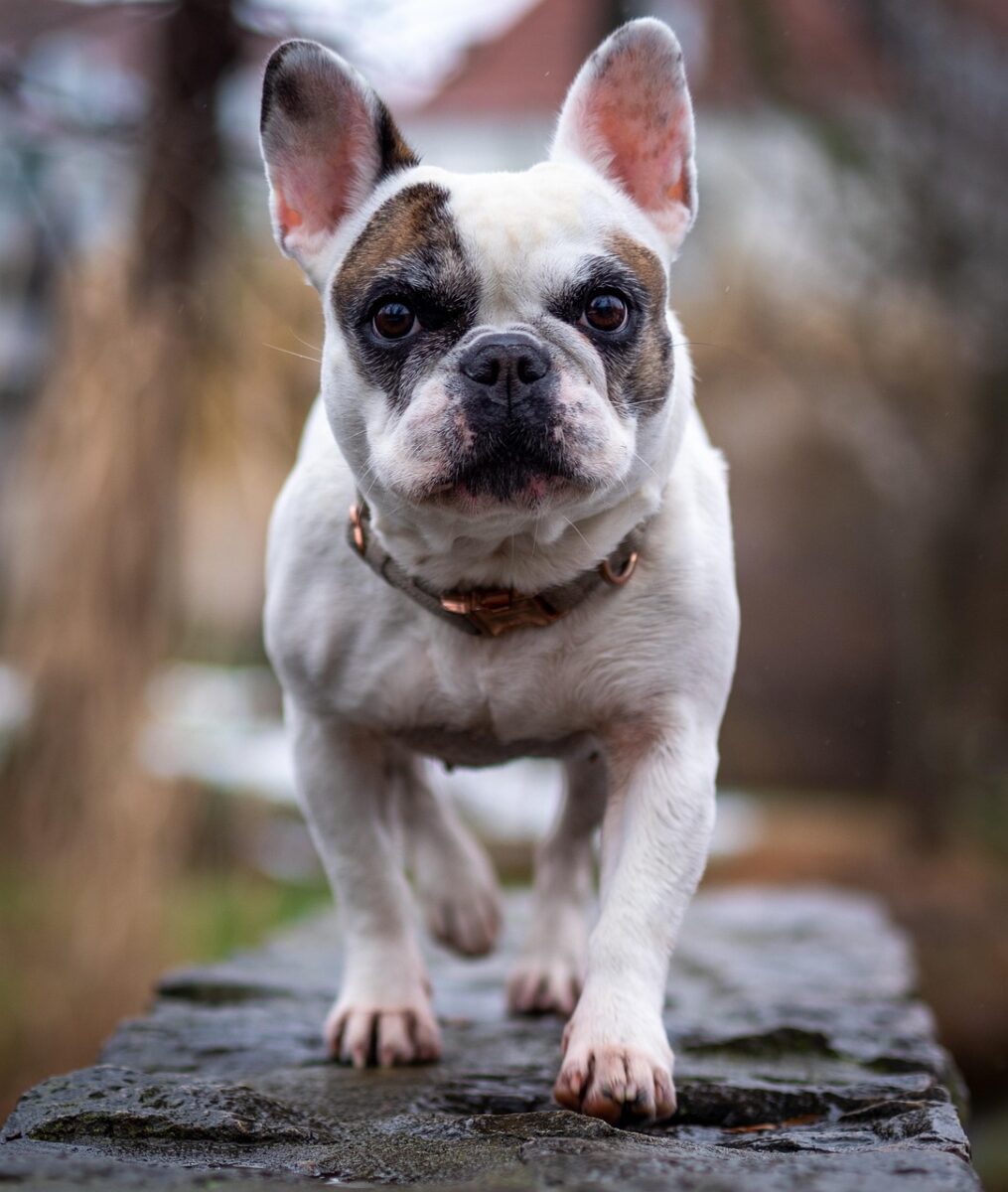
The short answer to French Bulldog life expectancy is an average lifespan of 10 to 12 years in 2026.
Some French Bulldogs live longer, even into their mid-teens, when they stay lean, get regular vet care, and have breathing issues spotted early.
That matters because a Frenchie is a loving, funny little shadow. They make people laugh, snore like tiny tractors, and fit right into family life as a companion dog.
Still, their body shape can bring health problems that affect comfort and lifespan.
If you’re in East Cornwall, or anywhere else, the good news is simple.
Small daily choices can help your Frenchie, a small dog breed, live a longer, easier life, and that’s where it helps to start.

What affects French Bulldog life expectancy the most?
A dog’s genes set the stage, but proper care writes a lot of the story. That’s especially true for the French Bulldog life expectancy question. Two Frenchies can look alike and age very differently.
Breeding quality matters first. Puppies from parents that have undergone genetic testing often get a better start.
As a brachycephalic breed, poor breeding can raise the risk of airway trouble, spine problems, skin issues, and eye disease.
Reputable breeders following American Kennel Club standards help avoid these issues. So, if you’re getting a puppy, don’t treat the breeder search like picking socks off a shelf.
Weight is another major factor. French Bulldogs carry extra pounds badly. Even a little weight gain can make breathing harder and put more strain on joints and the spine.
Many vets aim for a healthy weight, often around 4 out of 9 on the body condition scale.
Here is the quick picture:
| Factor | Why it matters | Best move |
|---|---|---|
| Genetics | Can raise risk of inherited health problems | Choose health-tested lines |
| Body weight | Extra fat worsens breathing and joint strain | Keep meals measured |
| Breathing health | Flat faces make airflow harder | Check noisy breathing early |
| Heat sensitivity | Frenchies overheat fast | Walk in cool hours |
| Exercise habits | Too little or too much both cause trouble | Use short, steady walks |
| Vet care | Early treatment helps dogs stay comfortable longer | Book routine checkups |

The pattern is clear. Lean, cool, well-monitored Frenchies usually do better.
Recent breed guides, including Puppy Longevity’s French Bulldog guide, still place the average lifespan at about 10 to 12 years.
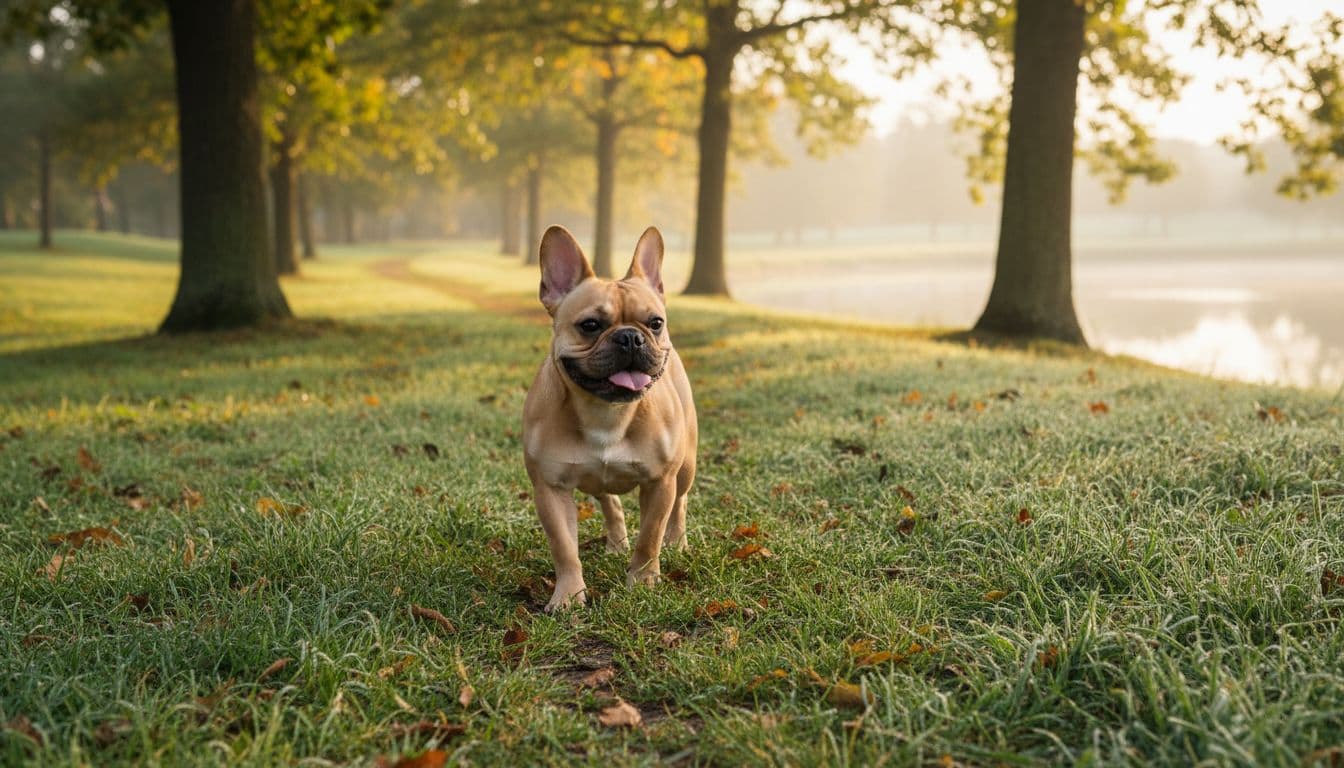

Keep your Frenchie lean and cool. That does more for lifespan than most expensive add-ons.
Routine also matters. Dogs that get sensible exercise, sleep well, and visit the vet before a problem turns serious often age more smoothly.
Health problems that can shorten a Frenchie’s life
French Bulldogs are sturdy in spirit, but not always in structure.
Their flat faces, compact back, and round body create weak spots that owners need to watch.
Breathing problems sit near the top of the list.
Many Frenchies have some degree of Brachycephalic Obstructive Airway Syndrome (BOAS). Signs include loud snoring, gagging, noisy breathing, easy tiring, and heavy panting in mild weather.
If that sounds familiar, don’t shrug it off as “normal for the breed.” A dog that struggles for air works harder every day.
Heat makes this worse. Frenchies can’t cool themselves as well as longer-nosed breeds. A warm car, stuffy room, or midday walk can become dangerous quickly.
Then there are spine and joint issues among these health issues.
French Bulldogs can be prone to Intervertebral Disc Disease (IVDD), hip dysplasia, and patellar luxation. Repeated jumping off sofas or climbing stairs all day can add strain over time.
Skin and ears matter too. Skin allergies, skin fold dermatitis, and ear infections may not sound life-shortening, but chronic inflammation wears dogs down.
It also raises stress and lowers quality of life as part of broader health issues.
Eye trouble can show up as ulcers, dry eye, or cherry eye. Dental disease is another sneaky problem.
Bad teeth do more than smell awful. Infection in the mouth can affect the whole body.
For a general breed background, the French Bulldog page on Wikipedia gives a helpful overview.
If you want a more detailed look at common issues owners face, this Frenchie health problems guide is also useful.
The main point is simple. Frenchies don’t all age the same way, but early action often changes the path.


Daily habits that help French Bulldogs live longer
Long life often comes from boring, steady habits. That’s good news, because boring habits are easier to repeat.
Start with diet and nutrition for your Frenchie. Measure meals. Keep treats small. Watch the waistline every month, not just at the vet, to maintain a healthy weight.
If your Frenchie has no waist and pants after light effort, it’s time to adjust. You don’t need a dramatic diet. You need consistency.
Next, protect the back and promote joint health. Use ramps for beds or sofas when you can.
Lift your Frenchie with support under the chest and rear. Skip rough games that twist the spine. A little prevention goes a long way.
Home life matters too. Keep the house cool in warm weather. Wipe skin folds dry. Clean ears as your vet advises.
Brush teeth often. Think of these habits like oil changes for a car, as proper care helps prevent problems from building quietly.
Mental stimulation helps as well. Sniff walks, food puzzles, short training games, and calm companionship all support a healthier routine and boost quality of life.
Stress doesn’t help any dog, and Frenchies can be sensitive little comedians.
If you’d like a handy care checklist, the 100 Great Tips ebook is available on Etsy for $9.97 and on Gumroad for $9.97.
Owners in East Cornwall often ask whether a walker can help with healthy routine. Yes, when the setup is right.
Good dog walking services can support weight control, safe exercise, and a calmer day, especially if you work long hours.
Exercise, heat, and dog walking for Frenchies
Frenchies need exercise, but they need the right kind. Think gentle simmer, not full boil. Most do best with short walks, sniff breaks, and play in cool conditions, their bat ears perked up and alert.
For many adults, two shorter walks a day work better than one long outing. Puppies and seniors need less.
Hot, humid, or stuffy weather means even shorter sessions due to their heat sensitivity. Pavement heat matters too.
If it feels hot to your hand, it’s hot for paws. Frenchies have more moderate exercise needs than the heftier English Bulldog.
If you’re searching for pet walking near me in East Cornwall, ask smart questions.
Does the professional dog walker understand brachycephalic breeds?
Do they offer solo walks instead of group dog walks when needed?
Can they handle puppy walking services for a young Frenchie? Good local dog walking isn’t about distance alone. It’s about pace, weather, breaks, and common sense.
A reliable dog walker should also explain how they manage heat, rest stops, and water. The best dog exercise services don’t try to tire a Frenchie out.
They aim to keep the dog fit without overdoing it. Even dog walking rates matter less than skill if your dog has special breathing needs.
For more breed-specific advice, these French Bulldog walking tips are worth a read.
Route choice counts too, especially if you want practical dog walking safety tips for unexpected encounters.
If your Frenchie loves to wander or you share care with walkers or family, a tracker can add peace of mind.
This Tractive GPS dog tracker review explains how that extra layer can help.
The takeaway is simple. Daily dog walks help Frenchies, but smart walks help them more.
Routine vet care for maximum lifespan
French Bulldogs do best when problems get caught early. Waiting until a dog is clearly struggling often means the issue has been building for a while.
At each life stage, puppies should have airway, eye, skin, and joint checks from the start. As adults, Frenchies benefit from routine veterinary care like regular wellness exams, dental care, and honest weight reviews.
If your Frenchie snores loudly, tires fast, or turns blue-gray around the gums after exercise, book a visit sooner, not later.
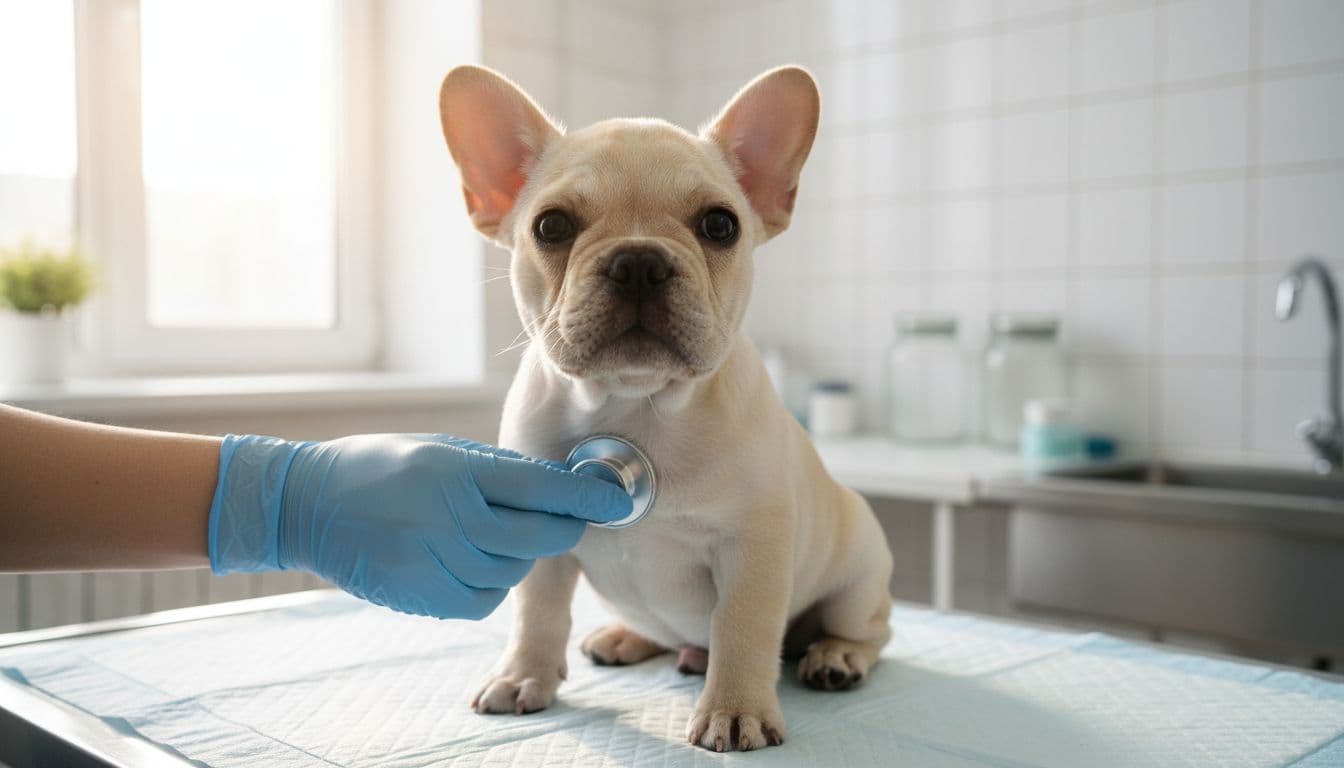
Breathing assessments matter a lot. Some dogs benefit from early airway surgery, especially when nostrils are very narrow or soft tissue blocks airflow.
That won’t fit every Frenchie, but a proper exam gives you a clearer picture.
Regular bloodwork can help as dogs age. So can checking teeth, heart health, ears, and mobility. Small changes often come first.
A slower rise from bed, new snorting, or sudden dislike of stairs can be early clues.
Good routine veterinary care doesn’t mean living at the clinic. It means spotting trouble before your dog has to fight through it every day.
The French Bulldog’s life expectancy is about 10 to 12 years, but that number isn’t set in stone.
Weight control, breathing care, heat safety, and steady vet support can shift the odds in your dog’s favor.
If your Frenchie is already part of the family, start with one thing this week. Trim the treats, move walks to cooler hours, or book that overdue checkup.
A longer average lifespan, with better quality of life, often grows from small choices, repeated with love.