Speed, Safety, and Everyday Life in East Cornwall
If you share your life with an Azawakh, you probably already know this is no ordinary dog.
A healthy Azawakh can run around 40 mph (about 64 kph). That puts them among the fastest dog breeds on the planet, close to a Greyhound and much faster than most pet dogs.
They were bred in West Africa for long-distance hunting in the desert. That tough background shaped both their speed and their stamina.
These dogs are built to sprint hard, then keep going across hot, open ground.
For owners in East Cornwall, this speed meets coastal paths, muddy lanes, and open fields. Daily dog walks can feel a bit different when your companion can cross a field in a heartbeat.
In this guide, you will learn about Azawakh top speed, how their body is built for running, and what that means for normal walks and jogs.
You will also find simple safety tips, gear ideas, and when it might help to bring in dog walking services or a professional dog walker.
If you enjoy daily dog walks along the coast or countryside near Looe, Polperro, or surrounding villages, this article is for you.
Azawakh Speed Explained: How Fast Can This Elegant Hound Really Run?
Most healthy adult Azawakhs can reach around 40 mph at top speed. In kilometres, that is roughly 64 kph.
This is similar to a racing Greyhound and puts the Azawakh right in the top group of the fastest dog breeds in the world.
To picture that speed, think about a car driving through a school zone at 20 mph.
Your Azawakh could run twice that speed in a sprint. In a big field, they can cross from one end to the other in just a few seconds.
If you glance at your phone, you could look up and see only a fast, shrinking dot in the distance.
Not every Azawakh will hit the same number. Just like people, each dog is different. Their speed depends on:
- Age
- General health
- Fitness level
- Training and confidence on open ground
Younger adults in good condition usually run the fastest. Seniors, puppies, or dogs with joint issues will be slower and need more care.
The Azawakh is not only about speed. This breed is built for endurance as well. Many sighthounds are sprinters that tire quickly.
The Azawakh often keeps a strong pace for longer, thanks to its desert background.
For owners in East Cornwall, this means your dog can happily trot or jog beside you for much longer than a short sprint.
It also means they may not slow down as quickly as other dogs once they start running.
Because of that speed and stamina, a secure harness and solid recall training are essential for every Azawakh that walks near roads, cliffs, or livestock.
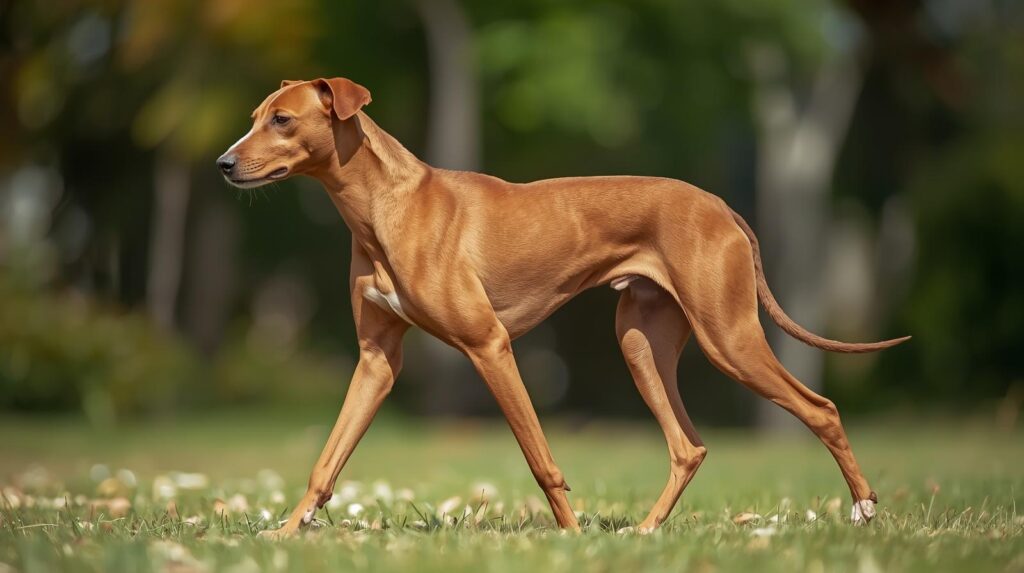
Comparing Azawakh Speed to Other Dogs and Everyday Life
To understand Azawakh speed, it helps to compare.
- Many average pet dogs run around 15 to 20 mph at full pelt.
- Sighthounds like Greyhounds and Whippets can hit about 35 to 45 mph.
- The Azawakh sits close to these top speeds, at around 40 mph.
So your Azawakh is not just a bit faster than the average Labrador at the park.
They are closer to the elite sprinters of the dog world, with extra stamina on top.
In everyday life, this has real effects. On a normal walk in East Cornwall, an Azawakh can outpace you without even trying.
A relaxed trot for them might be your brisk power walk.
Imagine standing at one side of a large Cornish field. If your Azawakh spots a rabbit or a bird and decides to chase, they can cross the whole field in seconds.
That is why off-lead time needs careful planning.
This does not mean you cannot enjoy freedom, play, or fun.
It just means you need secure spaces, strong recall, and sometimes help from local dog walking services that understand sighthound speed.
What Makes an Azawakh So Fast? Body Shape, History, and Temperament
The Azawakh is a sighthound from West African countries like Mali and Niger.
Nomadic people developed the breed to chase fast game across open desert and to guard camps.
Three main things create their speed:
- Their unique body structure
- Their long desert hunting history
- Their alert temperament and strong prey drive
If you want more technical background, the sighthound article on Wikipedia gives a helpful overview of this group of dogs.
All of that history now meets modern life in the UK.
In East Cornwall that might be the South West Coast Path, local woods, and farmland full of wildlife.
The same traits that let an Azawakh chase antelope can also send them racing after pheasants and rabbits near Looe or Pelynt.
This is why owners need to understand what sits behind that beautiful, floating run.
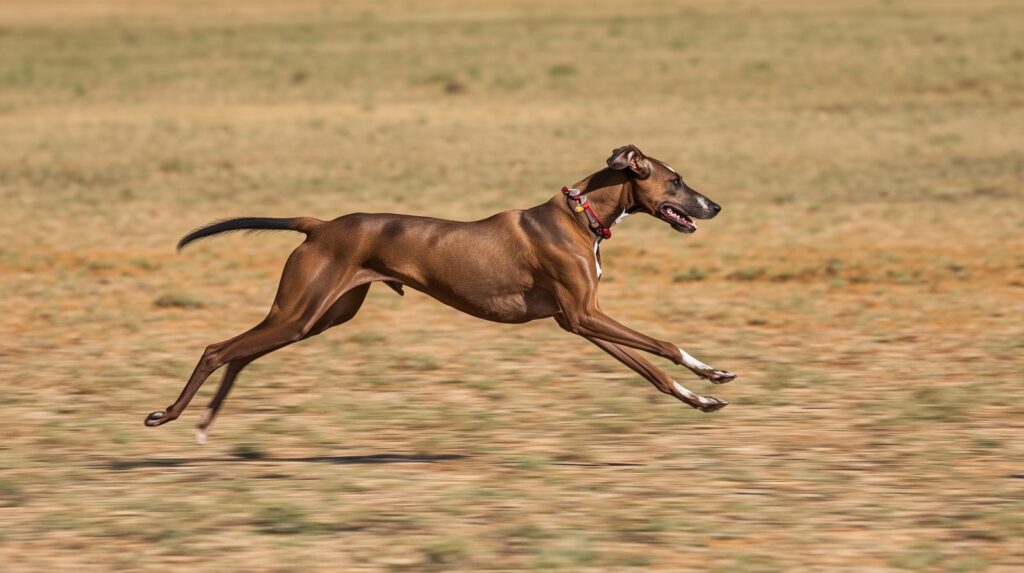

Built for Speed: Long Legs, Lean Muscles, and Desert Design
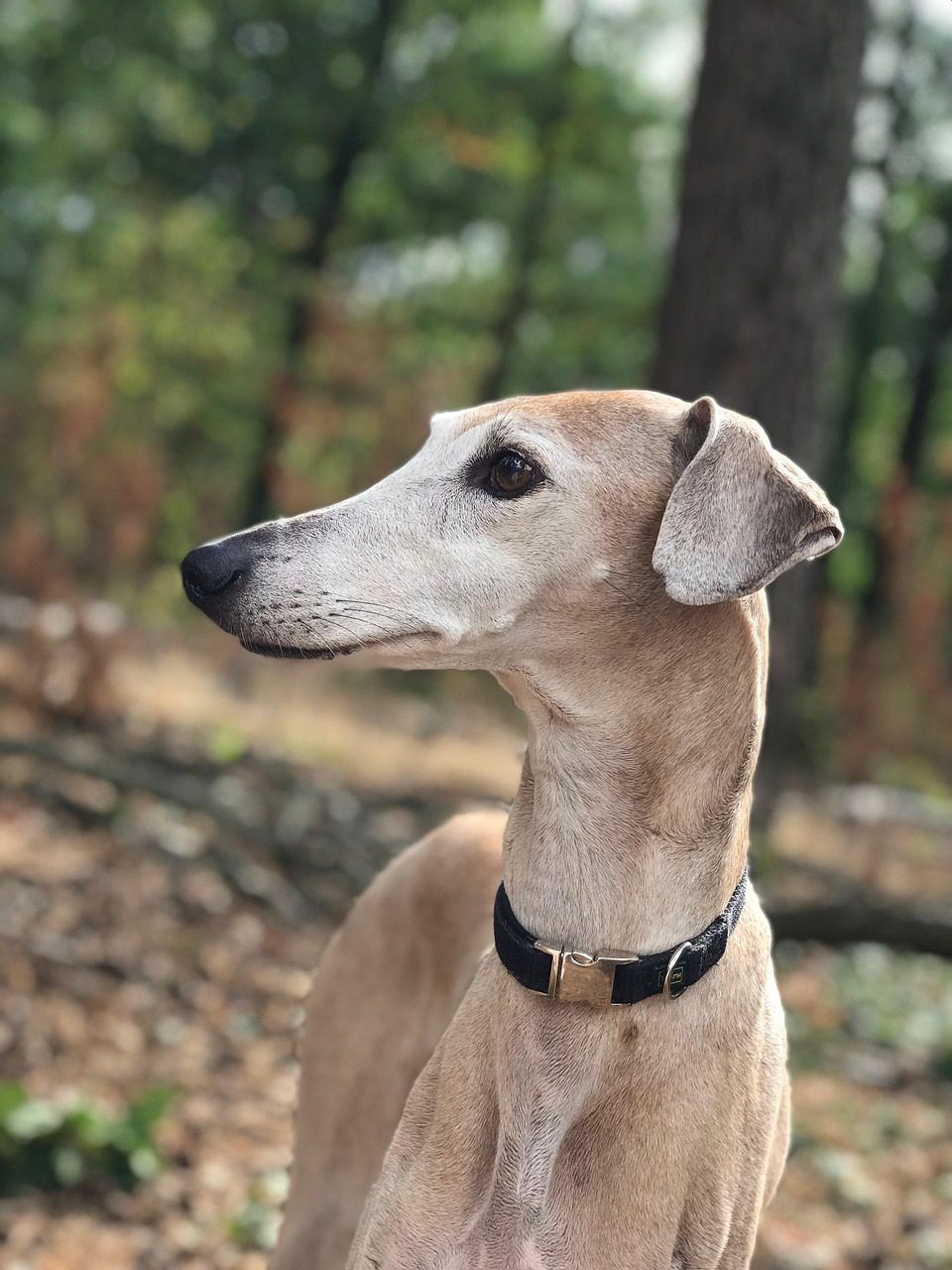
The Azawakh body is like a long-distance runner in dog form. Everything about their build supports speed.
They have:
- Long, slim legs that give a huge stride
- A light frame with low body fat
- Tight skin and a short coat that helps heat escape
- Lean but strong muscles, especially in the hind legs
- A deep chest that gives space for big lungs and a strong heart
All of this helps them run fast and stay cool in hot weather. Compared to a Labrador, an Azawakh looks much more angular and fine boned.
Their gait can seem almost cat-like, with a floaty, light step.
The same build makes them more sensitive to cold and hard ground. Cornish winters, wet winds on the cliffs, and rough stony paths can feel harsh for such a slim dog.
A well fitting harness helps you keep control without putting pressure on the neck.
For big, athletic dogs, guides like the one on the best dog harness for large dogs can be very helpful when you choose gear for faster walks or runs.
In cold weather, many Azawakhs also appreciate a coat and shorter, sharper bursts of speed instead of long, freezing outings.
Desert Hunting History: How Azawakh Speed Developed Over Time
The Azawakh did not become fast by accident. Nomadic people in West Africa used them for guarding and for hunting.
They needed dogs that could:
- Spot prey at a distance
- Chase fast animals like hares and antelope
- Work across hot, open land for long periods
Only the toughest, fastest, and most determined dogs were kept for breeding.
Over many generations, this shaped the Azawakh into a dog with great speed and stamina.
Today, your own Azawakh in East Cornwall will not be hunting antelope. But the old instincts are still there.
They may stand and watch the horizon, then suddenly sprint if they see movement.
That background also means they often need both physical exercise and mental challenge. Scent games, structured play, and gentle problem solving tasks help them relax at home.
Articles such as Azawakh vs Greyhound comparisons can also give extra insight into how their stamina differs from other racing breeds.
Prey Drive and Personality: Why Azawakh Love to Run and Chase
Most Azawakhs are sensitive, loyal, and deeply bonded to their family. They can be reserved with strangers and very alert to their surroundings.
They are often calm indoors but can switch to high gear in seconds if something catches their eye.
Because of their sighthound heritage, many Azawakhs have a strong prey drive. This is the natural desire to chase moving things.
It explains why they may launch into a sudden sprint even when they seemed relaxed a moment before.
For owners in East Cornwall, that means planning ahead. Helpful steps include:
- Building strong recall training
- Using safe, enclosed spaces for off lead running
- Choosing group dog walks with skilled handlers who understand sighthounds
Dog exercise services and group dog walks can give a high energy Azawakh safe ways to run, chase toys, and socialise.
This supports both body and mind, and takes some pressure off you if life is busy.
If you would like to read more about how Azawakhs work in practice, the article on Azawakh as a versatile working sighthound gives a nice deeper view of their character.
How Much Exercise Does an Azawakh Need, and How Fast Should You Let Them Run?
Azawakhs are active, athletic dogs. Most healthy adults need at least one to two hours of movement each day.
This usually works best as a mix of:
- Steady walking
- Short, fast sprints or games
- Mental enrichment and training
That does not mean you should let every Azawakh run at full speed every day.
Puppies, seniors, and dogs with health conditions must have a different plan. Their joints, hearts, and muscles need time and care.
Mental rest matters as much as physical exercise. Calm sniffy walks, gentle games at home, and quiet time on a comfy bed all help your dog reset.
If you work long hours, daily dog walks can feel hard to fit in. Local dog walking services and a reliable dog walker can help keep your Azawakh in a good routine without overdoing the speed.
Many owners mix their own evening walks with midday support from dog exercise services.
Daily Exercise Guidelines: Walks, Runs, and Play for a Fast Azawakh
Here is a simple guide, which should always sit alongside your vet’s advice.
Azawakh puppies
Puppies have soft, growing joints. They need short walks on softer ground, such as grass or sand.
Avoid long runs, jumping off high spots, and hard chasing games.
Short, frequent outings work best. Think of five to ten minute strolls, plus gentle play at home.
Puppy walking services from local dog walkers can give safe social time without overworking young legs.
Adult Azawakhs
Most healthy adults do well with 60 to 120 minutes of varied activity each day. That might include:
- A brisk on lead walk along a coastal path or quiet lane
- Recall practice on a long line in a field
- Controlled free running in a secure area
On busy days, some owners use daily dog walks through local dog walking services.
If you search for “pet walking near me” or “local dog walking” around East Cornwall, look for someone with sighthound experience.
Senior Azawakhs
Older dogs often still enjoy getting out but need shorter, softer sessions.
Watch for any limping, stiffness, or heavy breathing. Adjust speed and distance as needed.
Good routines keep your dog calm and happy. Training support, such as the advice in dog training secrets for better walks, can also help you balance exercise and behaviour.
Safety First: Keeping a High-Speed Azawakh Under Control
A dog that can reach Azawakh speed needs clear safety rules. This matters near roads, cliffs, farm animals, and wildlife.
Key tools include:
- A well-fitting harness
- A strong, reliable lead
- Excellent recall training
In the Cornish countryside, lanes can be narrow, and cars may appear suddenly.
Clifftop paths often have steep drops. A fast dog that spots a bird at the wrong moment can be in danger.
Many owners also like to use a GPS tracker for extra peace of mind. Devices like the Tractive unit let you see where your dog is in real time.
The review of the Tractive GPS dog tracker explains how this tech can support daily dog walks and local dog walking support.
Some people feel nervous handling such a quick and sensitive breed. Working with a professional dog walker can build your confidence and your dog’s skills.
Together, you can shape safe habits that protect both dog and humans.
Weather, Terrain, and Health: When an Azawakh Should Not Run Full Speed
Azawakhs are slim and lightly coated, so weather matters a lot.
On cold, wet, or windy Cornish days, full-speed sprints may not be the best choice.
In winter, many Azawakhs need a coat and shorter bursts of play. Cold wind on the cliffs can chill them quickly. On rainy days, you can still go out, but choose safer routes and avoid pushing speed.
The tips in this guide to walking your dog in the rain can make soggy outings more pleasant.
In very hot or humid weather, avoid mid-day runs. Walk in the early morning or evening instead.
Watch for signs of overheating, such as heavy panting, bright red gums, or confusion.
Surface is important too. Hard tarmac and sharp rocks can stress joints and paws. Softer grass, forest tracks, or firm sand are kinder for sprinting.
If your Azawakh has joint problems, heart issues, or any recent injury, skip full-speed running.
Follow your vet’s advice and keep exercise calm and steady.
Remember that rest days and gentle, sniffy walks are part of a good plan for such a fast breed. Not every day needs to be a race day.
Real-Life Tips for Living With a Fast Azawakh in East Cornwall
Living with a fast Azawakh in East Cornwall can be wonderful. You have space, views, and many lovely paths to enjoy together.
With a little planning, you can balance speed, safety, and fun.
This is where training, enrichment, and smart use of local dog walking services all come together.
You can share the workload, keep your dog satisfied, and stay safe on every outing.
If you sometimes feel unsure around loose dogs, tricky weather, or cliff paths, you are not alone.
Many owners of athletic breeds like the Azawakh ask for support. Resources on common walking errors or common dog walking mistakes to avoid can also help you smooth out daily routines.
Training and Recall: Helping Your Azawakh Use Speed Wisely
Good recall is your best safety tool with a fast sighthound.
When your dog can hit Azawakh speed in just a few strides, you need them to turn on a sixpence when you call.
A simple recall plan looks like this:
- Start in a quiet place, such as your garden or a calm field.
- Use a long line so your dog cannot run off, but still feels some freedom.
- Call their name once, then your recall cue, such as “Here” or “Come”.
- When they move toward you, praise them and give a high value reward.
- Keep sessions short, fun, and positive.
Practice often before you try busy or distracting areas. Never punish your dog for coming back slowly.
You want them to feel that returning to you is always safe and rewarding.
Loose lead walking and focus games, like eye contact or simple heelwork, help your Azawakh tune in to you.
If you feel stuck, you can work with a trainer or blend training with structured walks from a professional dog walker who understands sighthounds.
The article on dog training secrets has more ideas to help you build better control on walks.
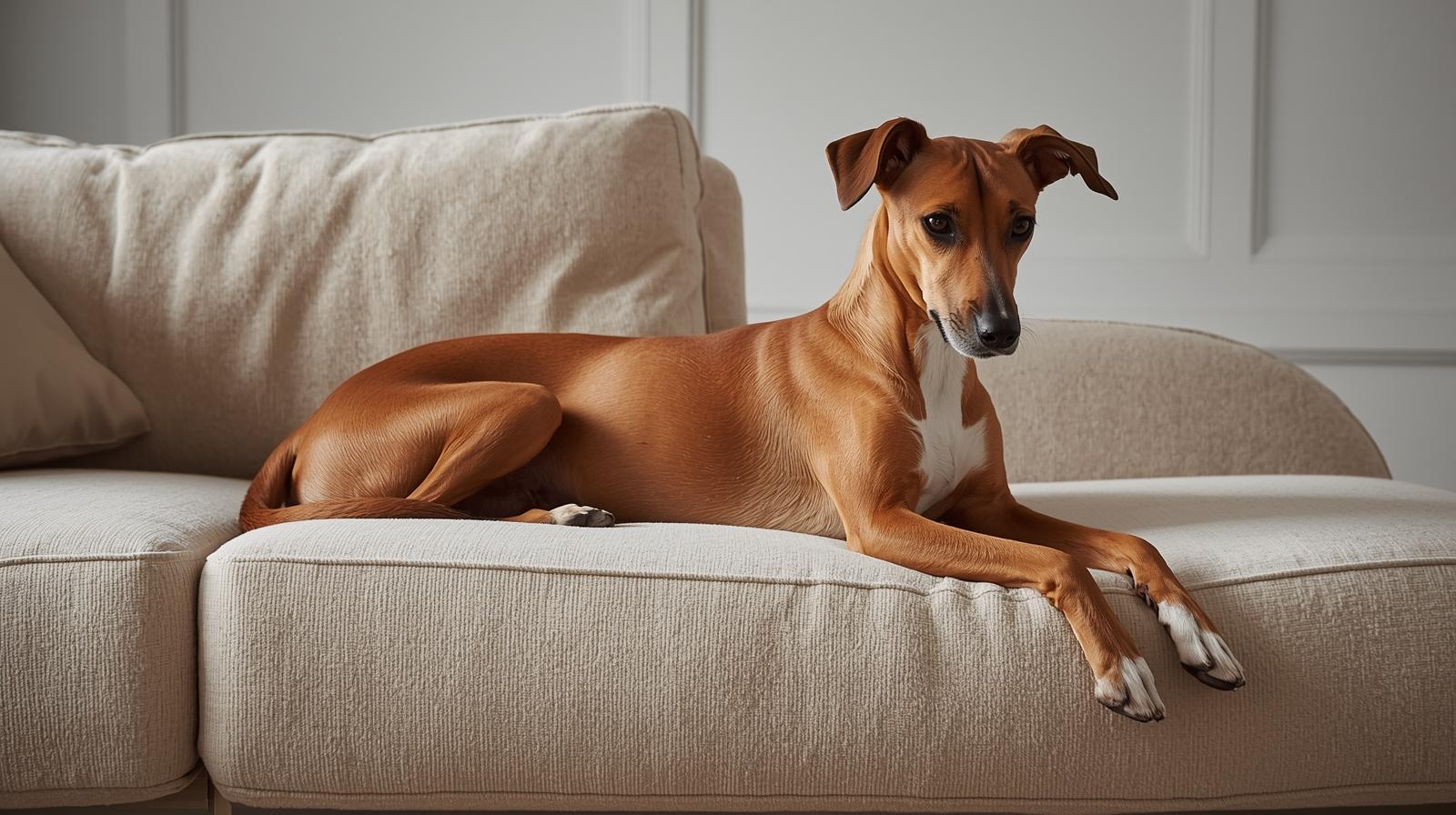

Enrichment Ideas to Channel Azawakh Energy on Non-Running Days
Not every day should involve high speed running.
On rest days, you can still keep your Azawakh happy and busy with lower impact activities.
Some simple ideas include:
- Scent games using treats hidden around a room or garden
- Puzzle feeders or slow feeders for mealtimes
- Short training sessions, such as tricks or basic cues
- Controlled play with safe toys, including gentle games with tug toys
These activities use your dog’s brain and body without pounding the joints. They also build your bond and help reduce frustration in such a high-drive breed.
Enrichment does not need to be fancy.
Even a ten minute sniffing session on a quiet verge, or a new walking route, can make a big difference.
When to Ask for Help from Professional Dog Walking Services
Many Azawakh owners work full time or have changing schedules. It is normal to need backup.
Not every person can meet a fast dog’s needs alone every single day.
Local dog walking services can provide:
- Midday walks while you are at work
- Group dog walks for social, confident dogs
- Quiet solo walks for shy or sensitive Azawakhs
When you look for “pet walking near me”, check that the walker understands sighthounds, prey drive, and safety around traffic and livestock.
Ask about their dog walking rates, how they handle recall, and how they manage emergencies.
A good professional dog walker will know how to balance speed, rest, and mental stimulation.
They will also respect your dog’s personality, whether that means joining fun group dog walks or sticking to calm solo routes.
If you would like to talk through a plan or ask questions, you can contact the team through the Paw-Tastic Walks contact page.
They can help you find a routine that fits both you and your dog.
Staying Safe on Walks: Loose Dogs, Hazards, and Local Routes
Fast dogs like the Azawakh need thoughtful route planning.
Safety is not only about speed, it is also about who and what you might meet.
Loose or aggressive dogs can be stressful for both you and your Azawakh. It helps to have a clear plan before something happens.
This guide on handling loose aggressive dogs offers calm strategies to protect yourself and your dog.
When choosing routes, try to:
- Avoid busy roads and tight lanes where cars appear quickly
- Stay aware of cliffs, fast tides, and unstable edges
- Respect livestock and keep your dog on a lead near farm animals
Dog walking always carries some risk, but you can reduce that with planning and awareness.
If you worry about this, the article Is dog walking dangerous gives helpful context and safety tips.
With a bit of thought, you can enjoy East Cornwall’s beauty while keeping your fast companion safe.
Frequently Asked Questions About Azawakh Dogs, Fast Facts, Personality, and Daily Life
Where do Azawakh dogs come from?
Azawakhs are sighthounds from the Sahara and Sahel region of West Africa, linked to areas around the Azawakh (Azawagh) Valley in Mali, Niger, and Burkina Faso.
Nomadic peoples, including the Tuareg, bred them to hunt and to guard camps and livestock.
What were Azawakhs bred to do, hunt, guard, or both?
Both. They were used as hunters (often for fast game like hare and gazelle) and as camp guardians.
That guardian job is still easy to see today in their watchful, reserved nature around strangers.
Why do Azawakhs look so thin, is that healthy?
For this breed, a very lean, angular outline is normal. Ribs and hip bones may be visible even in a fit, well-fed Azawakh.
They were shaped by generations of work in hot, dry conditions, so they carry very little body fat and have a light frame built for speed and heat.
How big do Azawakhs get?
Most stand about 23 to 29 inches at the shoulder and weigh roughly 37 to 60 pounds.
They’re tall and leggy, which can make them look larger than their weight suggests.
How fast can an Azawakh run?
They’re sprinters and can hit around 40 mph. That speed is a big reason secure fencing matters, once they spot something that triggers their chase instinct, they can take off in seconds.
Are Azawakhs good family dogs?
They can be great in the right home. Many are loyal and affectionate with their own people, but they’re usually not the best fit for loud, chaotic households or for folks who want a dog that greets every stranger like a new best friend.
Are they friendly with strangers?
Most are naturally reserved or cautious with unfamiliar people. Early socialization helps a lot, but it’s still common for an Azawakh to stay polite and watchful instead of outgoing.
Do Azawakhs bark a lot?
Many are fairly quiet.
They tend to notice changes quickly and may alert when something feels off, but they’re not usually constant barkers.
How much exercise do they really need?
They do best with daily hard exercise, think fast running in a safely fenced area or longer runs with you.
The nice part is that many have an indoor “off switch” and settle calmly once they’ve had enough movement.
Can an Azawakh live with cats or small pets?
It depends, but caution is smart. Azawakhs often have a strong prey drive, so chasing small animals can be instinctive, especially outdoors.
Some can live peacefully with cats if raised together and managed carefully, but it’s not something to assume.
Are Azawakhs easy to train?
They’re smart, but independent. They respond best to positive, reward-based training and short sessions that don’t get boring.
Harsh handling can backfire, these dogs tend to shut down or become defensive when pushed too hard.
What’s grooming like for an Azawakh?
Pretty simple. Their coat is short, fine, and low-maintenance, so occasional brushing is usually enough.
Baths are only needed when they get dirty.
Do Azawakhs get cold easily?
Yes. With a thin coat and little insulation, many need a sweater or coat in cool weather.
They often love warmth and will happily soak up sun when they can.
What’s the typical Azawakh lifespan?
Many live around 12 to 15 years.
Are there any health issues owners should watch for?
They’re often described as fairly healthy, but like many sighthounds they can have sensitivity to anesthesia and certain drugs, so it’s worth mentioning the breed type to your vet.
Some sources also note autoimmune conditions in the breed, and their very lean build means soft bedding helps prevent pressure soreness.
Are Azawakhs rare?
Yes. They’re recognized by major kennel clubs (including the AKC), but they’re still considered a rare, niche breed compared to more common family dogs.
This often means fewer breeders, longer waits, and a bigger payoff for patient, well-prepared owners.
Conclusion
The Azawakh is a remarkable hound. It can run at around 40 mph, sits among the fastest dog breeds, and carries a desert-bred mix of speed and stamina.
That power can be thrilling to watch on a Cornish beach or field, as long as you manage it with care.
With good training, a secure harness, safe routes, and the right balance of fast exercise and quiet rest, that speed becomes a joy rather than a worry.
Strong recall, smart use of dog walking services, and helpful tech like GPS trackers all add layers of safety.
You do not have to handle everything alone. A reliable dog walker, group dog walks, and even puppy walking services can support your Azawakh’s needs on busy days.
Blog resources on harnesses, GPS, training tips, and walking in rough weather are there to help keep your Azawakh safe and happy.
Living with an Azawakh in East Cornwall can be a real pleasure.
With sea views, rolling fields, and careful planning, you and your speedy hound can enjoy many miles together, one thoughtful walk at a time.
Available On Our Apparel Store