
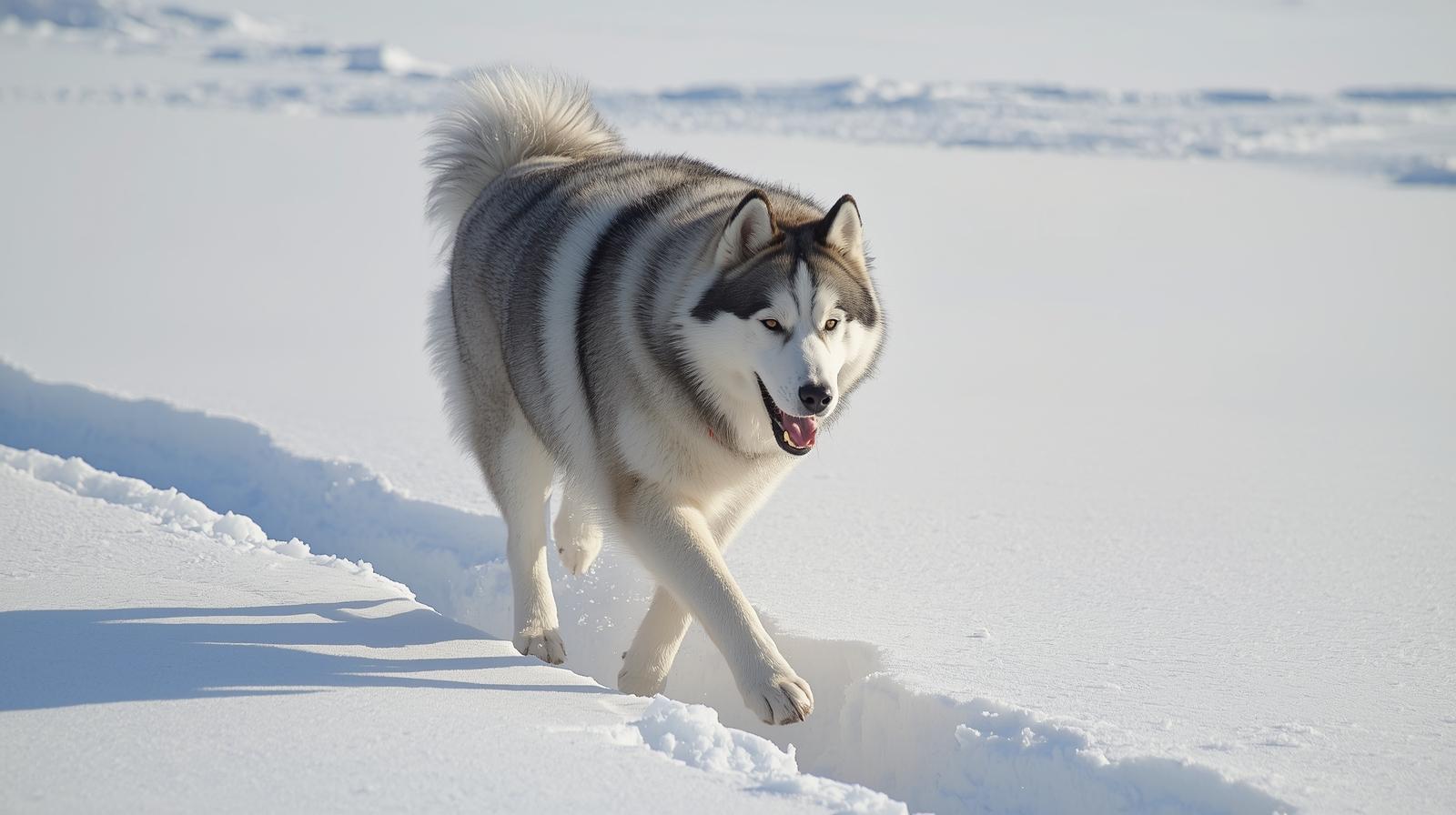
Full-grown alaskan malamute are active and built for work. Plan for more than a simple walk each day.
Most owners find that one hour of vigorous activity is a bare minimum; many recommend about two hours for healthy adults.
Daily activity should combine running, play, and focused tasks that challenge the mind.
Without enough movement and purpose, dogs can become destructive, dig, or howl loudly.
Key factors that change the right routine include age, health, weight, weather, and temperament. Guard against heat by choosing cooler times of day for vigorous work.
What to expect: you’ll learn to tell the difference between safe tiredness and signs of overheating.
This guide will also show the hours to aim for, activities to pick, and safety tips to keep your dog consistent and happy.
Key Takeaways
- Adult Alaskan malamutes commonly need vigorous activity beyond a short walk.
- Aim for about 1–2 hours per day, adjusted for age and health.
- Mix physical work with mental tasks to reduce chewing, digging, and howling.
- Exercise in cool parts of the day to avoid overheating.
- By the end of this guide, you’ll have practical hours, activities, and safety advice.
Why Alaskan Malamutes Need So Much Daily Exercise
Malamute bodies were built for hauling heavy loads over long distances. A single alaskan malamute carries genes for stamina and strength from its sled dog past.
In daily life, those instincts show up as high energy and a craving for purpose.
Even in a suburban home, alaskan malamutes push to move, pull, and solve problems.
Boredom and common problem behaviors
When needs are unmet, dogs often dig, chew, or howl. These actions are not spiteful.
There are signs the dog lacks proper outlets.
Temperament and what “work” really means
This breed is independent and sometimes dominant. Unstructured play rarely satisfies them.
Give tasks like pulling a weighted cart, tracking games, or training drills to match their drive.
Also note: prey drive can complicate off-leash time. Use a long line or secure fenced area for safe freedom.
| Behavior | Root Cause | Useful Outlet |
|---|---|---|
| Digging | Boredom/energy | Structured play, tracking |
| Destructive chewing | Lack of work | Chew toys, puzzle feeders |
| Howling | Attention seeking | Training, mental tasks |
How much exercise does an Alaskan Malamute need Each Day?
Most adult malamutes do best with a clear daily plan that mixes brisk work and focused play.
Start with a baseline of 1–2 hours per day for healthy adults and adjust up or down based on energy and condition.
Minimum baseline for most adult malamutes in the present day
Aim for at least one hour of vigorous activity, with many owners finding two hours ideal.
Split time into two or three sessions to keep your dog engaged and avoid overtaxing joints.
Vigorous vs. easy activity: what “counts” as real exercise
Vigorous work raises breathing and heart rate: brisk walks, hill repeats, cart pulling, running, or structured games.
Easy activity means slow sniffing strolls, short play, or low-intensity enrichment that helps mood but won’t build stamina.
How to adjust exercise time by age, weight, and overall health
You must tailor hours to age, weight, and medical conditions. Older or overweight dogs need lower-impact, shorter sessions.
Dogs with hip dysplasia or neuropathy require veterinary guidance and gentle options like swimming or short controlled walks.
Signs your dog needs more (or less) activity
- Needs more: destructive chewing, digging, pacing, or non-stop vocalizing.
- Too much: limping, heavy panting that doesn’t ease, reluctance to move, or repeated fatigue.
“Consistency across the day usually beats one long outing.”
Build a Daily Routine That Actually Burns Malamute Energy
Set a simple rhythm each day: morning + evening + a short mid-day session.
This structure fits busy owners and prevents the “still wired after a walk” problem.
Two longer walks plus structured playtime
Aim for two 40–50 minute brisk walks that raise heart rate.
Follow at least one walk with 10–20 minutes of structured play or a dog-sport drill to finish the session.
Adding training sessions for mental stimulation
Use short 5–15 minute training blocks for loose-leash skills, impulse control, and place/settle.
Mental work tires a dog quickly and keeps behavior steady at home.
Planning “work” activities at home to prevent boredom
Give purpose with a backpack on walks, rule-based tug, or beginner scent games in a safe area.
These tasks feel like real jobs to a malamute and cut destructive habits.
Sample weekday schedule for busy owners
- Before work: 45-minute brisk walk + 10 min play.
- Lunch break: 10-minute training or walk.
- After work: 45-minute walk + short sport or puzzle feeder.
- Evening: 5–10 min calm settling practice.
Sample weekend schedule for outdoor-focused families
- Morning hike or trail run (longer but paced).
- Afternoon play, retrieval, or cart-style pull in a shaded area.
- Evening relaxed walk and training refresh.
“A repeatable routine that mixes movement and mind work keeps your home calm and predictable.”
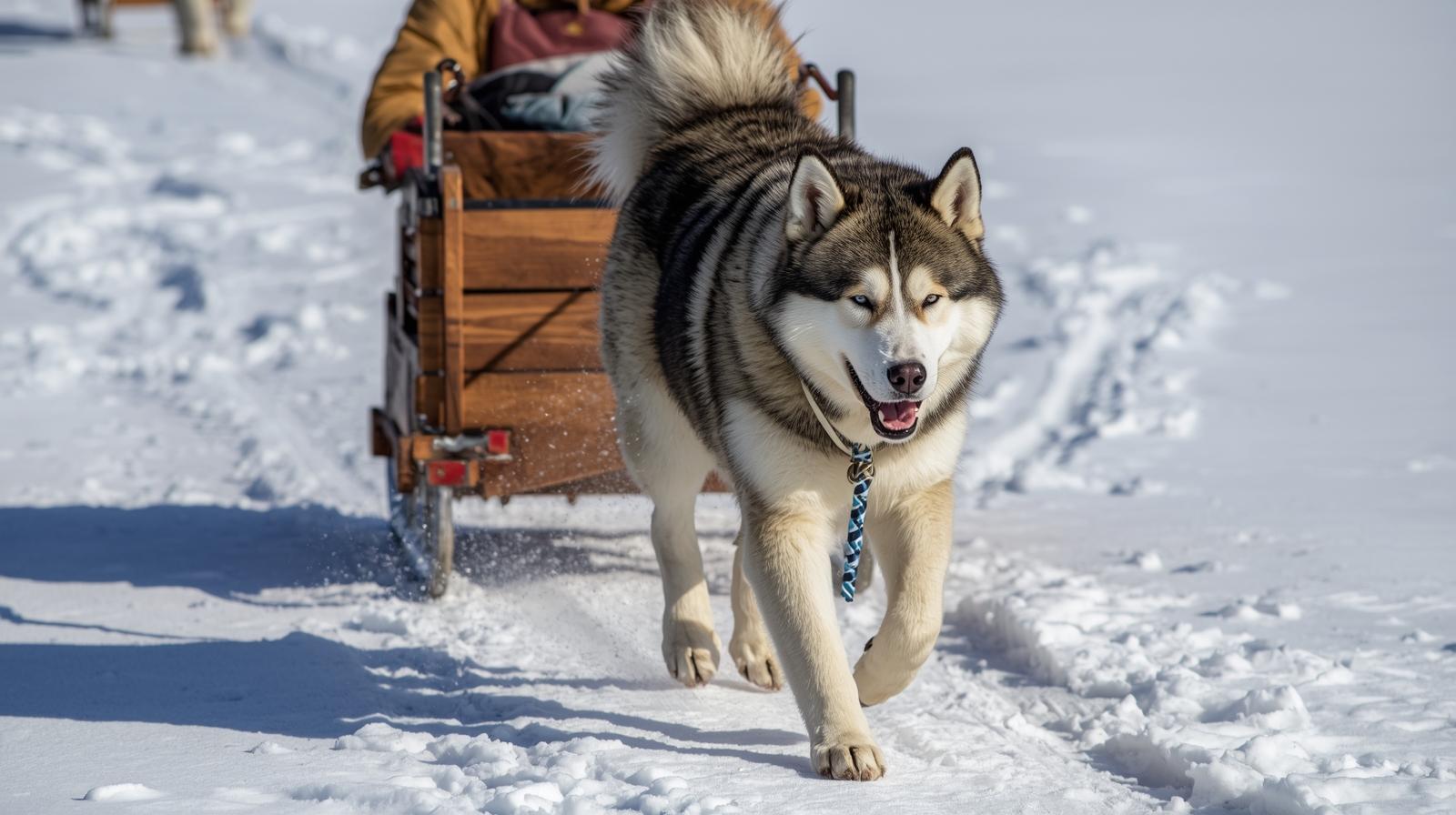
Best Exercises for Alaskan Malamutes Beyond Walks
Expand beyond neighborhood walks to activities that match a malamute’s stamina and strength.
These dogs excel with varied work that tests both body and mind. Below are safe, practical options you can use to diversify daily routines.
Hiking with a large, powerful breed
Choose shaded trails and plan frequent water breaks. Use a long leash or long line because prey drive can trigger sudden chases.
Let your dog carry a light backpack to give purpose and burn extra calories.
Running and endurance
Healthy malamutes can run long distances in cool weather. Build miles slowly and avoid hot, humid days.
Watch paws, joints, and breathing; stop if the dog shows fatigue.
Dog sports and jobs
- Weight pulling and sledding-style work for strength and heritage.
- Tracking, bikejoring, canicross, and backpacking for mental challenge.
Yard games and swimming
Play rule-based tug, safe flirt-pole sessions, or fetch alternatives to channel drive.
Swimming is low-impact and joint-friendly, but introduce water slowly—some animals avoid deep pools.
| Activity | Best for | Safety notes |
|---|---|---|
| Hiking with a backpack | Endurance, strength | Long line, shade, water |
| Running (cold weather) | Stamina | Build gradually; avoid heat |
| Weight pulling/sledding | Power, heritage | Proper gear and training |
| Swimming | Low-impact conditioning | Slow introductions; supervise |
“Varied work keeps dogs calm and cuts problem behavior.”
Puppy and Young Dog Exercise: How to Protect Growing Joints
During the first months, focus on short bursts of play and mental work rather than long runs.
A proper early plan protects fragile growth plates and reduces lifelong joint issues.
Why puppies need different plans
Growing pups have soft cartilage and developing bones.
Repetitive high-impact activity can strain joints and raise the risk of problems like hip dysplasia or chondrodysplasia.
Short, frequent sessions by months
Use this rule of thumb: ten minutes per month of age, twice a day.
For example, a 3-month-old puppy gets about 30 minutes split into short sessions.
At 6–9 months, increase play gently and add more training.
After 12–18 months, you can shift toward longer adult-style workouts, guided by your vet and your pup’s condition.
Training-focused fatigue
Mental work can tire a puppy fast. Socialization outings, leash lessons, impulse-control drills, and short obedience sessions provide real fatigue without joint stress.
“Short, varied sessions and vet guidance are the safest path for large-breed pups.”
Coordinate with your veterinarian on growth rate, weight, and any gait changes.
Early care preserves mobility and keeps your dog active for years.
Weather, Coat, and Safety: Prevent Overheating and Other Issues
Plan activity around temperature, not just desire. A thick double coat helps in cold weather but slows heat loss in summer.
That means you must pick the right time of day and watch for early signs of trouble.
Best times in hot or humid areas are early morning and late evening.
These cooler windows reduce heat stress and let you fit in longer walks or brisk sessions with less risk.
Shade, water breaks, and indoor alternatives
Use shaded routes and bring water for short, frequent breaks.
Short, intense bursts followed by rest often work better than steady high effort during warm hours.
If midday heat is unavoidable, move activity indoors. Training games, puzzle toys, or a supervised treadmill session give mental and physical work without the sun.
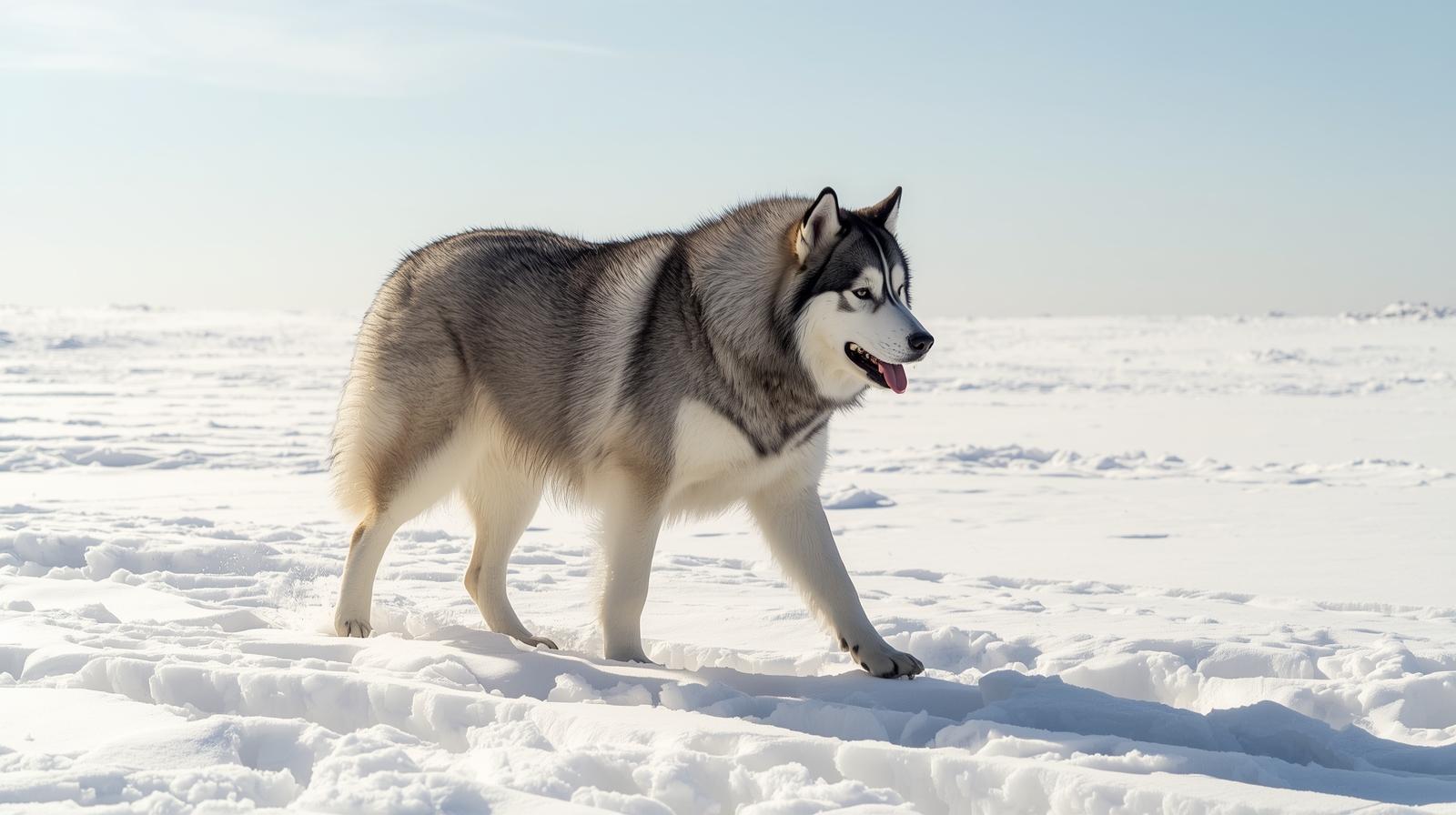
Cold-weather advantages and winter safety
In cool months the coat excels.
Your dog may enjoy longer outdoor hours and harder work when temperatures are low.
Still, make sure paws are safe from ice, salt, and chemicals. Shorten sessions if nails or pads show wear.
Quick safety checklist
- Make sure fresh water is always available during and after sessions.
- Make sure recovery time includes shade or AC and calm rest.
- Watch breathing, gum color, and behavior for early distress signs.
“Timing and simple checks protect health and keep activity safe year‑round.”
Behavior and Household Life: Exercise, Children, and Other Pets
Good daily activity directly shapes calm behavior and fewer household problems.
When a malamute gets both physical work and mental tasks, you will see less digging, chewing, and noisy attention seeking.
Managing prey drive: why off-leash recall can be hit-or-miss
Prey drive can trigger sudden chases. That makes off-leash recall unreliable around squirrels, cats, or small wildlife.
Use a long line, fenced yard, or controlled areas. Prioritize safety over perfect recall and keep training focused on reliable cues in real settings.
Preventing destructiveness and separation anxiety
Exercise before you leave. A tired dog is less likely to howl or destroy items while you are gone.
Combine physical work with puzzle feeders, chews, and short training tasks. These reduce stress and keep your pet calm at home.
Play with children: safety for a large, strong dog
Many malamutes enjoy people and children. Supervise all interactions with young kids.
Teach children how to touch and move around the dog. Stop rough play and manage jumping to avoid accidents.
Multi-dog homes and same-sex dominance
Same-sex dogs may test rank. Use consistent rules, separate feeding when needed, and run joint training sessions.
Slow introductions and structured routines reduce conflict and help every dog feel secure.
“Consistent activity, clear boundaries, and safety-first training make family life with a large, friendly breed much smoother.”
| Household Issue | Root Cause | Quick Fix | Notes |
|---|---|---|---|
| Destructive chewing | Boredom / excess energy | Long walk + puzzle feeder | Rotate toys to keep interest |
| Unreliable recall | Prey triggered chase | Long line / fenced area | Train with distractions gradually |
| Separation anxiety | Too long alone | Exercise before leaving + enrichment | Start short departures, build time |
| Multi-dog tension | Social ranking | Separate routines + joint training | Consult trainer if needed |
How Food, Feeding Timing, and Rest Support an Active Malamute
Fuel, timing, and recovery shape how well your dog performs day to day.
Feed twice daily with a high-quality dog food matched to your pet’s lifestyle. Working dogs need denser calories.
Non-working pets do not. Using a working-dog formula for a pet can add weight over time.
Slow feeders help fast eaters. After meals, make sure there is a buffer before vigorous activity or car travel.
To lower GDV (bloat) risk, leave about an hour between eating and heavy play.
Weight, joints, and stamina
Extra pounds strain joints and cut stamina. Watch body condition and trim calories if your dog is soft at the ribs.
| Topic | Action | Why it matters |
|---|---|---|
| Feeding schedule | Twice daily; measure portions | Stable energy and weight control |
| Meal timing | Wait ~60 minutes before hard activity | Reduces GDV risk |
| Food choice | Match calories to activity | Prevents slow weight gain |
“Consistent meals, hydration, and rest make training and play safer and more effective.”

Make sure your vet sets calorie targets and checks for health conditions. If you notice exercise intolerance, thyroid concerns, or digestive issues, consult a professional for a tailored plan.
FAQ
How much daily activity is ideal for an adult Alaskan Malamute?
Most adult malamutes do best with at least 1.5 to 2.5 hours of varied activity each day.
Combine brisk walks, vigorous play, and focused training so the dog uses both body and mind.
Adjust time based on age, weight, and health — working dogs often need more; older or injured dogs need less and gentler sessions.
Why do these dogs require so much daily activity?
Bred for strength and endurance as sled dogs, malamutes have high energy and a need for purposeful work.
Without proper outlets they can get bored and destructive — digging, chewing, and persistent howling are common signs.
Their independent temperament and dominant streak mean they thrive when given tasks and structure.
What counts as real exercise versus casual movement?
Vigorous activities raise heart rate and use major muscle groups — running, hiking, pulling a weighted backpack, or organized dog sports. Easy activity includes casual sniff-walks and light play.
Aim for a mix: easy movement for warm-ups and recovery, plus sessions that challenge endurance and strength.
How should I change routines for puppies and adolescents?
Growing joints are vulnerable. Use short, frequent play and training sessions rather than long runs.
For puppies under 12–18 months, limit high-impact activities and avoid repetitive long-distance exercise.
Focus on leash skills, socialization, and controlled play that builds good habits without stressing bones.
What signs show my malamute needs more or less activity?
Needs more: restlessness, destructive behaviors, zoomies, excessive vocalizing.
Needs less: stiffness after exercise, limping, reluctance to move, heavy panting or unusual fatigue.
If in doubt, consult your veterinarian to rule out medical causes and get tailored guidance.
Can I fit a working routine into a busy weekday schedule?
Yes. Two longer walks plus structured play or short training sessions work well.
For example, a brisk 30–45 minute morning walk, a 15–30 minute midday play or training break, and a 45–60 minute evening activity like a hike, jog, or dog sport session.
Consistency matters more than exact timing.
What are the best activities beyond walking for this breed?
Hiking, backpacking, weight pulling, bikejoring or canicross, tracking, and structured yard games suit their strength and drive.
Swimming is a low-impact option in warm months. Always use safe gear (strong harness, long leash) and progress gradually to longer or heavier work.
How do weather and coat affect exercise plans?
Thick coats help in cold weather; these dogs often thrive in cooler temperatures.
In heat or humidity, exercise early morning or late evening, use shaded routes, and offer frequent water breaks.
Watch for overheating and offer indoor activity alternatives when it’s hot.
How should feeding and rest be timed around activity?
Feed twice daily and avoid vigorous exercise for at least one hour after eating to reduce bloat risk.
Match calorie intake to activity level; working dogs need more calories and protein, while pets require careful portioning to prevent extra weight that strains joints.
How do I manage prey drive and off-leash safety?
Malamutes can have a high prey drive and independent recall. Practice reliable obedience and keep high-value treats for training.
Use long lines or secure off-leash areas until recall is proven. Supervise interactions with small animals and teach impulse control early.
Is this breed suitable for families with children and other pets?
They can be good family dogs but require supervision around small children due to size and strength.
Early socialization and consistent training help. In multi-dog homes, monitor for same-sex dominance issues and introduce dogs carefully to prevent conflict.
When should I involve a vet or professional trainer?
Consult a veterinarian for age- or health-related exercise limits, sudden behavior changes, or signs of pain.
Use a professional trainer or behaviorist if destructive behaviors persist, recall is unreliable, or you need help designing a training-based routine that channels natural drive safely.
Available on our apparel store


Conclusion
Conclusion
Regular short sessions of work and play keep this large, driven breed balanced and content.
In short, alaskan malamutes and malamute mixes require a lot of daily movement plus mental work.
A tired dog is usually calmer at home and less destructive.
Stick to repeatable time blocks each day. Mix brisk activity, sledding or hiking, and training drills.
Watch coat, weight, and behavior for signs to adjust the plan.
For practical next steps, pick a weekday schedule, choose two non-walk activities, and add a simple training habit.
With steady effort, your pet will enjoy lots of activity and a better life.