
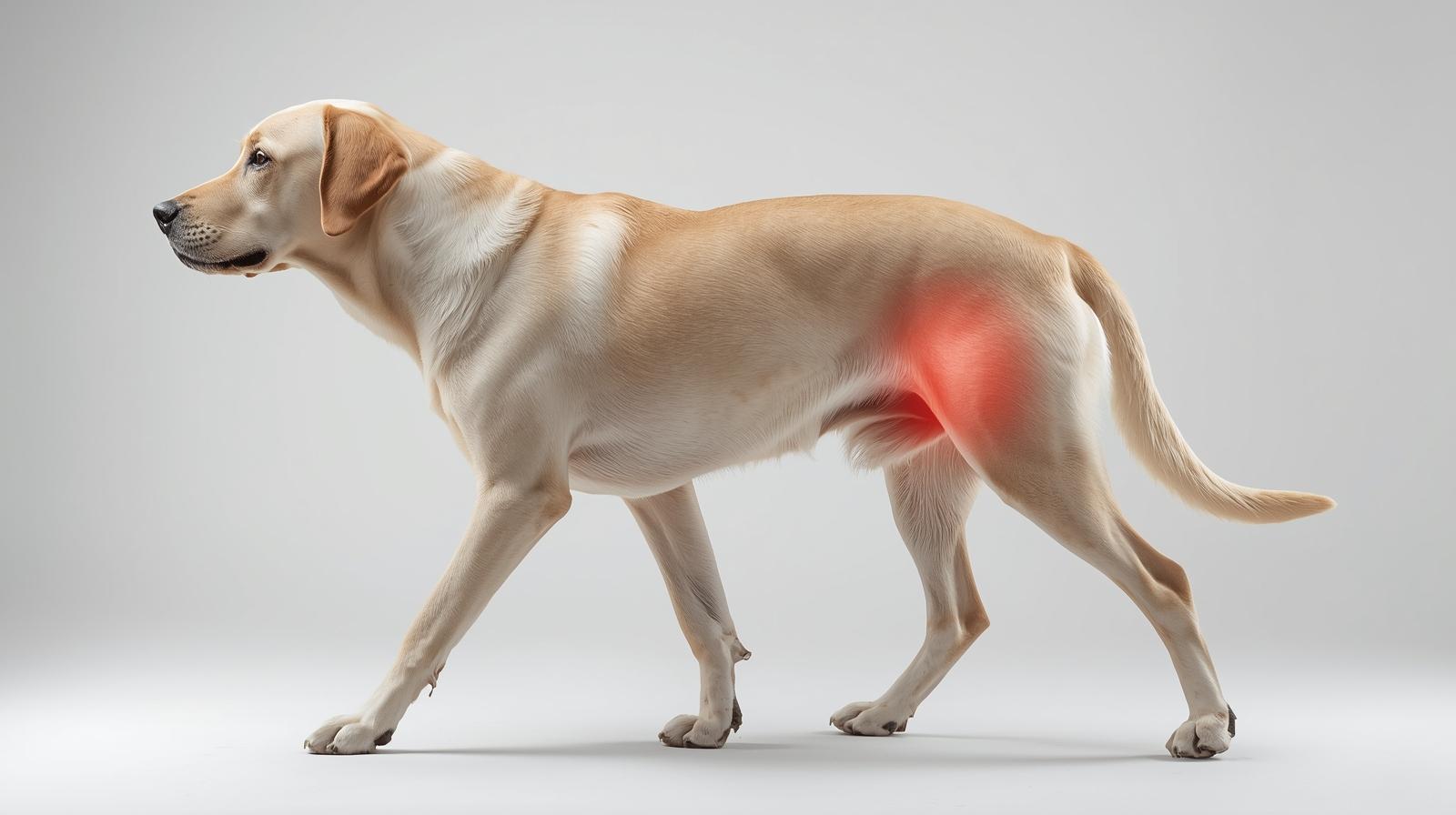
As a dog owner, knowing the signs of joint issues in your Labrador Retriever is key.
Labradors are at risk for joint problems like hip dysplasia because of their size and genetics.
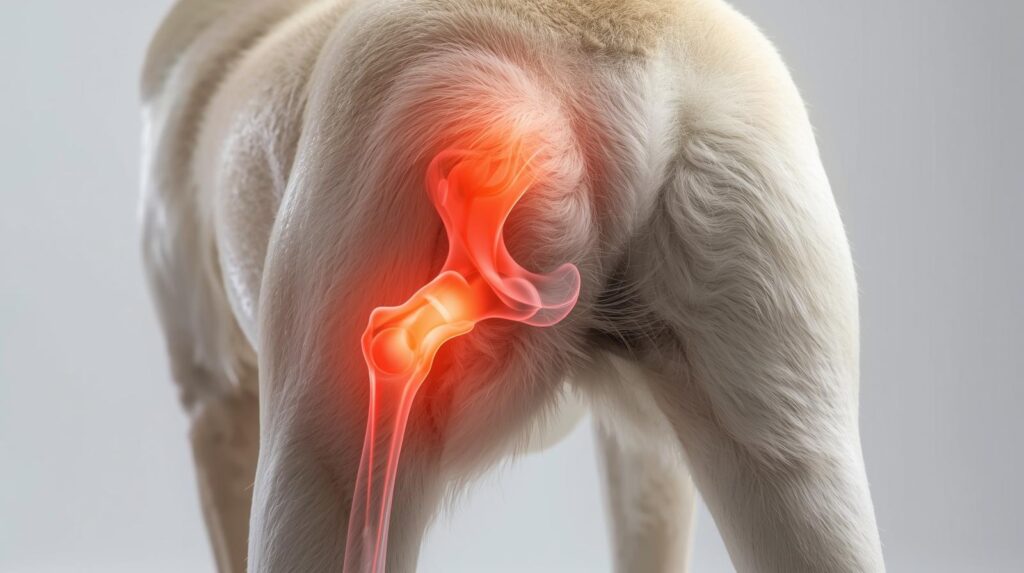
Hip dysplasia is a long-term problem that hurts the hip joint. Catching it early is important to manage it well. Knowing the symptoms helps you care for your Labrador’s comfort.
Key Takeaways
- Labrador Retrievers are prone to joint issues due to their size and genetics.
- Hip dysplasia is a chronic condition that affects the hip joint.
- Early detection of symptoms is key for effective management.
- Understanding the condition can improve your Labrador’s quality of life.
- Timely care and management are essential for Labradors with hip dysplasia.
Understanding Hip Dysplasia in Labradors
As a Labrador owner, knowing about hip dysplasia is key to keeping your dog healthy. Hip dysplasia is a big health problem for many Labradors.
What is Canine Hip Dysplasia?
Hip dysplasia is a genetic issue that affects the hip joint. It makes the ball and socket not form right.
This leads to arthritis and mobility problems, hurting a dog’s life quality.
Hip dysplasia is not just a simple joint issue; it’s a complex condition that requires complete management.
Why Labradors Are Prone to Hip Dysplasia
Labradors are more likely to get hip dysplasia because of their size, genetics, and fast growth.
Diet, exercise, and environment also matter. Knowing these risk factors helps you prevent it.
| Risk Factors | Description |
|---|---|
| Genetics | Inherited traits that affect hip joint formation |
| Rapid Growth Rate | Fast growth can lead to joint malformation |
| Large Size | Bigger dogs are more prone to hip dysplasia |
| Diet and Exercise | Improper diet and excessive exercise can worsen the condition |
Understanding hip dysplasia’s causes and risk factors helps you and your vet plan for your Labrador’s health.
Labrador Hip Dysplasia Symptoms
Labrador hip dysplasia symptoms can start off small but are important to catch early.
As a dog owner, you want to keep your Labrador healthy. Knowing the signs of hip dysplasia helps you act fast.

Early Warning Signs
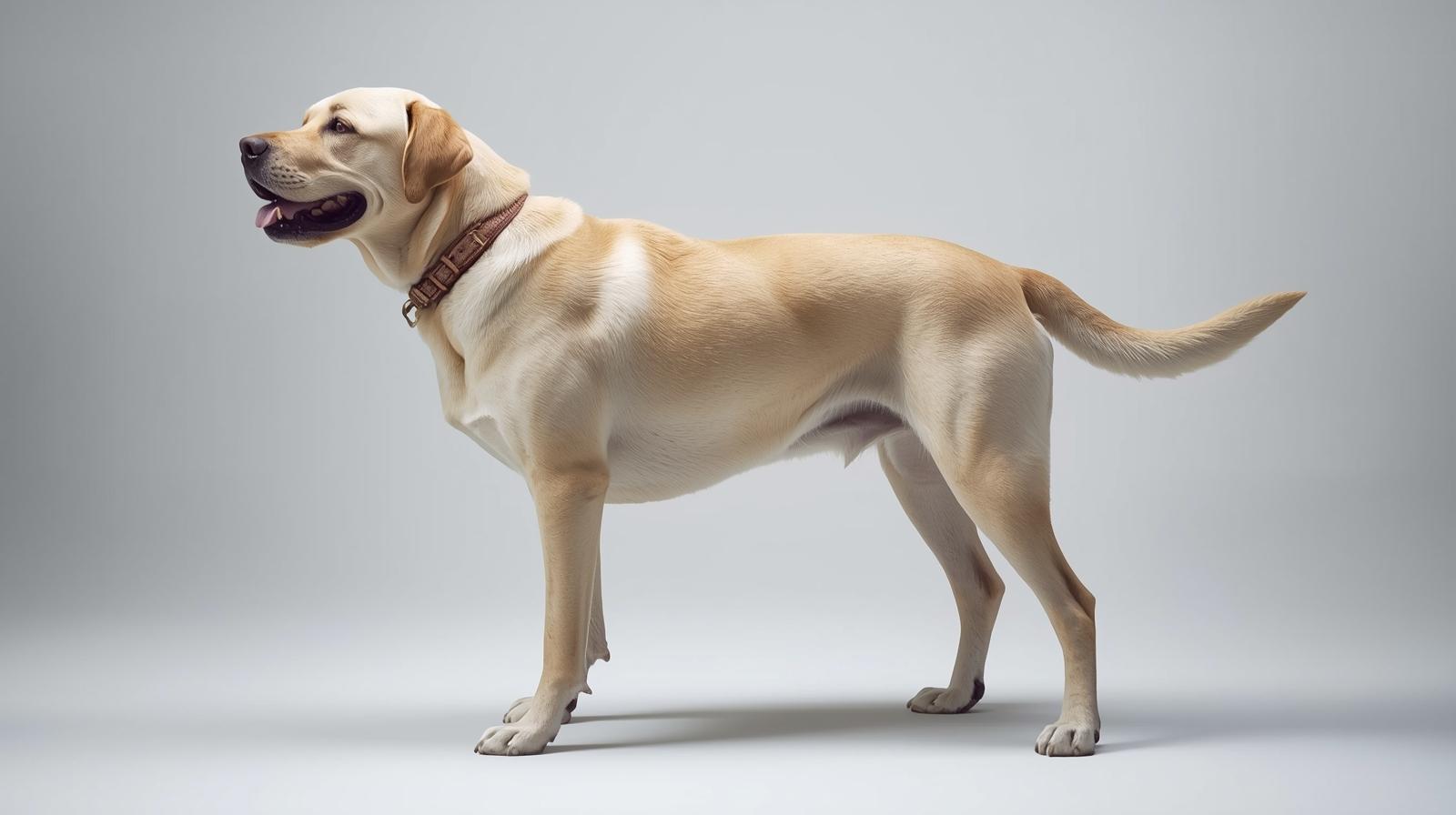
Your Labrador might seem stiff, or limp after playing. These early warning signs could mean hip dysplasia.
Look out for trouble getting up, not wanting to climb stairs, or moving less.
Some Labradors might show joint pain by whining or acting uncomfortable when you touch their hips.
Watching your dog closely and telling your vet about any changes is key.
Advanced Symptoms
As hip dysplasia gets worse, symptoms get clearer. You might see more stiffness, limping, or trouble walking.
In bad cases, they might hop like a bunny, using both legs together.
Advanced symptoms also include reduced mobility and not wanting to play or run. Spotting these changes helps you and your vet make a better care plan.
Age-Related Symptom Progression
Hip dysplasia symptoms change with age. Young Labradors might have joint issues, while older ones face more wear and tear.
Knowing this helps you plan better care for your dog.
For example, older Labradors need more vet visits and changes in diet and exercise to manage their condition well.
Behavioral Changes Indicating Hip Pain
Labradors can show signs of hip pain through their behavior. As a dog owner, it’s important to notice these signs.
This way, you can get your pet the care they need.
Reluctance to Exercise or Play
Labradors with hip pain often don’t want to exercise or play. If your dog is less excited about activities they used to love, it might be a sign of hip problems.
This is because hip dysplasia can make it painful for them to move.
If your Labrador used to love walks or playing fetch but now doesn’t, it’s time to check.
Try changing their exercise to shorter, gentler activities. This can help manage their pain.
Changes in Gait and Movement
Labradors with hip pain may walk differently. You might see them limping or moving stiffly.
These changes can start small but get worse over time.
| Normal Gait Characteristics | Gait Changes with Hip Dysplasia |
|---|---|
| Smooth, even stride | Limping or favoring one leg |
| Free movement of the hips | Stiffness or reduced mobility |
| Comfortable standing and sitting | Difficulty standing up or sitting down |
Irritability and Mood Changes
Hip pain can make Labradors irritable or moody. If your dog is more aggressive, restless, or withdrawn, they might be in pain.
Be patient and understanding with them during these times.
By noticing these changes and talking to your vet, you can help your Labrador.
You might need to try labrador hip dysplasia exercises, change their diet, or use other treatments. This will help improve their life.
Physical Signs of Hip Dysplasia in Labradors
It’s important for Labrador owners to know the signs of hip dysplasia. This condition can cause physical changes in Labradors.
These changes can show how severe the condition is.
Visible Limping and Lameness
Labradors with hip dysplasia often limp or show lameness. This is more noticeable after they’ve been active or in the morning. Watching how your Labrador moves is key. The limp can be mild or severe, depending on the hip dysplasia.
Muscle Atrophy in Hind Legs
Muscle atrophy in the hind legs is another sign of hip dysplasia. This happens because the dog can’t move well and feels pain. Checking for muscle symmetry regularly is important. Muscle atrophy makes the hind legs look smaller and weaker than the front legs.
- Reduced muscle mass in hind legs
- Visible difference in leg size
- Weakness in hind legs
Abnormal Sitting Positions
Labradors with hip dysplasia might sit in unusual ways, like “bunny sitting.” They sit with their hind legs on one side.
Watching how your Labrador sits can tell you about their hip health. This sitting style helps them avoid pain from hip dysplasia.
Knowing these signs helps Labrador owners act fast. They can get their dog the help they need to live better.
Diagnosing Labrador Hip Dysplasia
Diagnosing Labrador hip dysplasia requires a few steps. These include a physical check-up, imaging tests, and scoring systems.
Knowing about these steps is key to getting your dog the right care.

When to Consult a Veterinarian
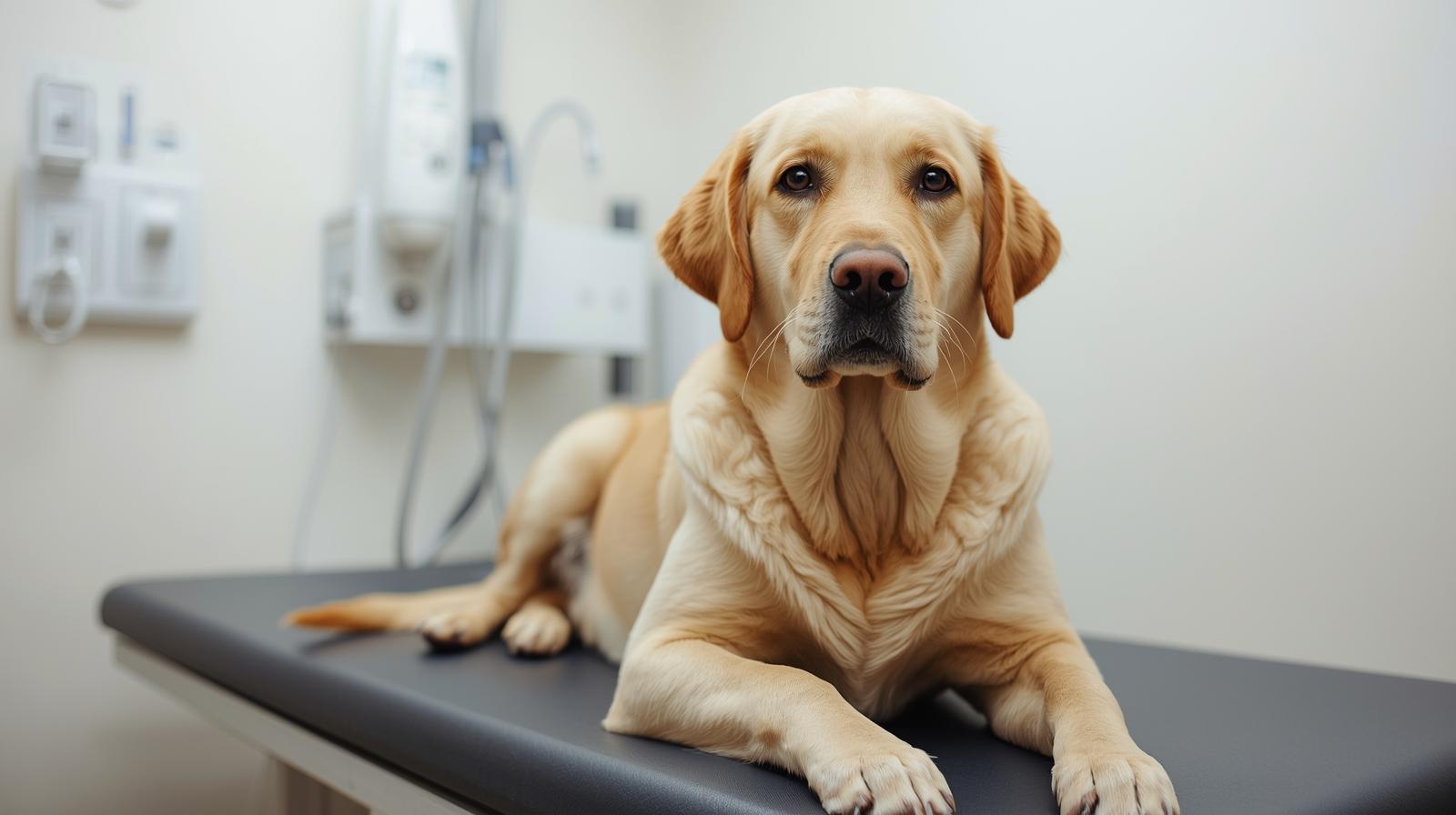
Look out for signs like limping or not wanting to move. If you see these, see a vet. Early detection helps a lot.
Your vet will check your dog’s health and look for hip dysplasia signs.
Physical Examination Process
The physical check is very important. Your vet will do tests to see how well your Labrador’s hip moves. They’ll also check for pain or discomfort.
Key aspects of the physical examination include:
- Evaluating the dog’s gait and mobility
- Assessing pain response to hip manipulation
- Checking for signs of muscle atrophy
Imaging Tests and Scoring Systems
X-rays are key for diagnosing hip dysplasia. Your vet might take X-rays to look at your Labrador’s hip. The OFA and PennHIP scoring systems use these images to judge how bad the dysplasia is.
Diagnosing Labrador hip dysplasia is a detailed process. It includes physical checks and X-rays. Working with your vet ensures your Labrador gets the right diagnosis and treatment.
Treatment Options for Labrador Hip Dysplasia
Labrador hip dysplasia treatment can be non-surgical or surgical. The choice depends on the condition’s severity, the dog’s age, and health.
Non-Surgical Treatments
Non-surgical treatments aim to manage pain and improve mobility. They include weight management, physical therapy, and pain relief medication.
Keeping a healthy weight is key to avoid extra strain on the hips.
Dr. Karen Becker says, “Maintaining a healthy weight is one of the most important things you can do to help manage hip dysplasia in your Labrador.”
“Obesity is a significant factor in the progression of hip dysplasia, so keeping your Labrador at a healthy weight through diet and exercise is critical.”
Surgical Interventions
In severe cases, surgery is needed. Common surgeries are Total Hip Replacement (THR) and Femoral Head Ostectomy (FHO).
Total Hip Replacement
Total Hip Replacement replaces the damaged joint with artificial parts. It’s very effective in restoring mobility and eliminating pain.
Femoral Head Ostectomy
Femoral Head Ostectomy removes the femur’s head. It reduces pain and improves mobility. This is often for smaller dogs or those with less severe hip dysplasia.
| Surgical Procedure | Description | Best For |
|---|---|---|
| Total Hip Replacement | Replaces damaged hip joint with artificial components | Severe hip dysplasia, larger dogs |
| Femoral Head Ostectomy | Removes the head of the femur to reduce pain and improve mobility | Smaller dogs, less severe hip dysplasia |
Post-Treatment Care
Post-treatment care is vital for success. It includes rest, rehabilitation exercises, and follow-up treatments as recommended by the vet.


Managing Pain and Discomfort
Labradors with hip dysplasia need relief from pain to feel better. Finding ways to manage their pain is key to improving their life quality.
You can work with your vet to find ways to lessen your dog’s pain and discomfort.
Medication Options
Your vet might suggest medication to help with your Labrador’s hip pain. They might recommend non-steroidal anti-inflammatory drugs (NSAIDs) to reduce inflammation and pain.
It’s important to follow your vet’s advice on how much and when to give the medication.
Always consult with your veterinarian before giving your dog any medication.
| Medication Type | Purpose | Common Side Effects |
|---|---|---|
| NSAIDs | Reduce inflammation and pain | Gastrointestinal upset |
| Corticosteroids | Reduce inflammation | Increased thirst and urination |
Natural Pain Relief Methods
There are also natural ways to ease your Labrador’s pain. These include:
- Acupuncture: This alternative therapy uses needles to help heal and relieve pain.
- Physical therapy: Gentle exercises and stretches can improve mobility and reduce pain.
- Massage therapy: Massaging your dog’s muscles can help reduce tension and pain.
“Acupuncture has been shown to be effective in reducing pain and improving function in dogs with hip dysplasia.”
Creating a Comfortable Environment
Creating a comfy environment is key for your Labrador’s hip pain management. You can do this by:
- Providing a supportive bed or mattress to help alleviate pressure on their joints.
- Maintaining a healthy weight to reduce the strain on their joints.
- Modifying your home to reduce the need for strenuous activities, such as using ramps instead of stairs.
By using these strategies, you can help your Labrador live a more comfortable life despite their hip dysplasia.
Lifestyle Modifications for Labradors with Hip Dysplasia
By making some lifestyle changes, you can make your Labrador with hip dysplasia more comfortable.
These changes can really help their mobility and overall health.
Exercise Recommendations
Exercise is key for Labradors with hip dysplasia, but it needs to be gentle. Gentle exercises like short walks and swimming are great.
They keep the joints moving without hurting the hips. Stay away from jumping or high-impact activities.
- Short, gentle walks
- Swimming or hydrotherapy
- Low-impact exercises like slow fetch
Diet and Weight Management
Keeping your Labrador at a healthy weight is very important. A balanced diet helps manage their weight and ease hip dysplasia symptoms.
Talk to your vet to find the right diet for your dog.
“Maintaining a healthy weight is one of the most effective ways to reduce the strain on your Labrador’s hips.”
Assistive Devices and Home Adaptations
Using assistive devices and making home changes can really improve your Labrador’s life.
Orthopedic beds offer comfort, and ramps make stairs easier. Simple changes like non-slip floors can also prevent falls.

Preventing Hip Dysplasia in Labradors
As a Labrador owner, you can help prevent hip dysplasia. It’s important to know about genetics, development, and nutrition.
While you can’t stop hip dysplasia completely, there are steps to lower the risk.
Genetic Considerations for Breeding
Good breeding practices are key to lowering hip dysplasia rates. Breeders should check their dogs for hip dysplasia using scoring systems.
Choosing dogs with better hip scores helps lower the risk in their puppies.
It’s also important for breeders to share the hip health of their dogs.
- Make sure breeders use scoring systems like the Orthopedic Foundation for Animals (OFA) or PennHIP.
- Choose breeders who focus on hip health and are open about their dogs’ hip status.
- Stay away from breeders who say their dogs are completely “hip dysplasia free,” as this is not a promise.
Puppy Development Best Practices
Right puppy development is key to preventing hip dysplasia. Controlled exercise is important; avoid too much jumping or hard activities.
Instead, choose gentle play that helps joints grow without stress.
- Don’t let your puppy do high-impact activities until they’re fully grown.
- Feed a balanced diet that supports healthy growth.
- Keep your puppy at a healthy weight to avoid extra joint strain.
Nutritional Strategies for Joint Health
Nutrition is vital for joint health. A diet full of omega-3 fatty acids helps joints.
Supplements like glucosamine and chondroitin can also help, but talk to your vet before adding them.

FAQ
What are the early warning signs of hip dysplasia in Labradors?
Early signs of hip dysplasia in Labradors include stiffness, mainly after resting.
They might limp after exercising. They also show less interest in activities they once loved.
How is hip dysplasia in Labradors diagnosed?
Diagnosing hip dysplasia in Labradors involves a physical exam and imaging tests like X-rays.
Doctors also use scoring systems to assess the condition’s severity.
What are the treatment options for Labrador hip dysplasia?
Treatments for Labrador hip dysplasia include non-surgical methods like pain management and physical therapy.
Surgery, like total hip replacement, is also an option.
Can hip dysplasia in Labradors be prevented?
While hip dysplasia can’t be fully prevented, good breeding practices and proper care can help.
A healthy diet and regular exercise also play a role in keeping joints healthy.
How can I manage my Labrador’s hip pain?
Managing your Labrador’s hip pain involves working with your vet. They can suggest medication and natural pain relief.
Creating a comfortable environment also helps reduce pain.
What lifestyle modifications can help my Labrador with hip dysplasia?
To help your Labrador, develop an exercise plan and keep them at a healthy weight.
Use assistive devices and make home adaptations to improve mobility and comfort.
What are the signs of advanced hip dysplasia in Labradors?
Advanced hip dysplasia in Labradors shows as bunny hopping, trouble climbing stairs, and significant limping or lameness.
How can I help my Labrador maintain a healthy weight to reduce the risk of hip dysplasia?
Help your Labrador stay healthy by feeding a balanced diet and limiting treats. Regular exercise also helps reduce the risk of hip dysplasia.
What is the role of genetics in Labrador hip dysplasia?
Genetics are key in Labrador hip dysplasia. Responsible breeding can help lower the risk of hip dysplasia in Labradors.
Can exercise help alleviate hip dysplasia symptoms in Labradors?
Yes, gentle exercise like short walks and swimming can help. It keeps joints mobile and strengthens muscles, easing symptoms of hip dysplasia.
Conclusion: Living Well Despite Hip Dysplasia
Dealing with a Labrador with hip dysplasia needs a full plan. Knowing the signs, diagnosis, and treatments helps a lot.
You can make your Labrador’s life better with the right care and changes in their life.
Keeping your Labrador’s joints healthy is key. Watch for signs of pain and move them safely.
With the right care, Labradors with hip dysplasia can live well. Work with your vet to create a care plan that fits your Labrador’s needs.
Being informed and proactive helps your Labrador face hip dysplasia challenges.
Make their living space comfy and adjust their lifestyle for their health. This way, your Labrador can stay happy and healthy.