

Are you ready to unlock your Spanish Galgo’s full power? They are independent and have a strong prey drive.
This makes leash training key for their safety and your peace of mind. Galgos have a special temperament that needs a careful and effective training approach.
Available in our PawTastic Apparel Store

By understanding your Galgo’s nature and using the right training techniques, you can build a strong bond.
This bond will make walks safe and stress-free. In this article, we’ll cover the best strategies for leash training.
We’ll help you overcome common challenges and strengthen your bond with your Galgo.
Key Takeaways
- Understand the unique temperament of your Spanish Galgo
- Learn effective leash training techniques
- Discover how to overcome common training challenges
- Develop a strong bond with your Galgo through consistent training
- Enjoy safe and stress-free walks with your pet
Understanding the Spanish Galgo Temperament
The Spanish Galgo has a rich history as a hunting companion. They have a unique temperament that’s key to leash training.
Their history as sighthounds shapes their behavior on a leash.
The Sighthound Instinct and Prey Drive
Spanish Galgos were bred for hunting. They use their speed and sight to chase prey. This history is important for understanding their modern behavior.
Historical Hunting Background
For centuries, Galgos hunted small game. They have a strong prey drive from selective breeding. This drive is a key trait.
How Prey Drive Affects Leash Behavior
Galgos chase fast-moving things, making leash training tough. Training must consider this instinct to succeed.
Galgo Sensitivity and Response to Training
Galgos are sensitive and need a gentle, patient training approach. Harsh methods can cause anxiety or fear.
Common Behavioral Traits of Spanish Galgos
Galgos are independent but affectionate. They can also be stubborn. Knowing these traits helps tailor training to each dog’s needs.
| Trait | Description | Training Implication |
|---|---|---|
| Independence | Galgos can be aloof and independent. | Requires patient, consistent training. |
| Affectionateness | Despite independence, they are affectionate with their family. | Positive reinforcement works well. |
| Stubbornness | Occasional stubbornness can be a challenge. | Consistency and positive reinforcement are key. |
Why Proper Leash Training Matters for Galgos
For Galgo owners, leash training is key to their pet’s safety and behavior. It’s vital for Galgos because of their strong chase instinct and independent spirit.
Safety Concerns with Sighthounds
Galgos, being sighthounds, have a strong chase instinct. Without leash training, they might chase after prey, putting themselves in danger.
Proper leash training ensures their safety by keeping them from running off or getting into accidents.


Building Trust and Communication
Leash training is more than safety; it’s about building trust and communication with your Galgo.
When your Galgo learns and follows leash commands, it strengthens your bond and improves your relationship.
Enhancing Your Relationship with Your Galgo
A well-trained Galgo on a leash is a pleasure to walk. It shows the strong bond and trust between you and your pet.
By spending time on leash training, you’re not just keeping your Galgo safe. You’re also making your relationship better.
Essential Equipment for Spanish Galgo Leash Training
Getting the right tools is key to effective Spanish Galgo leash training. The right gear can greatly improve your training journey.
It ensures a comfortable and fun experience for both you and your Galgo.
Choosing the Right Collar or Harness
When picking between a collar and a harness for your Galgo, think about their body type. Galgos have long, slender necks and athletic builds.
This means some collars and harnesses are better than others.
Martingale Collars vs. Harnesses
Martingale collars are great for Galgos. They offer a gentle yet effective way to guide your dog.
Unlike regular collars, Martingale collars tighten a bit when your dog pulls. This discourages pulling without hurting your dog.
Harnesses, on the other hand, spread the force of the leash across your dog’s chest and shoulders.
This is good for dogs that pull a lot.
Martingale Collars: Perfect for Galgos with slender necks, providing control without choking.
Harnesses: Good for Galgos that pull on the leash, distributing force across the chest and shoulders.


Sizing Considerations for Galgos’ Unique Anatomy
Getting the right size is key when choosing a collar or harness for your Galgo. Measure your dog’s neck and chest carefully.
This ensures a comfortable, secure fit. A bad fit can cause discomfort or even injury during training.
Leash Options for Spanish Sighthounds
The right leash can help your training efforts. For Galgos, a durable yet comfortable leash is best. Look for leashes made from materials that are easy to hold and can handle regular use.
- Retractable leashes can give your Galgo too much freedom too quickly, potentially hindering training.
- Standard leashes (4-6 feet) are often recommended for training as they provide a good balance between freedom and control.
Training Treats and Rewards
Training treats are vital for positive reinforcement training. For Galgos, high-value treats are very motivating.
Choose treats that are tasty, healthy, and easy to eat during training.
Tips for Effective Treats: Use small, bite-sized treats to keep training sessions flowing smoothly. Vary the treats to keep your Galgo engaged and interested.
Starting Leash Training with Galgo Puppies
Leash training starts early with Galgo puppies. It sets the stage for a well-behaved adult dog.
It’s important to know that Galgo puppies are eager to learn, making early socialization and positive reinforcement key.
Age-Appropriate Training Techniques
Begin leash training with your Galgo puppy with short sessions. Use positive reinforcement techniques like treats and praise. Make the training fun and rewarding for your puppy.
Creating Positive Associations with the Leash
Let your puppy explore the leash at their own pace. Place treats on the leash or near it to make it pleasant. As they get comfortable, start wearing the leash during training.
Establishing Boundaries Early
Setting clear boundaries is key in leash training. This includes stopping undesirable behaviors like jumping and pulling on the leash.
Preventing Jumping and Pulling Behaviors
To stop jumping, ignore your puppy when they jump up. Reward them with attention when they calm down. For pulling, stop moving forward when the leash is tight. Wait for your puppy to come back to your side before moving again.
Teaching Focus Exercises
Teach your Galgo puppy to focus on you during walks. Use verbal cues and rewards to keep their attention. Practice “look” or “watch me” commands to help them stay focused.
| Training Tip | Description | Benefit |
|---|---|---|
| Short Training Sessions | Keep training sessions short to maintain puppy engagement. | Prevents boredom and keeps the puppy focused. |
| Positive Reinforcement | Use treats and praise to encourage good behavior. | Creates a positive association with the leash. |
| Boundary Setting | Establish clear rules for walking on a leash. | Prevents undesirable behaviors like jumping and pulling. |
Rehabilitating Rescued Galgos: Special Considerations
Helping rescued Galgos heal gently is key because of their past traumas. They often struggle with trust and confidence. It’s important to build these slowly.
Addressing Past Trauma and Trust Issues
Rescued Galgos may find it hard to trust humans because of their past. It’s vital to let them set the pace. Building trust takes time and positive interactions.
Building Confidence in Fearful Galgos
Helping fearful Galgos feel confident is a big part of their recovery. A safe learning environment and positive rewards can help them face their fears.
Patience and Consistency in Rehabilitation
Patience and consistency are key in helping rescued Galgos. It’s important to recognize stress signals and respond with care.
Recognizing Stress Signals
Knowing when a Galgo is stressed is critical. Look for signs like panting, yawning, or avoiding things.
Creating Safe Learning Environments
A calm, predictable space is essential for a Galgo’s recovery. It should be a place where they feel safe and secure.
By following these steps and staying committed, you can help your rescued Galgo heal. You’ll build a strong, trusting bond together.
Spanish Galgo Leash Training Tips for Success
Training a Galgo on a leash needs patience, consistency, and knowing their sighthound nature. Success comes from using strategies that fit their unique traits.
Consistency and Routine in Training Sessions
Having a regular routine is key for Galgo leash training. They love knowing what to expect, so regular sessions are important.
Stick to a schedule and make sure everyone agrees on commands and rewards.
Managing Prey Drive During Walks
Galgos have a strong prey drive, making walks tricky. To handle this, keep your Galgo on a loose leash and steer clear of areas with lots of prey. Teaching them recall commands can also help with prey drive during walks.
| Training Tip | Description | Benefit |
|---|---|---|
| Consistent Commands | Use the same commands every time | Reduces confusion for the dog |
| Positive Reinforcement | Reward good behavior with treats and praise | Encourages desired behavior |
| Pre-Walk Training | Practice walking skills in a controlled environment | Prepares the dog for real-world walks |
Dealing with Leash Reactivity and Distractions
Leash reactivity is common in Galgos because of their strong prey drive and curiosity. To tackle this, desensitize your Galgo to triggers that cause reactivity, and reward calm behavior. Slowly introducing distractions during training can make your Galgo more confident and less reactive on the leash.
By using these tips, you can have more enjoyable walks with your Galgo. Remember, being consistent and patient is essential for successful leash training.


Positive Reinforcement Training for Galgos
Positive reinforcement training is a great way to train Spanish Galgos. It uses their intelligence and love to please.
This method rewards good behavior, making training a positive experience.
Clicker Training Applications for Spanish Galgos
Clicker training is a positive method that uses a sound to mark good behavior. Galgos are very sensitive to sound, making this method effective.
It helps them learn quickly by associating the sound with rewards.
To implement clicker training effectively:
- Start by associating the clicker sound with treats.
- Use the clicker to mark desired behaviors during training sessions.
- Immediately reward your Galgo after the click.
Reward-Based Training Strategies
Reward-based training is at the heart of positive reinforcement. For Galgos, finding what motivates them is key. This could be food, praise, or play. Using these rewards can encourage good behavior and reinforce training.
Tips for effective reward-based training:
- Be consistent in what you reward.
- Use high-value rewards for challenging behaviors.
- Gradually phase out rewards as behaviors become habitual.
Building Motivation in a Reserved Breed
Galgos are known for being reserved, which can be mistaken for lack of motivation. But, with the right approach, you can spark their enthusiasm for training.
Knowing what motivates your Galgo is important.
Food Rewards vs. Play Rewards
Some Galgos are more motivated by food, while others prefer play. Try different rewards to see what works best for your dog.
Use treats for food-motivated dogs and toys for those who love play.
Timing Your Reinforcement
Timing is everything in positive reinforcement training. Rewards should be given right after the desired behavior.
This immediate feedback is very important for Galgos, as they are very sensitive.
Using these positive reinforcement techniques can strengthen your bond with your Galgo. Enjoy more harmonious walks together.
Remember, patience and consistency are essential for successful training.
Advanced Leash Skills for Spanish Galgos
To improve your Galgo’s leash skills, try advanced training methods. These skills are key for Spanish Galgos.
They make walks better and strengthen your bond.
Loose-Leash Walking Mastery
Loose-leash walking is a key skill for fun walks. Practice gentle corrections when your Galgo pulls.
Reward them with treats and praise when they walk beside you.
Heel Command Training Techniques
The heel command keeps your Galgo close in busy places. Train them to sit by your left leg, then take steps forward saying “heel.” Reward them for staying close.
Navigating Distractions Confidently
Galgos can get distracted easily, like in cities or by wildlife. Teach them to focus on you by exposing them to different places and things.
Urban Environment Challenges
In cities, Galgos face many distractions, like loud noises and other dogs. Gradually introduce them to these, using positive reinforcement to keep them calm.
Wildlife and Other Dog Encounters
It’s important to keep your Galgo’s focus when meeting wildlife or other dogs. Teach them recall commands and walking calmly past distractions.
This keeps them safe and you at ease.
Mastering these skills makes walks with your Spanish Galgo more enjoyable, even in tough places.
Common Challenges in Galgo Leash Training
Galgos are loving but can be hard to train. Their independent nature, strong prey drive, and anxiety or fear are common issues.
These traits can make leash training tough.
Overcoming Stubbornness and Independence
Galgos are stubborn, making training hard. To overcome this, use consistency and positive rewards.
Set clear rules and praise good behavior to help them follow commands.
Managing High Prey Drive on Walks
Galgos have a strong prey drive, chasing small animals. To manage this, use training and distractions. High-value rewards and recall practice can help during walks.
Addressing Anxiety and Fearfulness
Some Galgos are anxious or fearful, mainly in new places. Desensitization and counter-conditioning are good ways to help.
Desensitization Protocols
Desensitization slowly introduces your Galgo to what scares them. Start with small steps and reward calmness.
Counter-Conditioning Techniques
Counter-conditioning links the scary thing to something good, like treats. This makes your Galgo see the scary thing as positive, reducing fear.
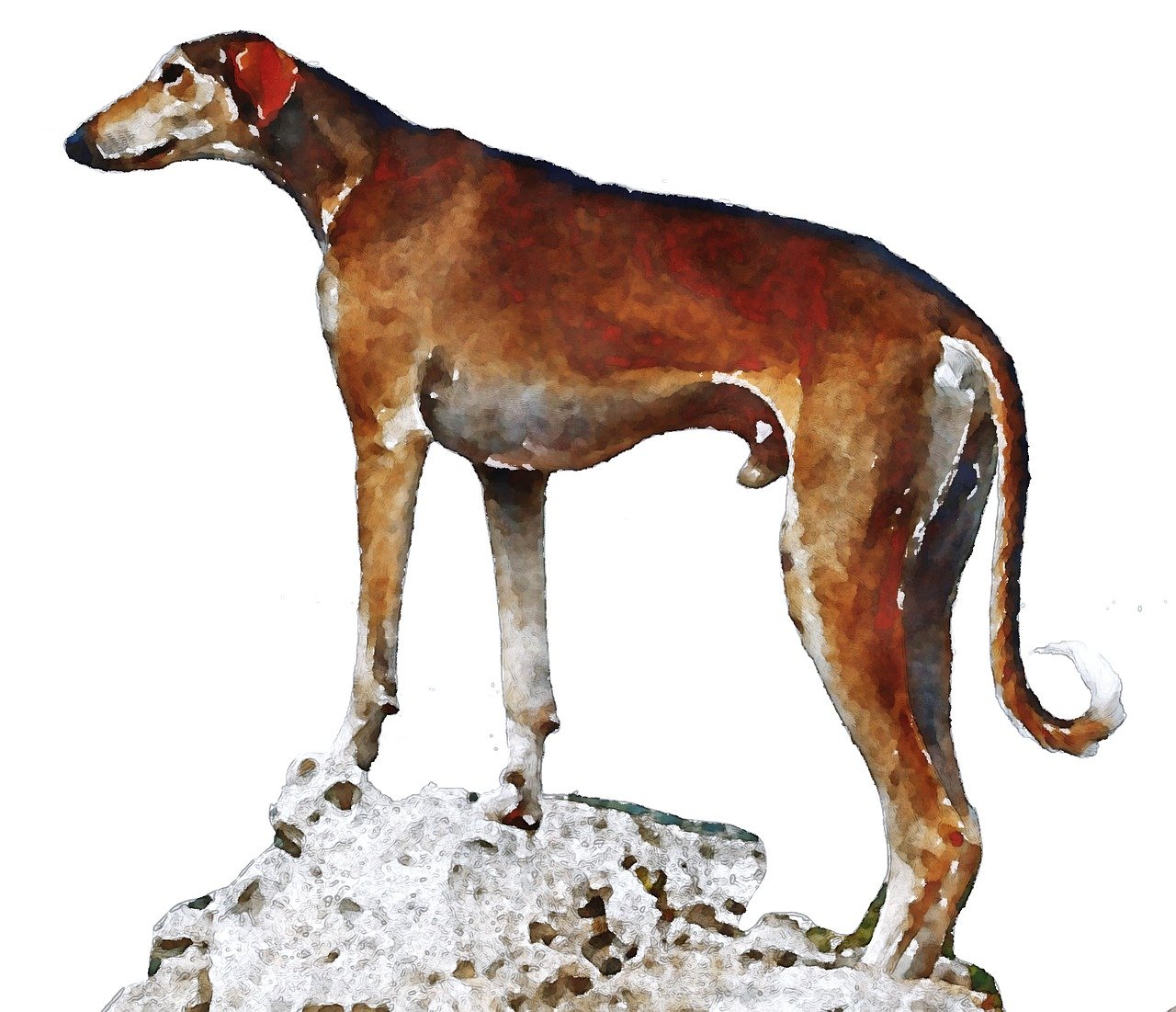
Understanding these challenges helps you train your Galgo better. As an expert says,
“Patience and consistency are key when training a Galgo. Their special traits need a tailored approach that focuses on positive rewards and gradual exposure to tough situations.”
Incorporating Exercise with Leash Training
Exercise is key for a Galgo’s happiness. It boosts their health and helps with leash training. Regular walks and playtime teach them to walk nicely on a leash.
Safe Running Protocols for Galgos
Running with your Galgo must be safe first. Start with short runs and slowly add more distance. Always use a well-fitting harness to protect their neck. Choose safe, hazard-free routes for your runs.
Structured Play Sessions to Reinforce Training
Adding play to your training makes it fun for your Galgo. Playtime rewards good behavior and strengthens training. Try fetch or agility to help them walk nicely on a leash.
Mental Stimulation During Walks
Mental play is as vital as physical exercise for Galgos. Encourage them to sniff and explore during walks. This keeps them calm and happy during walks.
Exercise and leash training balance out your Galgo’s behavior. Make sure they enjoy the time spent together.
Seasonal and Environmental Considerations
To get the best results in your Galgo’s leash training, knowing the seasonal and environmental factors is key.
Different seasons and places have their own challenges. These can change how your dog acts and how well they listen to you.
Cold Weather Adaptations for Thin-Skinned Galgos
Galgos have thin skin, making them cold-sensitive. In cold places, it’s important to keep them warm. Use a dog coat or sweater and keep walks short when it’s very cold.
Urban vs. Rural Walking Environments
Choosing between city and countryside walks affects your Galgo’s training. Cities are busier, with more distractions like people and cars.
Countryside walks are quieter but may have wildlife, which can excite your Galgo’s chase instinct.
Managing Wildlife Encounters Safely
Galgos love to chase wildlife, which can be dangerous. It’s important to know how to handle these situations safely for both your dog and the animals.
Deer and Small Animal Reactions
When Galgos see deer or small animals, they want to chase. It’s important to have a reliable recall command.
Also, keep your Galgo on a shorter leash in areas with wildlife to prevent chases.
Emergency Response Techniques
If your Galgo gets loose near wildlife, having a plan is essential. Know a good recall command and how to quickly catch your dog.
Training for these situations can be very helpful.
| Environmental Factor | Challenge | Solution |
|---|---|---|
| Cold Weather | Discomfort for thin-skinned Galgos | Use dog coats or sweaters, limit walk duration |
| Urban Areas | Distractions and crowded spaces | Increase focus training, use high-value rewards |
| Rural Areas | Wildlife encounters triggering prey drive | Use recall commands, keep leash shorter |
By understanding and adapting to these seasonal and environmental considerations, you can make leash training better and more fun for your Spanish Galgo.

FAQ
What is the best type of collar or harness for a Spanish Galgo?
For Spanish Galgos, martingale collars and harnesses are best. They fit well and prevent escape. This is due to their slender necks and athletic build.
How do I introduce leash training to my Galgo puppy?
Start with the right techniques for your puppy’s age. Make the leash a positive thing. Set clear rules early to avoid bad habits.
How can I rehabilitate a rescued Galgo with trust issues?
Be patient and consistent with a rescued Galgo. Build trust slowly. Recognize when they’re stressed and create a safe space to learn.
What are some effective positive reinforcement training techniques for Galgos?
Clicker training and rewards work well for Galgos. They’re smart and love to please. Choose the right rewards and use them on time.
How can I manage my Galgo’s prey drive during walks?
Manage prey drive with routine and training. Use loose-leash walking and heel commands. Desensitize them to reduce chasing.
What are some common challenges in Galgo leash training, and how can I overcome them?
Challenges include stubbornness and high prey drive. Use desensitization and counter-conditioning. Tailor your approach to your Galgo’s needs.
How can I incorporate exercise into my Galgo’s leash training?
Add safe running and play to walks. This reinforces training and keeps them happy and healthy.
What seasonal and environmental considerations should I keep in mind for Galgo leash training?
Adapt to cold weather for thin-skinned Galgos. Choose safe walking spots. Manage wildlife to keep walks enjoyable and stress-free.
How can I achieve loose-leash walking with my Galgo?
Consistency and positive reinforcement are key. Train them to walk beside you. Reward them for good behavior.
What are some tips for training a Galgo to navigate distractions confidently?
Expose them to different environments and people. Use positive reinforcement to build confidence and focus.
Conclusion: Creating a Harmonious Leash Experience
Working with your Spanish Galgo is a journey. It needs patience, consistency, and understanding their nature.
By using the strategies from this guide, you can build a strong bond with your Galgo. This makes walks enjoyable and stress-free for both.
A well-trained Galgo and its owner can have a better relationship. This improves their walks together.
It’s important to know and meet your Galgo’s needs, adjust training as needed, and keep training and socializing going.
You’ve learned about the right equipment, positive training, and handling distractions. Keep using these tips. This will make your walks with your Galgo better, without stress or worry.