Spotting joint trouble on a breezy cliff walk can be tricky. Are those short steps normal, or is your dog in pain?
If you walk around Looe or Polperro, local hills, harbor steps, and soft beaches can make early signs easier to notice.
This guide explains canine dysplasia symptoms in plain language, so you know what to watch for and what to do next.
You will learn what dysplasia is, the early and severe signs, and safe walking tips for our coastal paths.
We will keep it calm and practical, so your dog stays comfortable and confident on daily dog walks.
What Is Canine Dysplasia and Why Do Symptoms Show Up
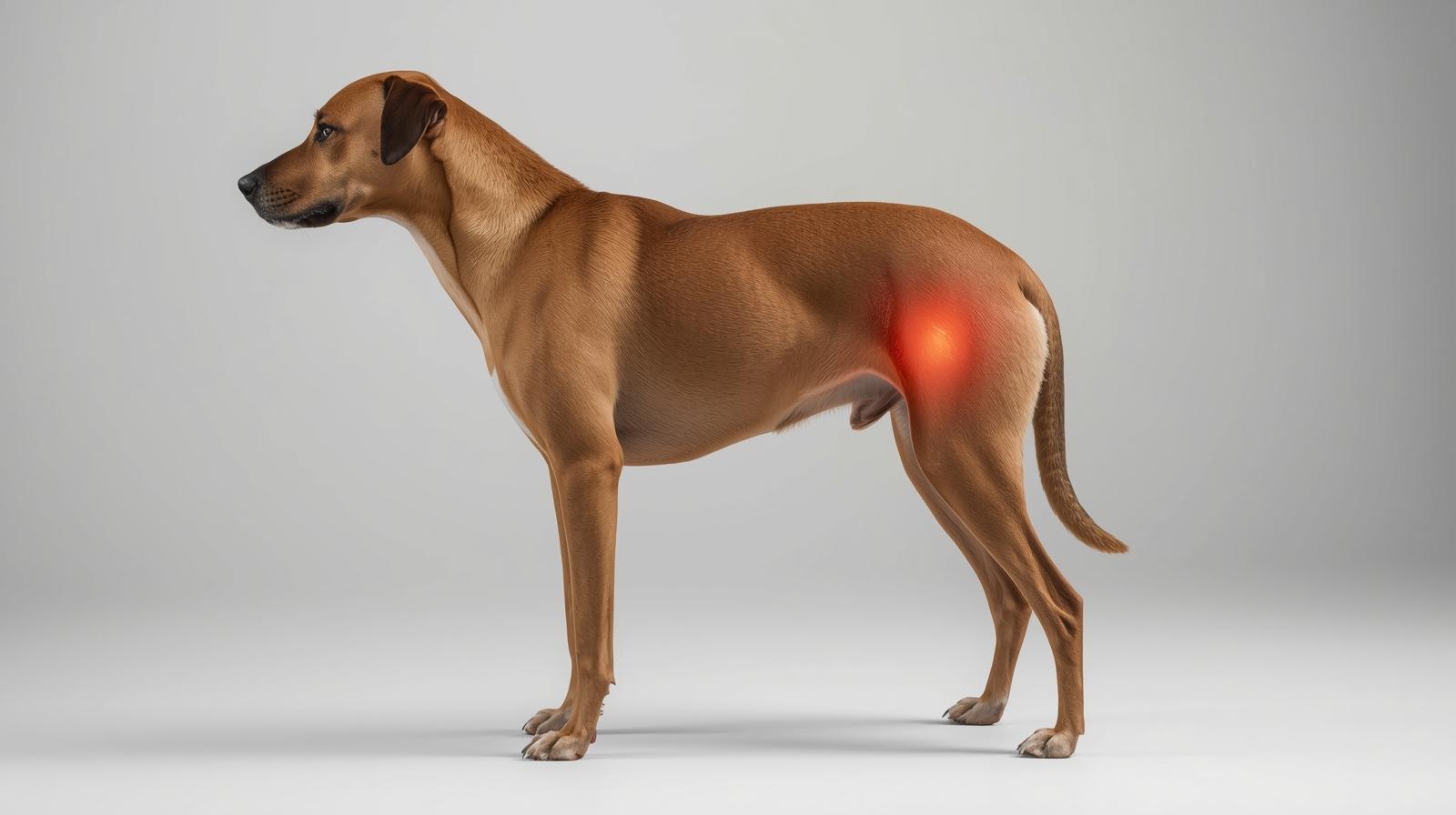
Canine dysplasia means a joint did not form as a perfect fit. The ball and socket of the hip, or parts of the elbow, may be loose.
That loose fit causes rubbing and tiny slips in the joint. Over time, this leads to pain, swelling, and stiffness.
Even young dogs can show signs. Older dogs may look worse after years of wear.
Some have good days, then struggle after a hard run. The pattern can vary, which is why owners sometimes miss early clues.
Here is the simple chain of events. A loose joint moves too much, cartilage wears down, the body inflames the area, and bone changes follow.
Those changes cause more pain and less range of motion. Your dog might change their stride to cope, which puts strain on other joints.
Common risk factors include:
- Genetics, especially in certain lines
- Rapid growth in pups
- Large breeds and heavy builds
- Extra body weight
- Hard-surface exercise and repetitive jumping
- Past injury to hips, elbows, or nearby muscles
Any dog can be affected. Keeping a lean body condition lowers stress on joints and reduces symptoms.
If you suspect a problem, a vet exam and X-rays can give you clear answers.
For background on how the hip forms and changes, the Blue Cross guide on hip dysplasia in dogs is a helpful read.
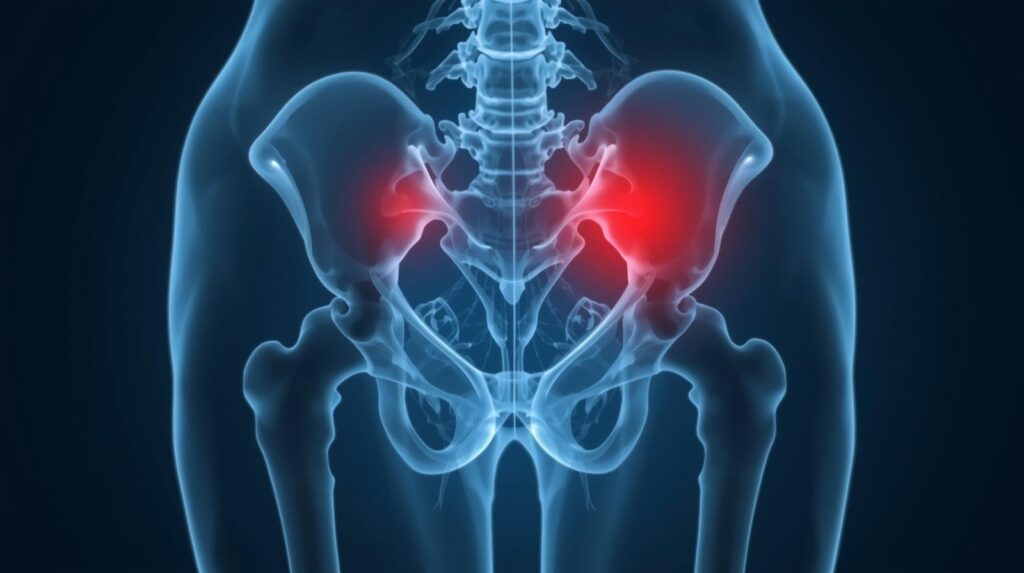
Hip Dysplasia vs Elbow Dysplasia: The Basics
| Feature | Hip Dysplasia | Elbow Dysplasia |
|---|---|---|
| Main area affected | Hips, hind end | Elbow, one or both front legs |
| Typical first signs | Bunny hopping, hind-end sway, stiffness | Front-leg limp, outward paw turn, reduced push-off |
| Usual age for signs | Growth to young adult, or later, with wear | Young to middle-aged, often after play |
| Shared signs | Limping, stiffness after rest, pain on touch, shorter stride |

Both conditions change how a dog moves. Both can cause reluctance to jump, climb, or run.
How Joint Changes Cause Pain, Stiffness, and Limping
Loose joints allow extra movement. That movement wears down cushioning cartilage.
The body reacts with swelling, heat, and pain. Muscles tighten to protect the area, which makes movement stiff.
Your dog may take short steps, avoid jumping, or seem sore after exercise. Overuse on one side can start a limp.
Risk Factors by Breed, Size, Age, and Weight
Some breeds are more prone, including Labradors, German Shepherds, and Golden Retrievers.
Large and giant breeds tend to carry more weight, which stresses joints.
But small dogs can have dysplasia too. Age adds wear, though many young dogs also show early signs.
Keeping your dog lean is one of the best steps you can take to protect their joints.
The PDSA has a clear overview of hip dysplasia in dogs if you want a deeper dive.
Early Canine Dysplasia Symptoms You May Spot on Walks
Daily routines make subtle signs easier to see. Hills near Looe and Polperro show how well a dog can push and steady.
Harbor steps test flexion. Beach entries test traction and confidence.
Look for small changes on your usual loop. Does your dog swing their hind end more on the climb to Talland?
Do they avoid the first step at the harbour?
Are they wobbly on soft sand but fine on firm wet sand?
These clues matter.
Useful checks:
- Film a 20-second clip of walking away and back on a lead. Share it with your vet.
- Watch your dog after rest, after the beach, and after stairs.
- Compare your dog’s stride on flat pavement and on the coast path.
A few tips can help:
- Shorten walk time slightly, check recovery, then adjust.
- Try flatter routes on sore days.
- Keep nails trimmed to improve grip on steps.
- Choose firm wet sand over dry, soft areas.
The British Veterinary Association explains common signs such as stiffness after rest and difficulty with stairs in their overview of hip dysplasia in dogs.
Gait Clues: Bunny Hopping, Pacing, and Wobble
- Bunny hopping, with both hind legs moving together, often shows hip discomfort.
- Pacing gait, where the same-side legs step together, can reduce hip swing.
- Short or uneven steps suggest guarding a painful limb.
- Hind-end sway on climbs can reveal weak hip support.
- Toe dragging or scuffing leaves marks on paths, and nails may wear unevenly.
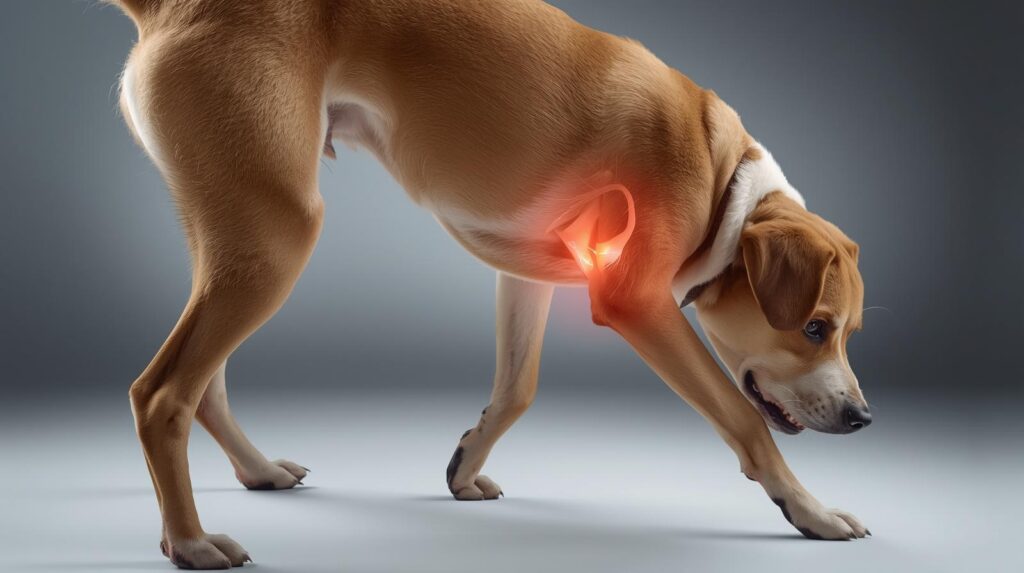

Reluctance to Jump, Climb Stairs, or Tackle Hills
Dogs with joint pain may hesitate at the first step. They might pause at harbor stairs, or pick a longer, gentler ramp instead.
On steep footpaths, they may stop and look back. Some take wide turns to avoid sharp hip movement.
Others refuse to load into the car, which is a common early sign.
Stiff After Rest, Slow to Rise, or Avoids the Car
Morning stiffness is a classic clue. After a nap, your dog may stand slowly and stretch more.
After a beach walk, they may choose the floor over a jump into a seat or boot. Settling may take longer. Rest often helps, but the pattern can repeat after each outing.
Behavior Signals: Licking Joints, Irritability, Low Energy
Dogs show discomfort in different ways. Licking or chewing elbows or hips is common. Some flinch when touched near a joint. Others lose interest in fetch, stop early, or rest more.
Low energy can follow a painful outing. If your dog loves rough play or tug toys but now refuses, note that change in your diary.
Severe or Worsening Signs That Need a Vet Now
Most cases are not urgent, but some red flags mean you should act quickly. Trust your gut.
If your dog looks more than mildly sore, stop the walk, and reassess. Use a calm voice, keep them warm and still, and contact a vet.
Lameness, Muscle Loss, Clicking Joints, and Short Stride
Clear limping or sudden favoring of a leg needs attention. Muscle loss over hips or shoulders shows chronic underuse or pain.
You might hear or feel clicks or pops when a joint moves.
Watch for a tight, short step pattern that does not ease after a few minutes.
These signs can mean joint inflammation or progression.
Hot or Swollen Joints, Pain on Touch, Limited Movement
Check for heat or swelling at the hip or elbow. Many dogs will yelp or turn when a sore area is touched.
If they cannot flex or extend the limb without pain, stop activity.
Rest them, and book a vet assessment. The PetMD guide on hip dysplasia in dogs outlines how vets evaluate stiffness and pain.
Emergency Red Flags: Sudden Non-weight Bearing, Fever, Trauma
Get urgent help if your dog will not put weight on a leg, has severe pain, or shows fever or collapse.
Trauma from a jump or fall, especially on slippery rocks or steps, is an emergency.
Stop the walk, keep your dog still, and contact a vet right away. On remote coast paths, a GPS can help others find you faster.
If you need a device, see our notes on the Tractive GPS dog tracker.

Managing Canine Dysplasia Symptoms for Safer, Happier Walks
You can do a lot to keep your dog comfortable. Combine vet care with simple daily habits.
Plan walks with the local terrain in mind.
Focus on comfort, confidence, and steady dog exercise services, not speed or big miles.
How Vets Diagnose: Exam, X-rays, and Scoring
Your vet will watch your dog walk and turn. They will check range of motion and muscle balance.
X-rays confirm the shape and fit of the joint. In some cases, sedation helps get clear images.
Vets may reference hip scoring systems to guide care and, for breeders, screening.
If you want background science, the Wikipedia article on hip dysplasia in dogs explains how the joint forms and why it becomes unstable.
Daily Care: Weight, Low-impact Exercise, Warm-ups, and Rest
- Keep your dog lean. A healthy weight is the best joint support.
- Choose short, steady walks. Two shorter outings can beat one long hike.
- Add gentle hill work if your dog tolerates it. Watch for fatigue.
- Warm up for five minutes with easy lead walking and figure-eights.
- Plan rest days after tougher activity or bigger hills.
- Mix in scent games on flat ground to meet mental needs.
For rainy-day routines, see these tips on walking your dog in the rain, including drying and warmth.
Smart Gear and Surfaces: Harnesses, Ramps, Non-slip Mats
A well-fitted Y-front harness helps spread pressure and supports steady movement.
If you have a big dog, our guide to the best dog harness for large dogs can help. Add non-slip mats at home for traction.
Ramps reduce jumping into cars or onto steps. Keep nails short for better grip.
Avoid long fetch on hard ground, especially with sharp turns. Offer a supportive bed to aid rest and muscle recovery.
Walk Planning in East Cornwall: Beaches, Hills, and Weather
- Use firm wet sand at low tide. Dry, soft sand tires dogs fast.
- Skip steep harbor steps on sore days. Find a gentler route.
- Choose shorter sections of the South West Coast Path with fewer climbs.
- Avoid crowded dog zones if your dog needs space. If you meet trouble, this guide on dealing with loose aggressive dogs can help.
- Towel dry after swims, then keep warm in wind or rain.
- In low visibility, a GPS can give peace of mind on cliff paths.
Curious about safety planning? Here is a practical read on whether dog walking is dangerous and how to reduce risk.
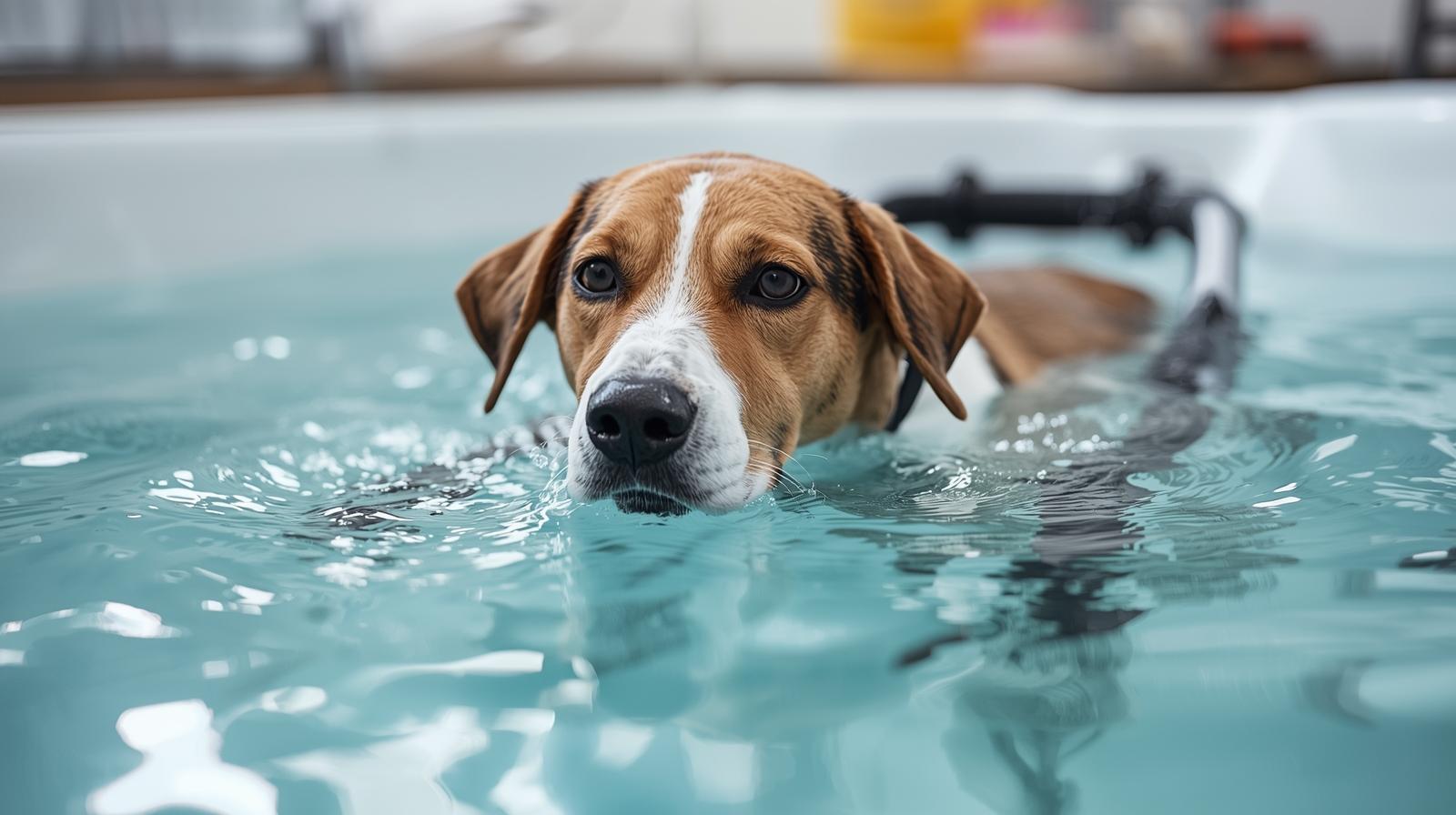
Treatment Options: Pain Relief, Supplements, Hydro, Physio, Surgery
Pain medication should be vet-guided. Never give human painkillers. Joint supplements, such as glucosamine, chondroitin, and omega-3s, may help some dogs over time.
Hydrotherapy supports movement without heavy impact. Physiotherapy builds strength and balance.
In severe cases, your vet may discuss surgery. Referral centers outline common options and recovery plans, like this overview of canine hip dysplasia care.
If you need help balancing activity and rest, a professional dog walker can tailor routes and pace.
We support daily dog walks, group dog walks, and puppy walking services with simple progress logs.
For friendly advice or availability, you can Contact Paw-tastic Walks.
We keep dog walking rates clear and update plans based on how your dog moves week to week.
Quick Reference: Common At-Risk Breeds
Some breeds show higher rates, though any dog can be affected.
- Labradors and Golden Retrievers
- German Shepherds
- Rottweilers
- Bernese Mountain Dogs
- Newfoundlands
Breed-specific care tips on our site can help you tailor exercise. For example, see ideas for walking tips for Basset Hounds with joint issues.
If your dog has a different build, adjust the terrain and pace to suit them.
Final Tips For Owners Exploring “Pet Walking Near Me”
Choosing local dog walking can take pressure off busy days.
Look for a reliable dog walker who understands joint health, uses safe routes, and adapts speed on hills.
Ask how they handle wet weather, crowded steps, and beach entries. Proper planning protects sensitive joints and keeps walks fun.
Trusted resources on signs and care include the BVA’s guide to hip dysplasia in dogs and the PDSA’s advice on symptoms and treatment. Use them to build confident questions for your vet.
Conclusion
Early awareness of canine dysplasia symptoms helps keep your dog active and comfortable.
Watch gait, stairs, and recovery after walks on our local hills and beaches.
Keep a lean body weight, use smart gear, and plan simple, steady routes.
Record short gait clips, track changes, and ask your vet for guidance.
If you want tailored support around Looe and Polperro, reach out, and we will plan kind, joint-friendly daily dog walks together.
Resources used in this article:
- Blue Cross: Hip Dysplasia in Dogs | Symptoms and Treatment, https://www.bluecross.org.uk/advice/dog/health-and-injuries/hip-dysplasia-in-dogs
- PDSA: Hip dysplasia in dogs, https://www.pdsa.org.uk/pet-help-and-advice/pet-health-hub/conditions/hip-dysplasia-in-dogs
- BVA: Hip dysplasia in dogs, https://www.bva.co.uk/canine-health-schemes/hip-dysplasia-in-dogs/
- Wikipedia: Hip dysplasia (canine), https://en.wikipedia.org/wiki/Hip_dysplasia_(canine)
- Swift Referrals: Hip Dysplasia | Referral Vets in Leeds, https://www.swiftreferrals.co.uk/what-we-do/orthopaedics/canine-hip-dysplasia