

Meet the English Setter, a gentle, active companion. Get breed traits, care tips, grooming basics, and training advice to keep your setter happy and healthy.
The English Setter has a calm sparkle that wins hearts fast. If you love long walks, cheerful company, and a graceful dog, the English Setter might be your perfect match.
This guide covers the breed’s history, size, coat, and temperament.
You will also find daily care tips, health advice, and simple training steps tailored to East Cornwall’s coast and moor.
Thinking about life with this sweet-natured gundog? You will learn how to meet their exercise needs, keep that silky coat healthy, and build a reliable recall around wildlife.
We will also touch on local walking safety for cliff paths, farmland, and busy lanes.
Let’s help you enjoy a happy, relaxed routine with your Setter.
English Setter breed basics:
history, size, and temperament for families
 Photo by Tima Miroshnichenko
Where the English Setter comes from and what it was bred to do
The English Setter began in Britain as a gundog. It was bred to “set,” or freeze, when it scented game birds. This gentle style helped hunters net birds without a chase.
Today, that bird sense is still strong. Expect a dog that loves scent, scanning wind and hedge for clues.
This background shapes daily life. Setters have steady energy and keen noses. They need mental work as much as physical exercise.
Scent games, problem-solving, and calm routines help them thrive. In East Cornwall, think cliff-top breezes, rich smells on the moor, and plenty of variety.
For a deeper background, the English Setter on Wikipedia gives helpful breed history and standards.

Size, coat, and classic belton colors explained
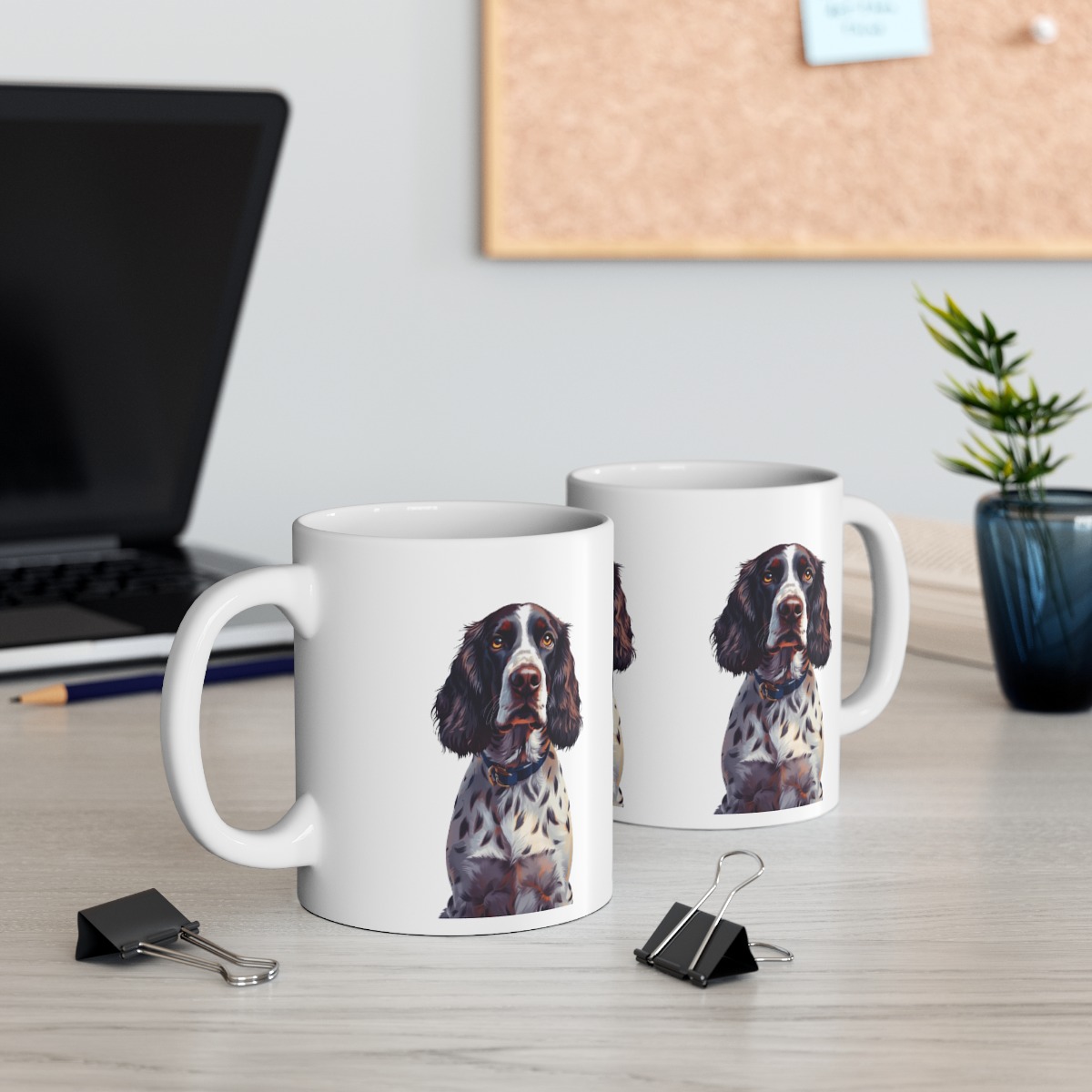
Most English Setters are medium to large. Males usually stand 61 to 68 cm at the shoulder, and weigh 29 to 36 kg.
Females are often 58 to 65 cm tall, and weigh 25 to 30 kg.
They wear a silky, feathered coat. The famous belton pattern is light flecking on white.
You will see blue belton, orange belton, lemon, liver, and tricolor. Shedding is moderate. Plan for regular brushing to prevent tangles in the feathering.
Personality and energy level around kids and other pets
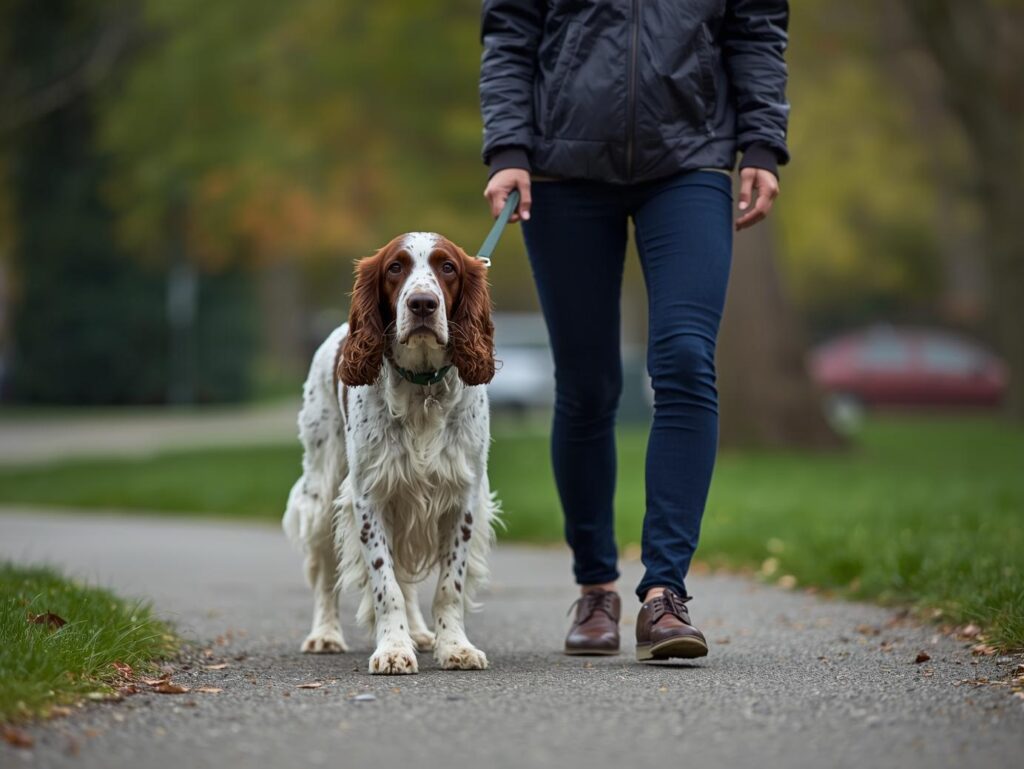
Setters are soft, friendly, and social. They often adore children and do well with other dogs when socialised.
They are sensitive to tone, so use a kind voice and fair rules. Exercise needs are high. They enjoy long walks and steady action, not frantic sprints.
Birds and wildlife can flip a switch. Some Setters will want to stalk or chase. With training, you can balance freedom and safety.
Use long lines until recall is solid.
For a quick care snapshot, the PDSA’s English Setter guide outlines exercise, grooming, and general needs in a UK context.
Field type vs show type, which suits your lifestyle
Field-bred Setters are leaner, lighter, and higher drive. They often need more exercise and mental work. Show-bred Setters carry a heavier coat and can be a touch calmer.
They still need strong daily activity. Choose based on your walking time, grooming effort, and training goals.
In East Cornwall, both types can enjoy coast and moor. Just match their routine to your day.
If you have a powerful puller, our guide to best walking gear for powerful large dogs compares harness options that protect shoulders and give kind control.

Daily care in East Cornwall:
exercise, grooming, and diet for an English Setter
How much exercise an English Setter really needs in Cornwall
Aim for 60 to 90 minutes of daily activity. Mix lead walking, sniffing time, and recall practice.
Off-lead is best in safe areas and only after strong training.
Use a long line on the South West Coast Path or quiet moorland while you build skills. Keep your Setter on lead near livestock, cliff edges, and busy car parks.
Swap routes to keep it fresh. Add rest days or shorter walks after a big hike.
A GPS tracker can offer peace of mind in open spaces; learn why with our note on common dog walking pitfalls to avoid, which includes route and gear tips for safer outings.

Grooming routine for that silky, feathered coat
Brush 3 to 4 times a week. Work through the feathering on ears, chest, belly, and tail to prevent mats. Check ears after wet or windy walks, and wipe them dry.
Trim feathering around feet and hocks when it starts to collect burrs or mud. Bathe when muddy, and dry thoroughly after rainy outings.
Keep nails short with monthly trims. Brush teeth daily if you can. A quick dental chew helps between brushes.
Nutrition and weight tips to keep a lean athlete
Feed a complete, high-quality diet that supports joints and skin. Keep a lean body score so your Setter moves freely and avoids strain.
Split meals to reduce bloat risk. Use part of meals for training. Offer fresh water after walks, especially after sea spray or sandy play. Keep rich treats limited.
For extra feeding advice, the Scrumbles English Setter guide covers energy needs and diet ideas for active dogs.
Seasonal care for coastal paths, beaches, and moorland
- Winter: Add a warm coat on cold, wet days. Use lights for dusk paths.
- Spring: Keep on lead near lambing fields. Watch nesting birds on dunes.
- Summer: Walk early or late. Pack water and rest in shade.
- Autumn: Burrs, seeds, and mud build up fast. Rinse and dry after walks.
After moorland walks, do a tick check. After beach play, rinse salt and sand from coat and paws.
If you are caught in a shower, this guide to walking in the rain helps you keep outings safe and comfortable.

Health and vet care:
Common English Setter issues and prevention
Conditions to watch: hips, thyroid, ears, eyes, and skin
Most Setters are robust, but there are risks to note. Hips and elbows can develop dysplasia.
Hypothyroidism may cause weight gain or dull coat. Ears can trap moisture and invite infections. Skin and allergy issues can flare with grass seeds or bites.
Eyes matter too. Progressive retinal atrophy and occasional deafness appear in some lines.
Bloat can occur in deep-chested breeds, though it is not common. With good care, many Setters live 10 to 12 years.
A broad breed overview with health cues appears in the Lords & Labradors English Setter guide.

Preventative care and UK health tests to ask your vet about
Ask breeders about BVA/KC hip and elbow scores. Eye checks and relevant DNA tests are smart too.
Keep vaccines current. Maintain flea, tick, and worm control year-round. Plan dental cleans if tartar builds despite brushing. Consider pet insurance to cover surprises.
Training tips from TrainPetDog’s English Setter page can support your vet plan with behavior-friendly routines at home.
Home checks after walks: ears, paws, burrs, and ticks
Do a quick check when you get home. Dry the ears and check inside for redness or smell.
Remove seeds and burrs from feathering. Look at pads and between toes. Feel for ticks around ears, armpits, groin, and tail base. Watch for limping, licking, or hot spots.
When to rest at home vs book a vet visit
Book your vet if lameness lasts more than a day or two. Repeated head shaking, new cloudiness in the eyes, or sore skin also need care. Sudden weight changes or low energy deserve a check.
Heat stress is urgent. So is any sign of bloat, such as a swollen belly, retching, or restlessness. When in doubt, call your vet early.
Training your English Setter: recall, lead manners, and calm at home
Keep sessions short and fun. Use tasty rewards and a cheerful voice. Teach sit, down, stay, come, leave it, and settle.
Practice calm greetings with visitors. Add gentle handling so grooming and vet care feel normal. Use real life rewards too, like moving forward on walks or sniff time.
If your Setter pulls, a harness designed for bigger dogs helps. See our picks in the guide to secure harnesses for hefty hounds.
Reliable recall around wildlife and livestock
Start indoors on a short lead. Say your cue or blow a whistle. Reward fast turns and sprints to you.
Move to the garden with a long line, then to quiet fields. Pay with great treats, praise, and quick games. Add distractions slowly. Practice an emergency stop and a lead-up routine near livestock.
Keep a long line on until your dog can ignore birds and rabbits.
For more route and safety ideas in busy places, see strategies for fixing everyday errors on dog walks.
Loose-lead walking on long coastal routes
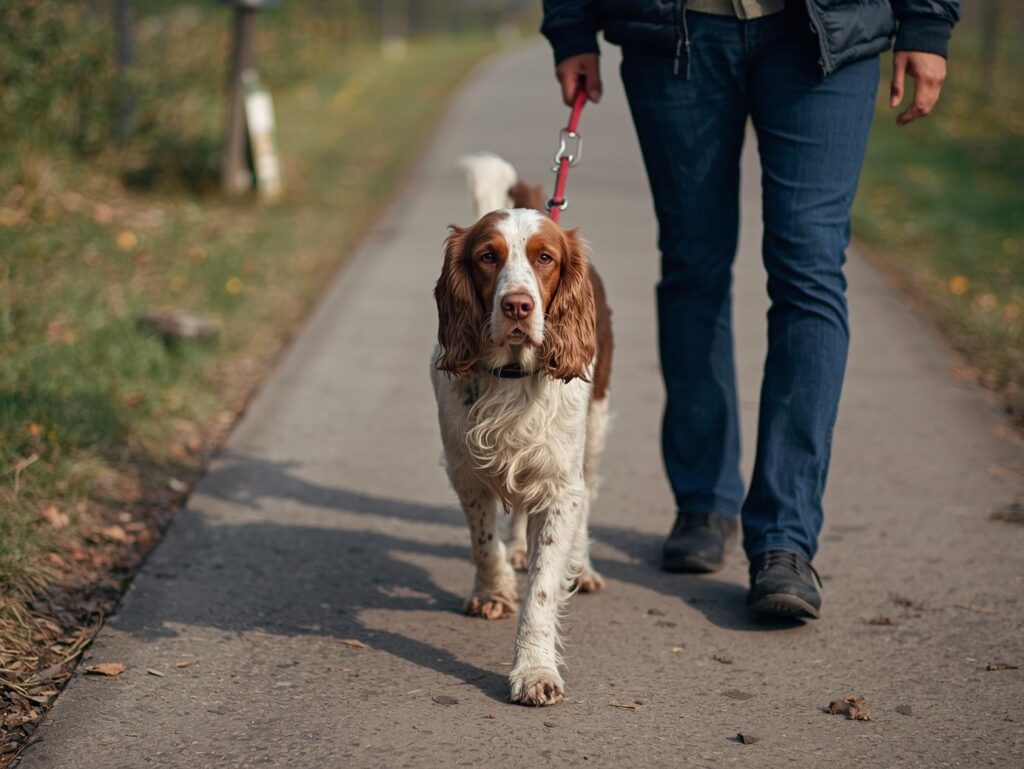
Use a Y-front harness for comfort and freedom of shoulder. Reward your dog for walking at your side.
If the lead tightens, stop. When slack returns, walk again. Change direction drills help your Setter tune in.
Keep early sessions short. Build distance and add distractions later. This approach suits cliff paths, lanes, and town edges.
Planning long hikes with an active breed? Our post on pace and route ideas for Pointer adventures includes tips that fit Setters too, from rest breaks to recall games.
Mental enrichment and rainy day games English Setters love
Scent games make your Setter glow. Try simple “find it” with a few bits of kibble.
Lay a short scent trail in the garden. Use snuffle mats and puzzle feeders. Play fetch with rules, like “sit, then chase.”
Keep sessions 5 to 10 minutes to prevent over-arousal. Short and sweet works best.
If your dog loves a tug, choose durable tug toys and add cue words like “take” and “drop.”
This builds impulse control and adds great bonding time. It also drains energy on wet days.
Real-life support for East Cornwall owners
Active dogs need steady routines. If work gets busy, a trusted helper keeps your Setter happy. Look for a professional dog walker with strong recall skills and local knowledge.
Ask about dog walking rates, group dog walks, and puppy walking services if you have a youngster.
Check credentials and reviews. Search terms like pet walking near me, local dog walking, dog exercise services, and reliable dog walker can help you compare options.
Long coastal days can be windy and wet at times. If you want a second opinion on safety, our post on essential tips for mistake-free leashed strolls covers pacing, gear, and awareness for harder routes.

East Cornwall walking checklist for English Setters
- Keep leads short near livestock, cliff edges, and car parks.
- Swap routes: beach, coast path, woodland, and moor, by weather.
- Pack water, a lightweight towel, and high-value treats.
- Use a long line until recall is reliable.
- Carry ID tags and keep microchip details current.
- Build in calm sniff time for mental rest.
For weather calls on tricky days, see our advice on weather-smart tips for walking Australian Shepherds. The safety and planning ideas fit Setters well too.

Conclusion
The English Setter is a kind, athletic partner with style. Keep exercise steady, grooming regular, and training positive. Watch hips, ears, eyes, and skin, and keep vet checks up to date.
Use recall games, calm lead work, and short scent sessions to shape a relaxed home life.
In East Cornwall, this breed shines on coast and moor with simple, safe routines. Plan your next walk, book support if needed, and enjoy this affectionate, sporty companion by your side.