What It Really Means (Dog Behaviour Guide)
Does your dog drop into that classic play bow when you walk in? Front legs forward, bum in the air, tail wagging like mad.
That is not a sleepy stretch. It is a strong emotional signal in dog behaviour that says, “I’m happy you’re here, let’s connect.”
In this guide, you’ll learn what that welcome stretch really means, and nine other meaningful body language signals your dog uses every day.
If you want a deeper bond, clearer walks, and calmer evenings, you’re in the right place. This is especially helpful for families in East Cornwall who want easier daily dog walks and a closer bond at home.
Understanding these signs can help with training, local dog walking, and even finding a professional dog walker who gets your dog’s unique style.
Experts like the American Kennel Club and ASPCA back these insights, and they match what we see with clients who book daily dog walks and group dog walks.
- Grab a notebook to jot down what you see this week.
- Share your favourite “welcome home” moment in the comments.
Why Dogs Communicate Through Body Language
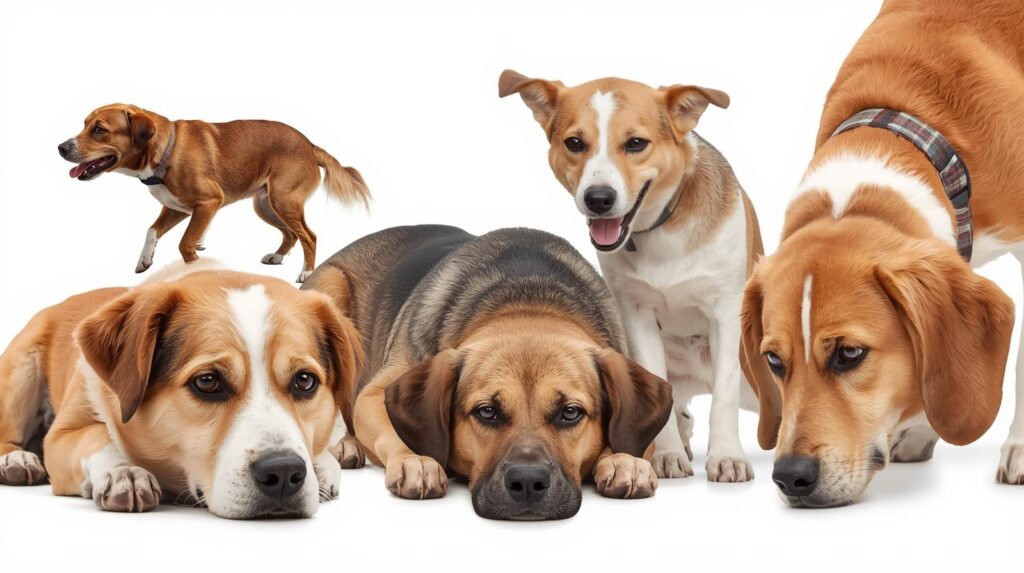
Dogs communicate through body language because it works. Their ears, eyes, tails, posture, yawning, and panting send quick, clear signals. They are emotional messengers, like the submissive grin, telling us when they feel safe, worried, playful, or tired.
Many of these signals come from the heart, showing trust and love. They also read your mood using scent. Their vomeronasal system, often called Jacobson’s organ, helps them sense hormones and stress.
If you want the science, read about the vomeronasal organ.
1. The Foot Licker: Tasting Your Emotions
What It Looks Like
Your dog engages in licking your feet or ankles, sometimes at the end of the day.
The Real Meaning Behind It
It is an emotional wellness check. Your feet carry sweat and scent that reveal your mood. Dogs use Jacobson’s organ to “taste” how you feel.
They pick up hints of stress, excitement, or calm. Part emotional sponge, part therapist.
How to Respond to Show Love
If licking increases, they may sense tension and want to help.
- Acknowledge with a calm, warm voice.
- Offer a gentle head rub and a treat when they settle.
Tip for walkers: if foot licking goes along with pacing or barking, look for early signs your dog needs more exercise. A short extra loop can ease tension.
2. The Bathroom Bodyguard: Loyalty in Private Moments
Spotting the Behaviour
Your dog follows you into the bathroom, sits, stares, and will not leave.
Why They Do It
In the wild, wolf packmates guard each other during vulnerable moments. To your dog, a closed door can signal risk, not privacy.
They stay close to keep you safe. This behaviour stems from loyalty, not an outdated attempt at dominance.
It’s not weird. It’s loyalty in its purest form.
Building Trust Through This
Reassure them with a soft word or a light touch. Avoid shooing.
- Strengthens your pack bond.
- Shows you value their protection.
3. The Head Tilt: Listening with Heart
The Adorable Action
That classic head tilt when you talk is more than cute.
Decoding the Tilt
It is focused listening. Dogs adjust their ears to catch your tone, words, and emotions. This behaviour showcases dog intelligence, as they cognitively process these elements to respond.
Some dogs tilt left when decoding feelings, and right when trying to understand commands. You’re the most important sound in their world.
What It Means for Your Bond
It proves your dog is tuned in. Keep talking in a friendly tone, and watch their responses.
- Use happy tones for positive tilts.
- Notice which words create the biggest tilt.
4. The Deep Sigh: Emotional Exhales
Recognising the Sigh
A long, drawn-out sigh, often at your side.
Different Types of Sighs
Next to you, it means “I’m relaxed. Life is good.” When alert, it can signal “Something’s off, but I’ve got this.” It ranges from peace to frustration to love, often acting as a release from stress.
The best one is the post-reunion sigh when you get home. That is their reset: “Now I can breathe again.”
Interpreting and Replying
Use it as a check-in cue.
- Cuddle if it’s a relaxation sigh.
- If it sounds frustrated, offer a potty break or a gentle walk.
5. The Welcome Stretch: Your Homecoming Joy
Breaking Down the Pose
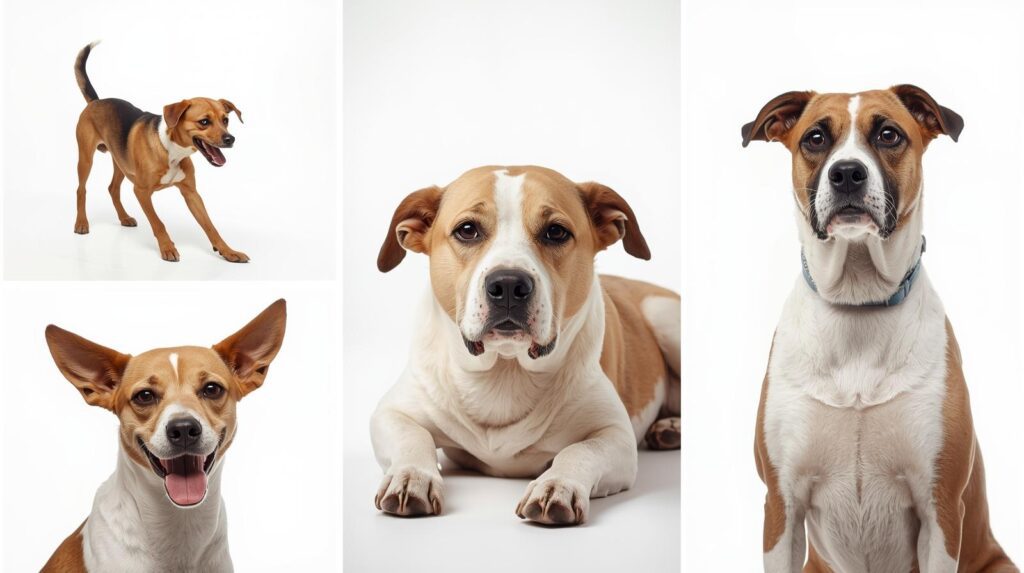
Front legs reach forward, chest low, tail high when you arrive. That is the play bow, the technical term for this welcome stretch, not a sleepy stretch.
The Deeper Emotional Signal
They are inviting connection, play, and bonding. It means “You’re the best part of my day.” They want your full attention, even if only for a moment.
Brushing it off can make them feel ignored. This is a secret love message that sets a warm tone for the evening.
How to Reciprocate
Give them 30 seconds of happy attention.
- Kneel to their level for a quick rub.
- Toss a toy or offer a short game of tug toys.
Walking tip for East Cornwall owners: a joyful reunion leads to calmer daily dog walks. A minute of play before clipping the lead often reduces pulling.
6. The Sock Thief: Scent of Comfort
The Mischief Explained
Your dog steals socks or underwear and guards their prize.
Why Your Scent Matters
Your clothes carry your strongest smell. It is comforting when you are away.
Many dogs steal and guard socks as a form of resource guarding, curling up with them in their bed to feel close.
It’s not destruction, it’s devotion. They are building little nests of love from things that smell like you.
Turning It Positive
Offer safe scent items to avoid chewing hazards.
- Place an old, unwashed T-shirt in their bed.
- Praise them for settling with that instead of running off with fresh laundry.
7. The Back Turn: Ultimate Trust
What You Might See
Your dog sits with their back to you and relaxes.
The Trust Signal
In nature, turning your back exposes you. Near you, it says, “I trust you to keep me safe.” They drop their guard around you. This is one of the highest signs of security.
Available on our apparel store

Responding to Build Security
Place your hand gently on their back.
- Speak in a warm, steady voice.
- Avoid sudden moves or loud noises.
8. The Toy Gift: Sharing Treasures
The Offering Moment
Your dog drops a favourite toy at your feet and looks up.
Deeper Bonding Act
It is not only play. It is sharing a precious thing, which says, “I love this, but love you more.” In the wild, sharing builds trust and unity.
A gift wrapped in fuzzy, squeaky love. Some dogs bring socks, shoes, or random objects to contribute to the “pack.”
Encouraging This Behaviour
Accept the gift and engage in some play for a minute.
- Thank them with praise or a smile.
- Return the toy gently to keep the game going.
For energetic breeds, these gift moments can be a cue for short games and then a calm stroll.
See our walking tips tailored for the Labrador Retriever breed if your Lab lives to retrieve.
9. The Protective Sleep: Resting in Loyalty
Sleep Positions to Watch
Pressed against you, facing the door, or back to you, each has meaning.
Meanings of Each Position
Body press says, “You’re my safe zone.” Facing the door means they are on guard. Back to you means deep trust with vulnerable parts exposed.
Even in sleep, declaring loyalty. Head on your pillow adds extra closeness and comfort.
Enhancing Sleep Bonds
Make a cosy sleep spot nearby.
- Use soft bedding and a calm routine.
- Keep night walks steady and short when needed.
Some Bassets love a peaceful wind-down before bed. Here are gentle dog walking tips for Basset Hounds, ideal for this breed if your long-eared friend prefers slow routes with plenty of sniffing.
10. The Doorway Blocker: Vigilant Love
The Strategic Spot
Your dog lies across the doorway, and you trip over them.
Reasons for the Position
This is strategy. From that spot, they can track you, stay close, and be ready to help. Doorways are hubs of movement.
They want to be on duty. Intense territorial protectiveness in this position might even lead to excessive barking. It’s protection, loyalty on patrol.
Handling It Safely
Acknowledge their watch and start training a “move over” cue.
- Step carefully and reward calm shifting.
- Praise their watchfulness, then invite them to a comfy bed.
Common Misinterpretations of Dog Behaviours
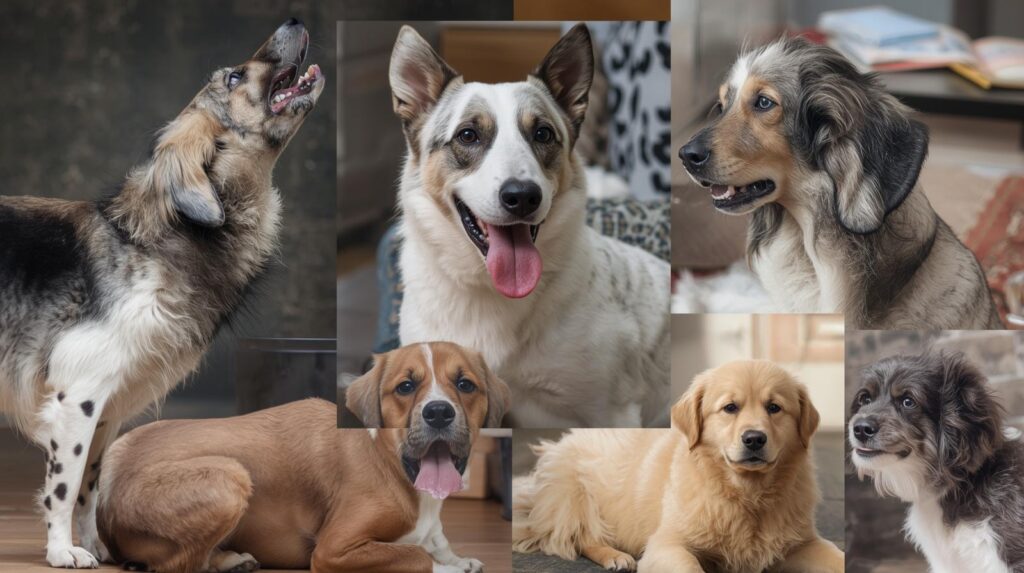
Many aspects of dog behaviour look like quirks at first. They are often love notes in disguise.
- Stretch at the door: not a nap stretch, a welcome invite.
- Licking: not just gross, often caring and calming.
- Barking: not just noise, sometimes a joyful alert.
- Sighing: not boredom, a window into feelings.
If you have concerns about dog behaviour involving anxiety, reactivity, aggression, or fear, or safety during walks around East Cornwall towns, start with calm routines and gentle training.
Watch for potential problematic behaviors like growling, humping, or digging, which may signal underlying issues.
Persistent habits such as eating poop, known as coprophagia, require veterinary consultation.
For safety planning, these guides can help: how to handle loose aggressive dogs on walks and what to know if you wonder is dog walking dangerous.
How These Behaviours Strengthen Your Bond
Daily Responses Matter
Small moments add up. A 30-second cuddle after a play bow can ease separation anxiety and stress and sets the tone before daily dog walks.
Long-Term Benefits
These replies build trust, which supports training, polite greetings, and better recall.
- Observe one signal per day.
- Respond with calm affection.
- Track changes across the week.
Every moment with them matters. If you need help, a reliable dog walker can support your routine with puppy walking services or group dog walks that fit your schedule.
Walk and Gear Tips From a Local Perspective
East Cornwall weather shifts fast. Wondering about rainy days? Here is practical advice on walking your dog in the rain.
If your dog is an escape artist, consider a tracker for extra peace of mind during local dog walking.
Our review of the Tractive GPS dog tracker explains how live tracking can help with recall training.
For large breeds that love to greet and pull, a secure fit matters. Check our guide to the best dog harness for large dogs.
It supports safer dog exercise services and steadier handling by a professional dog walker. If aggression is a concern with loose dogs on walks, our guide to handling loose aggressive dogs offers practical tips for better control and safety.
Sources and Vet-Backed Insights
- American Kennel Club guidance on canine body language supports many of these cues, from the play bow to ear positions.
- ASPCA education on emotional signals in dogs matches the science on scent and comfort behaviors.
This post is educational. If you see sudden changes in dog behaviour, speak with your vet or a certified trainer.
Engage with Your Dog’s Signals
Observation Tips
Watch for patterns in stretches, sighs, and tilts.
- Note the time of day and what happened beforehand.
- Pair your dog’s signals with your own mood and routine.
What is the sweetest thing your dog does at the door?
Comment below! Your story might help another local owner feel more confident on their next walk.
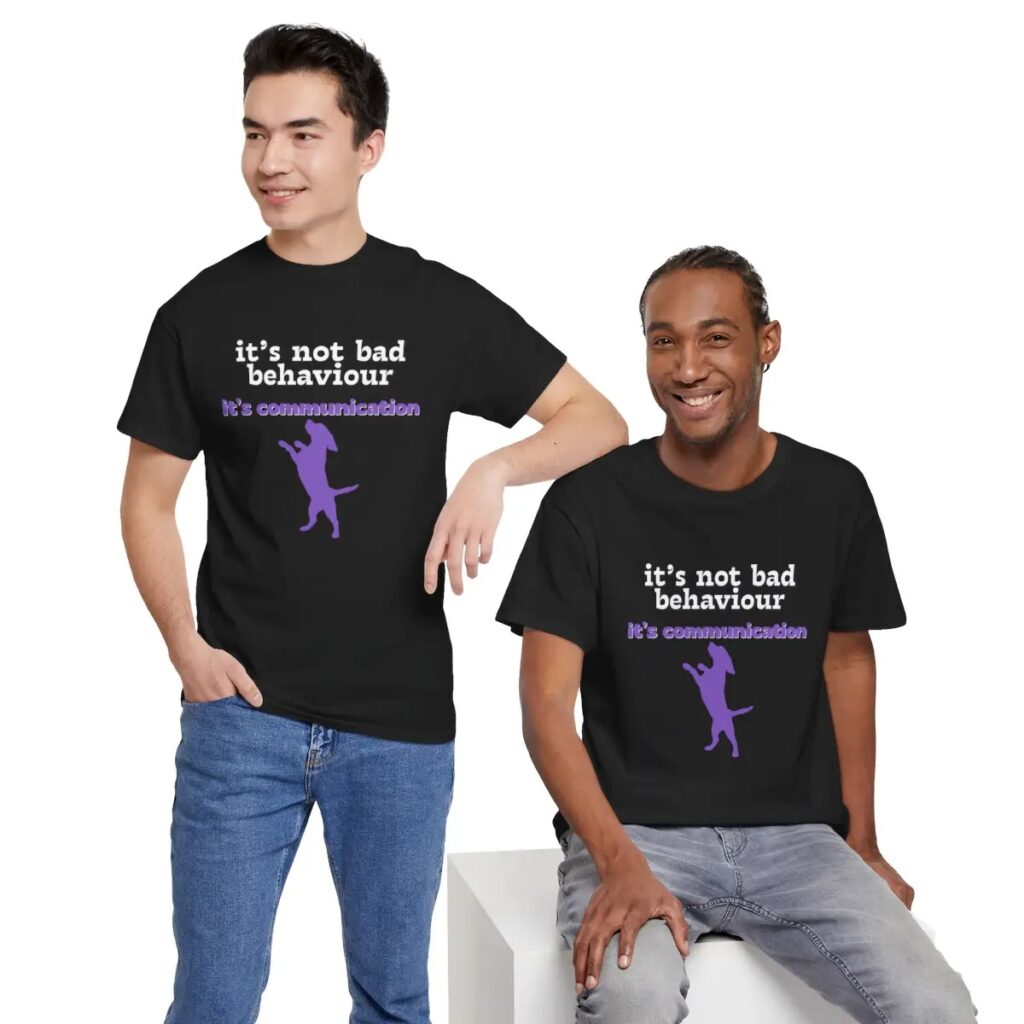
Available on our apparel store
Final Thoughts on Canine Love
Dogs speak through their dog behaviour in everyday acts, and those small rituals say plenty. Listen closely and reply with warmth, and you will feel your bond grow.
If you are searching for pet walking near me, or want daily dog walks, group dog walks, or puppy walking services in East Cornwall, we are here to help with friendly, reliable dog walker support and clear dog walking rates.
Love lives in the little moments. Give your dog that 30 seconds today, and enjoy a happier walk tomorrow.