

What It Really Means (5 Powerful Reasons)
You wake at 2 a.m. to gentle pressure on your hip. Your dog is there, pressed close, steady breathing, keeping rhythm with your own.
Is it just comfort, or is something else going on?
Here’s the short answer: when you notice a dog sleeping next to you, you’re seeing instinct, trust, scent memory, warmth, and love at work.
That small choice says, “This is my pack.” It also explains why so many East Cornwall families feel calmer with a dog by their side at night.
Think back to the first night your nervous pup climbed into bed and stayed. That moment mattered. Many dogs have a favorite spot:
- Curled tight at your knees
- Back against your spine
- Head on your pillow
- At your feet like a furry foot warmer
Below you’ll find five powerful reasons behind this nightly habit, plus practical tips for calmer evenings and happier walks.
Why Dogs Choose Your Bed: Instinct and Bond
Dogs choose your bed for reasons beyond comfort. It is safety, trust, and connection. This applies to rescues, anxious dogs, and steady companions alike.
Their pack roots shape how and where they rest.
Here’s the quick view:
- Reason 1: Survival instinct and pack security
- Reason 2: A declaration of trust
- Reason 3: Your scent feels like home
- Reason 4: Your warmth helps them settle
- Reason 5: Where you are feels like love
Reason 1: A Survival Instinct They Still Carry
The Ancient Pack Behavior
Long before collars and cozy homes, dogs slept in circles for safety. Nose to tail, one ear always on guard. Because, out there in the dark, anything could happen.
That old survival code still runs the show. Even in a peaceful house, most dogs sleep best with their pack. That means you.
Science of Secure Sleep
Attachment matters. Bonded dogs spend more time in NREM sleep, the deep kind that restores the body and mind. It is not a light doze with one eye open. It is true rest because they feel safe. You may see:
- Back pressed against you
- A full body stretch and long sigh
- Loose paws and relaxed jaw
- Slow, steady breathing
What It Means for Your Dog
When your dog leans into you at night, they are saying, “This is my pack. This is where I’m safe.” Over time, survival becomes affection.
If your dog once startled at every sound but now sleeps deeply by your side, that is trust growing in real time.
For extra help with calm, confident outings the next day, try these tips to avoid common dog walking errors. Better walks support better sleep.


Reason 2: It’s How They Say, “I Trust You With My Life”
The Vulnerability of Sleep
Sleep is vulnerable. In the wild, lying next to someone meant risk. So when your dog chooses your bed, it is a declaration of trust.
Many owners remember the first time a rescue circled once and tucked into the bend of the knees. Quiet, certain, safe.
Biological Bonding Hormone
Emotional closeness triggers oxytocin, the hormone linked to bonding. It is the same system used in early parent and infant attachment.
That is why dogs sigh when you stroke their chest, or melt against you after a long day. Biology is saying, you’re my safe place.
You can read about the hormone on Wikipedia’s oxytocin page.
Personal Reflection Prompt
Have you felt that quiet moment of trust yet? Some ideas to share with friends or family:
- The first night they stayed all night
- Where they like to curl up and why you think that spot wins
- How their breathing helped you relax too
If your dog struggles to relax at night, try these ideas to treat anxiety in dogs naturally. Gentle routines help.
Reason 3: Your Bed Smells Like Home to Them
The Power of Scent Over Softness
We love blankets and pillows. Dogs trust scent. They use it to find you in a crowd, sense mood shifts, and yes, pick their sleeping place.
In tests with two identical beds, dogs chose the one with their owner’s smell.
Why? Because scent never lies. To dogs, that bed simply “felt like home.”


Comfort Through Familiarity
This is why dogs nap on your pillow or burrow into your blanket. Some even tuck into yesterday’s laundry. It is not about cleanliness.
It is about surrounding themselves with you. Your scent steadies their heartbeat and slows their breathing. For rescues or anxious dogs, this is gold. It brings enough calm for full, deep sleep.
Deeper Chemical Connection
Sharing a bed over time blends scent in a small but real way. That mix signals we belong together, which eases stress.
- For anxious dogs: It can reduce fear of being left.
- For all dogs: It builds a lasting sense of home.
If your dog gets the zoomies after a cozy nap, channel that energy later with engaging play.
Games with tug toys add fun, build confidence, and strengthen your bond.
Reason 4: Your Warmth Is Healing
Seeking the Warmest Spot
No matter the season, dogs find the warmest place. The heater, your used blanket, or you. It is not just temperature.
Dogs run about 101 to 102.5°F. Warmth means safety and regulation, especially for small, young, or anxious dogs.
Stress-Reduction Science
Close contact reduces cortisol, the stress hormone, and raises oxytocin. That is a calming effect both ways. You might hear a soft sigh as your dog settles against your legs.
Many rescue stories start with a single paw touch, then longer rests, then full cuddles.
Mutual Healing Power
When a worried dog tiptoes closer at night, it often means, “This feels right. This feels safe.” Their steady breathing can soothe you as well.
The bond grows. It is healing on both sides.
If nighttime rest leads to happier mornings, keep that momentum with calmer outings. For kinder, safer walks in East Cornwall, try to unlock essential dog training secrets.


Reason 5: Your Bed Is More Than Just Soft, It’s Love
Ignoring the Fancy Bed
You buy the premium dog bed. Orthopedic foam, raised sides, washable cover. Then every night, your dog picks yours. Head on your pillow, back pressed into your spine, like clockwork.
In nature, dogs choose sleeping spots that keep them close to the pack. Those spaces feel like a safe space.
Emotional and Shared Identity
This is not about control. It is emotional territory, shaped by connection. When your dog lies on your pillow or under your blanket, they join in something shared.
Many owners even sleep better with their dog nearby. Not perfect sleep, but real peace from a small heartbeat and steady breath.
The Heart of Connection
At its core, your dog chooses you. Your bed is simply where that choice shows. It is where “where you are feels like love.” Where does your dog prefer?
- At your feet
- Tucked at your knees
- Against your back
- On the pillow, starfish style
Practical Tips for Calmer Nights and Better Days
- Keep a steady evening routine. Short toilet break, a sip of water, then lights down.
- Offer a small comfort item with your scent, like a worn T-shirt near their bed if co-sleeping is not ideal every night.
- Support good rest with daytime activity. Mix sniffy walks, gentle training, and a few short play bursts.
- Build recall and loose-lead skills to reduce stress on walks. That daytime calm helps night sleep.
For more relaxed outings, here are useful reads:
- Safety first on walks, including how to fix mistakes in your daily dog walks.
- If you own a Dachshund, see why daily dog walks are crucial for dachshunds and how to keep them safe in East Cornwall.
If you worry about a nervous pup after dark, these solutions for canine stress and worry can help. A calm night supports a confident day.

East Cornwall Note: Support for Local Walkers
If you are searching for “pet walking near me” in East Cornwall, you are not alone. Many owners want help with daily dog walks, group dog walks, and puppy walking services.
A reliable dog walker keeps routines steady, which helps anxious sleepers rest better at night. Ask about dog walking rates, routes, and how a professional dog walker handles meet-and-greets.
Consistent dog exercise services lead to calmer evenings and a deeper bond at home.
Wrapping Up the Deeper Bond
Tonight, when your pup curls in, remember the five reasons behind it. Instinct, trust, scent, warmth, and love. The quiet message is clear: this is where I’m safe, this is who I belong to.
Many owners recall the first deep sigh when a nervous dog finally relaxed. That moment can change both of you.
You may need your dog’s calm as much as they need your presence.
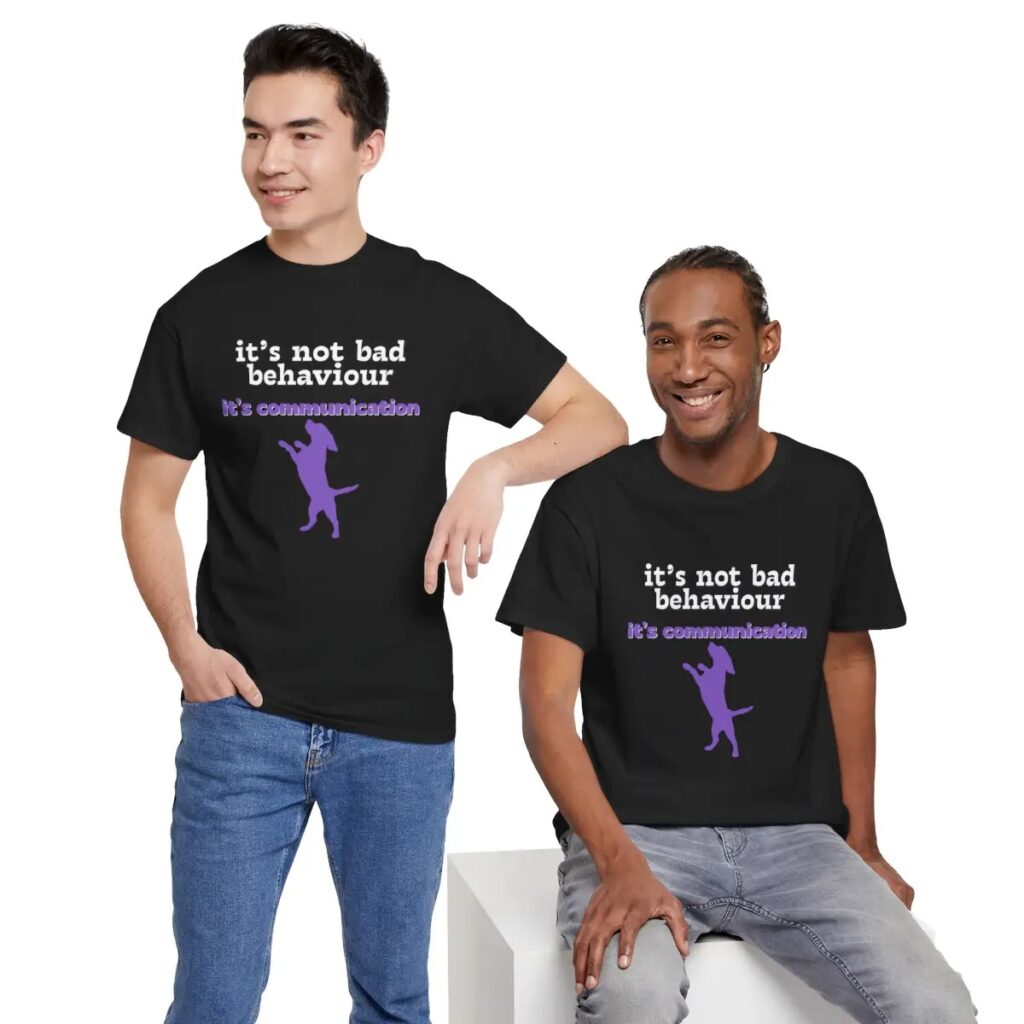
Available on our apparel store
Share Your Story
Where does your dog sleep?
- At your feet
- Curled against your back
- On your pillow
Share their name and favorite spot. Tell us about the first night they stayed close. Use #DogSleepMeaning or #canineconnection if you share on social media.
Your story could help another local owner feel less alone.
Related Insights for Dog Lovers
Understanding Canine Behavior Basics
Sleeping choices fit into wider pack behavior. That insight improves bonding and training on walks.
It can also point to pet anxiety or general pet wellness needs you can support daily.
Further Exploration
Look for the oxytocin effect in small moments, like soft eye contact and slow tail wags. These are signs of dog trust and steady connection.
Many families describe this as healing with pets, which is often true for rescue dog love as well.
Dog Sleeping Next To You At Night:
Clear FAQs For Relaxed Owners
When your dog sleeps next to you at night, it usually means they feel safe, they enjoy your warmth, and they see you as family.
It can strengthen your bond and lower stress for you both, although some people sleep worse with a dog in the bed.
The key is to know what your own dog is saying with this habit, then decide what works for your home, your health, and your sleep.
Why does my dog want to sleep right next to me at night?
Most dogs choose to sleep next to you because of pack instincts. In simple terms, you are their trusted person and their safe place.
Common reasons include:
- Bonding and affection: Your dog enjoys being close and feels comforted by your presence.
- Warmth and scent: Your body heat and smell are soothing and help them relax.
- Protection: Many dogs like to “keep watch” over their favourite human.
- Routine: If you have regular daily dog walks, they link bedtime with this shared life pattern.
For many dogs in East Cornwall, a day of beach sniffs, countryside paths, and good dog exercise services with a professional dog walker ends with one thing.
Curling up next to their person and snoring happily.
Is my dog sleeping next to me a sign of separation anxiety?
Sometimes yes, but not always. A cuddly dog is often just a cuddly dog.
You are more likely to be dealing with separation anxiety if your dog:
- Panics when you leave the room or house
- Follows you from room to room all day
- Whines, scratches doors, or chews things when left alone
- Struggles to settle unless they are touching you
If this sounds familiar, sleeping next to you is part of a bigger pattern. Short, calm breaks through the day, regular daily dog walks, and help from a trainer or vet can really ease this.
Is it healthy or safe to let my dog sleep in my bed?
For most healthy adults and well-behaved dogs, it can be fine. Many owners say they feel safer, warmer, and more relaxed with their dog close by.
There are a few things to think about:
- Sleep quality: Dogs move, snore, lick, and dream. A recent study found that some people sleep worse with pets in the bed, especially if there are several pets.
- Allergies and asthma: If you wheeze or itch, keep your dog on their own bed instead.
- Health issues: People with weak immune systems should ask their GP for advice.
- Kids: Young children should not sleep alone with dogs, even very gentle ones.
If your dog is clean, on flea and worm treatment, and you sleep well, sharing the bed can be fine. If you wake tired and grumpy, try moving them to a cosy bed beside you.
Does my dog see me as “pack leader” if they sleep beside me?
Not in the strict old “dominance” sense, but they do see you as important. Dogs usually sleep close to those they trust most.
That might be the person who feeds them, walks them, or just understands them best.
Modern research into dog behaviour shows that dogs build strong attachment bonds, very much like children with caregivers.
Sleeping next to you is usually a sign of that secure bond, not a power struggle.
You still set rules, though. You can enjoy cuddles at night and still have good manners on walks, such as loose-lead walking and calm greetings.
Can sleeping next to my dog actually help me sleep?
For some people, yes. For others, not at all.
Many owners find that:
- A dog beside them eases anxiety and loneliness
- Gentle breathing and warmth help them drift off
- Cuddles increase oxytocin, which helps calm the brain
Other people feel more restless and wake up too often.
A large study in 2024 linked pet co-sleeping with poorer sleep for some adults, especially those with more than one pet.
The simple test is this: do you wake up feeling rested? If you do, the arrangement probably works for you.
Could there be a medical reason my dog suddenly starts sleeping next to me?
A sudden change is always worth watching. Some dogs sleep closer when:
- They feel unwell or sore
- They are ageing and sight or hearing is fading
- There has been a change at home, like a new baby or a house move
- You are unwell or stressed
If the clinginess comes with other changes, such as less interest in food, stiffness, or odd behaviour, speak with your vet.
Dogs often try to “cope quietly” when they feel off-colour.
How can I share the bed with my dog without losing sleep?
You can set kind, simple rules so everyone rests better.
Try these ideas:
- Give them a bedtime spot: Pick a corner of the bed or a blanket and reward them for staying there.
- Use the right size bed: Large dogs need space. A bigger mattress can help. If you have a very big dog, a secure harness on walks also matters; this guide to the best dog harness for large dogs can help you choose.
- Keep a routine: Regular group dog walks or solo walks, food, and bedtime at similar times help dogs settle faster.
- Wash bedding often: This keeps smells fresh and helps allergy-prone people.
Many local owners around Looe and Polperro find that a solid evening walk, then calm cuddle time, leads to much better sleep for everyone.
My dog sleeps glued to me at night, but is nervous on walks. Is that linked?
It can be. A dog that clings at night and feels uneasy outside often relies heavily on you for confidence.
On walks, they may:
- Hide behind you when another dog appears
- Bark at strangers
- Freeze when traffic passes
Gentle training, plenty of local dog walking in quiet places, and a reliable dog walker who uses kind methods can really help build confidence.
If you worry about off-lead safety while your dog learns, a tracker like the Tractive GPS dog tracker can give extra peace of mind.
Will letting my puppy sleep next to me spoil them?
No, it does not “spoil” a puppy to give them comfort. Many puppies settle faster and cry less when they sleep near their person, at least for the first few nights.
You can:
- Start with a crate or bed beside your own bed
- Move them further away once they are confident
- Keep night-time calm, with quiet trips out for the loo
If you work long hours or need help with puppy walking services, support in the day will also cut stress for your pup. A tired, well-exercised puppy usually sleeps better at night, whether in your bed or their own.
What if my dog guards the bed or me when we sleep?
This is one of the few times bed-sharing can cause real trouble. Some dogs start to:
- Growl at partners who get into bed
- Snap when moved at night
- Guard the bed from other pets
If you see any of this, stop bed access for now. Give your dog a comfy bed in the bedroom or on the landing instead.
Work with a reward-based trainer if guarding continues.
You can also read up on handling tricky moments outdoors, such as dealing with loose aggressive dogs on walks, which often links with the same confidence issues.
My dog sleeps next to me and is my shadow. Would dog walking services help?
Yes, they often do. Clingy dogs usually feel calmer when they have:
- Regular, predictable daily dog walks
- Time with other friendly dogs on group dog walks
- A steady routine while you work or run errands
A professional dog walker can give your dog safe freedom, social time, and mental stimulation. This often means they are more relaxed at home and less fixated on you every second.
If you sometimes worry about safety outdoors, this guide to whether dog walking is dangerous is a helpful read, especially for East Cornwall paths and lanes.
What about bad weather or nighttime toilet trips if my dog sleeps in my room?
Bad weather is a big question in Cornwall. Many owners ask if they can still walk when it pours. The short answer is yes, within reason.
You can learn more in this guide on walking your dog in the rain.
At night, if your dog sleeps near you:
- Take them out for a quick loo visit before bed
- Keep a waterproof by the door for fast trips out
- Keep night-time low key, no play or big fuss
This helps them understand that night is for resting, not parties.
Can play, enrichment, or toys change how my dog sleeps at night?
Yes, what you do in the day shapes your dog’s sleep. Good exercise and mental work usually mean a deeper, calmer night.
Try:
- Scent games in the garden
- Short training sessions, such as “sit”, “stay”, or “touch”
- Energetic games with tug toys that build your bond and burn energy
Pair this with regular pet walking near me searches if you need backup, or book local dog exercise services on busy days.
A happily tired dog is far more likely to curl up and sleep, instead of fidgeting across your pillow.
When should I get help from a professional about my dog’s sleeping habits?
Get extra help if:
- Your dog growls or snaps around the bed
- Their sleep is very restless or they whimper a lot
- They suddenly want to sleep on you all night long
- You suspect pain, illness, or anxiety
You can speak to your vet first, then a behaviourist or trainer if needed.
If you are in East Cornwall and want help with routine, exercise, or a calm daily schedule, you can also Contact Paw-tastic Walks for local dog walking support.
A steady routine, kind training, and the right mix of dog walking services and rest will help your dog feel safe.
Then, whether they sleep pressed against your feet or snooze in their own bed nearby, you both get the quiet, cosy nights you deserve.