And 7 Gut-Healing Alternatives for Better Digestion
Your dog’s tummy is more sensitive than you think.
Feed the wrong food, and you risk upsetting the balance of good bacteria, sparking inflammation, and bringing on bouts of sickness.
In this guide, you’ll learn the top Foods You Should NEVER Feed Your Dog, why these foods cause trouble, and what to serve instead.
You’ll also get simple, safe portions to use at home.
If you live in East Cornwall and enjoy daily dog walks along the coast and lanes, keeping your dog’s gut happy makes every walk more fun and stress free.
Why Your Dog’s Gut Health Matters
Your dog’s gut microbiome is a living community of helpful bacteria. The wrong foods can wipe out the good guys, much like antibiotics do.
That shift can trigger chronic vomiting and diarrhea, skin flare-ups, and poor nutrition. Backed by veterinary studies.
What you’ll learn next:
- The 5 foods to avoid, especially for reflux-prone dogs
- How high-fat and highly processed foods fuel gut issues
- Why peas and other legumes can block nutrient absorption
- The 7 human foods that support a healthier gut
- Easy portions and ideas you can use today
The Dangers of Feeding the Wrong Foods
Some foods inflame the gut lining and skew the balance of bacteria. That can lead to chronic vomiting and diarrhea, poor nutrient uptake, and long-term veterinary concerns.
Over time, dogs become more sensitive, not less. The good news is you can turn this around with better choices.
Food #1 to Avoid: Acidic Foods
What Makes Foods Acidic and Harmful?
Acidic foods add acid to the stomach and can aggravate symptoms in dogs with acid reflux.
If your dog burps, licks its lips after meals, or gulps at night, acidity may be part of the problem.
Common Examples Like Citrus Fruits
- Lemon: Too acidic for reflux-prone dogs
- Other citrus: Similar risks for sensitive dogs
Citrus can irritate the esophagus and worsen reflux.
Even if lemon can soothe a cough now and then, it is not a fit for dogs with reflux symptoms.
Apple Cider Vinegar (ACV) Risks
Many people like ACV for human health trends. Dogs with reflux are different.
It adds more acid to the stomach, which can trigger more reflux and discomfort.
Skip it if your dog shows reflux or nausea after meals.
Tips for Dogs Prone to Acid Reflux
- Check ingredient labels and skip all acidic add-ons.
- Talk to your vet before adding any new supplement or acid-based remedy.
Keep meals simple and mild. Small, frequent portions can also help.
Food #2 to Avoid: High-Fat Foods
Why High-Fat Foods Are a Top Concern
High-fat foods are linked with digestive trouble, including pancreatitis. This is a painful inflammation of the pancreas and a common reason for gut illness in dogs.
The Bacon Problem
Bacon tastes great to us and to dogs. The risk is not worth it.
- Demands heavy enzyme release from the pancreas
- Causes irritation in the gut, leading to sickness
How It Leads to Vomiting and Diarrhea
When fat hits the gut, the pancreas dumps enzymes to break it down. Those enzymes and the flood of fat can irritate the intestines, sparking vomiting and diarrhea.
Many vets see this pattern weekly.
Spotting High-Fat Risks in Everyday Feeding
Avoid fatty scraps from the table. Choose lean treats instead, such as small pieces of cooked chicken breast, carrot rounds, or cucumber slices.
These options are gentle on tummies and still feel like a treat after long daily dog walks.

Food #3 to Avoid: Highly Processed Foods
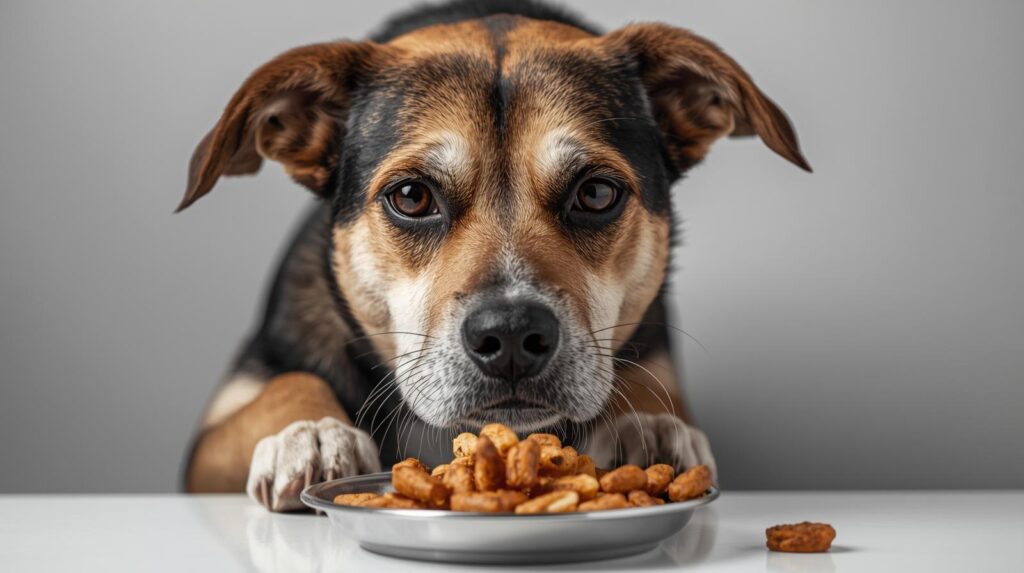
What Counts as Highly Processed?
Low-quality kibble with bright colors and long lists of additives falls into this category.
Unnatural preservatives and artificial colorings are common in these foods.
Impact on Gut Health
Heavy processing can change the way nutrients work in the body. It can disturb gut bacteria and lead to chronic gastrointestinal problems that are hard to shake.
Veterinary Studies on Kibble Dangers
Research points to irritation and microbiome disruption from poor ingredients.
Common examples include:
- Designer breed diets are marketed with flashy packaging
- Colored kibble, which often signals heavy processing
Choosing Better Over Processed Options
- Avoid low-quality foods with colors, vague meats, and long additive lists.
- Opt for simple recipes with clear protein sources and minimal additives.
If you need help balancing food choices with dog exercise services and routine, a professional dog walker can keep feeding times and walks steady. Consistency helps sensitive stomachs.
Food #4 to Avoid: Legumes, Especially Peas
Why Legumes Are Hard to Digest
Legumes are high in phytates, compounds that bind to minerals. Phytates can block the absorption of key nutrients and make digestion harder for many dogs.
Common in Dog Foods and Health Links
Peas are common in many kibbles. A suspected correlation exists between high legume diets and dilated cardiomyopathy.
If your dog has gut issues, peas might not be worth the risk.
Veterinary Advice on Avoidance
- Limit peas entirely if you’re focused on gut recovery
Broader Effects of Legumes on Digestion
When phytates interfere with nutrients, the gut has to work harder.
Over time, that can show up as poor coat, low energy, and loose stools. Removing legumes can ease the load on the digestive system.
Transitioning to Gut-Friendly Choices
Now that you know what to avoid, let’s look at foods that soothe the gut, support good bacteria, and fit into a normal routine.
These options are simple, budget-friendly, and dog-approved.
Foods #5-The Usual Suspects
Dogs are part of the family, so it is natural to share food and treats with them.
But some human foods are very unsafe for dogs, even in small amounts. Knowing what to avoid can protect your dog from serious illness or even death.
Here are five foods dogs should never eat and why they are dangerous.
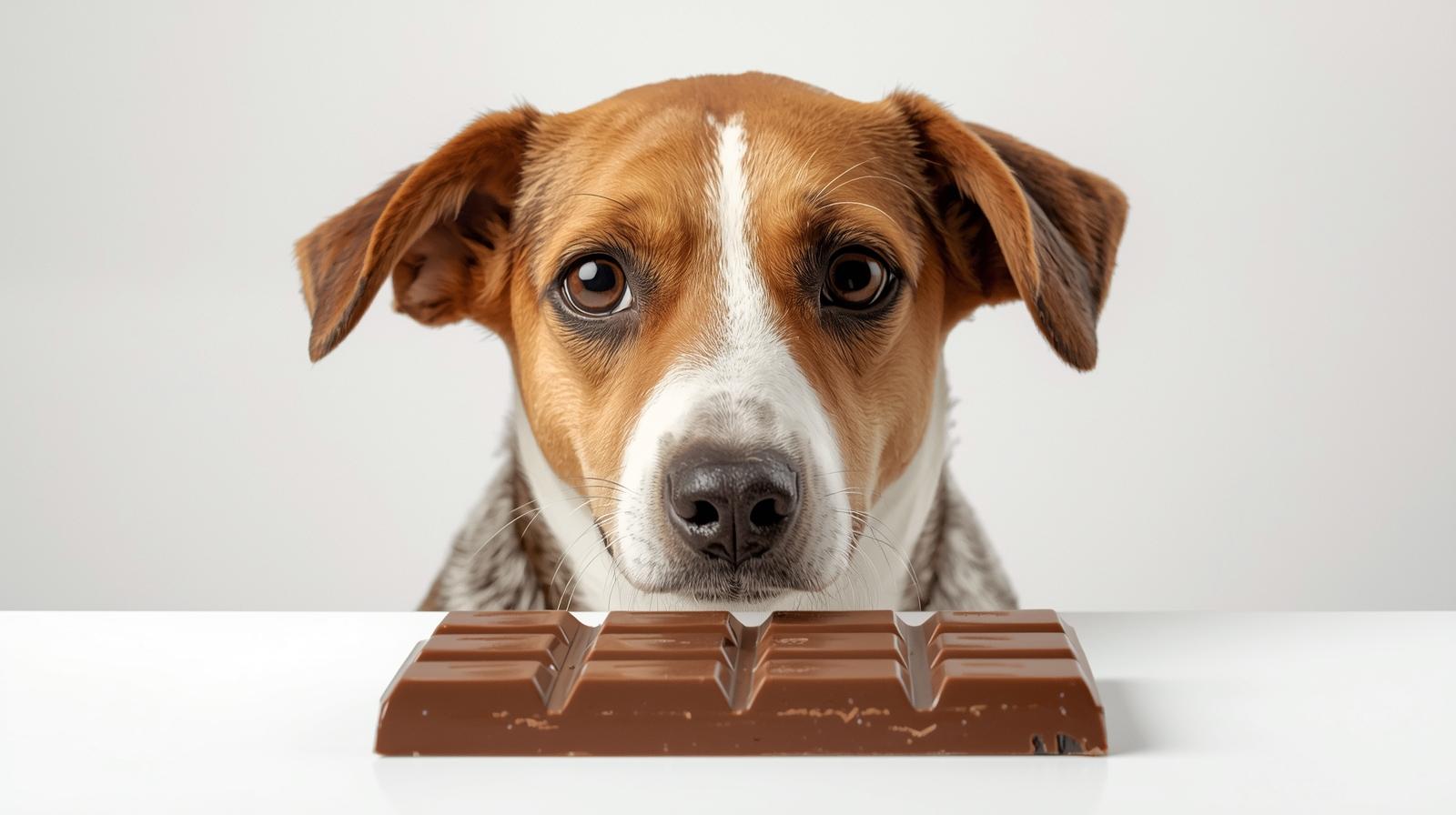
1. Chocolate
Chocolate may be a favorite for people, but it is toxic for dogs. It contains two harmful substances called theobromine and caffeine.
Dogs cannot process these chemicals as well as humans. Dark chocolate and baking chocolate are the most dangerous, but all types can cause problems.
If a dog eats chocolate, it may start to vomit, have diarrhea, become restless, or shake.
In severe cases, chocolate can cause a fast heart rate, seizures, and even death.
If your dog eats chocolate, call your vet right away and tell them how much and what kind.
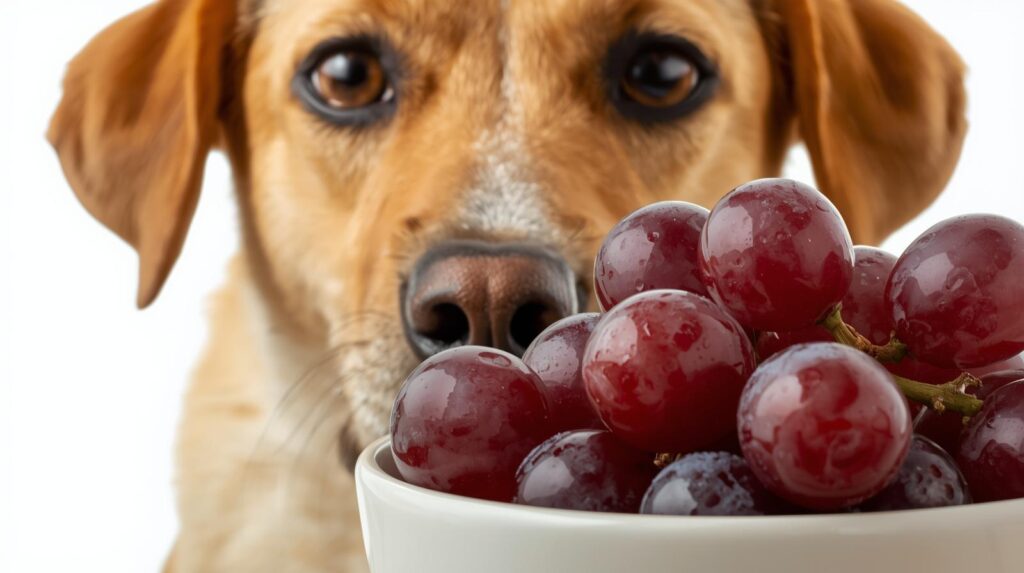
2. Grapes and Raisins
Grapes and raisins seem harmless, but they can cause sudden kidney failure in dogs.
Even a small amount can be very risky, and some dogs are more sensitive than others.
Because we do not know the safe amount, the best rule is zero grapes or raisins, ever.
Signs of grape or raisin poisoning include vomiting, loss of appetite, low energy, and changes in urination.
If you notice your dog has eaten grapes or raisins, treat it as an emergency and contact a vet immediately.

3. Onions and Garlic
Onions and garlic are common in many dishes, but they are not safe for dogs.
They can damage a dog’s red blood cells, which can lead to anemia. This is true for raw, cooked, powdered, or dried forms.
Foods like soups, sauces, baby food, and seasoned meats often contain onion or garlic.
A dog that eats onions or garlic may seem weak, tired, or short of breath. Their gums may look pale instead of pink.
In serious cases, they may collapse.
If you suspect your dog has eaten any amount, call your vet and watch for symptoms over the next few days.
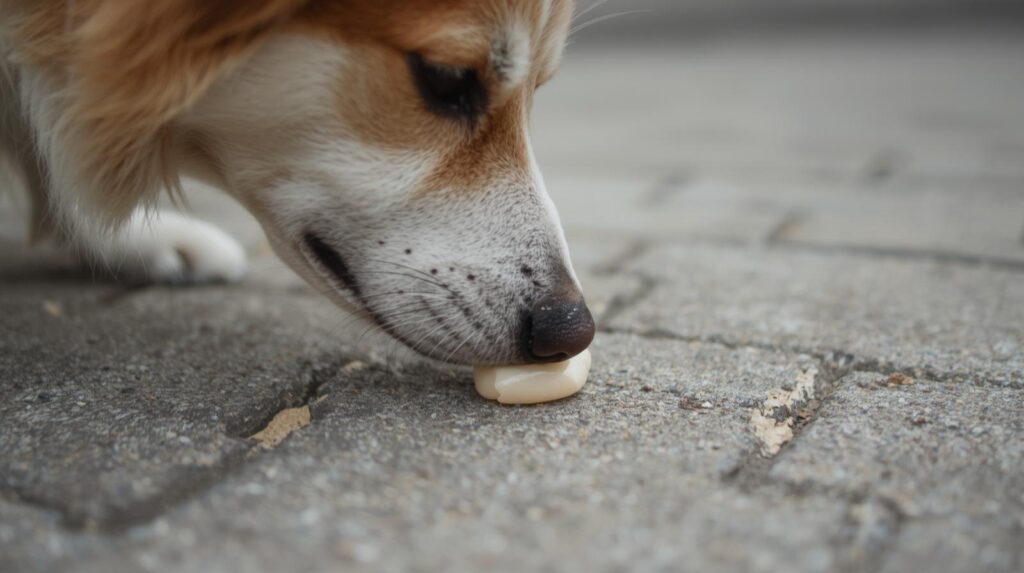

4. Xylitol
Xylitol is a sugar substitute used in many sugar-free products. It can be found in chewing gum, candy, mints, some peanut butters, baked goods, and even some toothpaste.
Xylitol is very dangerous for dogs because it causes a rapid drop in blood sugar and can damage the liver.
Signs of xylitol poisoning often start within an hour or two. Your dog may vomit, seem weak, shake, or have trouble walking.
In severe cases, it can lead to seizures and liver failure. Always check labels and keep sugar-free items out of reach.
5. Alcohol and Unbaked Yeast Dough
Alcohol is toxic for dogs, even in small amounts. It affects their brain and body much faster than it does in humans.
Unbaked yeast dough is also dangerous because it can rise inside the stomach and produce alcohol and gas.
A dog that consumes alcohol or unbaked dough may seem confused, unsteady, or very tired.
Their body temperature and blood sugar can drop, which can lead to coma or death.
To keep your dog safe, only feed treats made for dogs or plain, dog-safe foods approved by your vet.
If your dog ever eats something on this list, call your vet or an emergency animal hospital right away.
It is always better to act fast and be safe.
The 7 Best Human Foods for Your Dog’s Gut
Why These Foods Heal the Gut
These foods act like gentle support for a stressed tummy.
- Support good bacteria as prebiotics or probiotics
- Reduce inflammation and calm the gut lining
#1: Raw and Local Honey
Key Benefits of Honey
- Supports beneficial bacteria as a natural prebiotic
- Helps break down starch, thanks to amylase
- Fights harmful pathogens with antibacterial action
Veterinary Backing and Dosage
Raw, local honey is a favorite for gut support. Use a quarter teaspoon per 10 to 20 pounds daily.
Start low and assess your dog’s comfort daily.
How to Start Feeding Honey
- Mix a tiny amount into food once a day
- Watch for any signs of sensitivity or loose stools
#2: Ginger for Soothing Digestion
Ginger’s Enzymes and Properties
Ginger contains protease, an enzyme that helps break down protein. It is alkaline and can balance stomach acid.
It is also anti-inflammatory.
Benefits for Reflux and Nausea
Ginger has a long history as an anti-nausea herb. It can help soothe the stomach in dogs with reflux or travel sickness, as noted by premium care research communities.
Easy Feeding Method
- Grate a little fresh ginger
- Add about a teaspoon to a large water bowl
- Offer occasionally and monitor
#3: Bananas and Apples as Natural Treats
Bananas’ Role in Carb Digestion
Bananas provide a touch of natural amylase to aid carb digestion.
They are an organic treat that sits well with reflux-prone dogs when served in small amounts.
Apples’ Fiber and Anti-Inflammatories
Apples add fiber and plant compounds like quercetin that can reduce inflammation.
They also bring gentle prebiotic effects that help good bacteria thrive.
Safe Daily Amounts
Serve about a quarter of a banana or apple per 20 pounds of body weight.
Remove apple seeds and core before feeding.
#4: Cucumbers and Kale for Hydration and Nutrients
Cucumbers’ Acid-Diluting Power
Cucumbers are about 90 percent water. That hydration can dilute stomach acid and is excellent for acid reflux relief after meals.
Kale’s Prebiotic Boost
Kale is nutrient-dense and rich in flavonoids. It can reduce allergic skin reactions and promote healthy bacterial growth.
Recommended Portions
- Offer one chopped teaspoon of kale per 10 pounds daily
- Combine with lean protein or a small portion of cooked veg
- Slice cucumbers into thin rounds for crunchy, low-cal treats
#5: Unsweetened Natural Yogurt as a Probiotic Source
Probiotic Strains in Yogurt
Yogurt can supply Lactobacillus and Bifidobacteria, which help with diarrhea and yeast issues.
- Aids everyday digestion
- An affordable alternative to special supplements
Mixing into Meals
Use high-quality yogurt without sweeteners. Try a teaspoon per 10 pounds daily, mixed into meals.
When to Use for Gut Issues
Ideal during or after tummy upsets, or when your dog has recurring gut problems. If symptoms persist, contact your vet.
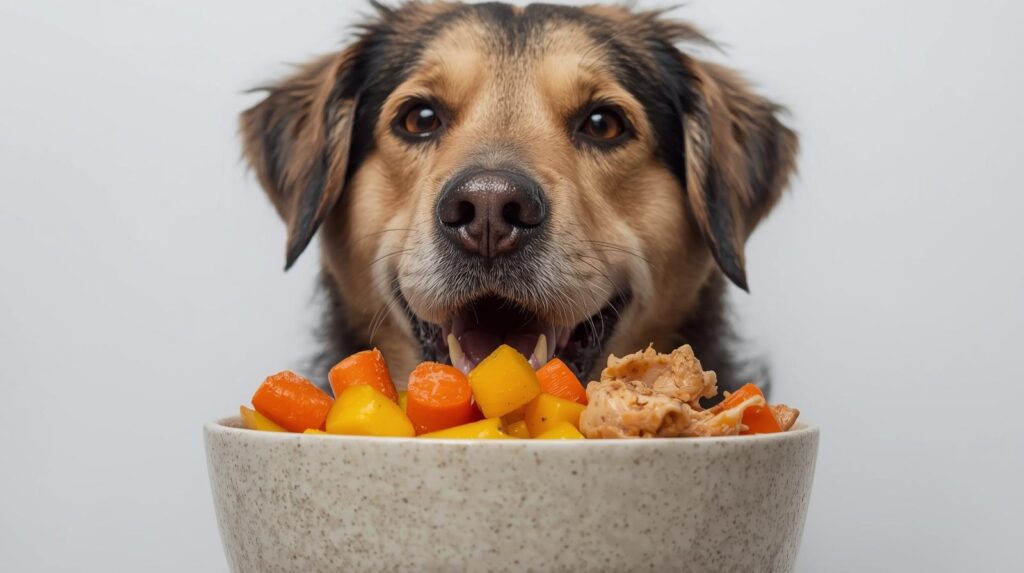
#6: Sweet Potato for Fiber and Prebiotics
Fiber’s Role in Bowel Health
Sweet potatoes are rich in fiber and act as a prebiotic.
They support regular bowel movements and help feed good gut bacteria.
Anti-Inflammatory Help for IBD
Studies shared by veterinary-grade sources suggest sweet potato may help dogs with inflammatory bowel diseases.
Ideal Daily Serving
Offer about a tablespoon per 20 pounds. Boil or steam until soft, then mash and cool before serving.
#7: Ground Flaxseed for Omega-3 Support
Fiber and Anti-Inflammatory Omegas
Ground flaxseed supplies fiber and plant omega-3s. These help reduce inflammation and also act as a prebiotic.
Benefits for Bowels and Beyond
Ground flax can normalize stools and may have anti-cancer properties, with experts saying links to lower mammary gland risk in some studies.
Dosage per Meal
Start with about 1/4 teaspoon per cup of food daily. Sprinkle and stir well.

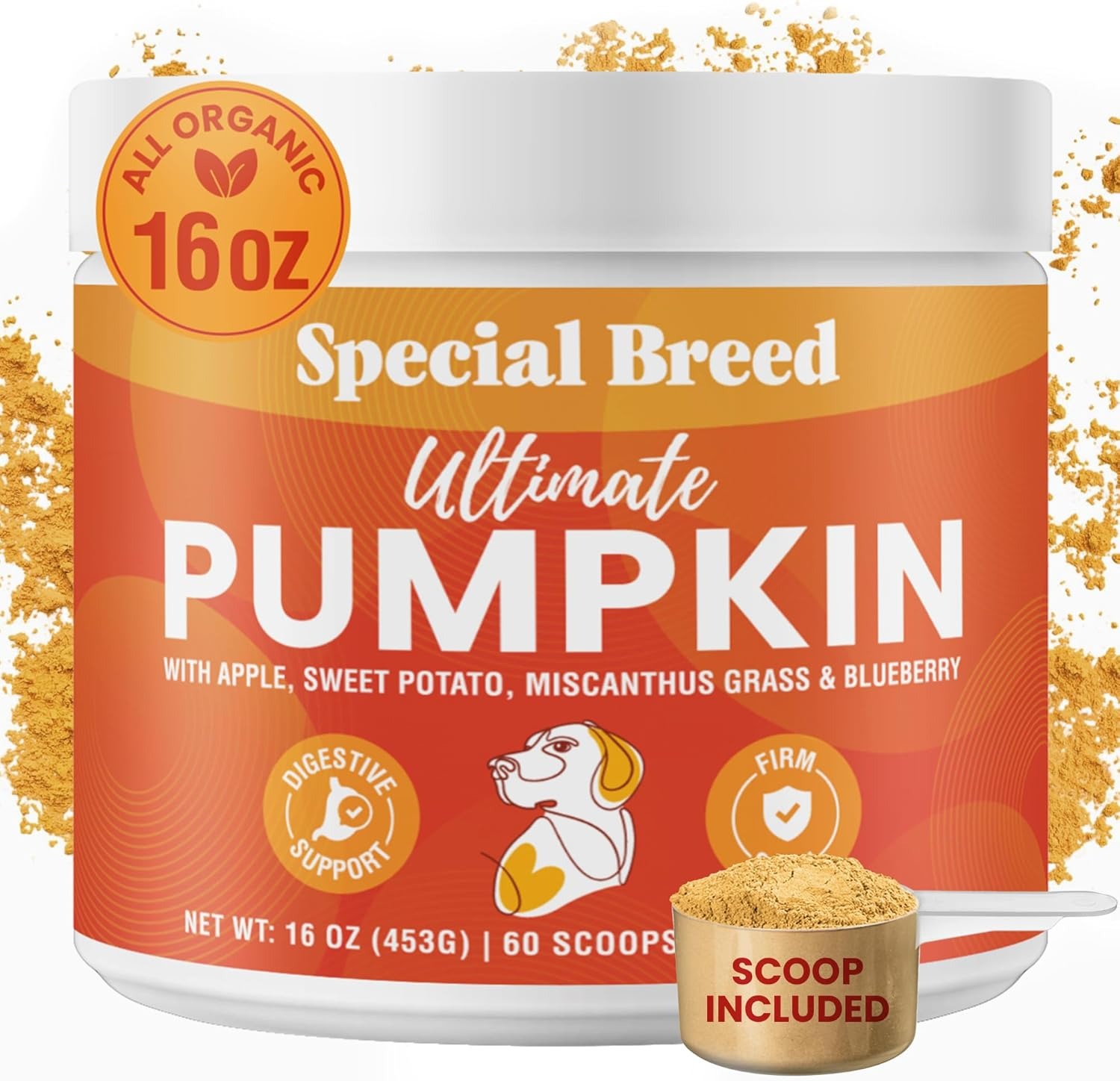
Bonus #8: Canned Pumpkin for Soluble Fiber
Pumpkin’s Gut-Regulating Powers
Pumpkin is rich in soluble fiber that helps regulate bowel movements. Its beta carotene brings antioxidant support.
- Lowers inflammation
- Aids gut recovery after upsets
Veterinary Studies on Inflammation
Work in veterinary grade medicine shows pumpkin can help manage gut inflammation and support healing.
Incorporating into Diet
Add a spoonful to one meal a day during flare-ups or when stools look loose.
Why These Foods Are Vet-Approved
From honey to pumpkin, these options are gentle, affordable, and easy to use.
They taste good to most dogs and help build a stronger gut from the inside out.
Consider them small daily steps toward better digestion and calmer tummies.
A smart choice if you want to know much more about looking after your dog and their stomach!
Final Thoughts on Dog Nutrition
Feeding well pairs perfectly with active living. On beach paths from Looe to Torpoint, local dog walking builds routine, which helps sensitive stomachs too.
If you are comparing dog walking rates or looking for group dog walks or puppy walking services, see our up-to-date dog walking services pricing.
It lists options for daily dog walks with pick up and drop off.
For a quick explainer on the science behind gut bacteria, read about the gut flora.
If your dog is strong and you need steadier control during pet walking near me searches, our guide to a best harness for large dogs includes practical tips you can use right away.
Thank you for reading. Share this with a friend who loves dogs. Keep an eye on what goes in the bowl, and keep up the walks.
A healthy gut, a happy dog, and a smoother life. Keep your dog’s health in mind every day.