
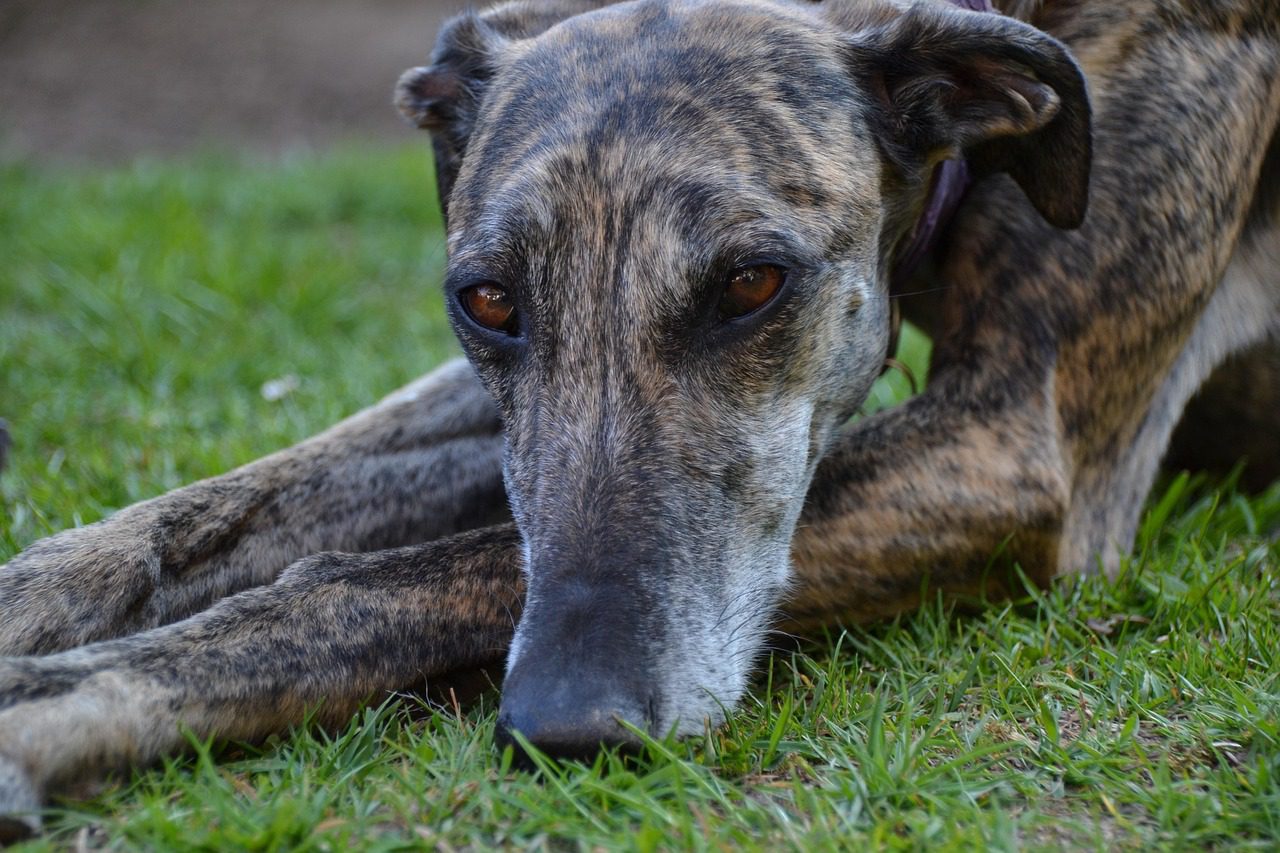
Understanding why your greyhound-type hound struggles when left alone is the first step to making home life calmer.
Many of these dogs come from kennels where they lived in groups and had little alone time. That background makes quiet hours at home feel strange at first.

You’ll learn what separation anxiety looks like and practical steps to help your dog feel secure. Start with a safe zone—a cozy bed, familiar toys, and an item with your scent.
Keep departures low-key and build up short absences so your pet learns that you always return.
Simple routines—regular walks, feeding, and quiet moments—give predictability. Add mental work like puzzle feeders and soft background sound to keep the brain busy.
With time and consistent practice, most greyhound mixes can rest calmly for several hours.
Key Takeaways
- Learn what separation anxiety is and why sighthounds may resist alone time.
- Create a designated safe spot with comforting items and your scent.
- Use short, calm departures and steady routines to build confidence.
- Pre-departure exercise and puzzle toys reduce stress and boredom.
- Consider sitter visits or a trusted neighbor for longer absences.
Why Sighthounds Struggle: Understanding Spanish Galgo Separation Anxiety
A racing background and constant company often make quiet, solo hours feel unsafe for some greyhounds.
Many arrive after living in close quarters with handlers and other dogs. That social life shaped their expectations of daily contact.
Pack to couch: Moving from group kennels to a home can leave a greyhound unsure. What felt normal before — noise, movement, people nearby — is now stillness. That change can produce a clear stress response rather than a simple behavior problem.
Common signs to watch for
- Early barking, whining, or howling soon after you leave.
- Restless pacing, excessive drooling, or loss of appetite while alone.
- Destructive actions: chewing frames, scratching doors, or damaging crates during escape attempts.
- Excessive, overexcited greetings when you return — a clue that the time apart felt overwhelming.
Life changes that can trigger flare-ups
Routine shifts — new work hours, a family move, or a change in household members — can suddenly increase stress even after years of calm. Recognizing these triggers lets you act early.
“This is a stress response, not stubbornness — it needs structure, reassurance, and training.”
Step-by-Step: Calming Your Galgo at Home When You’re Away


Set up a small, calm corner in your home where your hound can relax while you step out.
Place a supportive bed, a few favorite toys, and a worn T‑shirt with your scent to make the spot inviting. A clear safe zone helps lower stress and gives your dog a predictable place to rest.
Create a safe zone: bed, familiar toys, and your scent
Keep the area quiet and comfortable. Rotate toys so they stay interesting. Use a long-lasting chew or a marrow bone when appropriate to occupy the early minutes after you leave.
Build independence gradually: short absences, calm exits, and returns
Start with seconds, then add minutes. Leave calmly and return without fuss. Over time, increase the time out until your dog handles the time alone with ease.
Make a reliable routine: feeding, walks, and playtime at predictable times
Consistent meals and walks create structure. Plan a brisk walk before departures so your pet is ready to rest rather than pace.
Enrichment and soothing background noise
Use puzzle feeders or treat dispensers to keep the mind busy. Add soft music, TV, or white noise to make the home feel lived-in and to mask sudden outside sounds.
- Tip: If you must be away more than 4–6 hours, arrange a sitter or check-in to break the day.
When It’s More Than a Phase: Getting Extra Help for Separation Anxiety
If short absences still trigger stress, extra tools and professional help can make a real difference. Start by setting realistic goals and adding practical supports before moving to medication.


How long can a greyhound be left alone? Setting realistic time goals
Many adult greyhounds learn to rest calmly for about 4–6 hours with steady training. If you need longer, arrange a midday walk, sitter, or daycare visit.
Medication options with your vet: Amitriptyline vs. costlier alternatives like Clomicalm
Talk to your veterinarian about a plan that pairs behavior work and, if needed, medication. Amitriptyline is a generic option vets often use.
It can start at a higher dose and be tapered as confidence grows, making it cost-effective.
Clomicalm and similar drugs may cost more. Your vet will help weigh the benefits, side effects, and goals for weaning off medication.
Consider a canine companion and professional support if problems persist
Adding a calm, compatible companion can ease the transition for some greyhounds and dogs.
A certified trainer or behaviorist helps craft step-by-step changes and safe management during severe episodes.
| Option | When to use | Pros | Cons |
|---|---|---|---|
| Routine + enrichment | First line | Low cost, builds skills | Needs consistency |
| Amitriptyline | Persistent cases | Generic, taperable | Requires vet prescription |
| Clomicalm / others | When needed | Designed for dogs | Higher cost, different tapering |
| Companion / professional help | Ongoing or severe | Long-term support | Time and expense |
“Combine training, management, and vet guidance. Reassess when routines change.”
FAQ
What signs should I watch for that my Galgo is struggling alone?
Look for persistent barking or howling, pacing, drooling, chewing or other destructive behavior, and escape attempts.
These behaviors often appear shortly after you leave and can continue until you return. Note changes in appetite or bathroom habits as well—those can signal stress.
How can my dog’s racing and social history affect its ability to be alone?
Many sighthounds were bred and raised for racing or lived in close social groups. That background makes them highly social and sensitive to separation.
They may expect near-constant company, so being left alone can trigger fear and confusion that show up as anxiety-driven behaviors.
What small routine changes can trigger a flare-up of anxiety?
Altered walk times, new household members, moving, or changes in your work schedule can unsettle them. Even a new bed location or different visitor patterns may cause stress.
Keep transitions gradual and maintain key routines to reduce the chance of a flare-up.
How do I set up a safe zone so my dog feels secure when I leave?
Choose a quiet area with their bed, familiar toys, and an item that carries your scent, like an unwashed T-shirt.
Make the space predictable and comfortable.
Avoid forcing confinement if it increases panic; instead introduce the area slowly with positive reinforcement.
What’s the best way to build independence without causing more stress?
Start with very short absences and increase time away gradually. Keep departures and returns calm and low-key.
Reward relaxed behavior with treats and praise when you return.
Use desensitization techniques—practice leaving for a minute, then two, and so on.
How much daily exercise should I do before leaving to help them relax?
Aim for a solid walk or active play session before you go. A 30–60 minute routine that includes sprinting and sniffing helps burn energy and promotes calm rest.
Tailor intensity to your dog’s age and health, and check with your vet if you’re unsure.
What enrichment options reduce boredom and anxious behaviors?
Use puzzle feeders, treat-dispensing toys, long-lasting chews like marrow bones, and hidden-treat games.
Rotate toys to keep interest high.
Mental engagement before you leave helps reduce restlessness while you’re gone.
Can background noise really help soothe my dog when I’m away?
Yes. Soft classical music, a TV left on at low volume, or white-noise machines can mask outside sounds and provide a calming, consistent background.
Test different sounds to see which one your dog finds most comforting.
How long is it realistic to leave a Galgo/greyhound alone?
Many sighthounds manage well for 4–6 hours if exercised and enriched beforehand. Puppies, seniors, or dogs with severe fear should have much shorter periods.
Use gradual training to extend alone-time step by step while monitoring behavior.
When should I talk to a veterinarian about medication?
If training and management don’t reduce panic behaviors, consult your vet.
Medication can be useful as part of a comprehensive plan.
Discuss options like amitriptyline or other prescribed drugs; a vet will weigh risks, benefits, and costs to choose the right approach.
Are there non-medical professional supports that help?
Yes. A certified dog behaviorist or professional trainer can design a behavior modification plan. Daycare, dog walkers, or a trusted companion dog can also reduce alone time.
Combine these supports with at-home training for best results.
Could getting another dog solve the problem?
A companion may help some dogs feel less lonely, but it’s not a guaranteed fix.
Introducing another dog requires careful matching of temperament and a slow, supervised introduction.
Consider training and other interventions first before adding a pet to the household.
Available on our Apparel Store


Conclusion
Focus on predictable routines and a comfy spot so your pet knows home is safe even when you step out. Set up a clear safe area with a soft bed and familiar items.
Practice brief departures and calm returns to build trust.
Use exercise, puzzles, and soothing background sound to keep your dog settled. For longer days, plan a midday check-in or walk to break up alone time.
If challenges persist, consult your veterinarian about options like amitriptyline and reach out to a qualified trainer for a tailored plan.
With steady care and patience, most greyhound mixes learn to tolerate short periods of separation and rest contentedly until you come home.