
Average Lifespan and Key Factors
The average Dachshund lifespan generally ranges from 12 to 16 years, with some individuals living even longer when provided with excellent care.
If you have been wondering how long do dachshund live, the answer is quite encouraging, though it depends on a few significant factors.
As a popular small dog breed, this wiener dog requires careful attention to weight management, spinal health, nutrition, regular exercise, and regular veterinary checkups.
These daily habits make a substantial difference in the quality and length of your pet’s life over time.
That is especially true for this breed, where a healthy routine matters far more than guesswork.
If you want a fuller look at daily activity, dachshund exercise needs is a good place to start, and the next section breaks down what really helps a Dachshund enjoy more good years.
Key Takeaways
- Expected Lifespan: Dachshunds typically live between 12 and 16 years, with consistent care and preventative health habits often helping them reach the higher end of this range.
- Spinal Protection is Crucial: Due to their unique anatomy, protecting the back from excessive strain—such as avoiding steep stairs, jumping, and rough play—is essential to prevent Intervertebral Disc Disease (IVDD).
- Weight Management: Maintaining a lean body weight is one of the most effective ways to reduce pressure on the spine and joints, significantly lowering the risk of diabetes and mobility-related health issues.
- Proactive Vet Care: Regular veterinary checkups, dental hygiene, and early intervention at the first sign of discomfort or behavioral changes are vital for long-term health and quality of life.
What a Dachshund’s Lifespan Looks Like in Real Life
Most dogs in this breed live a long, full life, but real life is rarely tidy. One dog may stay spry into old age, while another slows down much earlier because of back trouble, weight gain, or plain old bad luck.
If you have ever wondered how long do dachshund live in day to day terms, the honest answer is that many of these iconic sausage dogs reach their mid teens, and some go beyond that when their care stays consistent.
Breed history helps set the range, but the details of the dog in front of you matter more.
Average lifespan by size and coat type
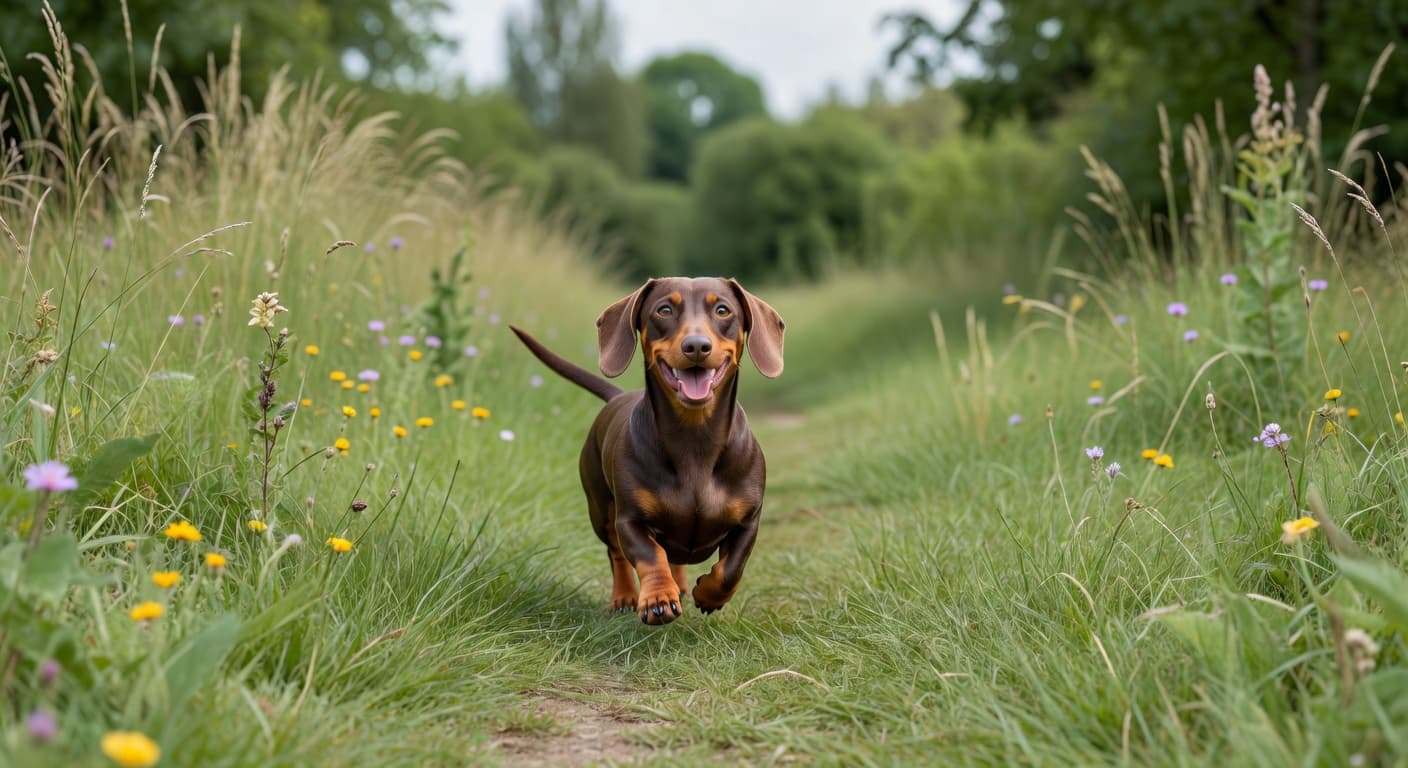
Average Dachshund lifespan by size and coat type
The life expectancy of these dogs can vary slightly based on their classification. Both the miniature dachshund and the standard dachshund are known for being long-lived companions.
In simple terms, the miniature dachshund often edges toward the higher end of the range, while the standard dachshund can still live just as well with strong care.
Size plays a part, but it does not tell the whole story.
Coat type, whether you have a smooth-haired, long-haired dachshund, or a wirehaired dachshund, is not a major factor in how long they will live.
A smooth coat does not shorten life, and a fluffy coat does not add years by magic. What matters more is finding a responsible breeder, managing body weight, and providing excellent care as the dog ages.
A healthy dog often lands somewhere around 12 to 16 years, though that is not a guarantee. Sensible feeding and steady vet care give a dog the best shot at the upper end of that range.
For a quick breed overview, the Dachshund profile on Wikipedia is a useful starting point.
Why do some Dachshunds live longer than others
Two dogs from the same litter can age very differently. One may be sturdy and active for years, while the other starts having back pain or breathing issues earlier.
That gap usually comes down to genes, body condition, and daily care.
A dog with a strong family line has a better chance of aging well. So does a dog kept lean, walked regularly, and protected from big jumps or rough play.
A dog carrying extra weight has more strain on its spine and joints, and that can wear on the whole body over time.
Daily habits matter too. Regular vet checks, dental care, sensible exercise, and a safe home all add up.
If your dog spends a lot of time on walks, simple gear choices can help, like a well-fitting harness rather than a collar that pulls on the neck.
And if you ever need practical help keeping routine walks consistent, our dog walking services are built around steady, local care.
A Dachshund’s lifespan is not just about the number. It is about how comfortable those years feel.
Real life is a mix of luck and care. You cannot control every health issue, but you can shape the odds with good habits, close attention, and early vet support when something seems off.

The Biggest Health Risks That Can Shorten a Dachshund’s Life
A Dachshund’s long back gives the breed its charm, but it also brings real health risks.
The biggest threats are those that affect the spine, weight, and mobility, because these problems can snowball quickly if they are missed.
IVDD and why Dachshunds are at risk
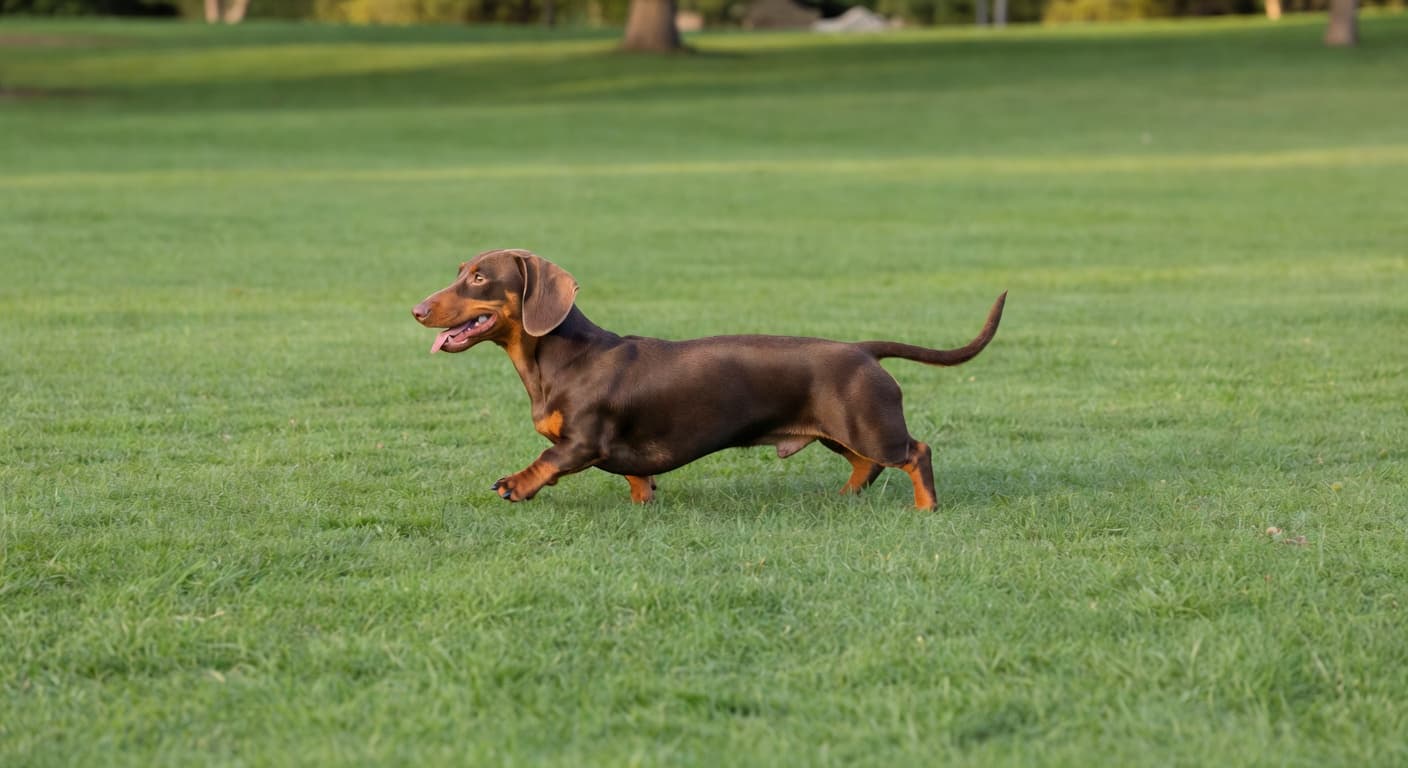
Intervertebral Disc Disease, or IVDD, occurs when the cushion between the bones in the spinal column wears down or slips out of place.
When that disc presses on the spinal cord, a dog can experience severe pain, stiffness, wobbling, or difficulty walking.
Dachshunds are uniquely prone to these types of back injuries because of their anatomy. Their long backs and short legs put significant, recurring strain on their spine.
If you want a simple background on the condition, the Wikipedia page on intervertebral disc disease is a helpful starting point.
Watch for these warning signs:
- Back or neck pain
- Stiffness after rest
- Limping or weakness
- Trouble jumping, climbing, or walking
- A hunched posture or trembling
If your Dachshund seems off, do not wait and hope it passes.
Quick action matters when dealing with IVDD. If a walk seems too much, or your dog suddenly looks sore, it is better to pause and call the vet.
Our guide on when to skip a dog walk can help you spot those moments sooner.
Weight gain, diabetes, and heart strain
Obesity is a major risk factor for this breed because extra weight adds significant pressure to a Dachshund’s back.
This excess load can make spinal issues more likely while making everyday movement difficult, turning even a short walk into a strenuous effort.
Maintaining a healthy weight is essential, as obesity also raises the risk of diabetes, puts unnecessary strain on the heart, and can leave your dog tired or overheated.
Less movement often leads to more weight gain, creating a cycle that is difficult to break.
Simple habits help the most:
- Measure meals instead of guessing.
- Keep treats small and occasional.
- Use daily walks to stay consistent.
- Check weight at vet visits.
A lean Dachshund usually moves more easily, stays more comfortable, and is less likely to carry avoidable stress on the spine.
That can make a real difference in how long do dachshunds live, and how well they live those years.
Other issues worth watching as they age
As Dachshunds get older, you should monitor for various genetic health issues that can impact their quality of life.
Progressive retinal atrophy is one such condition that can lead to vision loss, while hip dysplasia may cause discomfort and mobility challenges.
Dental disease is also a concern, since sore teeth and gum trouble can affect eating and overall health.
Joint stiffness is another common sign of age. You may notice your dog takes longer to get up, tires faster on walks, or hesitates before stepping onto furniture.
A few changes are easy to miss at first:
- Less interest in walks
- Slower movement after naps
- Bad breath or loose teeth
- Bumping into things
- Reluctance to climb or jump
These changes do not always mean something serious, but they deserve professional attention.
Catching these signs early keeps vet care simpler and helps your Dachshund stay active for longer.
Simple Habits That Can Help Your Dachshund Live Longer
The good news is that a long life usually comes from small, consistent habits. You do not need a perfect routine, just a sensible one your Dachshund can keep up with.
If you have been asking how long do dachshunds live, the answer often comes down to proactive preventative care.
A lean body, gentle movement, a protected back, and regular health monitoring all stack the odds in your dog’s favor.
Feed a balanced diet, not just the right food
A quality diet still causes trouble if the portions are too large. Dachshunds can gain weight fast, and extra weight presses straight onto the spine.
Keep meals measured, not guessed, and remember that treats should stay small. A balanced diet is essential to prevent obesity, which can significantly shorten your dog’s lifespan.
A simple feeding routine helps:
- Measure each meal
- Use low-calorie treats
- Count chews and snacks
- Adjust portions if activity drops
A healthy Dachshund is usually a lighter Dachshund. That matters more than fancy food labels.
If your dog starts looking a little rounder, cut back early instead of waiting for your next vet visit.
Use regular exercise to keep muscles strong
While their hunting background makes Dachshunds naturally curious and active, they are also prone to spinal strain.
Regular exercise helps with weight control and back support. For this breed, that means steady walks, gentle play, and short bursts of fun.
Flat routes are best. Keep the pace calm, and let your dog move without lots of twisting or sprinting.
If your dog seems stiff after naps, consider adding a little more daily movement. Incorporating joint supplements into their routine can also help maintain mobility as they grow older.
Protect the back at home and on walks
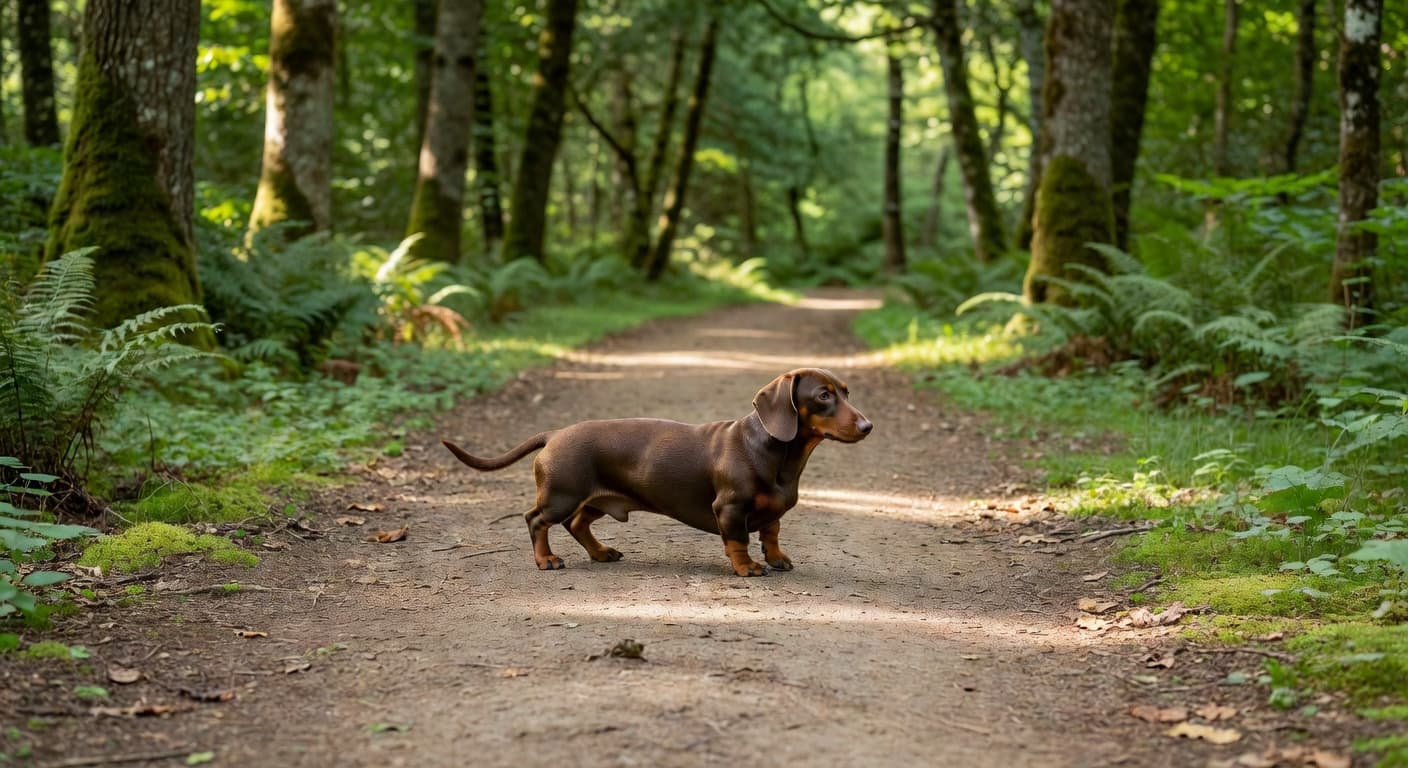
A few home changes can save a lot of strain. Ramps help with sofas and beds, and stairs are best avoided when you can.
Lift your Dachshund carefully, supporting both the chest and rear. A well-fitting harness is safer than a collar that pulls on the neck, especially on daily walks.
Protecting the spine is one of the best ways to support a longer life. A single bad jump can do more damage than weeks of good habits can undo.
Furthermore, fostering mental well-being through consistent socialization and positive reinforcement can keep your dog happy and engaged throughout their golden years.
Stay ahead with vet check-ups and dental care
Frequent vet check-ups help catch problems before they become bigger ones. That includes vaccines, parasite prevention, weight checks, and the small changes owners often miss at home.
Dental care is also critical. Periodontal disease can drag down appetite, comfort, and general health, so professional cleanings and home brushing are essential. Keep an eye out for bad breath, slower eating, or chewing on one side.
These little clues are often the first sign that your dog needs a closer look. If your Dachshund is slipping on walks, tiring early, or acting sore, do not wait it out.
A quick visit to the vet now can save a much bigger problem later.
What to Watch for as Your Dachshund Gets Older
Older Dachshunds often slow down in small, easy-to-miss ways. A little extra sleep can be normal, but pain, stiffness, and sudden behavior changes are not something to shrug off.
If you have been asking how long do Dachshunds live, this senior stage is just as important as the earlier years.
Understanding the average Dachshund lifespan helps you set expectations, but proactive senior care is really about catching health changes early and keeping daily life gentle for your aging companion.
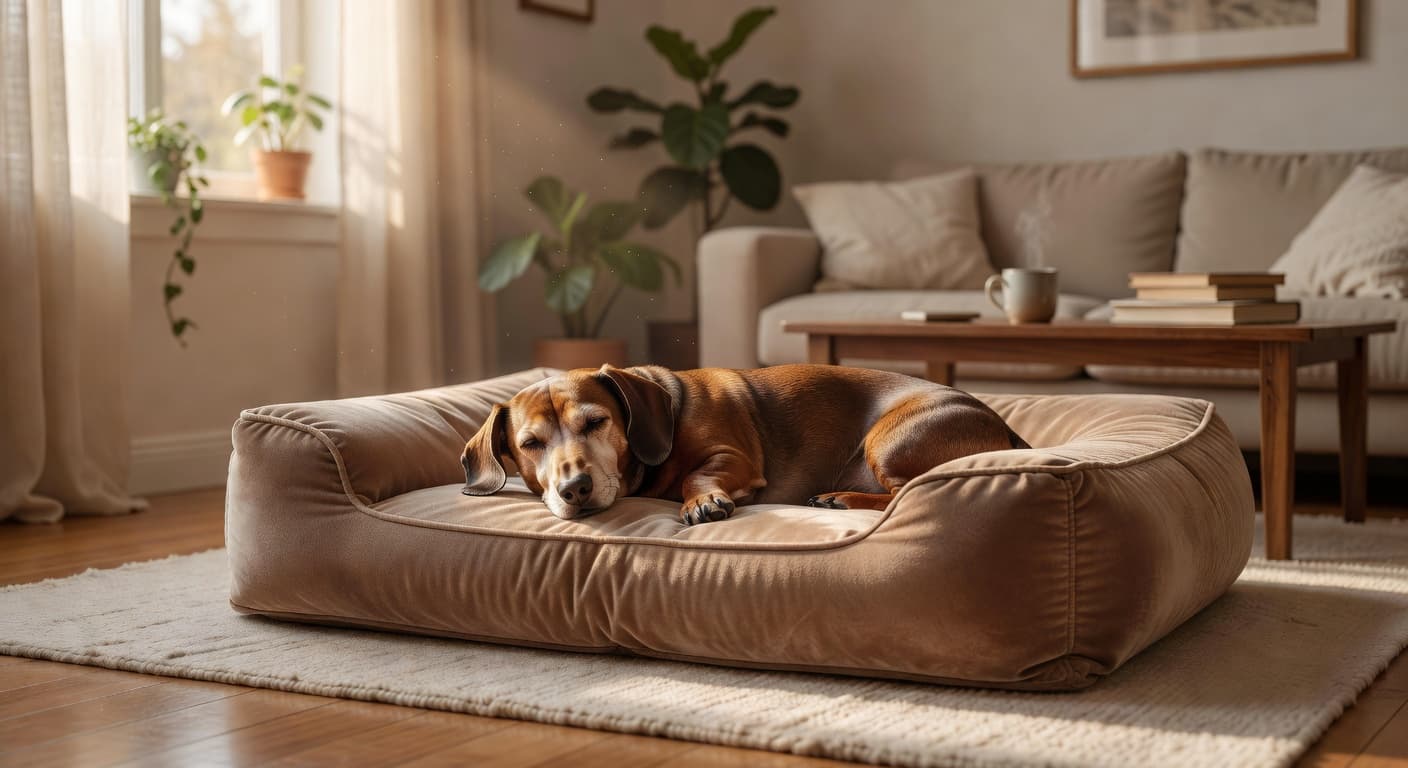
Signs your dog may need a vet visit soon
Some warning signs are easy to spot once you know what to look for. Because IVDD is a recurring risk for older dogs, you must remain vigilant for any signs of back pain, yelping, wobbliness, or a sudden dislike of jumping.
These are all significant red flags in the breed.
Keep an eye out for these changes:
- Reluctance to jump or climb
- Wobbliness or weak back legs
- Yelping when picked up or moved
- Sudden fatigue on short walks
- Eating less or turning away from food
- Stiffness after resting
- A hunched back or tense posture
A dog that seems off for more than a day should not be ignored. For older dogs, small changes can be the first clue that pain is building under the surface.
The RSPCA’s senior dog advice is a useful reminder that older pets often hide discomfort well.
If your Dachshund stops doing something he normally loves, pay attention.
When in doubt, call your vet sooner rather than later. Back problems can move fast, and early help usually gives you more options.
Want to know more? Get our great guide at just £6.97 with immediate download!

How senior care changes after age 7
Many Dachshunds start needing a softer routine after age 7, even if they still act lively. During this stage, prioritizing preventative care is the best way to support your dog.
You should schedule regular vet check-ups to monitor their health, as catching issues before they become emergencies is essential.
Shorter walks often work better than long ones. A few calm outings can keep muscles moving without leaving your dog sore or worn out.
If your senior Dachshund tires quickly, slow the pace and let sniffing do some of the work.
Maintaining a healthy weight matters even more at this stage. Extra pounds press on the spine, joints, and heart, so a lean body is one of the best gifts you can give an older Dachshund.
A simple home weigh-in or a quick visit to the clinic can catch creeping weight gain before it becomes a problem.
A few changes usually help straight away:
- Use shorter walks with more breaks.
- Add more rest time at home.
- Keep meals measured and treats modest.
- Watch for stiffness, limping, or slower movement.
- Book senior checkups more often to track overall health.
Older dogs also do better with small home tweaks, like ramps, non-slip rugs, and a bed that supports tired joints.
For practical walking advice, our guide to safe dog walking is worth a look if your Dachshund is starting to struggle on outings.
For background on normal aging changes, Cornell’s senior dog dementia page explains how confusion, sleep changes, and altered routines can show up later in life.
If your older Dachshund still enjoys gentle exercise, keep that habit going. A calm walk, a steady routine, and a watchful eye can make the senior years feel safe, comfortable, and familiar.
A Short Answer You Can Use Today
If you want the simplest answer, here it is: most Dachshunds live 12 to 16 years. The dogs that thrive usually stay lean, active, and well-protected from back strain.
Even though this spirited badger dog was bred for hunting, the ones that enjoy the longest lives are those kept safe from unnecessary physical stress.
A good daily plan is not hard. Keep meals measured, walk your dog gently, and stop the sofa-jumping circus before it starts. Small habits add up fast with this breed.

The three things that matter most
If you only focus on three areas to protect your pet, make them these:
- Avoid obesity to ensure the spine carries less weight and strain.
- Protect the back from Intervertebral Disc Disease by avoiding big jumps, steep stairs, and rough play.
- Stay on top of vet care so small problems do not turn into big ones.
That simple routine can help your dog feel better for longer. It also gives you a clearer sense of when something is off.
A quick rule of thumb for owners
Think of your Dachshund like a tiny athlete with a long back. The body needs support, not stress.
The pillars of health for this breed are a balanced diet and regular exercise. If your dog starts slowing down, acting sore, or refusing to jump, treat that as a warning sign, not a phase.
If you need help keeping walks calm and consistent, contact our dog walking team and ask about options that suit your dog’s pace.
A healthy Dachshund is usually a light, steady, and well-managed one.
That is the short answer you can use today, and it is the one that matters most.
Frequently Asked Questions
Do miniature and standard Dachshunds have different life spans?
Both miniature and standard Dachshunds share a similar life expectancy range of 12 to 16 years.
While miniature varieties may sometimes appear at the higher end of this spectrum, individual health, genetics, and daily care are much stronger indicators of longevity than size alone.
Does a Dachshund’s coat type affect its health or lifespan?
No, a Dachshund’s coat type—whether smooth, longhaired, or wirehaired—does not influence how long they live.
Longevity is determined by factors like nutrition, weight management, and genetic health, rather than the length or texture of their fur.
What are the most common signs that my Dachshund is in pain?
Watch for changes like a reluctance to jump or climb, stiffness after resting, a hunched posture, or yelping when picked up.
If your dog suddenly seems lethargic or avoids activities they previously enjoyed, it is important to consult a veterinarian immediately to rule out spinal issues or other hidden discomforts.
Conclusion
Most Dachshunds live about 12 to 16 years, and that range gives owners plenty of time to build a great relationship.
The biggest difference in their longevity usually comes down to simple care, keeping them at a healthy weight, protecting their spine, and staying ahead of routine health checks.
That is the essential takeaway when considering the average Dachshund lifespan. Every sausage dog deserves a life free from preventable back injuries, and that goal is well within reach through diligent owner care.
These little dogs can thrive with the right daily routine, and the small, consistent choices you make matter more than many people realize.
A steady, sensible approach gives your Dachshund the best shot at a long, comfortable life. Keep your care habits consistent, and many happy years will often follow.
Want to know more? Get our great guide at just £6.97 with immediate download!