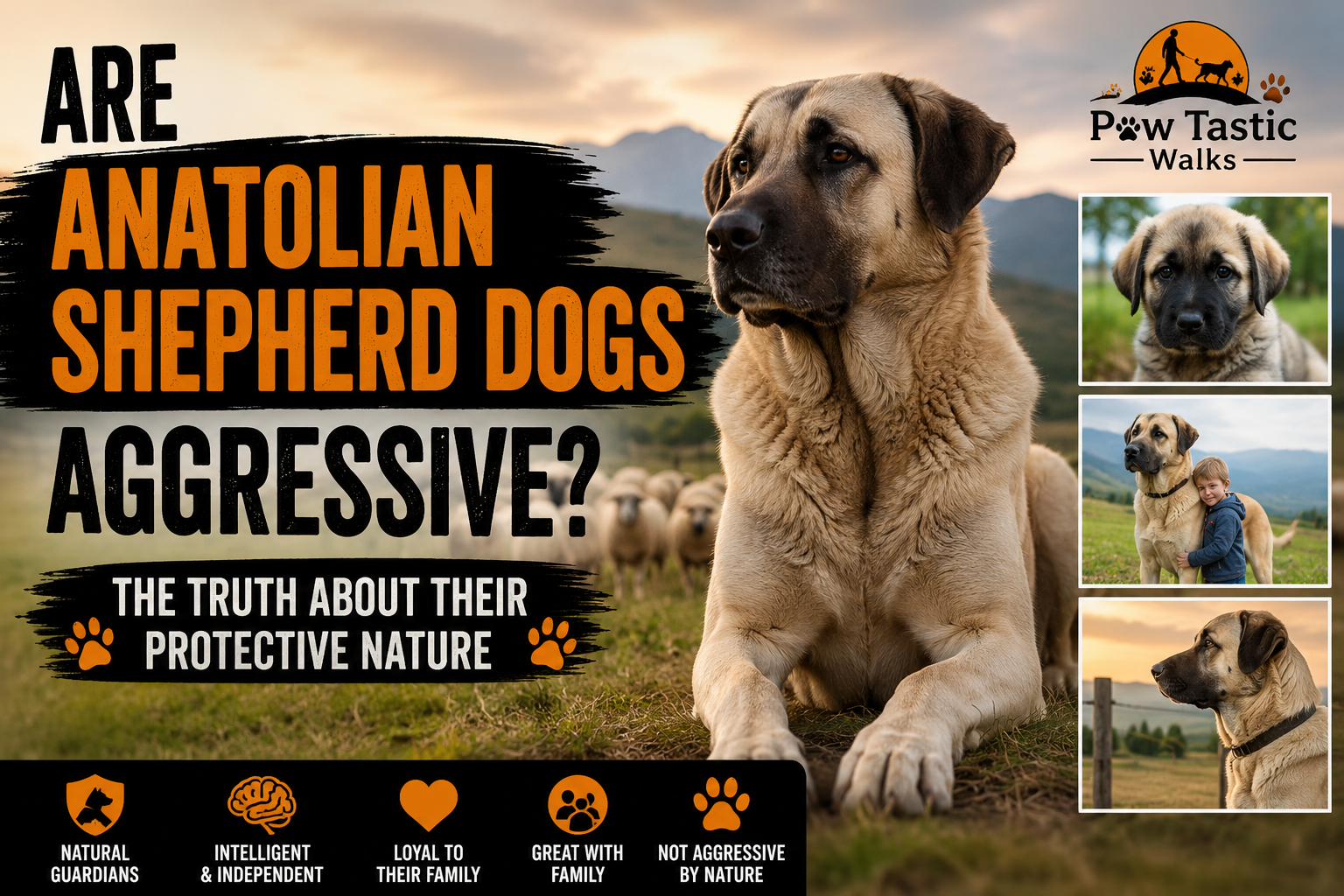
Understanding Their Protective Nature
Thinking about getting an Anatolian Shepherd as a pet? You might wonder if they are aggressive or protective. It’s important to know their breed traits and how they act.
Anatolian Shepherds love the outdoors and are tough. They are meant to guard and protect.
Knowing their temperament helps decide if they’re good family pets.
Key Takeaways
- Anatolian Shepherds are a livestock guardian breed with a strong protective instinct.
- Their temperament is a key factor in determining their suitability as family pets.
- Understanding their behavior is critical for effective companionship.
- Proper training and socialization can greatly affect their behavior.
- Anatolian Shepherds are known for their loyalty and guarding abilities.
The Misunderstood Guardian: Setting the Stage
Anatolian Shepherds have a rich history and unique traits. They are often misunderstood by those who don’t know much about them.
To truly appreciate these dogs, it’s essential to look beyond common misconceptions and understand their inherent traits.
Common Misconceptions About Anatolian Shepherds
Many people think Anatolian Shepherds are aggressive because of their protective nature. But this is far from true.
Their protective instincts come from their role as livestock guardians, not aggression.
The Importance of Understanding Breed Characteristics
Understanding the anatolian shepherd breed info and anatolian shepherd characteristics is key to dispelling myths.
By learning about their origins, temperament, and natural behaviors, you can gain a deeper appreciation for these loyal companions.
The Impact of Misinformation on Breed Reputation
Misinformation about Anatolian Shepherds can harm their reputation. Negative stereotypes can lead to unfair treatment and misconceptions about the breed’s true nature.
It’s vital to rely on credible sources when researching anatolian shepherd dog breed information to ensure a well-rounded understanding.
Origins and History of the Anatolian Shepherd
The Anatolian Shepherd has been a loyal friend and protector for thousands of years. Its roots go back to the Anatolian region.

Ancient Roots in Turkey’s Anatolian Plateau
The Anatolian Shepherd Dog comes from Turkey, over 6,000 years ago. It was bred to protect livestock from wolves and bears. This ancient breed has a rich history in the Anatolian Plateau.
There, it developed strong guardian instincts.
Traditional Working Roles as Livestock Guardians
Anatolian Shepherds were key in protecting sheep and other livestock. They worked alone in Turkey’s rural areas.
Their keen senses and powerful build made them ideal for this task.
Introduction and Recognition in the United States
The Anatolian Shepherd came to the United States in the 1950s and 1960s. It quickly gained recognition for its unique traits and work ethic.
The American Kennel Club (AKC) recognized it in 1998.
Evolution of the Breed’s Purpose Over Time
The Anatolian Shepherd’s role has changed over time. It’s now a cherished family pet and guardian. A breeder notes, “The Anatolian Shepherd’s loyalty and protective nature make it an excellent addition to families who understand its needs and characteristics.”
This shows the breed’s versatility and lasting appeal.
Breed Characteristics and Physical Attributes
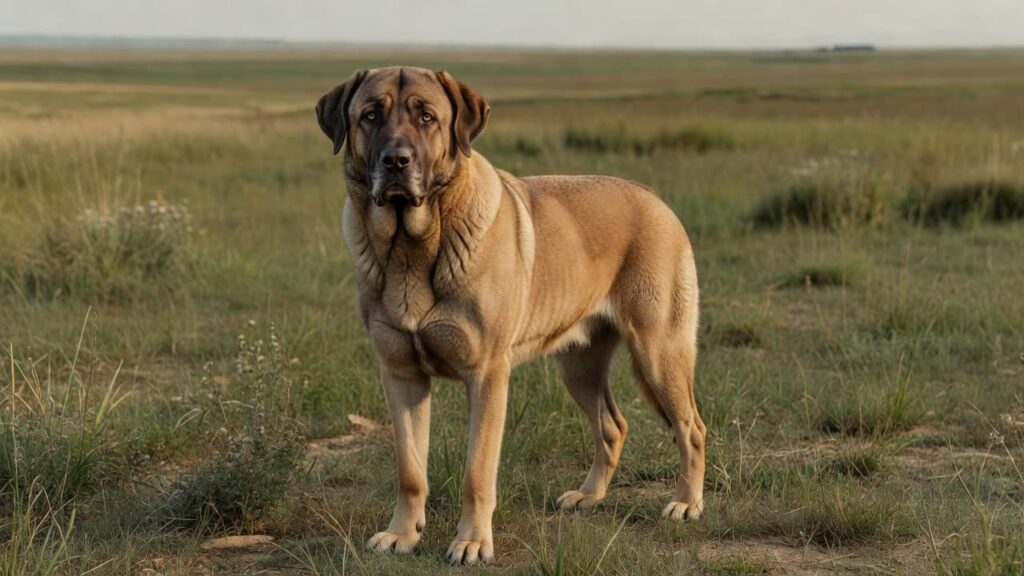
Anatolian Shepherds are known for their big size and strong build. They have a large body and muscles, thanks to guarding livestock for centuries.
Size, Appearance, and Lifespan
These dogs are quite big. Males weigh 110-150 pounds and are 29 inches tall. Females are a bit smaller.
They live for 11-13 years. Their coat comes in many colors, adding to their rugged look.
Coat Varieties and Colors
Their coat can be fawn, brindle, or a mix, with or without a black mask. This helps them blend in, useful for guarding.
Physical Capabilities and Endurance
Anatolian Shepherds are agile and have great endurance. They were bred to guard for long periods. Their strength lets them do their job well.
Thinking about getting an Anatolian Shepherd? Know their size, coat, and strength. These traits make them excellent guardians.
Anatolian Shepherd Dog: Aggressive or Protective?
Anatolian Shepherds are known for guarding livestock. They have a natural protective instinct. This instinct is often seen as aggression, but it’s really about guarding.
Defining Aggression vs. Protection in Canine Behavior
Aggression in dogs means hostile behavior, like attacking. It comes from fear, territory, or wanting to be in charge. Protection, on the other hand, is about defending family, territory, or flock.
Anatolian Shepherds guard and protect, not attack. Their strong protective instincts don’t mean they are aggressive.
Their behavior is mainly driven by their genetic need to defend.
Natural Guardian Instincts of the Breed
Anatolian Shepherds have guarded livestock for centuries. They have strong guardian instincts. These instincts make them watchful and protective of their flock and territory.
Contextual Behavior Analysis in Different Situations
Anatolian Shepherds behave differently in various situations. At home with their family, they are calm and gentle. But when they see threats or strangers, they become alert and defensive.
It’s important to look at their behavior in different settings. This helps understand if they are being protective or aggressive.
Case Studies: Protection vs. Aggression Incidents
There are examples that show the difference between protective and aggressive behavior in Anatolian Shepherds.
A well-socialized dog might bark at strangers (protective). But an unsocialized or poorly trained dog might be overly aggressive.
Looking at these examples helps us see how Anatolian Shepherds react to different situations. It also shows how training and socialization can shape their behavior.
The Natural Temperament of Anatolian Shepherds
Anatolian Shepherds have a unique mix of independence, intelligence, and loyalty. This makes them special companions.
But what does it mean for your family? Let’s explore their temperament to understand them better.
Independence and Intelligence: Double-Edged Traits
Anatolian Shepherds are independent, a trait from their days as livestock guardians. This independence is both a blessing and a challenge.
They can think for themselves, but training can be tough if not done right.
They are also very intelligent and resourceful. But, they need mental stimulation to avoid boredom and destructive behavior.
Loyalty and Devotion to Their Family
Despite their independence, Anatolian Shepherds are very loyal and devoted to their families. They form strong bonds with their owners.
They are protective of their family members, making them great family pets when socialized well.
Interaction Patterns with Family Members
Anatolian Shepherds interact with their family in different ways. They can be gentle and affectionate. They are great with children if socialized early. But, they can be wary of strangers, so early socialization is key.
Temperament Differences Between Males and Females
Male and female Anatolian Shepherds have different temperaments. Males are often more dominant and protective. Females tend to be more nurturing. But, individual personalities can vary a lot.
Knowing these differences can help you choose the right pet for you.
Protective Instincts: How They Manifest
Anatolian Shepherds have a strong urge to protect their territory and loved ones. This comes from their history as guardians of livestock.
Territorial Behavior and Boundary Setting
Anatolian Shepherds are fiercely protective of their territory. They patrol their area and watch for intruders.
Setting clear boundaries helps them know what they’re guarding.
Guardian Responses to Perceived Threats
When they sense danger, Anatolian Shepherds act quickly. Their response can be alertness or defense. It’s important to know the difference between real threats and imagined ones.
Distinction Between Alertness and Aggression
It’s important to tell alertness from aggression in Anatolian Shepherds. They are naturally protective but not aggressive by nature.
Alertness means they’re watching, while aggression is a hostile act.
Reading Your Anatolian’s Warning Signs
Knowing your Anatolian’s warning signs is key. Look for signs like raised ears, stiff posture, or direct stares. Spotting these signs early can prevent problems.
By understanding your Anatolian’s protective nature, you can create a safe space for everyone.
This includes your dog and those around them.
Early Socialization: Critical for Balanced Behavior
Early socialization is key for a balanced Anatolian Shepherd temperament. As a guardian breed, they naturally want to protect and watch over their family.
But, without proper socialization, this instinct can be seen as aggression.
Puppy Development Stages and Critical Periods
Anatolian Shepherd puppies are most open to new experiences between 8 and 11 weeks old. Positive exposure during this time is vital for their future behavior. It’s important to introduce them to various environments, people, and animals to help them feel confident and calm in new situations.
Exposure Techniques for Various Stimuli
Effective socialization means exposing your puppy to many different things, like sounds, sights, and textures. Use techniques like gradual exposure and positive reinforcement to help them get used to new things.
For example, start small with interactions with strangers and reward calm behavior.
Building Positive Associations with Strangers and Other Animals
It’s important to make new experiences positive for your puppy. This helps them become friendly and outgoing.
Use treats, praise, and affection when they act calm around strangers or other animals.
Socialization Challenges Specific to Guardian Breeds
Guardian breeds like Anatolian Shepherds face unique socialization challenges. They have a natural protective instinct.
But, it’s important to balance their guarding abilities with being friendly and approachable. With patience, consistency, and positive reinforcement, you can help your Anatolian Shepherd become a well-adjusted and balanced companion.
Training Approaches for Anatolian Shepherds
Anatolian Shepherds are smart and independent. They need patient and consistent training. Their strong will and guardian instincts make training special.
Effective Training Methods for Independent Thinkers
Training an Anatolian Shepherd requires respect for their independence. Positive reinforcement works well. It rewards good behavior without stress or anxiety.
Key Principles of Effective Training:
- Consistency in commands and rewards
- Patience, allowing the dog to learn at their own pace
- Positive reinforcement to encourage desired behaviors
Establishing Leadership Without Confrontation
Leading an Anatolian Shepherd needs a gentle yet firm method. Avoid confrontational methods. Instead, build trust and respect.
Professional Training Considerations and Resources
Professional training is often helpful. Experienced trainers offer personalized advice and solve specific issues.
Common Training Mistakes to Avoid
Knowing common mistakes can improve training. Avoid inconsistency, punishment, and not socializing. These can cause problems.
| Training Mistake | Consequence | Correction |
|---|---|---|
| Inconsistent Commands | Confusion and disobedience | Standardize commands and ensure all family members use the same commands. |
| Punitive Measures | Fear and aggression | Use positive reinforcement techniques instead. |
| Lack of Socialization | Fearfulness and aggression towards strangers | Socialize your Anatolian Shepherd extensively from an early age. |
Real-World Experiences: Owner Perspectives
The Anatolian Shepherd community is filled with stories from owners. They share the joys and challenges of having these dogs in their families.
These real-world experiences give us a peek into what it’s like to own an Anatolian Shepherd.
Success Stories in Family Settings
Many families have welcomed Anatolian Shepherds into their homes. They love their loyalty and protective nature.
For example, the Smith family from Texas talks about their Anatolian Shepherd, Max.
Max has become a beloved family member. He watches over the children with care. These stories show how Anatolian Shepherds can bond with their families, making them great pets.
Challenges and Solutions from Experienced Owners
While Anatolian Shepherds are wonderful, some owners face challenges. One common issue is their independent nature.
Experienced owners say consistent training and early socialization are key to solving this problem.
| Challenge | Solution |
|---|---|
| Independent nature | Consistent training |
| Lack of early socialization | Exposure to various environments |
| Protective instincts | Proper introduction to new people and pets |
Expert Opinions from Breeders and Trainers
Breeders and trainers stress the importance of understanding Anatolian Shepherds’ guardian instincts. Jane Doe, a well-known breeder, says, “Anatolian Shepherds are not just pets; they are guardians.
It’s key to have a good relationship with them.”
Experts also say it’s important to give these dogs enough space and exercise. This keeps them happy and healthy.
Living with an Anatolian Shepherd in Modern Environments
Living with an Anatolian Shepherd dog can be rewarding with the right preparation. These dogs have specific needs to thrive in modern homes.
Space and Exercise Requirements
Anatolian Shepherds need space to move and exercise. A big yard is best, but not everyone has one. You can meet their needs with walks and playtime. A minimum of 30 minutes of exercise per day is recommended.
Family Integration Strategies
Integrating an Anatolian Shepherd into your family takes patience and understanding. Start with a routine that includes training and play. This makes your dog feel secure and strengthens your bond.
Managing Interactions with Visitors and Other Pets
Anatolian Shepherds are natural guardians and may be cautious around strangers. Socialization is key to help them know who’s friendly. Introduce them to various people and places to build confidence.
Legal and Liability Considerations
As a responsible dog owner, knowing the legal side of owning an Anatolian Shepherd is important. Check local laws and consider liability insurance to protect everyone.
| Aspect | Consideration | Action |
|---|---|---|
| Space | Adequate room to move | Provide a spacious yard or regular exercise |
| Exercise | Regular physical activity | Daily walks and playtime |
| Socialization | Exposure to various environments | Introduce to different people and pets |
Conclusion: Noble Guardians with Purpose
Anatolian Shepherds have a long history of being noble guardians. They come from Turkey’s Anatolian Plateau. This place gave them a strong instinct to protect and serve.
They are not naturally aggressive but are very protective. Their independence, intelligence, and loyalty make them great companions. Early socialization and training are important for them to do well in today’s world.
Anatolian Shepherds offer loyalty, protection, and friendship to families. Their rich history and noble nature make them a rewarding breed.
If you’re thinking of getting one, you’ll see their depth and value as a guardian and friend.
Understanding and embracing their true nature helps build a strong bond. You’ll enjoy their noble guardianship and companionship.
FAQ
Are Anatolian Shepherds aggressive or protective companions?
Anatolian Shepherds are naturally protective. They guard their family and territory. But, they are not aggressive.
Training and socialization help them know when to be cautious.
What is the typical temperament of an Anatolian Shepherd?
Anatolian Shepherds are independent, intelligent, and loyal. They are calm and gentle with their family. But, they can be aloof with strangers.
How do Anatolian Shepherds interact with their family?
They are loyal and loving to their family. But, they can be reserved with strangers. They are good with children if socialized early, but may be wary of outsiders.
Do Anatolian Shepherds make good family pets?
Yes, they can be great for active families. They need space, exercise, and training. But, they might not be right for inexperienced owners or small apartments.
How much exercise do Anatolian Shepherds require?
They need at least 30 minutes of exercise daily. This can include walks, runs, and playtime. Regular exercise keeps them happy and healthy.
Are Anatolian Shepherds easy to train?
They are intelligent but can be independent and stubborn. Use consistent, positive reinforcement training. Early socialization is key for their adjustment.
Socialize them early by exposing them to various environments and people. Positive reinforcement and gentle exposure help them become confident and calm.
Can Anatolian Shepherds get along with other pets?
Yes, if socialized early. They can be protective of their territory and family. So, introduce them carefully and supervise interactions.
Are Anatolian Shepherds prone to any health issues?
They are generally healthy but can have hip dysplasia and eye problems. Regular vet visits and genetic testing can help catch issues early.
What are the grooming needs of an Anatolian Shepherd?
They have a short, dense coat that needs regular brushing. This prevents matting and tangling. They are average shedders with low grooming needs.
Can Anatolian Shepherds thrive in small living spaces?
They are a large breed needing space. While they can adapt, they’re not ideal for tiny apartments or homes with little outdoor space.