What Owners Must Know
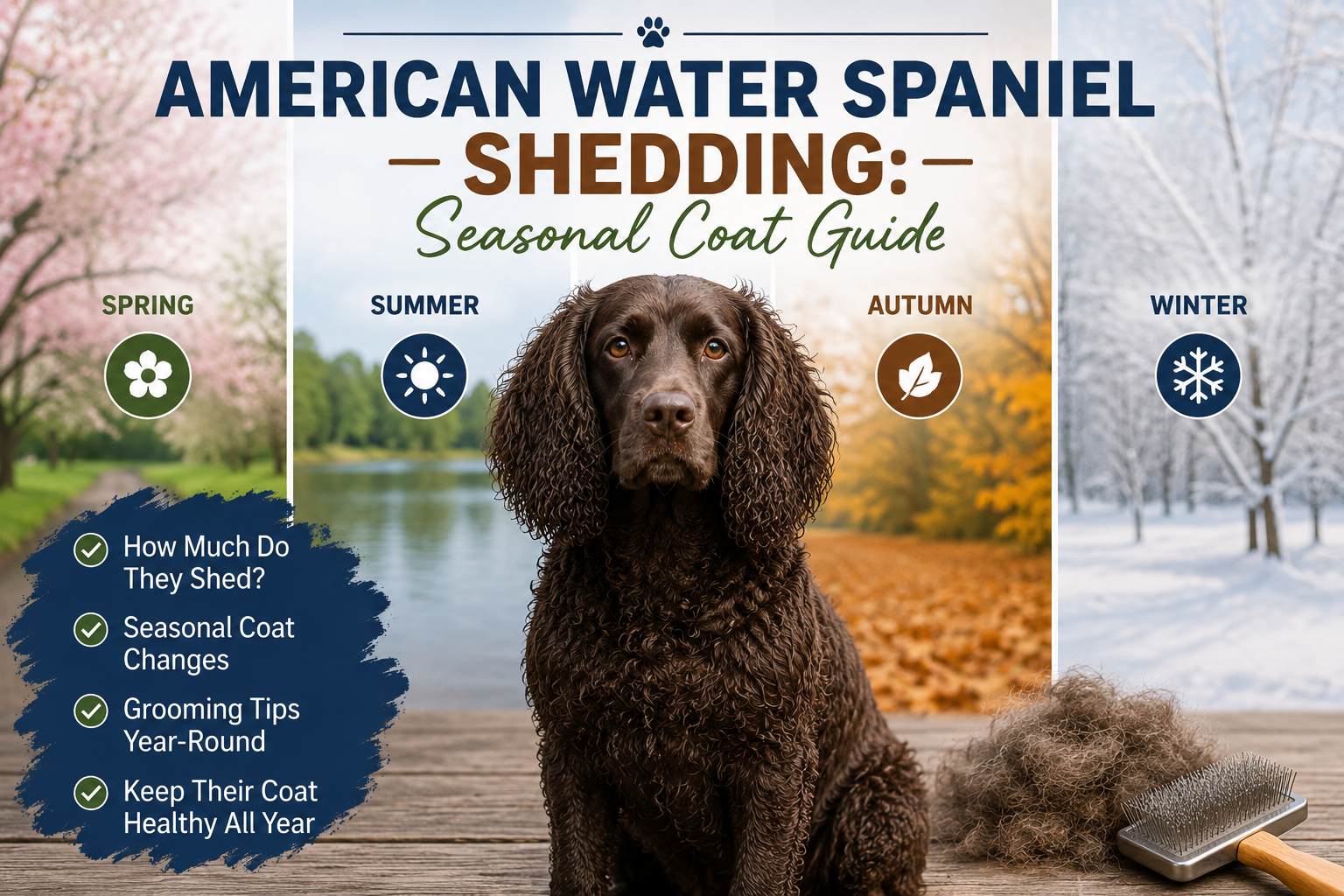
Do American Water Spaniels shed? Yes, American Water Spaniels do shed, but they are generally considered moderate shedders.
Their distinctive, tightly curled or wavy double coat goes through noticeable seasonal changes in spring and autumn, requiring consistent maintenance to keep their water-resistant fur healthy and tangle-free.
Introduction
If you share your home with—or are considering welcoming—an American Water Spaniel, understanding their unique coat is essential.
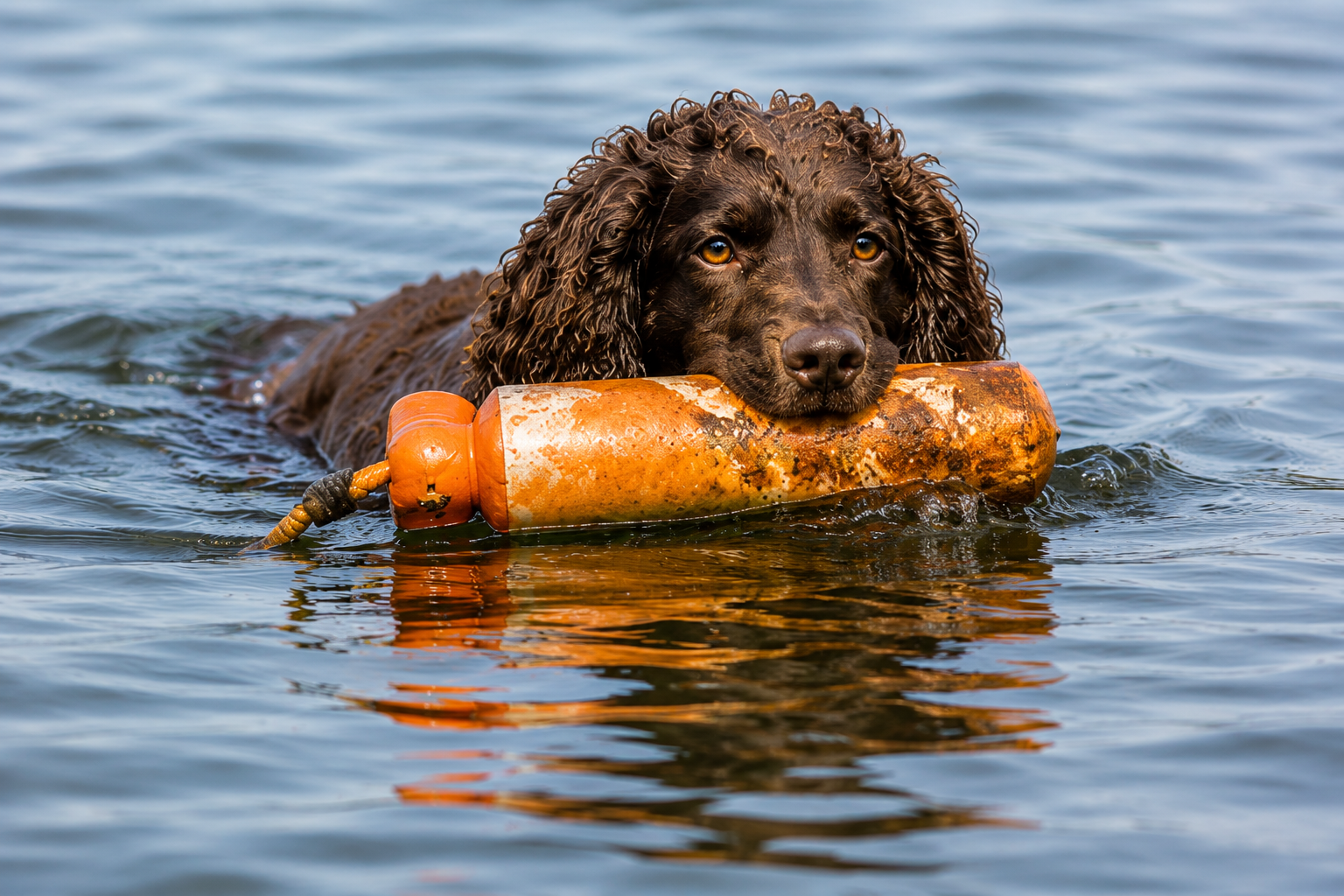
Known for their rich liver, brown, or chocolate curls and exceptional ability to work in icy waters, this rare breed possesses a specialized double coat designed to repel moisture and insulate against the cold.
However, that remarkable coat does not take care of itself.
Many owners are surprised by how the texture of an American Water Spaniel’s fur changes throughout the year, particularly during the biannual shedding seasons.
Knowing what to expect from their shedding timeline helps you manage loose fur, prevent painful matting, and maintain the skin health of your working companion.
Whether you are navigating your first spring coat blow or looking for practical ways to manage day-to-day loose hair, this guide breaks down everything you need to know about the American Water Spaniel shedding timeline and seasonal coat changes.
Discover More About the American Water Spaniel
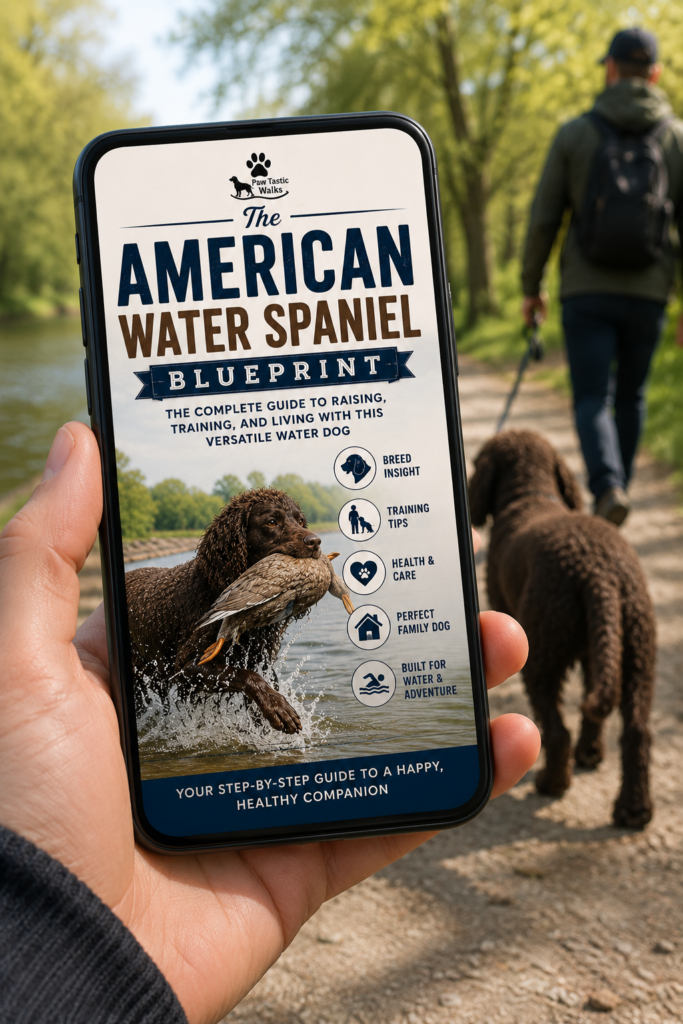
If you would like to understand your dog’s temperament, training, exercise, grooming, health and everyday care in greater depth, explore The American Water Spaniel Blueprint.
At a Glance: American Water Spaniel Coat Care
-
Grooming Frequency: 2 to 3 times weekly (daily during seasonal transition periods)
-
Shedding Level: Moderate year-round; heavy during spring and autumn coat blow
-
Coat Type: Dense, water-resistant double coat with tight curls or waves
-
Common Challenge: Trapped undercoat moisture and matting behind the ears and legs
-
Best Approach: Regular line-brushing and strategic bathing rather than frequent full clips
-
When to Seek Professional Help: Persistent skin irritation, bald patches, or severe, unmanageable matting
Understanding the American Water Spaniel Coat
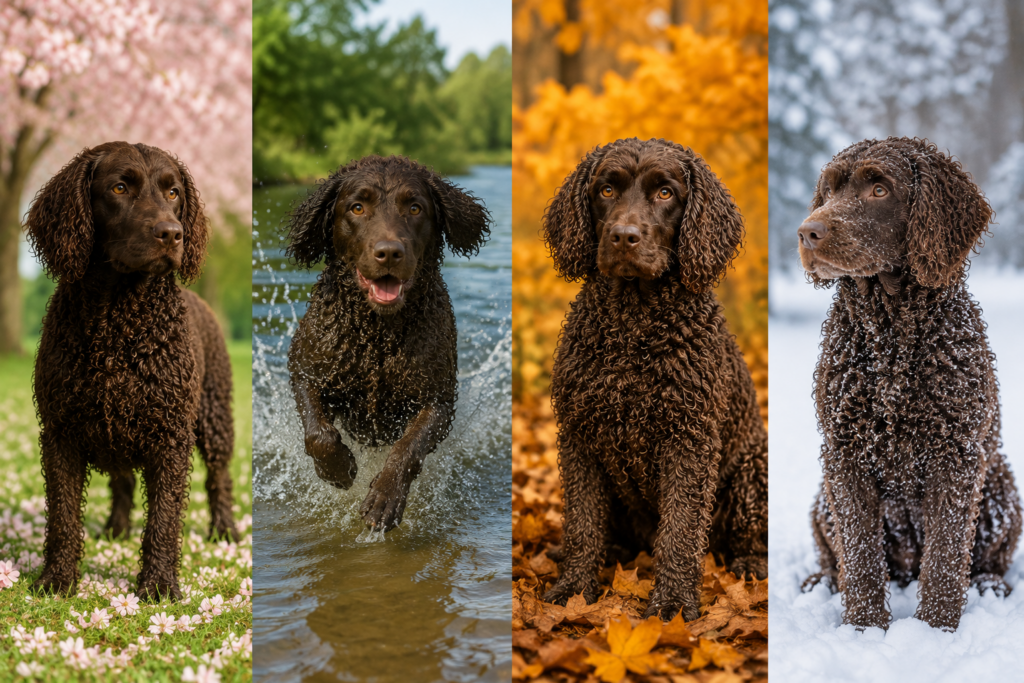
The American Water Spaniel features a unique combination of coat textures. Depending on the individual dog, the hair can range from tightly ringleted curls to a slightly more undulating wave.
Beneath this curly outer layer lies a dense, protective undercoat.
This double-layer system acts like a wetsuit. The tight outer curls shed water away from the skin, while the soft undercoat traps body heat.
Because the breed was developed to retrieve waterfowl in harsh weather, their coat is naturally structured to endure wet environments.
However, this same structure means that dead hair, dirt, and debris can easily become trapped close to the skin if not regularly brushed out.
Understanding this foundation is the first step in anticipating how their coat will behave across the four seasons.
The Seasonal Shedding Timeline
Unlike single-coated breeds that shed minimally year-round, the American Water Spaniel experiences distinct shifts aligned with changing daylight hours and temperatures.
Spring Coat Transition (March to May)
As daylight increases and temperatures rise, your American Water Spaniel will begin shedding their heavy winter undercoat. This process is often referred to as “blowing coat.”
-
What happens: The dense, insulating undercoat loosens en masse. If not brushed out promptly, this dead hair becomes trapped within the tight curls, creating thick mats and tangles.
-
Owner action: Expect to increase grooming sessions to daily or every other day during this 4-to-6-week window.
Summer Maintenance (June to August)
With the winter undercoat largely gone, summer shedding drops to a moderate, manageable baseline.
-
What happens: The coat is lighter, but because these dogs love swimming, you must pay special attention to drying. Trapped moisture under a drying summer coat can lead to skin irritations or hot spots.
-
Owner action: Focus on thorough drying after any water activity and maintaining weekly brushing routines.
Autumn Coat Transition (September to November)
As the weather cools and daylight shortens, the coat begins its preparation for winter.
-
What happens: The summer coat sheds out to make way for a thicker, denser undercoat designed to trap more body heat.
-
Owner action: Increase brushing frequency back up to three times a week to help clear away the shedding summer hair and allow the new winter growth to come in cleanly.
Winter Maintenance (December to February)
During the coldest months, shedding is typically at its lowest point.
-
What happens: The full double coat is firmly in place, providing maximum weather protection.
-
Owner action: Maintain regular maintenance to prevent friction-based matting, particularly around the collar area and under the legs where harnesses rub.
Step-by-Step Grooming Routine for Coat Changes
Managing seasonal shedding effectively relies on technique rather than force.
Because American Water Spaniels have curls that can easily lock onto loose undercoat hair, standard surface brushing is insufficient.
-
Gather the Right Tools: Use a pin brush for initial surface smoothing, a metal greyhound comb to check for hidden tangles, and an undercoat rake or slicker brush used gently to lift out loose dead fur during shedding seasons.
-
Line Brushing: Part the curls with one hand down to the skin, and brush the hair away from the part using gentle, downward strokes. Work in sections from the feet upward toward the spine.
-
Target High-Risk Zones: Pay special attention to areas where friction occurs: behind the ears, under the armpits, along the groin, and beneath the tail. These are the primary zones where shedding undercoat twists into tight mats.
-
Post-Bath Treatment: After a bath during shedding season, use a velocity dryer on a cool or lukewarm setting while simultaneously brushing through the coat. This forces out loosened dead undercoat hairs that would otherwise dry trapped in the curls.
🐾 Paw Tastic Tip: Never brush an American Water Spaniel’s coat completely dry without a light misting of water or a canine conditioning spray; dry brushing on tight curls can snap the hair shafts and lead to frizz or breakage.
Common Mistakes Owners Make
Even well-meaning owners can fall into traps when managing their American Water Spaniel’s coat changes.
-
Mistake: Shaving the dog for summer to reduce shedding.
-
Why it’s a problem: Shaving a double-coated breed disrupts the natural hair growth cycle, damages the protective water-resistant texture, and leaves the skin vulnerable to sunburn and insect bites.
-
Better alternative: Stick to regular line-brushing and undercoat removal to keep the natural coat cool and breathable without altering its structure.
-
-
Mistake: Relying only on a slicker brush.
-
Why it’s a problem: Slicker brushes often only catch the top layer of curls, leaving dense, dead undercoat trapped tightly against the skin underneath.
-
Better alternative: Always finish your grooming session by running a metal greyhound comb through the coat down to the skin to ensure no hidden mats or trapped undercoat remain.
-
-
Mistake: Bathing too frequently with harsh shampoos.
-
Why it’s a problem: Over-bathing strips the natural oils that keep the American Water Spaniel coat water-resistant and dry out the skin during shedding season.
-
Better alternative: Use a gentle, moisturizing oatmeal or hypoallergenic shampoo, and only bathe when necessary or after heavy field work.
-
⚠️ Important: If your American Water Spaniel experiences sudden, patchy hair loss, raw or red skin, or intense scratching alongside seasonal shedding, consult your veterinarian to rule out underlying dermatological issues, parasites, or nutritional deficiencies.
Practical Checklist for Seasonal Shedding
Keep your American Water Spaniel comfortable and your home fur-free by following this seasonal maintenance checklist:
-
[ ] Increase brushing frequency to daily during peak spring and autumn coat transitions
-
[ ] Perform line-brushing down to the skin, focusing on friction points behind ears and legs
-
[ ] Use a metal greyhound comb to verify zero mats remain after brushing sessions
-
[ ] Thoroughly dry and brush the coat immediately after swimming or wet field work
-
[ ] Incorporate omega-3 fatty acid supplements into meals to support healthy skin and coat resilience (with veterinary approval)
-
[ ] Vacuum living areas and wash dog bedding weekly to capture loose dander and shed hair
🐾 Paw Tastic Tip: Keep a rubber curry brush near your main exit door; a quick 60-second rubdown on your American Water Spaniel before they come inside can capture a surprising amount of loose outdoor debris and shedding hair.
Frequently Asked Questions
Do American Water Spaniels’ hypoallergenic properties make them completely non-shedding?
No dog is truly hypoallergenic. While the American Water Spaniel’s tight curls tend to trap loose hairs within the coat rather than letting them fall freely onto furniture, they still shed moderately and produce dander that can affect sensitive allergy sufferers.
When do American Water Spaniels get their adult coat?
An American Water Spaniel puppy usually transitions from their soft, wavy puppy coat to their mature, dense adult double coat between 9 and 18 months of age. This transition often involves a heavier shedding phase as the puppy fur is replaced.
Should I trim my American Water Spaniel’s coat during shedding season?
A light tidy-up or sanitary trim around the paws, ears, and undercarriage is acceptable, but full body clipping is discouraged. Maintaining their natural coat preserves their protection against weather and water.
Why is my American Water Spaniel shedding in clumps?
Clumped shedding usually indicates that dead undercoat hair has mixed with natural oils and moisture, beginning to form a felted mat. This requires immediate, gentle line-brushing with a metal comb to untangle before it tightens against the skin.
Can diet affect an American Water Spaniel’s seasonal shedding?
Yes. A high-quality diet rich in quality proteins, essential fatty acids, and zinc supports strong hair follicles. A dull coat or excessive, year-round shedding outside normal seasonal timelines can sometimes signal nutritional gaps.
Conclusion
Navigating the American Water Spaniel shedding timeline requires consistency, the right tools, and an appreciation for their unique double coat.
By understanding when and why their fur changes with the seasons, you can stay ahead of matting and keep your dog comfortable year-round.
With regular maintenance and attentive care, your companion’s distinctive curls will remain healthy, beautiful, and ready for any adventure.
Ready to Learn More?
Deepen your understanding of your dog’s daily needs, health markers, and training milestones with The American Water Spaniel Blueprint.
This article provides general educational information and is not a substitute for advice from a qualified veterinarian or canine professional.