
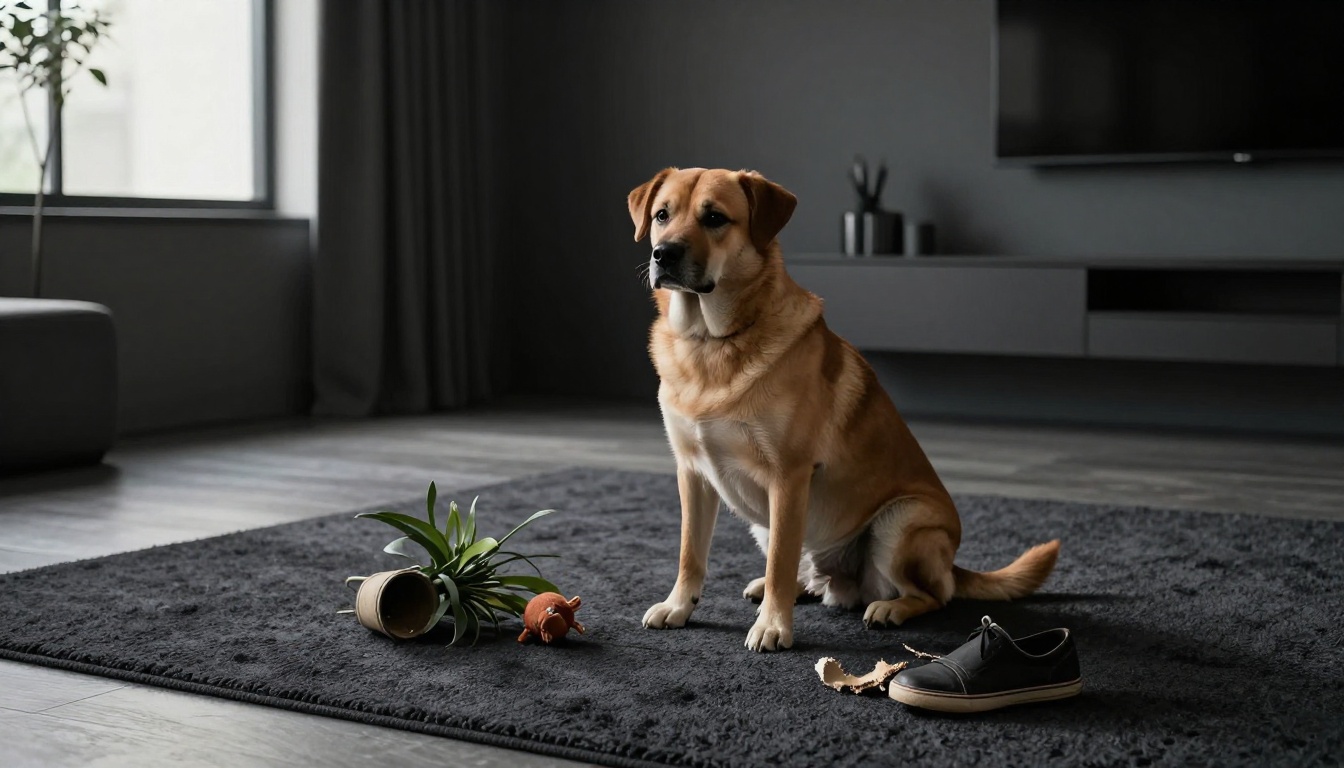
Most dogs aren’t trying to be naughty. If you’re wondering why your dog seems so difficult lately, boredom is often the hidden reason.
A dog with too little exercise, too little brain work, or too much empty time will make their own fun, and that fun often looks like chaos.
The good news is that boredom-based behavior usually improves fast once you spot the pattern. A few smart changes to walks, play, and training can turn a restless dog into a calmer one.
Is your dog naughty, or just bored?
A bored dog doesn’t sit around feeling guilty about the shoe they shredded. They act on instinct, energy, curiosity, and habit. When their needs aren’t met, they create their own entertainment.
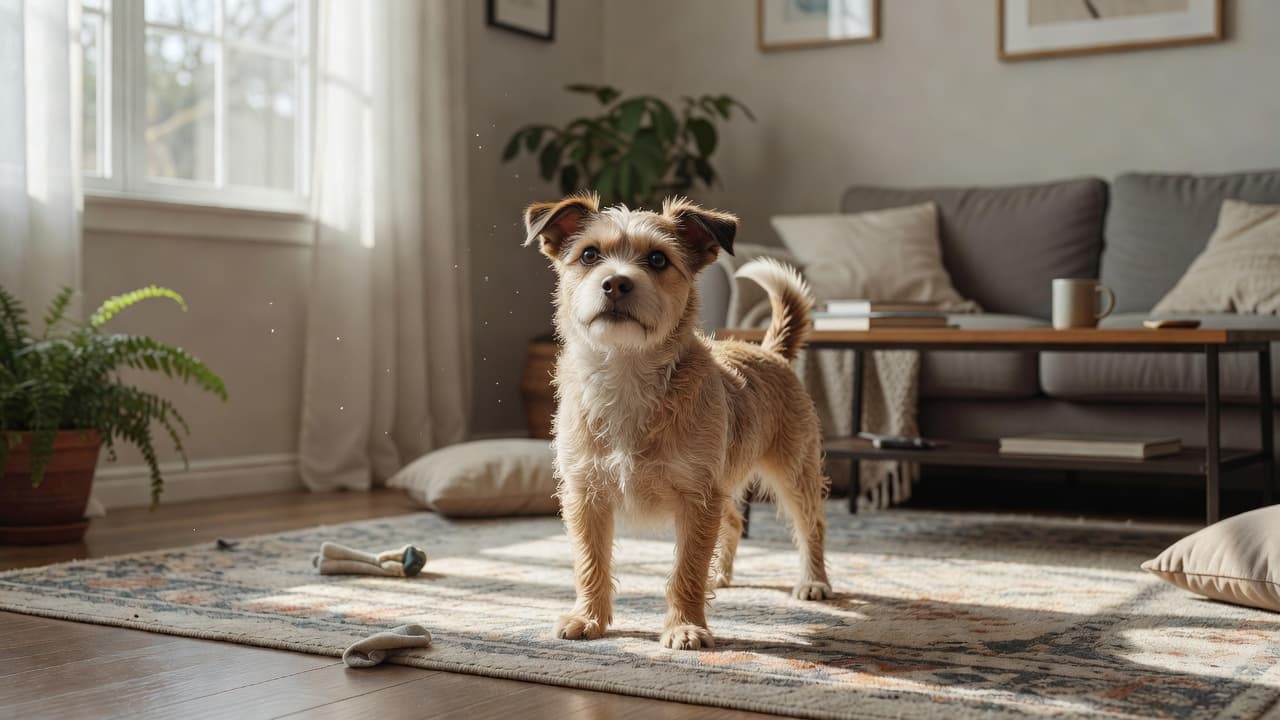
Common signs boredom is behind the behavior
Look at what your dog does when the house is quiet. Chewing, barking, digging, counter surfing, zoomies, pawing at you, and constant attention-seeking often show up when a dog has extra energy and nowhere good to put it.
Common boredom habits include:
- chewing furniture, blankets, or whatever was safe five minutes ago
- barking at small sounds, passing shadows, or nothing you can spot
- digging in the yard or scratching at doors
- stealing socks, napkins, or food from counters
- pestering you with paws, nudges, or toy drops
- racing laps around the room late in the day
Young dogs show this a lot, but adults do too. High-energy breeds, clever mixes, and working dogs often hit the wall sooner, but any dog can get bored. If this sounds familiar, this owner thread about puppy mischief shows how common the pattern is.
Why boredom can look like disobedience
Dogs don’t come preloaded with house rules. They don’t know your couch is off-limits, your mail matters, or the kitchen counter is a sacred zone. If they’re restless or frustrated, they look for relief, not trouble.
That’s why boredom can look like disobedience. Your dog may ignore “leave it” because the sandwich smells better than your request. They may bark after a short walk because their body is still buzzing. They may bounce, nip, or grab things because they need interaction, not because they’re plotting your downfall.
Boredom affects more than behavior. It changes mood, focus, and the way a dog copes with daily life. Dogs need body exercise and brain work if you want a balanced dog at home.
Not enough exercise leaves energy with nowhere to go
A quick potty break isn’t the same as a real walk. Many dogs need time to move, sniff, and take in the world. When they miss that, the unused energy often spills out indoors.
That doesn’t mean every dog needs a five-mile hike. It means the activity has to match the dog. A young Labrador, a busy terrier, and a senior spaniel won’t need the same thing. Still, most dogs do better when walks aren’t rushed and when some days include play, hill work, fetch, or a longer sniffy outing.
Mental stimulation matters as much as physical exercise
A tired body helps, but a busy brain often helps more. Sniffing, learning, problem-solving, and searching for food all use mental energy. That’s why five focused minutes can settle a dog better than an extra ten minutes of aimless pacing in the yard.
Short training sessions work well here. Practice sit, down, touch, wait, or “find it.” Use treats, praise, and repetition without turning it into a lecture. If you want a simple place to start, this guide to positive reinforcement training keeps things clear and kind.
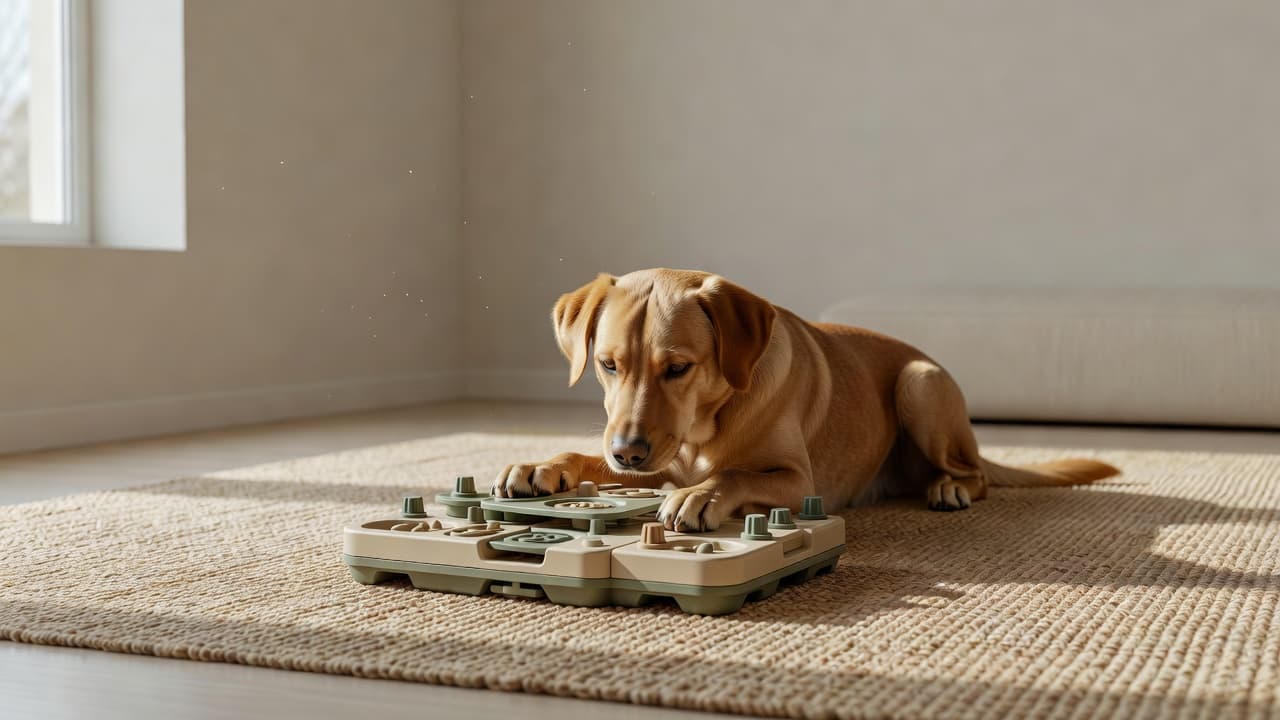
Puzzle feeders help too. So do scatter feeds, cardboard box searches, and hiding treats under cups.
### Long alone time and dull routines can make problems worse
Dogs notice routine fast. The same walk, the same toy bin, the same long afternoon alone, it can all get stale. Once boredom meets frustration, you often get barking, shredding, pacing, or shadowing you from room to room.
Some dogs cope better than others. Still, long stretches with nothing to do can turn a mild habit into a daily problem. This breakdown of boredom warning signs in dogs makes the same point, bored dogs look for activity, while anxious dogs struggle to settle.
How to tell boredom apart from other dog behavior problems
Don’t guess if you can help it. Boredom is common, but it isn’t the only reason a dog acts out. Sometimes the behavior is one part boredom, one part stress, and one part missing training.
When to think about stress, anxiety, or lack of training
Bored dogs often look busy and opportunistic. They steal, chew, bark, dig, and pester because they want something to happen. Anxious dogs may look worried instead. You might see drooling, trembling, whining, pacing, clinginess, or distress when you leave.
Separation anxiety is different from boredom, though both can involve destruction. Fear is different too.
A dog barking at visitors may be under-socialized or scared, not bored. Poor house training can look like defiance, but it may simply mean the dog never learned the routine clearly.
Lack of training matters as well. If your dog has never been shown what to do instead, they fall back on whatever works for them.
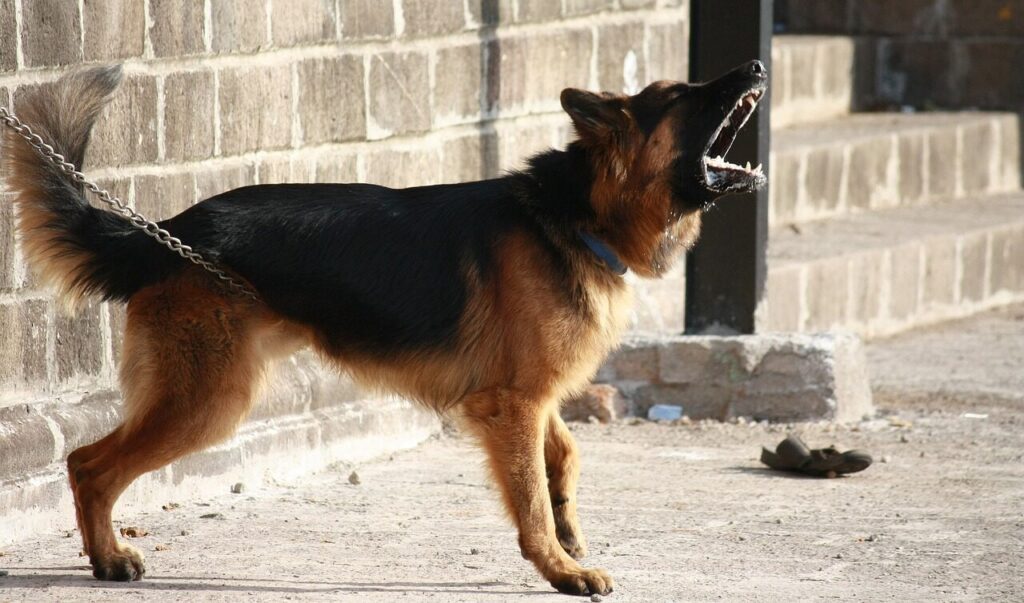
When sudden behavior changes need a vet visit
If the behavior is sudden, intense, or out of character, think health first. Pain, skin irritation, stomach trouble, dental issues, and other problems can make a dog snappy, restless, or destructive.
Sudden behavior changes are a health clue first, not a training debate.
Call your vet if the new behavior comes with aggression, fear, limping, appetite changes, house accidents, or trouble settling. Boredom builds over time. Medical problems can show up overnight.
Simple ways to fix boredom and bring the naughty behavior down
You don’t need a perfect schedule. You need a better one. Small, repeatable changes usually beat big plans that last three days.
Build a better daily routine with walks, sniffing, and play
Most dogs need more than a bathroom trip and a toy tossed twice. Try to build in three things every day, movement, sniffing, and play. A sniff-heavy walk can be amazingly calming because your dog is using their brain the whole time.
Change routes when you can. Let your dog investigate safe smells. Add short games in the yard or hallway. If your dog seems wild by evening, shift some activity earlier in the day before the energy stacks up.
Use short training sessions and enrichment games
Keep training short enough that both of you stay cheerful. Two to five minutes is plenty. Practice touch, stay, hand target, “find it,” or hide-and-seek with treats. These little jobs give your dog a task, and tasks reduce chaos.

If you want a smarter structure than repeating “sit” forever, this practical dog training guide can help you read what your dog needs first.
You can also mix in food toys, simple treat puzzles, and quick games with tug toys, which give your dog exercise, engagement, and time with you all at once.
Rotate toys so everything stays interesting
A toy left out all week becomes furniture. Rotation keeps novelty alive. Put a few toys away, then bring them back two or three days later like they’ve been magically rediscovered.
Try different textures and uses. One toy for chewing, one for food, one for chasing, one for tug. Save the special ones for busy times, like work calls or the afternoon slump, when your dog usually goes looking for mischief.
Helpful tools, guides, and support for busy dog owners
Busy owners need ideas that are easy to use, not a 47-step plan pinned to the fridge.
Helpful guides, simple printables, and enrichment prompts can make a big difference when you’re trying to calm a restless dog and build a better routine.
If you want low-cost resources you can use right away, Check out our great guides on Payhip.
If you prefer printable-style resources and quick-reference help, Check out our ebook guides on Etsy. They can help you set up better daily habits, add variety, and make training feel less overwhelming.

A bored dog isn’t a bad dog
If your dog is chewing, barking, stealing, or bouncing off the walls, don’t start with the idea that they’re difficult. Start with their needs. In many homes, boredom is the hidden reason behind the so-called naughty behavior.
Look first at exercise, mental stimulation, routine, and training. Small daily changes often bring the biggest improvement, and a dog with enough to do is usually far easier to live with.
Get this great ebook guide TODAY, packed with useful tips at an unbeatable price

This post may contain affiliate links. If you make a purchase through these links, I may earn a small commission at no extra cost to you.