

Yes, a German Shorthaired Pointer can be a fantastic dog, but only for the right kind of home.
If you’re active, like training, and want a dog that’s glued to your side, this breed can feel like a perfect match.
If you want a calm pet that’s happy with a couple of short walks and a long nap, this probably isn’t your dog. German Shorthaired Pointers are smart, loving, athletic, and full of go. The real question isn’t whether they’re good dogs.
It’s whether your daily life fits what they need.
Let’s get honest about routine, space, exercise, training, and family life, because that’s where the answer lives.
What a German Shorthaired Pointer Is Really Like
Friendly, smart, and full of energy
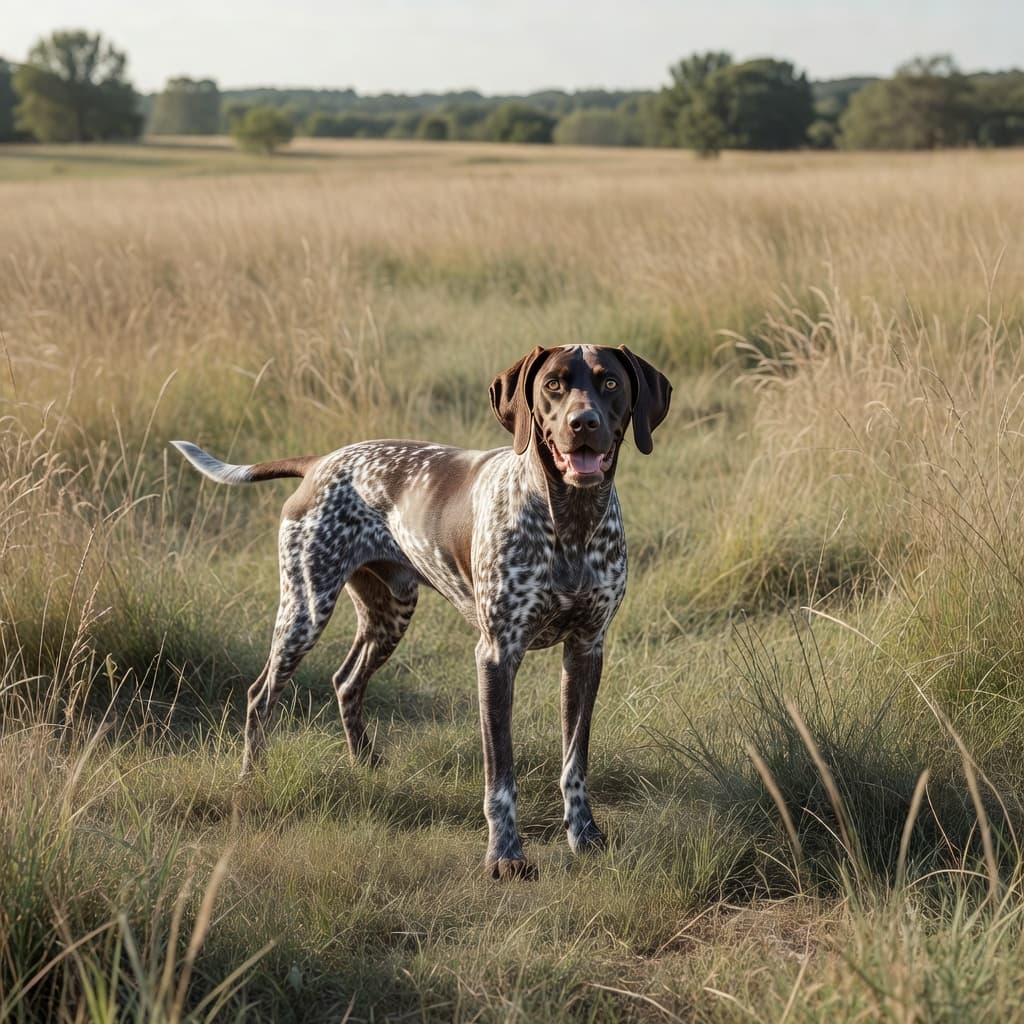
A German Shorthaired Pointer, often called a GSP, is usually affectionate, alert, and eager to be involved in everything.
Many are people-focused dogs that want to play, train, explore, and then crash near your feet when the day is done.
They’re also built like athletes. Most are medium to large dogs, usually around 45 to 70 pounds, with lean bodies, long legs, and a short, easy-care coat.
The AKC breed profile gives a solid snapshot of the breed’s size, temperament, and working background.
What catches some owners off guard is how quickly they learn. That’s the good news. The tricky part is that a bright dog notices loopholes too.
If you’re inconsistent, a GSP will often spot the gap before you do.
Why boredom turns into trouble fast
This breed doesn’t do well with an empty tank and an empty day. When a GSP doesn’t get enough exercise or mental work, the energy has to go somewhere.
That can look like barking, pacing, chewing, counter surfing, grabbing laundry, or turning every guest arrival into a full-contact sport. None of that means the dog is bad.
It usually means the dog is underworked.
A well-exercised GSP is often a joy. A bored one can redecorate your house with impressive speed.
Their hunting roots matter here. The breed was developed to work on land and in water, and that drive still shows up in pet homes.
If you want a quick breed background, the German Shorthaired Pointer on Wikipedia explains where that versatility comes from.
Is Your Lifestyle a Good Match for a German Shorthaired Pointer?
The kind of home and schedule they do best with
GSPs usually thrive in active homes with people who are around a fair amount and enjoy doing things with their dog.
Think morning walks that aren’t rushed, weekend hikes, regular training, and a daily routine with structure.
A house with a secure yard can make life easier, but space alone doesn’t solve anything. A bored dog in a big yard is still a bored dog.
Apartments can work if you’re serious about exercise, enrichment, and training, but it takes effort every day, not once in a while.
This breed also tends to do best when life isn’t too chaotic. If your schedule changes hourly, or you’re gone for long stretches most days, a GSP may struggle more than you expect.

Who should think twice before choosing one
If you don’t enjoy training, this breed may wear you out. If you prefer quiet evenings over active outings, same story.
And if your workday regularly leaves the dog alone for eight to ten hours, you’re setting up a social, high-energy dog for a hard time.
That doesn’t make you a bad dog owner. It just means this may not be your best match. Choosing the wrong breed is a bit like buying running shoes for a dog that wants slippers.
If you’re still comparing options, these things to know before adopting a dog can help you think past the cute face stage.
What Daily Exercise and Training Really Look Like
How much activity they need each day
A short stroll around the block usually won’t cut it. Many German Shorthaired Pointers need at least two solid exercise sessions a day, plus time to sniff, explore, and move freely.
For a lot of dogs, that means around two hours or more of total daily activity.
Good outlets include jogging, hiking, fast-paced fetch, field games, swimming, and safe off-leash time in a secure area if recall is reliable.
Purina’s exercise guide also notes that this breed needs a lot of daily exercise, which lines up with what owners quickly learn at home.
The key is variety. A GSP that gets the same dull walk every day may still come home wired.
Mental enrichment matters as much as exercise
You can’t jog the brain out of a smart dog. Mental work matters just as much. Short training games, scent searches, food puzzles, hide-and-seek, and interactive play all help take the edge off.
This is where tug toys can be genuinely useful. A good tug session gives your dog a chance to burn energy, focus on you, and practice self-control in play. That’s a nice three-for-one.
Sniffing games work well too. Hide treats in the yard. Scatter kibble in the grass. Ask for simple tasks before meals.
Five or ten minutes here and there adds up.
Training needs to start early and stay consistent
GSPs learn fast, but they still need clear rules. Start early with recall, loose-leash walking, polite greetings, and settling in the house. Daily training sessions don’t need to be long.
They do need to be regular.
Without that structure, many dogs start pulling, jumping, mouthing, or testing limits because it’s rewarding and nobody stopped the pattern early.
Reward-based methods are usually the best fit for this sensitive, eager breed, and a solid positive reinforcement dog training guide can help you keep training clear and fair.
Family Life, Other Pets, and Everyday Behavior
How they usually do with children and other dogs
Many GSPs are friendly with kids and social with other dogs, especially when they’ve been well-socialized from a young age.
They often love being part of family life and don’t enjoy feeling left out.
That said, they’re often bouncy, strong, and a bit intense when excited. Around toddlers or very young kids, supervision matters.
A happy GSP can knock someone over without meaning to.
With other dogs, they usually do well if introductions are sensible and energy levels are a good match. With smaller pets, more caution is wise.
Their prey drive can be strong, and that instinct doesn’t disappear because the dog is sweet.
Being left alone and handling separation stress
This breed often prefers company. A lot. If you bring home a GSP and expect them to quietly hold down the couch for long workdays, you may hit problems fast.
Some will bark. Some will chew.
Some will pace, whine, or act frantic when you return. That’s not spite. It’s what can happen when a social, energetic dog is left alone too long without enough exercise or connection.
If your household is busy but you still want an active dog, you’ll need a real plan for company, walks, and mental outlets during the day.
Available from our Paw Tastic Ebook Store
Before You Decide, Ask Yourself These Last Practical Questions
Signs this breed may be a great fit for you
A GSP could suit you well if most of these feel true:
- You enjoy being outside in all kinds of weather.
- You want a dog that can hike, run, train, and tag along.
- You don’t mind daily structure and regular practice.
- You like lively, affectionate dogs that stay involved in your day.
- You can give both physical exercise and brain work, not one without the other.
If that sounds like your life already, you’re probably on the right track.
When a different breed may be easier
If you’re hoping for a laid-back dog, or your schedule is already packed, a calmer breed may fit better.
The short coat on a GSP is easy enough to manage, but easy grooming doesn’t cancel out the huge need for time, movement, and training.
It’s better to choose a dog that matches your real routine than your best intentions. A breed that asks less of you isn’t a compromise if it fits your life more comfortably.
Conclusion
A German Shorthaired Pointer is a great dog for active, committed owners. For low-energy households, or homes where the dog will spend long hours alone, it usually isn’t the easiest choice.
Be honest about your daily exercise time, your patience for training, and how much attention you want to give a dog every day.
If you’re still weighing it up, Check out our great guides on Payhip or Check out our ebook guides on Etsy. A little planning now can save you and your future dog a lot of stress later.
This post may contain affiliate links. If you make a purchase through these links, I may earn a small commission at no extra cost to you.