A Complete Guide
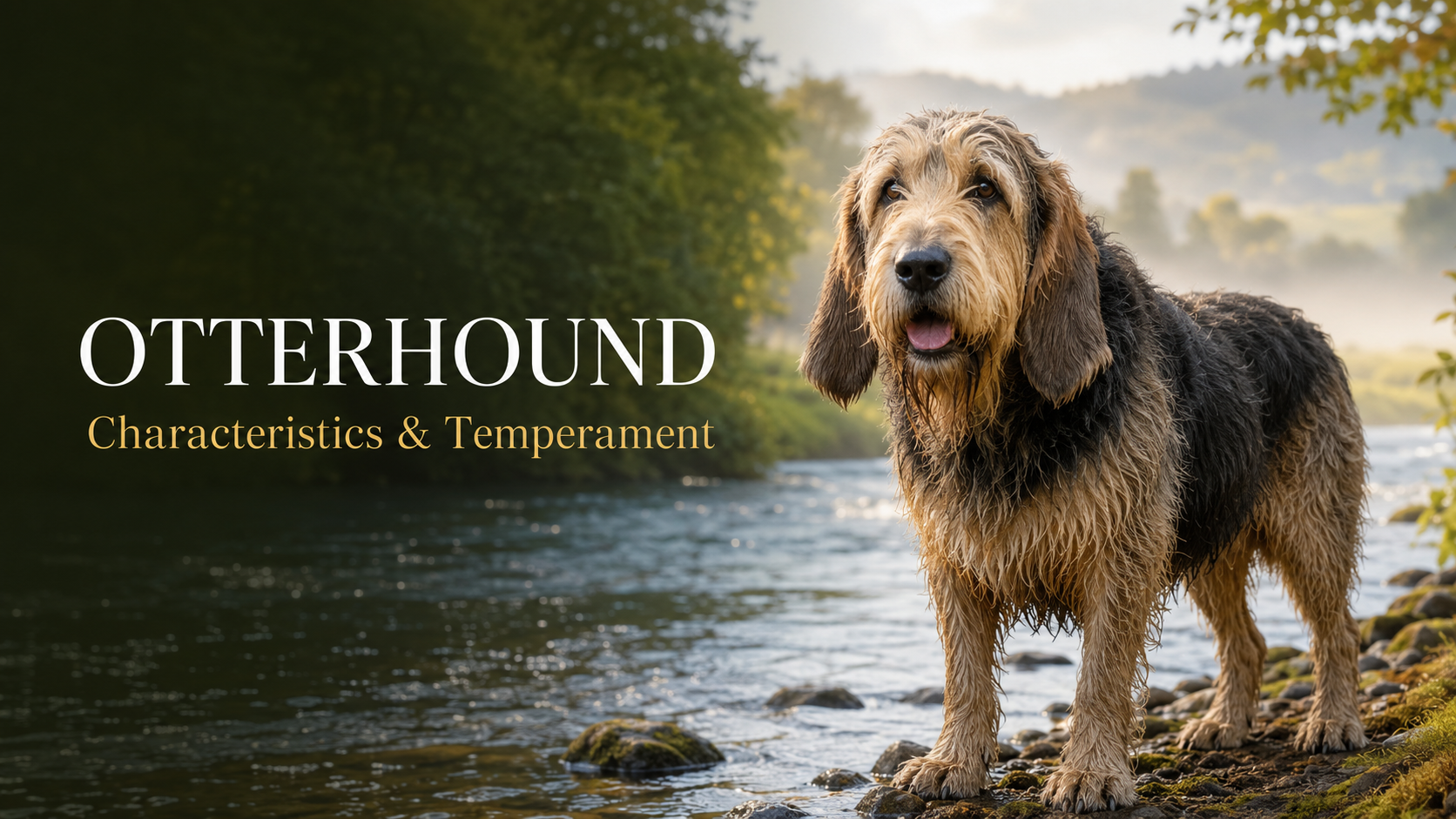
Otterhound Dog Breed Characteristics and Temperament
Large, shaggy and wonderfully distinctive, the Otterhound is one of Britain’s rarest native dog breeds. Beneath that rugged coat is a friendly, playful and independent scent hound with an extraordinary nose and a natural love of water.
Otterhounds can make affectionate and entertaining companions, but their size, strength and powerful hunting instincts mean they are not suitable for every household. Understanding the Otterhound’s characteristics and temperament is essential before deciding whether this remarkable breed is right for you.
Otterhound Characteristics at a Glance
| Characteristic | Typical Otterhound |
|---|---|
| Breed group | Hound |
| Origin | Britain |
| Size | Large |
| Height | Approximately 61–69 cm |
| Weight | Approximately 36–52 kg |
| Coat | Rough, dense and water-resistant |
| Temperament | Friendly, even-tempered and boisterous |
| Exercise needs | High |
| Grooming needs | Moderate to high |
| Trainability | Intelligent but independent |
| Family suitability | Good for active, experienced households |
| Distinctive features | Webbed feet, powerful nose and deep voice |
Individual dogs will vary according to their breeding, upbringing, training, health and socialisation.
What Does an Otterhound Look Like?
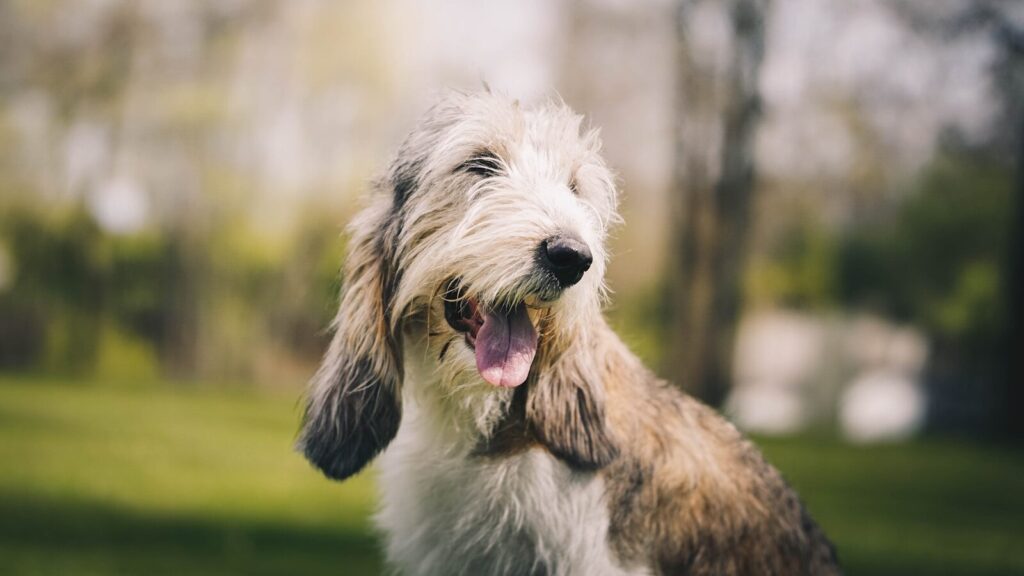
The Otterhound is a large, powerfully built dog designed for stamina rather than speed alone. It has strong legs, a substantial body and large feet that help it move effectively on difficult ground and through water.
The breed’s most recognisable physical features include:
- A rough, shaggy double coat
- Large, thickly padded and partially webbed feet
- Long, pendulous ears
- A broad nose with large nostrils
- A deep chest and muscular body
- A beard and moustache-like facial coat
- A long, loose and ground-covering stride
- An open, friendly expression
The Royal Kennel Club breed standard describes the Otterhound as a large, rough-coated and strong hound built to work for long periods in water while remaining capable of galloping on land.
The Otterhound’s Waterproof Coat
The Otterhound has a dense double coat that helped protect it while working in cold rivers and wet conditions. Its outer coat is rough and weather-resistant, while the softer undercoat provides insulation.
Although the coat gives the breed its appealingly scruffy appearance, it requires regular attention. Dirt, leaves, seeds and other debris can become trapped in the coat, while the beard may retain food and water.
Several thorough brushing sessions each week can help prevent tangles and keep the skin and coat in good condition.
What Is the Otterhound’s Temperament Like?
The Otterhound is generally known for being friendly, cheerful and even-tempered. The official breed standard describes its temperament as amiable and even-tempered, while aggression and excessive nervousness are considered unacceptable characteristics.
The breed is also commonly described as:
- Affectionate
- Sociable
- Playful
- Boisterous
- Curious
- Independent
- Persistent
- Good-natured
- Occasionally stubborn
Otterhounds frequently retain a puppy-like enthusiasm well into adulthood. Their combination of great size and exuberance can make them seem rather clumsy, particularly when they become excited.
They are not usually serious or overly intense dogs. Many have an entertaining, clownish side and enjoy being involved in family activities.
Are Otterhounds Affectionate?
Otterhounds are usually affectionate with their families, although they may not be as constantly attentive as some companion breeds. Their hound independence means they can enjoy affection while remaining comfortable doing their own thing.
Many Otterhounds like to stay close to family members without necessarily following them from room to room. They generally thrive when included in everyday life and should not be expected to spend long periods isolated outside.
Every dog is different, but a well-socialised Otterhound is likely to be friendly, good-humoured and devoted to its household.
Are Otterhounds Good Family Dogs?
An Otterhound can make a wonderful family dog for the right household. Its friendly disposition and playful personality can make it an enjoyable companion for older children and active adults.
However, prospective owners should consider the breed’s:
- Large adult size
- Physical strength
- Boisterous play
- Exercise requirements
- Independent nature
- Strong scent-following instincts
An enthusiastic Otterhound could accidentally knock over a small child, particularly during play. Interactions between dogs and children should always be supervised, regardless of breed.
Children should also be taught to respect a dog’s food, bed and need for quiet time.
Do Otterhounds Get Along With Other Dogs?
Otterhounds were historically expected to work alongside other hounds, so many are naturally sociable with dogs. Early, positive socialisation remains important and introductions should be managed carefully.
Their behaviour around smaller animals may be less predictable. As scent hounds, Otterhounds can possess a significant prey drive. Some may live peacefully with cats when raised alongside them, while others may be inclined to chase.
Introductions must be gradual, controlled and based on the temperament of the individual animals. Small pets should never be left accessible to a dog with a strong hunting instinct.
Are Otterhounds Easy to Train?
Otterhounds are intelligent, but they are also independent thinkers. They were developed to follow scent trails persistently and work without waiting for continuous human direction.
This independence can make training challenging. An Otterhound may understand a command perfectly but decide that an interesting smell deserves greater attention.
Training is most successful when it is:
- Started early
- Reward-based
- Consistent
- Patient
- Varied and engaging
- Conducted in short sessions
Food, toys, praise and opportunities to sniff can all be valuable rewards.
Harsh training methods are unnecessary and may damage trust. Calm boundaries and generous reinforcement of good behaviour are much more likely to produce lasting results.
Recall Training
Reliable recall can be difficult for scent hounds. Once an Otterhound finds an exciting trail, its desire to investigate may override its awareness of the owner.
Recall training should begin in a secure environment before progressing to more distracting places. A long training line can provide additional safety.
Even a well-trained Otterhound may need to remain on a lead in unfenced areas, especially near livestock, wildlife and roads.
How Much Exercise Does an Otterhound Need?
The Otterhound was bred for demanding physical work and therefore requires substantial daily exercise. Adult dogs generally benefit from a combination of:
- Long walks
- Secure off-lead exploration
- Swimming in safe locations
- Scent games
- Tracking activities
- Training sessions
- Interactive play
Exercise should provide mental stimulation as well as physical activity. Allowing an Otterhound to use its nose safely can be extremely rewarding and may help produce a more settled dog at home.
Puppies should not be subjected to excessive forced exercise while their bones and joints are developing. Owners should ask their vet for age-appropriate guidance.
Do Otterhounds Like Water?
Most Otterhounds have a strong natural affinity for water. Their large webbed feet, powerful build and weather-resistant coat made them exceptionally capable working dogs in rivers and across wet terrain.
Swimming can be excellent exercise for a healthy adult Otterhound, but owners should still take sensible precautions:
- Check that the water is clean and safe
- Avoid strong currents
- Watch for steep or slippery banks
- Prevent access to frozen water
- Rinse and dry the coat afterwards
- Check the ears carefully
Not every individual dog will automatically enjoy swimming, so it should always be introduced gradually and positively.
Are Otterhounds Noisy?
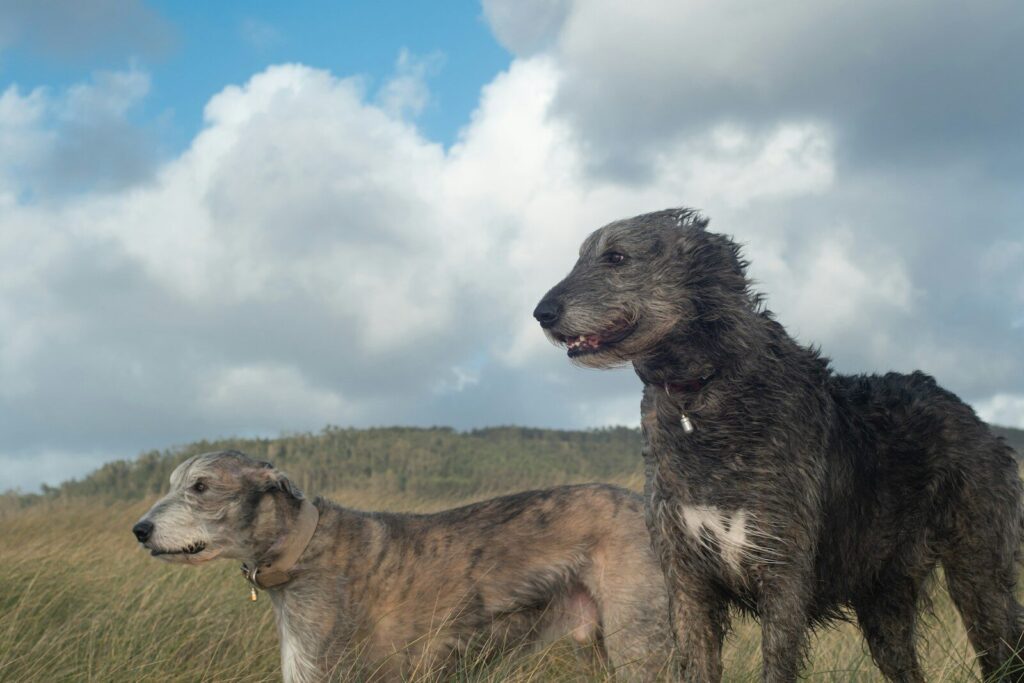
The Otterhound possesses the deep, carrying voice associated with traditional scent hounds. It may bark, bay or “sing,” particularly when excited or responding to an interesting scent.
This powerful voice is part of the breed’s character, but it can present difficulties in terraced houses, flats or homes with nearby neighbours.
Training can reduce unnecessary vocalisation, although prospective owners should not expect an Otterhound to be completely silent.
Can an Otterhound Live in a Flat?
Living in a flat may be possible for an exceptionally committed owner, but it is not the most natural arrangement for this large and energetic breed.
The main challenges include:
- Limited indoor space
- A powerful baying voice
- Mud and water carried by the coat
- Difficulties navigating stairs
- The need for considerable daily exercise
- Lack of secure outdoor access
A house with sufficient space and a securely fenced garden will normally be more suitable. Fencing must be robust because a determined scent hound may attempt to escape in pursuit of an interesting smell.
Is the Otterhound Suitable for First-Time Owners?
The Otterhound is not generally the easiest choice for a first-time dog owner. Its strength, independence, grooming requirements and scent-driven behaviour can be demanding.
Nevertheless, a well-prepared beginner could succeed with access to:
- A responsible breeder or breed rescue
- Experienced training support
- Plenty of time for exercise
- Secure outdoor space
- A realistic understanding of hound behaviour
- The patience to train consistently
Someone seeking a highly obedient dog that naturally remains close during walks may find the Otterhound frustrating. A person who appreciates independent hounds and enjoys outdoor adventures may find the breed enormously rewarding.
Is an Otterhound Right for You?
An Otterhound may suit you if you:
✅ Want a friendly, playful and distinctive companion
✅ Enjoy long walks and outdoor activities
✅ Have enough room for a large dog
✅ Can provide secure fencing
✅ Are comfortable with regular grooming
✅ Appreciate an independent personality
✅ Can manage a powerful dog with hunting instincts
The breed may be unsuitable if you:
❌ Want effortless off-lead reliability
❌ Live in a small home with noise-sensitive neighbours
❌ Prefer a very tidy or low-maintenance dog
❌ Cannot provide sufficient daily exercise
❌ Keep vulnerable small animals
❌ Want a naturally quiet and highly obedient breed
Final Thoughts
The Otterhound is a friendly, boisterous and deeply characterful breed. Its shaggy waterproof coat, webbed feet, remarkable nose and distinctive voice reflect its fascinating history as a specialist British working hound.
In the right home, an Otterhound can be an affectionate, amusing and unforgettable companion. However, potential owners must be prepared for a large, energetic and independent dog that needs patient training, regular grooming and plenty of opportunities to explore.
The UK Otterhound Club works to promote and protect this vulnerable native breed, while the American Kennel Club provides further information about its history and characteristics.
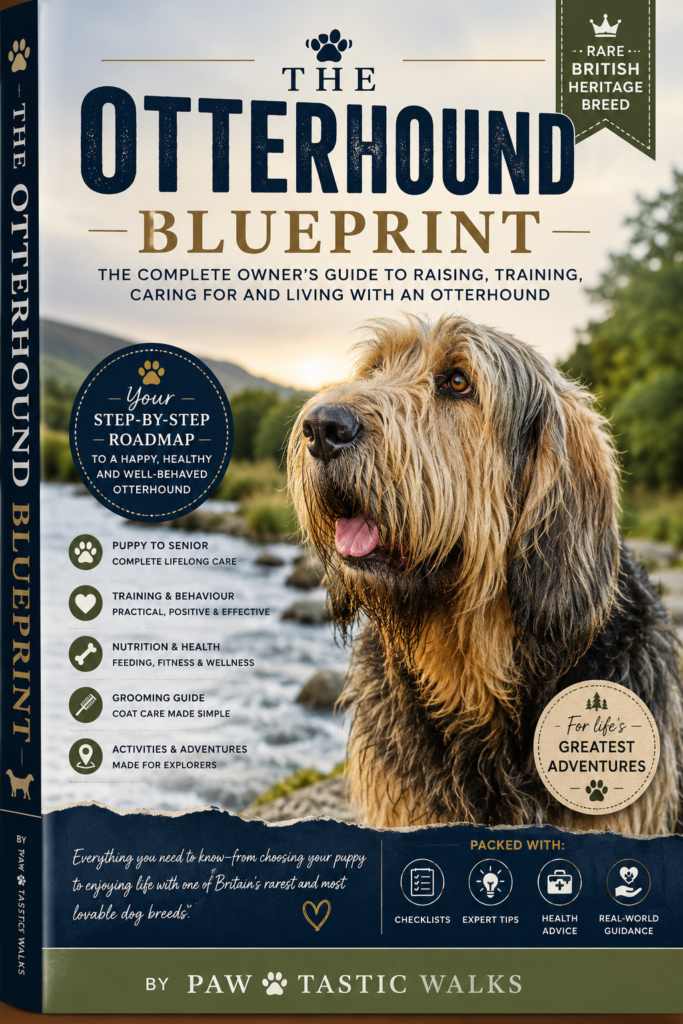
Discover The Otterhound Blueprint.
Thinking about welcoming an otterhound into your life—or already sharing your home with one?
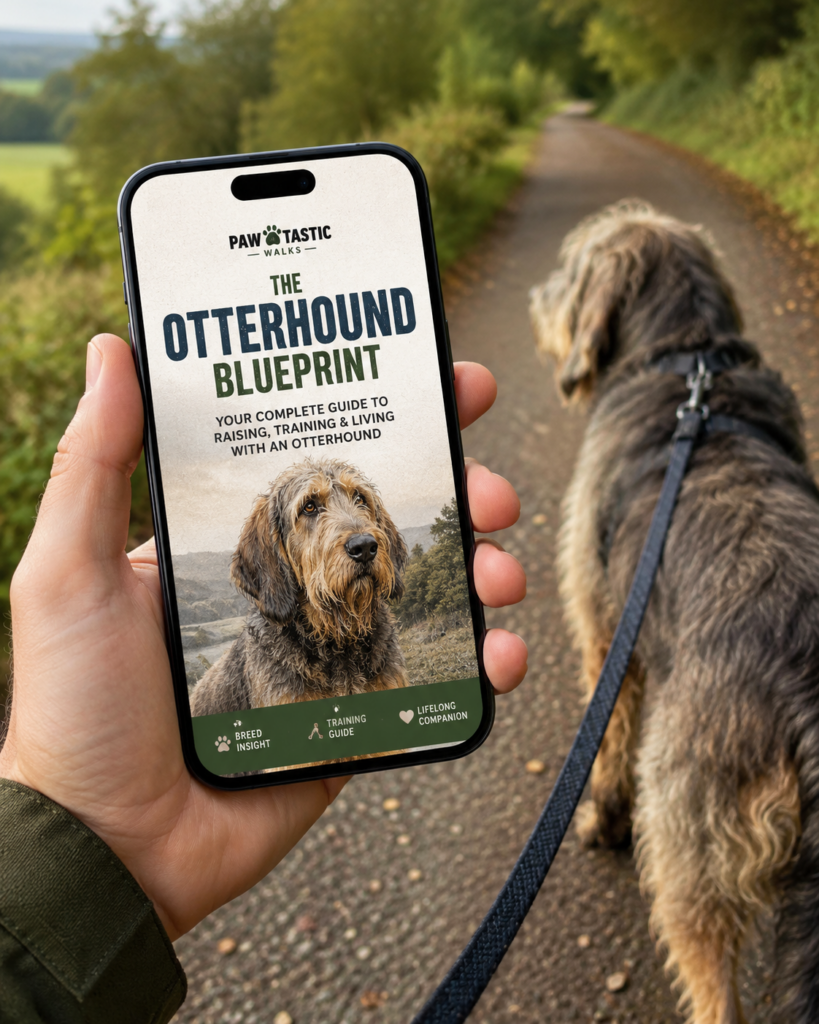
The Otterhound Blueprint offers practical information about training, exercise, grooming, feeding, health, puppy care and everyday life with this extraordinary breed.
👉 Get your copy of The Otterhound Blueprint and become a more confident, informed Otterhound owner.