
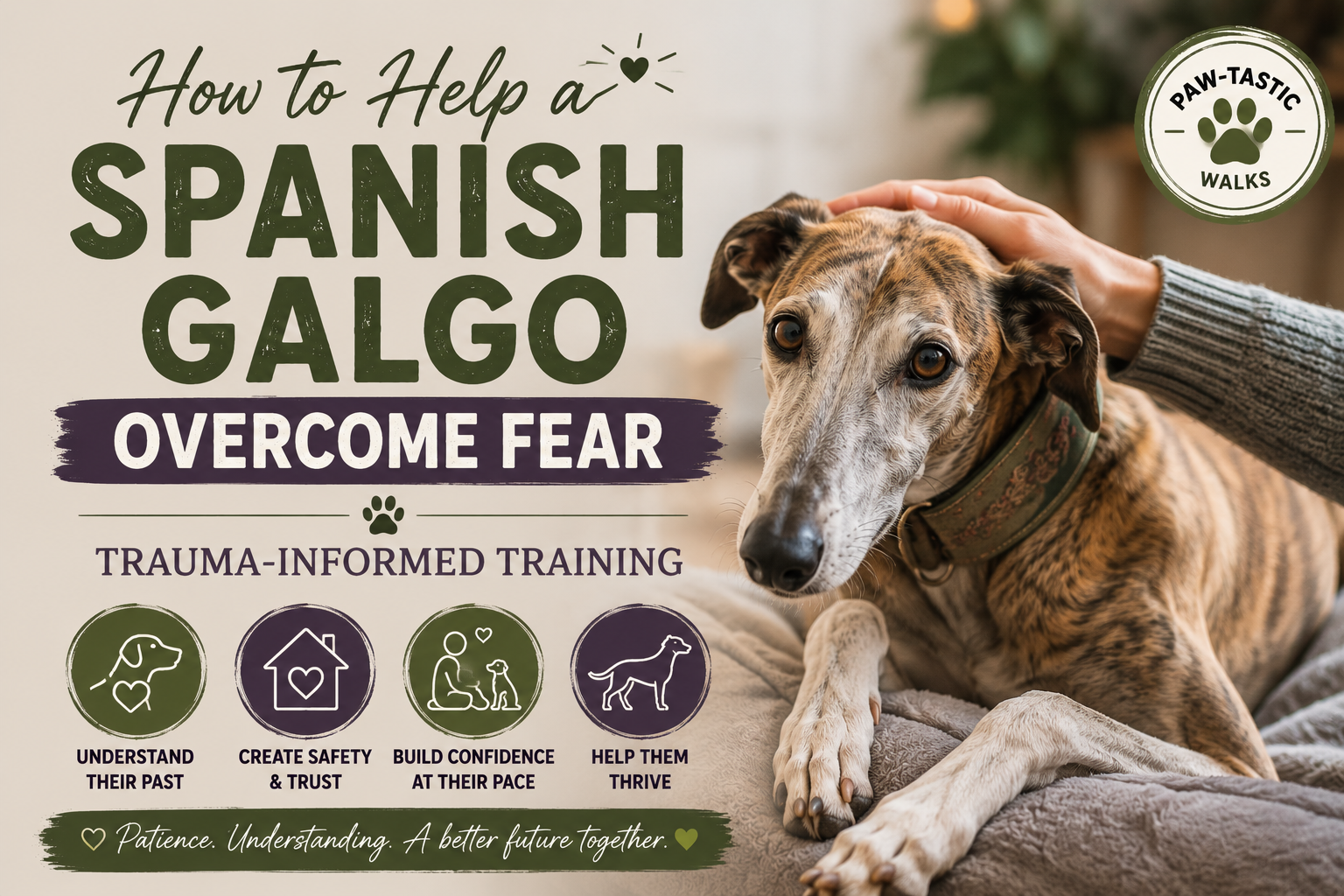
Trauma-Informed Training
Helping a dog overcome fear needs patience, understanding, and the right way. Galgos, in particular, might be more anxious due to their history. Trauma-informed training is a gentle, effective method that builds trust and confidence.
Using trauma-informed training helps your Galgo feel secure and supported. This method focuses on understanding and fixing the fear’s root causes, not just the symptoms. It’s about making a safe, nurturing space for your dog to heal and grow.
Key Takeaways
- Trauma-informed training is a gentle and effective approach to helping Galgos overcome fear.
- This method focuses on building trust and confidence.
- Understanding the root causes of fear is key for effective training.
- A safe and nurturing environment is essential for a Galgo’s healing process.
- Patience and consistency are key to successful trauma-informed training.
Understanding Trauma in Spanish Galgos
It’s key to understand the trauma Spanish Galgos face for their recovery. Trauma greatly impacts a dog’s mood and actions. Knowing the signs and causes helps in giving the right care.
Common Causes of Trauma in Galgos
Spanish Galgos can face trauma from being abandoned, abused, or not socialized. Many are rescued from racing or hunting, where they face harsh conditions. Knowing these causes is the first step to help them.
How Trauma Manifests in Galgo Behavior
Trauma in Galgos shows as fear, anxiety, or aggression. Signs include yawning, panting, avoiding people or places, and growling. These behaviors come from their past, not their true nature.
| Behavioral Sign | Possible Trauma Cause |
|---|---|
| Yawning, Panting | Stress, Anxiety |
| Avoidance Behaviors | Fear of People, Places |
| Growling | Past Abuse, Fear of Touch |
The Importance of Trauma-Informed Approaches
Using trauma-informed methods is essential for Galgos to overcome fears. This means creating a safe space, setting routines, and using calming tools. This care respects their emotional state and avoids more stress.
By knowing trauma’s causes and signs in Spanish Galgos, you can help them more. Using trauma-informed care improves their trust and behavior. This leads to a more confident and calm pet.
The Spanish Galgo: Breed Characteristics and Vulnerabilities
The Spanish Galgo is a breed with a long history in hunting. It has traits that make it both strong and vulnerable to trauma. To help a Spanish Galgo get over fear, we need to know about their breed and history.
History and Original Purpose of the Breed
For centuries, Spanish Galgos have been used as hunting dogs in Spain. They were bred to chase and catch small game like rabbits and hares over long distances. This background has given them a strong prey drive and endurance.
Knowing their history helps us understand how it shapes their behavior today.
Natural Temperament vs. Trauma Responses
By nature, Galgos are gentle, calm, and loving. But, traumatic experiences can change their behavior. It’s important to know the difference between their natural traits and how trauma affects them.
Why Spanish Galgos Are Particular Susceptible to Fear
Spanish Galgos are more likely to be afraid because of their sensitive nature and hunting history. This history sometimes included harsh treatment. Their sensitivity and past traumas make them more likely to develop fear.
| Characteristics | Description | Impact on Behavior |
|---|---|---|
| Gentle Nature | Calm and affectionate | Can be trusting with proper care |
| Hunting Background | Strong prey drive | May exhibit chase behavior |
| Sensitivity | Emotionally responsive | More susceptible to trauma |
Knowing these traits and how they affect behavior is key to helping Spanish Galgos overcome fear. This way, they can live happy and fulfilling lives.
Creating a Safe Environment for Rehabilitation
To help your Spanish Galgo overcome trauma, it’s vital to establish a secure and comforting environment.
Setting Up a Secure Physical Space
Creating a safe physical space is the first step in rehabilitating your Galgo. This involves setting up a quiet area where your dog can retreat when feeling overwhelmed.
Using a crate or a designated safe space can provide your Galgo with a sense of security. Ensure it’s well-ventilated and comfortable.
Establishing Predictable Routines
A predictable routine helps reduce your Galgo’s anxiety by providing a sense of stability. Establish regular times for feeding, walks, and play.
Using Calming Aids and Comfort Items
Calming aids like pheromone diffusers and comfort items such as a favorite blanket can significantly reduce your Galgo’s stress levels.
Calming Supplements and When to Use Them
| Calming Supplement | Usage | Benefits |
|---|---|---|
| Pheromone Diffusers | Continuous use | Reduces anxiety |
| L-theanine | As needed | Promotes relaxation |
| Calming Treats | During stressful events | Immediate calming effect |
By implementing these strategies, you can create a safe and supportive environment that fosters your Spanish Galgo’s recovery.
Building Trust: The Foundation of Recovery
Building trust with a traumatized Spanish Galgo is a delicate process. It needs patience, understanding, and a gentle approach. Trust grows slowly through positive interactions.
The Patience Principle: Taking It Slow
Patience is key when working with fearful dogs. Rushing can make things worse, causing more fear and anxiety. By moving slowly, you help your Galgo feel safe and comfortable.
Non-Threatening Body Language and Approaches
Your body language is very important. Using non-threatening postures, like avoiding eye contact, helps your dog feel secure. Moving calmly and gently also makes your dog feel safe.
Trust-Building Exercises for Fearful Galgos
Doing specific exercises can strengthen your bond with your Galgo. Hand-feeding and gentle touch are two effective methods.
Hand-Feeding Techniques
Hand-feeding is a great way to build trust. It teaches your Galgo that your presence is positive. Start with small, frequent sessions to build a strong bond.
Gentle Touch Progression
Gentle touch is comforting for fearful dogs. Start with light, brief touches that your Galgo can handle. Gradually increase the touch’s duration and gentleness. Always watch for your dog’s reactions to avoid upsetting them.
By using these trust-building strategies, you can help your Spanish Galgo overcome fears. This will create a strong, trusting bond between you and your dog.
Trauma-Informed Training Techniques for Spanish Galgos
Helping a traumatized Spanish Galgo needs a careful and informed training approach. These techniques help dogs face their fears in a safe, supportive way.
Understanding Trigger Thresholds
Knowing a Galgo’s trigger threshold is key in training. It’s the point where fear or anxiety kicks in. Working within these limits helps avoid overwhelming the dog and ensures training progress.
Desensitization and Counter-Conditioning Methods
Desensitization and counter-conditioning are strong tools for overcoming fears. An expert suggests starting with small exposures to triggers, then adding something the dog loves. This method slowly lessens fear over time.
Clicker Training for Fearful Dogs
Clicker training is a positive method for fearful dogs. It links the clicker sound with rewards, encouraging good behavior without stress.
The “Choice” Training Method
The “choice” method lets dogs decide how to react. It builds confidence and lowers anxiety in traumatized Galgos.
| Training Method | Description | Benefits |
|---|---|---|
| Desensitization and Counter-Conditioning | Gradual exposure to triggers paired with positive outcomes | Reduces fear responses over time |
| Clicker Training | Positive reinforcement using a clicker and rewards | Encourages desired behaviors without stress |
| “Choice” Training | Giving dogs the freedom to choose their response | Builds confidence and reduces anxiety |
Using these trauma-informed training methods can help a Spanish Galgo overcome fears. They can become more confident and calm.
“The key to successful training is not to push the dog beyond what they can handle, but to work within their comfort zone and gradually build their confidence.”
Addressing Specific Fear Triggers
Helping a Spanish Galgo overcome fear means finding and fixing what scares them. These fears can be different for each dog. So, it’s important to tailor your approach for the best results.
Fear of Handling and Physical Touch
Many Spanish Galgos are scared of being touched because of past bad experiences. Start by letting them come to you. Move gently and calmly. Give them treats when they let you touch them.
Fear of Specific Objects or Environments
Some Galgos are afraid of certain things or places. To help, slowly introduce them to what scares them. Do this in a safe, positive way. Reward them for staying calm.
Fear of Other Dogs or People
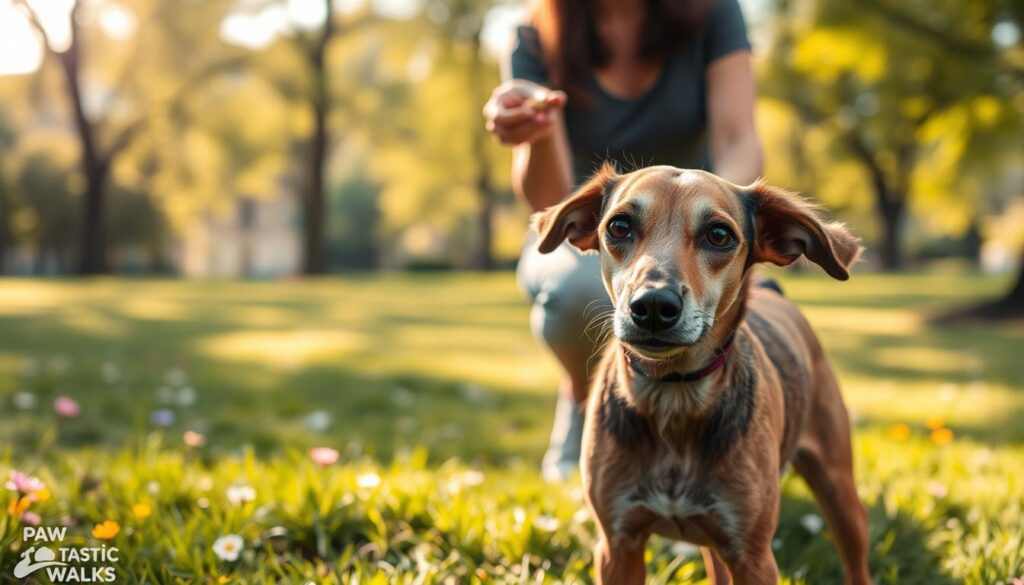
Getting your Galgo used to other dogs and people is key. Start with calm, friendly dogs or people. Slowly increase how much they see or meet, watching how they feel.
Fear of Loud Noises or Sudden Movements
Loud sounds and sudden movements can really scare a fearful Galgo. Make a quiet place for them during loud times. Help them get used to these things slowly, with treats and praise.
| Fear Trigger | Addressing the Fear | Tips for Success |
|---|---|---|
| Fear of Handling | Let dog initiate contact, use gentle movements | Reward with treats, be patient |
| Fear of Specific Objects | Gradual desensitization, positive context | Monitor reactions, adjust pace as needed |
| Fear of Other Dogs/People | Controlled socialization, calm introductions | Watch body language, reward calm behavior |
| Fear of Loud Noises | Create a safe space, gradual exposure | Use positive reinforcement, be consistent |
Understanding and tackling these fears can make your Spanish Galgo feel safer and more confident. This is a big step towards a successful recovery.
Socialization Strategies for Traumatized Spanish Galgos
Socialization for traumatized Spanish Galgos is about creating a safe space. It’s key to help your Galgo feel less scared and more confident.
Controlled Introduction to New Experiences
Introducing your Galgo to new things should be done slowly. Start with small steps and gradually add more new things. This could be new people, places, or objects.
Using Helper Dogs in Socialization
Helper dogs are great for socializing a traumatized Galgo. A calm dog can make your Galgo feel safer in new situations. Choose a helper dog that is gentle and patient, as this will help your Galgo trust more easily.
Public Outings: When and How to Start
Public outings can be tough for traumatized Galgos. But, with careful planning, they can help your Galgo get used to new things.
Choosing Low-Stress Environments
When going out, pick places that are calm for your Galgo. Avoid loud places or big crowds. Quiet parks or pet-friendly stores are better.
Reading Your Galgo’s Stress Signals
It’s important to know when your Galgo is stressed. If they seem scared or anxious, act fast to comfort them.
By using these strategies, you can help your traumatized Spanish Galgo feel more confident and less scared.
Managing Setbacks and Regression
Working with your Spanish Galgo to overcome fear and trauma is a journey. Setbacks are a normal part of this journey. It’s important to be ready for the ups and downs.
Normal Patterns of Recovery
Recovery patterns vary from one Galgo to another. Some may see quick progress followed by setbacks. Others may make slow but steady gains. Knowing this can help you stay committed.
How to Respond to Fear Relapses
When your Galgo has a fear relapse, stay calm and patient. Don’t punish or scold them. Instead, go back to a training stage where they felt safe.
Adjusting Your Approach When Progress Stalls
If your Galgo’s progress stalls, it’s time to adjust your training. You might need to slow down, try new techniques, or get help from a professional dog trainer.
| Signs of Setback | Response Strategy |
|---|---|
| Increased fear response | Return to previous training stage |
| Regression in behavior | Reintroduce comforting routines |
| Stalled progress | Adjust training pace or seek professional help |
Understanding recovery patterns and being ready for setbacks can help your Spanish Galgo. This way, they can overcome trauma and live a more confident, healthy life.
Success Stories: Rehabilitated Spanish Galgos
Success stories of Spanish Galgos inspire hope. They show how effective trauma-informed training is. These stories highlight the dogs’ resilience and their caregivers’ dedication.
Case Study: From Fearful to Confident
Luna, a Spanish Galgo, was rescued from a racing kennel. She was very afraid of loud noises and sudden movements. With slow and careful training, Luna learned to trust her world and people.
Within six months, Luna became a confident companion. She loved going for walks and playing without fear.
Timeline Expectations for Recovery
The recovery time for Spanish Galgos varies. It depends on the trauma’s severity and the rehab’s success. Noticeable improvements usually happen in the first few months. Progress continues for another year.
Lessons Learned from Successful Rehabilitations
Successful rehab teaches us patience, consistency, and tailored training. Every dog’s journey is unique. What works for one might not work for another.
By sharing these stories and strategies, we can help others. This way, we can support the effort to rehabilitate traumatized Spanish Galgos.
Conclusion: The Journey to a Confident Galgo
Helping a Spanish Galgo overcome fear is a rewarding journey. It needs patience, understanding, and trauma-informed training. By creating a safe space, building trust, and using effective training, you can help your Galgo become more confident and calm.
Understanding the root causes of trauma and addressing fear triggers are key steps. With consistent effort and the right approach, your Spanish Galgo can handle tough situations and thrive in a loving home.
If you’re thinking about spanish galgo adoption, remember the journey to confidence is possible. By providing a nurturing environment and dedicating time to their recovery, you can help your Galgo overcome fears. They will become a beloved member of your family.
Starting this journey changes your Galgo’s life and enriches yours. The bond you build through trust, patience, and understanding is special. It makes the journey to recovery fulfilling and worthwhile.
FAQ
What is trauma-informed training for Spanish Galgos?
Trauma-informed training helps Spanish Galgos deal with fear and trauma. It focuses on understanding their emotional state. Techniques like desensitization and counter-conditioning help them feel more confident.
How do I know if my Spanish Galgo has trauma?
Look for signs like fearful behavior and avoiding certain situations. If unsure, talk to a professional dog trainer or behaviorist.
What are the most common causes of trauma in Spanish Galgos?
Trauma in Spanish Galgos often comes from abuse, neglect, and stressful situations. Many are rescued from hunting, where they face trauma.
How can I create a safe environment for my traumatized Spanish Galgo?
Make a safe space with a secure area and predictable routines. Use calming aids and comfort items to reduce stress.
What is the “choice” training method, and how can it help my Spanish Galgo?
The “choice” method lets your dog decide when to approach feared objects. This builds confidence and reduces fear.
How can I help my Spanish Galgo overcome fear of handling or physical touch?
Start with small, gentle touch and reward calm behavior. Gradually increase touch to help your dog feel more comfortable.
What is desensitization and counter-conditioning, and how can it help my Spanish Galgo?
Desensitization and counter-conditioning expose your dog to feared stimuli with positive outcomes. This reduces fear and anxiety.
Introduce new experiences slowly, using helper dogs. Plan outings in calm places. Watch for stress signals and adjust as needed.
What if my Spanish Galgo experiences a setback or regression during training?
Setbacks are normal. Stay calm and adjust your training if needed. Seek help from a professional if unsure.
How long does it take to rehabilitate a traumatized Spanish Galgo?
Recovery time varies by dog and trauma severity. Be patient and work with a professional to create a tailored plan.
Can I adopt a Spanish Galgo with trauma?
Yes, many Spanish Galgos need homes. With patience and the right training, they can overcome fears and become loving companions.
What are some common fear triggers in Spanish Galgos?
Fear triggers include loud noises and sudden movements. Knowing these can help you plan effective training.
How can I find a reputable Spanish Galgo breeder or rescue organization?
Look online and ask for referrals. Make sure the organization focuses on the dogs’ welfare and rehabilitation.