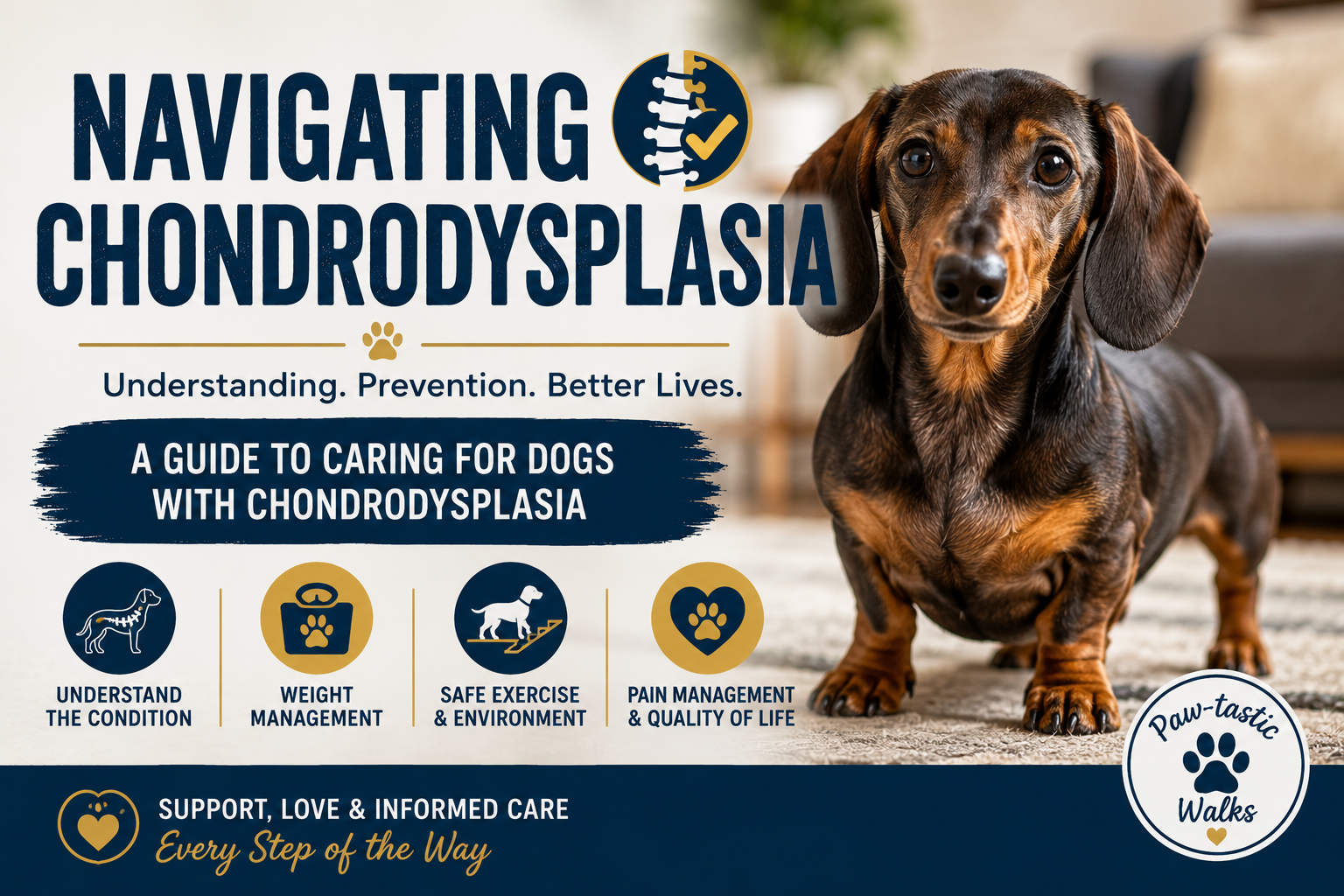
A Comprehensive Case Study for Dog Owners
As a dog owner, learning about genetic diseases in dogs can be tough. Chondrodysplasia is a condition that affects bone and cartilage growth.
It can really change your dog’s life.
This condition causes dogs to grow too short and have skeletal problems. Knowing about canine chondrodysplasia helps you face its challenges.
Our case study is here to help you understand and support your dog’s health.
Key Takeaways
- Understanding chondrodysplasia and its impact on dogs.
- Recognizing the signs and symptoms of dog bone disorders.
- The importance of genetic testing for genetic diseases in dogs.
- Navigating the challenges of caring for a dog with chondrodysplasia.
- Support and resources available for dog owners.
Understanding Chondrodysplasia in Dogs
Skeletal disorders like chondrodysplasia can really hurt a dog’s quality of life.
Chondrodysplasia is a genetic skeletal disease in dogs that messes with bone and cartilage growth. This leads to physical deformities and health problems.
Definition and Classification of Canine Skeletal Disorders
Chondrodysplasia is about bad cartilage and bone growth. It falls under skeletal dysplasias, which are disorders affecting bone and cartilage.
This condition can cause short limbs, bowed legs, and other skeletal issues.
Knowing the definition and classification is key to diagnosing and managing it well.
Prevalence and Affected Breeds
Some breeds, like dwarf dog breeds like Basset Hounds and Corgis, are more likely to have chondrodysplasia.
The risk varies among breeds, with some being more at risk due to their genes.
Breeds prone to it often have genetic mutations that affect bone growth.
Knowing which breeds are at risk helps with early diagnosis and care.
Understanding chondrodysplasia and its effects on chondrodysplastic breeds helps dog owners care for their pets better.
It also helps them make informed health decisions.
Case Study Introduction: Meet Max, a Basset Hound
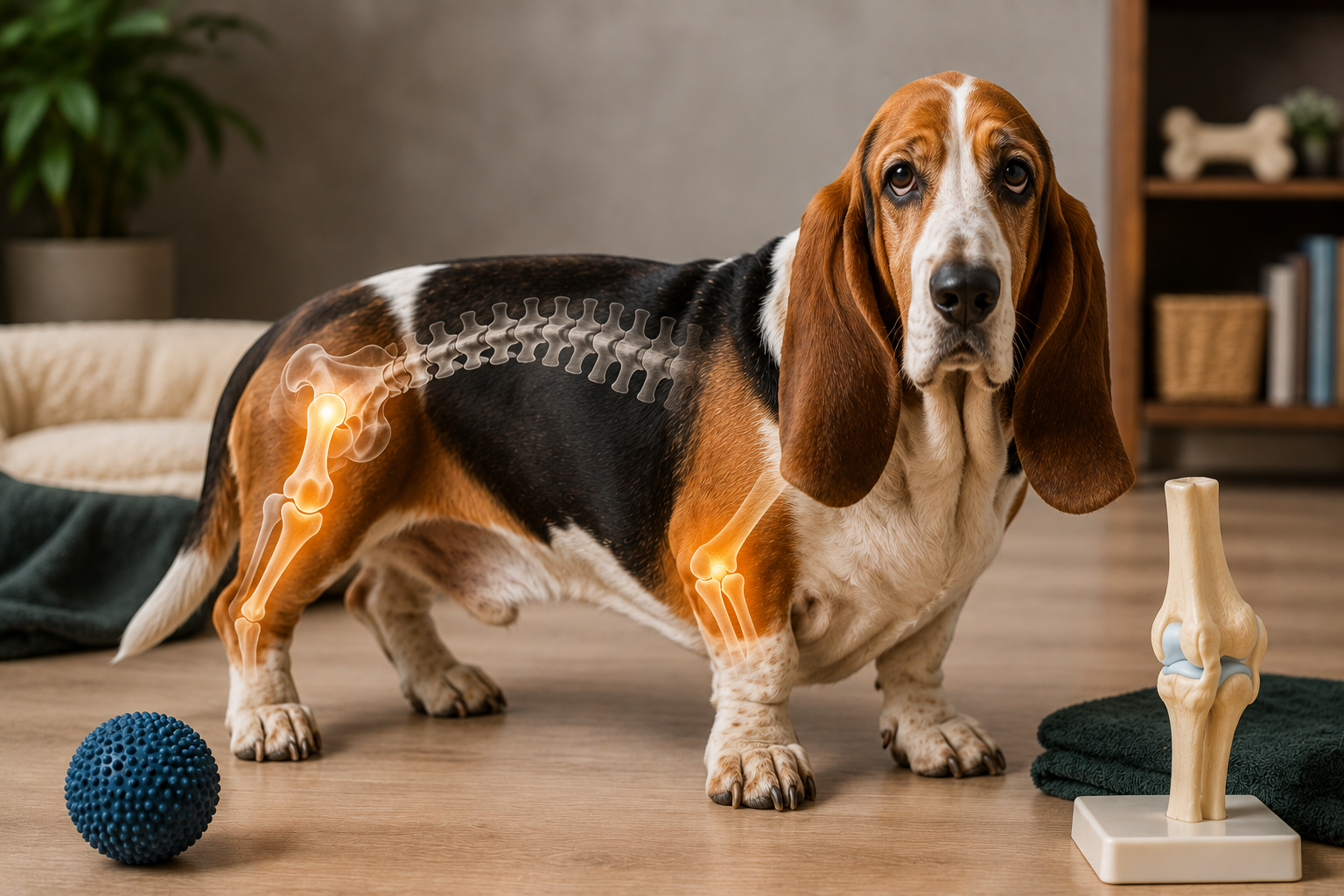
Meet Max, a Basset Hound whose story sheds light on the realities of living with chondrodysplasia.
Max’s journey is a compelling case study that illustrates the challenges and opportunities associated with this condition.
Background and Initial Presentation
Max was born with characteristics that would eventually lead to a diagnosis of chondrodysplasia, a form of skeletal dysplasia in dogs.
His breed, the Basset Hound, is known for its distinctive physical traits, but Max’s condition was more pronounced than usual.
As a puppy, Max exhibited dog dwarfism, a common manifestation of chondrodysplasia, which affects the normal development of cartilage and bone.
Family History and Genetic Factors
Max’s family history played a significant role in understanding his condition.
His parents were not diagnosed with chondrodysplasia, but they were carriers of the genetic mutation that causes the disorder.
This highlights the importance of genetic disorders in dogs and the need for responsible breeding practices to minimize the risk of hereditary conditions.
Owner’s First Observations and Concerns
Max’s owner noticed his unusual growth patterns from an early age. As Max grew, his owner became increasingly concerned about his mobility and comfort.
These observations led to a series of veterinary consultations, ultimately resulting in a diagnosis of chondrodysplasia.
The owner’s proactive approach to understanding Max’s condition is a valuable lesson for dog owners facing similar challenges.
The Genetic Basis of Chondrodysplasia
Chondrodysplasia in dogs is linked to genetics. Knowing this can help you care for your dog better.
This condition affects the bones and is caused by specific genetic changes in different breeds.
Hereditary Patterns and Genetic Mutations
Some dog breeds are more likely to have chondrodysplasia because of their genes.
Genetic mutations play a big role in how bones and cartilage grow. For example, a mutated gene can cause bones to grow abnormally, leading to dwarfism in some dogs.
Breed-Specific Genetic Variations
Each breed has its own genetic traits that can lead to chondrodysplasia. Basset Hounds, Dachshunds and Corgis, for example, have genes that make them more likely to have this condition.
Knowing these traits is important for breeders and owners.
Differentiating Normal Breed Characteristics from Disease
It’s key to tell normal breed traits from signs of chondrodysplasia. Some physical traits might be common in a breed but could also mean a dog has the condition.
For example, a dog’s short legs might be normal, but if they also have limb problems, it could be chondrodysplasia.
| Breed | Common Genetic Mutations | Associated Symptoms |
|---|---|---|
| Basset Hound | A mutation in a gene affecting cartilage development | Short limbs, joint pain |
| Corgi | A mutation influencing bone growth | Dwarfism, spinal issues |
Learning about the genetic causes of chondrodysplasia helps you take better care of your dog.
It lets you make informed choices about their health.
Clinical Manifestations and Diagnosis of Chondrodysplasia in Dogs
It’s key to know the signs of chondrodysplasia in dogs. This condition affects their bones and shows in different ways.
It’s a type of skeletal issue in dogs.
Physical Symptoms and Developmental Signs
Dogs with chondrodysplasia often grow abnormally. They might have short legs, bowed legs, and walk strangely.
These signs can really affect their quality of life.
Max, a Basset Hound, showed early signs like short legs and trouble moving.
Watching for these signs helps catch the problem early.
Diagnostic Procedures and Imaging Techniques
To find chondrodysplasia, vets do physical checks, X-rays, and sometimes genetic tests.
These tools help see how bad the bone problems are.
X-rays and Radiographic Findings
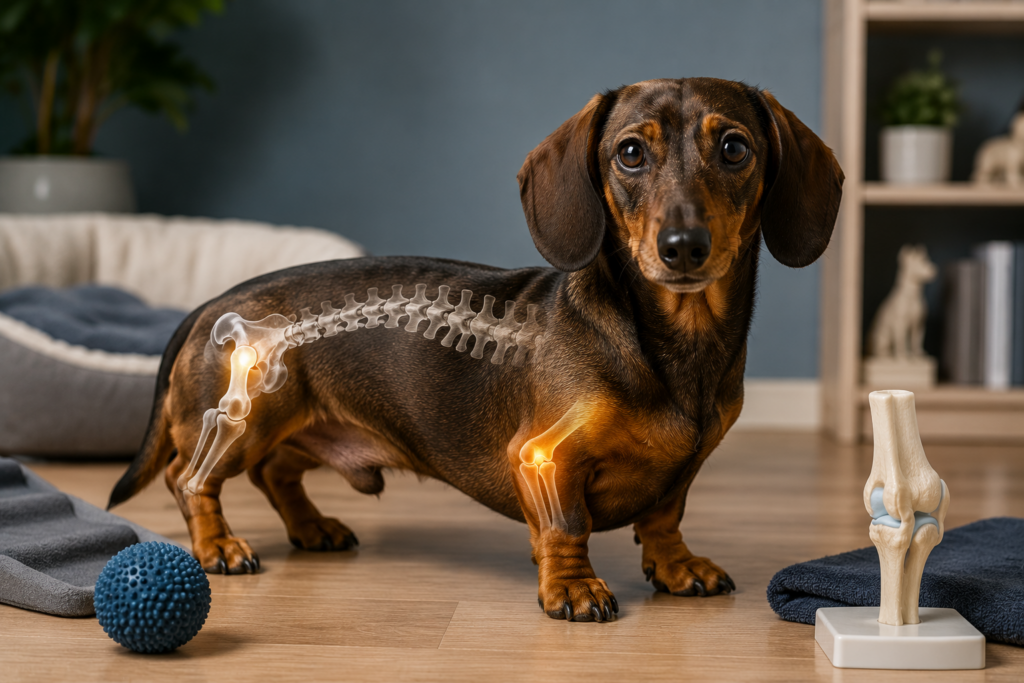
X-rays are key in spotting bone issues in chondrodysplasia. They show odd growth plates and bone density.
These signs help confirm the diagnosis.
| Radiographic Feature | Normal Dogs | Dogs with Chondrodysplasia |
|---|---|---|
| Growth Plate Regularity | Regular | Irregular |
| Bone Density | Normal | Abnormal |
Genetic Testing Options
Genetic tests can find specific chondrodysplasia mutations. This info is useful for breeders and owners.
It helps in making smart choices about breeding and managing the condition.
“Genetic testing has changed how we deal with hereditary dog conditions, like chondrodysplasia.”
Max’s Diagnostic Journey
Max’s diagnosis came from physical checks, X-rays, and genetic tests. His story shows why a detailed check-up is important for chondrodysplasia.
Vets can accurately diagnose and treat chondrodysplasia with the right tools.
This helps dogs get the care they need.
Treatment Approaches for Canine Skeletal Dysplasia
Managing chondrodysplasia in dogs needs a detailed plan. This plan might include medicine, surgery, and ways to manage pain.
Knowing these options helps dog owners make the best choices for their pets.
Medical Management Strategies
Medical management is often the first step. It includes anti-inflammatory drugs to lessen pain and swelling.
Physical therapy helps keep joints moving and muscles strong.
Weight management is also key, as extra weight can make things worse.
Surgical Interventions When Necessary
Surgery might be needed for severe skeletal issues. It can help improve a dog’s life quality.
The surgery type depends on the dog’s specific needs.
Pain Management Protocols
Managing pain is vital in treating chondrodysplasia. This can involve medicine, acupuncture, and lifestyle changes.
Keeping an eye on your dog’s pain and adjusting the treatment is important.
Max’s Treatment Plan and Response
Max, a basset hound, got a mix of medical care and pain relief. His plan included special exercises, managing his weight, and pain meds.
Thanks to this, Max’s life got better.
| Treatment Component | Description | Benefit |
|---|---|---|
| Medical Management | Anti-inflammatory medications, physical therapy | Reduces pain and inflammation, maintains joint mobility |
| Surgical Interventions | Corrective osteotomies, joint surgeries | Corrects skeletal deformities, improves quality of life |
| Pain Management | Medication, alternative therapies, lifestyle adjustments | Minimizes discomfort, improves quality of life |
Knowing about different treatments helps dog owners and vets create a care plan. This plan is made just for the dog’s needs.
Living with Chondrodysplasia: Daily Care Regimen
Caring for a dog with chondrodysplasia means focusing on diet, exercise, and home adjustments.
As a dog owner, you’re key to managing your pet’s health and happiness.
Nutrition and Weight Management
Good nutrition is vital for dogs with chondrodysplasia. A balanced diet that’s not too rich is essential.
Keeping your dog at a healthy weight helps their bones and slows the disease.
| Nutritional Component | Recommended Action |
|---|---|
| Caloric Intake | Monitor and adjust daily calories to maintain ideal weight |
| Protein Quality | Ensure high-quality protein sources are included in the diet |
| Supplements | Consult with a veterinarian about adding joint supplements |
Exercise Modifications and Physical Therapy
Exercise is key for dogs with chondrodysplasia, but it must be gentle. Short walks and swimming are great for keeping them mobile without hurting their joints.
Physical therapy can also help.
It includes massage, stretching, and hydrotherapy to improve your dog’s comfort and movement.
Environmental Adaptations for Comfort
Creating a cozy home for your dog is important. This means using supportive beds, ramps, and making sure they can easily get to food and water.
Practical Tips from Max’s Owner
Max’s owner has learned a lot about caring for their dog. They say making their home dog-friendly has been a game-changer.
Simple changes like ramps and comfy beds have helped a lot.
By following these tips and working with your vet, you can make your dog’s life more comfortable with chondrodysplasia.
Long-term Prognosis and Quality of Life Considerations
The long-term outlook for dogs with skeletal dysplasia is hopeful. With the right care, many dogs live happy lives.
It’s important for dog owners to know what affects their pet’s quality of life.
Monitoring Disease Progression
Regular vet visits are key to tracking chondrodysplasia. These visits help adjust treatment plans to keep dogs comfortable.
Managing Secondary Complications
Dogs with chondrodysplasia face risks like arthritis and obesity. Managing these with diet, exercise, and meds is critical for their well-being.
Life Expectancy and Quality Metrics
Chondrodysplasia can impact a dog’s life span, but many dogs live long, happy lives.
Metrics like mobility, pain levels, and overall health are key to a dog’s quality of life.
| Quality Metric | Indicators | Interventions |
|---|---|---|
| Mobility | Ability to walk, run, and play | Physical therapy, exercise modification |
| Pain Levels | Signs of pain or discomfort | Pain management medication, alternative therapies |
| Overall Well-being | Appetite, energy levels, happiness | Nutrition counseling, environmental adaptations |
Max’s Progress Over Time
Max, the Basset Hound, has shown incredible resilience. Thanks to careful management and regular vet care, Max enjoys a good quality of life.
This shows that with the right care, dogs with chondrodysplasia can thrive.
Ethical Considerations in Breeding and Chondrodysplastic Breeds
When we talk about chondrodysplastic breeds, we must think about the ethics of breeding. Some breeds have a high rate of chondrodysplasia, leading to debates.
People question if it’s right to breed dogs with these genetic skeletal diseases.
Responsible Breeding Practices
It’s important to breed responsibly to avoid chondrodysplasia risks. Breeders should focus on genetic diversity and not breed dogs with known health issues.
They need to do genetic tests to check for chondrodysplasia mutations.
Breed Standards versus Health Concerns
Breed standards and dog health often clash. Dwarf dog breeds, for example, have a chondrodysplastic trait that leads to orthopedic conditions.
Breeders must weigh keeping breed standards against the need to protect dog health.
Future Directions in Genetic Research
Genetic research is getting better, which could help dogs with skeletal diseases.
Scientists are finding the genes behind chondrodysplasia. This could lead to better tests and treatments, helping future dogs.
Making Informed Decisions as Dog Owners
Dog owners have a big role in promoting ethical breeding. By choosing to adopt or support healthy breeders, they can help change breeding.
Learning about chondrodysplasia and responsible breeding is key to better dog health.
FAQ
What is chondrodysplasia in dogs?
Chondrodysplasia is a genetic disorder that affects dogs’ cartilage and bone development. It leads to skeletal issues and dwarfism.
Which dog breeds are commonly affected by chondrodysplasia?
Breeds like Basset Hounds, Corgis, and some terriers are more likely to have chondrodysplasia. This is because of their genetic makeup.
What are the symptoms of chondrodysplasia in dogs?
Symptoms include short legs, long bodies, joint pain, and mobility issues. These symptoms can vary in each dog and breed.
How is chondrodysplasia diagnosed in dogs?
Diagnosis involves a physical exam, X-rays, and genetic tests. These help find the genetic mutations causing the condition.
Can chondrodysplasia be treated, and if so, how?
There’s no cure, but treatment aims to manage symptoms. This includes medical care, surgery, pain management, and lifestyle changes.
How can I care for a dog with chondrodysplasia?
Caring for a dog with chondrodysplasia means focusing on nutrition, weight management, and exercise.
You also need to make environmental adjustments and schedule regular vet visits.
What are the long-term considerations for dogs with chondrodysplasia?
Long-term care includes watching the disease progress, managing complications, and keeping the dog’s quality of life high. This is done through proper care and management.
Are there ethical considerations in breeding dogs with chondrodysplasia?
Yes, there are. Responsible breeding is key to lowering chondrodysplasia rates.
Breeders should focus on health over breed standards.
Can genetic research help in managing chondrodysplasia in dogs?
Genetic research is essential. It helps understand the condition’s genetics, develop tests, and guide breeding to reduce its occurrence.
Conclusion: Lessons Learned from Max’s Journey
Caring for a dog with chondrodysplasia needs dedication, patience, and a deep understanding of the condition.
Max’s story shows the ups and downs of managing this condition in dogs.
Managing chondrodysplasia well means using many strategies.This includes medical care, surgery when needed, and managing pain.
Knowing the genetic and clinical aspects helps you care for your dog the best way.Max’s journey teaches us about the role of nutrition, weight control, and exercise for dogs with bone disorders.
Making smart choices and working with your vet can greatly improve your dog’s life.This way, your dog can live happily despite chondrodysplasia.
Dealing with chondrodysplasia in dogs is a long-term effort. With the right steps, you can help your dog face its challenges and live better.Being informed and proactive can greatly improve your dog’s health.