
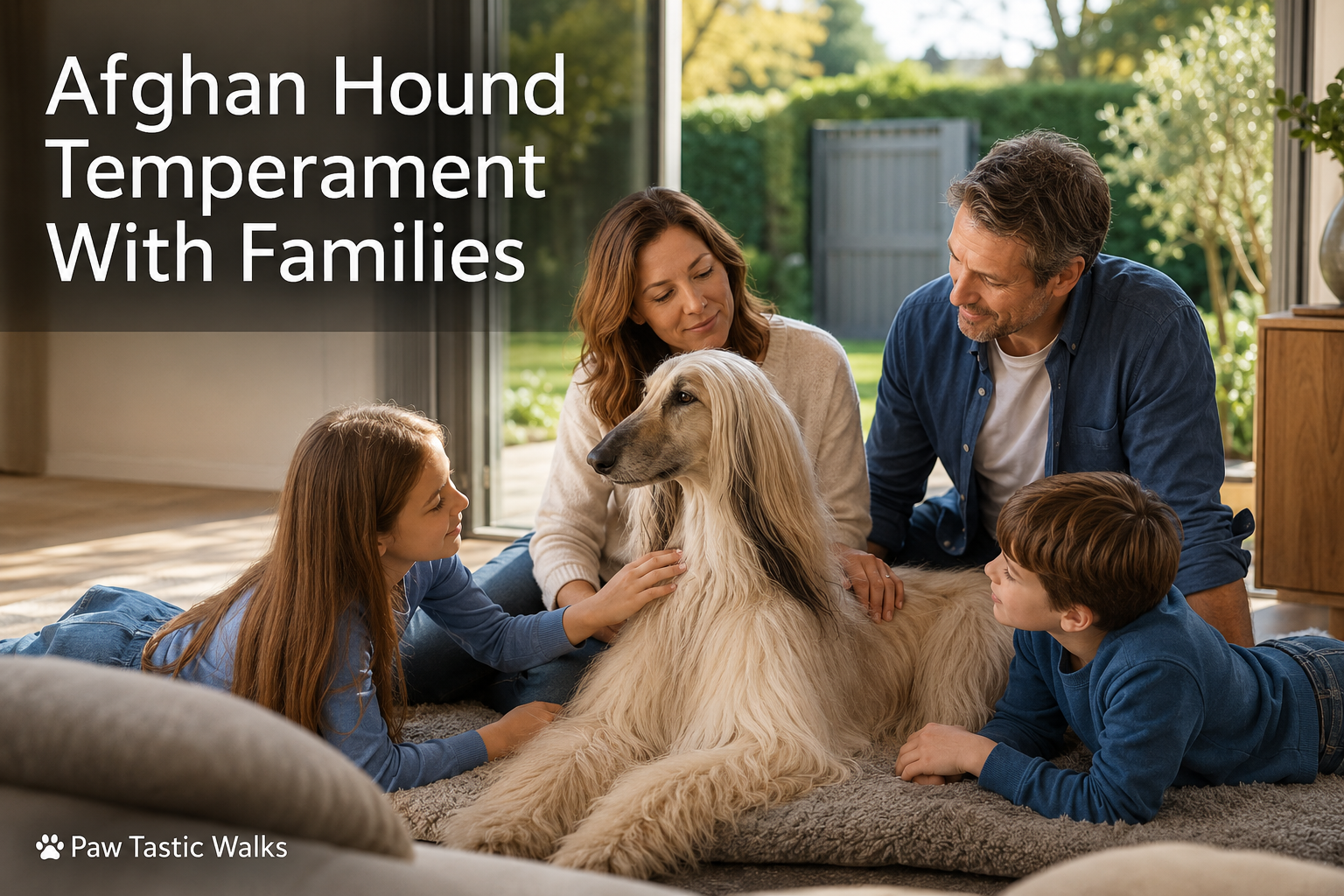
The Afghan Hound is a breed known for its striking appearance and rich history. It comes from Afghanistan and was bred for its sharp eyesight and agility.
This makes it an excellent hunter of small game.
Afghan Hounds have an elegant coat and a regal demeanor. They often leave a lasting impression. But how do they fare in a family setting?
It’s important to understand their personality traits for families considering bringing them home.
Afghan Hounds are known to be independent and aloof at times. But they also have a gentle side. Their behavior around children can vary. So, it’s essential for families to be aware of their needs and characteristics.
Key Takeaways
- Afghan Hounds are sight hounds with a history of hunting small game.
- Their independent nature can make them aloof, but they also have a gentle side.
- Understanding their personality traits is key for a harmonious family environment.
- Families should be aware of the needs and characteristics of Afghan Hounds.
- Afghan Hounds can be a great addition to families who understand their requirements.
Understanding the Afghan Hound: History and Background
The Afghan Hound comes from the tough lands of Afghanistan. Their past shows how they adapted and excelled in hunting.
Origins and Heritage of the Afghan Hound
The Afghan Hound’s history goes back thousands of years. They lived in Afghanistan’s mountains. They were made to chase big game, using their speed, agility, and sharp eyes.
Evolution as a Hunting Companion
The Afghan Hound became a skilled hunter. They were independent and resourceful. Their talent for hunting in tough places made them very useful to Afghan tribes.
How History Shapes Modern Temperament
The Afghan Hound’s past shapes their today. They are aloof yet loyal. Knowing their history helps us understand their behavior.
| Historical Trait | Modern Manifestation |
|---|---|
| Independence in hunting | Aloofness with strangers |
| Resourcefulness | Intelligence and problem-solving |
| Loyalty to tribe | Devotion to family |
The Afghan Hound’s history is rich and tells us about their modern traits. By knowing their origins, we can truly appreciate their special qualities.
The Distinctive Afghan Hound Temperament With Families
The Afghan Hound’s temperament is a mix of calm reserve and loyal companionship. They are independent but bond strongly with their families.
Core Personality Traits
Afghan Hounds are calm and gentle. They are not usually anxious or high-strung. This makes them perfect for families seeking a relaxed pet. Their dignified nature makes them seem aloof or reserved.
Independence vs. Affection Balance
Afghan Hounds balance independence with affection well. They enjoy family time but also value their alone time. This balance suits families with different lifestyles.
Dignified Nature in Family Settings
In families, Afghan Hounds show their dignified side. They move with elegance and poise, which is charming. Here are some key aspects of their dignified nature:
- They are generally quiet and not prone to unnecessary barking.
- Afghan Hounds are known for their cleanliness and can be quite fastidious.
- They tend to be laid-back and not easily ruffled.
| Trait | Description |
|---|---|
| Independence | Afghan Hounds value their alone time but also enjoy family company. |
| Affectionate Nature | Despite their independence, they form strong bonds with their families. |
| Dignified Behavior | Their calm and gentle demeanor contributes to their dignified nature. |
Afghan Hounds and Children: Compatibility Analysis
The way Afghan Hounds get along with kids depends on a few things. Socialization and training play big roles.
If they’re well-socialized, Afghan Hounds can be friendly with kids. But, it’s key to teach kids how to handle them gently and with respect.
Interactions With Young Children
Afghan Hounds can be kind to little kids if they’re introduced right. But, they like their space and might not always want to play. It’s important to watch how they interact to keep everyone safe and happy.
Relationships With Older Children and Teenagers
Afghan Hounds can really bond with older kids and teens. If they’re part of the dog’s care and training, they can become very close.
Older kids can understand and respect the dog’s need for alone time, making a good friendship.
Teaching Children to Respect Afghan Hound Boundaries
It’s important to teach kids to respect Afghan Hounds’ space. This means not teasing them, not waking them up when they’re sleeping, and being gentle when petting. By teaching kids how to interact with Afghan Hounds right, you create a safe and loving home for both.
By considering these factors and taking the necessary steps, families can enjoy a harmonious household with both children and Afghan Hounds thriving together.
The Sensitive Nature of Afghan Hounds
It’s important to understand the sensitive nature of Afghan Hounds for a peaceful home. Their deep emotions and smarts make them very aware of family vibes.
Emotional Intelligence and Sensitivity
Afghan Hounds have emotional intelligence. They can pick up on their family’s feelings. This makes them caring friends, but they can also feel household stress.
They do best in calm, steady environments. Harsh words or actions upset them. So, a soothing and caring home is key.
Responding to Family Dynamics
Afghan Hounds react to family life because of their sensitive nature. They bond strongly with family, sometimes more with one person.
They sense the mood of the home. This means they notice when family changes, like new people or different routines.
Stress Triggers in Household Environments
Things like loud noises, messy homes, and unpredictable schedules stress Afghan Hounds. Knowing these stressors helps make a better home for them.
By avoiding these stressors, your Afghan Hound will feel safer. This can also cut down on stress behaviors.
Loyalty and Bonding Patterns in Afghan Hounds
Afghan Hounds are known for their loyalty. They bond closely with one person or the whole family. Their strong attachments make them wonderful companions.
How Afghan Hounds Form Attachments
Afghan Hounds bond through regular interaction and positive feedback. They love attention and affection from their family.
Consistency and positive reinforcement are key to a strong bond.
Spending quality time with your Afghan Hound is important. Activities like grooming or cuddling help them feel secure and loved. This builds a deep and lasting bond.
Signs of Loyalty in Daily Interactions
Afghan Hounds show loyalty in many ways. They follow their family, protect them, and show affection through nuzzling. These behaviors show their strong emotional bond.
| Signs of Loyalty | Description |
|---|---|
| Following Family Members | Afghan Hounds often follow their owners around the house, demonstrating their loyalty and attachment. |
| Protective Instincts | They can be protective of their family, showing a natural guarding instinct. |
| Affectionate Behavior | Nuzzling, leaning, and cuddling are common ways Afghan Hounds show affection to their family members. |
Single-Person Bonding vs. Whole-Family Bonding
Afghan Hounds bond strongly with their primary caregivers. But they can also bond with the whole family.
Engaging in activities with multiple family members can encourage whole-family bonding.
While they may be loyal to one person, Afghan Hounds can also bond with many. This makes them great for families with multiple members.
Exercise Needs and Family Lifestyle Compatibility
Afghan Hounds need regular exercise to be happy and healthy. But how does this fit into family lifestyles?
It’s key for families to understand their exercise needs. This ensures they can give their Afghan Hound the right activities and environment.
Daily Exercise Requirements
Afghan Hounds need daily exercise that matches their energy and hunting instincts. This includes 30 minutes of walking or running and playtime that challenges their mind and body. It’s important to find a balance between exercise and rest for their happiness and health.
Family Activities Suitable for Afghan Hounds
Families can do many activities with their Afghan Hounds. This includes long walks, playtime in securely fenced areas, and interactive games that test their hunting skills.
These activities not only exercise them but also strengthen the bond between dog and family.
Balancing Exercise With Family Schedules
It can be tough to balance exercise with family schedules. But, it’s vital to prioritize your Afghan Hound’s needs. You can fit their exercise into your daily routine, like morning walks or evening playtime.
This way, your Afghan Hound gets the exercise they need without upsetting family life.
Training Challenges for Family-Owned Afghan Hounds
Training Afghan Hounds can be tough for families. This is because of the breed’s independent nature and sensitive personality.
Knowing these challenges helps in finding the right training methods.
Effective Training Approaches for Families
Training an Afghan Hound needs patience, consistency, and positive reinforcement. Families should use reward-based training.
This approach avoids punishing the dog, which can hurt its feelings. Positive reinforcement training also makes the bond between dog and family stronger.
Common Training Obstacles and Solutions
A common challenge is the Afghan Hound’s independent streak. This can make them hard to train.
To solve this, families should stick to a consistent training schedule. They should also make sure everyone uses the same commands and rewards.
Another issue is the dog’s sensitivity. Harsh words or punishment can be bad. Instead, gentle, positive reinforcement works best.
| Training Challenge | Solution |
|---|---|
| Independent Streak | Consistent Training Routines |
| Sensitivity to Criticism | Positive Reinforcement |
Consistency Across Family Members
Consistency is key in training an Afghan Hound. Everyone in the family should agree on commands, rewards, and discipline. This avoids confusion and helps the dog understand what’s expected.
Age-Appropriate Training Responsibilities
Family members can take on training tasks based on their age and ability. Older kids can help with simple tasks. This teaches them responsibility and helps them bond with the dog.
“Consistency in training is not just about the dog; it’s about the family becoming a cohesive unit in their approach to training.”
By understanding the unique challenges and using effective training strategies, families can enjoy a well-behaved and loving Afghan Hound companion.
Managing Afghan Hound Behavior in Family Settings
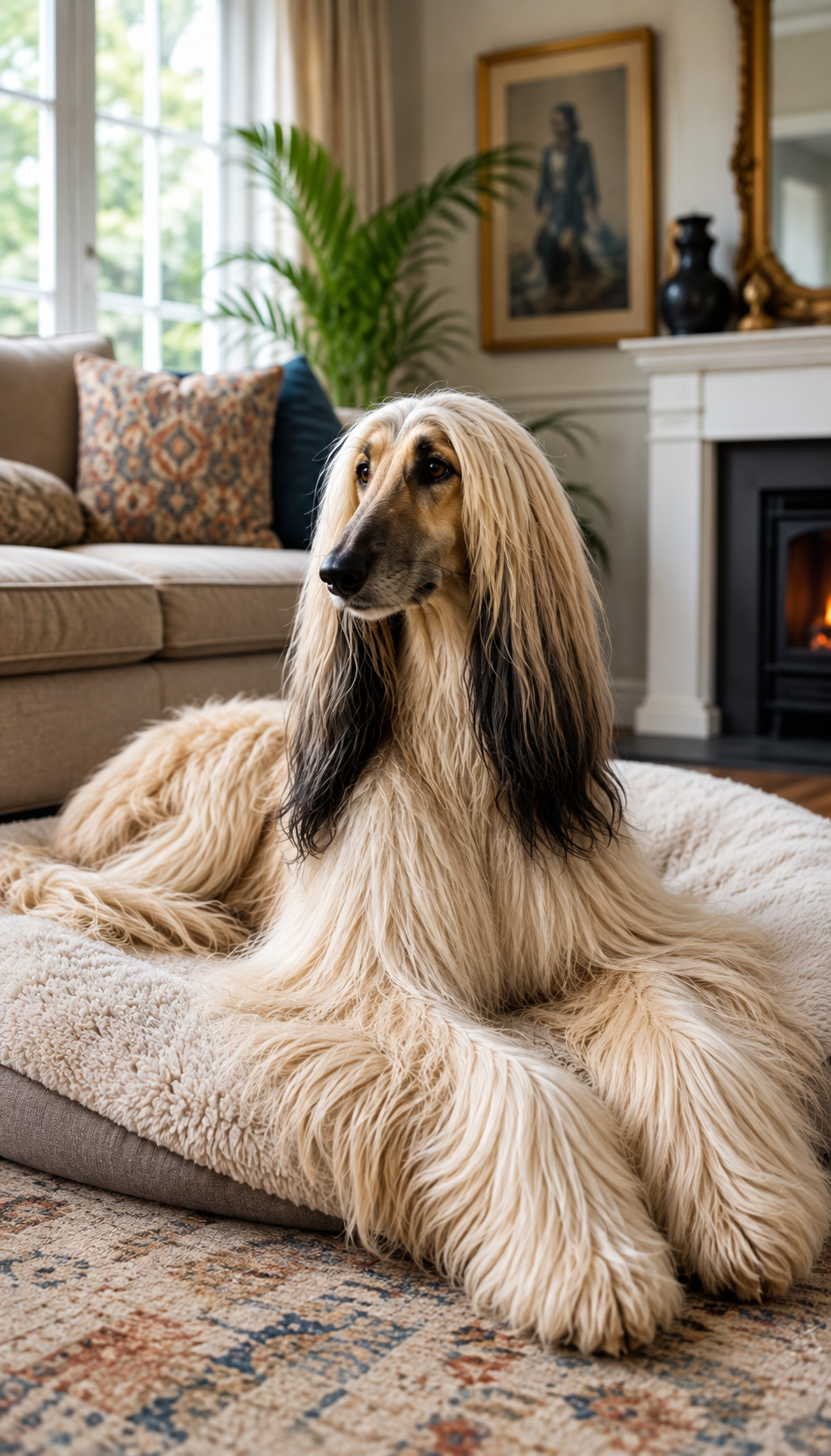
Afghan Hounds are known for being independent and having a strong prey drive. This makes them challenging in family settings.
Understanding and addressing these traits is key to a harmonious home.
Addressing Independent Streaks
Afghan Hounds are independent, which might seem like aloofness. But, this is part of their heritage as hunting dogs.
To manage this, set clear boundaries and stick to consistent training.
Handling Prey Drive Around Small Children
Managing Afghan Hound behavior is critical, mainly their strong prey drive around small kids. Always supervise interactions and teach kids how to safely interact with the dog.
Socialization Techniques for Family Environments
Socialization is vital for your Afghan Hound to be a good family member. Introduce them to different environments, people, and animals to improve their social skills.
Preventing Unwanted Behaviors
To prevent unwanted behaviors in Afghan Hounds, use consistent training, enough exercise, and positive reinforcement. Here are some tips:
| Strategy | Description | Benefits |
|---|---|---|
| Consistent Training | Establish clear rules and routines | Reduces confusion and stress |
| Adequate Exercise | Provide regular physical activity | Burns off energy, reduces destructive behavior |
| Positive Reinforcement | Reward good behavior with treats and praise | Encourages desired behaviors |
By using these strategies, you can manage your Afghan Hound’s behavior well. This will help create a peaceful family environment.
Afghan Hounds in Different Family Structures
Afghan Hounds can thrive in various family structures, making them a versatile pet choice. Their adaptability is one of their most appealing traits. This allows them to fit seamlessly into different family dynamics.
Single-Parent Households
In single-parent households, Afghan Hounds can form strong bonds with their sole caregiver. They are often described as “velcro dogs” because of their tendency to stick close by. But they also value their independence.
This is beneficial for busy single parents who may not always be available to play or interact.
Multi-Generational Families
In multi-generational families, Afghan Hounds can benefit from diverse interactions with family members of different ages.
They tend to be gentle and dignified, making them a good fit for households with older adults. Their calm nature can also help in soothing younger family members.
Families With Multiple Children
For families with multiple children, Afghan Hounds can be a wonderful addition. They teach children about responsibility and compassion.
But, it’s essential to supervise interactions between the children and the dog. This ensures the dog’s sensitive nature is respected.
As Renowned dog trainer, Karen Pryor, once said,
“The key to successful dog training is to understand the dog’s nature and work with it, not against it.”
This is very relevant when integrating an Afghan Hound into your family, regardless of its structure.
Afghan Hounds and Other Family Pets
Thinking about getting an Afghan Hound as a family pet? It’s important to know how they get along with other pets.
Afghan Hounds can live with other pets if they’re socialized right. But, their hunting instinct might cause some problems.
Compatibility With Dogs
Afghan Hounds can be friends with other dogs if they grow up together. But, they might chase smaller dogs because of their strong prey drive.
Interactions With Cats and Smaller Pets
Afghan Hounds have a strong instinct to chase, which isn’t good for homes with cats or small pets. They need to be socialized early to get along.
Introduction Strategies for New Pets
Bringing an Afghan Hound to meet new pets needs patience and planning. Start with slow introductions in a neutral place. Watch their behavior closely.
| Pet Type | Compatibility | Introduction Tips |
|---|---|---|
| Other Dogs | Generally compatible, if raised together | Gradual introduction, monitor body language |
| Cats and Smaller Pets | Can be challenging due to high prey drive | Early socialization, slow and controlled introductions |
Potential Challenges: When Afghan Hounds May Not Suit Families
Before getting an Afghan Hound, it’s key to know the challenges they bring. They are loving and loyal but need special care. This might not fit every family’s lifestyle.
Time Commitment Realities
Afghan Hounds need regular grooming to keep their coats from matting. They also need exercise to stay healthy. Families must think if they can commit to these tasks.
Financial Considerations
Having an Afghan Hound can be expensive. Costs include food, grooming, and vet bills. Here’s a look at what you might spend each month and year.
| Expense | Monthly Cost | Annual Cost |
|---|---|---|
| Food | $50-$75 | $600-$900 |
| Grooming | $30-$90 | $360-$1080 |
| Veterinary Care | $50-$100 | $600-$1200 |
Lifestyle Mismatches to Avoid
Afghan Hounds don’t fit well with very active or very sedentary families. They do best in a balanced environment.
Signs That an Afghan Hound Is Stressed in a Family Environment
Watch for signs of stress in Afghan Hounds, like excessive barking, pacing, or withdrawal. If you see these, it might be time to rethink your family’s lifestyle and how it affects your dog.
Knowing these challenges and stress signs helps you decide if an Afghan Hound is right for your family.
Conclusion: Is the Afghan Hound Right for Your Family?
Afghan Hounds can be great pets for the right family. They need owners who understand their needs and challenges. Their temperament, loyalty, and exercise needs are key to deciding if they fit your family.
Think about your lifestyle, experience, and what you expect from a pet. If you’re ready to groom, train, and exercise them, they’ll be a loving friend.
They’re independent and sensitive, so they need a family that gets them.
When thinking about Afghan Hounds, consider your family’s dynamics. Think about young children and other pets. This helps you decide if an Afghan Hound is right for you.
Choosing an Afghan Hound should be a careful decision. Make sure you can give them the care they need.
If you’re ready, an Afghan Hound can bring joy and love to your family. So, the answer to “is afghan hound right for your family” is yes.

FAQ
Are Afghan Hounds good with children?
Afghan Hounds can get along with kids if they’re socialized right. Kids should learn to respect them.
But, they might not be the best for very young ones because of their independent and sensitive nature.
How much exercise do Afghan Hounds require?
Afghan Hounds need daily walks and sometimes runs or playtime. They’re not super energetic, so they fit into many family lifestyles.
Are Afghan Hounds easy to train?
Training Afghan Hounds can be tough because of their independent nature. Use positive reinforcement and make sure everyone in the family agrees on training methods to avoid confusing them.
How do Afghan Hounds interact with other pets?
Afghan Hounds can be friendly with other dogs if they’re socialized early. But, they might chase small pets like cats or rabbits. Introduce them carefully to avoid problems.
Are Afghan Hounds loyal to their families?
Yes, Afghan Hounds are very loyal. They bond strongly with their families but can be shy with strangers.
They show their loyalty through affection and gentleness.
Can Afghan Hounds thrive in different family structures?
Afghan Hounds can adjust to many family types, like single parents or big families. But, they do best in places where they get consistent care and attention.
What are the grooming needs of Afghan Hounds?
Afghan Hounds have a thick coat that needs daily brushing to avoid mats. They also need regular baths to keep their coat clean and healthy.
Are Afghan Hounds prone to any specific health issues?
Afghan Hounds are generally healthy but can face issues like hip dysplasia, eye problems, and bloat. Regular vet visits are key to keeping them healthy.
How can families manage the independent streak of Afghan Hounds?
To handle an Afghan Hound’s independent streak, use consistent training, set clear rules, and give them enough exercise and mental challenges. Positive reinforcement helps a lot.
What lifestyle considerations should families consider before adopting an Afghan Hound?
Families should think about their lifestyle before getting an Afghan Hound. They need regular grooming, exercise, and training.
Also, consider if their household can handle the dog’s sensitive and independent nature.