Yorkshire Terriers weren’t originally bred to sit in handbags. What were Yorkies bred for? They were practical working terriers and skilled ratters, bred to control vermin in textile mills, coal mines, and industrial communities across northern England.
If you’re searching for “what were yorkies bred for original purpose,” the answer is vermin control.
Scottish workers brought small terrier types south, where the Yorkshire Terrier became a tough, useful dog in Yorkshire’s mills.
Selective breeding later refined its small size and elegant appearance, leading to the companion Yorkie we know today. Its working history still shapes the breed’s lively personality.
Let’s follow the Yorkshire Terrier’s journey through this Yorkshire Terrier first-dog guide, then explore our growing Payhip guides and ebook guides on Etsy.
This post may contain affiliate links. If you make a purchase through these links, I may earn a small commission at no extra cost to you.
Key Takeaways
- Yorkies were originally bred as working ratters, controlling vermin in Yorkshire’s coal mines and textile mills.
- Their small size helped them navigate cramped industrial spaces, while their instincts made them fearless hunters.
- Scottish workers brought small terrier types to Yorkshire, helping shape the breed’s early development.
- The name Yorkshire Terrier became established in the late 1800s, before the breed gained popularity as a household companion.
- For more history, read the AKC’s Yorkshire Terrier guide and Yorkshire Terrier background.
What Were Yorkies Bred For? Their Original Purpose in Yorkshire
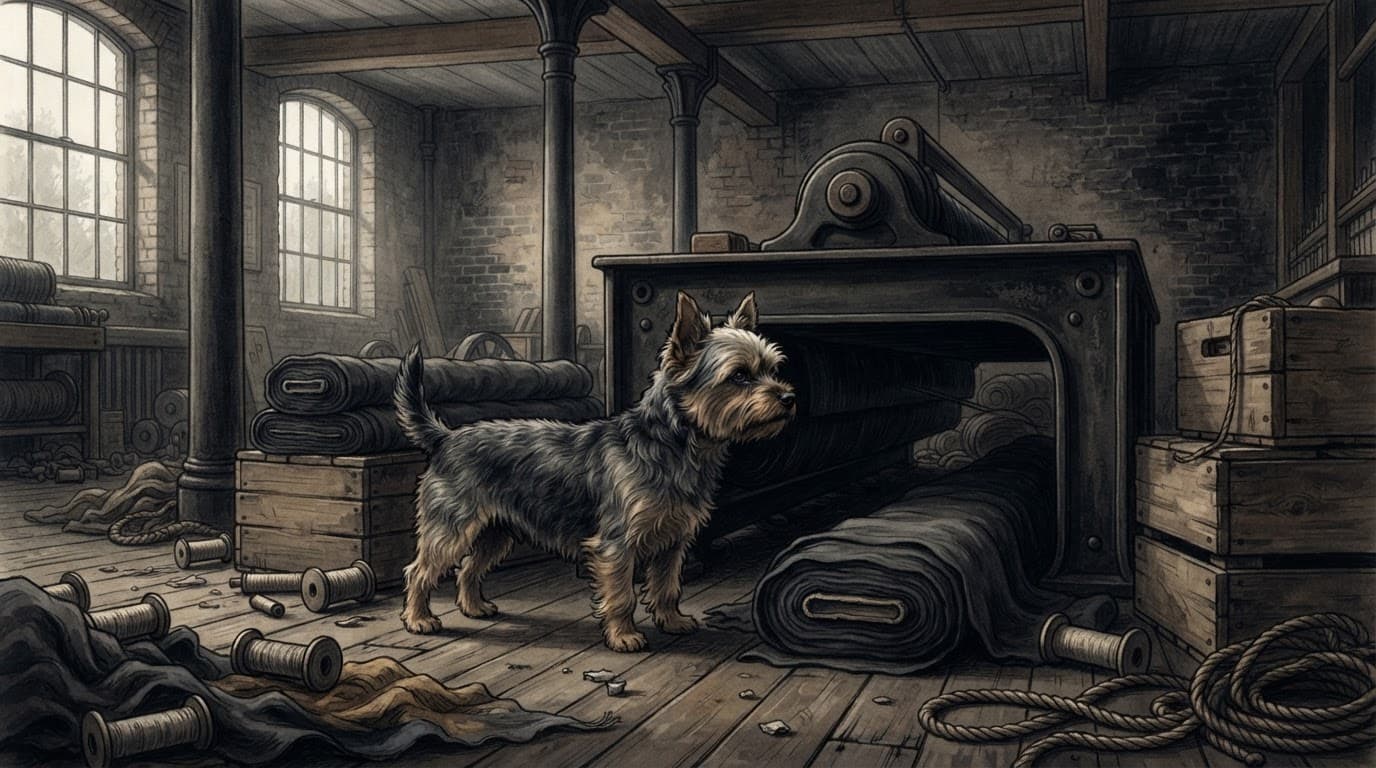
Yorkies were originally bred as a ratting terrier and vermin hunter, not as lapdogs. In 19th-century Yorkshire, their small size helped them work around machinery, stored supplies, and narrow gaps in textile mills, workshops, and mines.
Their compact bodies helped them reach tight spaces, while courage and a strong prey drive made them determined hunters. The modern Yorkshire Terrier may be tiny, but its working history explains why it can still be alert, vocal, and ready to chase anything that moves.
Yorkies Controlled Rats in Mills and Mines
Rats were a serious problem in industrial Yorkshire. Mills stored cloth, wool, cotton, food, and other supplies that attracted vermin. Rats could damage materials, contaminate food, and squeeze beneath floorboards or between heavy machinery.
Coal mines had similar problems around buildings, timber, stored supplies, and underground work areas. A small dog could move through narrow gaps where larger dogs could not. Miners and mill workers valued terriers that were quick, fearless, and willing to work without hesitation.
Yorkies also helped control rats around workshops and in the homes of working-class families. Their job was practical, but it wasn’t easy. A ratter needed to notice movement quickly, chase confidently, and keep going in dark, cramped surroundings.
Early Yorkies Were Larger and Rougher
The first dogs behind today’s Yorkshire Terrier weren’t identical to modern, tiny, silky-coated companions. Early working terriers were often larger, rougher-coated, and more practical in appearance. Their size varied, and records from the breed’s early years are incomplete.
Workers from Scotland brought small terrier types into northern England. These dogs were bred with local terriers over many generations. No single person created the Yorkie, and there wasn’t one perfectly recorded foundation litter.
The goal was a useful working dog with a compact body, good speed, sharp alertness, and plenty of courage. Over time, selective breeding produced a smaller, more polished terrier. Its silky coat became longer and finer, and these dogs began attracting attention beyond the mills.
The Yorkie’s working purpose helps explain its modern personality. Beneath that flowing coat, many still show the alertness and determination of a little hunter.
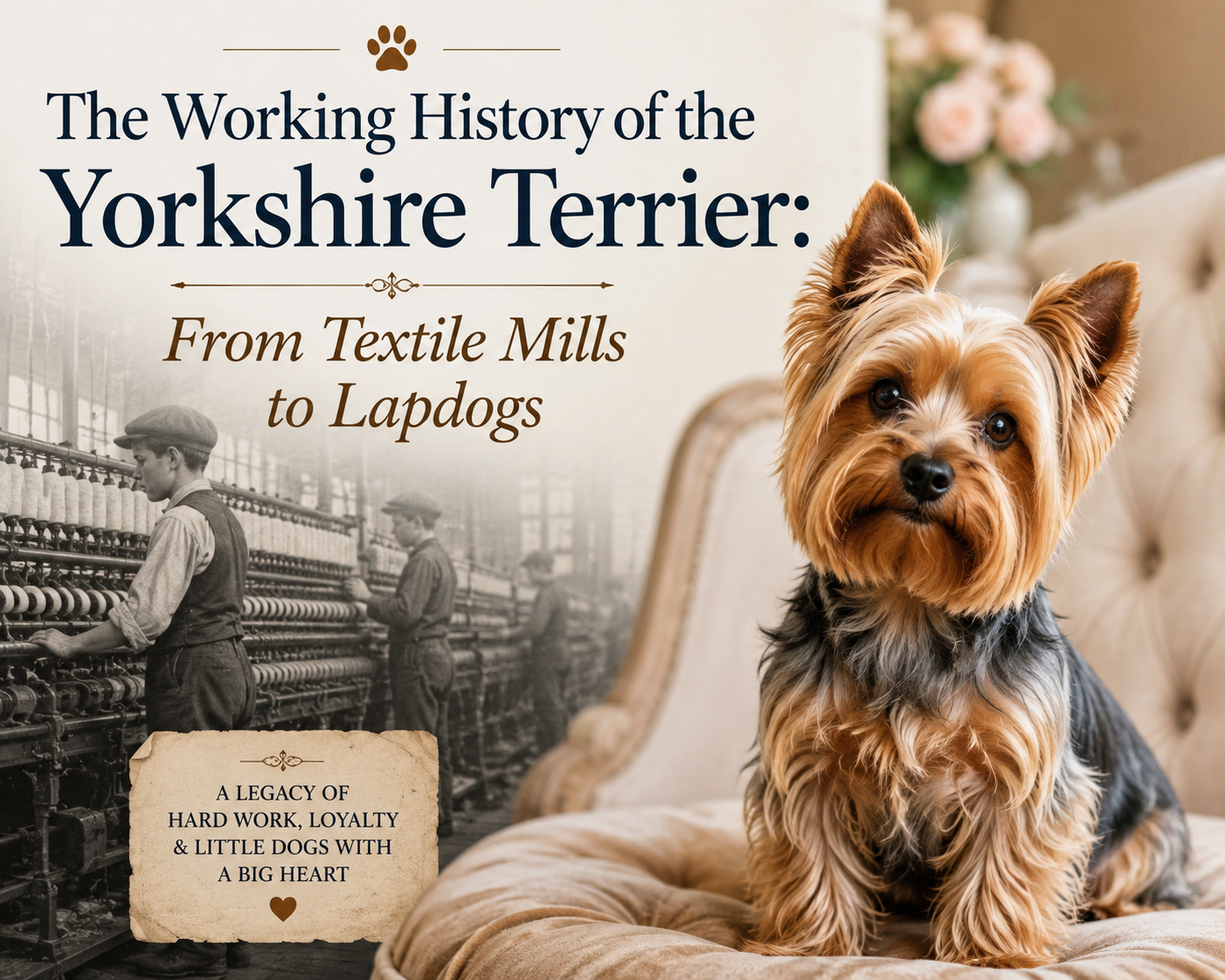
The Working History of the Yorkshire Terrier: From Textile Mills to Lapdogs
The working history of the Yorkshire Terrier began during the Industrial Revolution. Small terriers were useful around stored materials in textile mills, mines, workshops, and crowded worker housing. Rats could damage supplies and spread disease.
The dogs weren’t created from one carefully recorded recipe. Their development was gradual, shaped by migration, local breeding, and practical work. The Yorkshire Terrier’s early history is closely linked to northern England’s industrial communities.
Why Textile Mills and Mines Needed Small, Fearless Dogs
Textile mills and coal mines had cramped areas where rats could hide. Small terriers could move beneath machinery, around mill buildings, and through narrow gaps. A larger dog might struggle in those spaces, but a compact dog could investigate them quickly.
Controlling vermin was practical pest management. Rats could damage cloth, food, timber, and other supplies. A determined little dog had a useful job. It needed sharp senses, quick reactions, and enough courage to pursue pests without backing away.
Daily work probably varied between locations. Some dogs may have worked around workshops, storage areas, or nearby homes. They likely didn’t follow one fixed routine. Their value came from being ready when needed.
That history helps explain the modern Yorkshire Terrier’s personality. Your Yorkie may be tiny, but it can still be alert, lively, vocal, and quick to chase movement. A rustling leaf can seem just as interesting as a rat once was.
Pest control was a working skill, not a confirmed story about every Yorkie taking part in organized contests.
How Scottish Terrier Stock Shaped a Yorkshire Breed
Scottish workers moved south into Yorkshire and Lancashire for industrial jobs. Many brought small terriers with them. These dogs were then bred with local terrier stock because they already had the qualities workers needed.
Historical sources name several possible ancestors, but they don’t agree on every cross. Proposed influences include the Waterside Terrier, Skye Terrier, Paisley Terrier, Clydesdale Terrier, Welsh Terrier, Old English Black and Tan Terrier, and possibly the Maltese.
These names should be treated as likely influences, not a proven family tree or confirmed sole ancestors. Working-class families often bred and housed these dogs, while detailed records remained limited. The clearest common thread is their shared determination, hunting ability, small size, and willingness to tackle vermin.
Local breeders gradually selected dogs with preferred coats, colors, sizes, and body outlines. Early Yorkies were more varied and practical-looking than today’s standardized show dogs. The name and type developed over time, rather than appearing fully formed in one generation.
Huddersfield Ben and the Dog Who Defined the Modern Yorkie
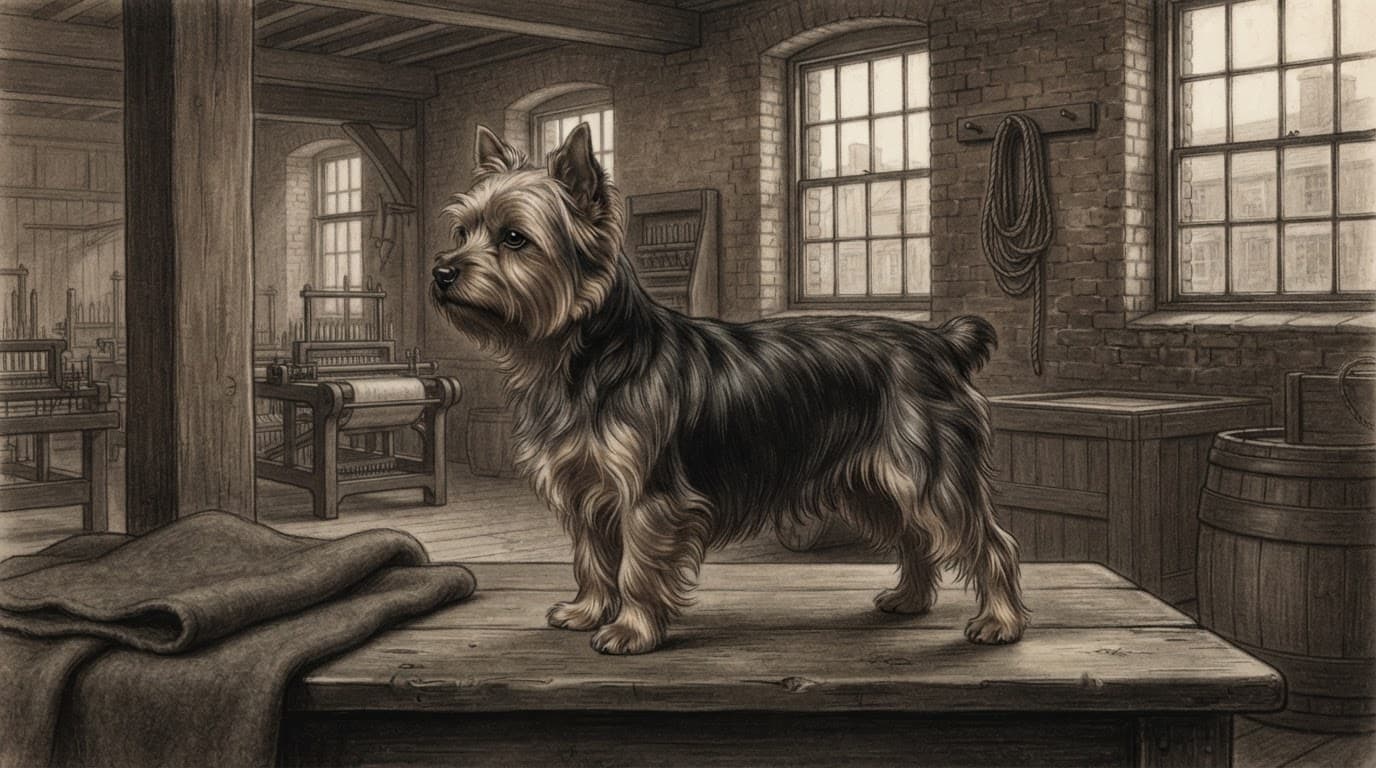
Huddersfield Ben is often called the foundation sire of the Yorkshire Terrier. He was born in 1865 and died on September 23, 1871, but his influence extended far beyond his short life.
Ben was associated with Huddersfield, Yorkshire, and owned by Mary Ann Foster of Bradford. Historical accounts differ on who bred him and how certain details were recorded. Still, they agree on his importance. Ben was a successful working ratter and a popular show dog during the breed’s early development.
From Ratting Success to Show-Ring Recognition
Huddersfield Ben’s working ability came first. He competed in ratting contests and showed the courage and speed expected of a practical terrier. He also performed well at dog show events in Manchester, Crystal Palace, and other venues.
One commonly repeated claim says Ben won more than 70 prizes, often listed as 74. That figure appears throughout breed histories, but it remains a traditional account rather than a fully documented record. His reputation was already strong enough to attract breeders and the public.
As dogs like Ben succeeded in the show ring, public interest began to shift. Breeders gradually favored a smaller, neater body, a silky coat, and more consistent blue-and-tan coloring. The working role became less important, although the change did not happen overnight.
The show ring did more than reward attractive dogs. It gave breeders a shared picture of what a Yorkshire Terrier should look like.
Ben’s descendants helped pass on the compact size, flowing coat, coloring, and recognizable outline now linked with the breed. Breeders kept selecting dogs that matched this emerging type, generation after generation.
That is how one influential dog can shape a breed. Ben’s offspring spread his qualities, while his success made those qualities desirable. The Yorkshire Terrier gradually moved away from the mill and mine, becoming a polished show dog and, later, a much-loved companion.
For more dog history and practical breed guides, Check out our great guides on Payhip and Check out our ebook guides on Etsy. You can also read more about Huddersfield Ben’s early history.
How the Yorkshire Terrier Became a Companion and Show Dog
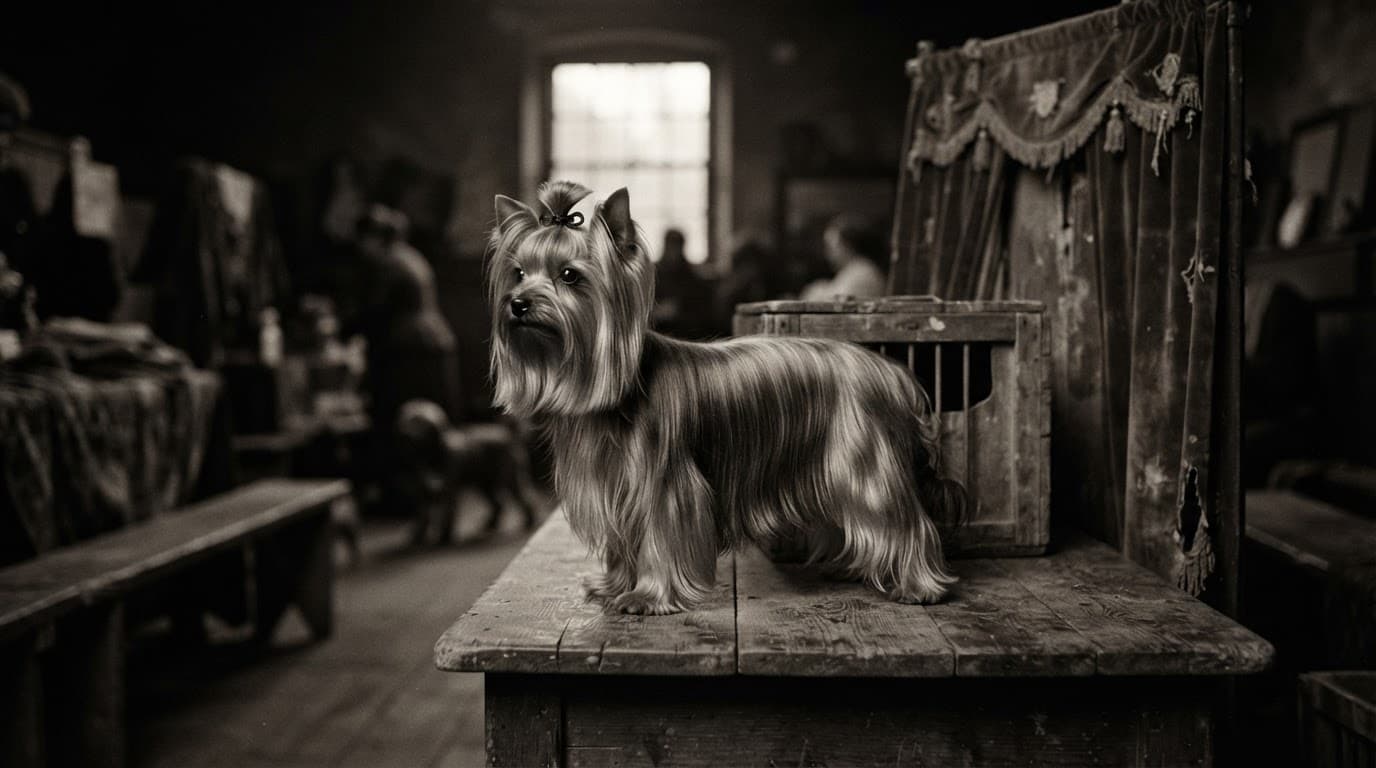
By the late 19th century, the Yorkshire Terrier was becoming more than a mill and mine worker. Its small size, attractive coat, and confident personality appealed to Victorian high society and working-class families.
The change happened gradually. After leaving textile mills and industrial workplaces, Yorkies became fashionable household pets. Breeders selected dogs for a smaller body, consistent coloring, and a long, silky coat. Some still worked as ratters, so their working abilities didn’t disappear overnight.
The breed was increasingly classified as a toy breed, but formal recognition helped give it a clearer identity. The Kennel Club of England recognized the Yorkshire Terrier in 1886, while the American Kennel Club recognized it in 1885. These milestones encouraged breeders to keep pedigrees, follow a dog breed standard, and enter organized dog shows.
Before that point, small terriers could vary quite a lot in size and appearance. Recognition gave breeders a shared description of the ideal Yorkie. Over time, show judges placed more value on the features we recognize today:
- A compact body weighing no more than seven pounds under modern standards.
- A fine, straight coat with a silky coat texture that may grow to floor length.
- A blue and tan coat with a neat, polished appearance.
- A tidy topknot that keeps the long hair away from the eyes.
Yorkies are often marketed as having a hypoallergenic coat because they shed relatively little. However, no dog is completely hypoallergenic.
The Royal Kennel Club’s Yorkshire Terrier history also links the breed’s growing popularity with life as a house pet. The Yorkie had found a new place as a companion dog, but its terrier character remained firmly attached.
The story of war dog Smoky also shows that Yorkies retained a working and service legacy beyond the show ring. During World War II, Smoky served with an American soldier in the Pacific and became known for helping with wartime communications.
What the Modern Yorkie Still Inherited From Its Working Past
What were Yorkies bred for originally? They were bred to notice, chase, and catch small pests. Those terrier instincts can still appear in everyday behavior.
Your Yorkie may bark at footsteps, delivery drivers, or movement outside the window. It may chase birds, squirrels, leaves, or a toy across the room. Digging, sudden bursts of speed, and intense interest in small animals also come from its terrier background.
At the same time, a Yorkie can be affectionate, cuddly, and very happy in your lap. These traits aren’t opposites. Think of your dog as a tiny hunter with a comfortable home and excellent access to blankets.
Short training sessions using positive reinforcement can guide those instincts safely. Moderate exercise and mental challenges also help, especially given the breed’s small size.
Try scent games, food puzzles, hide-and-seek, or safe hunting-style activities.
Use positive reinforcement during enrichment, and keep training gentle and age-appropriate. Early socialization with friendly people, household sounds, and calm dogs can build confidence.
A second period of early socialization should always respect the puppy’s age, comfort, and vaccination guidance.
Routine veterinary care can help prevent dental problems and joint problems before they interfere with daily life. Always supervise around small animals, since a loving pet can still have a serious prey drive.
Living With a Yorkie Today: Respecting a Terrier, Not Just a Lapdog
Understanding what Yorkies were bred for helps explain their modern needs. They may enjoy cuddles, but their small size doesn’t mean they need little activity or training.
Short walks provide moderate exercise, while enrichment gives their natural drive a safe outlet.
Keeping Ratting Instincts Safe in a Modern Home
Your Yorkshire Terrier doesn’t need real rats to use its natural skills. Scent searches and toy hunts can simulate the problem-solving involved in historic rat hunting skills without exposing your dog to rodents.
Reward each successful search with positive reinforcement, such as praise or a small treat.
Try a supervised scent trail, a treat search around one room, or a puzzle feeder filled with part of its normal meal. You can also hide a favorite toy, play a controlled retrieve game, or use scent trails and food puzzles for dogs to turn mealtimes into little hunting missions.
Choose safe food puzzles and chews, especially if your dog has dental problems.
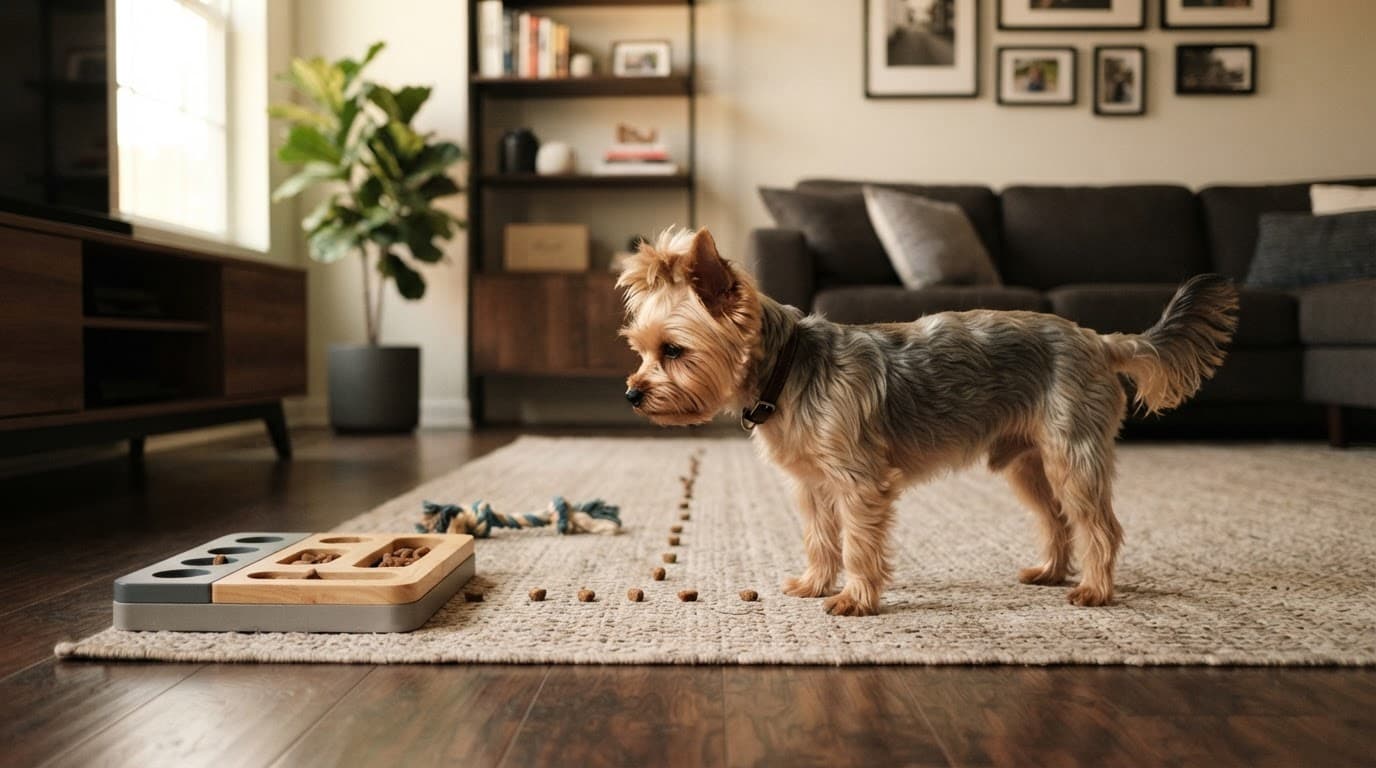
Start with easy searches, then make them slightly harder as your dog gains confidence. Use positive reinforcement again when your dog completes a harder search. A find-it scent game can provide useful mental work without putting your Yorkie in danger.
Avoid encouraging your dog to chase rats or squeeze into sheds, drains, gaps, or cluttered spaces.
Rodents can carry parasites and disease, while poisoned rats may cause secondary poisoning if your dog catches or eats one.
Jumping, sharp twisting, and forcing a dog through tight spaces can also contribute to joint problems.
Regular enrichment can reduce boredom and help prevent nuisance barking. Choose positive reinforcement for calm, quiet behavior rather than punishment for barking.
Controlled indoor play provides moderate exercise, but avoid games that involve repeated jumping or twisting, which can worsen joint problems.
Still, match each activity to your Yorkie’s age, health, coordination, and confidence. Puppies, senior dogs, and nervous Yorkies may need shorter games, softer toys, and simpler searches.
Positive reinforcement keeps these sessions encouraging, while early socialization can build confidence through calm exposure without suppressing natural behavior. The aim is to channel prey drive, not punish it.
Frequently Asked Questions
The answer to what were Yorkies bred for originally is simple: they were small working terriers bred for vermin control. Their history helps explain their alert behavior, prey drive, and need for daily activity.
Were Yorkshire Terriers bred to hunt rats?
Yes. Their original documented role was ratting in textile mills, coal mines, workshops, and industrial homes. Modern Yorkies may still chase small animals, so offer safe outlets such as scent games, toy searches, and food puzzles.
Were early Yorkshire Terriers the same size as Yorkies today?
No. Early working dogs were less uniform, and some were larger with rougher coats. Huddersfield Ben reportedly weighed about 11 pounds.
Selective breeding later favored the tiny body, silky coat, and elegant blue-and-tan appearance associated with today’s Yorkie.
Who was Ben?
Huddersfield Ben was an influential Yorkshire Terrier born in 1865. He was both a working ratter and show dog, became an important foundation sire, and helped establish the body shape, coat, and type seen in modern Yorkies.
When was the Yorkshire Terrier officially recognized?
The English Kennel Club formally recognized the breed in 1886. The American Kennel Club later recognized it in 1885.
These milestones supported pedigree records and shared standards for size, coat, color, and structure. You can read more in the AKC’s Yorkshire Terrier history.
Do Yorkies still need exercise if they are lapdogs?
Yes, but their exercise should be short, safe, and suited to their small size. Moderate exercise can include daily walks, gentle play, and brief training sessions.
Use positive reinforcement and mental stimulation for dogs to keep your Yorkie engaged. Avoid hard jumping, which can worsen dental problems or contribute to joint problems.
How can owners manage barking and prey drive?
Reward quiet behavior and calm responses instead of punishing alert barking. Positive reinforcement helps build reliable habits, while early socialization can make new people, pets, and sounds less overwhelming.
Pair positive reinforcement with supervised scent games and toy searches to give terrier instincts a safe outlet.
Do Yorkies have special grooming or health needs?
Their low-shedding hair is sometimes described as a hypoallergenic coat, but no dog guarantees an allergy-free experience. Regular brushing and veterinary dental care can help prevent dental problems.
Routine checkups also help monitor joint problems, especially if your dog shows stiffness or discomfort.
Can a Yorkshire Terrier live happily in an apartment?
Yes, many Yorkies adapt well to apartment life with daily movement, grooming, training, and mental stimulation.
A Yorkshire Terrier benefits from moderate exercise, early socialization, and positive reinforcement. Plan for alert barking, safe toilet routines, and regular chances to explore, because a small home still needs to feel interesting.
Conclusion
The Yorkshire Terrier began as a practical ratting dog in northern England’s industrial communities and coal mines. Its compact build, courage, and alert nature helped it work where larger dogs couldn’t.
Today, the Yorkshire Terrier is primarily a companion dog, though some individuals still show strong terrier behavior. Breed recognition later favored a refined appearance, but the bold working identity came first.
Understanding this history can make barking, chasing, and alert behavior easier to interpret. Use positive reinforcement for training, along with early socialization and safe activity that helps protect against joint problems.
The affectionate lapdog behavior and bold working heritage can coexist. Support that balance with positive reinforcement, these enrichment ideas for bored dogs, and the practical guides already shared throughout this post.