Everything New Owners Need to Know Before Bringing a Yorkie Home
Yes, Yorkshire Terriers can be a good first dog for the right owner, but they’re not the easiest breed for every beginner.
They’re small, clever, and packed with a big-dog attitude in a tiny body, which is part of their charm and part of the challenge.
If you’re asking, “are yorkshire terriers good first dogs?”, the honest answer is that it depends on your home, your routine, and how much time you can give them.
Yorkies can do well with new owners who want a lively companion, but they also need grooming, training, barking control, and careful handling because of their size.
This guide will help you work out whether a Yorkie fits your lifestyle, your experience level, and your day-to-day schedule.
If you want extra dog care help along the way, you can also Check out our great guides on Payhip or Check out our ebook guides on Etsy for more practical support.
Why Yorkshire Terriers can work well for first-time dog owners
Yorkshire Terriers can be a solid match for a new owner who wants a small, lively companion. They are easy to live with in many homes, but they still need steady training and supervision.
That mix makes them appealing, as long as you know they are not a “low-effort” dog just because they fit on your lap.
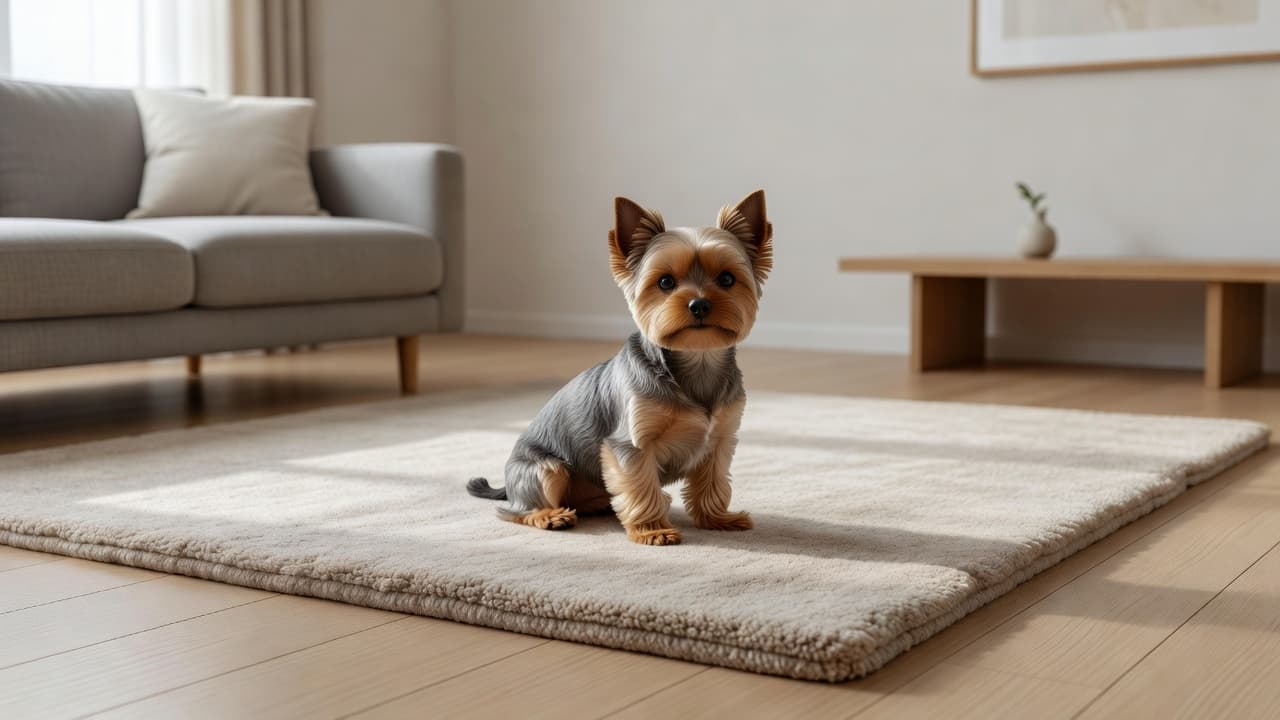
Their small size makes daily life easier
Yorkies are easy to carry, easier to fit into smaller homes, and simpler to manage in tight spaces. If you live in an apartment or a compact house, that can make a big difference.
They also travel well in a way that larger breeds often don’t, whether you’re heading to the vet, visiting family, or taking a short trip.
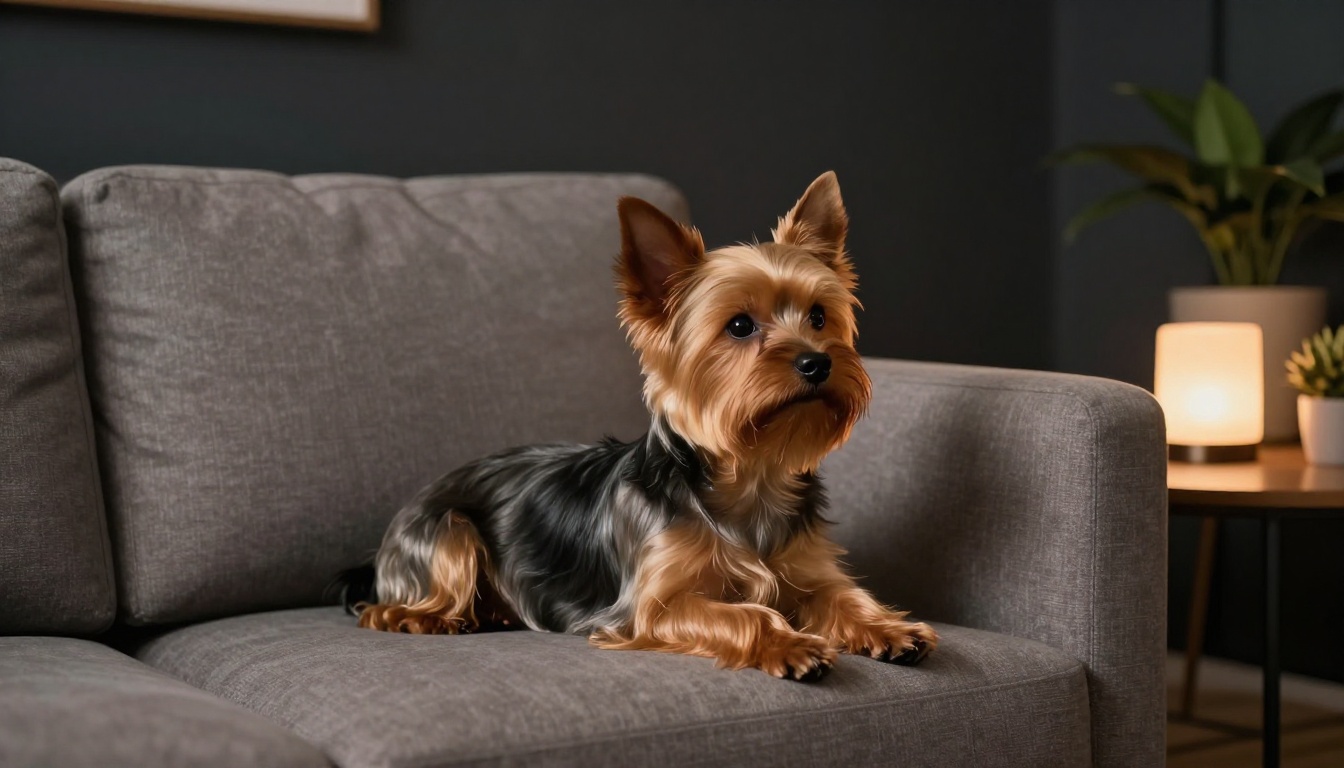
That small frame helps with everyday handling too. Picking them up, guiding them through a doorway, or settling them beside you on the sofa usually feels manageable for a beginner.
Small size helps, but it doesn’t replace good habits. A Yorkie still needs training, house rules, and close supervision.
If you want a dog that suits a busy routine, the limited space needs can feel like a relief. Still, it helps to remember that tiny dogs can be surprisingly bold.
For more general support on daily dog care, you can also Check out our great guides on Payhip and Check out our ebook guides on Etsy.
Get this great Ebook Guide TODAY, Instant Download, 70+pages!
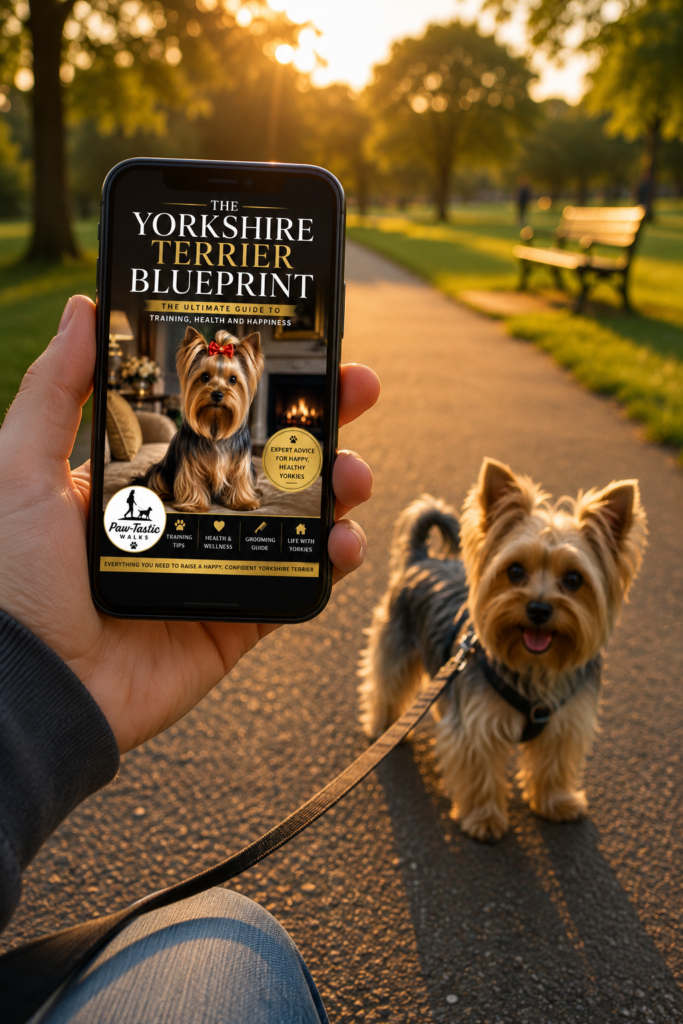
Yorkies are loving, loyal, and people-focused
Many Yorkies form a strong bond with their person and want to be part of whatever is happening. They often like staying close, following you from room to room, and settling in beside you when the day slows down.
That kind of attachment can be lovely for a first-time owner who wants a real companion, not just a dog in the background.
This breed tends to suit people who enjoy a little company through the day. A Yorkie usually wants attention, affection, and a place in family life.
That can be a comfort if you want a dog that feels involved, not distant.
They can also be a good fit for owners who like a predictable routine. Yorkies often do best when they know where they stand, and that can make life feel clearer for both of you.
They are smart and can learn fast with the right approach
Yorkies are bright little dogs, and that can work in your favor. Short training sessions, praise, and tasty treats often get their attention quickly.
If you keep things simple and consistent, they usually pick up household rules well.
That intelligence is useful, but it cuts both ways. A smart dog can learn bad habits just as fast as good ones, so early training matters. If jumping, barking, or pushing for attention becomes the pattern, it can stick.
The good news is that beginners do not need fancy training skills to start well. They just need patience, repetition, and a calm routine.
A few minutes each day often beats one long session that leaves everyone fed up.
For a little background on the breed itself, the Yorkshire Terrier breed profile gives a useful starting point on temperament and training.
The parts that make Yorkies harder for beginners
Yorkshire Terriers are charming, but they are not always easy.
If you are asking, “Are Yorkshire terriers good first dogs?” this is the part to read carefully, because the hard bits are usually the ones new owners underestimate.
Their tiny size can fool people into thinking they are simple dogs. In reality, Yorkies often need more patience, structure, and follow-through than their little bodies suggest.
Barking can become a problem without early training
Yorkies are naturally alert, and that often turns into barking. They notice everything, the doorbell, a stranger, a passing dog, even a sound in the hallway.
For a beginner, that can feel like living with a tiny alarm system.
The good news is that barking is manageable when you start early and stay calm. It usually gets worse when a Yorkie is bored, anxious, or overexcited, so the fix is not shouting back.
Short training sessions, quiet rewards, and a predictable routine work much better. If you want a solid starting point, the guide to positive reinforcement training is a useful place to begin.
A bored Yorkie will often make its own entertainment, and that usually means noise. A little daily structure, plus mental stimulation and calm exercise, can take the edge off.
A barking Yorkie is often trying to communicate, not misbehave.
If you want a broader look at the breed’s background, the Yorkshire Terrier breed information is a helpful reference.
For a quick mental picture, think watchdog instincts in a very small package.
Their stubborn streak can test your patience
Yorkies are smart, but they are not always eager to please. Some act bossy, some act independent, and some simply decide your request is optional.
That can be funny at first, then frustrating when you expected fast results.
This is where beginners can get stuck. If training feels inconsistent, a Yorkie may ignore cues, drag out bad habits, or wait to see what you will do next. They respond best to short sessions, repetition, and rewards that make the lesson feel worth it.
Keep it simple:
- Use the same cue words every time.
- Train for a few minutes, not forever.
- Reward the behavior you want right away.
- Stop before your dog gets bored or distracted.
Yorkies do not need harsh correction. They need clarity. If you want a dog that learns best through calm routines and treats, positive reinforcement methods make a big difference.
For extra practical help, you can also Check out our great guides on Payhip or Check out our ebook guides on Etsy.
Grooming and coat care take real effort
Yorkies may shed less than many breeds, but that does not mean they are low-maintenance.
Their coat needs regular brushing to stay neat, comfortable, and free from tangles. Miss a few sessions, and those fine hairs can turn into little mats that pull on the skin.
That takes time, and it takes money too. Brushes, combs, shampoo, and grooming appointments all add up. Some owners choose a shorter haircut because it makes daily upkeep far easier, especially if life is already busy.
If you are new to dog care, this is one of the biggest surprises. A Yorkie can look polished and dainty, but the coat underneath needs regular attention.
A simple grooming routine is usually easier to stick with than trying to fix a knotty coat later.
The breed history on Wikipedia’s Yorkshire Terrier page also shows how their long coat became part of their well-known look. Pretty? Absolutely. Effortless? Not quite.
They are small, so rough handling is a concern
Yorkies can be fragile, and that matters in a lively home. Very young children, boisterous play, and bigger pets can all create problems if nobody is watching closely.
A small dog can be hurt more easily than a sturdier breed, even during ordinary play.
That means beginner owners need clear household rules from day one. Teach children to sit down before holding the dog, avoid grabbing, and use gentle hands. Around other pets, safe introductions and supervised play are the smart move.
A Yorkie does best when the whole home understands the rules. Calm handling, careful play, and steady supervision help prevent accidents and build trust.
If you are the type of owner who likes clear routines, that part gets easier fast.
The same goes for daily life. Put the dog down carefully, block off rough play when needed, and do not assume size makes them tough.
A Yorkie may think it is invincible, but your job is to be the sensible one in the room.
What a beginner needs to do to raise a well-behaved Yorkie
A well-behaved Yorkie does not happen by accident. You set the tone early, and that matters even more with a small dog that can pick up bad habits fast.
If you are wondering whether Yorkshire Terriers are good first dogs, this is the part that makes the answer more practical.
A Yorkie can learn the right habits, but you have to be clear, steady, and patient from day one.
Start with house rules and basic training right away
Begin with the basics and keep them the same every day. Potty training, crate time, leash manners, and simple cues like sit, stay, and come should start as soon as your Yorkie comes home.
If you let mixed signals creep in, a clever little dog will notice.
House training works best with a routine. Take your Yorkie out first thing in the morning, after meals, after play, and before bed. Praise the good potty spot right away, because timing matters more than long speeches.
Crate training can help with rest, safety, and toilet training. Keep the crate calm and comfortable, never a punishment box.
Short naps, treats, and quiet praise help your puppy see it as a normal part of life.
Leash manners matter too. A Yorkie that pulls, darts, or plants itself in protest can make walks annoying fast. Start indoors or in a quiet spot, reward a loose leash, and keep your expectations simple.
Basic cues should be short and clear. If you want help building that foundation, dog training secrets can give you a useful place to start. You can also keep one eye on recall, because a small dog that ignores “come” can disappear under a hedge in seconds.
The first habits you teach are the ones that stick easiest. With Yorkies, early consistency is everything.
Socialize early so your Yorkie grows into confidence
A Yorkie puppy needs gentle exposure, not a full blast of everything at once. New people, sounds, places, and dogs should all feel normal over time, not scary or overwhelming.
Start small. Let your puppy watch the world from a safe distance, meet calm people one at a time, and hear ordinary sounds like the vacuum or doorbell in short bursts. Keep the mood light and reward calm behavior with treats, praise, or a favorite toy.
Handling matters just as much as outings. Touch the paws, ears, tail, and mouth in a gentle way so grooming and vet visits feel less alarming later.
That little bit of practice can save you a lot of fuss down the road.
Controlled social time works better than crowded chaos. A friendly, vaccinated dog and a short, positive meeting is a much better first step than a noisy park full of overexcited strangers.
The AKC’s Yorkie puppy training timeline is a helpful guide if you want a sense of how early the process should begin.
Use short play sessions and mental enrichment every day
A bored Yorkie will find a job, and you may not like the job it picks. Barking, nudging for attention, and bossy behavior often show up when the dog has too much energy and not enough to do.
Short play sessions help, but mental work matters just as much. Puzzle feeders, scent games, treat searches, and simple hide-and-seek games all give your Yorkie something useful to focus on. If you use interactive rewards, tug toys can also be a great way to burn energy and build a fun routine together.
Keep sessions brief and upbeat. A few minutes of focused play is better than one long stretch that ends with a cranky puppy and a frazzled owner.
Yorkies do well when activity feels like a game, not a marathon.
Daily enrichment can also make training easier. A dog that has used its brain is often calmer, more settled, and less likely to invent trouble.
If you want more practical support, you can also Check out our great guides on Payhip or Check out our ebook guides on Etsy.
A simple routine might look like this:
- A short potty break and leash practice.
- Five minutes of basic cues.
- A puzzle feeder or sniff game.
- A brief play session with a toy.
- Quiet rest.
That mix gives your Yorkie structure, and structure is what keeps tiny chaos from taking over.
Are Yorkshire Terriers a good match for your home and routine?
For the right household, yes. A Yorkie can fit beautifully into a smaller home, a steady routine, and a life where the dog gets plenty of attention.
If your days are fairly predictable and you like a close companion at your side, this breed often makes sense.
That said, a Yorkie is not a set-it-and-forget-it pet. They need grooming, training, supervision, and a person who won’t shrug off barking or small-dog manners.
Think of them as a tiny roommate with strong opinions, not a decoration with paws.
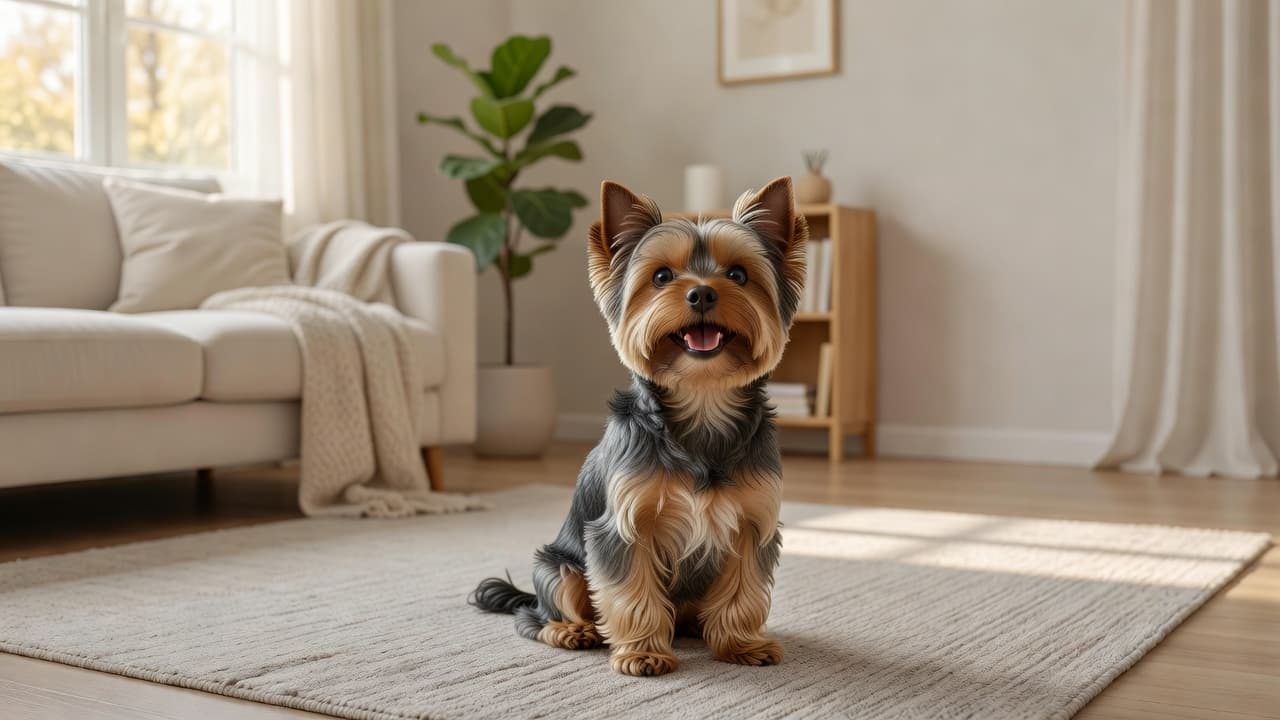
Best homes for a Yorkie
Yorkies usually do best with people who enjoy training and like having a dog close by. They suit apartments, smaller houses, singles, couples, and families with older children who understand gentle handling.
If you want a little shadow who follows you from room to room, this breed can feel like a perfect fit.
Consistency matters more than size of the home. A calm owner who keeps feeding times, potty breaks, and training sessions on track will usually do better than someone with a big house and no routine. Yorkies like to know what happens next.
They also fit people who enjoy a dog with personality.
If you like a little spark, a little sass, and a dog that acts as if it runs the place, a Yorkie can be a lot of fun. For many owners, that charm is exactly the point.
When another breed may be a better first dog
Some beginners will be happier with a calmer, sturdier, or more forgiving breed. If you do not have much time for grooming, or if training feels like a stretch, a Yorkie may ask for more than you want to give.
That doesn’t make them a bad dog, just a more demanding one.
Homes with very young children can also be tricky. Yorkies are small enough to be injured by rough play, so a busier, louder household may need extra caution.
If you want a low-drama starter dog, you may want to compare other breeds first.
A gentler match can save frustration later. A beginner who wants an easier coat, fewer barking issues, and a dog that’s less delicate may find a different breed fits better.
Questions to ask before bringing one home
Before you say yes to a Yorkie, be honest with yourself. These small questions tell you a lot about whether the breed matches your routine.
- Can I train every day, even if it’s just for a few minutes?
- Can I handle barking without losing patience?
- Do I have time for regular brushing and coat care?
- Will I be around often enough to keep this dog from feeling alone?
- Can I supervise a tiny dog safely around kids, guests, and other pets?
- Am I ready for a dog that likes attention and closeness?
If you answered yes to most of those, a Yorkie may fit you well. If not, that is useful information, not failure.
For extra help with day-to-day dog care, you can Check out our great guides on Payhip or Check out our ebook guides on Etsy.
And if you want a simple grooming starting point, the easiest way to groom a dog can make coat care feel less daunting.
Final verdict: good first dogs, but only for the right beginner
Yorkshire Terriers can be a great first dog, but they are not a soft launch into dog ownership for everyone.
They suit beginners who want a small, bright, affectionate dog and are ready to put in real effort from day one.
If you like routine, close companionship, and a dog with plenty of personality, a Yorkie can fit beautifully. If you want an easy, hands-off pet, this breed will probably wear you out.
The right beginner makes all the difference
A Yorkie does best with someone who is calm, consistent, and willing to train in small bursts. You do not need years of experience, but you do need follow-through.
That means showing up for the boring stuff too, like brushing, potty breaks, barking control, and gentle handling.
If you stay steady, a Yorkie usually gives you a lot back.
The best first-time owners for this breed are often the ones who enjoy structure. They do not expect perfection, but they do expect habits. That simple mindset goes a long way.
When a Yorkie is a smart first-dog choice
A Yorkie is a good fit if you want a dog that is small, loving, and easy to live with in a compact space. They can work well for apartments, quieter homes, and owners who are around often.
They also suit people who enjoy training and want a dog with a spark. A Yorkie is a little like a pocket-sized manager, bossy at times, but full of charm.
This breed can be a lovely starter dog when you are ready for the full package, not just the cute part. That means grooming, structure, patience, and a sense of humor.
When to think twice
If you have very young children, very little time, or no patience for barking, a Yorkie may not be your best first dog.
Their small size makes them more fragile than they look, and their temperament can be louder than expected.
They are also not the best match if you want a low-maintenance coat or a dog that can be left to figure things out on its own. Yorkies need guidance, and they need it early.
If you are still deciding, think about your daily routine honestly. A dog this alert and people-focused needs a home that is ready to meet it halfway.
A good test is this: can you keep up with grooming, train a few minutes each day, and stay patient when the barking starts? If yes, you may be the right beginner for a Yorkie.
For more practical help with everyday dog care, you can Check out our great guides on Payhip or Check out our ebook guides on Etsy.
A Yorkie is a good first dog when the owner is ready to lead with consistency, not convenience.
If you want to build strong early habits, how to teach a reliable dog recall is a useful next step, especially for a small dog that likes to make its own decisions.
This post may contain affiliate links. If you make a purchase through these links, I may earn a small commission at no extra cost to you.