
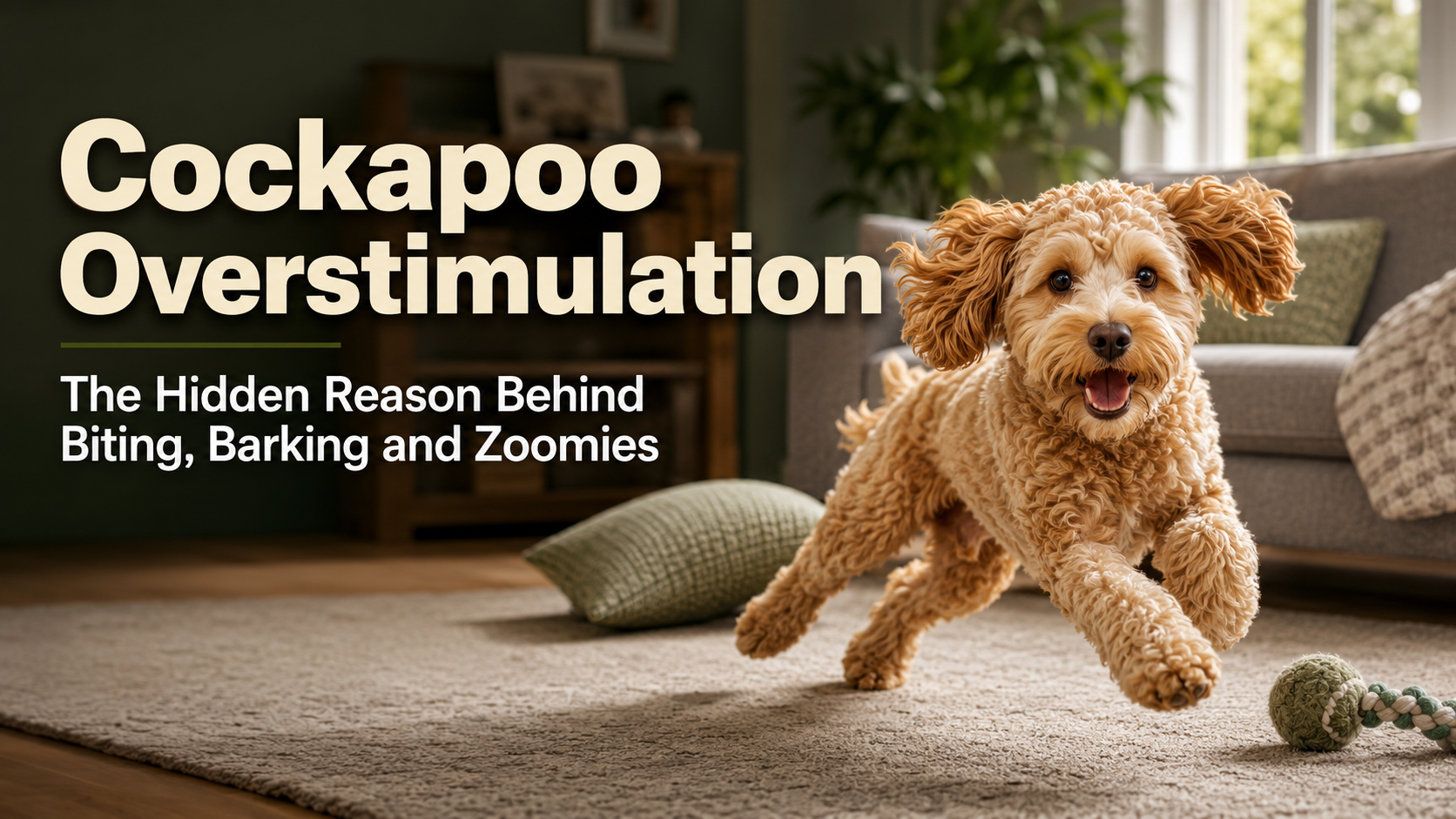
Cockapoo Overstimulation:
The Hidden Reason Behind Biting, Barking and Zoomies
Cockapoos are famous for being affectionate, intelligent and wonderfully enthusiastic. However, that enthusiasm can occasionally spill over into frantic behaviour that leaves owners wondering what has happened to their normally responsive companion.
One moment your Cockapoo is playing happily; the next, they are racing around the room, barking, grabbing clothing, jumping at people or biting the lead.
This behaviour is frequently described as naughtiness or excess energy. In many cases, however, the dog has become overstimulated. Their excitement, frustration, tiredness or stress has risen beyond the point at which they can think clearly or control their reactions.
Understanding Cockapoo overstimulation can completely change how you respond. Instead of adding more activity or becoming frustrated, you can reduce the pressure, encourage recovery and help your dog develop a reliable “off switch”.
🐾 Quick Answer
Cockapoo overstimulation occurs when a dog receives more excitement, activity, emotion or sensory input than they can comfortably process.
Common signs include:
- Frantic zoomies
- Repeated barking or whining
- Jumping and grabbing clothes
- Mouthing or biting
- Ignoring familiar commands
- Pulling, spinning or biting the lead
- Snatching treats
- Difficulty settling
- Becoming increasingly wild during play
Overstimulation does not necessarily mean your Cockapoo needs more exercise. They may need a quieter environment, an opportunity to sniff or chew, and—particularly in puppies—more sleep.
🐶 Want to understand your Cockapoo more deeply?
Explore training, behaviour, socialisation, grooming, health and family life in The Cockapoo Blueprint.
Cockapoo Overstimulation at a Glance
| Question | Quick answer |
|---|---|
| What is overstimulation? | More sensory or emotional input than the dog can comfortably process |
| What does it look like? | Barking, biting, jumping, spinning, zoomies and loss of focus |
| Is it aggression? | Usually not, although over-arousal can increase the risk of unsafe behaviour |
| Does the dog need more exercise? | Not necessarily; additional activity can sometimes make it worse |
| Are puppies more susceptible? | Yes, especially when overtired, hungry or exposed to too much excitement |
| What helps immediately? | Space, reduced stimulation, sniffing, chewing and quiet recovery |
| Should the dog be punished? | No; punishment may increase stress, frustration or arousal |
| When is professional help needed? | When behaviour is escalating, unpredictable, causing injury or changing suddenly |
Estimated reading time: 11–13 minutes
Contents
- What is Cockapoo overstimulation?
- Why Cockapoos can become over-aroused
- Early warning signs
- The connection between biting, barking and zoomies
- Excitement versus anxiety
- Common overstimulation triggers
- What to do during an episode
- The Cockapoo reset routine
- Preventing overstimulation
- Exercise, enrichment and sleep
- Common owner mistakes
- When to seek professional help
- Frequently asked questions
What Is Cockapoo Overstimulation?
Overstimulation happens when a dog’s nervous system is dealing with more sensory or emotional information than it can manage effectively.
The trigger does not have to be frightening. Positive excitement can also become overwhelming.
A Cockapoo might become overstimulated after:
- An energetic play session
- Meeting several dogs
- Attending puppy class
- Having visitors arrive
- Spending time in a busy café
- Walking through a crowded environment
- Playing with excited children
- Experiencing several unusual events in one day
At first, your dog may appear happy and energetic. As their arousal rises, however, their ability to listen, pause and make appropriate choices may decline.
Dogs Trust explains that an over-aroused dog may jump, bark, whine, mouth, nip, spin, perform zoomies and become unable to focus. When a dog reaches this state, they are less able to control their behaviour. Read the Dogs Trust guidance.
Overstimulation is therefore not simply “too much energy”. It is a temporary inability to regulate excitement, frustration, stress or sensory input.
Why Can Cockapoos Become Overstimulated?
Cockapoos combine influences from two intelligent and frequently active parent breeds: the Cocker Spaniel and Poodle.
Every Cockapoo is different, but many are:
- Highly interested in people
- Quick to notice movement and sound
- Enthusiastic about play
- Motivated by interaction
- Fast learners
- Sensitive to changes in their environment
- Prone to becoming frustrated when prevented from reaching something exciting
These qualities can make Cockapoos engaging companions and excellent learners. They can also mean that some dogs move from calm to extremely excited surprisingly quickly.
Arousal Can Accumulate
Overstimulation is not always caused by one dramatic event.
Your Cockapoo may cope with a busy walk, a delivery at the door and an energetic play session individually. When they all occur close together, however, the combined pressure may exceed the dog’s ability to cope.
This is sometimes called trigger stacking.
A dog that handled the first event calmly may bark, lunge or grab the lead after the fourth because their stress or excitement has not had time to return to normal.
Early Warning Signs of Overstimulation
The dramatic zoomies or biting episode is often the final part of the process—not the beginning.
Learning to recognise the earlier signs allows you to intervene while your Cockapoo can still respond.
Early Signs
Watch for:
- Faster or more intense movements
- Repeated attention barking
- Whining or grumbling
- Increasingly rough play
- Jumping when your dog would normally remain grounded
- Pulling harder on the lead
- Grabbing the lead or clothing
- Repeatedly demanding interaction
- Difficulty performing an easy cue
- Becoming fixated on another dog, person or object
- Snatching food rather than taking it gently
- Panting when the temperature and exercise level do not explain it
- Lip licking, yawning or turning away
- Dilated pupils or a tense facial expression
Dogs Trust identifies whining, attention barking, mouthing, jumping and increased lead-pulling among the signs that a dog may be becoming frustrated or overwhelmed. See its dog body-language guide.
Signs Your Cockapoo Has Gone Over Threshold
Once your dog is over threshold, you may see:
- Frantic running
- Repeated barking
- Jumping at people
- Harder mouthing or biting
- Spinning or lead biting
- Inability to remain still
- Ignoring normally reliable commands
- Refusing food or grabbing it roughly
- Redirecting frustration onto a person, lead or nearby object
At this point, demanding perfect obedience is unlikely to help. Your first task is to reduce stimulation and restore safety.
Why Overstimulation Can Cause Biting
Cockapoo puppies naturally investigate the world with their mouths. Teething, play and undeveloped impulse control can all contribute to puppy mouthing.
However, biting often becomes harder and more frequent when a puppy is overtired or overexcited.
Blue Cross notes that puppies can become excitable or irritable when overtired and that this can trigger play biting. Puppies often require considerably more rest than they choose to take without help. Read the Blue Cross puppy-biting guidance.
An overstimulated Cockapoo may:
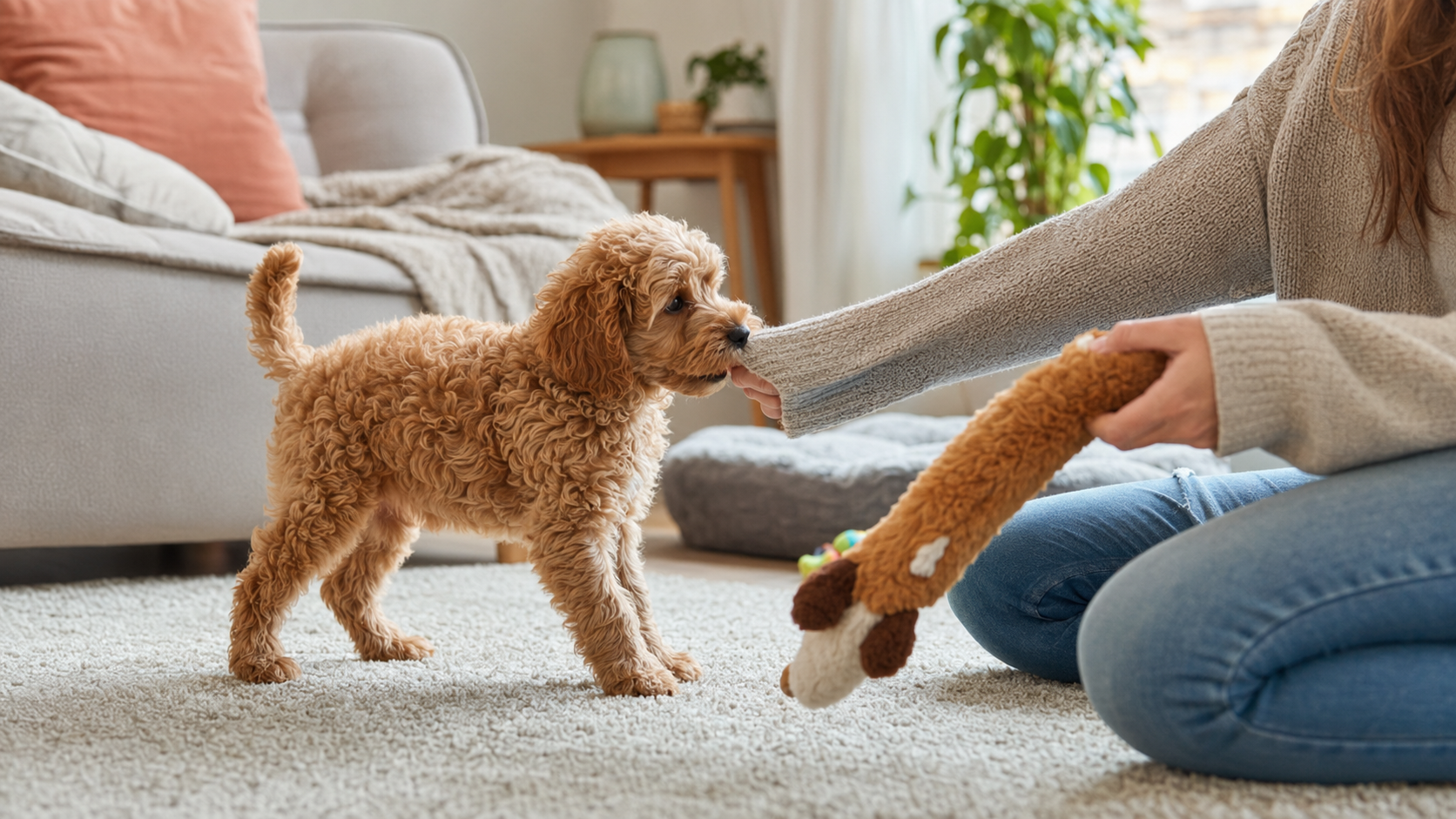
- Grab sleeves or trouser legs
- Bite hands during play
- Jump and mouth arms
- Nip ankles when someone walks away
- Bite the lead during a walk
- Redirect frustration onto the nearest available person or object
This does not automatically mean the dog is aggressive. Nevertheless, biting must be managed carefully—especially around children.
Avoid shouting, physical corrections or holding the dog down. These responses can increase frustration, fear and conflict.
Instead:
- Stop the exciting interaction.
- Keep your body and voice calm.
- Create space using a gate, pen or adjoining room where appropriate.
- Offer a suitable chewing or licking activity if your dog can engage safely.
- Allow the dog to decompress.
- Review what happened immediately before the behaviour.
Children should never be expected to manage an excited, biting puppy themselves.
Why Overstimulation Can Cause Barking
Barking is communication. An overstimulated Cockapoo may bark because they are:
- Excited
- Frustrated
- Seeking interaction
- Unable to reach something
- Uncertain about an event
- Struggling to disengage
- Too aroused to settle
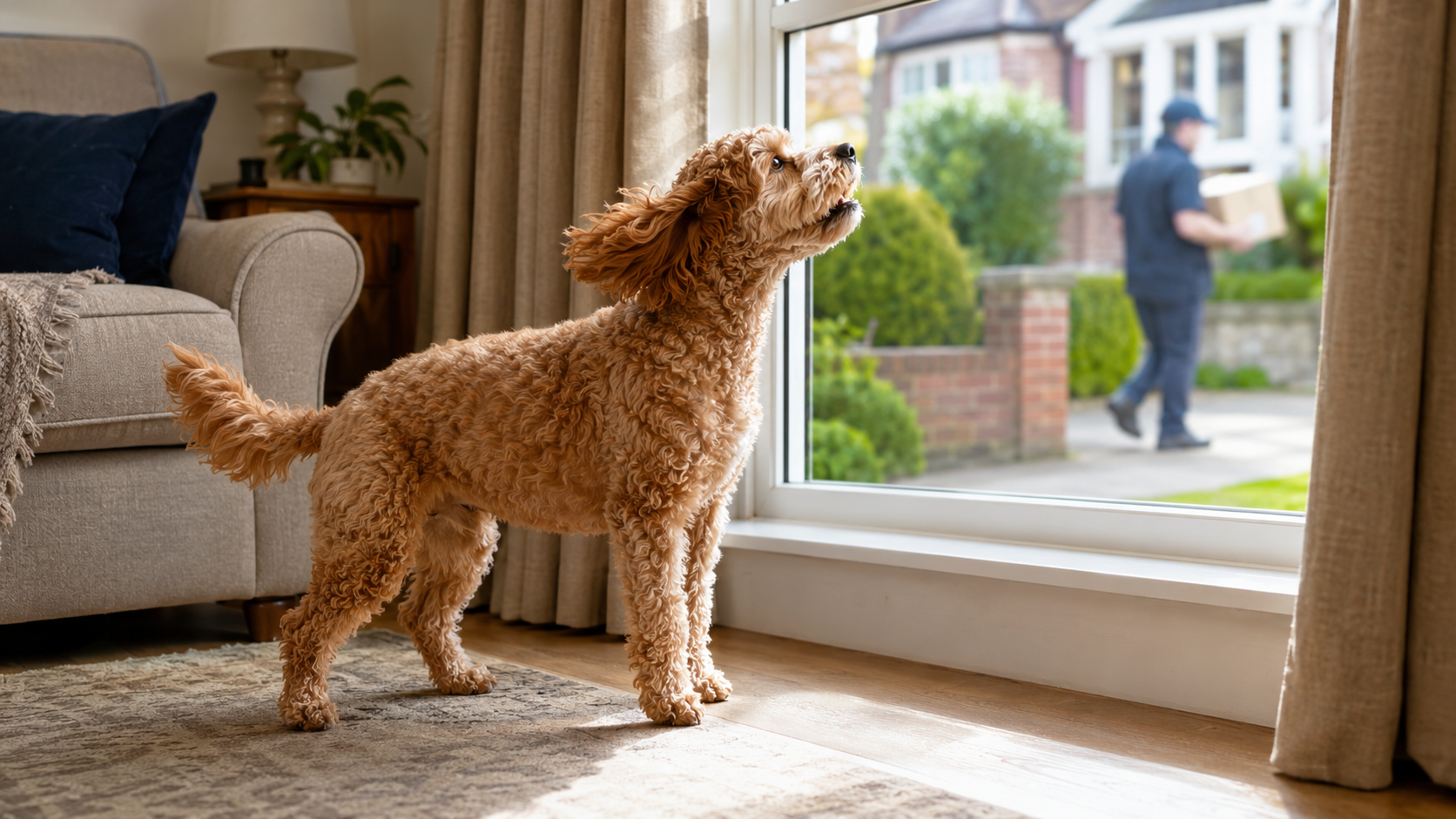
The barking may begin when a visitor arrives, another dog appears, play becomes intense or activity suddenly stops.
Repeatedly shouting “quiet” can add more noise and emotional energy. Your Cockapoo may interpret your raised voice as participation or become even more agitated.
A better approach is to:
- Increase distance from the trigger
- Block the view where appropriate
- Reduce surrounding noise and movement
- Guide the dog towards a familiar quiet area
- Scatter a few treats for sniffing if the dog can eat safely
- Reward natural pauses and quieter behaviour
- Practise calm responses separately, before the real trigger appears
Are Zoomies Always a Sign of Overstimulation?
No. Zoomies—sometimes called frenetic random activity periods—can be a completely normal release of energy.
A relaxed dog may race around briefly after bathing, toileting, waking or enjoying a playful moment. If the environment is safe and the dog settles shortly afterwards, occasional zoomies are not usually concerning.
Zoomies are more likely to be part of overstimulation when they occur alongside:
- Barking or shrieking
- Repeated jumping
- Grabbing people or clothing
- Rough, escalating play
- An inability to stop
- Frantic facial expressions
- Lead biting or spinning
- Ignoring all attempts to disengage
- Difficulty settling long after the running stops
The important question is not simply, “Is my Cockapoo running?” It is:
Can my Cockapoo still regulate their behaviour and return to calm?
Is Your Cockapoo Excited, Frustrated or Anxious?
Similar outward behaviour can be produced by different emotions.
Excitement
Your dog may have:
- Loose, wiggly movement
- An open, relaxed mouth
- Eagerness to approach
- Interest in food or play
- The ability to disengage with help
Frustration
You may notice:
- Repeated barking or whining
- Pulling towards something inaccessible
- Lead biting
- Jumping and grabbing
- Increasing intensity when restrained
- Redirected mouthing
Anxiety or Overwhelm
Possible signs include:
- Ears pulled back
- Lip licking
- Tucked or lowered posture
- Avoidance
- Trembling
- Heavy panting
- Pacing
- Attempting to hide or escape
- Refusing treats
- Sudden defensive behaviour
Some dogs look hyperactive when they are actually worried. Dogs Trust advises that big, fast or apparently silly behaviour can sometimes be a way of releasing stress. Read more about hyperactivity and restlessness.
Respond to the emotion rather than relying solely on the visible behaviour.
Common Cockapoo Overstimulation Triggers
1. Overly Long or Busy Walks
A walk filled with traffic, dogs, people, smells and constant greetings may be mentally exhausting even if it is not physically long.
2. Uncontrolled Dog-to-Dog Play
Continuous chasing and wrestling without pauses can push excitement increasingly higher.
Healthy play should contain breaks, role reversals and opportunities for both dogs to move away.
3. Visitors Arriving
Doorbells, voices, movement and attention can quickly overwhelm a sociable Cockapoo.
4. Children Running or Shouting
Fast movement and high-pitched sounds can trigger chasing, jumping and mouthing. Careful adult supervision and calm separation are essential.
5. Intense Ball Play
Repeated high-speed chasing can increase arousal rather than produce calmness. Retrieval can still be enjoyable, but include pauses, sniffing and impulse-control exercises.
6. Excessive Training
Cockapoos may love learning, but long or difficult sessions can cause frustration. Several short sessions are generally more productive than one exhausting lesson.
7. Insufficient Sleep
An overtired Cockapoo puppy may look as though they need more play when they actually need help settling.
8. Sudden Changes in Routine
Travel, visitors, building work, a new pet or changes in working patterns can reduce a dog’s ability to cope with everyday stimulation.
9. Grooming and Handling
A lengthy grooming session can become difficult if the dog is already tired, worried or uncomfortable. Short cooperative-care sessions can be more manageable.
10. Multiple Events in One Day
A walk, puppy class, pet shop visit and family gathering may individually seem enjoyable, but together they may be too much.
What to Do When Your Cockapoo Is Overstimulated
Step 1: Stop Adding Excitement
Pause energetic play, repeated commands and animated conversation.
Do not chase your Cockapoo around the room unless immediate safety demands intervention.
Step 2: Increase Distance
Move away from the exciting person, dog, doorway or activity.
Distance is one of the most effective ways to reduce pressure.
Step 3: Make the Environment Quieter
Reduce movement, close curtains, lower the television and ask other people to give the dog space.
Step 4: Encourage Sniffing
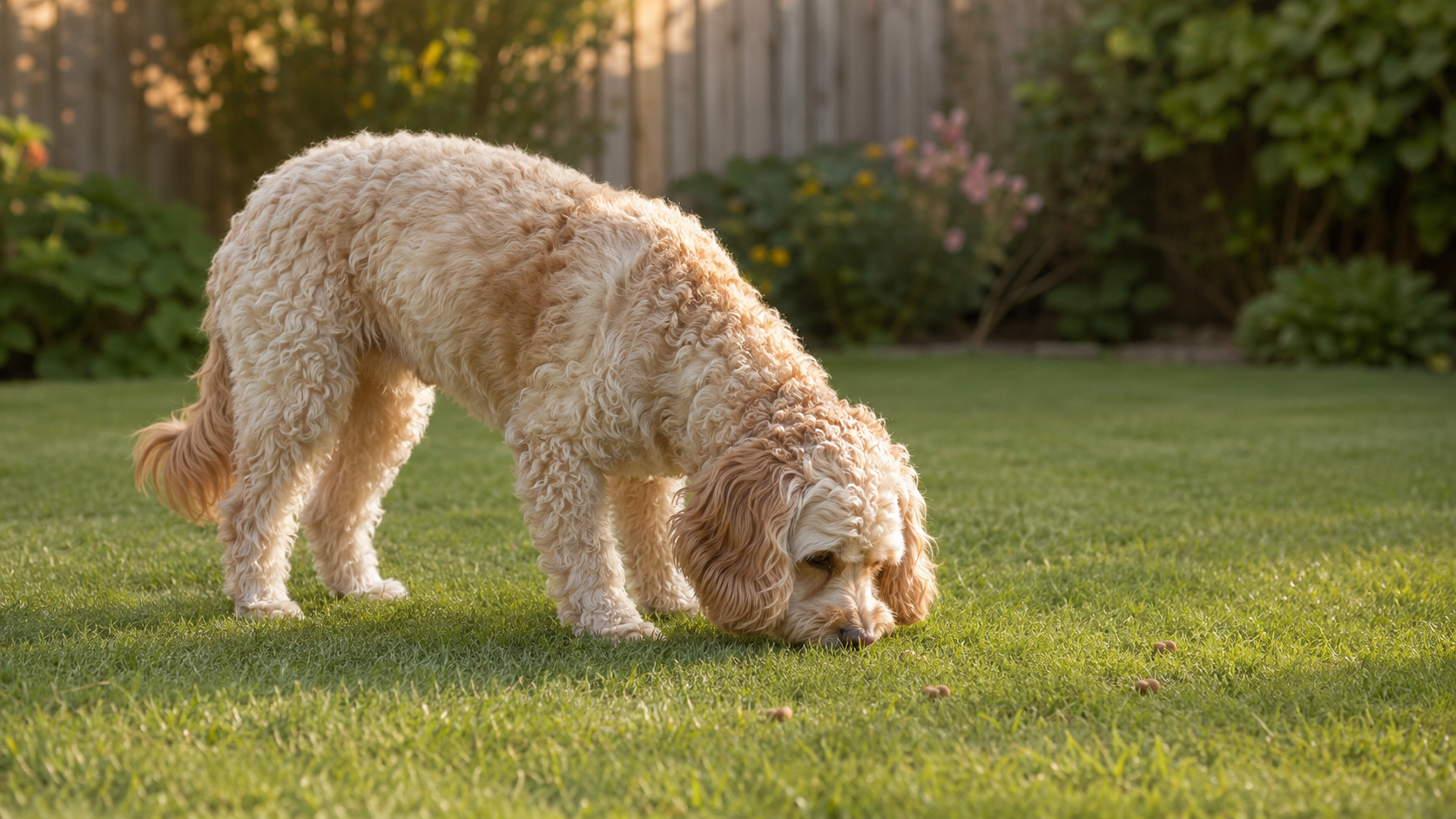
If your Cockapoo is still able to eat calmly, scatter a small amount of their normal food across grass, a snuffle mat or a safe floor area.
Sniffing gives the dog a slower, more organised activity.
Step 5: Offer an Appropriate Calming Activity
Depending on the individual dog, this might include:
- A safe chew
- A stuffed food toy
- A licking mat
- A familiar settle mat
- Quiet time in a comfortable room
Food activities are unsuitable where resource guarding is a concern unless you have received appropriate professional guidance.
Step 6: Allow Recovery
Do not immediately begin another game once your Cockapoo appears slightly calmer.
Give their nervous system time to recover fully.
The Five-Minute Cockapoo Reset Routine
This simple routine can be used when you notice the early signs of rising excitement.
Minute 1: Create Space
Move away from the trigger and stop energetic interaction.
Minute 2: Lower the Environment
Reduce noise, movement and visual stimulation.
Minute 3: Encourage Sniffing
Use a small food scatter or allow calm sniffing outdoors, provided your dog can still eat safely.
Minute 4: Offer a Calm Choice
Provide a suitable chew, licking activity or familiar resting place.
Minute 5: Observe
Watch your Cockapoo’s breathing, posture, movement and ability to respond.
Five minutes will not resolve every episode, but early intervention can prevent arousal from escalating.
How to Prevent Cockapoo Overstimulation
Build Decompression Into the Day
After a stimulating event, give your dog a quieter period rather than moving directly into another exciting activity.
Teach a Settle Behaviour
Reward your Cockapoo for lying calmly on a mat or bed.
Begin in a quiet room and gradually introduce mild distractions. The aim is not to force the dog to remain still but to make relaxation rewarding.
Reward Calmness You Did Not Request
Owners often notice their dogs most when they are barking, jumping or stealing something.
Quietly place a treat beside your Cockapoo when they choose to relax. This teaches them that calm behaviour also earns positive attention.
Use Short Training Sessions
Finish while your dog is still successful and attentive. Two or three minutes of focused training may be more useful than a long session that ends in frustration.
Balance Activity With Recovery
A healthy routine may include:
- Physical exercise
- Sniffing
- Short training sessions
- Chewing and licking
- Independent relaxation
- Undisturbed sleep
- Calm companionship
Plan Greetings
Ask visitors to remain calm and initially ignore your dog. Use a gate or separate area if needed, and introduce the Cockapoo once the initial excitement has subsided.
Keep a Behaviour Diary
Record:
- Time of day
- What happened beforehand
- Duration of the episode
- Sleep and rest
- Exercise
- Meals
- Visitors or unusual events
- What helped the dog recover
Patterns often become visible within a week or two.
Does an Overstimulated Cockapoo Need More Exercise?
Sometimes—but not always.
A Cockapoo with insufficient physical and mental activity may become restless. However, continually trying to exhaust an overstimulated dog can create an even fitter dog who still has no ability to settle.
High-speed activities may increase arousal further. A second long walk or another session of ball chasing is not always the answer.
Consider the quality of activity as well as the quantity.
A slower sniffing walk, gentle exploration, short training exercise or food-searching game may be more beneficial than constant running.
Exercise should also reflect your dog’s:
- Age
- Health
- fitness
- Size
- Parentage
- Temperament
- Veterinary advice
The Importance of Sleep
Sleep is one of the most overlooked parts of Cockapoo behaviour.
Puppies in particular need substantial rest. Yet many do not voluntarily settle when the household remains interesting and active.
An overtired puppy may:
- Race around the room
- Bite more forcefully
- Bark for attention
- Fight sleep
- Grab clothing
- Become unable to follow simple cues
Create a comfortable, low-traffic sleeping area and protect your dog from repeated interruption.
A crate may be useful when introduced positively, but it should not be used as punishment or as a place to force a distressed dog into isolation.
Common Mistakes Owners Make
❌ Adding More and More Exercise
This may increase fitness and arousal without teaching relaxation.
❌ Waiting Until the Dog Explodes
Intervention is more effective when you notice the first signs of rising excitement.
❌ Shouting or Using Physical Corrections
Punishment can add stress, fear or conflict to an already overwhelmed dog.
❌ Repeating Commands
A dog who is over threshold may be temporarily unable to respond. Repeating “sit” ten times will not restore emotional control.
❌ Encouraging Rough Play Too Close to Bedtime
Some dogs need a gradual transition from activity to rest.
❌ Assuming All Zoomies Are Identical
Brief, relaxed play is different from frantic behaviour accompanied by barking, biting and an inability to settle.
❌ Preventing All Excitement
The objective is not to make your Cockapoo inactive. Dogs need play, exploration and enjoyable experiences. The goal is to balance stimulation with recovery.
When Should You Speak to Your Vet or a Behaviourist?
Arrange a veterinary check if:
- The behaviour began suddenly
- Your dog reacts when touched
- Restlessness is worsening
- Your Cockapoo cannot sleep comfortably
- Behaviour changes after eating or exercise
- You notice digestive, skin, ear or mobility problems
- Your dog appears painful or unwell
- Previously gentle handling now causes snapping
Pain and illness can influence behaviour even when the physical signs are subtle.
Seek help from a suitably qualified, reward-based behaviour professional if:
- Biting is causing injury
- Behaviour is escalating
- Your dog redirects onto people or other animals
- Children or vulnerable adults may be at risk
- Your Cockapoo regularly growls, snaps or guards resources
- The behaviour appears rooted in fear or anxiety
- You feel unable to manage the situation safely
Do not wait for a serious bite before asking for support.
Key Takeaways
✅ Cockapoo overstimulation is more than ordinary energy.
✅ Biting, barking and zoomies can all be signs that arousal has become too high.
✅ Zoomies are not automatically a problem; context and the dog’s ability to settle matter.
✅ Overtired puppies frequently appear increasingly energetic.
✅ More exercise is not always the solution.
✅ Sniffing, chewing, rest and reduced stimulation can support recovery.
✅ Early intervention is more effective than waiting for behaviour to escalate.
✅ Sudden or serious behavioural changes warrant veterinary or professional attention.
Frequently Asked Questions
Why does my Cockapoo suddenly go crazy in the evening?
Evening zoomies and biting can be associated with accumulated excitement, tiredness, household activity or an unmet need such as toileting. Review the dog’s sleep and the events leading up to the episode.
Why does my Cockapoo bite me during zoomies?
Your dog may be so highly aroused that their impulse control temporarily deteriorates. Stop exciting interaction, create space and redirect towards a suitable calming activity when safe.
Should I put my overstimulated Cockapoo in a crate?
A positively introduced crate can provide a quiet resting area. It should not be used as punishment, and a distressed dog should not simply be shut away and left to panic.
Will my Cockapoo grow out of overstimulation?
Maturity may improve impulse control, but dogs also need opportunities to learn calm behaviour. Preventing rehearsal and teaching appropriate settling skills are important.
Why is my Cockapoo worse after a long walk?
The walk may have been physically tiring but mentally overwhelming. Busy environments, dog encounters and repeated excitement can leave some dogs more aroused rather than relaxed.
Can too much ball throwing overstimulate a Cockapoo?
Repeated high-speed chasing can maintain a high level of arousal. Balance retrieval games with pauses, sniffing, training and calmer activities.
Is an overstimulated Cockapoo aggressive?
Not necessarily. Mouthing, barking and frantic movement can arise from excitement or frustration. However, over-arousal can make behaviour less controlled, so safety should always be taken seriously.
How long does it take an overstimulated Cockapoo to calm down?
This varies according to the dog, trigger and intensity. Some recover within minutes, while others need a much longer quiet period and a less demanding day afterwards.
Should I ignore an overstimulated Cockapoo?
Withdrawing exciting attention may help, but safety and emotional wellbeing still matter. Calmly reduce stimulation, prevent access to people if biting is occurring and help the dog reach a suitable recovery area.
Can Cockapoo overstimulation be prevented completely?
Probably not. Excitement is a normal part of life. However, recognising triggers, protecting sleep and teaching calm routines can reduce the frequency and intensity of episodes.
Final Thoughts
Cockapoos are not difficult dogs simply because they become excited. Their enthusiasm, intelligence and sociability are among the qualities that make them so appealing.
Problems arise when excitement becomes more than the dog can process.
By identifying early warning signs, balancing activity with rest and teaching calmness as a genuine skill, you can help your Cockapoo make better choices before barking, biting or zoomies take over.
Your dog is not deliberately giving you a difficult time. They may be having a difficult time—and your calm guidance can help them find their way back.
🐾 Learn More With The Cockapoo Blueprint
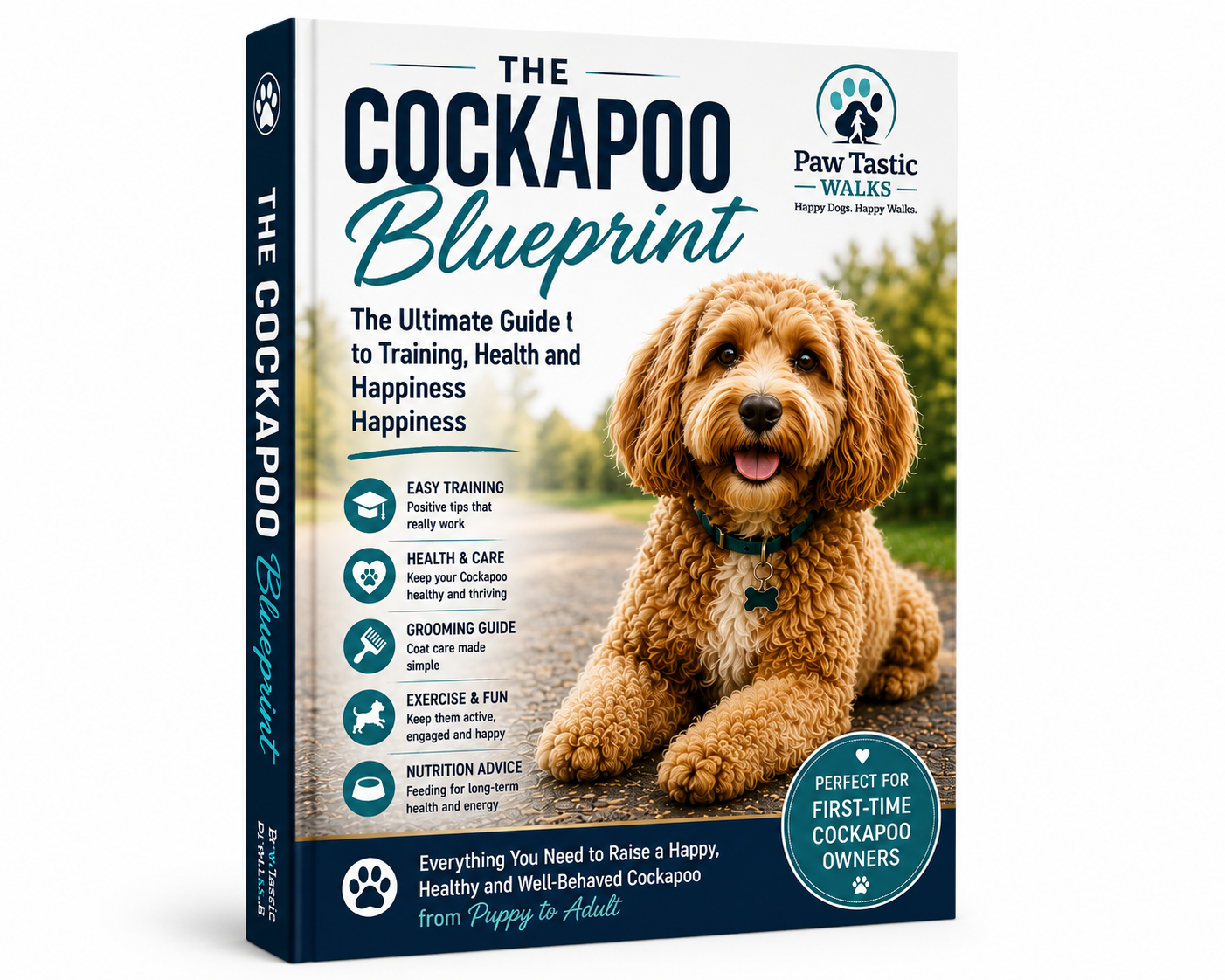
Would you like more practical guidance on Cockapoo training, behaviour, socialisation, health, grooming and everyday care?
Explore The Cockapoo Blueprint to see everything included in this comprehensive digital guide.
Ready to get your copy?
Buy and Download The Cockapoo Blueprint Here
Helping Dogs and Their Owners Enjoy Life Together.
This article provides general educational information and does not replace individual veterinary or behavioural advice. Sudden, severe or escalating behavioural changes should be discussed with a veterinary professional.