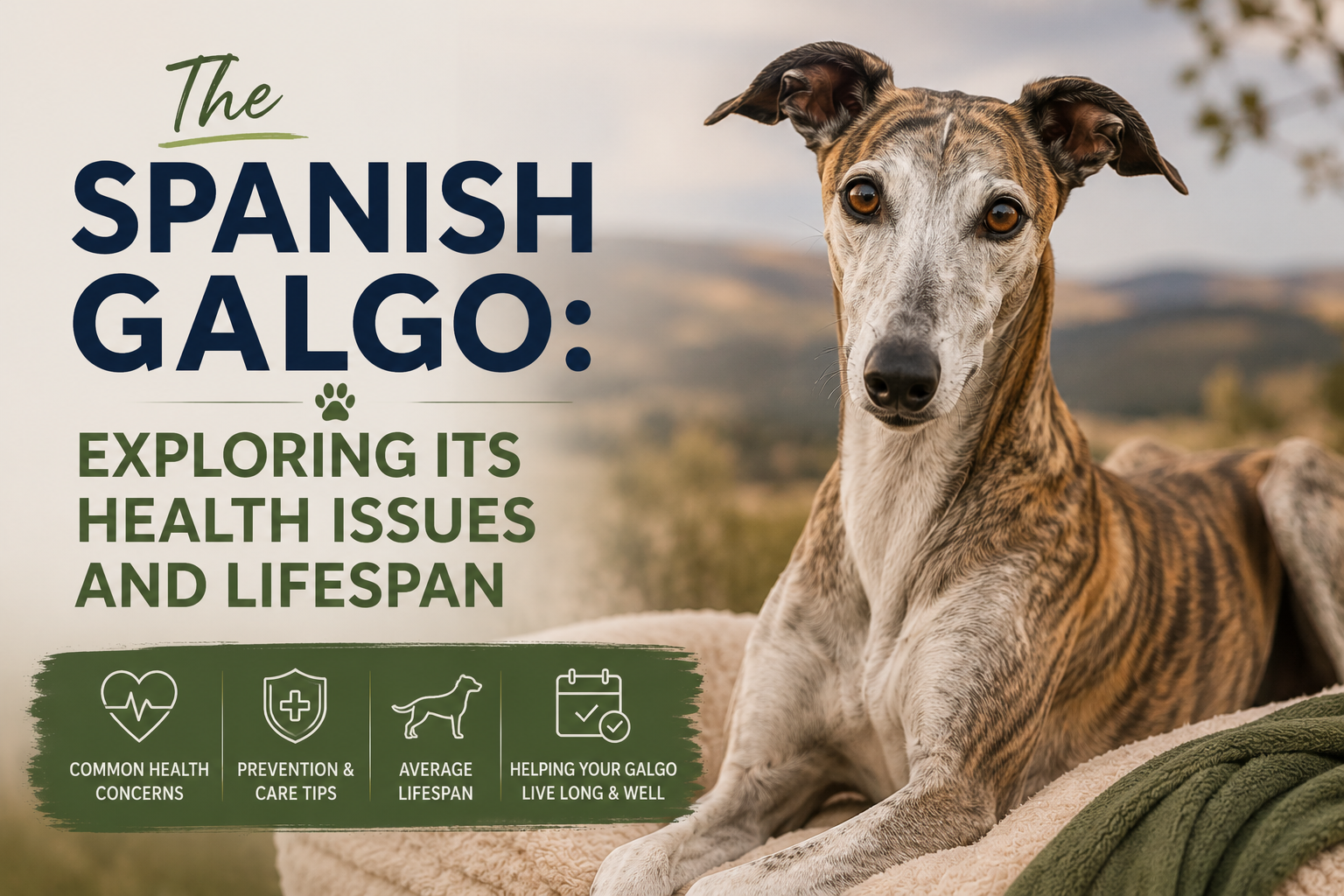
Thinking about getting a Spanish Galgo or already have one? It’s key to know about their health and longevity. As a caring dog owner, you want your Galgo to live a long, happy life. This article will help you understand their history, health issues, and care needs.
Spanish Galgos are known for being friendly, calm, and even-tempered. They make great friends. But, like all breeds, they face certain health problems. Knowing about these can help you give them the best care.
Key Takeaways
- Understand the specific health concerns associated with Spanish Galgos.
- Learn about the average lifespan of Spanish Galgos.
- Discover the necessary care requirements for a healthy Spanish Galgo.
- Explore the breed’s history and its impact on their health.
- Gain insights into creating a nurturing environment for your Galgo.
Understanding the Spanish Galgo Breed
The Spanish Galgo breed has a long and rich history. It is deeply connected to Spain’s culture. For centuries, they have been companions to hunters.
Origin and History of the Spanish Galgo
The Galgo breed has roots that go back thousands of years. They may have come from ancient African, Asian, and European sighthounds. This mix of heritage has made them unique.
Ancient Hunting Heritage
Spanish Galgos were bred for hunting. They are known for their speed and endurance. Their history as hunting companions has shaped their behavior and looks.
Traditional Uses in Spain
In Spain, Galgos hunted small game. They used their speed and agility for this. This has made them a distinct breed with specific needs.
Knowing the Spanish Galgo’s history is key to understanding their health. Their ancient roots and traditional uses affect their health today. This includes spanish galgo health issues and galgo espaol health concerns.
Spanish Galgo Health Issues and Lifespan: An Overview
The Spanish Galgo has a long history and some health issues you should know about. Knowing these health problems and their average lifespan is key for any owner.
Average Life Expectancy
Spanish Galgos live about 12 to 15 years, which is quite long for some breeds. Their lifespan depends on genetics, diet, and exercise.
Genetic Predispositions
Spanish Galgos face genetic health issues common in sighthounds. These include bloat and heart problems. Knowing these can help you watch your Galgo’s health better.
Comparison to Other Sighthounds
Spanish Galgos and other sighthounds share some health traits but also have differences.
Differences from English Greyhounds
Spanish Galgos and English Greyhounds are both sighthounds but have different health issues. English Greyhounds might get more injuries from their speed. Spanish Galgos have their own genetic risks.
Similarities with Other Mediterranean Hounds
Spanish Galgos and other Mediterranean hounds face similar health issues. Knowing these can help in caring for your dog better.
By understanding these factors, you can help your Spanish Galgo live a long and healthy life. Working with your vet is also important.

Common Orthopedic Issues in Spanish Galgos
Spanish Galgos are an active breed and can face several orthopedic problems. Their athletic nature is a key trait but also leads to health issues.
Hip and Elbow Dysplasia
Hip and elbow dysplasia are big concerns for Spanish Galgos. These issues happen when the joint doesn’t form right, causing arthritis and mobility problems. Regular vet visits can spot these early.
Panosteitis and Growth-Related Problems
Panosteitis is a painful bone inflammation that affects Galgos, mainly during growth. Keeping an eye on your Galgo’s growth and health can help manage this.
Fractures and Sports Injuries
Galgos are also at risk for fractures and sports injuries because of their athleticism. Making sure they exercise right and keeping their environment safe can help prevent these.
Prevention Strategies
To prevent orthopedic issues, focus on proper breeding, keeping a healthy weight, and the right exercise. Regular veterinary check-ups are key for early detection and care.
Treatment Options
Treatment for orthopedic problems can include conservative management like pain meds and physical therapy, or surgery for severe cases. Knowing your options helps you make the best care choices for your Galgo.
Being aware of these common orthopedic issues and taking action can help your Spanish Galgo stay healthy and active for life.
Cardiac Health Concerns in the Breed
Keeping your Spanish Galgo’s heart healthy is key for a long life. Issues like heart murmurs, valve disease, and dilated cardiomyopathy are big worries for this breed.
Heart Murmurs and Valve Disease
Heart murmurs and valve disease are common in Spanish Galgos. Regular vet visits can catch these early. Your vet might suggest echocardiograms to check the heart.
Dilated Cardiomyopathy
Dilated cardiomyopathy makes it hard for the heart to pump blood. Watch for signs like tiredness or trouble breathing. If you see these, get vet help fast.
Preventative Cardiac Care
Preventive care is vital for your Spanish Galgo’s heart. This means regular check-ups and a healthy lifestyle. Your vet can guide you on screening recommendations and spotting early warning signs.
Screening Recommendations
Annual cardiac checks are advised for Spanish Galgos from a young age. This early action can catch problems before they get worse.
Early Warning Signs
Knowing the signs of heart disease, like coughing or fainting, is important. If you see these, see your vet right away.
Digestive and Gastrointestinal Problems
Keeping your Spanish Galgo’s digestive health in check is key. Issues like bloat, food sensitivities, and dental problems can really hurt their quality of life.
Gastric Dilatation-Volvulus (Bloat)
Gastric dilatation-volvulus, or bloat, is a serious condition that can be deadly. It’s important to know the risks and what to do if it happens.
Risk Factors
Things that raise the risk of bloat include eating big meals, exercising right after eating, and having a family history of it.
Emergency Response
If you think your Galgo has bloat, get them to the vet fast. Spotting signs like a big belly and acting strangely can be a lifesaver.
Food Sensitivities and Allergies
Food sensitivities and allergies can make your Spanish Galgo feel bad. Finding and managing these issues is essential for their health.
Dental Health Issues
Dental care is often forgotten but is super important. Keeping their teeth clean can stop problems like tartar and gum disease.
Skin Conditions and Coat Health
Keeping your Spanish Galgo’s skin and coat healthy is key to their well-being. A shiny coat is not just good-looking; it shows they’re healthy too.
Common Dermatological Issues
Spanish Galgos can face skin problems like allergies and fungal infections. These issues can make them uncomfortable and lower their happiness.
Allergic Reactions
Allergies in Galgos can come from the environment, food, or certain substances. Signs include itching, red skin, and sores.
Fungal Infections
Fungal infections, like ringworm, are common too. They need quick treatment to stop them from spreading and to ease the discomfort.
Parasites and External Threats
External pests like fleas, ticks, and mites can harm their skin. Keeping these pests away is vital to protect their health.
Maintaining Healthy Skin and Coat
To ensure your Galgo’s skin and coat stay healthy, regular grooming, a balanced diet, and parasite prevention are important.
| Health Issue | Symptoms | Prevention/Treatment |
|---|---|---|
| Allergic Reactions | Itching, redness, skin lesions | Identify and avoid allergens, medication |
| Fungal Infections | Circular lesions, hair loss | Antifungal medication, hygiene practices |
| Parasites | Itching, skin irritation | Regular parasite control, grooming |

Neurological and Sensory Health
It’s important to know about the health concerns of Spanish Galgos. They can face certain issues that affect their life quality.
Epilepsy and Seizure Disorders
Epilepsy is a big concern for Spanish Galgos. It causes seizures that can upset both the dog and the owner. Working closely with your veterinarian is key to managing epilepsy.
Eye Problems in Spanish Galgos
Eye health is also a big deal. Conditions like Progressive Retinal Atrophy and corneal issues need attention.
Progressive Retinal Atrophy
This condition can cause blindness. Regular eye exams are vital for catching it early.
Corneal Issues
Corneal ulcers or dystrophies can hurt and affect vision. Quick vet care is needed to fix these problems.
Hearing and Balance Issues
Hearing loss and balance problems can happen too. They might be due to age or health issues. Keeping an eye on your Galgo’s hearing and balance is important.
As the quote goes,
“The greatness of a nation and its moral progress can be judged by the way its animals are treated.” – Mahatma Gandhi
Looking after your Spanish Galgo’s neurological and sensory health shows you care about their well-being.
By staying informed and watching closely, you can manage these health issues. Regular vet visits and a caring environment are essential.
Factors Affecting Spanish Galgo Lifespan
Knowing what affects your Spanish Galgo’s lifespan is key to their long, healthy life. Several things can impact their health and how long they live.
Genetic Influences
Genetics are a big deal for your Spanish Galgo’s lifespan. Some breeds face health issues that can shorten their life. Knowing your Galgo’s genetic risks helps you prevent problems.
Diet and Nutrition Impact
A good diet is vital for your Galgo’s health. The wrong diet can cause health problems and shorten their life. Make sure your Galgo eats a nutritious diet tailored to their needs.
Exercise and Physical Activity
Exercise is key for your Spanish Galgo’s health. It keeps them at a healthy weight and improves their heart health. But, don’t overdo it, as young dogs can get too tired.
Environmental Factors
Where your Galgo lives and the weather can affect their health and life span. This includes their home and the climate they’re in.
Housing Conditions
It’s important to give your Galgo a safe, clean, and comfy home. They need good shelter and protection from extreme weather.
Climate Considerations
Spanish Galgos don’t like extreme weather. Make sure they have the right shelter and care in bad weather to avoid health problems.
| Factor | Impact on Lifespan | Recommendations |
|---|---|---|
| Genetics | High | Awareness and preventative care |
| Diet | High | Balanced, nutritious diet |
| Exercise | Medium | Regular, appropriate exercise |
| Environment | High | Safe, comfortable living conditions |
By managing these factors, you can greatly improve your Spanish Galgo’s health and life span. Regular vet visits and a caring home are essential for a long, healthy life for your Galgo.
Special Health Considerations for Rescued Galgos
Rescued Spanish Galgos often have a history of neglect or abuse. This makes their health care a top priority. It’s important to know the health issues they may face when adopting a Galgo.
Addressing Past Neglect or Abuse
Many rescued Galgos have been neglected or abused. This can cause physical and behavioral challenges. It’s vital to approach their rehabilitation with care and patience.
Physical Rehabilitation
Physical rehabilitation for rescued Galgos involves fixing medical issues. This includes malnutrition, injuries, or chronic conditions. Working with a vet to create a rehabilitation plan is key.
Behavioral Rehabilitation
Behavioral rehabilitation is also critical. Many rescued Galgos have psychological scars. Providing a safe, loving environment helps rebuild their trust and confidence.
Common Health Issues in Rescue Galgos
Rescued Galgos often face orthopedic problems, cardiac concerns, and gastrointestinal issues. Regular vet visits are important for early detection and management.
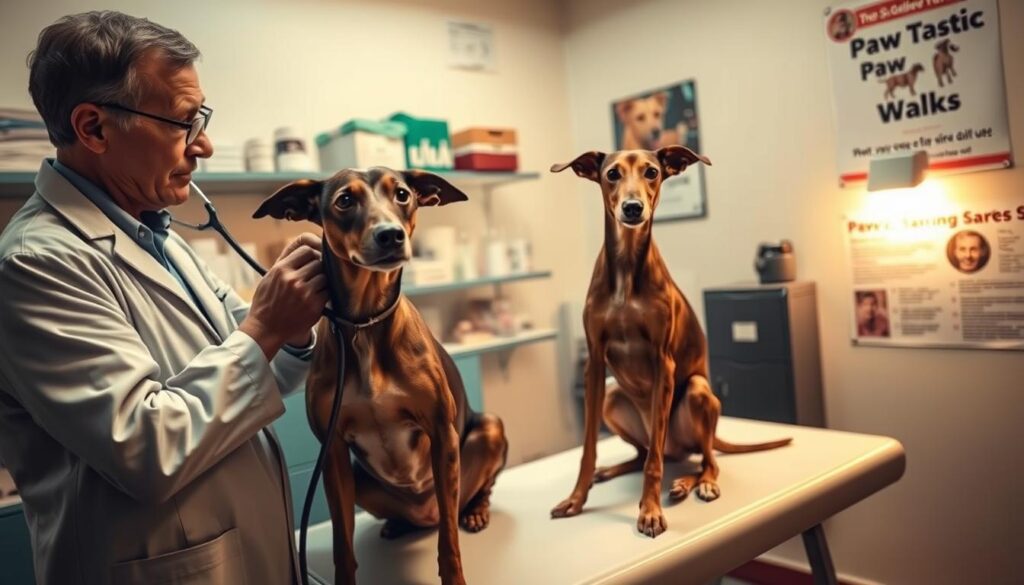
Building Trust with Veterinary Care
Building trust between your rescued Galgo and their vet is essential. This involves gentle, patient interactions and positive reinforcement during vet visits.
By understanding and addressing your rescued Spanish Galgo’s unique health needs, you can help them live a happy, healthy life.
Senior Galgo Care and Age-Related Concerns
Caring for a senior Spanish Galgo means watching for signs of aging. As they get older, they may face health issues that need special care.
Recognizing Signs of Aging
Senior Galgos may show signs like less energy, weight changes, and gray fur. It’s important to take them to the vet regularly to catch any health problems early.
Managing Arthritis and Joint Pain
Arthritis is common in older Galgos. To manage it, you need vet care, lifestyle changes, and sometimes medicine. This helps with pain and keeps them moving well.
| Management Strategy | Description |
|---|---|
| Veterinary Care | Regular check-ups and diagnostic tests to monitor arthritis progression. |
| Lifestyle Adjustments | Adjusting exercise routines and providing a comfortable living environment. |
| Medication | Using anti-inflammatory drugs or pain relief medication as prescribed by a veterinarian. |
Cognitive Changes in Older Galgos
Older Galgos can have cognitive decline, like Alzheimer’s in humans. Spotting the signs and adjusting their space can help manage this.
Canine Cognitive Dysfunction
Canine Cognitive Dysfunction (CCD) is a brain disorder in older dogs. It causes confusion, anxiety, and sleep pattern changes.
Environmental Adaptations
Changing their environment, like providing mental stimulation and a routine, can ease CCD symptoms.
End-of-Life Care Considerations
When your Galgo is nearing the end, think about their quality of life. Talk to your vet about end-of-life care to ensure a peaceful end.

Preventative Healthcare Strategies
To keep your Galgo healthy for a long time, it’s key to use good preventative care. By being proactive with your dog’s health, you can avoid many common problems. These issues are often seen in the Spanish Galgo breed.
Vaccination and Parasite Prevention
Vaccines and parasite control are basic steps in care. Make sure your Galgo gets all needed vaccines. Also, protect them from fleas, ticks, and heartworms.
Regular Veterinary Check-ups
Seeing your vet regularly is very important. These visits should include:
- Recommended Screening Tests: Annual tests for health issues like heart disease and some cancers.
- Frequency of Visits: Healthy adults need at least one visit a year. Dogs with health problems or older dogs may need more.
Diet and Exercise Management
It’s important to feed your Galgo right and make sure they get enough exercise.
- Nutritional Requirements: Give them a high-quality diet. Consider their age, size, and how active they are.
- Exercise Protocols: Make sure they get enough physical activity. This includes daily walks and occasional runs, based on their age and health.
Mental Stimulation for Overall Health
Mental health is as important as physical health. Keep your Galgo’s mind active with puzzle toys and obedience training. This helps prevent boredom and stress.
Conclusion: Ensuring Your Spanish Galgo’s Well-being and Longevity
Understanding health issues in Spanish Galgos is key to their long, healthy life. Knowing about problems like orthopedic, cardiac, and digestive issues helps. This knowledge lets you take steps to improve their health and life span.
To keep your Galgo healthy, focus on a balanced lifestyle. This includes a good diet, regular exercise, and mental stimulation. Also, don’t forget regular vet visits and preventative care. These steps help prevent or manage common health issues.
By being proactive about your Galgo’s health, you ensure a long, happy life for them. With proper care, your Galgo will thrive. This way, you’ll enjoy a rewarding companionship. Knowing about Spanish Galgo health issues is essential for their well-being.
FAQ
What is the average lifespan of a Spanish Galgo?
Spanish Galgos can live up to 12 to 15 years. This is quite long compared to other breeds.
What are some common health issues in Spanish Galgos?
They often face health problems like hip and elbow dysplasia. They can also have heart issues and stomach problems.
How can I prevent or manage hip dysplasia in my Spanish Galgo?
Keep your Galgo at a healthy weight and exercise them regularly. You might also need to do hip scoring. Your vet can help with the best plan.
What are the signs of aging in Spanish Galgos, and how can I care for my senior Galgo?
Signs of aging include less mobility and weight changes. For your senior Galgo, adjust their diet and exercise. Also, manage their arthritis and pain. Regular vet visits are key.
How often should I take my Spanish Galgo for veterinary check-ups?
It’s important to take your Galgo for vet visits often. Do this yearly, and more if they’re older or have health issues.
What preventative healthcare strategies can I implement for my Spanish Galgo?
Keep up with vaccinations and prevent parasites. Manage their diet and exercise. Also, give them mental stimulation for their health and happiness.
Are rescued Spanish Galgos more prone to health issues?
Yes, rescued Galgos might face more health problems due to neglect. Work with your vet to address these issues. Building trust with your Galgo is also important.
How can I maintain my Spanish Galgo’s skin and coat health?
Be aware of skin issues and protect them from parasites. Regular grooming and a balanced diet are also key.
What are the key factors that affect a Spanish Galgo’s lifespan?
Genetics, diet, exercise, and environment are important. Managing these can help your Galgo live a long, healthy life.