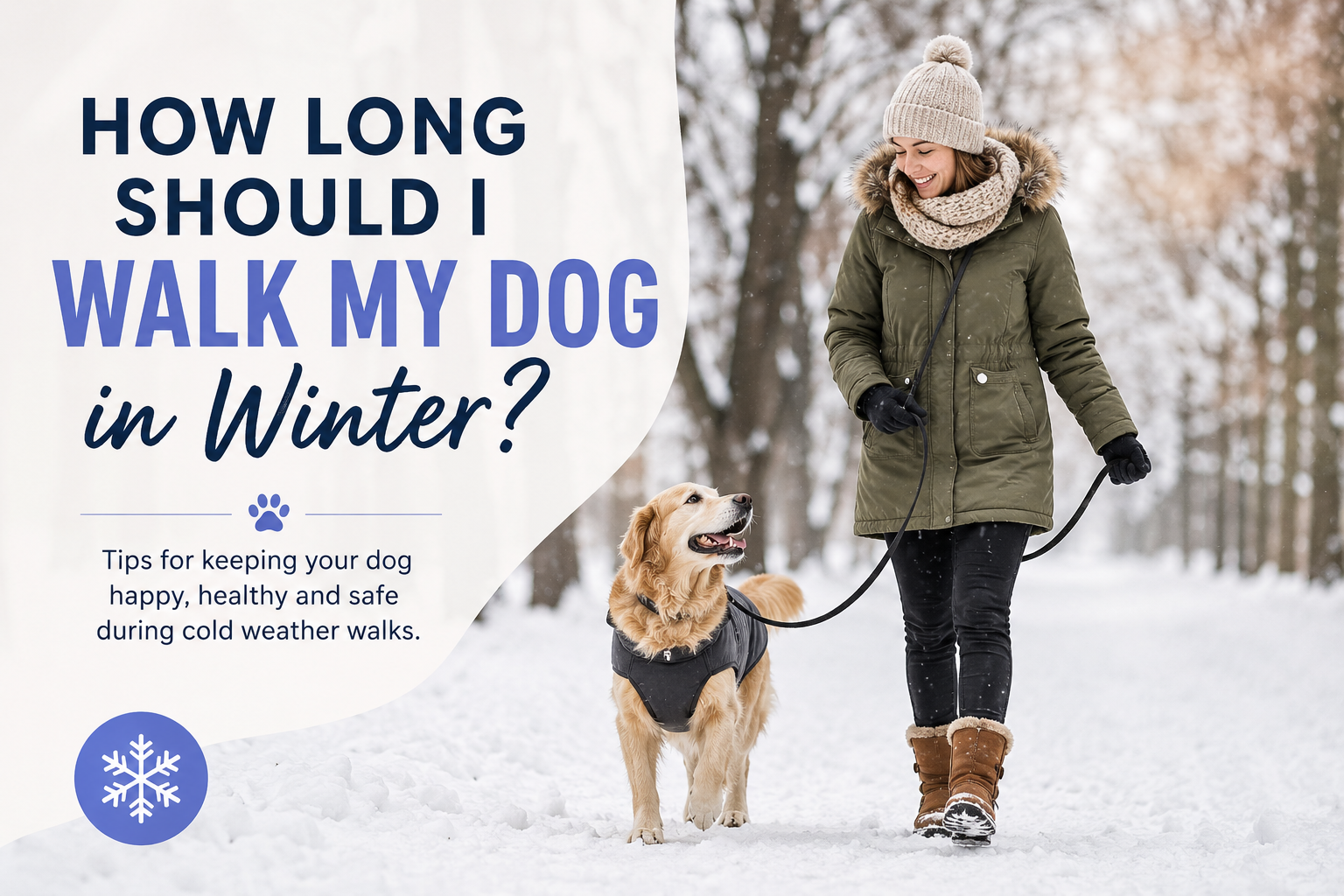
As the temperature drops, it’s vital to keep your pet’s safety in mind.
Dr. Nick Horniman, MRCVS, says it’s safe to walk your dog when it’s above 32 degrees Fahrenheit.
Before you take your dog out, think about their breed, age, and health.
Older dogs and puppies are more at risk in the cold. They can get frostbite or hypothermia.
Knowing this helps you decide how long to let them exercise in the winter.
Key Takeaways
- Check the temperature before taking your dog for a walk.
- Consider your dog’s breed, age, and health when deciding on walk duration.
- Be aware of the risks of frostbite and hypothermia in cold weather.
- Adjust your dog’s exercise routine according to the weather.
- Prioritize your dog’s safety during snowy dog walks.
Understanding How Winter Affects Your Dog
When winter comes, it’s key to know how it affects your dog. Cold weather can change how your dog feels and acts.
It’s important to understand these changes to take good care of your dog.
Cold Weather Physiology in Dogs
Dogs react differently to cold, based on their breed, age, and health. Their bodies try to keep warm by vasoconstriction, which means less blood flow to their fur.
Some dogs even shiver to make heat. Knowing how your dog handles cold can help you care for them better.
Temperature Tolerance Variations
Dogs vary in how well they handle cold. Some, like Siberian Huskies, are built for cold weather with their thick coats.
But short-haired dogs or those with health issues might find it harder to stay warm. Knowing your dog’s needs is key to keeping them safe and cozy in winter.
Experts say, “Dogs with thick double coats can usually handle colder temperatures better than those with short, thin coats.”
This helps you make better choices for your dog’s winter care.
Factors Determining Winter Walk Duration
Knowing what affects how long you should walk your dog in winter is key. Several things play a big role in this.
They help keep your dog safe and comfortable during the cold months.
Breed and Coat Type
Your dog’s breed and coat type matter a lot when it’s cold. Short-haired breeds and those with thin coats might need shorter walks to stay warm.
But, cold-weather breeds with thick coats can handle longer walks in the snow.
For example, Siberian Huskies and Alaskan Malamutes are built for the cold.
They can enjoy longer walks in winter.
Age and Health Considerations
A dog’s age and health are very important for winter walks. Puppies and older dogs might struggle to stay warm. They need shorter, gentler walks.
Dogs with health conditions like arthritis or heart problems also need shorter walks.
Always talk to your vet to figure out the best walking plan for your dog.
Acclimatization to Cold
Dogs used to cold weather can handle longer walks. But, dogs new to cold need time to get used to it.
Start by slowly increasing your walks over time.
This lets your dog get used to the cold. It’s a good way to help them adjust.
By thinking about these factors, you can make winter walks better for your dog. Make sure to watch your dog’s behavior and health during walks.
Adjust your routine as needed to keep them safe and happy.
Recommended Winter Dog Walking Durations
Winter dog walking needs careful thought about your dog’s breed, coat, and the weather.
Adjusting walk times helps keep your dog safe and healthy in the cold.
Short-Haired and Small Breeds
Short-haired and small breeds, like Chihuahuas and Greyhounds, feel the cold more. It’s key to keep walks short, mainly in very cold weather.
Chihuahuas, Greyhounds, and Similar Breeds
Walks for Chihuahuas and Greyhounds should be brief, about 10-15 minutes. They might need dog coats or sweaters to stay warm.
Appropriate Temperature Thresholds
When it’s below 40°F (4°C), walks for short-haired and small breeds should be shorter.
Always check the ground temperature to avoid hurting your dog’s paws.
Medium and Double-Coated Breeds
Medium and double-coated breeds, like Retrievers and Shepherds, handle cold better.
But, their walk times should match the temperature.
Retrievers, Shepherds, and Similar Breeds
Retrievers and Shepherds can go on longer walks, 30 to 60 minutes. This depends on their age, health, and how they adjust to cold.
Extending Walk Times Safely
To safely extend walks for medium and double-coated breeds, watch the temperature and your dog’s comfort.
In very cold or windy weather, keep walks shorter to avoid hypothermia.
Cold-Weather Breeds
Cold-weather breeds, such as Huskies, Malamutes, and Mountain Dogs, are built for cold.
They can handle longer walks in snow.
Huskies, Malamutes, and Mountain Dogs
Huskies, Malamutes, and similar breeds can have longer walks, 45 minutes to an hour or more.
But, only if the weather isn’t too harsh.
Monitoring Even Cold-Tolerant Dogs
Even dogs that tolerate cold need watching during winter walks. Look for signs of cold stress, like shivering or lifting their paws.
Adjust walk times if needed.
Understanding your dog’s needs and adjusting walk times ensures they stay healthy and happy in winter.
Consider breed, coat, age, and health when planning winter walks.
Signs Your Dog is Too Cold During Walks
Cold weather can be tough on dogs. It’s important to know when they’re uncomfortable or in distress during winter walks.
As a dog owner, being aware of these signs helps keep your pet safe and happy.
Physical Indicators
Your dog’s body language can show if they’re cold. Look for these signs:
- Shivering: Just like humans, dogs shiver when they’re cold.
- Posture Changes: A dog that’s too cold might change their posture, such as tucking their tail or altering their gait.
- Paw Lifting: Dogs may lift their paws to avoid cold contact with the ground.
- Cold Extremities: Check if your dog’s ears, paws, or tail feel cold to the touch.
Shivering and Posture Changes
Shivering means your dog is cold. If they change their posture, it’s a sign they’re trying to stay warm or avoid being cold.
Paw Lifting and Cold Extremities
Paw lifting shows the ground is too cold for your dog. If their ears, paws, or tail are cold, they need to warm up.
Behavioral Changes
Dogs also show behavioral changes when they’re cold. Look for these signs:
- Reluctance to Continue Walking: If your dog shows hesitation or refusal to continue the walk, it might be due to the cold.
- Seeking Shelter or Warmth: Dogs may try to find shelter or a warm place to escape the cold.
Reluctance to Continue Walking
If your dog doesn’t want to keep walking, they’re probably cold. It’s time to head back home.
Seeking Shelter or Warmth
When dogs seek shelter or try to snuggle up for warmth, it’s a clear sign that they’re too cold.
Essential Winter Dog Walking Gear
Getting your dog the right winter gear is key for fun and safe walks.
The right stuff helps your dog stay warm and move easily in cold weather.
Protective Clothing Options
Protective clothes are a must for winter walks. A good dog coat or sweater keeps your dog warm and shields them from cold winds.
Coats and Sweaters
Choose a coat or sweater that fits well and is made of the right material. Waterproof and breathable materials like nylon or polyester are best.
They keep moisture out but let it breathe, so your dog doesn’t get too cold.
Sizing and Material Considerations
Getting the right size is important for your dog’s comfort and how well the clothes work.
Measure your dog and check the size chart. Pick materials that are tough, easy to clean, and meet your dog’s needs.
Paw Protection
Protecting your dog’s paws is also key in winter. Ice, salt, and cold can hurt their paws.
Booties and Paw Wax
Dog booties act as a shield for your dog’s paws on cold surfaces. Paw wax creates a protective layer on the paws.
Choose what works best for your dog based on their comfort and needs.
Post-Walk Paw Care
Clean your dog’s paws after walks to remove salt or chemicals. Check for any signs of irritation or damage.
Owner Equipment for Safe Walks
As a dog owner, you also need the right gear for safe walks.
Reflective gear or lights help you be seen, which is important in the dark.
By getting the right winter gear, you and your dog can enjoy safe and cozy walks all winter.
Winter Dog Walking Safety Tips
To keep your dog safe during winter walks, it’s key to know the dangers and take steps to avoid them.
Winter can be tough for both you and your dog. But, with the right tips, you can stay safe and have fun together.
Step 1: Check Weather Conditions Before Heading Out
Before you take your dog for a walk, check the weather forecast. Use a weather app on your phone or look online. If it’s too cold for your dog, plan shorter walks or indoor fun instead.
Step 2: Protect Against Ice and Road Salt Hazards
Ice and road salt are big dangers in winter. Ice can make you slip, and salt can hurt your dog’s paws.
Use dog booties or a paw protectant to keep their paws safe. Clean their paws well after the walk to remove salt or chemicals.
Step 3: Ensure Visibility and Emergency Preparedness
In winter, it gets darker earlier, and it’s harder to see because of snow or fog. Wear clothes that reflect light to be seen by drivers.
Carry a flashlight or wear a light on your jacket.
It’s smart to have a basic emergency kit with a first-aid kit, a blanket, and a phone charger.
| Safety Tip | Description | Benefit |
|---|---|---|
| Check Weather | Check forecast before walks | Avoid extreme cold |
| Protect Paws | Use booties or paw protectant | Prevent ice and salt damage |
| Increase Visibility | Wear reflective clothing | Be seen by drivers |
The Benefits of Winter Dog Walking
Winter dog walking is great for your dog’s health and happiness. It keeps them physically fit and mentally sharp.
Regular walks in the cold season are key.
Physical Health Advantages
Walking your dog in winter has many benefits. Regular exercise helps them stay at a healthy weight and boosts their heart health.
It also strengthens their muscles.
Winter walks can also make your dog’s immune system stronger. This means they get sick less often.
Plus, it keeps their joints flexible and mobile.
For dogs that easily gain weight, winter walks are a big help. The cold makes them want to move more, burning calories.
Here’s how winter walks compare to staying indoors:
| Activity | Caloric Burn | Muscle Engagement |
|---|---|---|
| Winter Walks | High | Full Body |
| Indoor Play | Moderate | Variable |
Mental Stimulation in Snow Environments
Winter, with its snow, is exciting for dogs. The new sights and smells keep them engaged. The novelty of snow makes them less bored and stressed.
The calm atmosphere strengthens your bond with your dog. It makes walks a joy for both of you.
Alternative Exercise Options During Extreme Weather
Exercising your dog doesn’t always mean going outside. There are many indoor and sheltered outdoor activities you can try.
On very cold days, these options help keep your dog’s body and mind healthy.
Indoor Activities to Keep Your Dog Active
Indoor activities are perfect for keeping your dog active when it’s too cold. You can play indoor fetch in a hallway or room.
Or, set up an obstacle course with things you have at home.
Another fun idea is to hide treats around the house. This activity keeps your dog’s mind sharp.
- Play indoor fetch
- Set up an obstacle course
- Hide treats for your dog to find
Sheltered Outdoor Options
If your dog needs to go outside, look for sheltered spots. A covered porch or a garage can be a temporary play area.
You can also find indoor dog parks or pet-friendly indoor places in your area.
| Activity | Location | Benefits |
|---|---|---|
| Indoor Fetch | Home | Physical exercise, fun |
| Obstacle Course | Home | Physical exercise, mental stimulation |
| Hide and Seek | Home | Mental stimulation |
| Indoor Dog Parks | Local facilities | Socialization, physical exercise |

Conclusion
As winter comes, it’s key to think about your dog’s needs on walks. Knowing how to keep them safe and happy is important.
By taking the right winter dog walking precautions, you can make walks enjoyable for your dog.
When it’s cold, make sure your dog is safe and healthy. Use cold weather dog walking essentials like coats and paw protection.
Also, watch for signs of cold stress in your dog.
Good winter pet care means paying attention to how your dog feels and acts.
By following the tips in this article, you can make walks fun and safe for both you and your dog.
Walking your dog in the snow or on icy streets requires careful attention.
By focusing on their safety and comfort, you can enjoy winter walks with your dog.
This way, you’ll keep your dog happy and healthy.
FAQ
How do I know if my dog is too cold during a winter walk?
Look for signs like shivering, whining, or lifting their paws. Also, watch for behavioral changes like trying to turn back or showing reluctance.
What factors determine how long I should walk my dog in winter?
Consider your dog’s breed, coat type, age, health, and how well they handle cold. This will help you decide on the walk duration.
Are there specific guidelines for walking short-haired breeds in winter?
Yes, short-haired breeds need shorter walks because they can’t handle cold as well. Aim for 10-15 minutes.
How can I protect my dog’s paws during winter walks?
Use paw protection like booties or balms. This keeps their paws safe from ice, salt, and cold surfaces.
What are some alternative exercise options for my dog during extreme cold weather?
Try indoor activities like fetch or hide-and-seek. You can also play in a covered area or a fenced yard.
Can I stil walk my dog in extreme cold weather?
If it’s very cold, consider other exercise options or shorten your walk. This helps protect them from harsh conditions.
How can I keep my dog safe during winter walks?
Check the weather before going out. Protect them from ice and road salt. Also, make sure they’re visible and prepared for emergencies.
What are the benefits of walking my dog in the snow?
Snow walks are good for their health and keep them mentally active. They help reduce boredom and keep your dog engaged.
How do I choose the right gear for winter dog walking?
Choose gear based on your dog’s needs. Look for a well-fitting dog coat and booties for paw protection.
Are there specific dog breeds that are more tolerant of cold weather?
Yes, breeds like Siberian Huskies and Alaskan Malamutes are more tolerant of cold. Their thick coats and physiology help.
How can I tell if my dog is experiencing hypothermia or frostbite?
Watch for shivering, lethargy, and confusion for hypothermia. Look for pale or blue-tinged skin for frostbite. Seek vet help if you suspect either.
Can older dogs or puppies walk in cold weather?
Older dogs and puppies are more at risk in cold weather. Limit their exposure and consider other exercise options.