

When asking are Siberian Huskies good family dogs, the answer is that they can be wonderful companions for the right household. They are friendly, funny, affectionate, and a lot of fun to live with.
They are also busy, stubborn, loud at times, and full of opinions. If you want a calm, low-maintenance dog, a Siberian Husky may feel less like a pet and more like a full-time side project.
That doesn’t make them bad family dogs. It means you need a clear-eyed look at what daily life with one is really like.
Yes, Siberian Huskies can be excellent family dogs, but they are best suited for active households that can handle their high energy levels, strong-willed nature, and heavy shedding.
They are affectionate and playful, though their independent streak and high prey drive require consistent training and supervision, especially around young children and smaller pets.
Key Takeaways
- Siberian Huskies are loving and social, but they are not easy dogs for first-time owners.
- They usually thrive with an active lifestyle, older children, and steady daily routines.
- Consistent exercise, obedience training, and constant supervision are essential parts of owning this breed.
- Challenges like heavy shedding, frequent escape attempts, and vocal noise are common traits of the breed rather than rare occurrences.
- If your current lifestyle does not match the needs of a Siberian Husky, another dog breed may be a better fit for your family.

What a Siberian Husky is really like at home
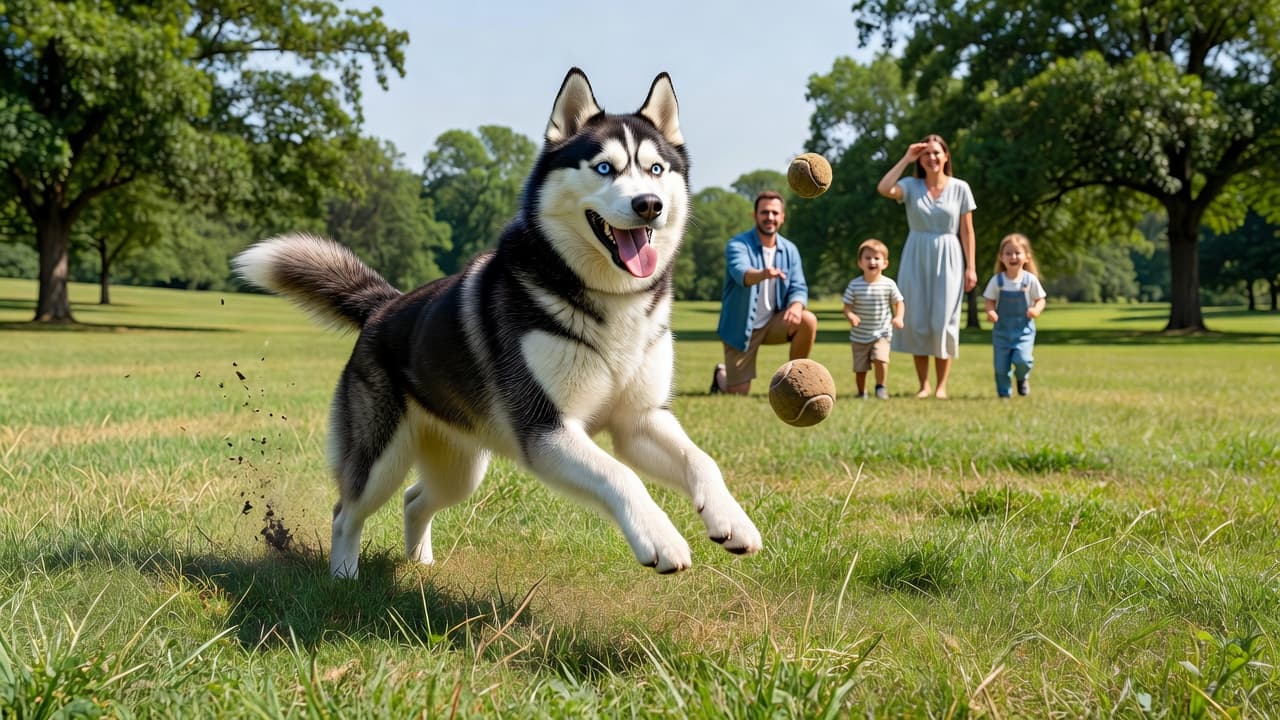
A Siberian Husky at home is often cheerful, curious, and always ready to join in. They enjoy being around people, and many of them hate feeling left out of the action.
Their striking, wolf-like appearance fools a lot of people. They can seem serious from a distance, but many Huskies are clowns in fur coats.
The breed’s history as a working dog breed gives useful background, but in family life, they are often more playful than intimidating.
Friendly, playful, and people-focused
Most Huskies enjoy attention. They like games, movement, and being near their people, whether that means a walk, yard time, or flopping dramatically in the middle of family life.
They are usually social dogs. Many will greet guests with excitement rather than suspicion, which is lovely for family life but not much use if you want a watchdog.
That outgoing nature is part of their charm. These dogs often bond well with adults and kids alike, especially when the home is active and the pet gets plenty of time with the family.
Independent streaks that can surprise new owners
Now for the part that catches people off guard. Huskies often think for themselves.
They can learn well, but they do not always see the point of doing something just because you asked. That can make training feel slow if you are expecting instant obedience. A Husky may know the cue, look right at you, and then decide to weigh its options.
This does not mean they lack brains. They are highly intelligent dogs, but their independent nature means that training requires patience, consistency, and a sense of humor.
Why Siberian Huskies can be good family dogs
For an active lifestyle, a Husky can bring a huge amount of joy. They are often affectionate, playful, and full of personality, and they usually aren’t known for human aggression.
Many families love their happy energy and their eagerness to be involved in everyday life. It is important to remember that their high exercise needs must be met to keep them happy and balanced in a family setting.
They also tend to do well with older children who understand how to respect a dog’s space and signals.
If you want extra help with routines, training, and day-to-day dog care, Check out our great guides on Payhip.
A good fit for active kids and busy households
Huskies shine in homes where activity is normal. If your family likes long walks, hikes, outdoor play, and regular adventures, this breed can feel like a natural match.
They usually do best when they are part of the routine. Morning walk, school run, afternoon play, evening training, they like life with movement and structure.
A Husky that gets included often settles better than one left to entertain itself.
For older kids, that can be a great partnership. Many Huskies love games in the yard, brisk walks, and shared routines that make them feel part of the pack.
Usually gentle, but not always calm
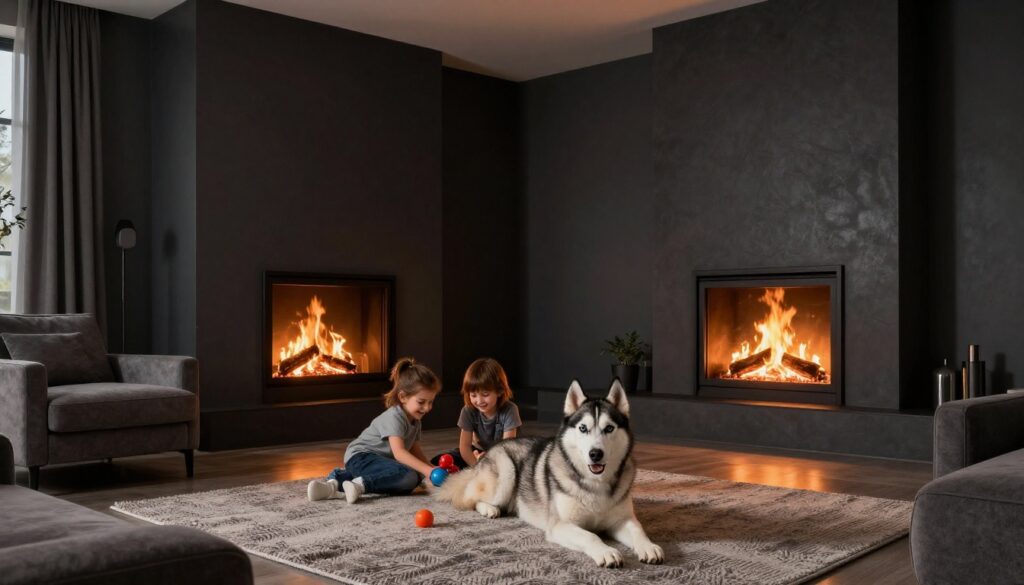
Friendly does not always mean easy with small children. Huskies are often bouncy, fast, and strong, and excitement can send a toddler wobbling like a bowling pin.
That matters in real family life. Even a sweet dog can accidentally knock over a small children, grab a toy in the middle of zoomies, or get too wound up during play.
Supervision is important, especially with small children. A Husky may be loving, but calm and careful are not the same thing.
The challenges families should know before bringing one home
This is where the honest answer matters most. Huskies are not bad dogs, but they are demanding dogs, and those demands show up every single day.
High energy levels, exercise needs, and mental stimulation are not optional
A quick stroll around the block will not cut it for most adult Huskies.
Because of their high energy levels, current breed care guidance often suggests that healthy adults require around two hours of vigorous daily activity to satisfy their exercise needs.
This usually means long walks, running, active play, and training, split across the day. In hot weather, care matters even more because this is a cold-weather breed.
A bored Husky rarely stays bored for long. It will find a project, and you may not enjoy the result. Consistent mental stimulation is essential as well.
Short training sessions, food puzzles, scent games, and tug toys can help take the edge off that busy Husky brain.
Prey drive, digging, and escape attempts
Huskies are famous escape artists. They may dig under fences, climb them, or bolt through an open gate if something interesting appears on the other side.
They also have a strong prey drive. Small animals like cats, rabbits, guinea pigs, chickens, and squirrels can trigger a predatory drive, even in a dog that seems gentle indoors.
Families with very small pets need to think hard before bringing one home.
The wider husky type background helps explain why roaming and pulling instincts can run so strong in these dogs. Off-leash freedom is usually only safe in very secure areas.
Heavy shedding, howling and vocalizations, and other everyday reality checks
Huskies possess a dense double coat, which leads to heavy shedding. During coat blowouts, it can feel like your house is producing spare dogs.
Regular brushing helps, and these easy home grooming tips can make your grooming requirements much more manageable. If you hate fur on clothes, furniture, and car seats, this breed may test your patience.
Howling and vocalizations are another factor. Some Huskies bark, many talk, and plenty will howl. In a detached home, that may be funny.
In an apartment, it can turn into a neighbor problem.

How to tell if your family and home are a good match
The best Husky homes are active, consistent, and realistic. Because the Siberian Husky is a notoriously stubborn breed, they do better with owners who have plenty of time, clear rules, and the confidence to stick with training when the dog decides to negotiate.
These dogs also thrive when someone is around often. Leaving them alone for long stretches can trigger separation anxiety, which often manifests as destructive behavior around the house.
Establishing a routine and using crate training can be helpful tools for both your dog’s safety and your peace of mind. Consistent, reward-based training helps build a strong bond, and these positive reinforcement training tips are a solid starting point.
Questions to ask before choosing a Husky
Before you bring one home, ask yourself these simple questions:
- Do we have time for long walks and active play every day?
- Can we stay consistent with training a stubborn breed, even when progress feels slow?
- Can we handle heavy shedding and a noisy dog?
- Do we have a fenced yard that a smart dog cannot easily escape?
- Are our children old enough for a strong, energetic dog?
- Are we prepared for the reality that off-leash reliability is rare, even with extensive training?
If you are still comparing what dog ownership will look like day to day, Check out our ebook guides on Etsy.
When another breed may be the better choice
If your home has very young children, small pets, little free time, or first-time dog owners, a Husky may be more challenging than you expect.
A calmer, lower-energy breed could fit your life better.
That is not settling; that is choosing wisely. If you are still weighing your options, these tips for new dog adopters can help you think it through before you commit.
Frequently Asked Questions
Are Siberian Huskies good with young children?
While generally gentle and friendly, Huskies are energetic and bouncy dogs that can accidentally knock over small children.
They often do best in families with older children who understand how to respect the dog’s space and boundaries. Constant supervision is necessary to ensure play remains safe for everyone involved.
Can I let my Husky run off-leash in the park?
It is generally not recommended to let a Siberian Husky off-leash unless you are in a completely secure, fenced area.
This breed has a very strong prey drive and a tendency to wander, meaning they often prioritize chasing squirrels or exploring over listening to recall commands. Their independent nature makes reliable off-leash training a significant challenge for most owners.
Do Siberian Huskies require a lot of grooming?
Huskies have a dense double coat that sheds heavily, especially during seasonal coat blowouts. You should be prepared to brush them regularly to keep the loose fur under control and maintain their coat health.
If you are sensitive to pet hair on your furniture and clothing, you may find the level of shedding to be quite demanding.
Conclusion
Siberian Huskies can be wonderful family dogs, but they are a specialized breed that thrives only in the right environment.
These dogs require consistent exercise, dedicated training, and a high level of patience from every member of the household.
A Siberian Husky is best suited for a home that is prepared to handle high energy levels, seasonal shedding, and a notoriously dramatic personality.
If your family leads an active lifestyle, maintains a consistent routine, and is ready to put in the necessary work, a Siberian Husky can be a loving and unforgettable companion.
However, if your current living situation or daily schedule does not match the specific needs of this breed, choosing a different type of dog is often the kinder and more responsible decision for everyone involved.
This post may contain affiliate links. If you make a purchase through these links, I may earn a small commission at no extra cost to you.