Siberian Husky “Sled Dog Eye” & Heterochromia: Caring for Delicate Blue Irises
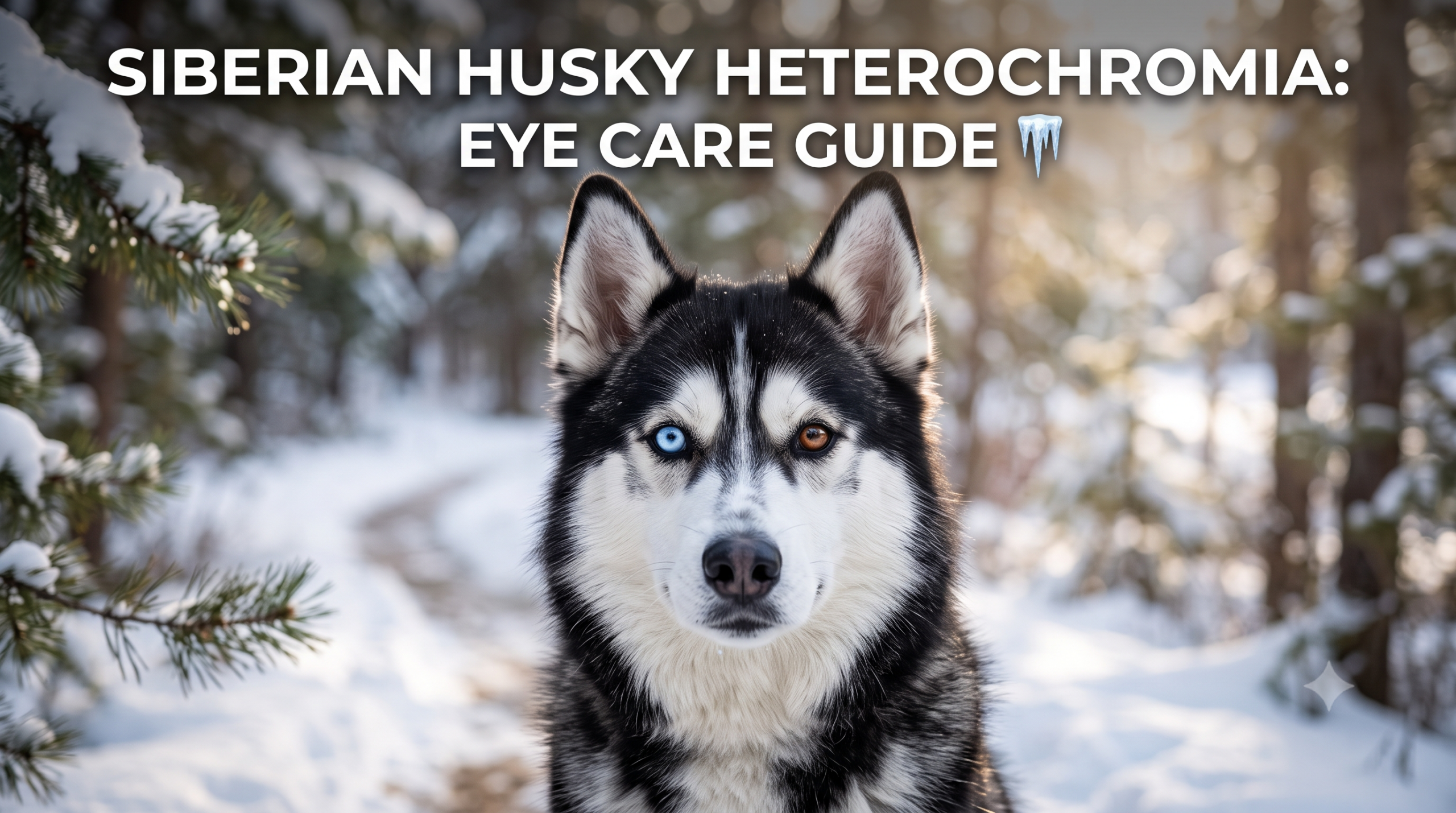
A Siberian Husky with one or two blue eyes is usually perfectly healthy. The classic “sled dog eye” look, including one blue eye and one brown eye, is often a normal inherited trait rather than a sign of poor vision.
Still, Siberian Husky heterochromia can raise sensible questions for dog owners. Glare sensitivity is not determined by eye color alone. Blue eyes may seem less comfortable in harsh glare, wind, dust, or snow reflection, but color alone doesn’t explain pain, redness, or a sudden change. Regular checks and quick action when something looks wrong make a big difference.
This post may contain affiliate links. If you make a purchase through these links, I may earn a small commission at no extra cost to you.
Key Takeaways
- Blue eyes and lifelong heterochromia are usually normal inherited features.
- Different iris colors don’t automatically indicate poor eyesight or hearing loss.
- Glare, wind, dust, and smoke can irritate a Husky’s eyes.
- Never use human eye drops or leftover medication without veterinary approval.
- Sudden color changes, squinting, cloudiness, or pain require prompt veterinary advice.
Understanding heterochromia in huskies
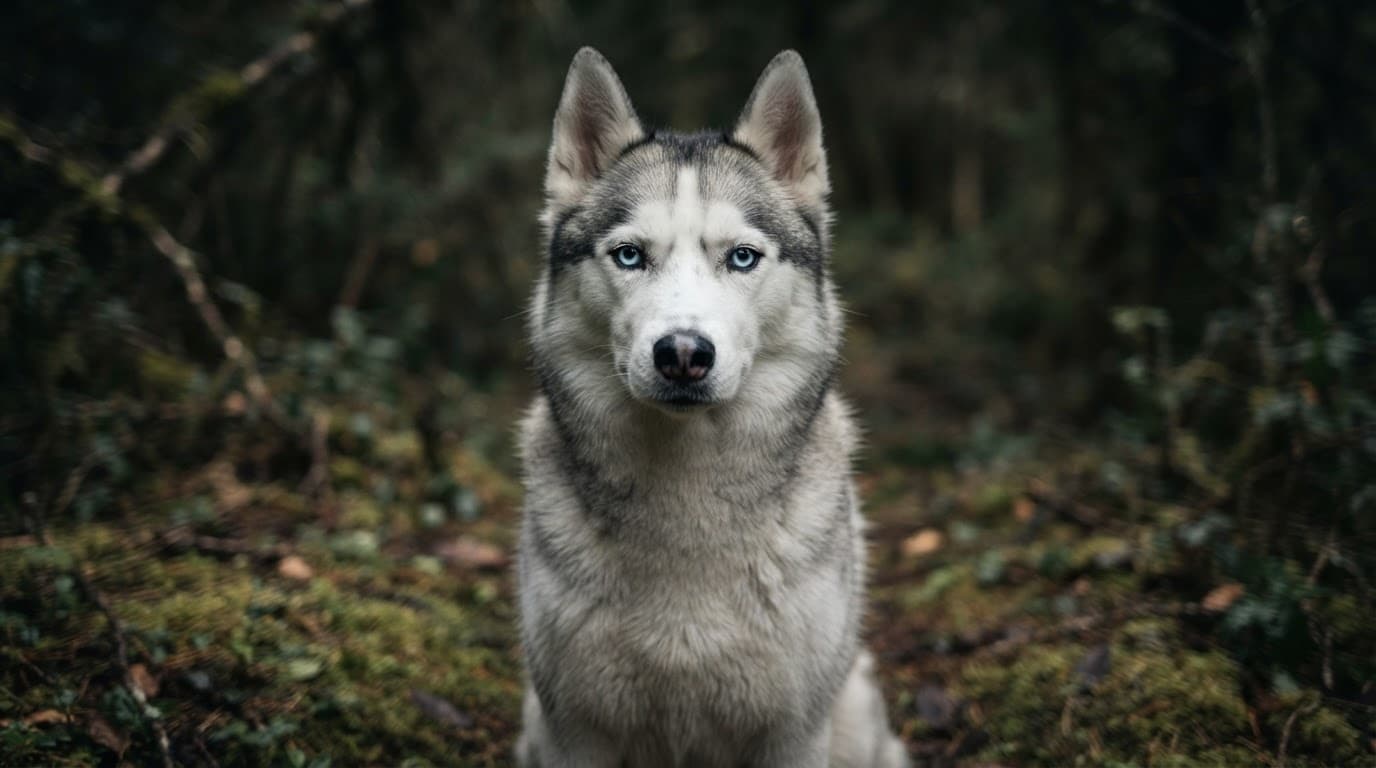
A blue iris gets its pale appearance from lower levels of pigment, called melanin. It doesn’t mean the iris is weak. In Huskies, a blue eye can appear beside a brown eye, or both irises can share the same shade.
“Bi-eyed dogs” is an informal description for dogs with two different colors in their irises. Complete heterochromia means each iris is a different color, creating different color eyes. The most recognizable Husky combination is blue and brown eyes.
Partial heterochromia means one iris contains more than one color, such as a brown patch within a blue iris.
Informal communities may call these patterns “party eye” or “marble eyes,” but those are descriptive labels, not diagnoses. Less typical combinations, such as green and brown, can occur without indicating a problem.
The Siberian Husky is a dog breed known for its ice-blue gaze. Research has helped explain part of the story.
A 2018 study of more than 6,000 dogs found a 98.6-kb duplicated region near the ALX4 gene on canine chromosome 18. This reported mutation was strongly linked with blue irises and heterochromia in Huskies.
The published genetic study found the variant was strongly associated with canine eye color, but it didn’t explain every case.
Inherited patterns can appear in more than one breed, including Border Collies. In Huskies, however, this pattern is a familiar genetic trait. Genetics rarely follows one neat rule, and eye color isn’t a health score, a temperament test, or a measure of intelligence.
A puppy’s iris shade may change as the eyes mature. An adult Husky whose iris suddenly becomes lighter, darker, cloudy, or uneven needs a veterinary exam.
A lifelong blue or mixed-color iris is one thing. A new change is another.
Are Blue Husky Eyes More Sensitive to Sunlight?
Some blue-eyed Huskies seem bothered by intense sunlight. Lower iris pigment may allow more light into the eye, which can make glare feel uncomfortable.
That doesn’t mean every blue-eyed dog needs sunglasses or should avoid daytime walks.
Snow glare can be especially harsh, but bright beaches, pale paving, dusty trails, smoke, and strong coastal wind can also irritate eyes.
Choose shaded routes when possible. Offer water, take breaks, and avoid walking directly into blowing dust or smoke.
Normal outdoor life is good for a Husky. The aim is sensible comfort, not wrapping your dog in bubble wrap.
When Iris Appearance Is Normal, and When It Signals a Problem
Healthy eyes are clear and comfortable. Your Husky should blink normally, keep both eyes open, and have pupils that look equal in ordinary light.
Watch for sudden changes in iris shade, cloudiness, redness, swelling, repeated squinting, rubbing, excessive tearing, thick discharge, unequal pupils, or trouble seeing familiar objects. Acquired heterochromia can follow inflammation, injury, or disease.
An iris that has always looked blue is usually a breed feature. An eye that changes appearance is a medical question.
Daily Eye Care for a Husky With Blue Irises
A quick eye check takes less than a minute. Look at both eyes in good natural light while your Husky is relaxed. Don’t force the eyelids open or hold your dog’s head tightly. These simple checks benefit every Husky, not only dogs with lighter irises.
If dirt gathers in the fur around the eyes, use a clean, damp cloth to wipe outward and away from the eye.
Use a fresh section of the cloth for each side. Keep facial fur brushed, especially after muddy walks or digging sessions.
Avoid human eye drops, contact lens products, homemade saline mixes, and leftover pet medication. Some products can sting or worsen an underlying problem.
A veterinarian may recommend an eye rinse, lubricant, or prescription treatment after identifying the cause.
After a beach walk, trail outing, or windy day, check for sand, seeds, and dried discharge around the eyes.
Fresh water and a gentle wipe are often enough for minor debris. If your Husky keeps blinking or rubbing after you clean the fur, call your vet.
Routine wellness exams also matter. Dogs are masters at carrying on when something feels off, especially active breeds.
Protecting Husky Eyes on Walks and Outdoor Adventures
Choose routes with shade when the sun is fierce. Bring water, avoid loose dust, and turn back if heavy smoke or strong wind blows into your dog’s face.
Properly fitted canine goggles can help some dogs in unusual conditions, including snow glare, open vehicle travel, dusty trails, or windy beaches.
They are optional, not a daily requirement. Introduce them slowly, reward calm behavior, and don’t force them on a worried dog.
A secure harness and leash give you better control near traffic, loose gravel, and rough paths. These dog walking gear tips can help you spot poor fit before it causes rubbing or discomfort.
Keep recall practice realistic too, because a Husky’s independent streak can appear at the worst possible moment.
Husky Eye Problems That Need Fast Veterinary Care
A painful eye can worsen quickly. Don’t wait several days, hoping persistent squinting or redness will disappear on its own.
Call your veterinarian the same day for repeated rubbing, light avoidance, swelling, cloudiness, discharge, a suspected scratch, or an eye that stays partly closed.
Sudden blindness, a bulging eye, severe injury, extreme pain, or a rapidly changing pupil is an emergency.
Possible causes include allergies, corneal scratches, infection, inflammation, glaucoma, cataracts, and inherited eye disease.
The symptoms overlap, so an online guess isn’t enough. A vet may check tear production, measure eye pressure, examine the cornea, and inspect the inside of the eye before deciding on treatment.
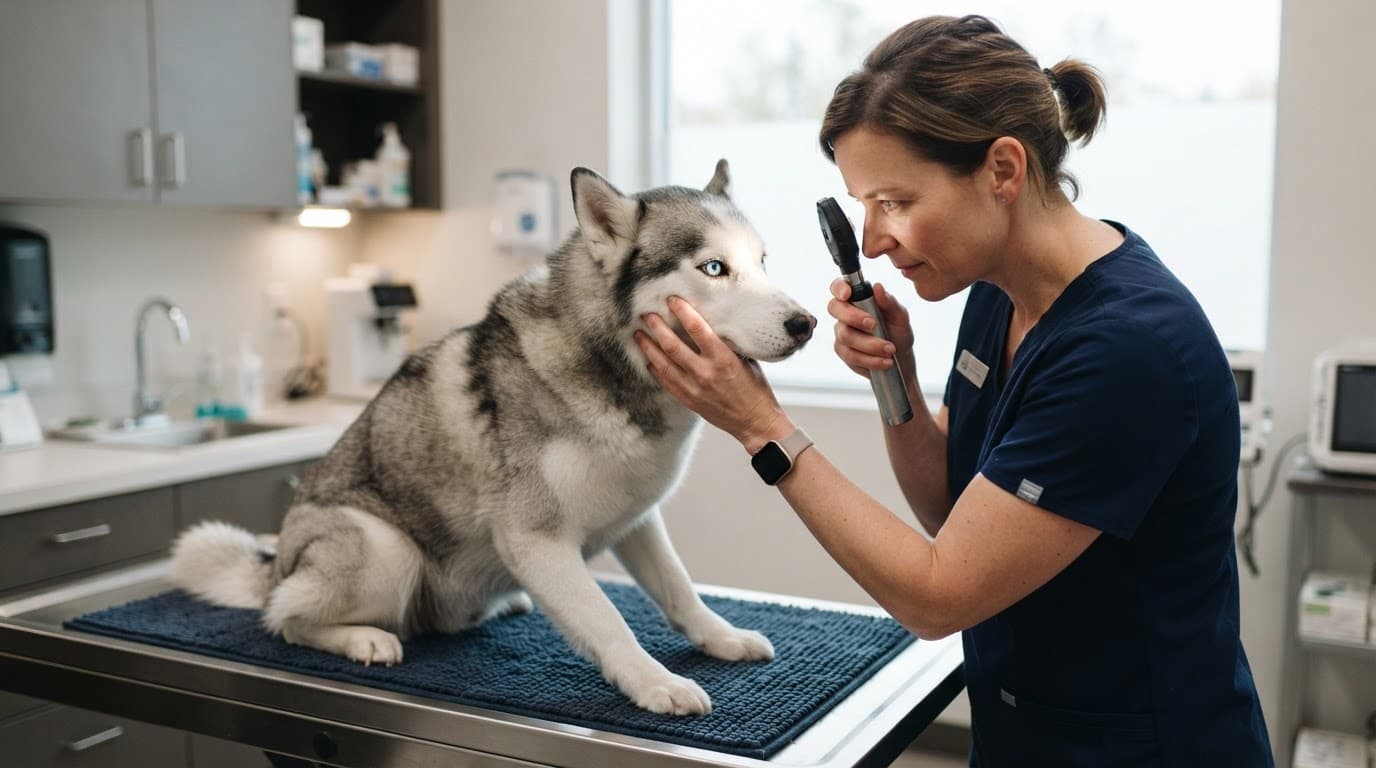
The reassuring part is simple: lifelong heterochromia is generally a benign inherited appearance, not a diagnosis of a rare eye condition.
Pain, redness, cloudiness, discharge, or a sudden change in appearance needs veterinary attention.
How to Make Eye Care Less Stressful
Let your Husky sniff the cloth or bottle before you begin. Touch the cheek first, then briefly wipe around the eye area. Praise calm behavior and offer a small treat afterward.
Use positive reinforcement training methods so eye checks feel ordinary rather than alarming. Stop if your dog panics or appears painful. Cooperation beats restraint every time.
Choosing a Healthy Husky and Supporting Long-Term Eye Health
If you are choosing a Husky puppy, ask the breeder or rescue about parental health, eye history, recommended screenings, and temperament.
A mixed breed or husky mix may also have an unusual iris pattern, but appearance never replaces health history, temperament, or veterinary screening.
Breeders, owners, and online communities may use labels such as “party eye” or “marble eyes,” but these terms don’t establish health or quality.
Border Collies can show inherited iris variation too, and attention at AKC shows shouldn’t encourage selecting puppies solely for unusual eyes. A healthy puppy with one blue eye and one brown eye can be wonderful, as can a brown-eyed Husky or a blue-eyed Husky with a half-and-half iris.
Good long-term care is pleasantly ordinary: balanced food, parasite prevention, regular grooming, safe exercise, paw checks, and veterinary visits.
For broader breed guidance, the Siberian Husky Blueprint ebook is a helpful resource for new and experienced owners.
Our library of practical dog-owner resources is growing. Check out our great guides on Payhip for affordable support, and Check out our ebook guides on Etsy for printable guides and useful dog-care ideas.
Frequently Asked Questions
Can a Siberian Husky With Matching Pale Irises See Normally?
Yes. Matching pale irises doesn’t automatically mean poor vision. Watch how your dog moves through familiar and unfamiliar spaces.
Arrange an exam if they bump into objects or struggle in changing light.
Does Heterochromia Make a Husky Deaf?
No. Iris differences don’t diagnose hearing loss. If a puppy doesn’t respond to everyday sounds, discuss a separate hearing assessment with your veterinarian.
What Does “Party Eye” Mean in a Husky?
“Party eye” is an informal description, not a medical diagnosis. It generally refers to the natural iris variation described earlier. Your veterinarian can confirm whether the appearance is harmless.
Should I Put Sunglasses on My Husky?
Canine goggles are optional. They can help with heavy glare, wind, or dust, but they must fit well and be introduced slowly. Never use goggles to hide a painful eye or delay a vet visit.
Why Did My Adult Husky’s Eye Color Change?
A new color change isn’t the same as lifelong congenital variation. Inflammation, injury, cataracts, glaucoma, and other eye problems can change how an adult dog’s eye looks. Book a prompt veterinary appointment.
Bright Eyes, Sensible Care
The classic sled dog eye and lifelong heterochromia are usually beautiful, normal Husky traits. Eye comfort varies between dogs, so watch your own Husky instead of making assumptions based on appearance.
Check the eyes regularly, reduce harsh glare and airborne irritants, and seek veterinary help for any sudden or painful change.
These simple habits help your Husky enjoy bright trails, family time, and outdoor adventures safely.
Find out more about this fabulous breed of dog by taking a look at our Blueprint page