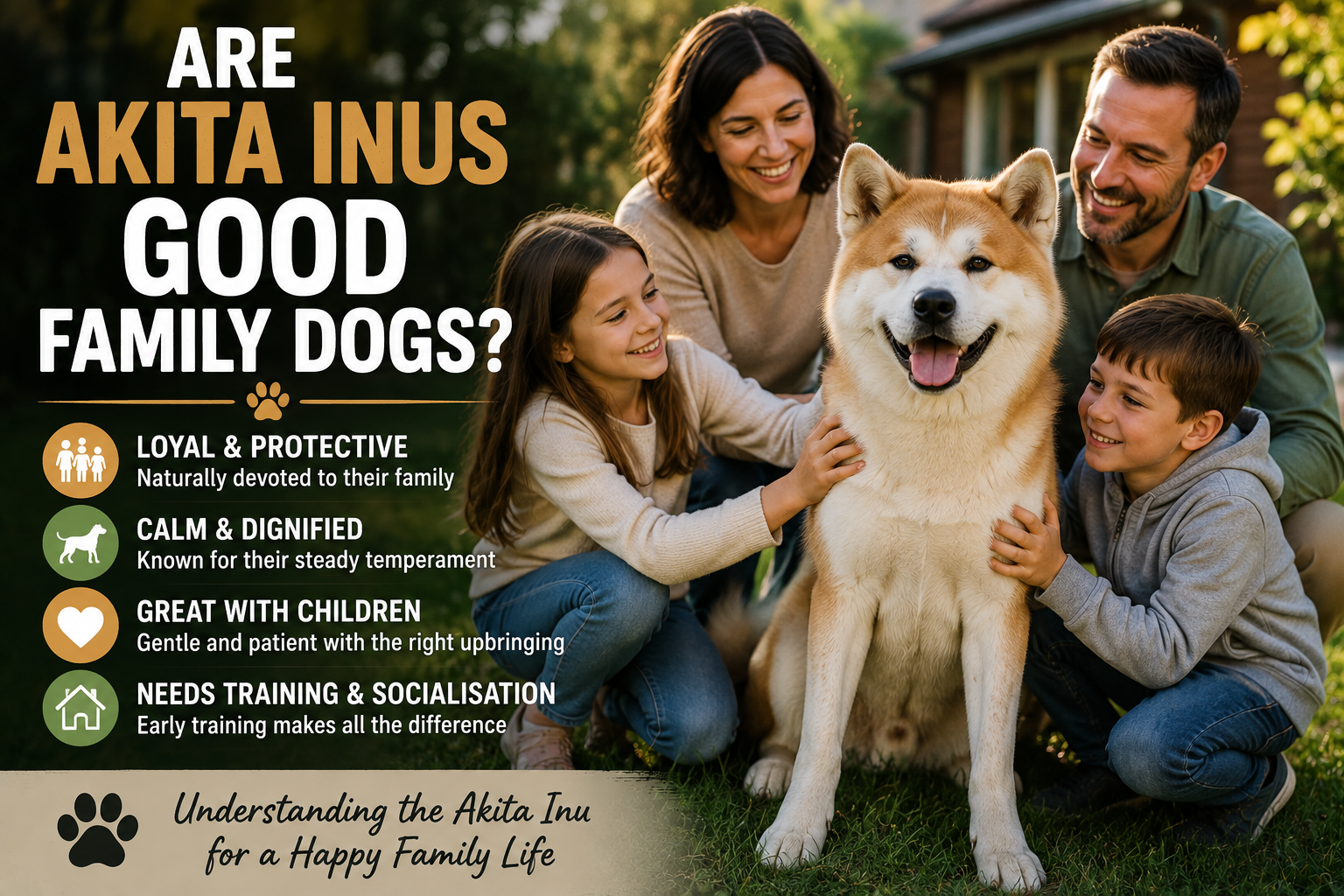
Thinking about getting an Akita Inu as a pet? They’re known for being loyal and protective. This makes them a popular choice for family dogs.
Akita Inus are great with families. But, their protective side might make you think twice. Will they be gentle and loving with your family?
Key Takeaways
- Akita Inus are known for their loyalty and protective nature.
- They can make great family dogs with proper training and socialization.
- Their strong instincts may require careful consideration.
- With the right approach, Akita Inus can be a loving addition to your family.
- Understanding their needs is key to a happy home.
The Akita Inu Breed: History and Origins
The Akita Inu has a long history, starting in ancient Japan. They were bred for hunting and guarding. Known for their strength, loyalty, and protective nature, they were highly valued.
Ancient Japanese Heritage
The Akita Inu’s roots are deep in Japanese culture. They were seen as symbols of good health, happiness, and long life. Their history goes back to the 1600s, when they hunted deer and bears.
Evolution of the Breed in America
Akita Inus came to America in the early 1900s. They quickly became popular as pets and show dogs. Their loyalty and protective nature made them a favorite among dog lovers.
Cultural Significance and Symbolism
The Akita Inu is famous for Hachiko, a dog that waited for its owner at a train station for years. This story has made them symbols of loyalty and devotion.
- Loyalty and protection
- Cultural icon in Japan
- Symbol of good fortune
Knowing the Akita Inu’s rich history and cultural importance helps owners understand their loyalty. It shows the importance of their role in the family.
Akita Inu Physical Characteristics
Akita Inus are known for their large size and thick double coat. Their looks are a big reason why they are so loved.
Size and Appearance
Akita Inus are big dogs with a strong build. Males weigh 100-130 pounds and are 26-28 inches tall. Females are a bit smaller, weighing 70-100 pounds and standing 24-26 inches tall.
Coat Types and Colors
They have a thick double coat in colors like white, brindle, and brown shades. Their coat is not only beautiful but also keeps them warm in cold weather.
Lifespan and Growth Patterns
Akita Inus live for 10-15 years. They grow a lot in the first year.
Puppy Development Stages
Akita Inu puppies grow fast. They grow a lot in the first six months, needing good food and care.
Adult Size Expectations
By 18 months, Akita Inus reach their full size. Knowing how they grow helps owners prepare for their dog’s life stages.
Key characteristics include:
- Large size with a sturdy build
- Thick double coat in various colors
- Lifespan of 10-15 years
- Rapid growth during the first year
Understanding the Akita Inu Temperament
To truly appreciate an Akita Inu, one must understand their complex temperament. It’s a mix of loyalty, independence, and protective instincts. Knowing these traits helps decide if an Akita Inu is right for your family.
Loyalty and Devotion
Akita Inus are known for their loyalty and devotion to their families. They form strong bonds with their owners. They are extremely affectionate with those they trust.
This loyalty is both a blessing and a challenge. It makes them protective but also aloof with strangers.
Independence and Dignity
Akita Inus are known for their independence and dignity. They are not overly demanding and can be quite reserved. They prefer to observe before engaging.
This independence means they need owners who respect their space. They value their personal space highly.
Protective Instincts
The protective nature of Akita Inus is a key aspect of their temperament. They have a strong instinct to guard their family and territory. This makes them naturally wary of strangers.
This protective instinct can show in different ways. It can lead to territorial behavior and guardian tendencies.
Territorial Behavior
Akita Inus are territorial and can become defensive if they feel their territory is threatened. Proper training and socialization are key. They need to learn to differentiate between real threats and harmless visitors.
Guardian Tendencies
Their guardian tendencies are a natural part of their protective instincts. Akita Inus are vigilant and watch over their families. They often position themselves between their loved ones and any threats.
This trait is valuable but needs careful management. It’s important to ensure it doesn’t become overly aggressive.
In conclusion, the Akita Inu temperament is complex. It includes loyalty, independence, and protective instincts. Understanding these traits helps decide if an Akita Inu is the right companion for you.
Are Akita Inus Good Family Dogs? An Expert Analysis
If you’re thinking about getting an Akita Inu, you should know if they fit well with family life. They can be great pets for the right family. But, you must think about their needs and if they match your family’s lifestyle.
Compatibility with Family Life
Akita Inus are very loyal and loving to their families. They do well in a family setting if they get the right care. But, they can also be protective and cautious around people they don’t know.
Key Characteristics:
- Loyal and devoted to their families
- Protective nature
- Can be reserved with strangers
Interaction with Young Children
Akita Inus can be gentle with young kids. But, their big size and energy might scare or overwhelm little ones. Always watch them when they’re together to keep everyone safe.
Relationship with Teenagers and Adults
Akita Inus bond well with teenagers and adults who treat them kindly. They enjoy gentle play and can be very loving.
Adapting to Family Routines
Akita Inus are flexible but like a routine. They do best when things are predictable. Changes in the family schedule can stress them out.
| Family Aspect | Akita Inu Compatibility |
|---|---|
| Young Children | Can be gentle, but supervision is necessary |
| Teenagers and Adults | Forms strong bonds with respectful interaction |
| Family Routines | Prefers predictability and routine |
In summary, Akita Inus can be good family pets for families who understand and meet their needs. They need a dedicated owner who can offer a stable and loving home.
Akita Inus and Other Household Pets
Thinking about getting an Akita Inu? It’s key to know how they get along with other pets. Akitas can be tough to get along with, mainly if they’re not socialized right. They love to chase and can be bossy.
Compatibility with Other Dogs
Akitas might not get along with other dogs, and this is more true for dogs of the same sex. It’s important to socialize them early and teach them well. This helps them get along with other dogs.
Behavior Around Cats and Smaller Pets
Akitas might not be the best fit for homes with cats or small pets like rabbits or guinea pigs. They have a strong instinct to chase. But, with slow introductions and watching them closely, some Akitas can learn to live with these pets.
Managing Multi-Pet Households
Having an Akita Inu in a home with other pets needs careful planning and watching.
Introduction Strategies
Introducing an Akita Inu to other pets should be done slowly and in a safe place. Start with letting them see each other from a distance. Then, let them sniff each other before they meet face-to-face under close watch.
Supervision Requirements
Always watch when your Akita Inu meets other pets, at least in the beginning. Be ready to step in if you see any signs of trouble.
| Pet Type | Compatibility Level | Supervision Required |
|---|---|---|
| Other Dogs | Moderate | High |
| Cats | Low | Very High |
| Smaller Pets | Low | Very High |
Training Requirements for Family Akitas
Akita Inus are smart dogs that need careful training to fit well in families. Their loyalty and love make them great friends. But, they must learn to behave well.
Early Socialization Importance
It’s very important to socialize Akita Inus early. This helps them get used to different places, people, and animals. It makes them more confident and calm. Start socializing your puppy as soon as you can, making sure they have good experiences.
Obedience Training Challenges
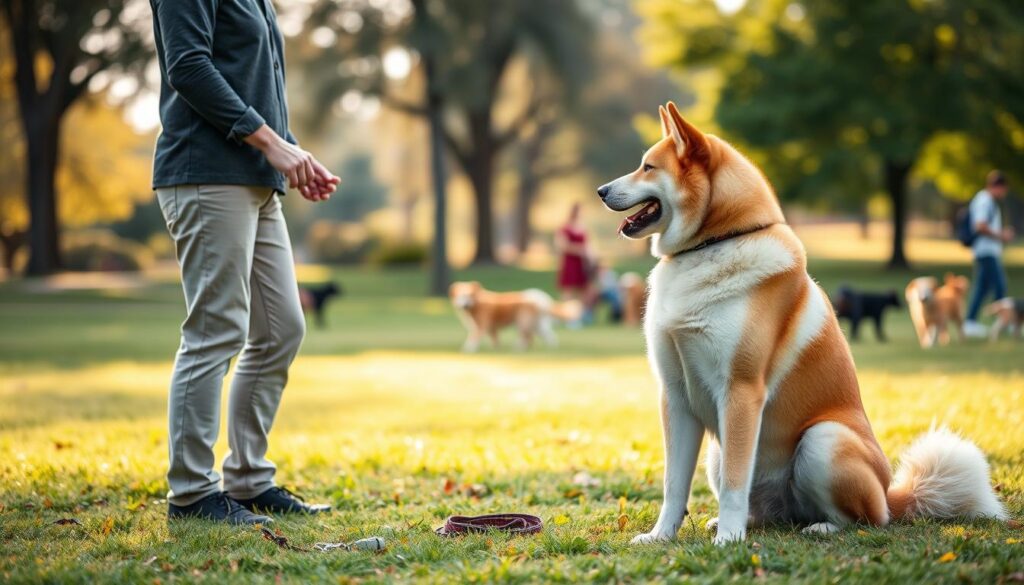
Akitas can seem stubborn because of their independence. Consistent, positive reinforcement training helps with this. Be patient and keep trying, as they like training that rewards them.
Consistency and Positive Reinforcement
Training an Akita Inu needs consistency. Set clear rules and make sure everyone agrees. Use treats and praise to encourage good behavior and grow your bond.
Professional Training Considerations
Many Akita Inu owners find professional training helpful. Puppy classes are great for teaching basic obedience and social skills. For more advanced training, look into specialized courses that meet their needs.
Puppy Classes
Puppy classes offer a structured setting for your Akita Inu to learn basic commands and meet other dogs. They’re a great start for future training.
Advanced Training Options
When your Akita Inu gets older, consider advanced training like agility or therapy dog training. These activities challenge them and strengthen your bond.
Exercise and Space Needs
To keep your Akita Inu happy and healthy, it’s vital to comprehend their exercise and space requirements. Akita Inus are an energetic breed. They need regular physical activity and mental stimulation to prevent boredom and health issues.
Daily Activity Requirements
Akita Inus need daily exercise to stay healthy. This can include 30 minutes of walking or playtime each day. They also benefit from regular play sessions in a securely fenced area where they can run freely.
Ideal Living Environments
Akita Inus thrive in homes with yards where they can move around freely. But, they can adapt to apartment living if provided with regular exercise and mental stimulation. It’s essential to ensure they have enough space to relax and move around comfortably.
Mental Stimulation Needs
Mental stimulation is key for Akita Inus to prevent boredom and destructive behavior. Engage your Akita Inu in interactive toys and puzzle games that challenge their minds and keep them engaged.
Exercise Routines for Family Integration
Involving your Akita Inu in family activities is a great way to ensure they get the exercise they need while strengthening your bond. Consider going on hikes or runs together, or engaging in play sessions that include the whole family.
By understanding and meeting the exercise and space needs of your Akita Inu, you can help ensure they lead a happy, healthy life.
Grooming and Care Considerations
The beautiful coat of an Akita Inu needs regular care to stay healthy and look great. Grooming is not just for looks. It’s also key for their overall health.
Coat Maintenance
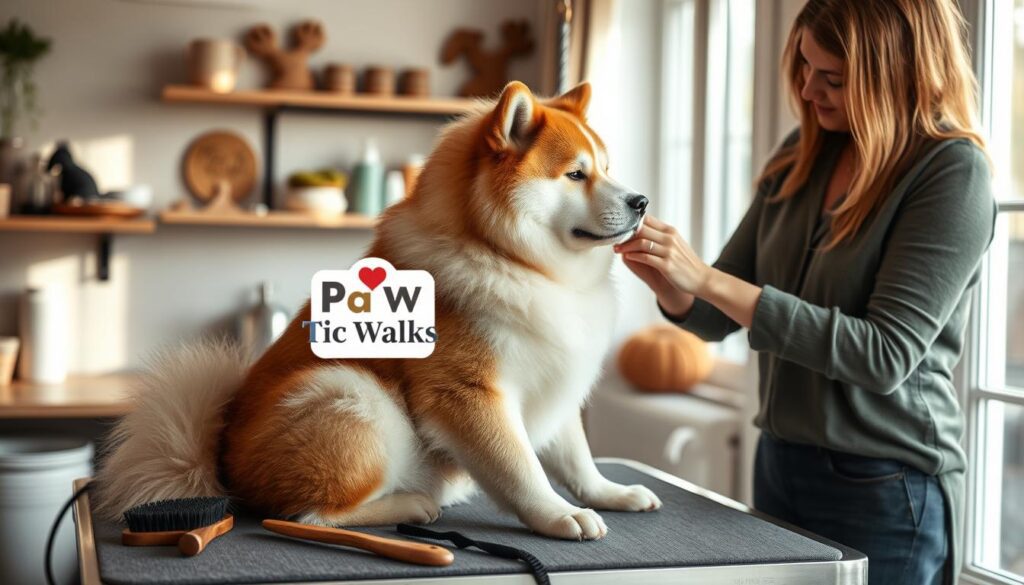
Akita Inus have a thick double coat that sheds a lot. Regular brushing is a must. Use a brush made for thick coats to gently remove loose hair and stop matting. Brushing your Akita Inu a few times a week can cut down on shedding at home.
Seasonal Shedding
When it’s shedding season, Akita Inus shed even more. Brush more often during these times to handle the shedding. This cuts down on hair around your home and keeps your dog’s skin healthy.
General Health Care
General health care for Akita Inus includes regular baths, nail care, and staying clean. Bath them every 2-3 months, or as needed, with dog shampoo that’s right for their coat.
Bathing and Hygiene
When you bathe your Akita Inu, make sure to thoroughly rinse their coat to get rid of all soap. Regular ear cleaning and nail trimming are also important to avoid infections and keep them comfortable.
Nail, Teeth, and Ear Care
Trimming their nails regularly stops them from growing too long, which can hurt and affect how they walk. Brush their teeth often to prevent tartar and keep their mouth healthy. Ear care means checking for infections and cleaning their ears gently.
Health Issues and Lifespan
It’s important to know about health issues in Akita Inus before getting one. These dogs are usually strong, but they can face some health problems like other purebreds.
Common Health Concerns
Akita Inus might get hip dysplasia, which hurts their hip joint and causes arthritis. They can also have eye problems like cataracts and progressive retinal atrophy, leading to blindness. Plus, they might get autoimmune diseases, where their immune system attacks their own body.
Preventative Care
Keeping your Akita Inu healthy is all about preventative care. Regular veterinary check-ups can spot problems early. Make sure your dog gets all the vaccinations and parasite control they need.
Genetic Testing Recommendations
Genetic tests can find health issues before they get worse. For Akita Inus, tests for hip dysplasia and eye problems are a must. Responsible breeding means checking for these to lower the risk in puppies.
Healthcare Costs and Insurance
Having an Akita Inu means you’ll face healthcare costs. Pet insurance can help cover these, including vet bills and meds.
By knowing about these health issues and acting early, you can help your Akita Inu live a long, healthy life. They usually live between 10 to 15 years.
Practical Considerations Before Adding an Akita to Your Family
Thinking about getting an Akita? There are key things to think about. Owning an Akita Inu changes your life in many ways.
Financial Commitment
Getting an Akita means spending money on food, grooming, and vet visits. You’ll need to budget for good dog food, grooming, and vet bills. The yearly cost can be between $1,000 and $2,000, based on the dog’s size and health.
Time and Attention Requirements
Akitas need lots of time and attention. They need exercise, training, and social time to be happy. You’ll need to spend at least an hour a day on these activities.
Housing and Yard Considerations
Akitas are big dogs that need room to move. If you live in an apartment, think about how to give your Akita enough exercise and space. A fenced yard is best for them, letting them safely roam.
Legal and Insurance Implications
Before getting an Akita, know the legal and insurance rules. Some places have laws about certain breeds. Also, check your homeowner’s insurance to see if it covers dogs.
Finding a Reputable Breeder or Rescue
Choosing a good breeder or rescue is important. Look for health clearances, positive reviews, and a breeder who answers your questions. This helps ensure you get a healthy, well-socialized dog.
Conclusion: Is an Akita Inu Right for Your Family?
Akita Inus can be great family pets for the right family. They are loyal, devoted, and protective. These traits make them a popular choice.
Before getting an Akita Inu, think about if your lifestyle fits their needs. They need exercise and grooming. With the right care, they can be wonderful family pets.
Deciding to get an Akita Inu should be well thought out. You need to understand their needs and if you can provide the right home. With proper care, an Akita Inu can be a loving and loyal family member.
FAQ
Are Akita Inus good with children?
Akita Inus can be great with kids if they’re socialized early. They might be cautious around strangers. So, introducing new family members carefully is important.
How much exercise do Akita Inus need?
Akita Inus need lots of exercise to stay healthy and happy. They need daily walks and playtime. Also, they enjoy more energetic activities now and then.
Can Akita Inus live with other pets?
Yes, Akita Inus can live with other pets if they’re introduced right. Their behavior with other animals depends on their training and how they’re raised.
What are the grooming needs of an Akita Inu?
Akita Inus have a thick coat that needs regular grooming. They shed a lot during seasonal changes. Brushing them often helps manage their coat and reduce shedding.
Are Akita Inus easy to train?
Akita Inus are smart but can be stubborn. Training them is hard. Use consistency, positive rewards, and start training early for the best results.
What health issues are common in Akita Inus?
Akita Inus can get hip dysplasia, autoimmune diseases, and other genetic problems. Regular vet visits and genetic tests can spot these issues early.
How long do Akita Inus live?
Akita Inus live about 10 to 15 years. Good care, the right food, and regular health checks help them live a long life.
What are the costs associated with owning an Akita Inu?
Owning an Akita Inu is expensive. Costs include buying or adopting, food, grooming, vet bills, and training. Families need to be ready for these expenses.
Do Akita Inus make good guard dogs?
Yes, Akita Inus are good guard dogs. They’re loyal and watchful, ready to protect their family and home.
How do I find a reputable Akita Inu breeder?
To find a good Akita Inu breeder, look up breed clubs and ask for referrals. Check for health clearances and temperament tests. Make sure the breeder cares about their dogs’ health and happiness.