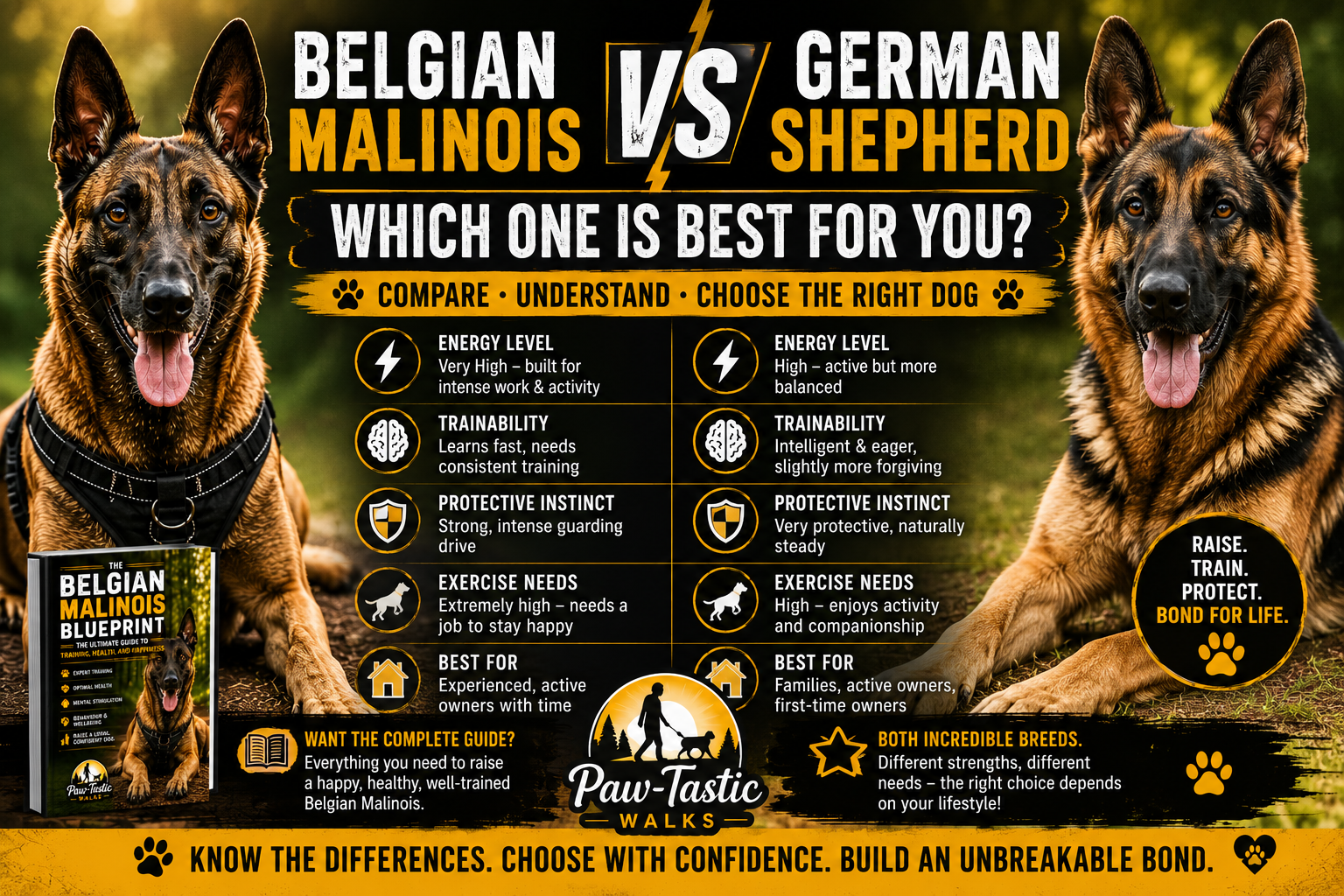
Which Fits Your Life?
If you are trying to choose between a Belgian Malinois and a German Shepherd, the answer is usually straightforward.
The Belgian Malinois is generally the better fit for highly active, experienced owners with plenty of time to spare, while the German Shepherd is often the smarter pick for families and anyone who wants a devoted companion with a little more flexibility in their daily routine.
Both breeds are brilliant, but they lead very different lives.
Their shared intelligence and unwavering loyalty make each one a premier working dog, though these traits manifest differently in a home environment.
While the Malinois demands a specific job, constant structure, and intense mental challenges, the Shepherd tends to fit more naturally into family life and everyday routines.
If you are weighing your schedule, your home, and how much exercise you can truly provide, this comparison will help you match the breed to your real life rather than the one you imagine on your best days.
You can also find extra help in our dog training guides and ebook guides on Etsy
if you want more practical advice after this.
Key Takeaways
- Intensity vs. Adaptability: The Belgian Malinois is a high-drive working dog that requires a constant job, whereas the German Shepherd is more adaptable and better suited to family life.
- Training Needs: Both breeds are brilliant, but the Malinois demands precise, daily training and consistent leadership, while the Shepherd is generally more forgiving for experienced owners.
- Energy Levels: While both are athletic, the Malinois requires intense, purposeful mental and physical work to stay happy, while the Shepherd is more content with regular exercise and family downtime.
- Lifestyle Alignment: Choose based on your actual daily capacity; the Malinois acts as a full-time working partner, while the German Shepherd typically fits more easily into a standard household routine.
Belgian Malinois vs German Shepherd: what looks similar, and what really is not
At first glance, these two breeds can seem like close cousins with the same job description. Both are smart, loyal, athletic, and built for work. But once they settle into a home, the differences get louder fast.
That is where the real answer to Belgian Malinois vs German Shepherd: which breed is right for your lifestyle? starts to show.
On paper, they share plenty. In daily life, they ask very different things from you.
At a glance, both are smart working dogs
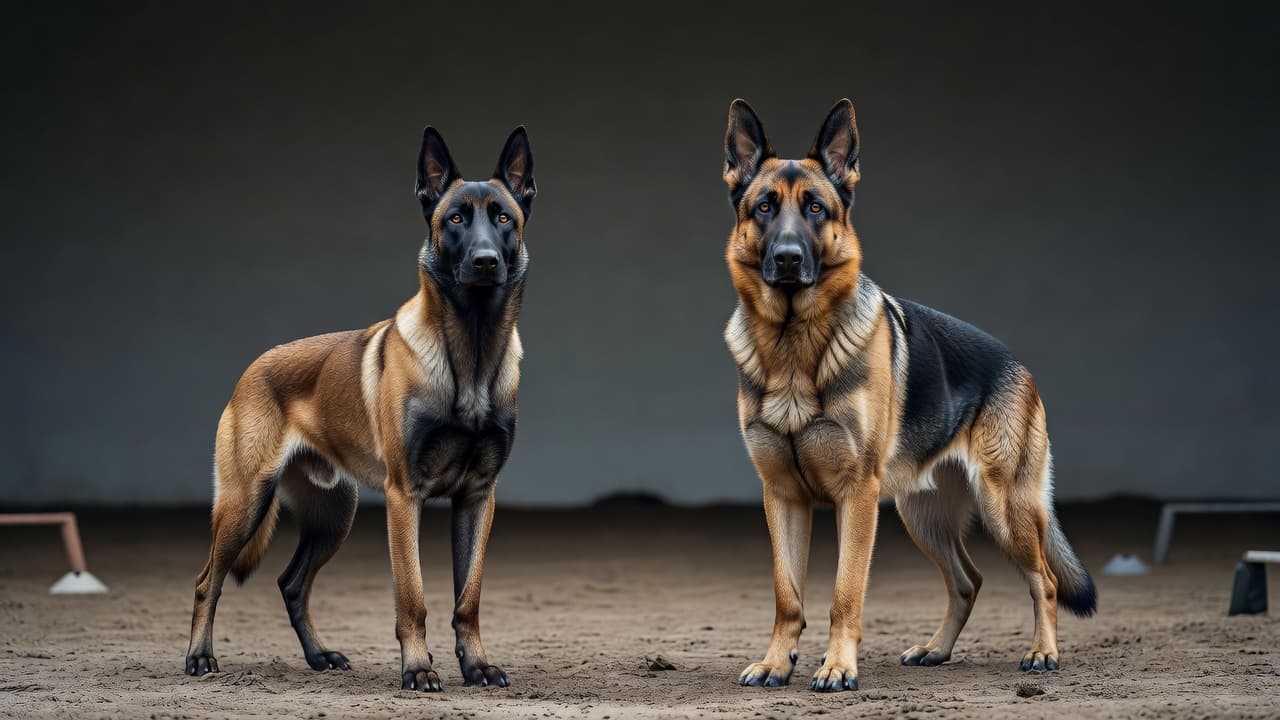
The Belgian Malinois and German Shepherd both come from the herding group, so their shared traits are easy to spot.
They learn fast, notice everything, and tend to bond strongly with their people. Because of their shared herding heritage, these dogs are highly observant.
If you like a dog that pays attention, both breeds deliver that in spades.
While they share a temperament focused on tracking and following direction, the catch is simple: a smart dog is not always an easy dog.
Both breeds do best when life has a rhythm. Regular walks, short training sessions, and clear rules help them relax.
If you want a deeper look at how structure changes a dog’s behavior, our dog training secrets page is a useful place to start.
Smart does not mean low-maintenance. It often means the opposite.
A lot of owners also find that training style matters as much as breed choice. Reward-based methods usually work well for both dogs, especially when the dog already wants to engage.
Positive reinforcement training for dogs is a solid fit for that kind of brainy, active dog.
For background, both breeds were built to work close to people, not just sit pretty on the sofa.
That common thread is why they can look similar in photos, yet feel very different once they live with you.
Why their energy levels feel so different at home
This is where the gap gets obvious. The Belgian Malinois usually wants a job, not just exercise. A long walk helps, but it rarely scratches the itch.
Without enough to do, the Belgian Malinois often looks for its own project, and your shoes, bins, or curtains may become part of the plan. Because their energy levels are so intense, they require constant engagement.
A German Shepherd is still an active dog, just usually easier to fold into a normal routine. It can enjoy a brisk walk, training time, then settle for a quiet evening without bouncing off the walls. That does not mean the German Shepherd is lazy.
It simply means the energy levels of this breed are more adaptable to a standard household.
Here’s how that difference often looks in real life:
- Weekdays: A Belgian Malinois may need a run, focused training, scent work, or sport-style exercise before it truly relaxes. A German Shepherd often does fine with a solid walk, a training refresh, and family time after that.
- Weekends: A Belgian Malinois usually wants more, longer outings, structured play, and something that feels like work. A German Shepherd is often happy with a big adventure and then a calmer rest of the day.
- Quiet evenings: A Belgian Malinois may still be scanning for something to do. A German Shepherd is more likely to settle near you, as long as it has had enough exercise and attention.
If your dog needs a bigger mental outlet, tug-based play can help a lot, especially for breeds that love task-focused fun.
Tug toys are handy when you want to turn energy into a game instead of a problem.
The Malinois asks for a lifestyle. The German Shepherd usually fits more lifestyles.
That difference matters if your day is packed, your evenings are quiet, or your weekends are not built around dog sports.
A busy family may find the German Shepherd easier to live with. Someone who loves training drills and daily canine jobs may click better with the Malinois.
If you are still weighing the choice, our ebook guides on Payhip and ebook guides on Etsy have more practical advice for active dog owners who want honest, useful help.
How much exercise and mental work can you really give each dog?
This is where the decision gets real. The answer is not just “a lot” for both breeds. It is a matter of how much structure, energy, and daily follow-through you can actually give without burning out.
A Belgian Malinois and a German Shepherd both need physical exercise, training, and attention.
But the Malinois usually needs a higher gear, more often. The Shepherd still needs work, but it has more room to fit into a normal household rhythm.
Belgian Malinois need more than long walks
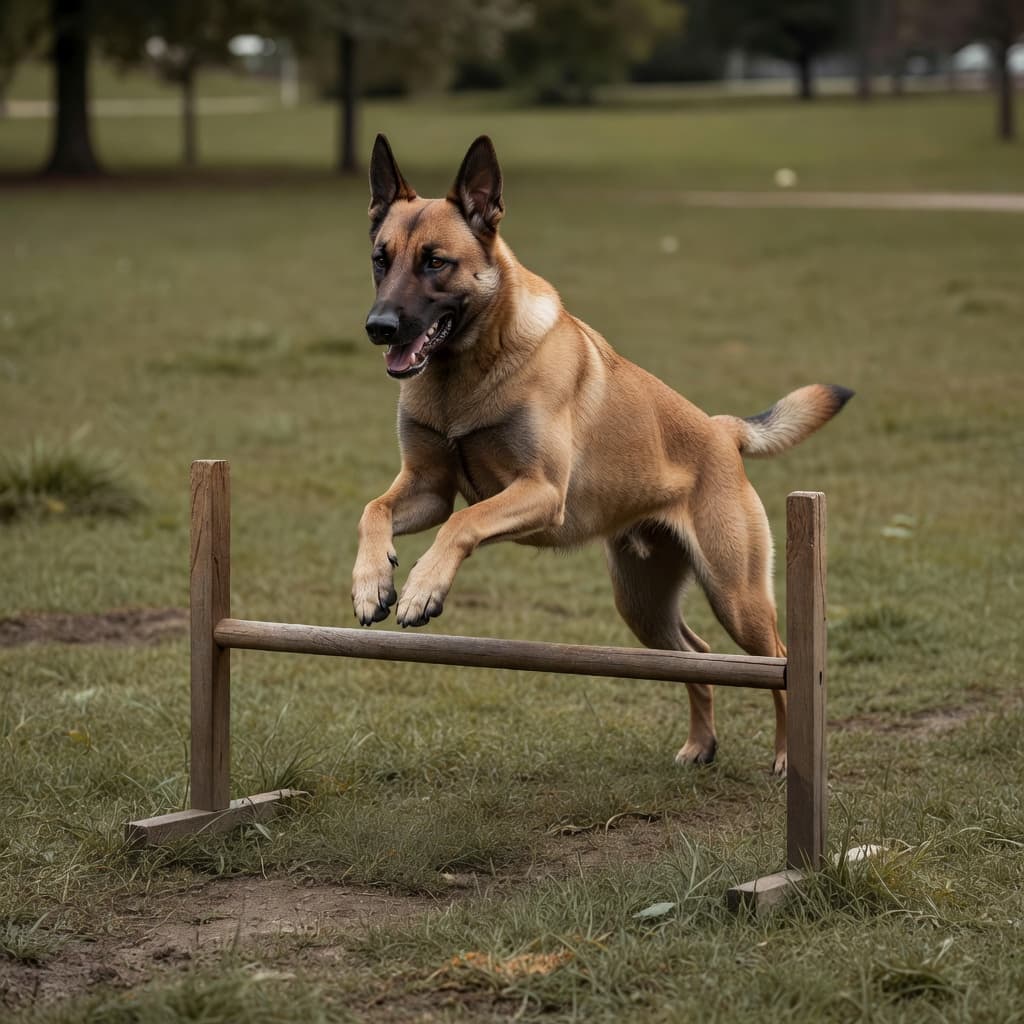
If you are asking how much physical exercise and mental stimulation you can really give a Malinois, the honest answer is this, long walks are not enough.
This breed usually needs hard physical work and a job that makes its brain switch on.
That can mean running, agility, scent work, obedience drills, or short but intense training sessions spread through the day.
A Malinois loves structure. It also loves having a task to finish, then another one waiting behind it.
Walks still matter, but they are more like the warm-up. If you want this breed to thrive, think in terms of daily dog work, not just daily activity.
A good match is someone who enjoys training reps, learning new cues, and building a routine the dog can count on.
A Malinois often suits people who like doing something with their dog every single day. Not just once in a while. Every day.
If that sounds like your kind of pace, you are closer to the right fit. If not, the breed can outpace your lifestyle before you even notice it.
A mix of advanced training and practical games helps a lot. Reliable recall is a great place to start, and our guide on how to teach your dog reliable recall can help you build that foundation.
For extra enrichment ideas, tug toys can also turn drive into a useful outlet instead of a nuisance.
For owners who want more hands-on help, Check out our great guides on Payhip and Check out our ebook guides on Etsy.
Those guides are handy if you want practical ideas that fit real life, not fantasy life.
A tired Malinois is nice. A mentally satisfied Malinois is better.
The breed description on PetMD’s Belgian Malinois guide backs up what many owners already know, this is a dog with serious stamina and serious drive.
If you do not give that drive a job, it will find its own.
German Shepherds still need a busy day, just with more flexibility
German Shepherds are still active dogs, and they do need regular physical exercise plus mental stimulation.
The difference is that a German Shepherd usually fits more easily into homes that have a family routine, a few good walks, training time, and some play woven through the day.
They often do well with long walks, hikes, fetch, obedience practice, and time spent around the family.
When managing their activity, keep in mind that a German Shepherd may be prone to hip dysplasia, so low-impact activities like scent work or controlled agility are great ways to burn energy safely.
You still need consistency, just not the same level of intensity that a Belgian Malinois often demands.
A German Shepherd tends to do best when the day has balance. A solid walk, a short training session, then rest. Later, another game or some family interaction. That rhythm helps them avoid restlessness without turning your house into a training camp.
The good thing is that this breed usually gives you more breathing room. If you miss a perfect workout day, it is less likely to unravel the furniture.
It still needs activity, though, and it still needs you to stay engaged.
For most owners, that makes the Shepherd a better fit for real family life. It can join the fun, settle when the fun ends, and handle a household that has movement without constant dog sport intensity.
If you want a breed that is active but not all-consuming, this is where the Shepherd usually wins.
A useful rule of thumb is simple:
- Belgian Malinois: best for owners who want structured work every day, with high physical and mental output.
- German Shepherd: best for owners who can offer regular exercise, training, and play, then let the dog rest.
That difference is the heart of the answer to Belgian Malinois vs German Shepherd: which breed is right for your lifestyle? If your life has room for daily dog work, the Malinois can be amazing.
If you want a smart, active dog that fits more naturally into home life, the German Shepherd is usually the steadier pick.
Which breed is easier to live with in a family home?
If your house has kids, visitors, school runs, and a schedule that changes by the hour, the German Shepherd is usually the easier dog to live with.
It tends to fit the rhythm of family life better, while the Belgian Malinois often asks for more intensity, more structure, and more one-on-one focus.
That does not make one breed better in every situation. It just means one is usually simpler to slot into a busy home without turning every day into a training session.
If you want the short answer to Belgian Malinois vs German Shepherd: which breed is right for your lifestyle?, the Shepherd is usually the safer family pick.
Regardless of which you choose, consistent socialization is a fundamental requirement for both breeds to be successful in a home environment.
German Shepherds often blend into family life more easily
German Shepherds are often attached to the whole household, not just one person. That makes them feel like part of the team, which is a big reason they suit family homes so well.
As a classic guard dog, they possess a protective instinct that remains manageable for most families. T
hey also function well as a security dog, offering peace of mind without the constant, high-octane drive found in more specialized working lines.
They usually handle children, visitors, and everyday noise with more patience than a Malinois.
A good German Shepherd can play hard, then settle at your feet like it has clocked out for the day.
That switch matters when your home is busy and you need a dog that can move with the flow.
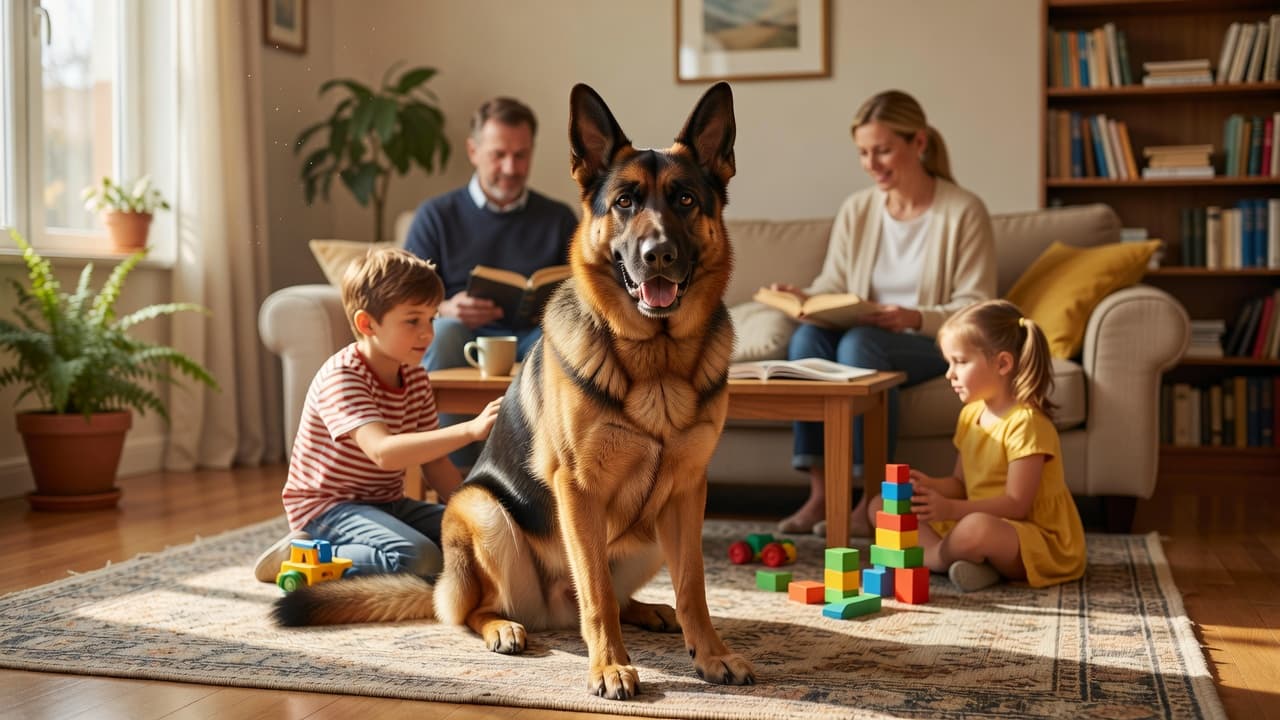
They still need exercise and training, of course. But once those needs are met, many Shepherds are happy to relax, watch the room, and stay close without making a scene.
The American Kennel Club’s German Shepherd overview also reflects that steadier, family-friendly temperament.
Belgian Malinois usually bond hardest with one person
The Belgian Malinois often attaches very strongly to one handler. That bond can be intense, loyal, and impressive, but it can also feel a little narrow in a family setting.
Many owners choose this breed because they desire a personal protection dog, but this level of utility requires a dedicated handler.
They are not bad dogs. Far from it. They are just usually better matched to homes that understand working-dog energy, clear boundaries, and a lot of daily direction.
Without that, their focus can spill into restlessness, overreaction, or a sense that everyone in the house is asking for something different.
A Malinois often wants a partner, not just a pet home.
That is why the breed is usually a better fit for experienced owners who want a dog with a job.
If that sounds like you, Check out our great guides on Payhip and Check out our ebook guides on Etsy for more practical help that fits real life.
For owners who want extra play ideas, tug toys can be useful with both breeds, especially when you need to burn off energy without adding chaos.
At the end of the day, the family-home question usually comes down to this: the German Shepherd is generally easier to live with, while the Malinois is usually easier to admire from a distance unless you are ready for the workload.
Training style matters, especially with these two breeds
With a Belgian Malinois vs German Shepherd, your approach to training can make or break the entire experience.
Both dogs are highly intelligent and learn quickly. However, one is far less forgiving if your rules are fuzzy or your timing is sloppy.
If you enjoy clear structure, short sessions, and steady follow-through, both breeds can thrive. If you want a dog that can figure things out without much direction, neither is the right match. They both want a handler who provides guidance, not someone who hopes for the best.
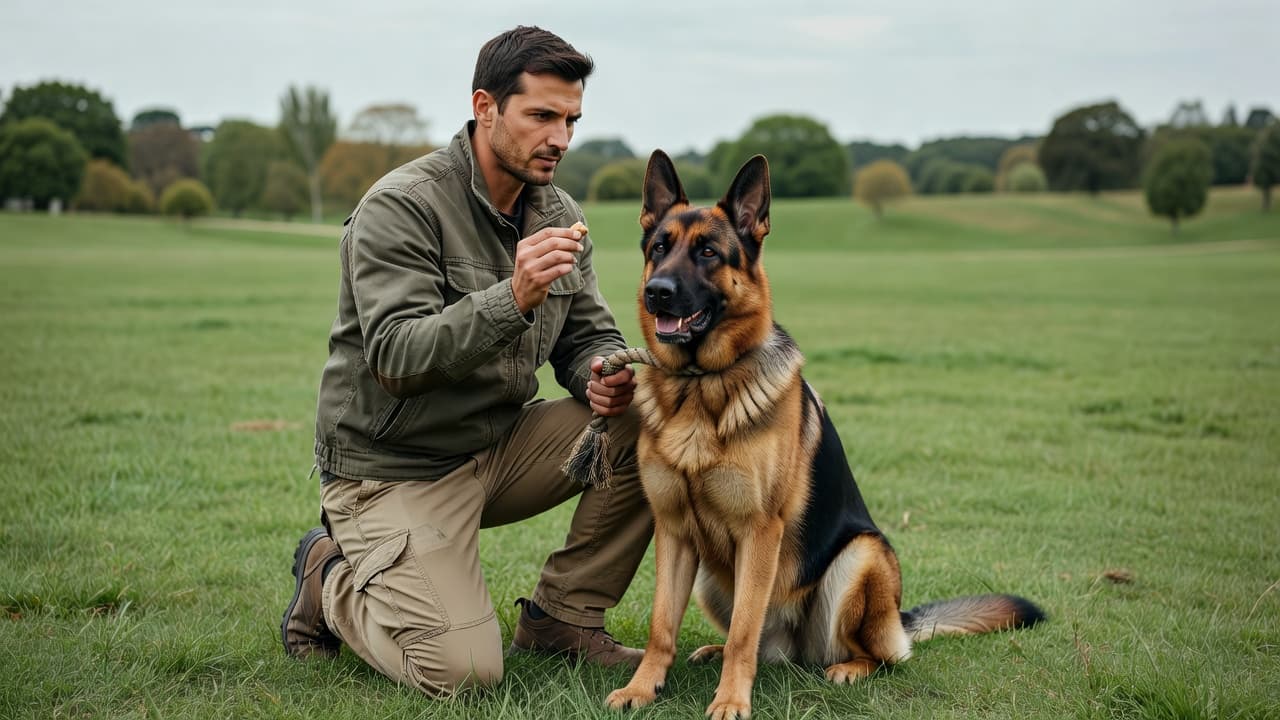
Belgian Malinois need confident, consistent handling
A Belgian Malinois learns fast, reacts with lightning speed, and often spots loopholes before a beginner does. Because these dogs are frequently used as police dogs, they possess an intense prey drive that requires a sharp, capable handler to manage.
This level of responsiveness means that sloppy training gets exposed almost immediately.
This breed does best when you set rules early and stick to them. Clear boundaries, early socialization, and daily training are not optional extras.
They are the backbone of a stable Belgian Malinois. Think of it like this: the Malinois is a sprinter with a high-octane brain. If you give mixed messages, it will not wait around politely. It will test your resolve and try to dictate the terms.
That does not mean you need to be harsh. It means you need to be calm, consistent, and clear. Short training sessions work better than long ones, and active engagement from day one matters more than waiting until behavioral problems show up.
A Malinois does best with a handler who sets the pace, ensuring their natural intensity is channeled into productive work. This is why this breed is often reserved for those with prior experience in handling high-drive animals.
For owners who want practical help with structure and routine, Check out our great guides on Payhip and Check out our ebook guides on Etsy. Both are handy if you want real-world advice you can use right away.
German Shepherds usually suit a wider range of owners
The German Shepherd still requires structure, regular practice, and consistent training to thrive. There is no free pass here.
Because of their history in law enforcement and military roles, these dogs are highly capable, but many families find them easier to guide because they tend to be a little steadier and more forgiving than the Malinois.
Positive reinforcement and predictable routines usually work very well with this breed. A German Shepherd often responds well when you keep expectations fair, consistent, and easy to understand. That makes daily training feel like a partnership rather than a power struggle.
For first-time large-dog owners, a German Shepherd is often the safer choice, provided there is a commitment to consistent training. It still needs your focus, but it usually gives you a bit more room to learn as you go.
That flexibility is a major asset. A shepherd is often more patient with noise, changes in schedule, and the general chaos of family life. It is still a working dog, just one that many homes can manage more easily.
For background, the German Shepherd breed profile gives a useful look at its working roots and why it tends to adapt well to various training environments. That history is part of what makes the breed so popular with families and professional handlers alike.
So if you are comparing the Belgian Malinois vs German Shepherd for your lifestyle, training should be one of the biggest deciding factors.
The Malinois asks for expertise and precision. The German Shepherd still asks for effort, but it usually gives beginners a little more breathing room.
Think about your home, schedule, and experience before you choose
The best breed choice is not about looks, status, or what you hope you can manage on a good week. It comes down to your actual home life, your daily routine, your experience level, and a clear understanding of breed characteristics.
If your schedule is packed, your house is busy, or you are still building confidence, that matters more than people admit.
A Belgian Malinois and a German Shepherd can both be brilliant companions, as both have long been prized as police dogs and expert partners in search and rescue.
However, they ask for different kinds of owners.
One wants a sharper, more demanding routine, while the other usually gives you a little more room to breathe. When making your final decision, keep in mind that the loyalty and intelligence of both breeds are legendary, but they manifest in very different ways.
Best fit for active owners with lots of structure
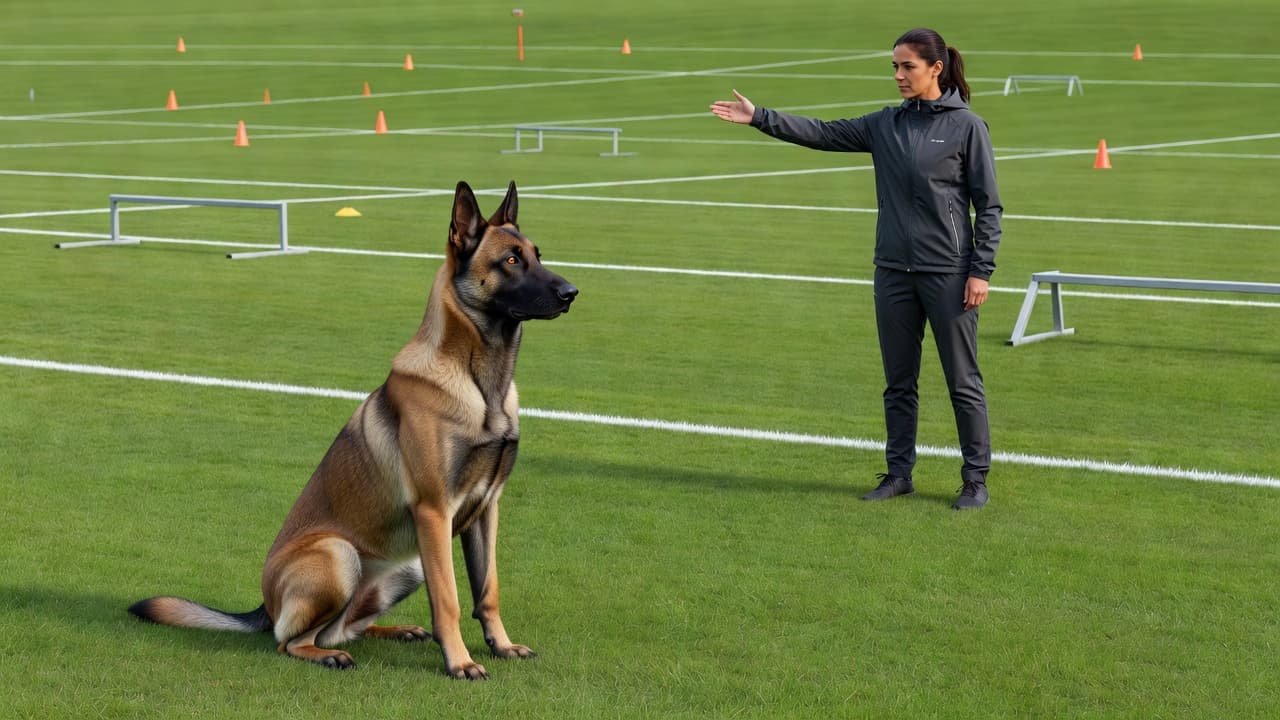
A Belgian Malinois is a strong match for owners who enjoy training, dog sports, running, and work-focused routines. This is the dog for people who like repetition, clear goals, and daily follow-through. Because of their history as military and working assets, this breed often thrives when you turn exercise into a structured task.
The Malinois usually needs physical and mental outlets every single day. A walk alone will not cut it. It wants drills, problem-solving, and something that feels like a job, even if that job is fetch, scent work, or structured obedience.
For a closer look at its working-drive reputation, the American Kennel Club’s Belgian Malinois profile is a useful reference.
If that sounds intense, that is because it is. This breed fits best in homes where the owner already has the time, confidence, and consistency to keep up.
A Malinois owner is usually someone who:
- enjoys training every day
- likes running, hiking, or dog sports
- keeps a steady routine
- can give the dog both exercise and brain work
- understands that boredom turns into trouble fast
If your day cannot make room for the dog, the Malinois will feel the gap.
That is also why experience matters so much. A first-time owner can do everything right and still feel overwhelmed. If you want extra ideas for keeping a driven dog busy, tug toys can be a smart outlet for controlled play and bonding.
For practical help that fits into real life, Check out our great guides on Payhip and Check out our ebook guides on Etsy. They are handy if you want more training ideas without the fluff.
Best fit for busy families who still want an athletic dog
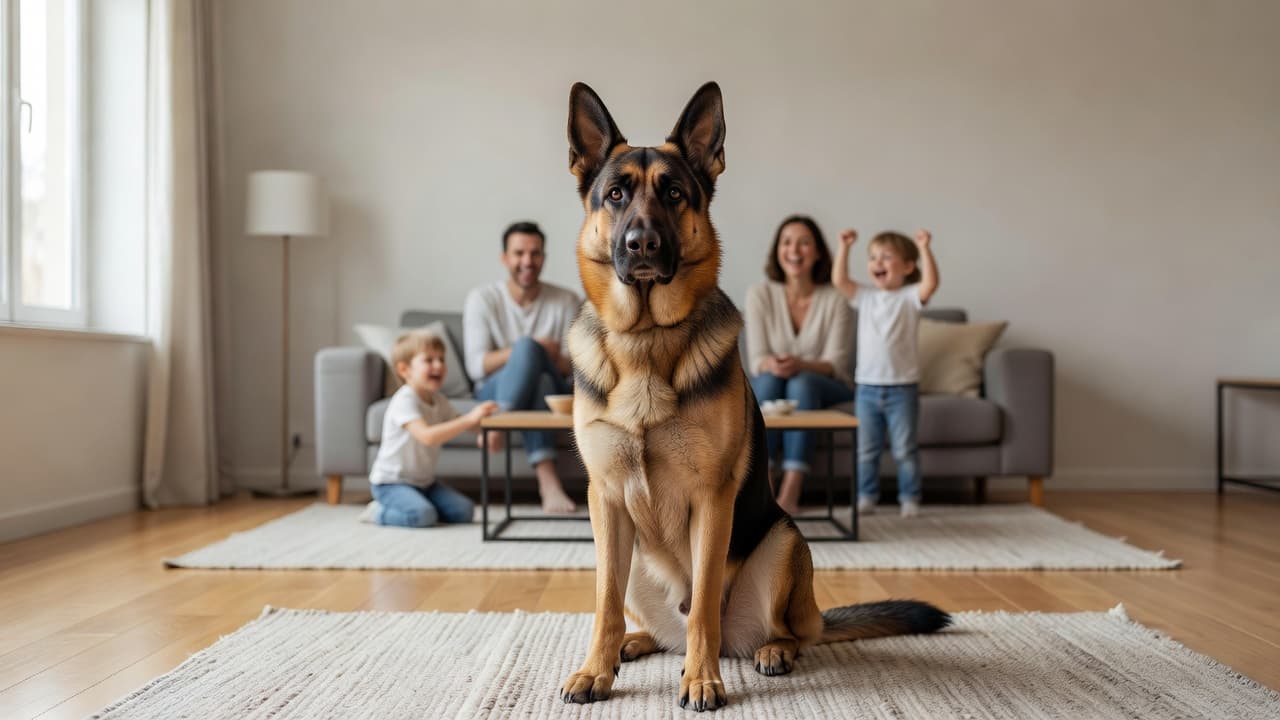
A German Shepherd is often a better fit for busy families who still want an athletic dog. It is active, loyal, and intelligent, but usually more adaptable than a typical working line dog.
That makes it easier to live with when your days are full and your schedule shifts around kids, work, and everyday errands.
This breed often suits homes that want an all-around family dog with a bit of drive. It can handle walks, play, training, and weekend adventures, then settle into family life without needing every hour planned out like a military exercise.
That flexibility is a big reason the German Shepherd works so well in many households.
German Shepherds also tend to fit better when children are part of the picture. They still need training and supervision, but many families find them easier to guide and live with day to day.
The breed profile on Wikipedia gives helpful background on why they have stayed so popular as working and family dogs.
If you want a dog that is active but not all-consuming, the German Shepherd usually makes more sense. It still needs a job, just not the same level of intensity as a Malinois.
A German Shepherd is often right for owners who want:
- an athletic dog with a steadier home rhythm
- a loyal companion for kids and adults
- regular exercise without nonstop pressure
- a breed that can adapt to family routines
- a smart dog that still enjoys downtime
A simple way to think about it is this: the Malinois asks for your whole schedule, while the German Shepherd usually fits into it.
That difference is the real answer when you are comparing belgian malinois vs german shepherd: which breed is right for your lifestyle?
Before you decide, ask these simple questions about your lifestyle
The smartest way to choose between these two breeds is to stop looking at labels and start looking at your day.
A dog can be gorgeous, clever, and famous for all the right reasons, but if it does not fit your routine, it will feel like too much dog.
Ask yourself a few honest questions before you choose. Not the polished answers, the real ones.
Would I enjoy training every day, or just when I have time?
Both breeds benefit from regular training, but the Belgian Malinois really needs an owner who enjoys the process. Since they belong to the herding group, they require consistent engagement. This is not just someone who can squeeze in a session now and then, but someone who likes repetition, focus, and daily follow-through on obedience and socialization.
A German Shepherd still needs steady training, yet it usually fits better into a normal household rhythm. You can build good habits with walks, short sessions, and clear rules without turning your whole day into a training plan.
If training feels like a hobby, the Malinois may fit. If training feels like a responsibility, the Shepherd is often easier to live with.
That difference matters. A Malinois wants a working partnership. A Shepherd usually wants structure, but not quite the same intensity. If you are still learning the basics, that gap can decide the whole match.
For people who want extra help with training ideas and dog care, Check out our great guides on Payhip and Check out our ebook guides on Etsy. They are useful if you want practical guidance before bringing home a high-energy dog.
Do I want a partner for family life, or a high-drive working dog?
This question gets straight to the heart of the choice. If you want a dog that blends into family routines, a German Shepherd is usually the better fit.
It tends to settle more easily, bond with the household, and handle a home full of moving parts.
If you want a dog that feels like a serious job partner, the Belgian Malinois is often the one people mean.
It is intense, driven, and happiest when it has something to do. That can be perfect for experienced owners who want a dog built for work.
Think about your actual home, not your ideal one. Do you want a dog that can join family life and still switch off? Or do you want a breed that pushes you to stay active, organized, and engaged every day?
For more background on how these breeds differ in working style, the German Shepherd and Belgian Malinois are both worth a look. The history tells you a lot about the kind of life each dog expects.
Where to find helpful next-step resources
If you are still comparing notes, a few extra resources can make the decision feel much clearer. Breed guides, training tips, and care advice for both the German Shepherd and the Belgian Malinois are especially handy when you are trying to choose a dog that fits your real life, not just your wishlist.
Start with Check out our great guides on Payhip for affordable ebook help on training, dog care, and practical ownership. You can also browse Check out our ebook guides on Etsy if you want simple, useful guides in one place.
A little extra reading now can save a lot of guesswork later. That matters when the choice is between a dog that fits family life and one that asks for a full-time job.
Frequently Asked Questions
Is a Belgian Malinois good for first-time dog owners?
Generally, no. Because they are highly sensitive to inconsistent handling and possess extreme drive, they are better suited to experienced owners who have handled working breeds before.
Can German Shepherds live comfortably with children?
Yes, German Shepherds are often excellent family dogs because they are more patient with the noise and routine of a home.
They generally bond with the whole family rather than just one person, making them a steadier choice for households with children.
Do both breeds require a lot of daily exercise?
Yes, both breeds are active and require daily physical and mental stimulation. However, the Malinois needs structured tasks or sport-style training to burn off its energy, while a German Shepherd can often be satisfied with a mix of walks, play, and family engagement.
Which breed is more protective of the family?
Both breeds have strong protective instincts, but they manifest differently.
The German Shepherd is a classic guardian that remains manageable for families, while the Malinois has a more intense, reactive drive that requires strict professional training to keep under control.
Conclusion
The real answer to the Belgian Malinois vs German Shepherd debate comes down to personal honesty.
If you want a demanding, high-drive dog and can truly meet its intense needs every single day, the Belgian Malinois can be an incredible partner.
If you want a smart, loyal, active dog that is usually easier to fit into family life, the German Shepherd is the better match for most homes.
Both breeds are wonderful, but they only thrive with the right owner, a consistent routine, and a high level of commitment. Regardless of which dog you choose, always prioritize health by working with breeders who screen for issues like hip dysplasia to ensure your puppy has a strong start.
Choose the dog that fits your actual life, not the one that looks best on paper. That is how you keep both dog and human happy, safe, and successful for the long term.
This post may contain affiliate links. If you make a purchase through these links, I may earn a small commission at no extra cost to you.
🚀 Give Your Belgian Malinois the Best Start Possible!
Don’t spend hours searching dozens of websites for conflicting advice.
Get everything you need in one beautifully presented, easy-to-follow guide.
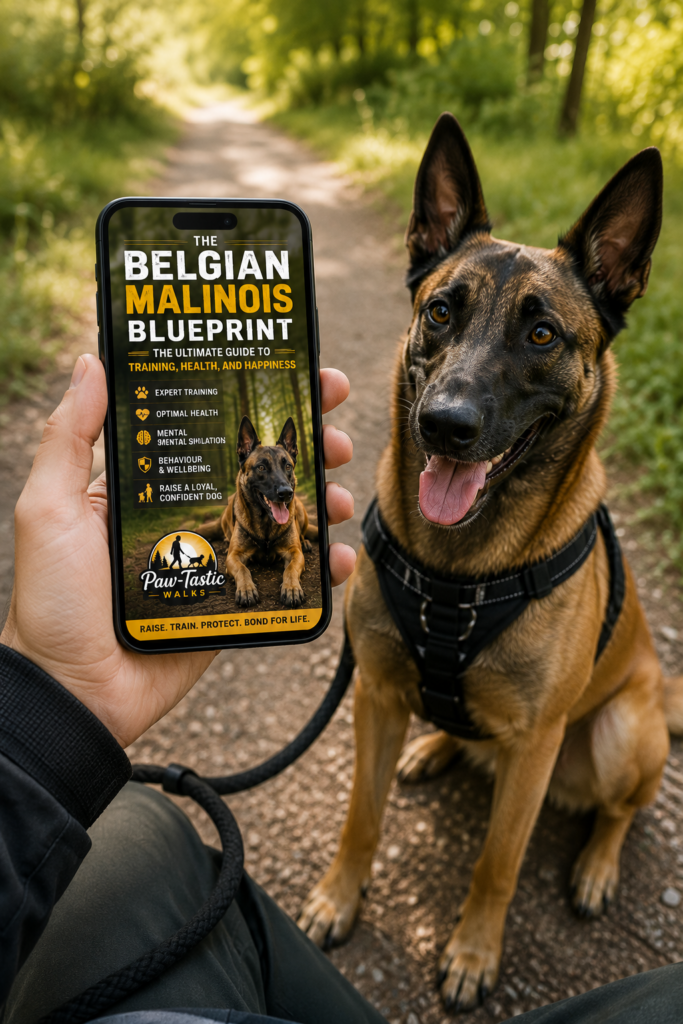
🐾 Download The Belgian Malinois Blueprint today
and discover why hundreds of owners are choosing Paw Tastic Walks guides to raise happier, healthier dogs!