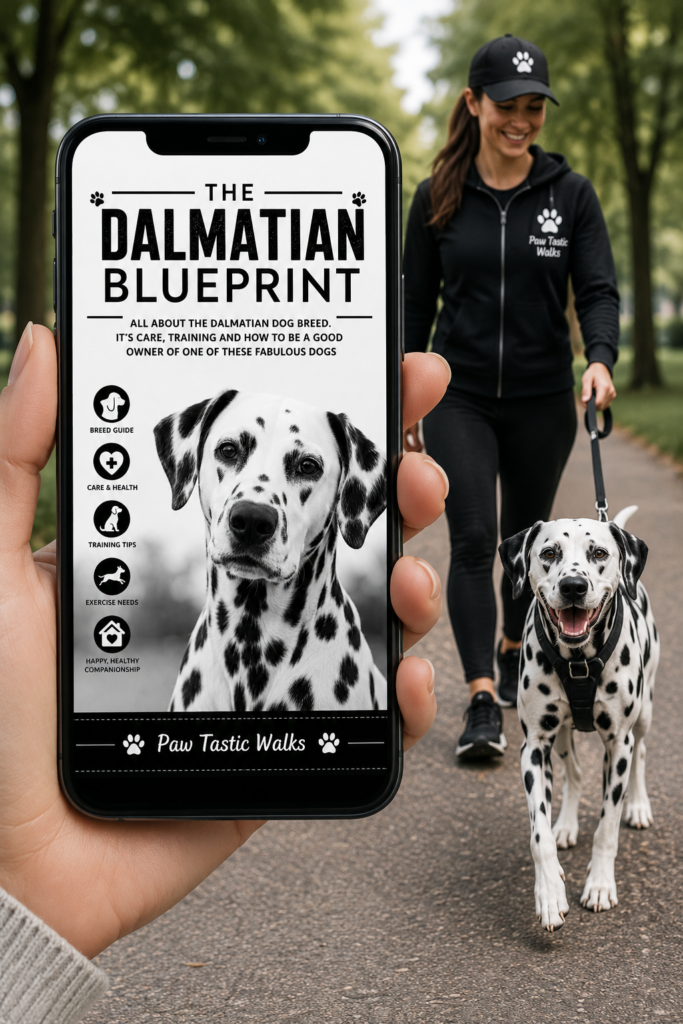

Are Dalmatians good for first-time owners? While these iconic dogs are famous for their beautiful spotted coat, they are not always the easiest choice for beginners.
They are lively, intelligent, and occasionally stubborn, which means you will need time, patience, and a comprehensive training plan starting on day one.
The high energy of a Dalmatian is the most important factor to consider. These dogs require regular daily exercise, regular socialization, and dedicated owners who can remain firm when the initial excitement of a new puppy wears off.
If you lead an active lifestyle and are willing to put in the work required for training and physical activity, this breed can be a rewarding companion.
If you are trying to decide whether a Dalmatian fits your lifestyle, it is important to understand the reality of their personality and care requirements.
The following sections will break down exactly what you need to know before bringing one of these spirited dogs into your home.
Key Takeaways
- High Energy Requirements: Dalmatians are not low-maintenance pets; they require extensive daily exercise, including long walks, runs, and active play to prevent boredom-induced behavioral issues.
- Consistency is Crucial: These dogs are highly intelligent but can be independent and stubborn, meaning they need a dedicated owner who can provide firm, consistent training and clear boundaries from day one.
- Mental Stimulation: Beyond physical activity, Dalmatians need daily mental enrichment like puzzle feeders, scent games, and short, reward-based training sessions to keep them settled.
- Lifestyle Match: This breed thrives in active, structured households and may struggle in homes with very small children or owners who cannot provide the significant time and attention required for proper socialization and daily care.
Why Are Dalmatians good for first-time owners? The Challenges
Dalmatians look like an easy win on paper. They are striking, loyal, and full of personality. The catch is that they come with a lot of needs, and those needs do not take a day off just because you are busy.
If you are asking whether Dalmatians are good for first-time owners, the honest answer is, not always.
They can be a lot for someone who wants a low-maintenance dog, but they can be a great fit for an owner who is active, consistent, and ready to stay involved.
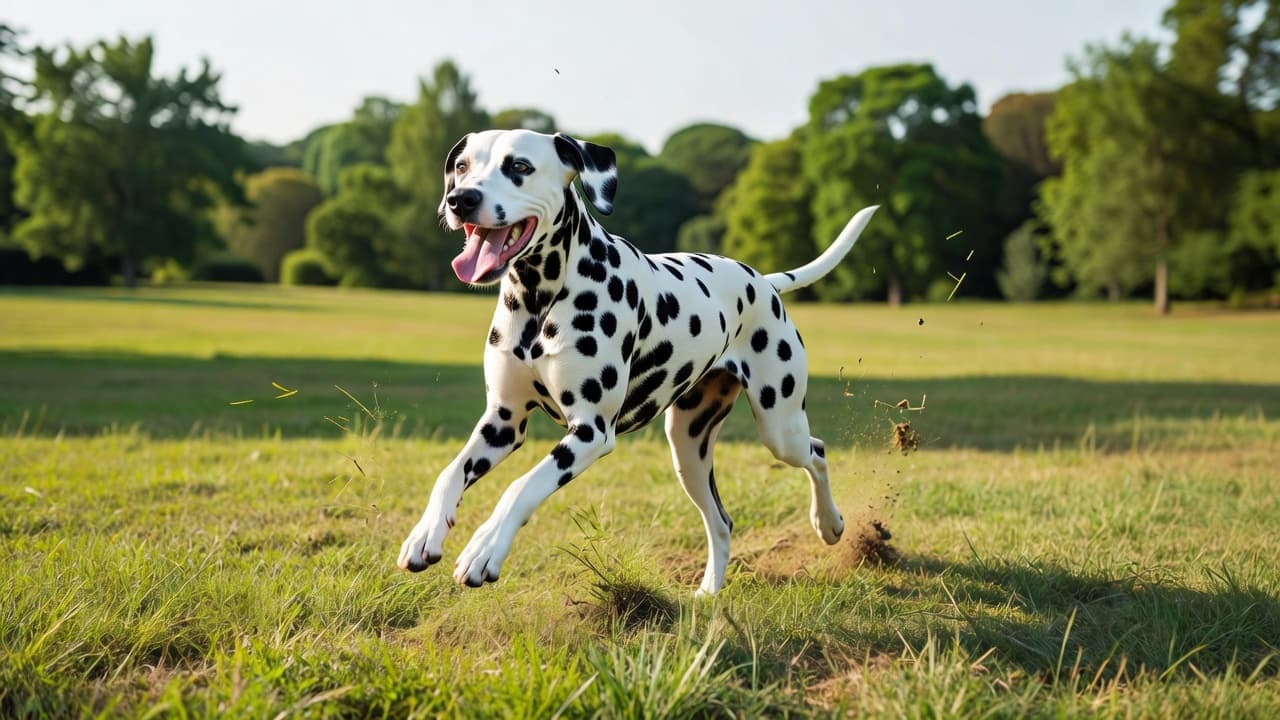
They need a lot more exercise than a short daily walk
A quick stroll around the block usually will not cut it. Dalmatians are high-energy dogs that need extensive exercise, including long runs, active play, and room to move, or they will start making their own entertainment.
That can mean barking, chewing, pacing, or tearing around the house. A busy owner should expect to build dog time into the day, not squeeze it in when possible.
Think morning and evening daily walks, a proper play session, and some time in a secure space where the dog can stretch out.
A Dalmatian left under-exercised can get bored fast. And bored Dalmatians are not quiet housemates.
A realistic day might look like this:
- A brisk morning walk before work
- A lunchtime toilet break or short outing
- An evening walk with fetch or recall games
- Time in the garden, yard, or a safe open area to burn energy
For more breed background, the AKC Dalmatian breed guide gives a solid overview of their active nature. The key thing is simple, they need more than a token walk and a cuddle.
Their smart minds need daily work, not just physical activity
Dalmatians are clever. That sounds like a bonus, and it is, but smart dogs get bored when their brains sit idle. Physical exercise helps, but consistent mental stimulation matters just as much.
Short training sessions, puzzle feeders, and problem-solving games can take the edge off that restless energy.
Sniffing games work well too, because they give the dog a job to do instead of just another lap around the garden.
If you want a simple place to start, try scent work, obedience practice, and interactive play with tug toys.
A few easy enrichment ideas:
- Hide treats around the room and let your dog search.
- Practice sit, stay, and recall in short bursts.
- Rotate toys so everything does not feel old and boring.
- Mix in reward-based play after training sessions.
A tired Dalmatian is not just one that has been walked. It is one that has been used, body and brain.
That is why helpful training resources can make life easier early on.
If you want more practical support, Check out our great guides on Payhip and Check out our ebook guides on Etsy for simple, affordable help you can use at home.
They can be strong-willed and harder to train than expected
Dalmatians are intelligent, but that does not mean they always want to cooperate on your schedule. They can be independent, a little headstrong, and very good at testing boundaries with new owners.
That is where consistency comes in. Clear rules, early training, and the same expectations every day make a huge difference.
If one person allows jumping on the sofa while another does not, a Dalmatian will notice. Fast.
Early training should focus on basics like recall, loose-lead walking, and calm behaviour around guests. Keep sessions short, fair, and regular.
Praise good choices, repeat the same cues, and do not let bad habits settle in.
For a better understanding of the breed background, the Dalmatian article on Wikipedia is a useful starting point.
The breed has a long history, and that working-dog streak still shows in the way many Dalmatians think and behave.
If you want a training style that fits this breed better, using reward-based training and positive reinforcement is a smart place to begin.
It keeps the process clear without turning every lesson into a battle of wills.
A Dalmatian can absolutely learn well. They just usually want a trainer who means what they say.
What a First-Time Owner Must Be Ready to Handle
If you are wondering are Dalmatians good for first-time owners, the answer depends on what you are ready to manage.
This breed can be affectionate and rewarding, but it also asks for more structure than many beginners expect.
That means planning ahead for social time, family dynamics, and a daily routine that does not fall apart the minute life gets busy.
Get those pieces right, and a Dalmatian has a much better chance of settling in well.
Dalmatians need early, positive exposure to people, dogs, sounds, and new places. Without proper socialisation during the puppy stage, they can grow wary or reserved around strangers, which makes everyday life harder for everyone.
The goal is simple: show the puppy that new things are normal. Meet calm adults, friendly dogs, traffic noise, vet visits, and different surfaces in short, low-pressure sessions. Keep treats handy, stay relaxed yourself, and let your young dog take things at their own pace.
A good starting point is the first few months, when experiences stick fast. The AKC’s Dalmatian breed guide is useful background, and this review of early-age socialization explains why those early weeks matter so much.
A simple plan might include:
- Short car rides with calm praise
- Quiet walks past buses, bikes, and prams
- Brief visits to dog-friendly places
- Meeting trusted people one at a time
Socialization works best when it feels ordinary, not overwhelming.
If you want more help building good habits early, Check out our great guides on Payhip for easy-to-follow training support.
They may not be the best choice for homes with very small kids
Even when a Dalmatian is friendly, their size and energy can be a lot for very young children. A bouncy dog and a wobbly toddler is not a great match, no matter how sweet the dog is.
While they can be excellent family dogs, they are generally better suited for homes with older, dog-savvy children.
These kids understand space, know how to move calmly, and can follow rules without turning playtime into chaos. That makes life safer for the child and less stressful for the dog.
Supervision still matters either way. Teach children not to grab ears, chase the dog, or crowd food and resting spots.
A Dalmatian should never be left to figure it out with small kids on its own.
A busy schedule can cause problems fast
Dalmatians do best in active households that have time for exercise, training, and attention every day. Because of their loyal nature, these dogs can develop separation anxiety if they are left alone for extended periods. If you work long hours, keep a low-activity routine, or change plans all the time, problems can show up quickly.
Boredom often becomes barking, chewing, pacing, or stubborn behavior. These dogs need more than a quick toilet break and a wave from the door.
They need consistent structure, and they need it every day.
That does not mean you need to be home all day, but it does mean you should plan ahead. Think about morning walks, lunch-time help, dog walkers, enrichment toys, and training sessions that fit your real life.
When a Dalmatian Can Be a Good First Dog
Dalmatians are not the easy, low-effort choice many first-time owners hope for.
But in the right home, they can be a really good first dog, especially if the owner already leads an active lifestyle and enjoys spending time with their companion every day.
The short answer to are Dalmatians good for first-time owners is this: yes, sometimes, but only for the right kind of first-time owner.
If your routine already includes movement, training, and steady follow-through, a Dalmatian can fit in well.
Active people have a much better chance of success
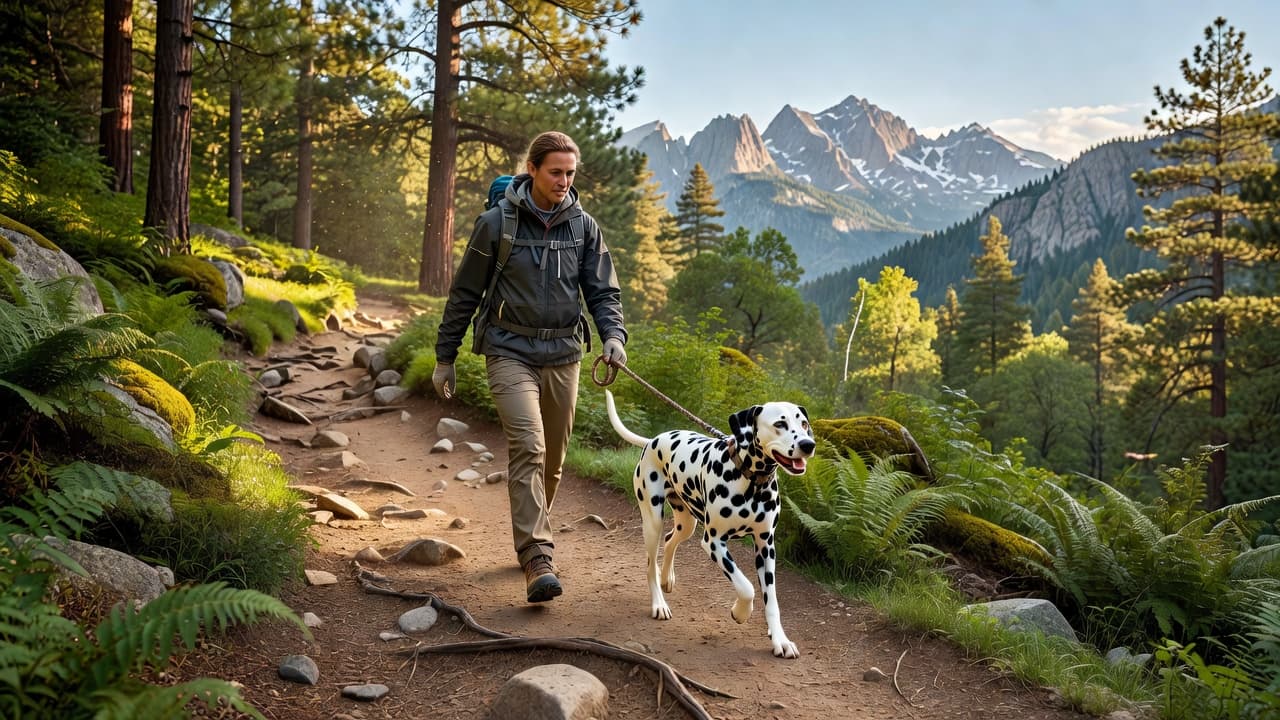
Runners, hikers, and those in active households usually have a much easier time meeting a Dalmatian’s exercise needs. Historically known as carriage dogs, these athletes have incredible endurance.
They do best with owners who already enjoy being out and about, rather than people trying to force a quiet routine into a high-energy breed.
A Dalmatian can suit someone who likes:
- Early morning runs before work
- Long weekend hikes
- Daily walks that are more than a quick loop around the block
- Family play sessions in a safe, open space
Think of it this way: the dog should fit your lifestyle, not the other way around. If your idea of a good day already includes movement, training, and time outdoors, a Dalmatian may feel like a natural match instead of a constant struggle.
If you have to build an entirely new lifestyle just to keep up, the breed is probably not the right fit.
For owners who want a stronger recall before giving more freedom on daily walks, how to teach dog recall is a useful place to start. A reliable recall matters even more with a dog that loves to move.
Training classes and professional help can make ownership easier
First-time owners do not have to figure everything out alone. Puppy classes, basic obedience lessons, and help from a trainer can make Dalmatian ownership far less stressful, especially when you are dealing with a smart puppy that likes to test boundaries.
That support helps with the basics that matter most:
- House training gets off to a cleaner start.
- Loose-lead walking becomes easier to manage.
- Recall and focus improve with repetition.
- Calm behaviour around people and dogs gets reinforced early.
Asking for help is a smart move, not a failure. In fact, it usually saves time, frustration, and a lot of guesswork.
If you want extra guidance, Check out our great guides on Payhip and Check out our ebook guides on Etsy for affordable resources that are easy to use at home.
If you want a simple extra step outside class, better dog walking habits for owners can also help you avoid common mistakes. A few good habits on lead can make daily life much smoother.
A calm, consistent home gives them the best chance to thrive
Dalmatians do best when life feels predictable. Clear rules, steady leadership, and the same expectations from day to day help them feel secure. Because this breed possesses a unique temperament, that sense of security makes training significantly easier.
These dogs usually struggle when the house rules keep changing. If jumping is allowed one day and banned the next, or if one person ignores bad habits while another corrects them, the dog gets mixed messages fast.
Keep things simple and consistent:
- Use the same cues for the same behaviors
- Set regular times for walks, meals, and training
- Stick to house rules every day
- Reward the behavior you want to see again
A calm home does not mean a boring one. It just means the dog knows what to expect. For a Dalmatian, that kind of routine is like a well-marked path; it gives them direction and cuts down on chaos.
If you are still comparing breed needs with your own day-to-day routine, that is a good sign. A Dalmatian can be a good first dog when the owner is ready to be active, stay consistent, and ask for help when needed.
How to Decide If a Dalmatian Fits Your Lifestyle
The best way to answer are Dalmatians good for first-time owners is to look at your routine, not the dog’s looks. Spots are easy to fall for. The daily work is what tells the truth.
A Dalmatian fits best in a home that already has time, structure, and patience built in. If you want a dog that can coast through the day, keep looking. If you want a dog to train, exercise, and truly live alongside you, this breed may make sense.
Ask yourself the right questions before bringing one home
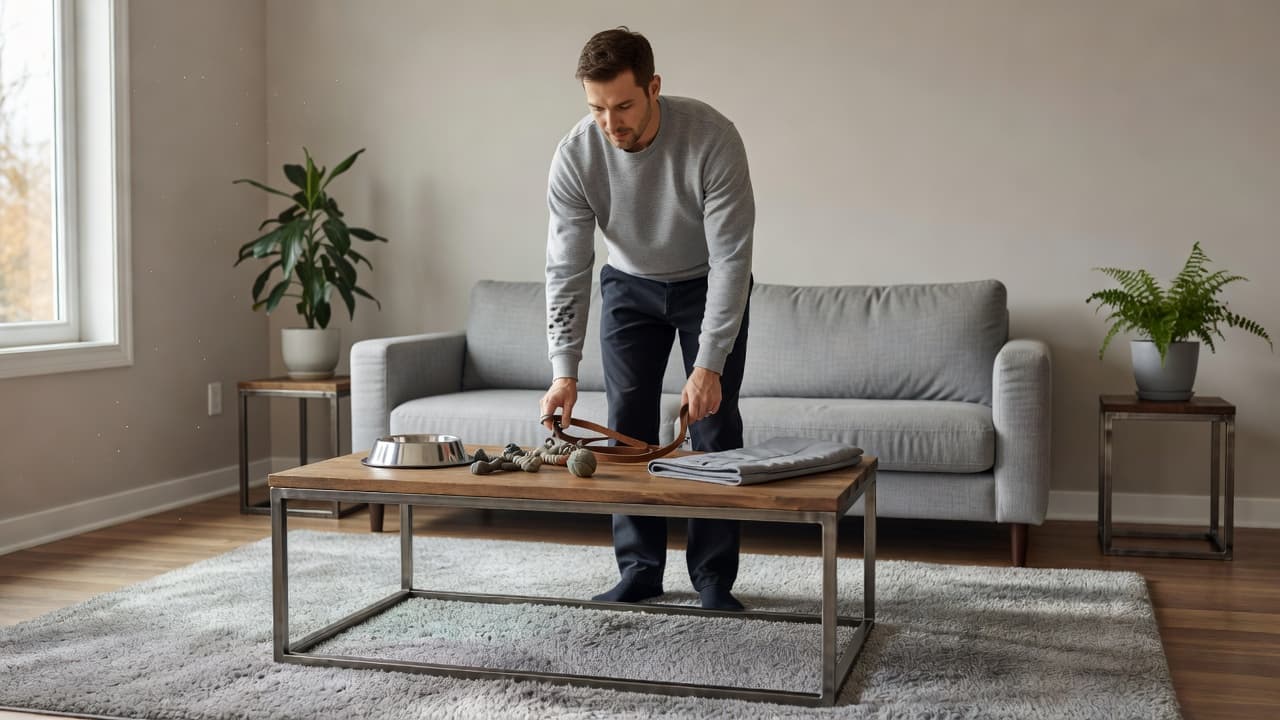
Start with the hard questions. They tell you far more than a cute puppy photo ever will.
- Do I have time for daily exercise? A short walk is not enough for a Dalmatian.
- Can I train consistently? These dogs notice mixed messages fast.
- Am I ready for a dog that needs structure? Rules matter with this breed.
- Would I be okay asking for professional help? Puppy classes and trainers are a smart move, not a last resort.
- Can I handle a dog that needs attention every day? This is not a low-effort breed.
If you want a simple reality check, read each question out loud and answer with your real life, not your ideal one.
A Dalmatian needs the version of you that shows up on busy Tuesdays too.
If your schedule is already full, a Dalmatian will not politely wait for free time to appear.
That is why resources that break training down into small steps can help. If you want extra support, Check out our great guides on Payhip and Check out our ebook guides on Etsy for practical help you can use at home.
Understanding Health and Maintenance
Beyond behavioral needs, you must be prepared for the specific health problems associated with the breed. Prospective owners should be aware of hereditary deafness, which is relatively common in Dalmatians.
Additionally, their unique metabolism means they are prone to bladder stones due to high uric acid levels. Hip dysplasia is another concern that can affect their mobility as they age.
The cost of owning a Dalmatian is also a significant factor to weigh. Between high-quality food, regular veterinary checkups to monitor their specific health risks, and training supplies, your budget needs to be ready for long-term expenses.
When it comes to grooming, their short coat is deceiving. While they do not require professional styling,
Dalmatians are constant, year-round shedders. You will need to keep up with regular brushing to manage the shedding, as their stiff hairs have a habit of weaving into fabrics.
To minimize the risk of underlying issues, you should always look for a Kennel Club Assured Breeder.
A reputable professional will perform necessary health screenings on their dogs before breeding, giving your future puppy the best possible start in life.
Look at the long-term commitment, not just the puppy stage
Puppies pull people in fast. They are small, funny, and easy to imagine at your feet. But puppyhood is only the first chapter.
Adult Dalmatians still need training, exercise, and attention for years. They do not outgrow their energy overnight, and they do not stop needing clear rules once they get bigger.
If anything, bad habits are harder to ignore once the dog is full-grown.
Think beyond the first exciting months and ask what life looks like later. Can you still give this dog long walks, regular play, and steady guidance when work gets busy or routines change? That is the real test.
A Dalmatian may live 10 to 13 years or more, so you are not choosing a puppy, you are choosing a long stretch of daily care.
If that sounds manageable, good. If it sounds exhausting, that answer matters too.
Learn the breed before you choose one
Breed research saves people from avoidable mistakes. It helps you see the dog in front of you, not the dog you hoped for.
Talk to breeders, rescue groups, and owners who live with Dalmatians every day. If possible, meet an adult Dalmatian too. Puppies are one thing, but an adult dog shows you the breed’s real rhythm, energy, and temperament.
A little homework also helps with the basics of dog care and behavior. The more you understand training, socialization, and daily needs, the smoother the transition usually is.
For background on the breed’s history and traits, the Dalmatian overview on Wikipedia is a useful starting point. It will not tell you if the breed fits your couch, but it does help explain why so many Dalmatians need firm, consistent handling.
If you want to keep building that knowledge, how to build trust with your dog is a good place to go next.
The better you understand the dog, the better your decision gets.
For some owners, the answer becomes clear after a few honest comparisons. An active, organized household usually has a much better shot than a casual, unpredictable one. That is the kind of reality check worth doing before you say yes.
Frequently Asked Questions
Are Dalmatians suitable for apartment living?
Generally, no. Dalmatians are high-energy, athletic dogs that need significant space to move and regular access to outdoor areas to burn off energy.
Do Dalmatians shed a lot?
Yes, Dalmatians are constant, year-round shedders. Their short, stiff hairs tend to weave into fabrics, so you will need to commit to regular brushing to keep their shedding under control.
Are they good with children?
While they can be affectionate family dogs, their size and exuberant energy levels can be overwhelming for toddlers.
They are typically a much better match for families with older children who understand how to interact respectfully with a dog.
What are the main health concerns for this breed?
Prospective owners should be aware of hereditary deafness, which is common in the breed, as well as their predisposition to forming bladder stones due to their unique metabolism.
Regular veterinary checkups and a health-conscious diet are essential for long-term care.
Conclusion
In summary, Dalmatians are generally not the easiest choice for a beginner. They require daily exercise, consistent training, and an owner who remains committed long after the novelty of owning a spotted dog wears off.
Ultimately, the question of are Dalmatians good for first-time owners depends entirely on your lifestyle and dedication.
While these dogs are incredibly loyal and can be protective of their families, they are not naturally aggressive when they receive proper socialization and structure from an early age.
If you are an active person who is prepared to provide the necessary time, training, and companionship, a Dalmatian can become a bright and devoted partner.
Always remember that the best dog is one that matches your daily reality and experience level, rather than one that simply looks good in photos.
This post may contain affiliate links. If you make a purchase through these links, I may earn a small commission at no extra cost to you.
🐾 Ready to Become the Best Dalmatian Owner You Can Be?
Whether you’re still deciding if a Dalmatian is right for you or you’ve already welcomed one into your home, The Dalmatian Blueprint gives you everything you need to raise a happy, healthy, and well-behaved companion.
✔ Over 70 pages of practical, expert guidance
✔ Training, health, nutrition, behaviour, grooming and much more
✔ Perfect for both new and experienced Dalmatian owners