Common Conditions Owners Should Know
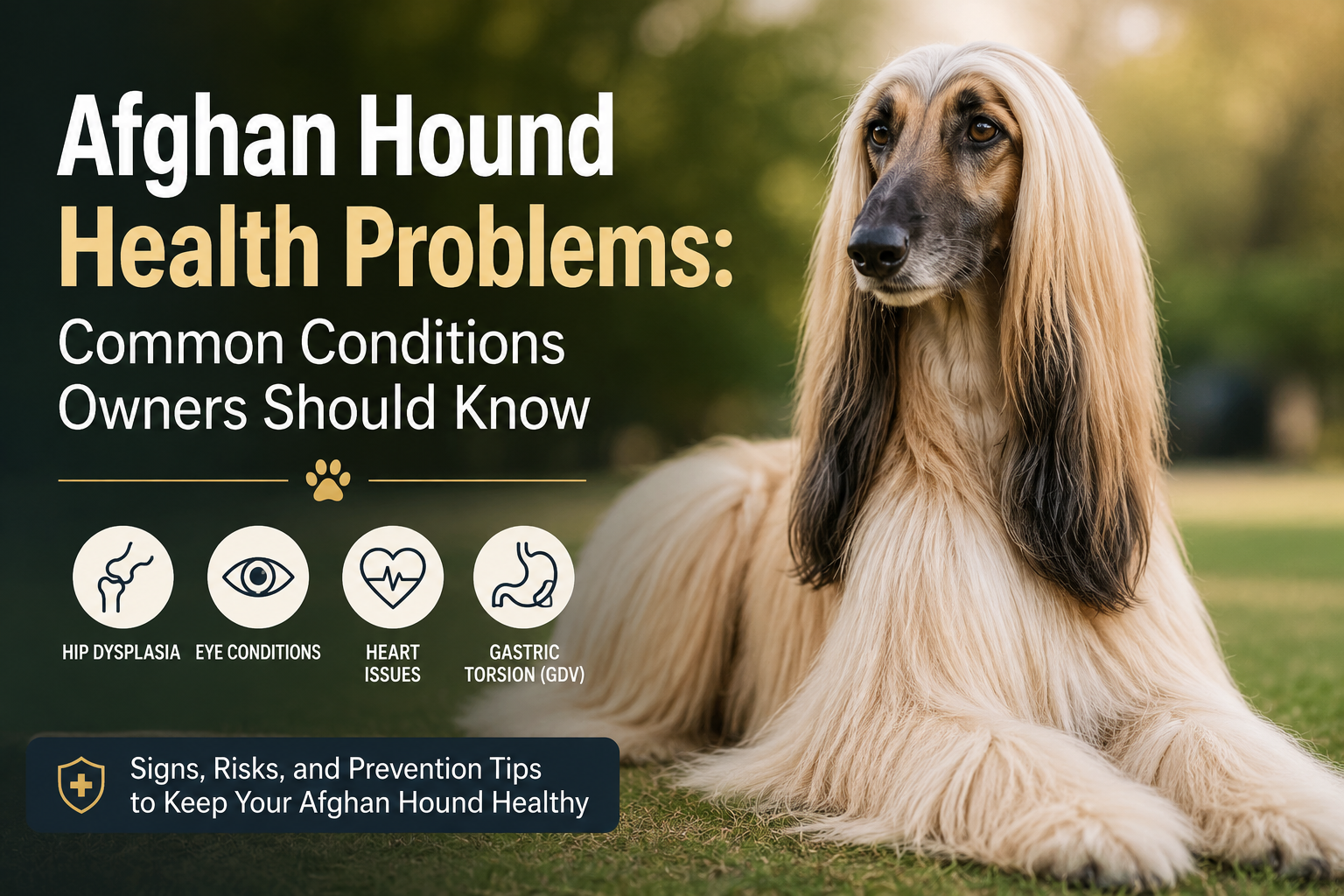
If you own an Afghan Hound, knowing about health issues is vital. These dogs often face problems like hip dysplasia and eye issues. These can really affect their happiness and health.
It’s important to understand these health concerns to care for your dog well. Knowing about medical conditions specific to Afghan Hounds helps you act early. This way, you can help your dog stay healthy and happy.
Key Takeaways
- Afghan Hounds are prone to specific health issues, including hip dysplasia and eye conditions.
- Understanding breed-specific health concerns is vital for the best care.
- Spotting health problems early can greatly improve your dog’s life.
- By taking steps early, you can prevent or manage common health issues in Afghan Hounds.
- Knowing about Afghan Hound health issues is essential for a healthy pet.
The Majestic Afghan Hound: A Health Overview
Afghan Hounds are known for their stunning looks. They also have specific health needs that are vital for their well-being. Knowing about their health is key for any owner, now or in the future.
Breed History and Genetic Background
Afghan Hounds come from the Middle East, with a history over 4,000 years old. Their unique genetic makeup can lead to health issues. “Their long history has selectively bred certain traits, which can sometimes predispose them to specific health challenges,” a vet explains.
General Health Profile and Lifespan Expectations
Afghan Hounds are generally healthy, living 12 to 15 years on average. But, like all breeds, they face health risks.
Keeping up with vet visits and a healthy lifestyle is essential for their health.
Why Afghan Hounds Require Special Health Attention
Afghan Hounds need special care because of their genetics and physical traits. This includes watching for health problems, eating right, and exercising well. Knowing these needs helps ensure they live a long, healthy life.
Regular care and attention to health can significantly improve the quality of life for Afghan Hounds.
Owners must be aware of health challenges and work with their vet to tackle them quickly.
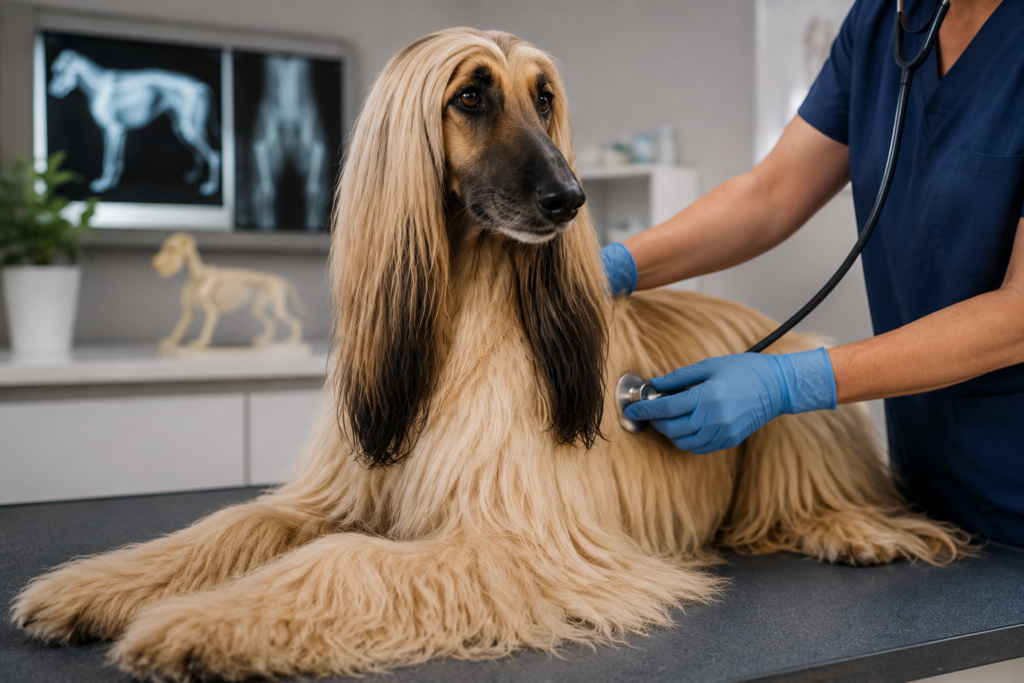
Common Health Problems in Afghan Hounds
Afghan Hounds are known for their majestic appearance. But, like many breeds, they face specific health issues. It’s important to understand these problems to care for your pet well.
Prevalence of Health Issues in the Breed
Afghan Hounds often deal with hip dysplasia, eye problems, and cardiac conditions. These issues can greatly affect their quality of life. Regular vet visits are key to catching these problems early.
Understanding Genetic Predispositions
Genetic predispositions are a big factor in Afghan Hounds’ health issues. Their genetic makeup makes them more likely to certain conditions. Knowing this helps owners prevent these problems.
How Health Issues Impact Quality of Life
Health issues in Afghan Hounds can change their life quality. For example, hip dysplasia can cause pain and make moving hard.
Eye problems can lead to vision loss. It’s important to understand these effects to care for them right.
Some common health issues to watch for include:
- Hip dysplasia and joint problems
- Eye conditions such as cataracts
- Cardiac issues like dilated cardiomyopathy
Knowing about these health issues helps you ensure your Afghan Hound stays healthy and happy.
Hip Dysplasia and Joint Issues
Afghan Hounds often face hip dysplasia, which can cause joint pain and mobility problems. It’s important for owners to know the signs to get the right care for their pets.
Signs and Symptoms to Watch For
Spotting hip dysplasia early is key. Look for signs like lameness, trouble walking, or avoiding activities like running or climbing stairs. If your Afghan Hound shows these signs, see a vet.
Diagnostic Approaches
Diagnosing hip dysplasia requires physical exams and imaging tests. Your vet will check your dog’s joints and look for pain signs.
X-rays help see the hip joint’s structure and find any problems.
“Early diagnosis is key to managing hip dysplasia effectively. Regular check-ups with your veterinarian can help identify issues before they become severe.”
Treatment Options and Management Strategies
There are many ways to treat hip dysplasia. These include surgery and non-surgical methods, based on how bad the condition is.
Surgical Interventions
For serious cases, surgery might be needed. This can include total hip replacement or other surgeries. Your vet will choose the best surgery for your dog.
Non-Surgical Approaches
For milder cases or as an addition to surgery, non-surgical methods work well. Keeping your dog at a healthy weight, physical therapy, and pain meds can help a lot.
| Treatment Approach | Description | Benefits |
|---|---|---|
| Surgical Intervention | Corrects the hip joint structure | Can provide significant pain relief and improve mobility |
| Weight Management | Reduces stress on the joints | Lessens pain and improves mobility |
| Physical Therapy | Improves joint mobility and strength | Enhances overall mobility and reduces stiffness |
Knowing about hip dysplasia signs, diagnosis, and treatments helps keep your Afghan Hound happy and active.
Eye Conditions Affecting Afghan Hounds
Afghan Hounds can face eye problems like cataracts and progressive retinal atrophy. These issues can really affect their life quality if not managed well.
Cataracts and Progressive Retinal Atrophy
Cataracts and progressive retinal atrophy (PRA) are common in Afghan Hounds. Cataracts cloud the lens, causing vision loss. PRA leads to vision loss as the retina deteriorates.
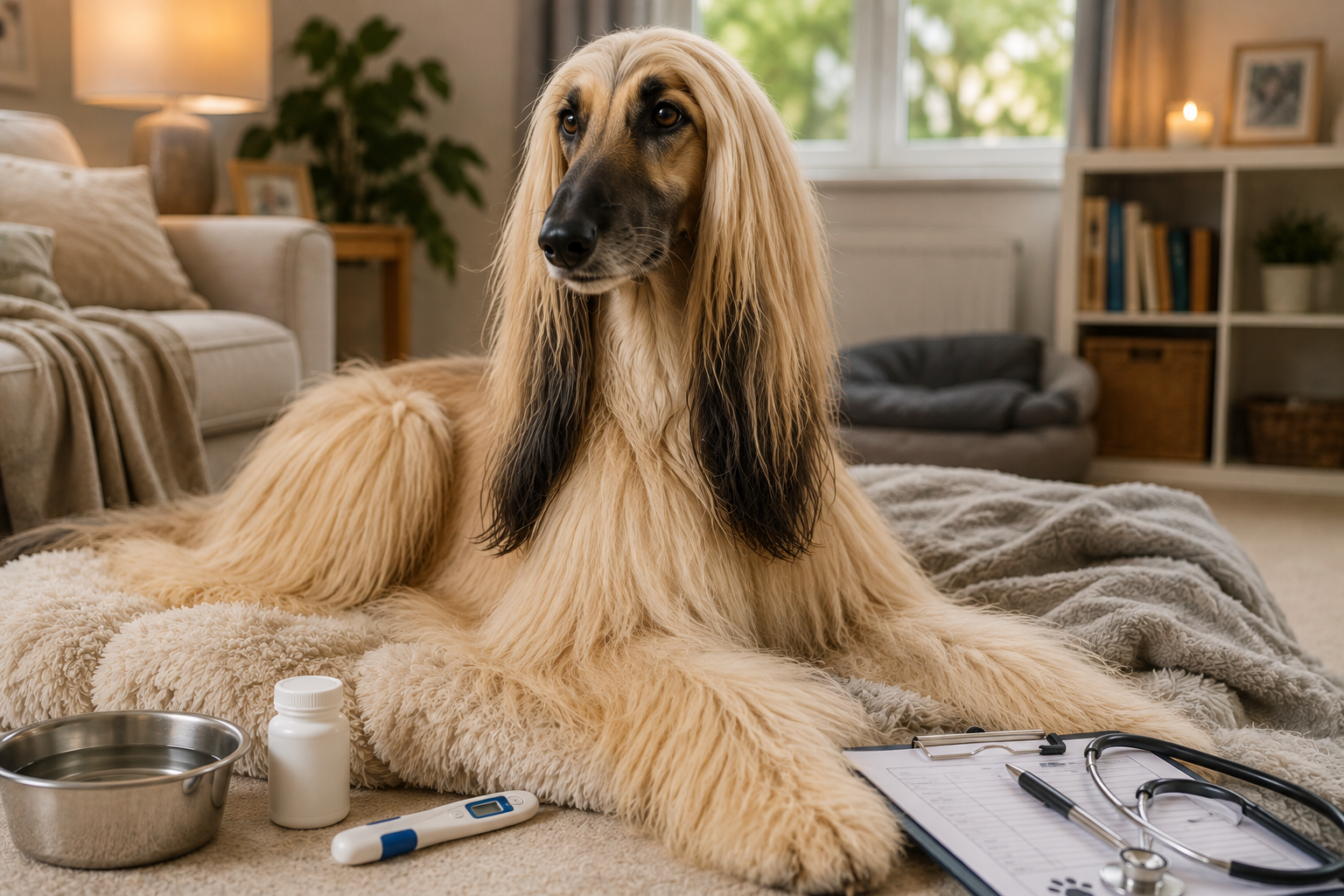
Screening and Early Detection Methods
It’s key to screen Afghan Hounds regularly for eye issues. Your vet can do tests like:
- Ophthalmoscopy to check the retina and eye’s inner parts
- Electroretinography to see how well the retina works
Preserving Your Afghan’s Vision Long-Term
To keep your Afghan Hound’s vision, you need medical care and lifestyle changes.
Medical Treatments
Surgery might be needed for cataracts or other eye problems. Your vet will tell you the best treatment for your dog.
Lifestyle Adaptations
Changing your dog’s lifestyle can help their eye health. This includes:
- Creating a safe, familiar space to avoid accidents
- Using verbal cues and other non-visual signals
- Checking their eyes often for signs of trouble or vision loss
By staying informed and working with your vet, you can keep your Afghan Hound’s vision good. This ensures they live a happy, comfortable life.
Cardiac Health Concerns
Keeping your Afghan Hound’s heart healthy is key for a long, happy life. Heart problems can really hurt your dog’s quality of life. It’s important to know the risks and take steps to prevent them.
Dilated Cardiomyopathy in Afghan Hounds
Dilated cardiomyopathy is a serious heart issue that can hit Afghan Hounds hard. It makes the heart big and weak, making it hard to pump blood. It’s critical to catch this early with regular vet visits.
Heart Murmurs and Valve Disorders
Heart murmurs and valve problems are also big concerns for Afghan Hounds. If not treated, these can cause serious issues. Regular heart checks are a must.
Cardiac Screening Recommendations
It’s wise to get your Afghan Hound’s heart checked regularly. Your vet can tell you how often based on your dog’s age and health.
Managing Heart Conditions Effectively
Managing heart issues in Afghan Hounds requires vet care, lifestyle changes, and watching for heart trouble signs. “Early detection and proper care can greatly improve a dog’s life with heart problems,” says a top vet cardiologist.
Digestive and Bloat Issues
As an Afghan Hound owner, it’s key to know about digestive and bloat risks. Afghan Hounds often face serious digestive problems. Gastric dilatation-volvulus, or bloat, is a life-threatening issue that needs quick vet care.
Gastric Dilatation-Volvulus (Bloat) Risks
Gastric dilatation-volvulus, or bloat, happens when the stomach fills with gas and twists. This is very painful and can be deadly if not treated fast. It’s vital to spot bloat signs like restlessness, drooling, and trying to vomit without success to save your dog.
Dietary Sensitivities Common to the Breed
Afghan Hounds might react to certain diet ingredients, causing digestive problems. They often have issues with high-fat foods, specific proteins, and fillers. Feeding a balanced, easy-to-digest diet can lower the risk of digestive issues.
Preventative Measures Worth Implementing
To stop bloat and other digestive problems, use proper feeding and exercise habits.
Feeding Practices
Feed your Afghan Hound small meals all day to lower bloat risk. Also, avoid hard exercise near meal times.
Exercise Considerations
Keep exercise moderate and not right before or after meals. This helps avoid stomach twisting and bloat risk.
| Preventative Measure | Description | Benefit |
|---|---|---|
| Multiple Small Meals | Feeding smaller, more frequent meals | Reduces risk of bloat |
| Avoid Vigorous Exercise Around Meals | No intense exercise before or after eating | Decreases likelihood of stomach twisting |
| Balanced Diet | Feeding a nutrient-rich, easily digestible diet | Minimizes digestive upset |
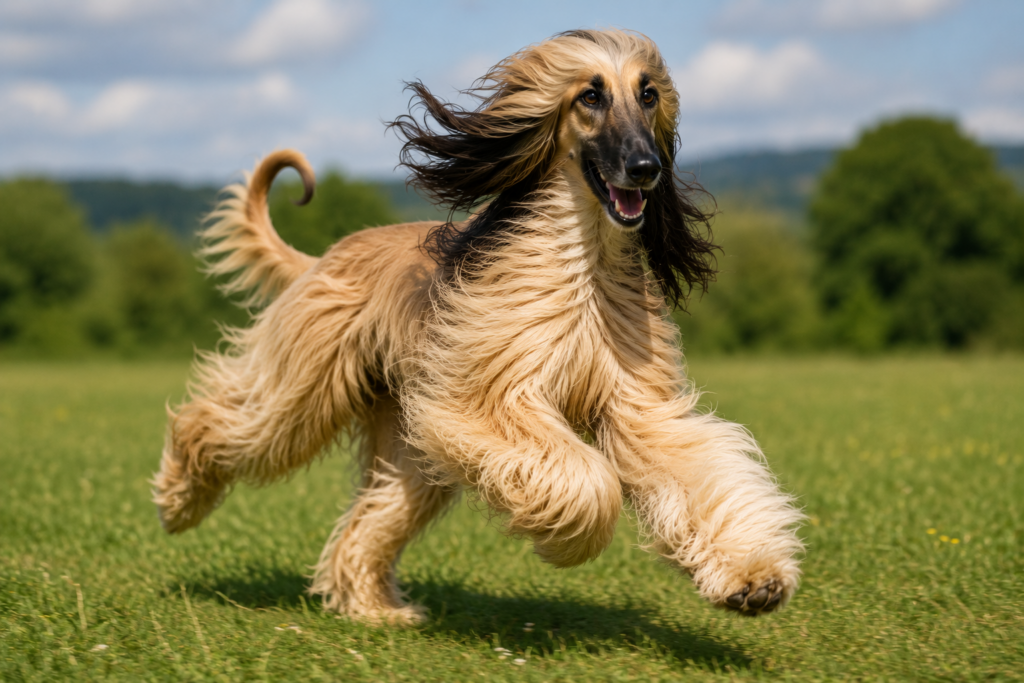
Skin and Coat Challenges
The Afghan Hound’s luxurious coat is a breed hallmark, but it poses challenges. Their coat needs regular grooming to avoid matting and tangling. Owners should also watch out for common skin conditions and allergies.
Managing the Afghan’s Luxurious Coat
Dealing with the Afghan Hound’s coat is more than just brushing. It needs a consistent grooming regimen to prevent matting and tangling. Daily brushing is key, along with regular baths and trims to keep the coat in top shape.
Common Skin Conditions and Allergies
Afghan Hounds may face skin issues and allergies, like atopic dermatitis and other allergic reactions. Spotting signs early, like excessive scratching or skin irritation, is important for managing these problems.
Nutritional Impacts on Coat Health
Nutrition greatly affects an Afghan Hound’s coat health. A diet rich in omega-3 fatty acids and essential nutrients keeps the coat healthy and shiny. Choosing the right diet is key for your dog’s coat health.
Grooming Regimens
A consistent grooming routine is essential for the Afghan Hound’s coat. This includes daily brushing, regular baths, and occasional trims. These steps help prevent matting and keep the coat looking great.
Supplementation Options
Along with a balanced diet, some supplements can boost coat health. Omega-3 fatty acid supplements, for instance, can enhance coat condition and appearance. But, always talk to a vet before adding supplements to your dog’s diet.
Breed-Specific Genetic Disorders
It’s important to know about the genetic disorders that affect Afghan Hounds. These dogs can face several health issues that impact their life quality.
Chylothorax: A Rare but Serious Condition
Chylothorax is a serious condition where lymphatic fluid leaks into the chest. Early detection and treatment are vital for managing it well.
Laryngeal Paralysis
Laryngeal paralysis affects the larynx’s ability to open and close. Symptoms include breathing difficulties and changes in how they sound.
Hypothyroidism in Afghan Hounds
Hypothyroidism is common in Afghan Hounds. It happens when the thyroid gland doesn’t make enough hormones. Symptoms include weight gain, skin problems, and feeling tired. Proper diagnosis and treatment can improve their quality of life a lot.
Genetic Testing and Responsible Breeding
Genetic testing and responsible breeding are key to reducing these disorders. Good breeders focus on health testing and genetic diversity to breed healthier dogs.
| Genetic Disorder | Symptoms | Management |
|---|---|---|
| Chylothorax | Respiratory distress, lethargy | Drainage, surgery |
| Laryngeal Paralysis | Difficulty breathing, voice changes | Surgery, management of symptoms |
| Hypothyroidism | Weight gain, skin issues, lethargy | Thyroid hormone replacement |
Cancer Risks and Management
Afghan Hounds face certain cancer risks that owners need to know about. This knowledge helps in early detection and management. It’s important to watch out for common types of cancer in this breed.
Types of Cancer Common to the Breed
Afghan Hounds are at risk for hemangiosarcoma, lymphoma, and mast cell tumors. Knowing these risks is key to managing your dog’s health.
Warning Signs and Early Detection
Early detection is vital for managing cancer. Look out for unusual lumps, weight loss, and changes in appetite or behavior. Regular vet visits help spot these signs early.
Treatment Options and Quality of Life Considerations
When cancer is found, owners must weigh treatment options. These include conventional and complementary methods to enhance quality of life.
Conventional Treatments
Conventional treatments for Afghan Hounds include surgery, chemotherapy, and radiation therapy. Each has its own considerations and side effects.
Complementary Approaches
Complementary methods like dietary changes, acupuncture, and pain management can also help. It’s important to talk to a vet to create a full care plan.
Preventative Care and Health Maintenance
Preventative care is key for Afghan Hounds. It includes regular screenings, vaccinations, and a healthy lifestyle. These steps can greatly lower the risk of health problems in your Afghan Hound.
Recommended Screening Tests by Age
Regular screening tests are essential for catching health issues early. Your vet will suggest a schedule based on your Afghan Hound’s age and health. Tests like hip evaluations, eye exams, and cardiac checks are common.
Vaccination Schedules and Considerations
Vaccinations are vital for protecting your Afghan Hound from diseases. Talk to your vet to find the best vaccination plan. Consider your dog’s lifestyle and health needs.
Exercise and Diet Recommendations
A balanced diet and regular exercise are vital for your Afghan Hound’s health. Make sure they eat a nutrient-rich diet. Also, ensure they get enough physical activity to keep a healthy weight and support their muscles and bones.
Aging Gracefully: Senior Afghan Hound Care
As your Afghan Hound ages, their needs will change. Senior dogs might need different diets, exercise, and health checks. Regular vet visits can help manage age-related issues and keep your Afghan Hound comfortable and healthy.
By following these preventative care steps, you can help your Afghan Hound live a long, happy, and healthy life.
Conclusion: Ensuring a Healthy Life for Your Afghan Hound
Understanding common health issues in Afghan Hounds is key. Taking proactive steps can help your dog live a healthy life. Regular vet visits, a healthy lifestyle, and quick action on health problems are essential.
To keep your Afghan Hound well, follow preventative care. This includes regular tests and vaccinations. A balanced diet and enough exercise are also important. Knowing about health problems helps you work with your vet to solve them fast.
Following health tips for Afghan Hounds can greatly improve their life. Watch your dog’s health closely and seek vet advice early if they’re sick. With the right care, your Afghan Hound can enjoy a long, happy, and healthy life.
FAQ
What are the most common health problems in Afghan Hounds?
Afghan Hounds face many health issues. These include hip dysplasia, eye problems like cataracts, and heart issues. They also have digestive problems and genetic disorders.
How can I identify hip dysplasia in my Afghan Hound?
Look for signs like lameness and pain. A vet can diagnose it with X-rays and physical checks.
What are the signs of eye conditions in Afghan Hounds?
Watch for vision loss and cloudy eyes. Changes in behavior can also signal eye problems. Regular vet visits are key for early detection.
How can I manage my Afghan Hound’s cardiac health?
Follow your vet’s advice for heart checks. Be alert to signs like lethargy and coughing. These could mean heart trouble.
What preventative measures can I take to reduce the risk of bloat in my Afghan Hound?
Feed small meals often and avoid exercise after eating. Gastropexy surgery can also help prevent bloat.
How do I maintain my Afghan Hound’s luxurious coat?
Daily brushing and baths are key. A good diet also keeps their coat healthy and shiny.
What genetic disorders are common in Afghan Hounds?
They can get conditions like chylothorax and hypothyroidism. Genetic tests and careful breeding can reduce these risks.
How can I detect cancer early in my Afghan Hound?
Look for unusual lumps and changes in behavior. Regular vet visits are vital for catching cancer early.
What are the recommended preventative care measures for Afghan Hounds?
Regular tests, vaccinations, and a balanced diet are important. Exercise should match their age and health.
How can I ensure my senior Afghan Hound ages gracefully?
Adjust their diet and exercise as they age. Work with your vet to manage health issues.