If you want a dog that greets every stranger like a long-lost friend, this is not the breed for you.
When you start researching the most important Anatolian Shepherd Facts, you will quickly learn that a deep-seated sense of independence is built into their personality.
You can expect loyalty, calm confidence, and genuine devotion from this breed. You also get a dog with an independent nature that thinks for itself, serves as a vigilant guard dog for your property, and expects you to lead with purpose.
Once you understand the history behind that mindset, the rest of their behavior starts to make perfect sense.
Key Takeaways
- Born to Protect: The Anatolian Shepherd is a livestock guardian breed, not a herder, which means their natural instinct is to patrol and secure their territory.
- Independent Thinkers: This breed is known for its self-directed nature; they were historically required to make critical decisions without human input, which often presents as a lack of traditional “eager-to-please” obedience.
- Early Socialization is Critical: Because of their strong protective instincts toward their family and suspicion of strangers, consistent socialization from a young age is essential to ensure they remain composed in public.
- Not for First-Time Owners: Due to their massive size, independent mindset, and territorial nature, this breed is best suited for experienced owners who can provide firm, consistent, and mature leadership.
The breed at a glance
The Anatolian Shepherd is a livestock guardian breed with deep roots in Turkey.
In the US, the breed was established from dogs imported from Turkey, which is why you may also see the Turkish name “Coban Kopegi,” meaning “shepherd’s dog.” If you are looking for a clingy, eager to please shadow, this breed will probably test your patience.
If you want a powerful watchdog with a strong sense of duty, it gets a lot more interesting.
It is important to note that this is not a herding dog, but rather a large breed designed to protect its territory and flock.
A quick snapshot helps set expectations:
| Trait | Typical range |
|---|---|
| Group | Working |
| Weight | 80 to 150 pounds |
| Height | 27 to 29 inches at the shoulder |
| Lifespan | 11 to 13 years |
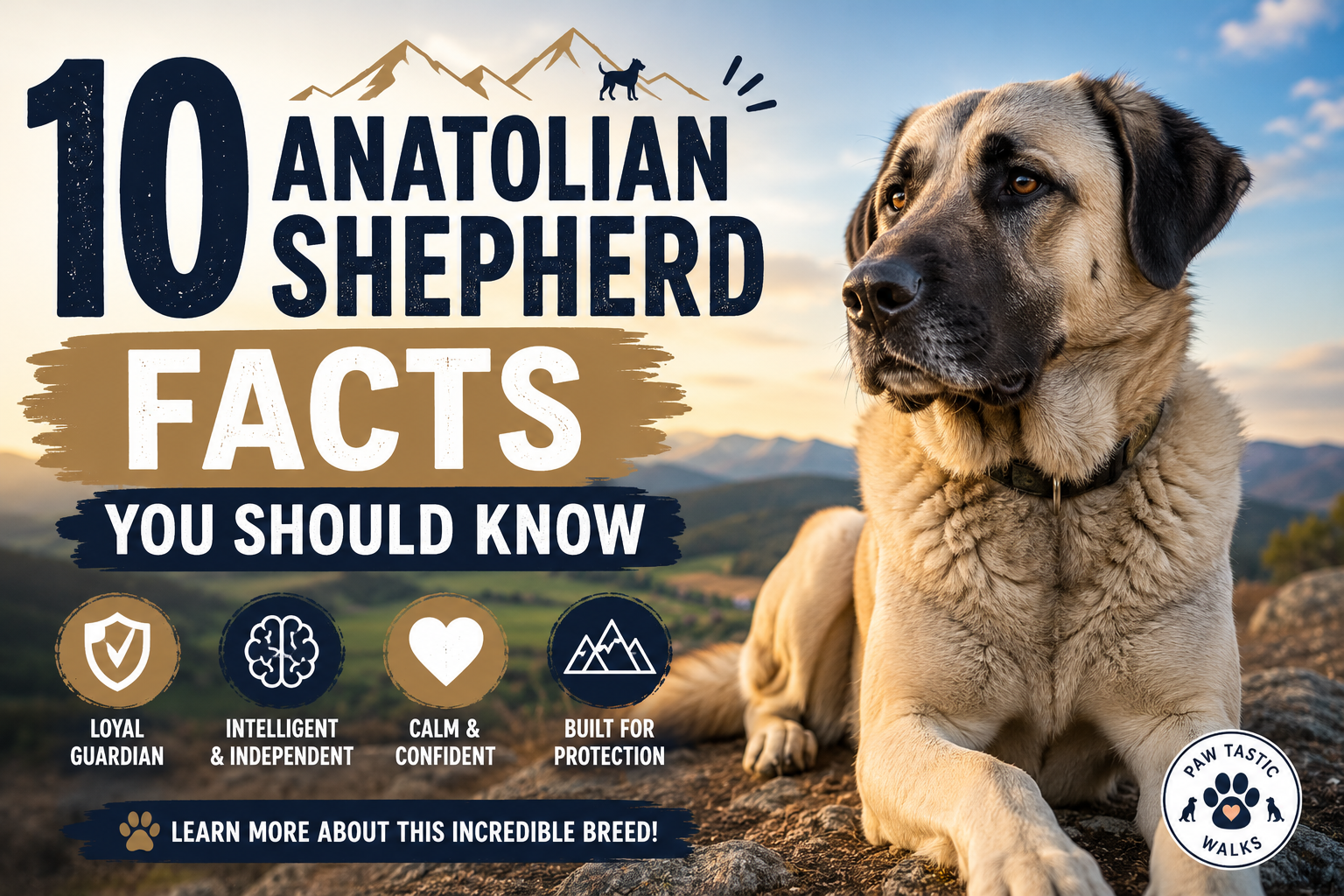
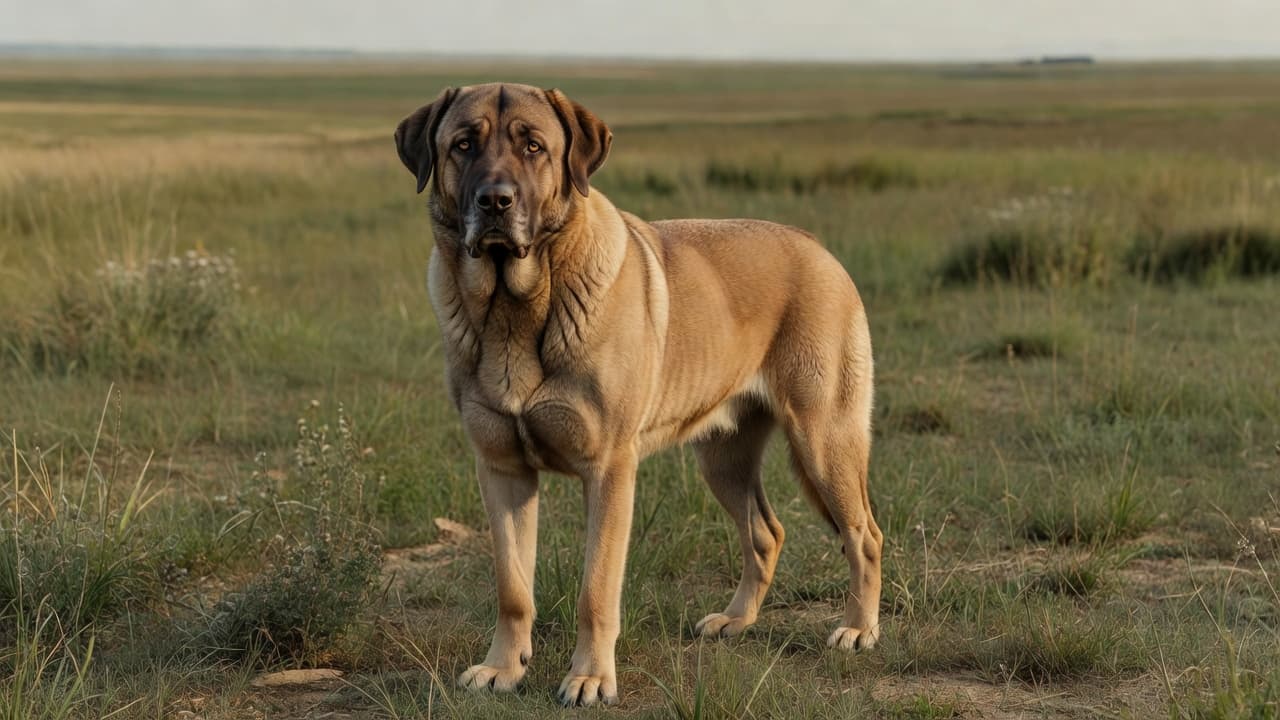
Physically, this is a big, imposing dog. You get a broad head with a characteristic black mask, a slightly shortened muzzle, strong jaws, small golden-brown eyes, and a thick tail that lifts when the dog is on alert.
At the top end, you are looking at a dog that can weigh around 150 pounds. That is not a dog you casually figure out later.
For a quick official size and breed overview, the American Kennel Club breed profile for the working group is a helpful reference.
Get the great Anatolian Shepherd Blueprint TODAY
From ancient Turkey to the American working group
The Anatolian Shepherd is a truly ancient breed, with roots that trace back nearly 6,000 years to the central region of Turkey. Historical accounts suggest that wandering tribes from Central Asia introduced mastiff-type dogs to the area.
These animals were eventually crossed with local sighthounds, a combination that helped develop the physical capabilities and temperament of the dog you recognize today.
This unique lineage was essential for their survival and performance. In a harsh climate with rugged terrain, nomadic shepherds required a capable livestock guardian breed that could monitor their surroundings, make independent decisions, and protect flocks from various predators without constant human direction.
These dogs were instrumental in keeping sheep and goats safe while traveling alongside their human companions.
In the United States, interest in these dogs grew through early imports and government experiments focused on livestock guarding.
The Turkish government even provided Anatolian dogs to the US Department of Agriculture to assist in these agricultural efforts. Later, Robert Ballard, a US naval officer who became captivated by the breed while stationed in Turkey, helped establish the first breeding programs in California.
The Anatolian Shepherd Dog Club of America was formed in 1970, and the breed was officially recognized by the American Kennel Club in 1996, eventually moving into the working group in 1998.
Living with a dog that thinks for itself
Living with an Anatolian Shepherd is a bit like living with your own security team. The difference is that your security team sheds, takes up the whole back seat, and may decide it knows better than you.
That independent nature isn’t a flaw; it is part of their working history. A dog bred for livestock guarding had to make decisions without waiting for a human cue, so today’s Anatolian often keeps that same self directed brain.
With its immediate family, the breed can be affectionate and steady. With outsiders, it is often reserved, suspicious, and territorial.
Two things usually stand out once you live with one:
- With your family, you often get a loyal dog that sees your household as its pack.
- With strangers, you often get a guard dog that wants proof the person belongs there.
That protective instinct usually gets stronger with maturity, and by around 18 months, many Anatolians start taking the role seriously on their own. You will likely notice an increase in barking as they use their voice to warn of perceived intruders.
If you are away from home, do not be surprised if the dog decides your friend, neighbor, or even extended family member should not come through the gate.
If you have very young kids, think carefully before bringing this breed home.
A large dog can knock a child over without meaning to, and many Anatolians do not enjoy rough handling, tight cuddling, or being treated like a giant plush toy.
If your home is full of toddlers, adult supervision is not optional with a breed this large and this independent.
They can adapt to living indoors or outdoors, but they do not do well stuck in a kennel or tied out on a chain. You need space, freedom to move, and a secure fenced yard with a barrier that is at least six feet tall.
That fence protects other people and dogs as much as it protects your Anatolian.
Training, exercise, and everyday care
Early socialization is not a nice extra with this breed. It is part of basic survival. You need to show your Anatolian lots of people, sounds, places, and normal day-to-day activity while it is still young, otherwise its natural protective instincts can tip into overreaction.
Consistent socialization helps your dog remain calm and composed in public. Puppy classes and basic obedience training are essential tools to manage their temperament.
If you want a good starting point, this guide to positive reinforcement dog training fits this breed much better than harsh handling.
Here is the surprise: being a large breed does not always mean they need endless energy. Anatolian Shepherds do not usually need marathon exercise sessions. A long daily walk or a brisk run is often enough to keep them in good shape.
That makes sense when you remember their history, as they were bred to travel and patrol rather than bounce off the walls for hours.
Regarding grooming needs, the process is fairly simple. The double coat is naturally clean and does not need a lot of fuss.
Weekly brushing is usually enough, though seasonal shedding can get heavy, and then you will want to brush more often to keep dead hair under control. Baths are minimal; three or four times a year is often plenty unless your dog finds mud and makes a personal project out of it.
Health-wise, the breed is generally hardy. You should be aware of potential issues like hip dysplasia and bloat, and responsible breeders should still screen for eye problems such as entropion, where the eyelid rolls inward and irritates the eye. It can be corrected surgically.
One detail matters a lot: this breed can be sensitive to anesthesia, so your vet should know that before any procedure. For another plain-English care summary, this Anatolian Shepherd breed profile is a solid follow-up.
If you like practical dog care resources you can dip into anytime, Check out our great guides on Payhip.
Should you bring one home?
This is not a beginner’s dog, and it is a breed best suited for experienced owners. If you are thinking about owning an Anatolian Shepherd, you need to be honest with yourself about size, cost, time, and experience.
Because this is a large breed, food bills are bigger, boarding can be harder, and medications can cost more. You may even need a larger vehicle just to move your dog around comfortably.
You also need to be steady. This dog does best with firm, consistent, mature handling from experienced owners who understand guardian breeds and do not expect instant obedience.
Keep in mind that obedience training is a lifelong commitment rather than a one-time project. Before you commit, it is smart to meet the dog first and read through our new dog adoption guide and care tips.
If you like printable resources while you compare breeds and plan ahead, Check out our ebook guides on Etsy.
Frequently Asked Questions
Are Anatolian Shepherds good with children?
While they can be affectionate with their own family, they are generally not recommended for households with very young children.
Their massive size poses a risk of accidental injury, and they typically do not tolerate the rough handling or constant physical attention that young children often provide.
Do Anatolian Shepherds require a lot of exercise?
Despite their large size, they are not high-energy dogs that require constant activity. A long, daily walk or a steady brisk run is usually sufficient to keep them physically fit and mentally satisfied.
Is the Anatolian Shepherd easy to train?
They are highly intelligent, but they do not always follow commands with the same eagerness as other working breeds.
Their independent, self-directed nature means they require a patient, experienced trainer who uses consistent, positive reinforcement rather than harsh methods.
Can they live in an apartment or small home?
Anatolian Shepherds are not well-suited for apartment living.
They require significant space, and because they are natural guardians, they need a secure, fenced yard with a high barrier to keep them contained and to effectively manage their territorial instincts.

Final thoughts
The most important of these Anatolian Shepherd facts is simple: this breed is a guardian first. That is what shapes the size, the temperament, the natural suspicion of strangers, and the absolute necessity for early training.
As a premier guard dog, this breed possesses an intensity that requires a dedicated owner.
If you are looking for an easygoing companion that lives to please, you may want to look at other breeds.
However, if you are looking for an independent protector and you are ready for the unique responsibilities that come with owning a livestock guardian breed, the Anatolian Shepherd can be a truly impressive and rewarding dog to live with.
This post may contain affiliate links. If you make a purchase through these links, I may earn a small commission at no extra cost to you.