
Yes, they can be, but only for the right family. Italian Greyhounds are gentle, affectionate companions, yet they are not easy, low-needs dogs.
If you want a dog who loves cuddles, stays close, and lives happily indoors with the family, they can be a lovely match. If you need a sturdy dog that handles long hours alone, rough play, and quick housetraining, they can be a poor one.
That difference matters, so let’s look at what family life with an Italian Greyhound is really like.
Key Takeaways
- Companionship is Paramount: Italian Greyhounds are affectionate, Velcro-like dogs that thrive on constant human interaction and physical closeness rather than independent play.
- Sensitive Nature: This breed requires a calm and predictable environment; loud, chaotic, or highly active households can lead to anxiety and stress for these sensitive animals.
- Physical Fragility: Due to their thin frames and delicate bones, Italian Greyhounds are prone to injury and require careful handling, especially around young children and larger, boisterous dogs.
- Training Realities: Prospective owners must be prepared for extended housetraining timelines and the necessity of consistent, positive reinforcement rather than harsh correction.
Are Italian Greyhounds good family dogs? Here’s the honest answer
Italian Greyhounds can be wonderful family dogs for calm, attentive households. They often bond deeply, love physical closeness, and bring a soft, quiet energy to the home.
While their gentle temperament makes them delightful companions, success is often tied to early socialization and how well the dog is integrated into the family dynamic.
The biggest mistake is assuming a small dog is an easy dog.
Why many families fall in love with Italian Greyhounds as family dogs
These dogs are companion animals through and through. Many are true Velcro dogs that want to be near their people all day, whether they are curled under a blanket, following you from room to room, or pressed against a warm leg on the couch.
For families who want a loving dog rather than an independent one, that consistent closeness is the primary draw.
They also tend to have a gentle home presence. Many are quieter than busier toy breeds.
The AKC breed profile describes them as playful and sensitive, which is a fair snapshot of what many owners see.
When an Italian Greyhound may not be the right fit
There is another side to the breed. Some Italian Greyhounds are shy, worried, or a little stubborn.
They learn fast, but doing what you ask may depend on whether they feel like it. If your house is noisy, chaotic, or empty most of the day, that sensitivity can quickly tip into stress.
It is also important to remember that while their short coat makes for minimal grooming, they are high-needs in terms of companionship and emotional attention.
Families looking for a low-maintenance dog often get a surprise, and not the fun kind, because these sensitive dogs require patient training and consistent, careful handling to thrive.
What life with an Italian Greyhound looks like in a family home
Daily life with an Italian Greyhound is less about toughness and more about comfort, routine, and supervision.
Picture a small dog with an athlete’s speed, a cuddler’s heart, and the common sense of a scarf in the wind.
Because of their modest size and indoor temperament, they are remarkably well-suited for apartment living, provided they receive enough affection.
They want comfort, warmth, and a spot near the family
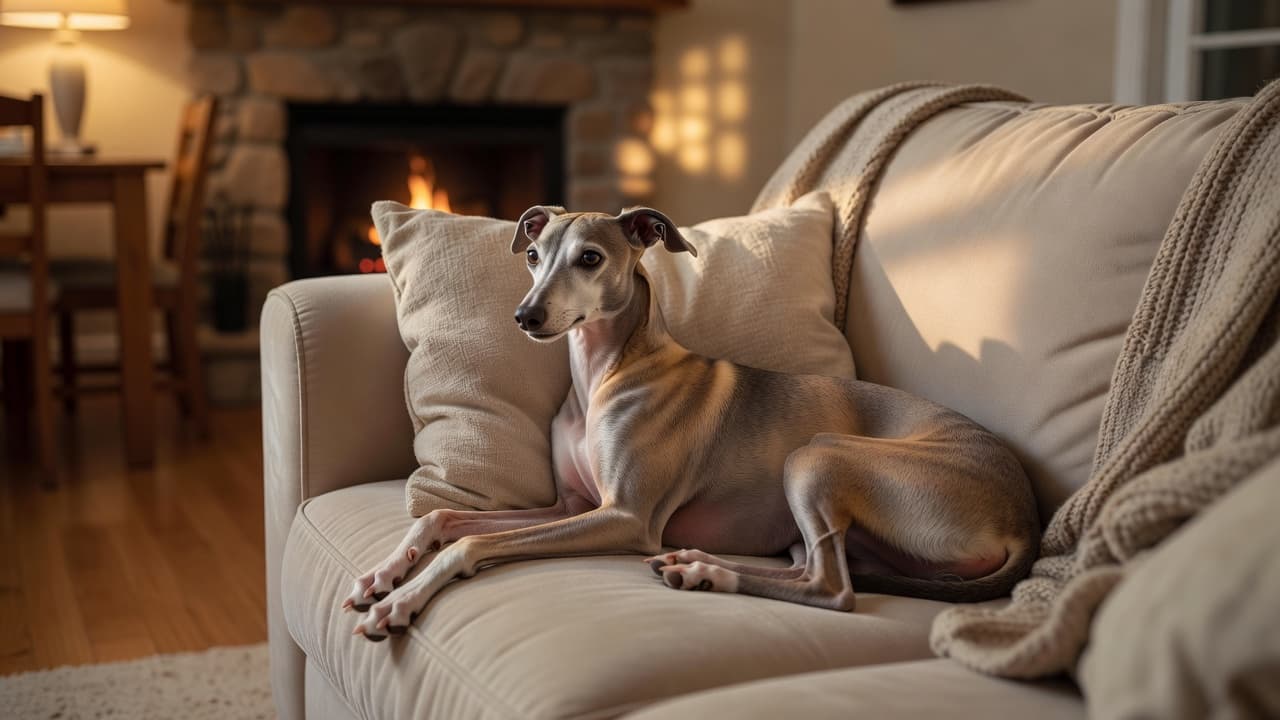
An Italian greyhound is not a backyard dog. This breed does best inside, close to the household, with soft bedding and warm places to nap.
Their short coat and low body fat mean cold weather gets to them fast, so sweaters, blankets, and sunny spots quickly become favourite things.
If you want a dog that never touches the couch, this breed may test that rule on day one. Many want furniture access and close physical contact.
Quite a few would choose under your blanket as their official job title.
Physical exercise and play need to be safe, not rough
Don’t let the size fool you. Italian Greyhounds are small sighthounds, which means they notice movement fast and can move even faster.
Most need a solid daily walk and, where safe, chances to run in a secure fenced-in area. They also enjoy sniffing games, short training sessions, and little bursts of play.
The catch is their fragile build. Thin skin and a light frame mean rough play can end badly. Because of this, owners must be aware that leg breaks are a genuine risk.
Recent breed health data in 2025 highlights that jumping off high furniture, crashing into bigger dogs, or skidding on slick floors are significant concerns for this breed.
If you enjoy elegant, sofa-loving hounds, our guide to how the Spanish Galgo compares to Italian Greyhounds gives helpful background on that wider sighthound type.
Kids and Italian Greyhounds need supervision and gentle rules
They can do well with children, but the rules need to be clear. No grabbing, no chasing, no hauling them around the house like a stuffed toy.
Calm petting, sitting on the floor, and giving the dog an easy escape route work much better.
Older, gentle kids are often the easiest match. Toddlers can be loving, of course, but they are also fast, noisy, and gloriously unpredictable.
A shy Italian Greyhound may need extra space when friends visit, and adults should always supervise play.
The biggest behavior challenges families should expect
None of these challenges mean the breed is bad. They do mean families need a realistic plan, because ignoring the hard parts rarely ends well.
Separation anxiety in Italian Greyhounds
Separation anxiety is a common hurdle because this breed craves constant company. When left alone for too long, some dogs may bark, pace, panic, chew, or stop settling altogether.
Others become visibly clingy before you even leave the house.
This makes them a tough fit for homes with long workdays. Doggy day care helps some dogs, but it can overwhelm others.
A calm sitter, a dedicated family member, or a one-to-one walker is often a better fit than a loud, busy kennel environment.
House training may take more patience than expected
Housetraining is a classic stumbling block with this breed. While Italian Greyhounds are capable of learning, potty training often takes longer than owners expect.
Their small bladders make the process challenging, and factors like rain, cold grass, inconsistent routines, or a simple preference for indoor comfort can slow the entire process down.
The answer is patience, not frustration. Take them out often, reward success quickly, keep a steady schedule, and manage the environment well.
Some families still deal with occasional indoor toileting long-term, so it is best to go into ownership with your eyes open.
Recall and prey drive can limit off-leash freedom
Off-leash freedom can also be limited. The moment a rabbit, squirrel, or fluttering bird appears, an Italian Greyhound may act as if your voice has vanished.
That is not spite. It is their high prey drive doing exactly what it was bred to do.
Furthermore, because these dogs are natural escape artists, you should always trust secure fencing more than your own optimism.
Start recall training early, use long lines during walks, and always prioritize safety over freedom.
If you want a rescue-based view of the breed’s charm and its harder edges, IGs: The Good, The Bad, and The Downright Ugly is a useful read.
How to help an Italian Greyhound thrive in your home
These dogs do best when family life is gentle, structured, and predictable. A bit of planning goes a long way.
Use positive training and start early
Italian Greyhounds are smart and intelligent, but they are also quite sensitive. Reward-based training works best, using small treats, cheerful praise, and short sessions that end before anyone gets bored.
Puppy class is a smart start because it builds confidence, handling skills, and early social habits.
Harsh corrections can make a worried dog shut down. Calm consistency gets better results, and usually faster ones too.
Plan for companionship, enrichment, and backup care
Plan for daily interaction, not just walks. Providing plenty of mental stimulation through training games, sniffy scavenger hunts, and a few minutes with tug toys can help use their brain as well as their legs.
Busy little dogs cope better when the day has a rhythm.
Backup care matters too. If your schedule changes, line up support before you need it.
For extra help at home, Check out our great guides on Payhip and Check out our ebook guides on Etsy. They are useful if you like practical dog care ideas without a lot of fluff.
Make the home safe for a small, delicate dog
Safety starts with the house itself. Use secure fencing, block risky gaps, add rugs on slippery floors, and discourage repeated leaps off beds or sofas.
Keep rough larger dogs away during play, and be mindful that some individuals can be shy around strangers, especially when visiting children move too fast.
Home care matters as well. Proper dental care is essential for this breed, so daily tooth brushing is a smart habit rather than an extra.
Keep nails trimmed and book regular vet checks. Whether you are adopting a dog through a rescue or working with a responsible breeder who performs health screening on their litters, always ask direct questions about health and temperament before you bring a puppy home.
Frequently Asked Questions
Italian Greyhounds are a relatively long-lived breed, typically enjoying a lifespan of 12 to 15 years.
With high-quality nutrition, proactive dental care, and a safe home environment, many of these dogs remain active and affectionate companions well into their senior years.
Are Italian Greyhounds good with young children?
They can coexist well with older, gentle children who understand how to handle a small dog quietly and respectfully.
However, they are generally not a good match for toddlers due to their fragile build and tendency to become stressed by sudden movements or loud noises.
Do Italian Greyhounds shed a lot?
Italian Greyhounds have very short, fine coats and are considered low-shedding dogs compared to many other breeds.
While they do produce a small amount of dander, they are generally manageable for owners who prefer a cleaner home environment.
Italian Greyhounds do not require a strictly specialised diet, but they do need high-quality, easily digestible food to support their lean frames and high metabolism.
Because they are prone to dental issues, many owners find that a mix of high-quality kibble and occasional raw or dental-friendly chews helps keep their teeth clean and their digestion consistent.
Always ensure fresh water is readily available and monitor their portions closely, as even a small amount of extra weight can be taxing on their thin legs.
Can Italian Greyhounds be left alone for long periods?
No, this breed is prone to separation anxiety and does not cope well with being left alone for extended hours.
They function best in households where someone is home frequently to provide the companionship and emotional attention they crave.
Is it difficult to housetrain an Italian Greyhound?
Housetraining is widely considered the most challenging aspect of owning this breed. Their small bladders, coupled with a strong aversion to cold or wet weather, often result in a longer and more labour-intensive training process than other breeds.
Final thoughts
Italian Greyhounds can be excellent family dogs when the home is calm, hands-on, and happy to give lots of closeness. They suit people who want a loving little shadow, not a sturdy dog who shrugs off chaos.
When considering Italian Greyhounds as family dogs, it is important to remember that their energy levels are manageable, but they still require consistent attention and engagement to stay happy.
If that sounds like your family, they can be funny, tender, and hugely rewarding. If you need independence, rough-and-tumble resilience, or easy housetraining, another breed is probably the kinder choice.
The best family dog is not the cutest one on paper; it is the one that fits your real life and aligns with the personality of Italian Greyhounds.
🐾 Want to avoid the common mistakes new owners make?
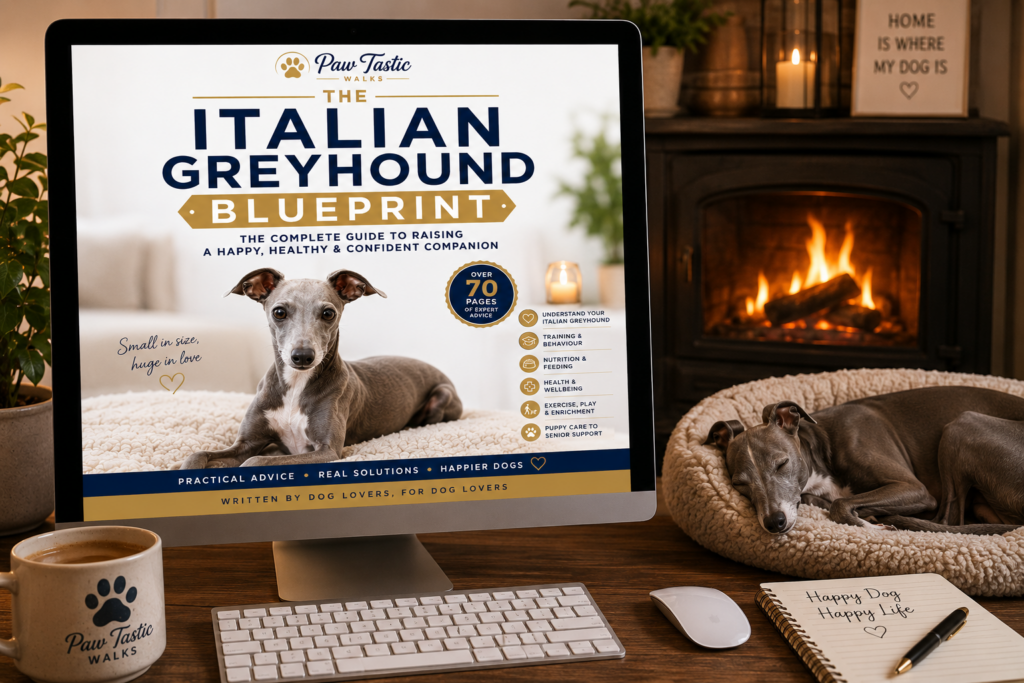
The Italian Greyhound Blueprint covers everything from puppy preparation to lifelong care in one easy-to-follow guide.
Get this great guide TODAY! Instant Digital Download

This post may contain affiliate links. If you make a purchase through these links, I may earn a small commission at no extra cost to you.