

Are Boxers good with other dogs?
Often, they are, but it depends on the dog in front of you. Boxers are usually loyal, playful, alert, and people-focused, yet they still need steady training and plenty of exercise to bring out their best side.
Puppies, adults, and under-socialized Boxers can all act a little differently, so one dog’s temperament won’t tell the whole story.
Good manners, early social time, and calm routines matter, which is why using positive reinforcement for dog socialization helps so much.
If you want more help with everyday dog care, Check out our great guides on Payhip or Check out our ebook guides on Etsy.
For a quick look at the question in video form
Is Boxer Dog Temperament a Good Fit for Your Home?
Boxers can be a fantastic fit for the right home, but they are not a lazy, hands-off breed. They want people nearby, routines that make sense, and enough activity to keep their bodies and brains busy.
If you like a dog with personality, you’ll probably smile a lot.
If you want a couch ornament, a Boxer may drive you a little mad.
The friendly, goofy side people love
Boxers are famous for their silly streak. They bounce, wiggle, and act like they have jokes nobody else gets. That playful energy is a big part of their charm.
They also tend to bond closely with their people. A Boxer usually wants to be in the middle of family life, not off on the sidelines.
Walk into the kitchen, sit on the sofa, or head outside, and many Boxers are right there with you.
That close bond can make them affectionate, loyal, and very people-focused. They often thrive in homes where someone is around often enough to give them attention, training, and a bit of structure.
A Boxer usually wants a place in the pack, not just a place in the house.
The parts of the Boxer temperament that can surprise new owners
The same energy that makes Boxers fun can also catch new owners off guard. They can be bouncy, loud, and full of enthusiasm, even when everyone else in the house is trying to relax.
Some Boxers also have a stubborn streak. They are smart, but they do not always rush to obey just because you asked nicely.
They do best with clear rules, short training sessions, and plenty of repetition.
They also need engagement. A bored Boxer can turn into a pest in a hurry, chewing, jumping, pestering, or inventing their own entertainment.
That is normal breed behavior, not “bad dog” behavior.
If your schedule is busy, steady support helps.
A good dog walker can make a real difference, and you can check out our great guides on Payhip or check out our ebook guides on Etsy for extra practical help.
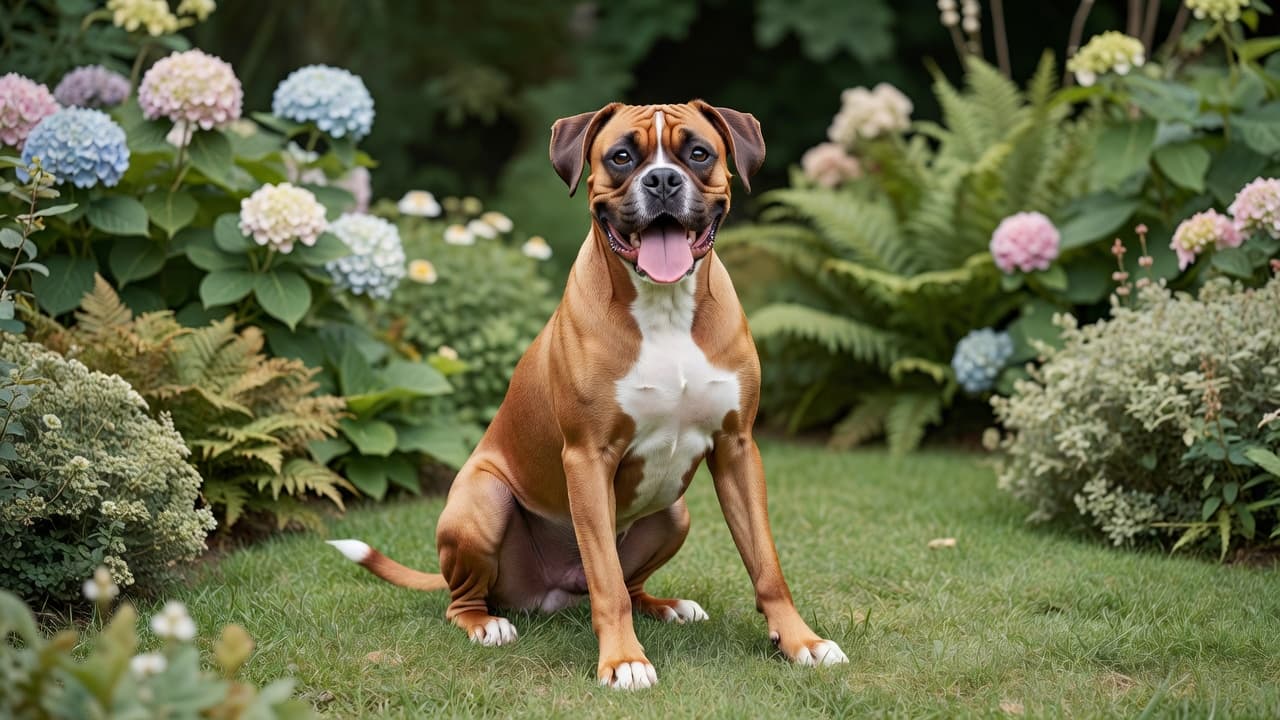
Are Boxers good with other dogs?
Yes, many Boxers can be good with other dogs, but the details matter. Early socialization, calm introductions, and basic training all help a lot.
A Boxer that learns polite dog manners early is usually easier to manage around other dogs later on.
Still, some Boxers play rough. They can be pushy, noisy, and overexcited, especially with dogs that are smaller, shy, or less playful.
That does not always mean trouble, but it does mean you need to read the room.
Dog-to-dog fit matters just as much as breed. Size, energy level, and the other dog’s personality all play a role. A steady, tolerant dog may shrug off Boxer antics, while a more sensitive dog may want space.
For context on breed traits, the American Kennel Club Boxer profile is a useful reference. If you want to plan safer outings, our guide on the best dog harness for large dogs can help keep walks more controlled, especially with a strong, excited Boxer.
When in doubt, start slow. A calm meeting in neutral space beats a rushed greeting every time.
How Boxer Puppies Grow Into Adult Temperament
Boxer puppies do not wake up one day as calm, polished adults. They grow into their temperament little by little, through training, routines, and every meeting they have along the way.
If you are asking, Are Boxers good with other dogs?, the short answer is yes, they often can be, but puppyhood sets the tone.
A young Boxer is a bit like a fast-moving sponge with paws. They soak up habits quickly, good and bad.
That is why the early months matter so much for confidence, manners, and how they handle other dogs later on.
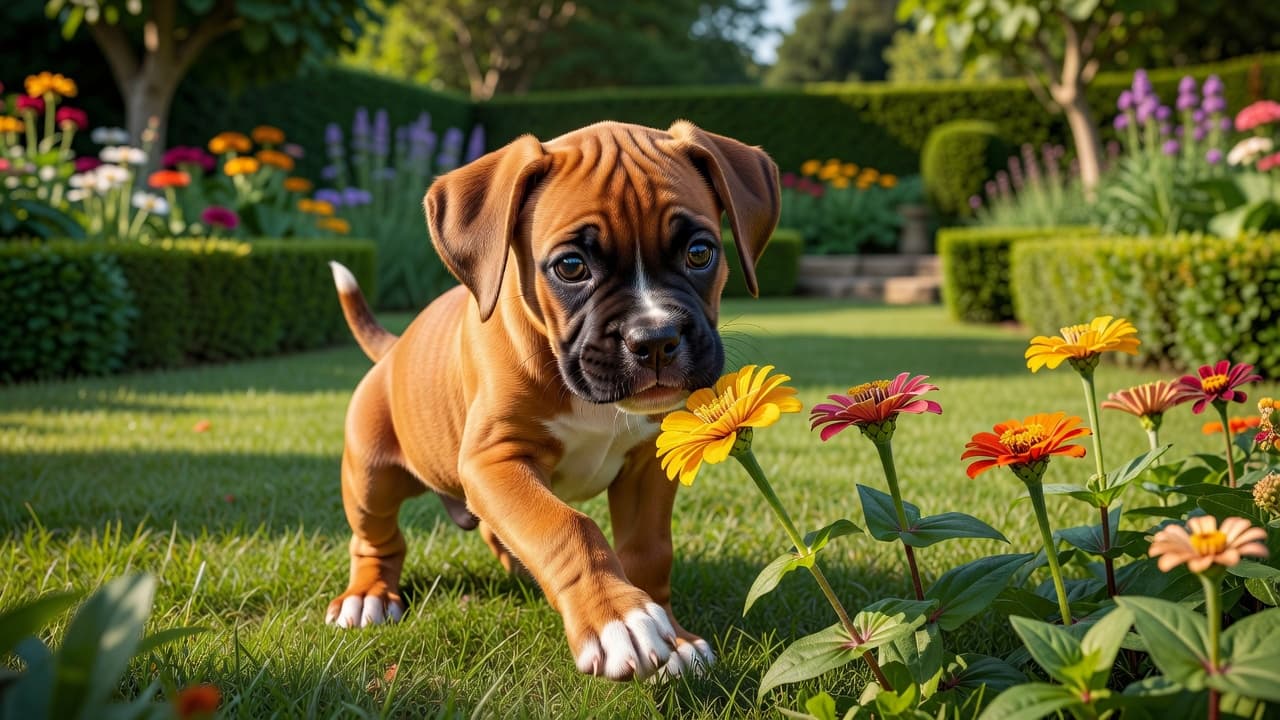
Early socialization helps a Boxer puppy learn that the world is full of normal things, not threats. Different people, dogs, sounds, surfaces, and places all teach the puppy how to stay calm instead of reacting with fear or overexcitement.
Keep it simple. Let your puppy meet kind, vaccinated dogs, hear traffic from a safe distance, walk on different ground, and see people of all ages.
Short, positive experiences work better than big, busy outings that leave them overwhelmed.
A few smart habits help a lot:
- Go slow: one new experience at a time is plenty.
- Keep it positive: praise calm behavior and reward relaxed curiosity.
- Watch body language: stiff posture, tucked tail, or frantic jumping means it is time to back off.
- Repeat good outings: one good meeting is nice, a pattern is better.
The Animal Humane Society’s guide to socializing your dog is a solid place to start if you want more background. For a broader look at how dogs learn social behavior, the Wikipedia page on socialization in animals is also useful.
What to expect during the teenage dog phase
Then comes the teenage stage, and yes, it can feel a little like living with a furry teenager who forgot the rules.
Your Boxer may test limits, ignore cues they already knew, and seem wildly distracted one minute, then full of energy the next.
That phase is normal. It does not mean your training failed. It means your puppy is growing, pushing boundaries, and trying out a bigger sense of independence.
During this stage, keep your routine steady. Use short training sessions, plenty of exercise, and clear rules that stay the same from day to day.
If your Boxer gets mouthy, bouncy, or hard to settle, that is often just adolescent energy looking for an outlet.
This is also a good time to build better habits on walks.
If your dog pulls, gets amped up by other dogs, or struggles in a group, our full range of pet services may help you think through the kind of support that fits your schedule and your dog’s personality.
When a Boxer starts to calm down
Most Boxers start to mature somewhere between 2 and 3 years old, but plenty stay playful well past that.
They often settle mentally before they fully slow down physically, which is why you may notice better focus long before you notice a calmer play style.
Even as adults, Boxers still need regular movement and contact with people. They are not the kind of dog that turns into a quiet little statue with age.
They still want walks, games, and a bit of daily back-and-forth with their family.
That is where routine matters again. A Boxer with enough exercise and interaction usually becomes easier to live with, easier to train, and easier to manage around other dogs.
If you want more ideas for keeping their brain busy, understand the importance of dog enrichment and check out our great guides on Payhip or our ebook guides on Etsy for simple, practical tips.
A mature Boxer is still a Boxer, though. They may calm down with age, but they rarely lose that spark.
Training and Socialization That Shape a Boxer’s Behavior
A Boxer’s behavior does not happen by accident. It grows from daily habits, early social time, and the kind of training that keeps their busy brain interested.
If you want a Boxer to stay calm around other dogs, the work starts at home and keeps going on every walk.
The good news is that Boxers usually want to get things right. They are eager, people-focused, and quick to join in.
The trick is teaching in a way that fits their personality, not one that crushes it.
Training methods that work best with Boxers
Boxers learn best when training feels like a reward, not a chore. Positive reinforcement works well because it gives them a clear reason to repeat the behavior you want. Treats, praise, a quick game, or a favorite tug toys session can all keep them tuned in.
Short sessions are the sweet spot.
Ten minutes of focused practice is usually better than a long drill that ends with both of you fed up. Keep the pace brisk, give a clear cue, then reward fast when they get it right.
That matters with Boxers because they can be sensitive under the bounce. Harsh corrections, yelling, or rough handling usually make them worried, shut down, or even more chaotic. A Boxer that feels safe learns faster.
A few simple training rules help:
- Keep cues clear so your dog is not guessing.
- Reward good choices right away.
- End while your Boxer is still engaged.
- Make it feel like a game whenever you can.
For more practical ideas, dog training secrets can help you build better habits without turning every lesson into a battle.
You can also Check out our great guides on Payhip or Check out our ebook guides on Etsy for extra support that fits real life.
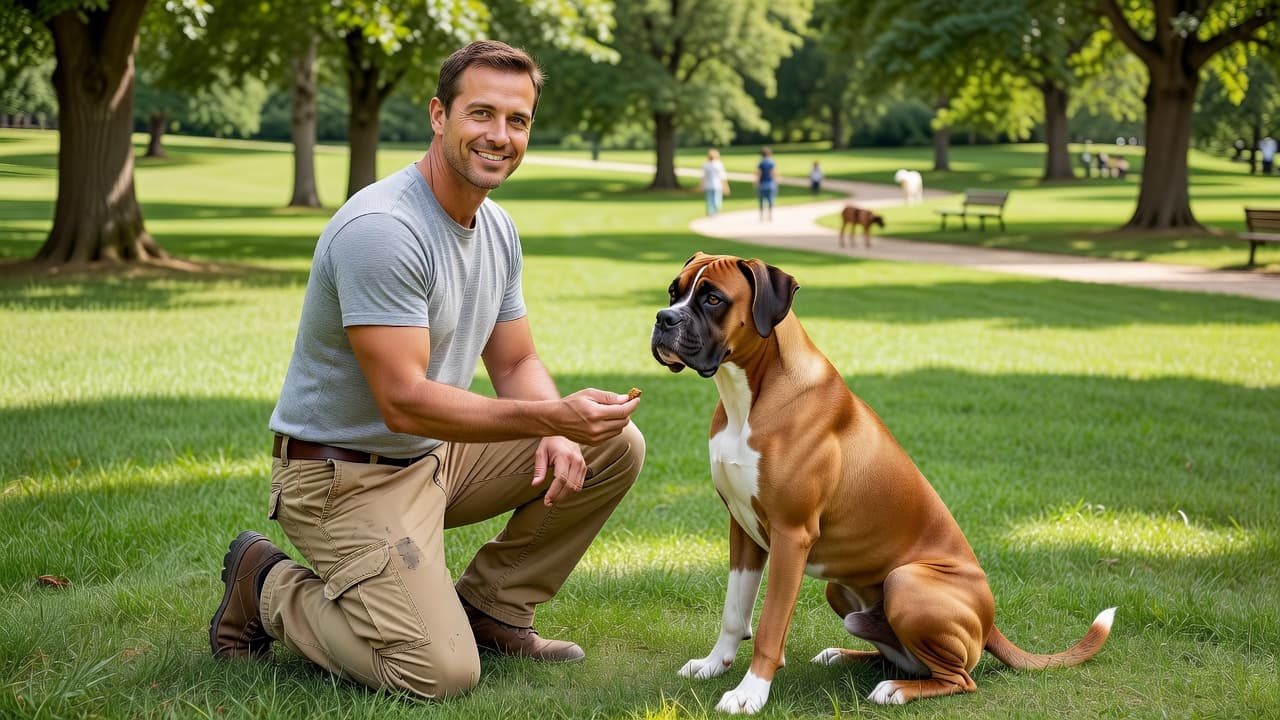
How to teach better manners around people and dogs
Good manners make a Boxer easier to live with and easier to walk. Start with the basics, like not jumping on visitors, waiting at doors, and walking without pulling your arm off.
Teach one skill at a time. If your Boxer jumps, turn away and reward all four paws on the floor.
If they rush ahead on the leash, stop, wait for slack, then move again. It sounds simple because it should be.
These are the habits that matter most in everyday life:
- Say hello politely instead of jumping.
- Wait calmly before food, doors, or greetings.
- Walk beside you without dragging the leash.
- Look to you first when another dog appears.
If walks are tricky, the right gear helps. Our guide to the best dog harness for large dogs is a good place to start.
If your Boxer gets too excited around loose dogs, dealing with loose aggressive dogs on walks is worth reading too.
Confidence grows from calm, repeatable experiences. Boxers do not need loud, crowded outings to learn social skills. They need steady exposure that feels manageable.
Start with calm introductions. Let your Boxer watch another dog from a distance first, then move closer only if their body stays loose.
A stiff tail, hard stare, or frantic pulling means it is time to back up and slow down.
Dog-friendly outings help too. Quiet parks, outdoor cafés, and controlled neighborhood walks teach your Boxer that other dogs, people, and sounds are normal parts of life.
Short playdates with one well-matched dog are better than a chaotic free-for-all.
A few habits make social time safer and easier:
- Choose balanced playmates that match your dog’s energy.
- Keep first meetings short and end them on a good note.
- Watch for overstimulation like spinning, barking, or rough pushing.
- Use distance as a tool when your Boxer needs space.
For background on the bigger picture, socialization in animals explains how early learning shapes behavior over time.
If you want a steadier routine that supports confidence, our page on our services can help you think through the kind of daily support your Boxer may need.
Daily Exercise and Enrichment for a Balanced Boxer
A Boxer with a busy body and a busy brain is usually a happier dog. That matters even more if you want smoother walks, better manners, and less chaos around other dogs.
These dogs do not do well on a half-hearted routine.
A quick trip to the yard is fine for a toilet break, but most Boxers need more than that to feel settled.
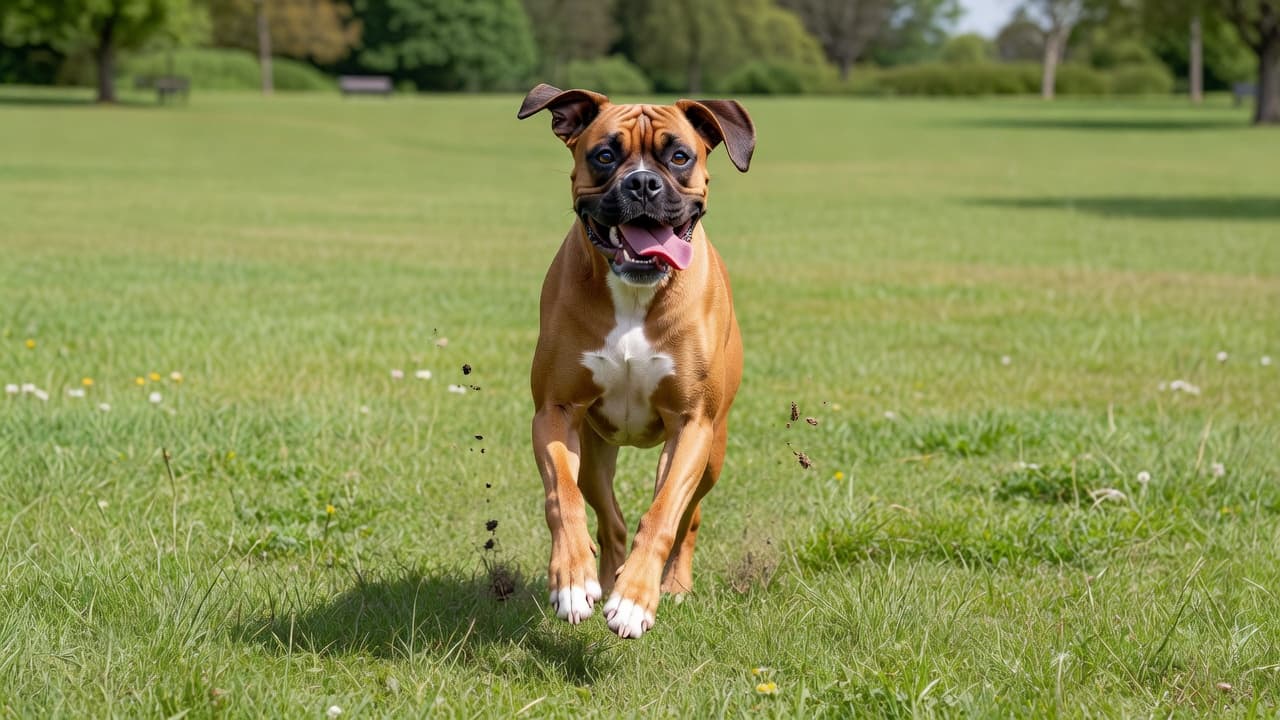
How much activity does a Boxer usually need?
Most adult Boxers do best with daily walks, play, and mental work. A common day might include two solid walks, some free movement in a safe area, and a short training session.
Younger Boxers often need more help burning off energy. Puppies need movement, but not too much strain on growing joints.
Older Boxers may need shorter outings, slower walks, or more rest if they have arthritis, heart issues, or other health limits.
A good rule is this, if your Boxer finishes the day bouncing off the furniture, they probably needed more. If they are limp on the floor and sleepy in a calm way, you likely hit the sweet spot.
For a broader breed overview, PetMD’s Boxer dog guide gives a useful look at exercise needs and care.
Indoor and outdoor enrichment ideas
Exercise is only part of the picture. Boxers also need things that make them think, sniff, and solve small problems.
Simple enrichment works well at home and on walks:
- Scent games: Hide treats around a room or garden and let your Boxer search.
- Puzzle toys: Use food-dispensing toys to make mealtime slower and more interesting.
- Recall practice: Call your Boxer back from short distances and reward fast responses.
- Structured play: Use short fetch or tug toys sessions with clear start and stop cues.
The best enrichment is easy to repeat. You do not need fancy gear or a huge field. You just need a few small habits that keep your Boxer engaged.
If you want more support for training and home routines, Check out our great guides on Payhip or Check out our ebook guides on Etsy.
Why bored Boxers can become troublemakers
A bored Boxer usually finds their own job, and that job is rarely helpful. Chewing shoes, barking at every sound, jumping on guests, and pacing around the house are all common signs.
That restless energy builds when both body and brain go unused. A Boxer that gets enough movement and attention is often easier to live with, easier to train, and less likely to start drama on walks.
A tired Boxer is not a perfect Boxer, but it is usually a much calmer one.
If your walks feel tense or unpredictable, is dog walking safe is worth a look. It helps put everyday safety into a clearer frame, especially for strong, lively dogs like Boxers.
The goal is simple: give your Boxer enough to do, and they usually give you less to fix.
Living With a Boxer in Real Life: Family, Kids, and Other Pets
A Boxer can be a wonderful family dog, but they are not a quiet background extra. They want to be part of the action, and they bring a lot of bounce with them.
That mix can be lovely in the right home. It also means you need a bit of structure, a bit of supervision, and a sense of humor when those back legs start springing like a jack-in-the-box.
Boxers and children: playful, but watch the bounce
Boxers are often patient, affectionate, and plain fun with kids. They tend to enjoy games, attention, and being near their people. For many families, that makes them a very natural fit.
The catch is their size and energy. A Boxer can bowl over a small child without meaning to, especially during excited greetings or fast play. That is why supervision matters, even when the dog is gentle.
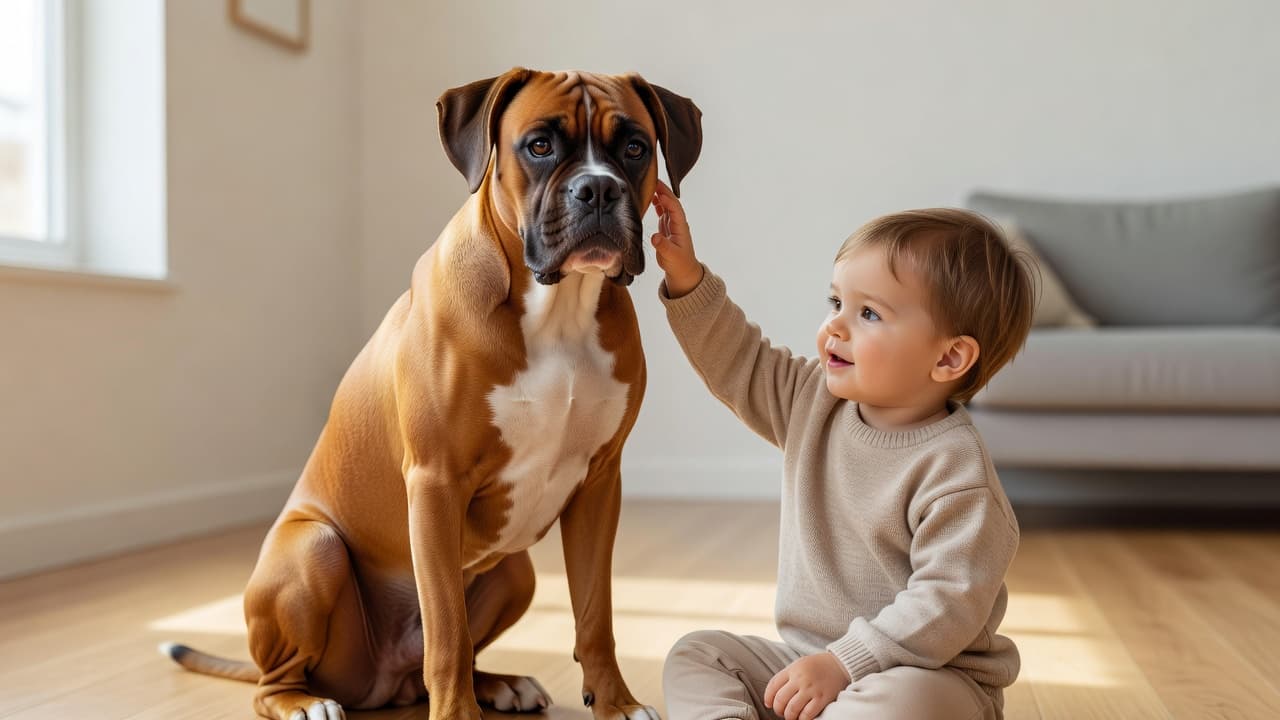
Teach children to keep play calm and respectful. No hanging on ears, no face hugging, and no chasing the dog when it wants space. Kids do better when they learn that dogs are living beings, not stuffed toys with tails.
A few simple rules help a lot:
- Always supervise younger children and Boxers together.
- Use calm greetings instead of wild jumping and squealing.
- Give the dog an escape space where children do not follow.
- Reward gentle behavior so your Boxer learns what works.
A Boxer with children needs guidance, not guesswork.
For families who want extra support with daily routines, Check out our great guides on Payhip and Check out our ebook guides on Etsy for practical help that fits real life.
How Boxers usually do with cats and smaller pets
This is where the answer gets more mixed. Some Boxers live peacefully with cats, rabbits, or other small pets.
Others need careful management forever, because curiosity and prey drive can kick in fast.
A Boxer may stare, chase, paw, or become far too interested in a smaller animal that runs. That does not always mean they are aggressive. It often means their instincts are awake and their manners need work.
Slow introductions matter. Let the animals see each other at a distance first, then move closer only if everyone stays relaxed.
Keep the Boxer on leash at the start, and never let them rush straight into face-to-face contact.
The American Humane guide to introducing dogs to cats gives a simple framework that matches this idea well. For background on the behavior itself, prey drive is the basic instinct behind that chase response.
What works best is patience and common sense. If your Boxer is calm, steady, and trained well, they may live fine with cats.
If they are bouncy, noisy, or easily triggered by movement, you will need more gates, more supervision, and more time.
What to know about Boxer behavior on walks and in public
Boxers often love the outside world a little too much. New people, other dogs, moving cars, squirrels, and open spaces can all light them up fast. That excitement is part of their charm, but it can turn a simple walk into a wrestling match if you do not stay ahead of it.
Good leash manners make a huge difference. A Boxer that pulls, lunges, or barks from excitement needs practice, not punishment. Short, steady walks with clear rules usually work better than long, chaotic outings.
Greeting habits matter too. Not every dog wants a Boxer launch-and-sniff introduction, and not every person wants to be jumped on.
Teach your dog to sit or stand calmly before saying hello, then keep the interaction brief if the energy starts climbing.
Bad weather can change the whole routine as well. Some Boxers get antsy in the rain and come home full of pent-up energy.
If that sounds familiar, you may want guidance like walking your dog in the rain or even a GPS tracker for active dogs if your Boxer is the type to take off after every rustle in the grass.
When walks feel unpredictable, the gear matters too. A strong, well-fitted harness can give you more control and make outings feel calmer for both of you.
If your Boxer tends to surge forward, the best dog harness for large dogs is worth a look, and if you ever worry about off-leash dogs on your route, dealing with loose aggressive dogs on walks is a smart read.
If your Boxer is not safe at home without a bit of structure, that matters too. Some dogs need more management than others, and a steady routine can make life smoother for everyone.
If you ever start wondering whether daily walks are becoming stressful or risky, is dog walking dangerous is a good place to sort through the common issues.
The simplest truth is this, Boxers can be lovely family dogs, but they do best when life stays calm, clear, and supervised.
Give them guidance, and they usually give you loyalty, fun, and a lot of personality back.
When Boxer Temperament Needs Extra Help
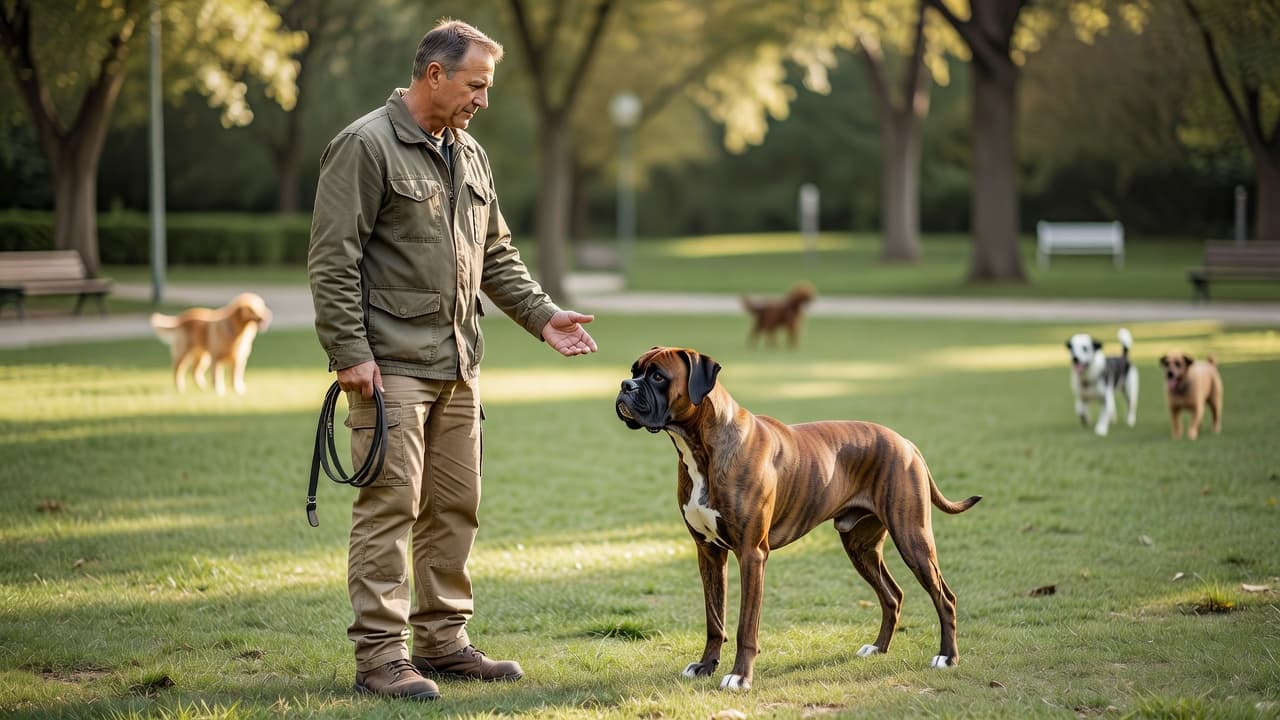
Most Boxers are lively, social, and eager to please, but some need a bit more support. That can show up as rough play, fast frustration, or a Boxer that seems to react before thinking.
The good news is that early help usually makes a real difference. Small issues are much easier to fix when you catch them before they turn into habits.
Common signs that more training is needed
Some warning signs are easy to spot if you know what to watch for. A Boxer that is having trouble often looks more excitable than dangerous at first.
Keep an eye out for these early clues:
- Rough play that gets too intense, too fast, or ignores the other dog’s signals.
- Poor impulse control, like rushing doors, grabbing treats, or forgetting cues the moment something moves.
- Barking at everything, including normal noises, passing dogs, or every person on the street.
- Hard staring, lunging, or spinning when another dog gets close.
- Pushing past boundaries, such as jumping on people, barging through gates, or stealing space from calmer dogs.
- Trouble settling down after exercise, even when they should be tired.
A little rowdy behavior is normal in a Boxer. Constant chaos is not. If your dog seems stuck in “go mode,” they may need more structure, more exercise, or both.
If you want help building steadier habits, teach your dog a reliable recall can be a smart place to start.
A strong recall often gives you more control before a situation gets messy.

If your Boxer cannot calm down, listen, or recover after excitement, that is a training clue, not a personality flaw.
When to ask a trainer or vet for help
Call in a trainer when the behavior feels bigger than your daily routine can handle. That is especially true if your Boxer is becoming harder to walk, harder to settle, or harder to keep safe around other dogs.
A vet visit makes sense too if the change seems sudden. Pain, illness, or hearing loss can all change behavior fast. If a friendly Boxer suddenly becomes snappy, withdrawn, or tense, get that checked first.
Professional help is a good idea when:
- The behavior is getting worse instead of slowly improving.
- Walks feel unsafe because of lunging, barking, or panic.
- Your dog is stressing other dogs with rough or pushy play.
- You feel stuck, even after consistent practice at home.
The ASPCA’s behavioral help guide gives a clear rule of thumb, serious problems deserve attention before they spread. If you want extra support for daily routines, Check out our great guides on Payhip or Check out our ebook guides on Etsy.
Sometimes, the best next step is simple. Get help early, keep the tone calm, and give your Boxer the tools to do better.
Conclusion
So, are Boxers good with other dogs?
Often, yes, but only when their energy has somewhere to go, and their manners stay on track.
Boxers are usually loving, fun, and loyal, yet they still need training, exercise, and regular social time to bring out the best in that big personality.
If you want a Boxer that fits into daily life more easily, keep the routine steady and start social habits early. For more help with training and care, Check out our great guides on Payhip and Check out our ebook guides on Etsy. Good Boxer homes are active, patient, and willing to stay one step ahead of the bounce.
That is the real answer, Boxers suit people who enjoy an engaged, high-energy dog and don’t mind doing the work that comes with it.
This post may contain affiliate links. If you purchase through these links, I may earn a small commission at no extra cost to you.
Get This Great Ebook Guide TODAY…