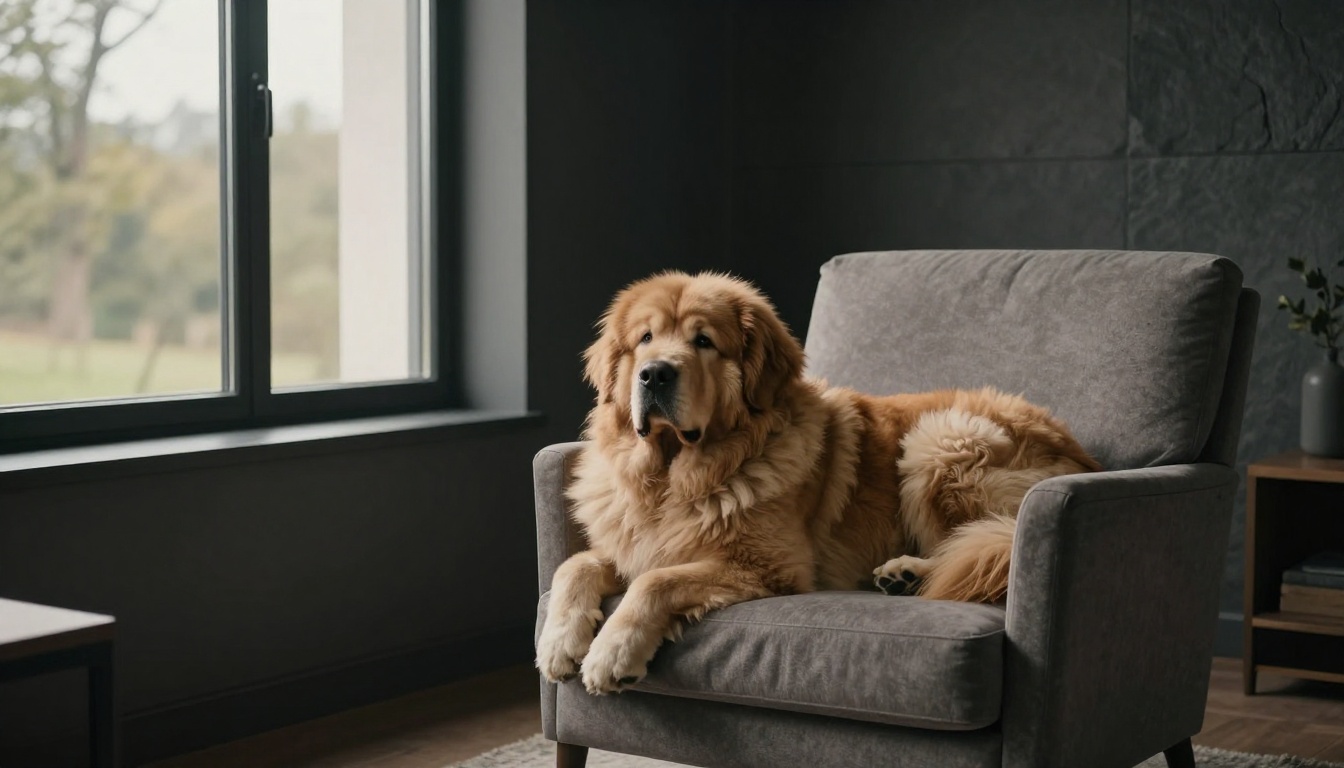
A Newfoundland is usually gentle, calm, loyal, and happiest close to its people. For a dog this huge, the softness of the breed can catch first-time owners off guard.
That is why so many people call the Newfoundland a gentle giant. The heart often feels even bigger than the paws, but daily life still comes with real demands, from training to drool to regular exercise.
If you’re thinking about bringing one home, it helps to know what family life, walks, and routines actually look like.
If you want an owner’s-eye view before the details, this video is worth a watch.
The Newfoundland dog personality in plain English
In plain English, the Newfoundland dog personality is soft, steady, and people-first. This is not a breed that usually wants chaos.
Most Newfoundlands want peace, company, and a comfortable place near the family.
Why people call them gentle giants
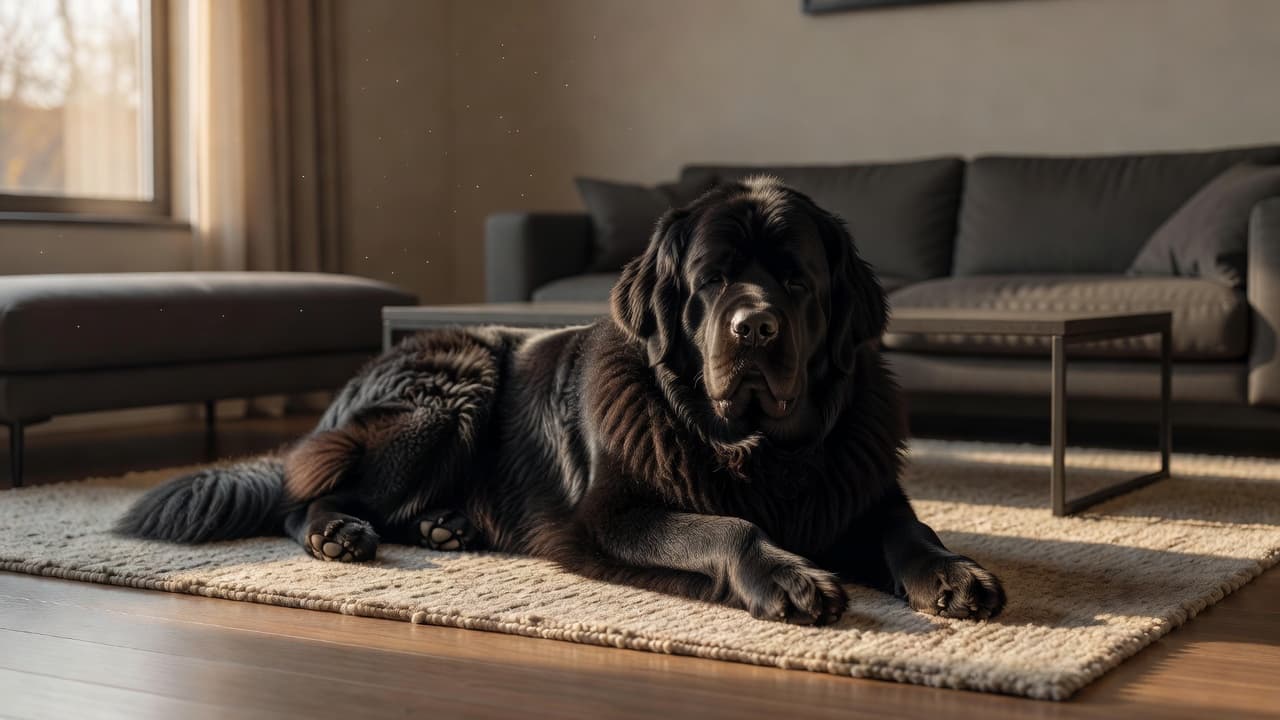
A Newfoundland is massive, but the usual attitude is mellow. Many large breeds feel bold, busy, or intense. A Newfie often feels more like a warm, furry sofa with opinions.
They are not usually nonstop barkers. They are not usually frantic either. The AKC breed profile describes them as sweet, patient, and devoted, and that matches what many owners see at home.
Their steady energy is a big part of their charm. They can be playful, but they rarely act like every moment is a race.
That calm nature makes them easier to live with than some people expect, though their size still changes everything.
Affectionate, loyal, and people-oriented
Newfoundlands bond hard. They like being near you while you cook, fold laundry, or sit down for five minutes with a cup of tea that is about to go cold.
They are often affectionate without being sharp or pushy. Many lean against their people, rest a giant head on a lap, or quietly follow from room to room. It is sweet, but it also means long stretches alone may not suit them well.
A bored or lonely Newfoundland can get clingy, stressed, or flat. This breed tends to do best when it feels included in daily life.
If you want a dog that is happy being tucked away in the yard most of the day, this is probably not your match.
Patient with kids, but still big dogs
This breed has a strong family-dog reputation for good reason. Many Newfoundlands are patient with children and tolerant of noise, movement, and general family bustle.
Still, gentle does not mean tiny. A happy tail can sweep a side table. A heavy paw can land on a small foot. Supervision matters, and so do basic manners like not jumping, not barging through doors, and settling on cue.
A calm giant is still a giant.
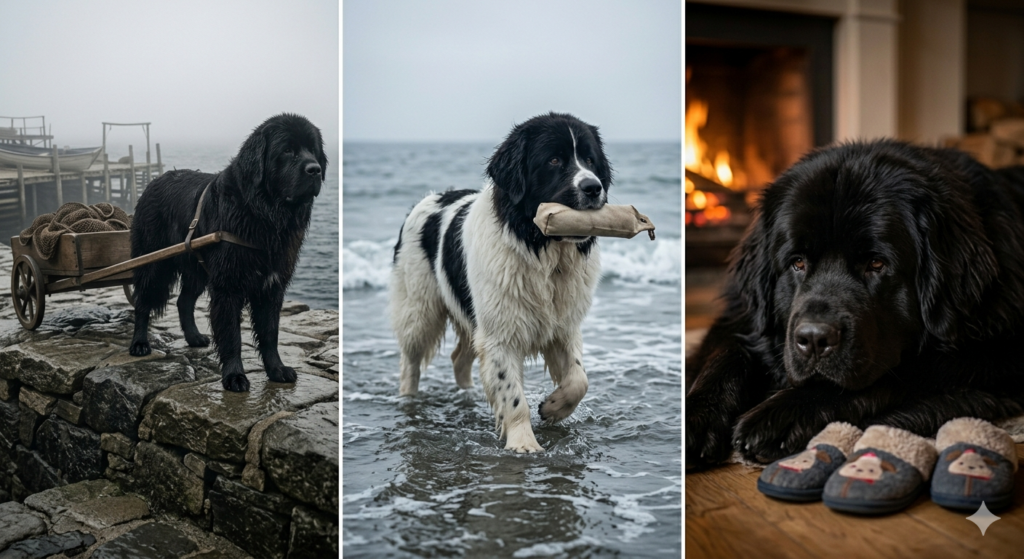
That is the key point. With kind training and clear rules, many Newfoundlands become wonderful companions for families. Without those basics, even a sweet dog can be a lot to manage.
What to expect from a Newfoundland at home
Living with a Newfoundland often feels cozy, calm, and slightly damp. The nice part is easy to picture. The messy part should be easy to picture too.
Calm dogs that still need company
Most Newfoundlands enjoy a quiet routine. They like soft beds, shady spots, and being able to keep an eye on their people. A busy household is fine if the mood is stable and the dog still has a place to settle.
They are usually house dogs at heart. They want to be where the family is, not parked outside like garden furniture. If they spend too much time alone, that easygoing nature can start to wobble.
You may see pacing, shadowing, or mild separation stress. Some become needy. Some mope. Some start finding their own entertainment, which rarely improves the house.

The sweet, drooly side of the breed
Now for the honest bit. Newfoundlands drool. They shed. They bring in water. They can leave a trail after a drink like a slow-moving mop has passed through the kitchen.
There is no tidy way to say it. If you love spotless floors and lint-free clothes, pause here and think hard. The Hill’s breed guide also notes the coat care and shedding that come with the breed.
The payoff is a deeply loving dog, but this is not a low-mess companion. Towels help. Grooming helps. A sense of humor helps most of all.
Watchful, but not usually yappy
A Newfoundland may notice visitors, strange sounds, or a change in routine before you do. They can be protective and alert, but that often looks calm rather than noisy.
That matters. Calm guarding is not the same as nervous reactivity. A well-adjusted Newfoundland usually does not spend all day barking at leaves, fences, or passing cars.
They may stand close, watch the door, or give a few deep barks if something feels off. Then, with proper guidance, they settle again.
That quiet confidence is part of what many people love about the breed.
Training and exercise that fit a Newfoundland’s nature
Because the Newfoundland dog personality is calm and kind, some people assume training can wait. It can’t. A giant breed needs manners early, even if the puppy looks like a walking teddy bear.
Why early training matters with a giant breed
Newfoundlands are smart, but they are not always fast or flashy. They often respond best to calm, reward-based work and clear repetition, not pressure or harsh handling.
Start with the basics right away. Loose-leash walking, polite greetings, waiting at doors, coming when called, and settling on a mat all matter.
A dog that may one day weigh well over 100 pounds needs these skills before bad habits set like concrete.
If you want a kind approach, this guide to positive reinforcement training methods fits the breed well. Newfoundlands usually do better when training feels fair and predictable.
Best ways to exercise a calm but powerful dog
These dogs need movement, but not endless high-speed action. Think steady walks, gentle play, sniff time, and safe outdoor space. Their brains need work too, even if their bodies look relaxed.
Daily walks matter. So does pacing the effort, especially in warm weather or during puppy growth stages. A young giant breed should not be pushed too far, too soon.
Good dog exercise services should match that rhythm. The goal is not to run the dog silly. The goal is to build health, routine, and calm satisfaction.
Short training games, scent work, and sturdy tug toys can help with indoor enrichment on rough weather days.
How a reliable dog walker can help
A Newfoundland often thrives on structure. That is where a reliable dog walker can make a real difference, especially for busy owners. Regular outings can reduce boredom, support social needs, and keep the day predictable.
If you are comparing dog walking services, ask good questions. Does the walker handle giant breeds? Do they offer solo walks or small group dog walks? Are daily dog walks available, and do they also offer puppy walking services for a growing Newfie?
If you live in East Cornwall and type “pet walking near me” into a search bar, do not stop at the first result. Not every local dog walking service is ready for a powerful, friendly giant.
A good professional dog walker will talk clearly about safety, routine, and what sort of dog exercise services fit your dog best.
Dog walking rates also vary, and giant-breed handling can cost more, so ask before you book.
Is a Newfoundland the right dog for your family?
This breed can be a lovely fit, but it is not the right fit for every home. A sweet nature does not cancel out the reality of size, grooming, cost, and daily contact.
Good match signs for first-time owners
You may do well with a Newfoundland if you want a calm companion and enjoy having your dog close by. This breed suits people who are home a fair bit, do not mind grooming, and are ready to teach manners from day one.
A family that likes steady walks, quiet evenings, and close contact often gets on well with a Newfie.
Space helps, though the bigger need is sensible layout and safe handling. A giant dog does not need a palace, but it does need room to turn, rest, and move without chaos.
For broader prep, this article with essential advice for first-time dog owners is a helpful next read.
When this breed may be too much
A Newfoundland may be hard work if your schedule keeps you out all day.
The same goes if you strongly dislike drool, wet coats, fur on everything, or the cost of feeding and grooming a giant breed.
Small children and giant dogs can mix well, but only if adults are ready to supervise and train.
Tiny homes with slippery floors, narrow spaces, and no plan for safe walking can also be tricky.
This is not the breed to choose on looks alone. Big, fluffy, and sweet is lovely. Big, fluffy, and badly managed is exhausting.
Helpful next steps before you decide
Meet adult Newfoundlands if you can. Spend time around one after a walk, after a drink, and during an ordinary evening. That tells you more than a perfect puppy photo ever will.
For quick background on the breed’s history and working roots, the Wikipedia page for the Newfoundland dog is a useful starting point.
If you like practical, easy-to-read dog care help, Check out our great guides on Payhip and Check out our ebook guides on Etsy.
They are simple next steps when you want to learn more without getting buried in fluff.
Want to know more about the Newfoundland? For under £7, you will learn everything you need to know!
Get our great ebook guide TODAY!
Final thoughts
The big answer is simple. Newfoundland dogs are gentle, loyal, calm, and loving, and that is the heart of the breed.
They do best with training, company, routine, and a family that can handle the size and the mess. If that sounds like your kind of dog, a Newfoundland can be one of the warmest companions you will ever live with.
This post may contain affiliate links. If you make a purchase through these links, I may earn a small commission at no extra cost to you.