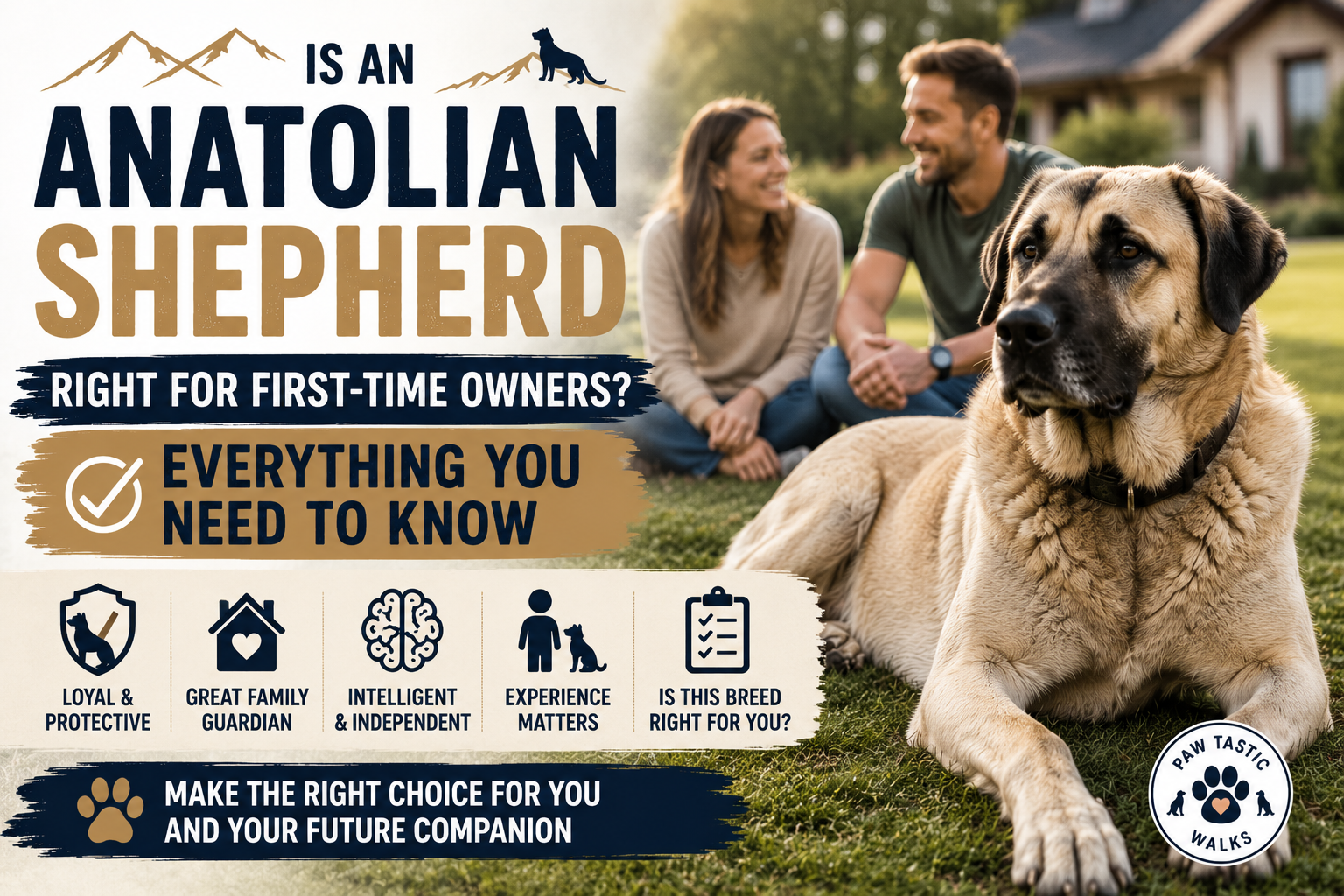
Everything You Need to Know
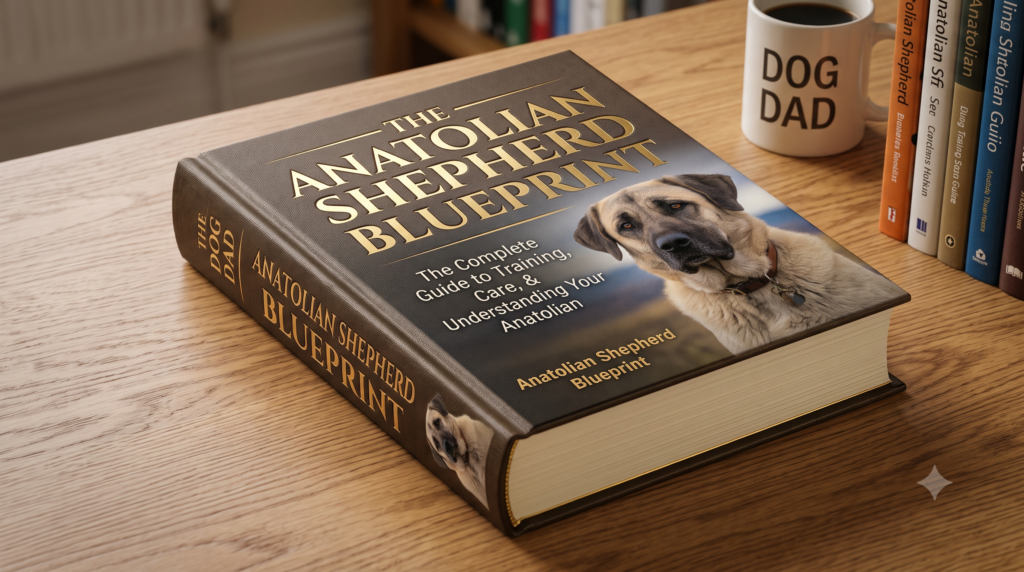
Thinking about getting an Anatolian Shepherd for your family? This breed was made to guard animals.
They are very loyal and protective. But, they are big, powerful, and independent, so you need to know what you’re getting into.
If you’re a first-time dog owner, think if your life fits with an Anatolian Shepherd’s needs.
They need special care and training because of their size and independence. But, with the right care, they can be very loving and loyal.
Key Takeaways
- Anatolian Shepherds are loyal and protective dogs.
- They have a strong independent streak and require careful handling.
- Understanding their characteristics is key before bringing one home.
- They can be a great companion for the right owner.
- Training and socialization are important for a good relationship.
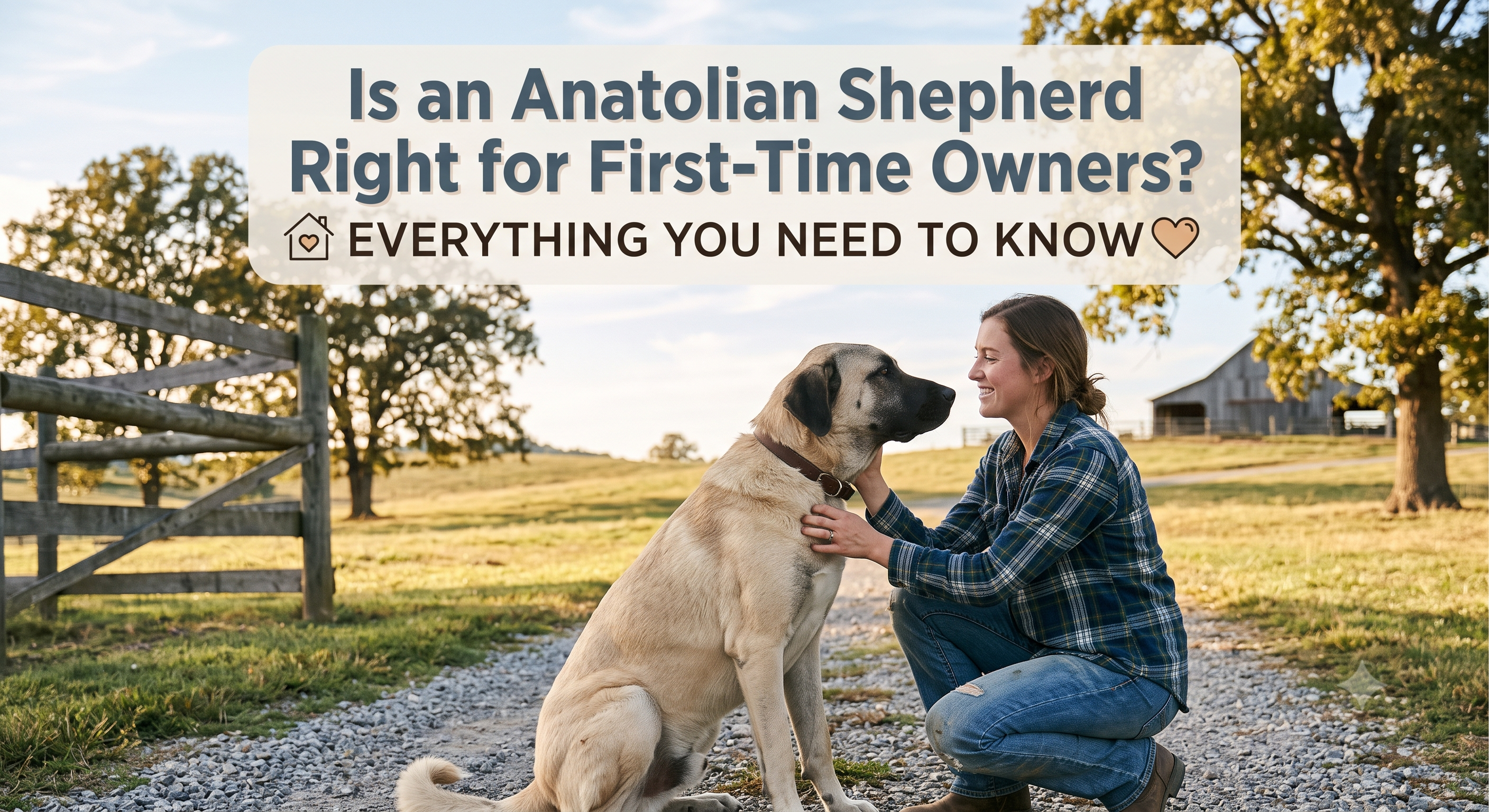
The Majestic Anatolian Shepherd: Breed Overview
The Anatolian Shepherd comes from Turkey and has guarded livestock for centuries. Its history is closely tied to its role as a protector.
Origin and Historical Purpose
This breed was made to keep livestock safe from wolves and bears. Their instincts and behaviors show they are naturally protective and watchful.
Physical Characteristics and Size
Anatolian Shepherds are big dogs, known for their strength and solid build. Males can weigh up to 150 pounds and reach 29 inches tall.
Their coat is usually short and dense, but can be longer in some cases.
Lifespan and General Health
Anatolian Shepherds live about 10 to 13 years on average. They are generally healthy, but can face issues like hip dysplasia and entropion.
| Characteristic | Description |
|---|---|
| Origin | Turkey |
| Weight | Up to 150 pounds |
| Height | Up to 29 inches |
| Lifespan | 10-13 years |
The Unique Temperament of Anatolian Shepherds
Anatolian Shepherds have a special mix of protective instincts, independence, and loyalty. This makes them great guardians.
But, they need the right owner.
 Guardian Instincts and Protective Nature
Anatolian Shepherds are known for their strong guardian instincts and protective nature. They were bred to guard livestock from predators.
They can spot threats and respond quickly.
This protective side is both good and challenging. Owners must manage it to avoid aggression or defensiveness.
Independence and Decision-Making Abilities
Anatolian Shepherds are very independent. They can make decisions by themselves, which was helpful in guarding livestock. But, this independence can make them stubborn.
They need patient and consistent training. They are not clingy or needy. They can entertain themselves, which means they don’t always need to be with you.
- They are not overly clingy or needy.
- They can entertain themselves, reducing the need for constant interaction.
- Their independence can sometimes be misinterpreted as aloofness.
Loyalty and Family Bonds
Despite their independence, Anatolian Shepherds are very loyal to their families. They bond strongly with their owners. They are gentle and loving, great with children.
They are a valuable addition to the right family. Understanding their unique traits is important for a good relationship with them.

Is an Anatolian Shepherd Good for a First-Time Owner?
The Anatolian Shepherd has a long history as a guardian. They can be great companions but also present challenges for new owners. Their independent nature and strong will can be tough for those new to dog ownership.
The Honest Assessment
Anatolian Shepherds are not usually suggested for first-time dog owners. They have a complex temperament and specific needs.
They need an owner who respects their independence and can set clear boundaries and train consistently.
Experienced owners who know large, powerful breeds well might find Anatolian Shepherds perfect. But for novice owners, the hurdles are big.
Common Challenges for Novices
First-time owners may face several challenges with an Anatolian Shepherd. These include:
- Managing their strong guardian instincts
- Dealing with their independent nature
- Providing enough exercise and mental stimulation
- Setting clear boundaries and consistent training
These issues can be too much for someone new to big, powerful breeds.
Required Owner Characteristics
To handle an Anatolian Shepherd well, an owner should be:
- Confident and able to lead clearly
- Patient and consistent in training and socialization
- Knowledgable about the breed’s specific needs and traits
Understanding these needs helps owners decide if an Anatolian Shepherd is right for them.
Daily Care Requirements and Commitment
Knowing what your Anatolian Shepherd needs daily is key for a good life together. They are big and love to move, so they need lots of exercise, grooming, and the right home.
Exercise Needs and Physical Activity
Anatolian Shepherds need lots of exercise to be happy and healthy. Make sure they get at least 30 minutes of physical activity every day. This can be walks, runs, or playtime in a safe area.
They don’t do well in small places like apartments because of their size and energy.
Grooming and Maintenance
Grooming is very important for your Anatolian Shepherd. Their fur needs regular brushing to avoid mats and tangles.
Also, check their ears often and trim their nails when needed. They should only be bathed when really necessary or during the changing seasons.
Space and Living Environment Requirements
Anatolian Shepherds need lots of room to run and play. A big, fenced yard is perfect for them. They don’t fit well in small homes or places with weak fences.
Think about your area’s weather and make sure they have a safe place to rest and cool off.
Training an Anatolian Shepherd as a Beginner
Starting your journey with an Anatolian Shepherd is exciting but requires patience and the right training methods.
Training is key to raising a well-behaved dog. It’s important to understand what your Anatolian Shepherd needs to train them effectively.
Critical Early Socialization Period
Early socialization is vital for your Anatolian Shepherd. Between 8 and 11 weeks, they are most open to new things.
Make sure they meet many people, dogs, and places to build confidence and calmness.
Some great socialization activities include:
- Visiting dog parks and puppy classes
- Meeting friends and family
- Exploring different environments and terrains
This early exposure helps avoid future behavioral problems.
Effective Training Approaches
Anatolian Shepherds do well with positive reinforcement training. This method rewards good behavior instead of punishing bad ones. Key points include:
- Consistency in commands and rewards
- Patience, as they can be independent
- Positive reinforcement with treats and praise
This approach helps you bond with your dog and encourages good behavior.
When to Seek Professional Help
If you face ongoing behavioral issues or feel overwhelmed, it’s time to get professional help.
A dog trainer can offer tailored advice and help with specific problems. Don’t hesitate to ask for help to ensure your and your dog’s well-being.
Health Considerations and Veterinary Care
As a dog owner, knowing about your Anatolian Shepherd’s health is key. They are generally healthy but can face certain health issues. It’s important to provide the best care for them.
Breed-Specific Health Issues
Anatolian Shepherds face specific health problems. These include hip dysplasia and entropion.
Hip dysplasia can lead to arthritis or mobility issues. Entropion can cause eye discomfort and serious problems if not treated.
Preventative Care Practices
Preventative care is vital for your Anatolian Shepherd’s health. Regular veterinary check-ups, up-to-date vaccinations, and parasite control are essential. Keeping your dog at a healthy weight helps prevent hip dysplasia.
Long-term Health Management
Effective long-term health management is about monitoring your dog’s health. It includes managing chronic conditions and keeping a healthy lifestyle.
Being alert to signs of illness or discomfort is also important.
| Health Issue | Description | Preventative/ Management Measures |
|---|---|---|
| Hip Dysplasia | Genetic condition affecting the hip joint | Maintain healthy weight, regular vet check-ups |
| Entropion | Eyelid condition causing eye irritation | Surgical correction, regular eye exams |
Understanding these health considerations and taking proactive steps can help your Anatolian Shepherd live a long, healthy, and happy life.
Anatolian Shepherd Care Tips for Beginners
Starting your journey as an Anatolian Shepherd owner is exciting. It comes with some important steps to prepare for.
Understanding the basics of caring for your new friend is key.
Essential Equipment and Supplies
Before your Anatolian Shepherd comes home, get the right gear and supplies. You’ll need:
- A sturdy, comfortable crate for training and relaxation
- High-quality dog food that meets their nutritional needs
- Durable toys and chews to keep them occupied
- A comfortable bed or mattress for their crate
- Grooming tools, such as a brush, nail clippers, and shampoo
Having these essentials ready will help your Anatolian Shepherd settle in more easily.
Creating Safe Boundaries
Anatolian Shepherds are protective but need safe spaces. Make sure your yard is securely fenced. A fence that’s at least 6 feet tall can stop them from jumping. Also, consider:
- Removing hazardous items from your yard
- Blocking off areas you don’t want your dog to access
- Supervising outdoor time to prevent escape attempts
Building a Support Network
Caring for an Anatolian Shepherd is easier with a support network. This can include:
- Local dog trainers or behaviorists for guidance
- Online communities or forums for sharing experiences
- Friends or family members who are familiar with large breeds
Having a support system in place will help you navigate any challenges that arise and provide valuable advice when you need it.
Living with an Anatolian Shepherd
Living with an Anatolian Shepherd is rewarding but needs understanding of their unique needs. They are loyal and protective, making great companions.
Family Dynamics and Children
Anatolian Shepherds can be loving family members if socialized early. They are usually gentle with kids, but supervision is key for safety. Teaching kids how to respect the dog is also important.
Interaction with Other Pets
Introducing an Anatolian Shepherd to other pets needs patience and planning. Their guardian instincts may make them cautious. Gradual introductions and positive reinforcement help them get along.
Managing Guardian Behaviors in Social Settings
Anatolian Shepherds are naturally protective, which can be both good and challenging in social situations. Training them and socializing them helps manage their protective instincts.
Understanding and addressing these aspects helps create a harmonious home for your Anatolian Shepherd and family.
Success Stories: When First-Time Owners Succeed with Anatolian Shepherds
First-time owners can have a great time with Anatolian Shepherds. They are known for being independent and protective.
But, many new owners have found joy in having them as part of their family.
Key Factors in Successful Ownership
Being a successful first-time owner of an Anatolian Shepherd requires a few important things. Knowing the breed’s history and purpose is key.
It’s also vital to provide consistent training and early socialization.
This helps them know what’s normal and what’s not. It keeps them safe and well-adjusted.
| Key Factor | Description |
|---|---|
| Consistent Training | Regular, positive reinforcement training to establish clear boundaries and behaviors. |
| Early Socialization | Expose your Anatolian Shepherd to various environments, people, and animals to foster calmness and discernment. |
| Realistic Expectations | Understand that Anatolian Shepherds are independent and may not always obey immediately. |
Realistic Expectations and Adaptations
It’s important to have realistic expectations when owning an Anatolian Shepherd. These dogs are not for everyone, and first-time owners need to be ready for their independent nature and guardian instincts.
Being flexible and willing to adjust your approach can make a big difference.
Alternative Breeds for First-Time Dog Owners
If you like Anatolian Shepherds but want something easier for beginners, there are great options.
These breeds have guarding skills and are friendly for new owners. They are perfect for those who want a dog but need something easier to handle.
More Beginner-Friendly Guardian Breeds
Looking for dogs that protect like Anatolian Shepherds but are easier for beginners? Here are some:
| Breed | Size | Temperament | Grooming Needs |
|---|---|---|---|
| Great Pyrenees | Large | Gentle, Guarding | High |
| Bernese Mountain Dog | Large | Friendly, Intelligent | Medium |
| Akbash | Large | Protective, Calm | Low |
Working with Rescue Organizations and Adult Dogs
First-time dog owners might also consider adult dogs from rescue groups. These dogs often have some training and can be a great choice for a loving home.
Benefits of Adopting an Adult Dog:
- Often already house-trained
- May have some basic obedience training
- Can be less destructive than puppies
Conclusion: Making an Informed Decision
Deciding to get an Anatolian Shepherd is a big step. It’s important to think about their needs and if you can meet them.
As a first-time owner, you must ask if this breed fits your life.
Anatolian Shepherds are great companions but they need a lot of care. They are independent and have strong guardian instincts.
They need an owner who is patient, experienced, and ready to train and socialize them.
If you’re not sure if an Anatolian Shepherd is right for you, think about your lifestyle and living situation.
Also, consider how much time you can spend with your pet. Knowing what this breed needs and being honest about your abilities will help you make the best choice.
By making an informed decision, you can ensure a happy and healthy life with your Anatolian Shepherd. It will also help you know if this breed is good for you as a beginner.

FAQ
Are Anatolian Shepherds good for first-time dog owners?
Anatolian Shepherds can be tough for new owners. They are independent and have strong guard instincts.
But, with the right training and care, they can do well with the right owner.
How much exercise do Anatolian Shepherds need?
They need lots of exercise to stay healthy and happy. They should get at least 30 minutes of activity each day.
This can be walks, runs, or playtime in a safe area.
What are the grooming needs of an Anatolian Shepherd?
They have a thick double coat that sheds a lot, mainly during shedding season. Regular brushing helps prevent mats and tangles. They also need occasional baths to stay clean.
Are Anatolian Shepherds prone to any specific health issues?
They are generally healthy but can get hip dysplasia, elbow dysplasia, and eye problems. Regular vet visits and care can catch these early.
How do I train an Anatolian Shepherd?
Training them needs patience, consistency, and positive methods. Early socialization is key. Owners should set clear rules and provide enough exercise and mental stimulation.
Can Anatolian Shepherds be left alone for long periods?
They can handle some alone time but need regular interaction and exercise. Leaving them alone for too long can cause boredom, destructive behavior, and stress.
Are Anatolian Shepherds good with children?
They can be good with kids if socialized early and introduced slowly. But, they might protect their family, so it’s important to watch interactions between kids and the dog.
Do Anatolian Shepherds get along with other pets?
They can live with other pets if introduced and socialized early. But, their strong prey drive and guard instincts might make them chase or protect themselves from other animals. So, careful management is needed.
What kind of living situation is best for an Anatolian Shepherd?
They need a big space with a fenced area for exercise and freedom. They can adapt to different homes but need enough room to move and regular exercise to stay happy and healthy.
Are Anatolian Shepherds easy to train for beginners?
They are not the easiest breed for beginners due to their independent nature and strong will.
But, with patience, consistency, and positive reinforcement, new owners can train them successfully with the right help and support.