
Cavaliers are widely loved because they are gentle, affectionate, and incredibly easy to live with.
If you have ever wondered why this family dog is so popular, the answer is simple. They are sweet-natured companions that fit into almost any home with very little fuss.
The King Charles Cavalier Spaniel temperament is often described as people-first, and that is no accident. These dogs are consistently friendly, adaptable, and happy to tag along, whether you live in a busy household or a quieter environment.
As a popular toy breed, their size makes them perfect for apartment living or smaller homes, yet they remain sturdy enough for everyday fun and outdoor adventures.
Still, a sweet temperament does not mean zero needs. Because they are such an affectionate companion, Cavaliers can be sensitive, clingy, and prone to separation anxiety. It helps to understand exactly what makes them thrive so you can provide the best care possible.
If you want a little more background on the breed standards and history, the Cavalier King Charles Spaniel page is a handy place to start.
Key Takeaways
- Deeply Affectionate: Cavaliers are quintessential ‘velcro’ dogs that thrive on close human interaction and are happiest when part of the daily family rhythm.
- Gentle and Adaptable: Known for their sweet-natured personality, they generally get along well with children, seniors, and other pets, making them excellent candidates for both apartment living and larger homes.
- Sensitive Needs: Their desire for constant company means they are prone to separation anxiety; they require dedicated time, attention, and a predictable routine to feel secure.
- Low-Impact Exercise: While they enjoy short walks and play, they are not high-strung athletes and prefer cheerful, moderate physical activity over intense training.
- Positive Reinforcement: Due to their sensitive and eager-to-please nature, they respond best to gentle, reward-based training rather than harsh correction.

Understanding the Cavalier King Charles Spaniel temperament Day to Day
A Cavalier King Charles Spaniel is usually the kind of dog that wants to be part of everything. Not in a noisy, chaotic way, just in that soft, steady, “I will come with you” way that so many owners love.
If you have ever asked, why are Cavaliers so popular, the answer starts here, in the everyday moments.
They are affectionate, gentle, and happy to settle into family life without a lot of drama. That does not mean they are passive little ornaments, though.
Cavaliers want closeness, routine, and a bit of play, and they notice when they are left out.
The affectionate, people-loving side of the breed
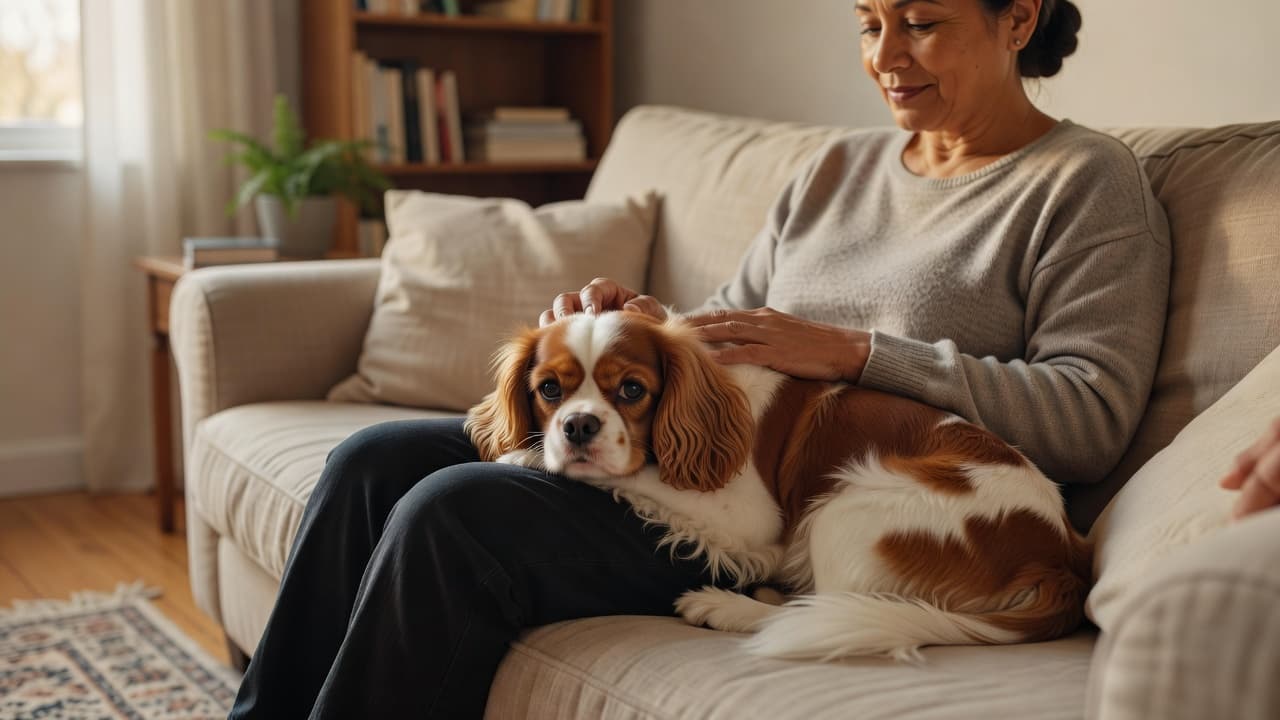
Cavaliers are famous for following their people from room to room. Kitchen, sofa, hallway, they are there, usually with a hopeful look that says, “Can I sit with you?” They like lap time, head rubs, and physical closeness. As a true lap dog, they often settle best when they can touch a leg, foot, or cushion beside you.
That is where the velcro dog nickname comes from. It just means they like to stay stuck close to their person. Some breeds are happy to do their own thing, but Cavaliers usually want a front-row seat to your day. With their expressive eyes and beautiful, silky coat draped over their signature floppy ears, they are as lovely to touch as they are to have around.
This strong attachment is a huge part of their charm. Many families love that steady companionship, because it makes the dog feel like part of the household instead of a separate project. If you enjoy a shadow with floppy ears, this breed fits the brief.
Cavaliers usually want connection more than independence, and that is exactly why people fall for them.
Why their gentle nature works well in family homes
Their gentle nature is one of the biggest reasons they suit so many homes. Cavaliers often do well with children, seniors, and first-time owners because they are usually calm, warm, and easy to live with. They tend to prefer kindness and predictable routines over rough handling or loud chaos.
That gentle streak makes them feel less demanding than some other small breeds. They are not the type to barge into every situation with a giant ego and a squeaky toy.
Instead, they usually take the softer path, reading the room and settling in.
Because of this adaptability, they are excellent candidates for apartment living as well as larger homes.
For families, that can be a real plus. A Cavalier often feels like a dog that wants to fit in, not take over. For a closer look at the breed’s background and basic traits, the AKC breed profile is a useful reference.
If you want a dog that handles busy family life best when the atmosphere stays calm, the Cavalier is often a strong match. They like affection, regular attention, and a home where they feel safe.
Playful, but usually not high-strung
Cavaliers do have a playful side. They enjoy short games, a walk around the block, a little chase around the garden, and any activity that involves their people.
A few minutes of interaction can go a long way, because they are usually more about cheerful participation than intense athleticism. This versatile companion dog is always ready for a bit of fun, but they never lose sight of their primary job: being by your side.
That said, they are not usually high-strung or constantly demanding action. They are often happy with a modest amount of exercise and some good-quality attention. A quick game of fetch, a sniffy walk, or a bit of tug with tug toys can be plenty for many Cavaliers.
The important part is not turning them into couch ornaments. They still need daily engagement, and they notice when life gets boring.
A Cavalier left out of the fun can get clingy or restless, because this breed likes to be involved, not ignored.
If your household is the kind where the dog can join the rhythm of the day, a Cavalier usually thrives. They are playful enough to keep things lively, but gentle enough to keep things easy. That balance is a big part of their appeal. For owners who want extra ideas on keeping a dog mentally busy, the benefits of dog enrichment is a helpful next read.
Why Cavaliers Are Easy to Love, and Why They Need Company
Cavaliers win people over fast because they are soft-hearted, cheerful, and happiest near their humans. They do not just like attention, they expect it, and that is a big part of their charm.
This sweet-tempered nature makes them wonderful family pets, though it also means they thrive on constant human companionship. Leave them alone too long, and the sweet little shadow you adore can start to look for you everywhere.
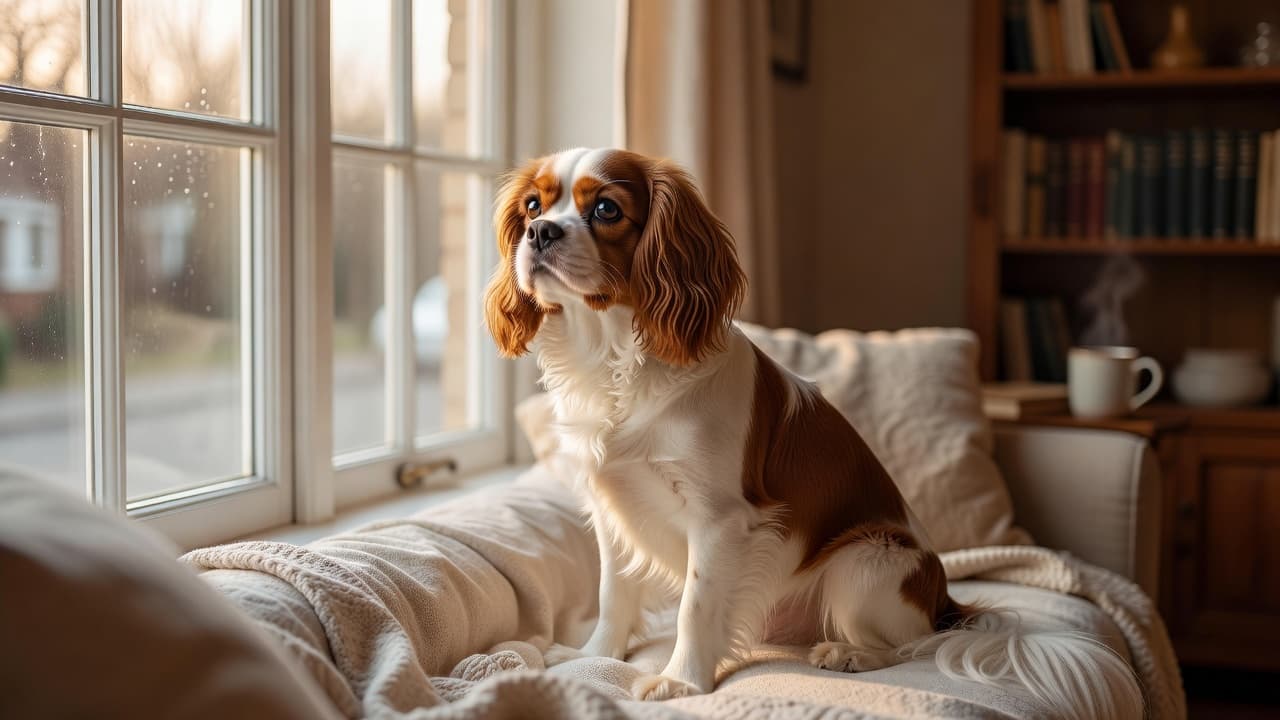
Cavaliers are not built for long stretches of solo time. They can get bored, lonely, or uneasy if they are left by themselves too often, especially if they are used to being close to people all day.
This breed is prone to separation anxiety, which often stems from their deep desire to be near their owners.
The signs are usually easy to spot. A restless dog that paces, whines, follows you from room to room, or becomes extra clingy is telling you it misses the connection.
Some Cavaliers also show stress in smaller ways. They may seem unsettled before you leave, struggle to relax, or greet you like you have been gone for a week instead of an hour.
If that sounds familiar, how to help your dog feel secure when home alone is a useful place to start. The goal is not to leave them alone forever, but to make solo time easier and less confusing for your pet.
A Cavalier that wants company is not being difficult, it is being a Cavalier.
Does coat color change their temperament?
Many prospective owners wonder if there is a behavioral difference between the various color varieties. Whether your dog is a Blenheim, Tricolor, Ruby, or Black and Tan, the Cavalier King Charles Spaniel temperament remains consistently affectionate and gentle.
While you might have a personal preference for a specific look, you can rest assured that their personality is dictated by their breed history rather than their coat pattern. Each color variety is equally likely to be the sweet, devoted companion you are looking for.
Friendly with strangers, but not a natural guard dog
Part of the breed’s appeal is how open they are with people. Cavaliers usually greet new faces with curiosity and warmth, and many do the same with other pets. That easy trust is a big reason people ask, why are Cavaliers so popular?
They fit in fast, they do not come in hot, and they often act like everyone is a friend until proven otherwise.
Of course, that also means they are not natural watchdogs. A Cavalier is far more likely to welcome the postman than scare him off, which is fine if you want charm and companionship more than protection.
Their history helps explain that personality. The breed was developed as a companion dog, not a working guardian, and that old role still shows today. If you want a bit more background, the Cavalier King Charles Spaniel page gives a simple overview of the breed’s roots.

Why routine, attention, and companionship matter so much
Cavaliers do best when life feels steady. Regular meals, predictable walks, and daily contact help them feel settled, because they like knowing what happens next.
They are usually a better fit for owners who want a close companion than for someone looking for a very independent dog.
A few simple habits make a real difference:
- Keep departures calm and low-key.
- Build in short play sessions and gentle walks.
- Leave safe chew options or tug toys for extra comfort and mental activity.
- Avoid making every goodbye a big event.
For further support, you can explore these resources:
A well-loved Cavalier is usually a very happy one. Give them time, attention, and a place in the middle of the action, and they usually give you the same thing right back.
How Temperament Changes With Training, Exercise, and Enrichment
A Cavalier’s temperament isn’t fixed in stone. The breed is naturally gentle and people-focused, but the way you train, walk, and engage them changes how that sweetness shows up day to day.
Early socialization is essential for helping these dogs develop a steady, confident temperament by exposing them to new experiences in a positive way.
A well-supported Cavalier usually feels calmer and easier to live with. A bored one can slide into clingy, restless, or anxious behavior before you know it.
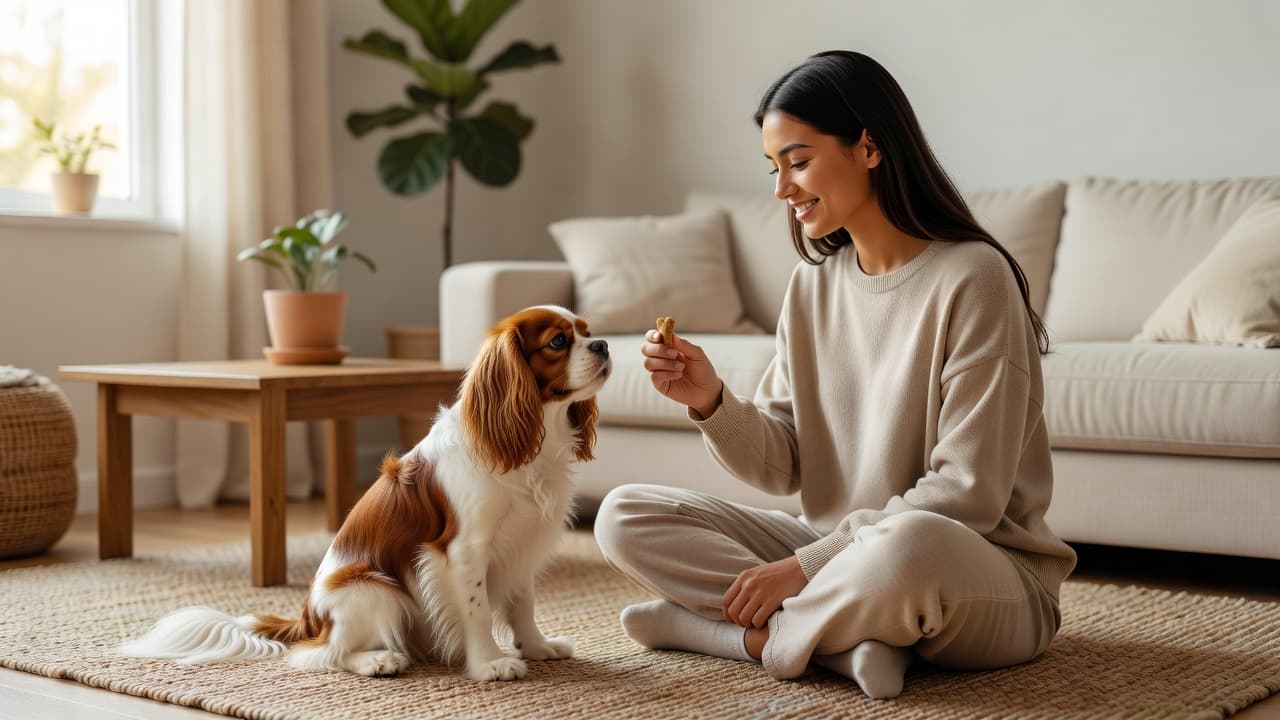
Why positive training usually works so well
Cavaliers are highly intelligent and possess a natural desire to be near their humans, which makes them incredibly eager to please. Because they are soft in nature, they respond beautifully to positive reinforcement rather than correction.
That makes training feel easier, too. A happy yes, a tiny treat, and a clear cue often go a long way. Short sessions work best, since most Cavaliers stay more focused when you keep things light and upbeat.
Harsh methods can backfire fast. A sharp voice or heavy-handed correction can leave this sensitive breed worried or shut down.
Simple, practical training usually wins:
- Keep sessions short and relaxed.
- Use the same cue words each time.
- Reward the behavior right away.
- End while your dog is still interested.
If you want a deeper look at reward-based methods, the guide to positive reinforcement dog training is a helpful place to start. The basic idea is simple; good behavior gets paid, so your dog wants to repeat it.
Cavaliers learn best when training feels like a game, not a lecture.
The role of walks, games, and mental stimulation
Understanding the unique exercise needs of this breed is vital for keeping them balanced. While they are not high-energy athletes, they still require daily movement to remain happy.
Their natural hunting instinct often kicks in during games, making them particularly fond of chasing moving objects.
Skip the walks and games, and you may notice more whining, shadowing, or fidgety behavior at home.
Mix things up with a few simple options:
- A relaxed neighborhood walk.
- Time to sniff and explore.
- Short fetch or tug sessions.
- A bit of food puzzle fun indoors.
If play is part of your routine, tug toys can be a handy way to add bonding and movement without making things too intense. Keep it light, keep it fun, and stop before your dog gets overexcited.
For more ideas on why this matters, the benefits of dog enrichment is worth a look.
How physical health impacts behavior
Sometimes, behavioral changes are actually symptoms of underlying physical discomfort. Because Cavaliers can be prone to specific health issues, it is important to watch for signs of pain that might cause your dog to become irritable or withdrawn.
Conditions such as syringomyelia, hip dysplasia, and patellar luxation can significantly limit their comfort levels. Additionally, heart health is a major priority for this breed.
Mitral valve disease is a common concern that owners should monitor through regular veterinary checkups. If your Cavalier seems suddenly snappy or less enthusiastic about their favorite activities, they may be suffering from the physical effects of mitral valve disease or another ailment.
Always prioritize gentle handling and prompt veterinary advice if you notice a sudden shift in their personality.
How a predictable routine helps sensitive dogs feel secure
Cavaliers often relax more when life runs on a steady rhythm. Mealtimes, walks, rest, and bedtime all happening at familiar times helps them feel safe and settled.
That predictability matters because sensitive dogs notice change. A dog that knows what comes next has less reason to worry, and that usually shows up as a calmer home presence.
A simple routine can make a big difference:
- Feed at roughly the same times each day.
- Walk before or after meals in a regular pattern.
- Build in quiet rest after activity.
- Keep bedtime calm and consistent.
Routine does not mean rigidity. It just means your dog can count on the basics. For a breed that likes companionship and comfort, that steady rhythm can be the difference between a dog that feels unsure and one that feels truly at home.
If you want a breed that settles best with gentle structure, that is a big clue about why Cavaliers are so popular.
Is a Cavalier King Charles Spaniel the Right Match for Your Lifestyle?
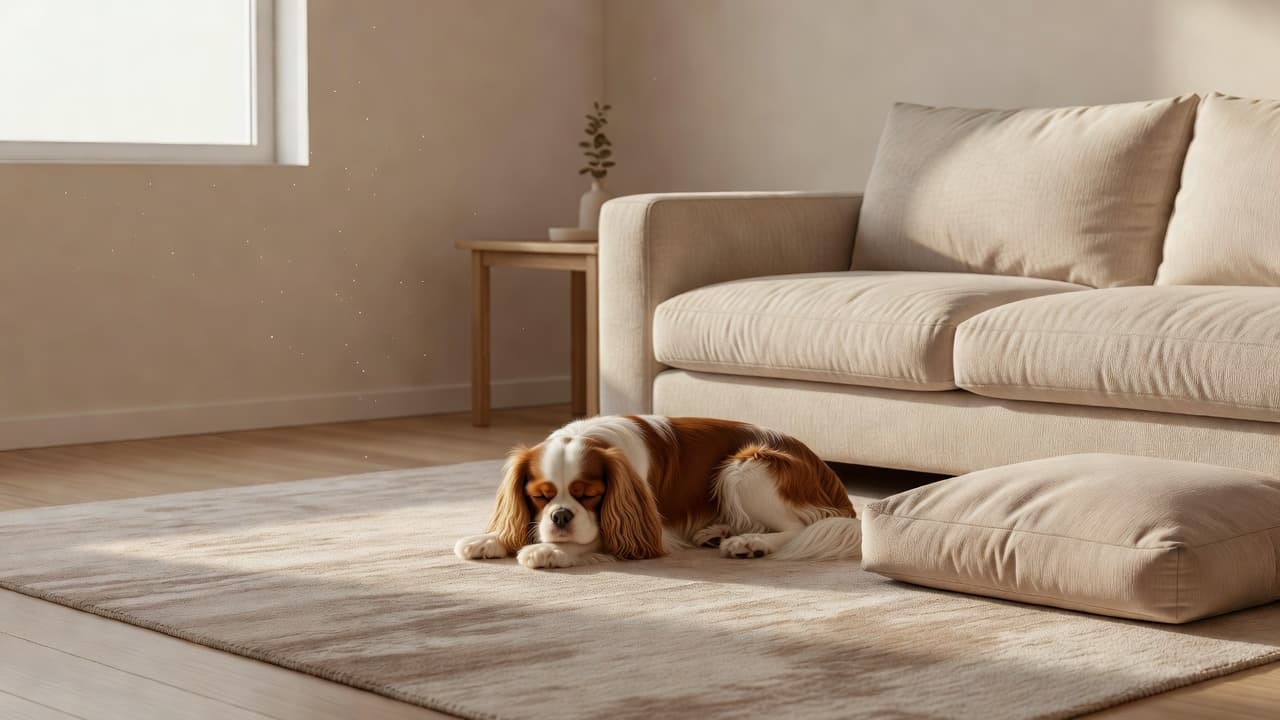
A Cavalier is a perfect fit if you want a companion who prefers to stay by your side rather than venture off on their own.
As a popular small dog breed, they suit households where someone is home often, and they typically thrive with people who enjoy calm routines and a pet that participates in every part of daily life.
That said, this breed is not for every schedule. If your days are packed, your work hours are long, or you desire a highly independent pet, a Cavalier may feel more challenging than you initially expected.
Who tends to do best with this breed
Cavaliers usually shine with people who are around frequently and want a dog that blends seamlessly into family life. They are often a strong match for families, retirees, remote workers, and first-time owners who want a loving companion without excessive exercise demands.
Because of their calm nature and intuitive spirit, they also excel as a therapy dog for those in need of comfort.
This breed is a natural fit for anyone who values closeness. If you want a dog that settles beside you on the sofa, follows you from room to room, and seems happiest when included, the Cavalier checks every box.
They do best in homes where affection, routine, and gentle handling are part of the daily schedule. If your idea of a good dog is a warm little shadow with silky ears, you are likely in the right place.
However, prospective owners should also account for grooming requirements, as their beautiful coat needs regular brushing to stay healthy and tangle-free.
When their temperament can be a challenge
Cavaliers can be difficult for people with very busy schedules or long workdays. They often dislike being left alone for extended periods, and that can lead to whining, clinginess, or separation stress.
A low tolerance for needy behavior is another factor to consider. This breed craves physical contact and constant reassurance.
If you prefer a dog that is happy to do its own thing for hours, a Cavalier may feel more demanding than you want.
This does not make them difficult, but it does mean their sweetness comes with a genuine need for human company. If you leave them out of the loop too often, they will usually let you know.
For readers who want to compare temperament with safety and handling needs, dog walking safety advice is worth a look.
Cavaliers are happiest when they feel included, not parked on the sidelines.
A quick checklist before you choose a Cavalier
Before bringing one home, ask yourself a few honest questions. Can I dedicate time each day?
Am I prepared for the grooming requirements that come with their long coats? Can I offer gentle training, constant contact, and a steady routine?
If the answer is yes, a Cavalier may be a beautiful match. Use this quick gut check:
- Can I spend plenty of time with this dog each day?
- Am I happy with a companion that seeks constant closeness?
- Can I handle a dog that may struggle when left alone?
- Will I keep training sessions calm, patient, and consistent?
- Am I ready to manage the grooming requirements for a silky coat?
Resources
If you want more practical support as you prepare for your new companion, check out our helpful guides on Payhip or explore our comprehensive ebook collections on Etsy for everyday dog-care tips.
A Cavalier is a lovely choice when your lifestyle matches their need for company. If you can provide time, softness, and daily connection, they will return that love tenfold.
Frequently Asked Questions
Do Cavalier King Charles Spaniels have high energy levels?
No, they are generally not high-strung or hyperactive. They enjoy short walks, games of fetch, or sniffing around the garden, but they are equally happy settling down for a long nap by your side.
Are Cavaliers prone to separation anxiety?
Yes, because they are so people-focused, they can become anxious if left alone for extended periods. They thrive in households where someone is home often to provide the companionship they crave.
Do different coat colors affect a Cavalier’s temperament?
No, the breed’s personality is consistent regardless of whether they are Blenheim, Tricolor, Ruby, or Black and Tan. Their friendly and affectionate nature is a result of their breeding history, not their color pattern.
Are they good for first-time dog owners?
Absolutely, their gentle disposition and eagerness to please make them very suitable for beginners. As long as owners can provide consistent companionship and positive, gentle training, they are a joy to raise.
Conclusion
The Cavalier King Charles Spaniel temperament is the heart of this breed’s enduring appeal. Their gentle, affectionate, and playful nature explains why these dogs are such popular companions for families and individuals alike.
That signature sweetness is exactly why they are so beloved.
A Cavalier makes a wonderful addition to the right home, provided that their specific needs for companionship, consistent routines, and calm, loving attention are prioritized.
Understanding the Cavalier King Charles Spaniel temperament is essential to ensuring a happy life for both you and your new pet.
If you are still deciding whether this breed fits your lifestyle, take your time to research and prepare.
For further support before you bring a puppy home, check out our great guides on Payhip at https://payhip.com/PawTasticGuides and explore our ebook guides on Etsy at https://www.etsy.com/shop/PawTasticPrintables for helpful tips and expert advice.
This post may contain affiliate links. If you make a purchase through these links, I may earn a small commission at no extra cost to you.