

A Clear Answer for Home Life
Yes, poodles can be excellent family dogs for the right home.
They are intelligent, loyal companions that are playful and usually pick up training fast, which makes life easier when kids, routines, and muddy paws all show up at once.
The catch is simple; they need daily attention, regular grooming, and enough exercise to stay happy.
If you are wondering if are poodles good family dogs for your specific household, this guide will help you match their needs to your family, schedule, and lifestyle, including what that means for poodle walking schedules and day-to-day care.
Key Takeaways
- Highly Adaptable and Intelligent: Poodles are remarkably smart, making them easy to train for families who prioritize consistency and positive reinforcement.
- Active Lifestyle Requirement: These dogs are not couch potatoes; they thrive in homes that provide daily exercise, play, and mental stimulation to prevent boredom.
- Grooming Commitment: Their hypoallergenic, non-shedding coat requires regular brushing and professional grooming to prevent painful matting.
- Social Nature: Poodles bond closely with their families and often struggle when left alone for long periods, requiring dedicated attention or professional support for busy schedules.
- Great with Children: With proper socialization and adult supervision, poodles make excellent family companions, though they require respectful boundaries from younger children.
Why Poodles are often the Ideal Family Pet
Poodles earn their place in many family homes for a simple reason: they usually make daily life easier, not harder.
They learn fast, they bond closely, and they often adapt well to busy households with kids, visitors, and changing routines.
That said, they are not low-effort dogs. They still need exercise, attention, and clear boundaries, which is why they suit families who want a real companion, not just a pretty face with curls.
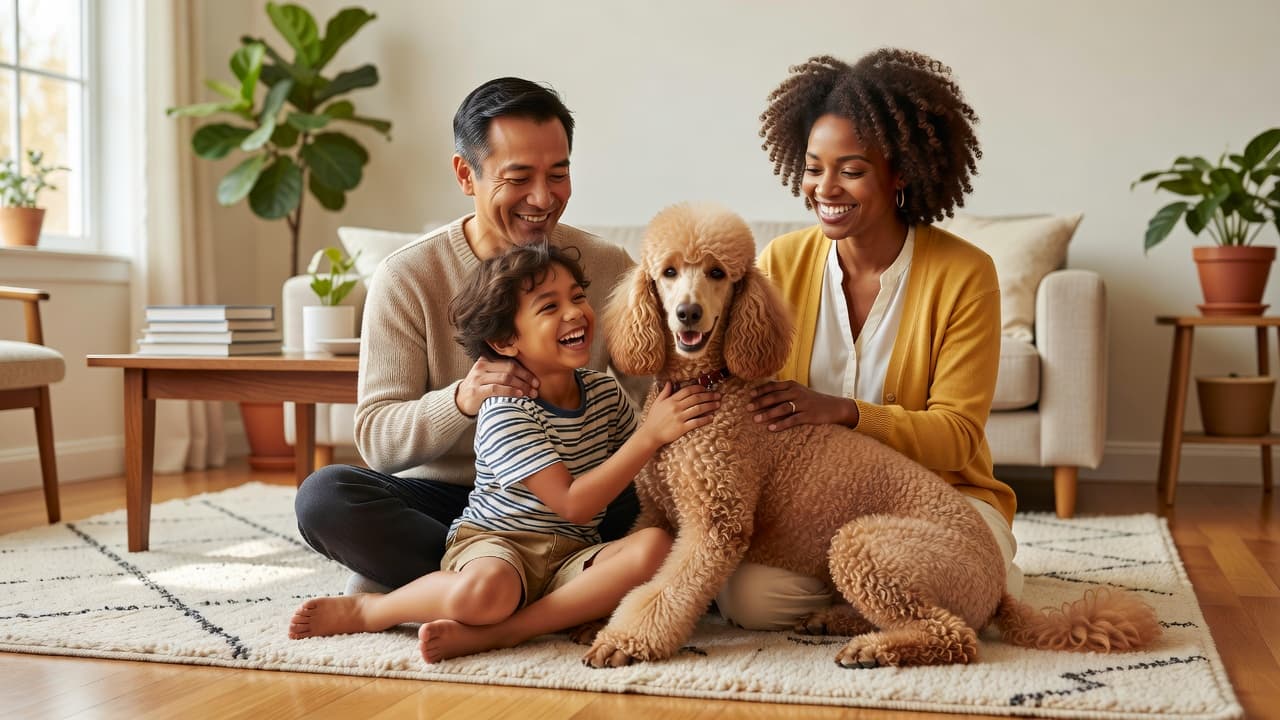
Smart dogs that learn household rules fast
Poodles are remarkably intelligent and easy to train, which helps them pick up routines quickly.
If you want a dog that learns where to wait, when to settle, and what “off limits” means, this breed often gets there sooner than many others.
That can be a huge help when children are dashing around and the doorbell keeps going off.
They tend to respond well to consistent, reward-based training, especially when you keep things simple.
A poodle that knows the basics is easier to manage during daily dog walks, visits from guests, and those chaotic moments when everyone is home at once.
For homes that want extra structure, positive reinforcement training techniques can make a big difference.
It gives you a clear way to build manners without turning the house into boot camp.
Loyal, loving, and people-focused
Many poodles are incredibly people-oriented and like being close to their companions. They often want to be where the family is, whether that means the sofa, the kitchen, or beside you while the kids do homework.
That kind of attachment can feel very comforting in a busy home.
If you want a dog that enjoys regular contact and does not act distant all day, a poodle fits well.
They often like conversation, attention, and time with their humans, which is one reason people searching for are poodles good family dogs often end up with the same answer: yes, if they want an affectionate, involved pet.
Poodles usually want to be part of family life, not parked on the edge of it.
That people-first nature also suits families who use dog walking services or a reliable dog walker for support during long workdays. A poodle still wants connection, even when the schedule gets full.
Playful energy that fits active homes
Poodles are lively enough to keep up with games, garden play, and steady walks. They enjoy movement, but they usually do best when the activity has purpose, not just endless bouncing around.
They are an excellent match for households that maintain an active lifestyle and enjoy time outdoors.
A family that likes walks, fetch, and outdoor adventures often gets the best side of a poodle.
They can be a great match for homes looking for dog exercise services, group dog walks, or even puppy walking services as part of an early routine.
For families in East Cornwall who want support with local dog walking or search for pet walking near me, a good professional dog walker can help keep that energy in check.
The right mix of activity and calm time matters here, and so does choosing someone who understands poodle brains, not just poodle hair.
If the family stays active, the poodle usually stays happy. If the family stays consistent, the poodle usually settles in fast.
That is a pretty tidy deal for the right home.
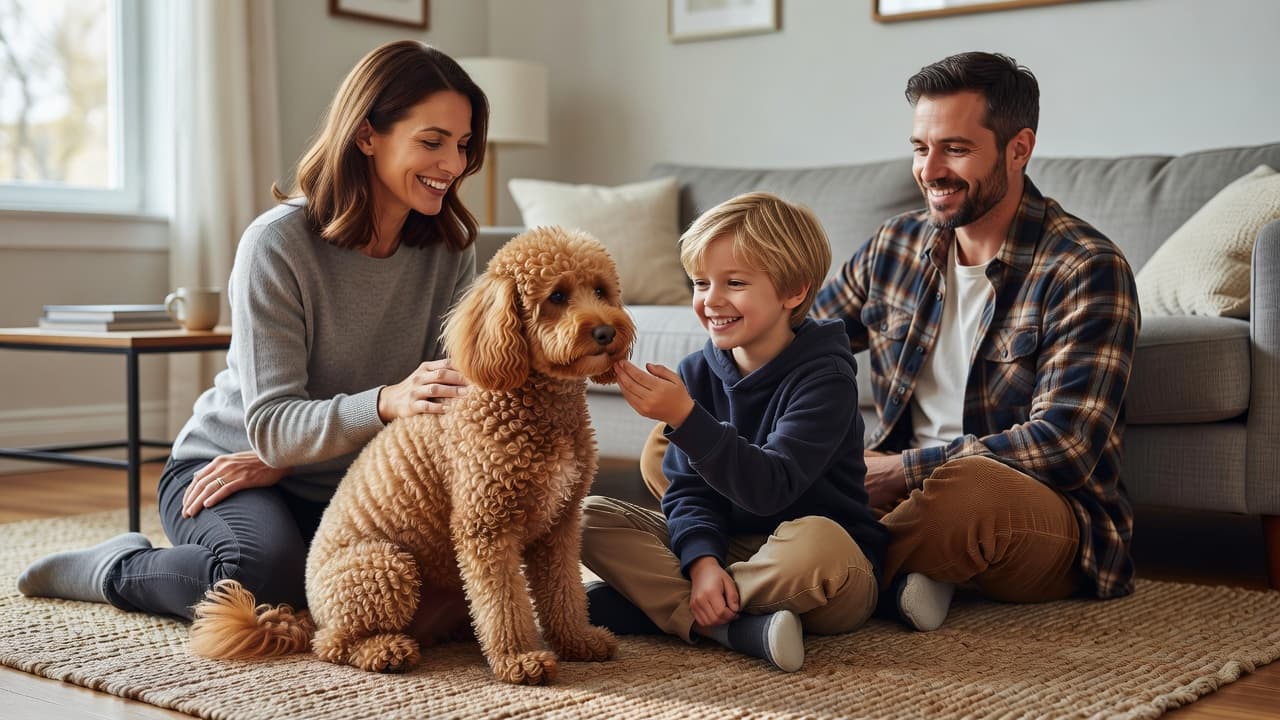
Which families are the best match for a poodle?
Poodles fit best with families that treat dog care like part of the daily routine, not an afterthought.
They want company, movement, and a bit of structure, so the best homes usually have time for walks, training, and proper attention.
That does not mean they need perfection. It means they do best with people who show up in small, steady ways. If your family can give that, a poodle often settles in beautifully.
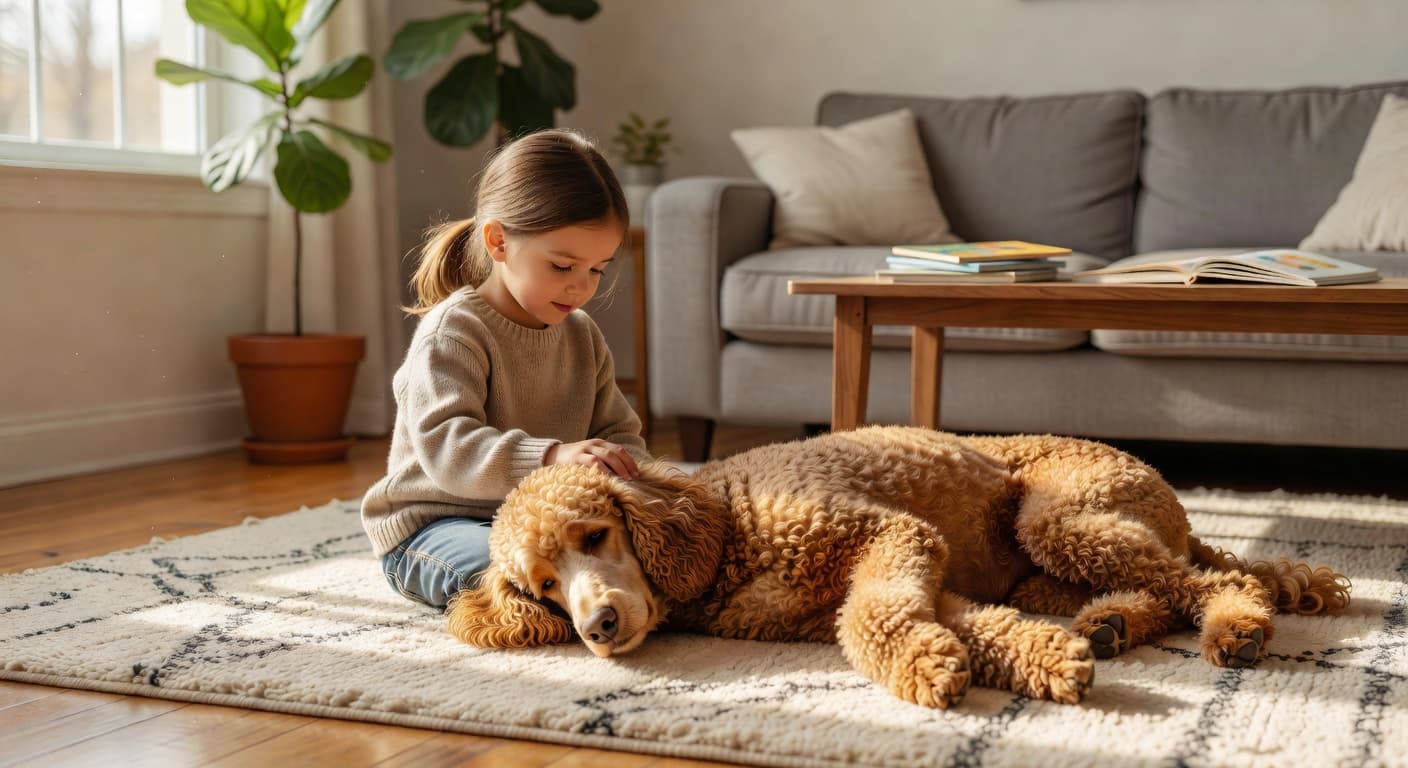
Understanding coat types and common concerns
Many families choose this breed because they are famously hypoallergenic. Because they have non-shedding hair, they are often a top choice for households with allergy sensitivities. Compared to many other dog breeds, their low-shedding nature makes home maintenance much easier.
However, owners should remember that these benefits come with consistent grooming needs.
Whether you choose a standard poodle, miniature poodle, or toy poodle, you will need to commit to regular brushing and professional clips to keep their coat healthy and mats at bay.
Homes that can give daily training and attention
Poodles do best when training is part of everyday life. Short sessions work far better than random correction after the fact.
A few minutes of practice after breakfast, before a walk, or in the evening can make a big difference. Because they are widely considered easy to train, they respond wonderfully to clear, consistent guidance.
They learn fast, but they also notice habits fast. If one day has rules and the next day does not, a poodle can get muddled.
That is why consistency matters so much, especially in a busy home with children, visitors, and lots of movement.
A good fit is a family that enjoys a little routine. Think simple cues, calm praise, and regular practice.
If you want help keeping that structure in place, our dog walking and care services can support a steadier day for both dog and owner.
With poodles, a little training every day beats a big lesson once in a while.
Grooming also belongs in that routine. Their coat needs regular care, and families that keep on top of brushing usually find things much easier.
If you want a simple home setup, tips for stress-free home dog grooming can help you build better habits early.
Why active families usually do well with poodles
Families who like being on the move usually suit this breed well. Poodles are not couch potatoes.
They want walks, play, and something to do with their brains as well as their legs.
A daily walk matters. So does yard play, a trip to the park, or a family outing where the dog can come along.
That mix of movement and contact keeps them happier than a home where they are left to entertain themselves.
For many owners, poodles fit neatly into a routine that already includes daily dog walks, dog exercise services, or even group dog walks.
They often enjoy being part of the action, whether that means a seaside stroll, a country path, or a quick game of fetch after school.
If your family already looks for local dog walking help or searches for pet walking near me, a poodle usually does well with that kind of active support.
The key is simple; they want a life that moves.
A poodle also fits many homes that like brain work, not just physical exercise. According to Wikipedia’s summary of poodles, the breed is known for intelligence and trainability, and that lines up with what many owners see at home.
Smart dogs need a job, even if that job is just learning manners and coming when called.
When a poodle may be a harder fit
Poodles can struggle in homes that are very quiet, very busy, or empty for long hours. They are social dogs. If they get ignored, they can become bored, lonely, or stressed.
That does not mean a full-time job rules them out.
It does mean the family needs a plan. Some homes use dog walking services or a reliable dog walker to break up the day, and that can make a huge difference for a poodle that hates long stretches alone.
Very calm homes can also be tricky if calm really means not much happens here. Poodles need interaction.
A house with little activity, few walks, and no playtime can feel flat to them, like a radio left on mute.
Very hectic homes can be just as hard. If the day is noisy, rushed, and unpredictable, a poodle may pick up that tension.
They usually do better when the family can give them clear routines, steady attention, and a bit of breathing room.
If your schedule is tight, it may help to think ahead about dog walking rates, puppy walking services, or backup support on your busiest days.
That kind of planning keeps the dog from carrying the stress of a rushed household.
A poodle does best with people who are present, active, and willing to keep things steady. That is the sweet spot.
Poodles and kids: what the day-to-day really looks like
Living with a poodle and children usually works best when the home has a rhythm. These dogs like company, clear rules, and enough activity to take the edge off their energy.
If that sounds like your house, the day-to-day can feel smooth and easy, not chaotic. Because of their adaptable nature, poodles are generally considered good with kids.
The sweet spot is simple: kids learn gentle habits, adults stay involved, and the dog gets regular exercise and downtime.
That mix matters whether you use daily dog walks, dog exercise services, or help from a reliable dog walker in East Cornwall.
Teaching kids how to interact gently
Poodles do best when children know the house rules from the start. Keep the rules short and repeat them often, because young kids remember what they hear every day.
A good set of family rules looks like this:
- No rough grabbing, ear pulling, or tail chasing.
- No bothering the dog while it sleeps.
- Calm voices near food, treats, toys, and chews.
- Ask before petting.
- Let the dog walk away if it wants space.
That last one matters more than many parents think. A dog should never feel cornered by a child who means well but gets too close.
When you teach these boundaries, you help ensure that the dog remains good with kids throughout its life.
You can also make touch easy to understand. Show kids how to stroke the dog on the side or chest, not hug tightly or lean on top of it.
If you want a quick refresher on safe child-dog habits, PetMD’s guide to kids and pets gives a clear starting point.
A friendly poodle still needs a choice. Respect is part of the bond.
Supervision matters, even with friendly dogs
Even the nicest poodle needs an adult nearby when children are around.
Proper socialization and adult oversight are essential, as this helps the dog understand how to interact safely and calmly in a busy household.
This is especially true during play, meals, and rest time, when little misunderstandings happen fastest.
Think of supervision as a seatbelt, not a warning sign. It keeps everyone safe while letting the relationship grow naturally.
A child can love a dog and still move too fast, squeeze too hard, or interrupt at the wrong moment. Keep an eye on their temperament during interactions to ensure the dog feels comfortable.
Watch closely when:
- The dog is eating or chewing.
- Children are running or shouting near the dog.
- A child wants to pick the dog up.
- The dog looks tired, stiff, or unsure.
This is also where good routines help. A poodle that gets proper exercise is often calmer around the house, which makes family life easier.
If your schedule is packed, pet walking near me searches can lead you to extra help, but a professional dog walker should still work with your family’s rules.
For a broader picture of breed traits, the Poodle overview on Wikipedia is useful background.
It lines up with what many families notice at home; smart dogs need structure, not just affection.
Best poodle sizes for family life
Poodles come in three sizes, and size changes the daily fit quite a bit. The right choice depends on your children’s ages, your home layout, and how much rough-and-tumble you expect.
| Size | Family fit | Things to think about |
|---|---|---|
| Standard Poodle | Often a strong match for active families | Bigger body, more stamina, better for homes with space |
| Miniature Poodle | Good for quieter families with older children | Smaller size, still active, needs gentle handling |
| Toy Poodle | Best for calm homes and careful supervision | Very small and delicate around very young children |
The Standard Poodle often suits busy homes best. They can handle more activity and usually enjoy being part of everyday family life.
A Miniature Poodle or a Toy Poodle can still do well with kids, but they need more careful handling, especially around toddlers who grab first and think later.
If you want a dog that can keep up with park trips, longer walks, and regular play, the Standard size is often the easiest fit.
If your home is calmer, a smaller poodle may feel more comfortable, as long as the children are old enough to be gentle.
The real answer to are poodles good family dogs depends less on size alone and more on how the family lives.
A poodle that gets attention, exercise, and steady rules usually settles into home life beautifully, whether that support comes from you or from group dog walks, puppy walking services, or a dependable dog walking service in East Cornwall.
Get this great guide today! Instant Download!

The parts of poodle ownership families should plan for
Poodles are wonderful dogs, but they are not a set it and forget it breed.
When considering if your home is right for a new companion, it is important to factor in their life expectancy, along with the commitment to grooming needs, exercise, and daily attention.
That matters because whether are poodles good family dogs is not just a question of temperament.
It is also a question of time, money, and whether your family can keep up with what this breed requires to thrive throughout its entire life.
Grooming takes time and money
A poodle’s coat needs regular brushing, not just the occasional once-over. Without consistent care, the curls turn into mats quickly, and mats can become painful for the animal.
Professional grooming is a central part of the experience. Most families need to budget for full grooming appointments, as poodles require clipping and coat maintenance to stay healthy.
If you are balancing your budget, keep in mind that these grooming needs are one of the bigger line items that often catch new owners off guard.
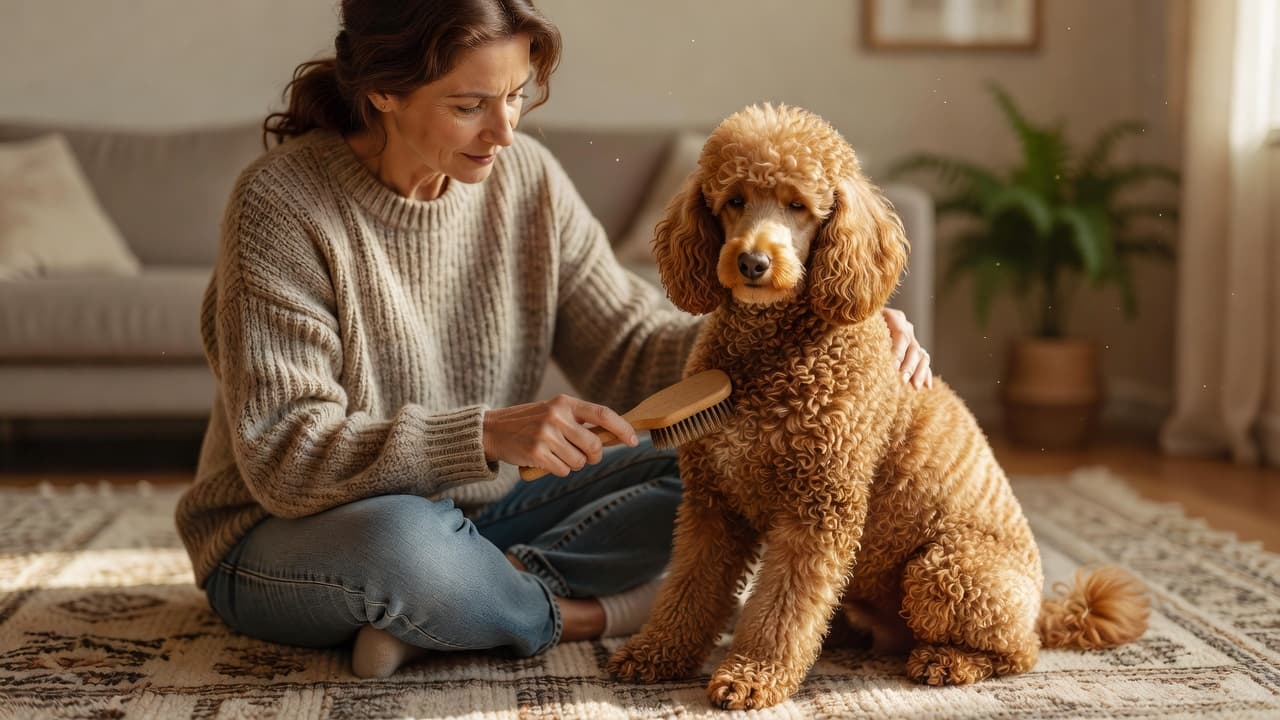
A few basics help keep the coat in good shape:
- Brush several times a week, more if the coat is longer.
- Check behind the ears, under the legs, and around the collar area.
- Book grooming appointments before the coat gets knotty.
- Keep up with a set schedule rather than waiting until the dog looks scruffy.
If you want help with home care between appointments, easy dog grooming tips can make brushing less of a battle.
Families in East Cornwall who already use dog walking services often find that a consistent routine helps with overall maintenance.
Once care becomes part of the week, it feels far less like a chore and more like a normal part of owning a dog.
They need exercise every day
Poodles are bright, energetic dogs, and they require more than just a quick toilet break. Meeting their exercise needs is essential to maintaining a happy home.
A standard poodle, for example, will typically thrive in a home that supports an active lifestyle, as they have the stamina to keep up with hikes and long play sessions.
Skip the activity, and you may see a dog that starts inventing its own entertainment.
That usually looks like barking, chewing, or nonstop pacing. A bored poodle is similar to a teenager with no internet access; the energy has to go somewhere.
A good daily plan often includes:
- A proper walk with plenty of sniffing time.
- Some fetch, tug, or training games.
- A short brain task, like basic cues or puzzle work.
- Calm downtime after the fun.
Families who want extra help often look for daily dog walks, group dog walks, or dog exercise services to keep things balanced.
If the schedule is packed, a professional dog walker can be the difference between a settled dog and a restless one. For background on why the breed needs this much activity, the Poodle overview on Wikipedia gives a good basic summary.
They can be sensitive and may dislike long alone time
Poodles often bond closely with their people. That closeness is rewarding, but it also means they may not enjoy being left alone for long stretches.
Because their temperament is quite sensitive, they usually do best with steady routines and calm handling.
Loud voices, rushed mornings, or irregular schedules can make them uneasy. A poodle that knows what happens next usually feels safer than one guessing all day long.
A poodle that gets too much alone time may not be naughty, just lonely.
If your household is out for long hours, plan ahead. Some families use how to help dogs cope with alone time as a starting point, then build in support with pet walking near me, local dog walking, or puppy walking services when needed.
That extra care can help a sensitive poodle stay calm and settled.
A reliable routine matters more than big gestures. Feed at the same time, walk at the same time, and keep departures low-key.
Poodles tend to read the room, so a calm home environment usually leads to a much calmer dog.
How to raise a well-behaved family poodle
A well-behaved poodle does not happen by luck. It comes from early training, steady routines, and enough daily activity to keep that sharp little brain busy.
Because the breed is so intelligent and naturally eager to please, they are generally easy to train, making them a solid fit for busy homes that want a dog with good manners.
Consistent Obedience Training and Socialization
The foundation of a great family companion is consistent obedience training started the moment your puppy comes home.
Because poodles are highly intelligent and adaptable, they learn new cues quickly, but they thrive best when rules remain stable. Focus on basics like crate training, leash manners, sit, and stay.
If you want a stronger foundation for family life and safe outings, training your dog to come when called is a vital step.
Alongside obedience, early socialization is critical. By introducing your poodle to different people, other pets, and new environments, you build the confidence they need to remain calm in various settings.
Whether it is hearing new sounds or walking on different surfaces, the goal is to teach your dog that the world is a predictable, safe place.
This process helps create a steady, well-adjusted pet that interacts politely with visitors and children alike.
Meeting Mental Stimulation and Exercise Needs
Poodles require more than just a quick potty break; they have significant exercise needs and require regular mental stimulation to stay happy.
If they do not have an outlet for their energy, they may become bored and look for their own entertainment.
To prevent this, incorporate puzzle toys, scent games, and short training sessions into your daily routine. Using tug toys is another excellent way to build focus and provide exercise through positive play.
A simple, effective routine might look like this:
- A proper walk with plenty of sniffing time.
- Five minutes of sit, stay, or recall practice.
- A food puzzle or scent game to challenge their mind.
- Calm rest before the next activity.
That kind of day suits a poodle well, and it fits many families who rely on dog walking services, a professional dog walker, or dog exercise services in East Cornwall to keep their pet active.
If you find yourself searching for pet walking near me, local dog walking, or group dog walks, remember that consistency is the key to success.
A clever, active dog needs regular outlets for their energy, ensuring they remain a calm and well-behaved member of your family.
Frequently Asked Questions
Are poodles good family dogs for households with young children?
Yes, poodles generally interact very well with children because they are playful and patient.
However, it is essential to teach children how to handle the dog gently and ensure an adult always supervises interactions to prevent accidental roughness.
Do poodles really require as much grooming as people say?
Yes, the poodle’s signature curly coat is non-shedding but prone to matting if not brushed regularly.
Most owners must commit to frequent brushing at home and professional grooming appointments every few weeks to keep their coat healthy and manageable.
Can a poodle handle being left alone while the family is at work?
While they can be trained to handle some independence, poodles are highly social animals that bond deeply with their owners.
Long stretches of isolation can cause them stress, so many families use professional dog walkers to break up the day and provide necessary mid-day activity.
How much daily exercise does a standard poodle need?
Standard poodles have high stamina and require more than just a quick potty break to stay happy.
They thrive on long, purposeful walks, outdoor play, and mental challenges like training or puzzle games to keep their active minds satisfied.
Conclusion
Yes, poodles can be excellent family dogs when their needs are met.
They are smart, loving, and playful, making them a standout choice among various dog breeds for homes that want a real companion rather than just a pet in the background.
They do best with families that can offer the necessary time for training, grooming, and daily activity.
If your home can keep up with daily dog walks, steady rules, and plenty of mental stimulation, a poodle usually gives that effort right back as a devoted family pet.
If you want a dog that fits your routines and enjoys being part of daily life, a standard poodle may be the right match for your household.
However, if your schedule is too full to accommodate regular care and attention, it may be wise to think twice before bringing one home.