
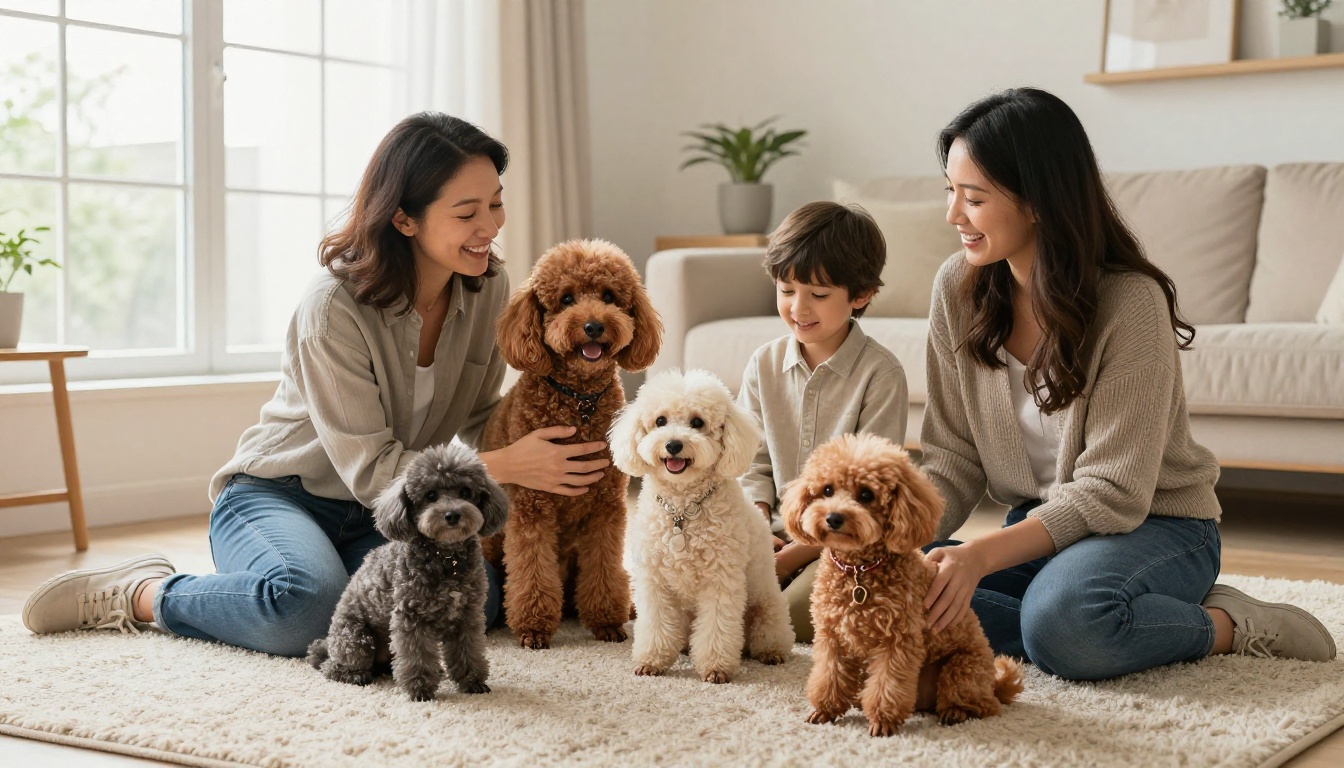
Temperament, Care, and Family Fit
Are poodles good dogs? The short answer is yes—provided you are prepared for a breed that craves more than just a quick walk around the block.
Many families find themselves asking, “Are poodles good dogs for our lifestyle?” and the answer is typically a resounding yes, as they are widely considered excellent companions.
They are intelligent, affectionate, and highly trainable, though they require consistent time, daily exercise, and regular professional grooming to truly thrive.
Beyond their keen intellect, many owners are drawn to their non-shedding coat, making them a popular choice for families concerned about pet allergies.
Because they are so people-focused, they adapt well to both calm and lively homes, as long as you meet their needs for mental and physical stimulation.
Whether you are considering the athletic Standard, the versatile Miniature, or the charming Toy, each variety offers a unique blend of personality and energy.
Ultimately, inviting a poodle into your home is a rewarding commitment that pays off in loyalty and companionship.
Keep reading to explore the temperament, health, and care points that will help you determine if a poodle is the right match for your lifestyle and expectations.
Key Takeaways
- Intelligent and Trainable: Poodles consistently rank among the smartest dog breeds, making them highly responsive to positive reinforcement and clear, consistent training.
- Active Engagement Needed: They are not “set it and forget it” pets; they require a combination of daily physical exercise and mental stimulation to prevent boredom and unwanted behaviors.
- Regular Grooming Commitment: Their non-shedding, curly coat is a significant benefit for allergy sufferers, but it necessitates frequent brushing and regular professional grooming to prevent painful matting.
- Health Awareness: Owners should be proactive about monitoring for breed-specific conditions like hip dysplasia, Addison’s disease, and, particularly in Standards, bloat.
- Lifestyle Matching: With three distinct sizes available, poodles can adapt to various living situations, provided the owner matches the energy and space needs of the specific variety.
Why poodles are often such great companions
Many potential owners find themselves wondering, “Are poodles good dogs for our household?” Poodles have a way of making life feel easier.
They read the room fast, stay close without crowding you, and usually want to be part of whatever you are doing. That mix of high intelligence, affection, and good manners is a big reason so many people ask if poodles are good dogs.
When considering the general poodle temperament, their ability to tune into their owners’ emotions makes these intuitive dogs exceptionally popular companions.
Smart dogs that learn fast
Poodles consistently rank among the most intelligent dog breeds. They usually pick up commands quickly and enjoy training sessions that feel clear, fair, and rewarding.
A cheerful “good dog” and a treat can go a long way with this breed.
That high intelligence is helpful, but it also means they need regular mental work. Without it, they can get bored and invent their own fun, which is rarely the kind you wanted.
A poodle’s brain is not a decoration. It needs something to do.
Short training sessions, scent games, and puzzle toys all help. So does sticking to a routine.
If you want a simple training approach that suits this breed, positive reinforcement for poodle training is a good place to start.
Their coat care matters too, and a steady routine is easier when you have simple home grooming tips for poodles.
Affectionate without being overly clingy
Poodles are often people-focused dogs. They like being near their family, watching what is going on, and joining in when they can.
That makes them warm, funny, and a bit comforting on a rough day.
They are not always velcro dogs, though some can be more attached than others. Most like closeness, but they still need space to settle and nap.
If left alone for long stretches, some poodles can struggle with boredom or worry, especially if they have not learned how to relax on their own.
That is where a steady routine helps again. A poodle that gets attention, exercise, and a few predictable habits usually handles home life much better.
For a quick background on the breed characteristics and history, the Wikipedia Poodle breed article is useful as a general reference.
Affectionate without being overly clingy
Poodles are often people-focused dogs. They like being near their family, watching what is going on, and joining in when they can. That makes them warm, funny, and a bit comforting on a rough day.
They are not always velcro dogs, though some can be more attached than others. Most like closeness, but they still need space to settle and nap.
If left alone for long stretches, some poodles can struggle with boredom or worry, especially if they have not learned how to relax on their own.
That is where a steady routine helps again. A poodle that gets attention, exercise, and a few predictable habits usually handles home life much better.
For a quick background on the breed characteristics and history, the Wikipedia Poodle breed article is useful as a general reference.
Good fit for many homes, with the right routine
Poodles can suit singles, couples, and families, but the day-to-day setup matters more than the household label.
They need walks, training, play, and time with their people. If you can offer that, they often settle in beautifully.
Different sizes also suit different spaces:
| Poodle size | Best fit |
|---|---|
| Standard Poodle | Active homes with more room and daily exercise |
| Miniature Poodle | Smaller homes that still offer regular walks and play |
| Toy Poodle | Compact living spaces, with gentle handling and close supervision |
The size you choose should match your lifestyle, not just your sofa.
Standards often need more physical outlet, while minis and toys may fit smaller homes more easily, as long as they still get proper attention.
If your days are busy, think about the practical side too. A poodle that gets a solid walk, some training, and a bit of company is usually a happier dog, and a nicer one to live with.
Are poodles good dogs for families, kids, and other pets?
Yes, poodles can be a very good fit for family life. As a popular family pet, they are usually bright, affectionate, and eager to please, which makes them easier to live with than many people expect.
That said, they do best in homes where people give them time, structure, and a bit of patience.
A poodle is not a set it and forget it dog. If your home is busy, noisy, and full of moving parts, that can still work, but the dog needs clear rules and regular downtime.
For a quick background on the breed, the Poodle breed profile gives a useful overview of temperament and care.
How poodles usually act around children
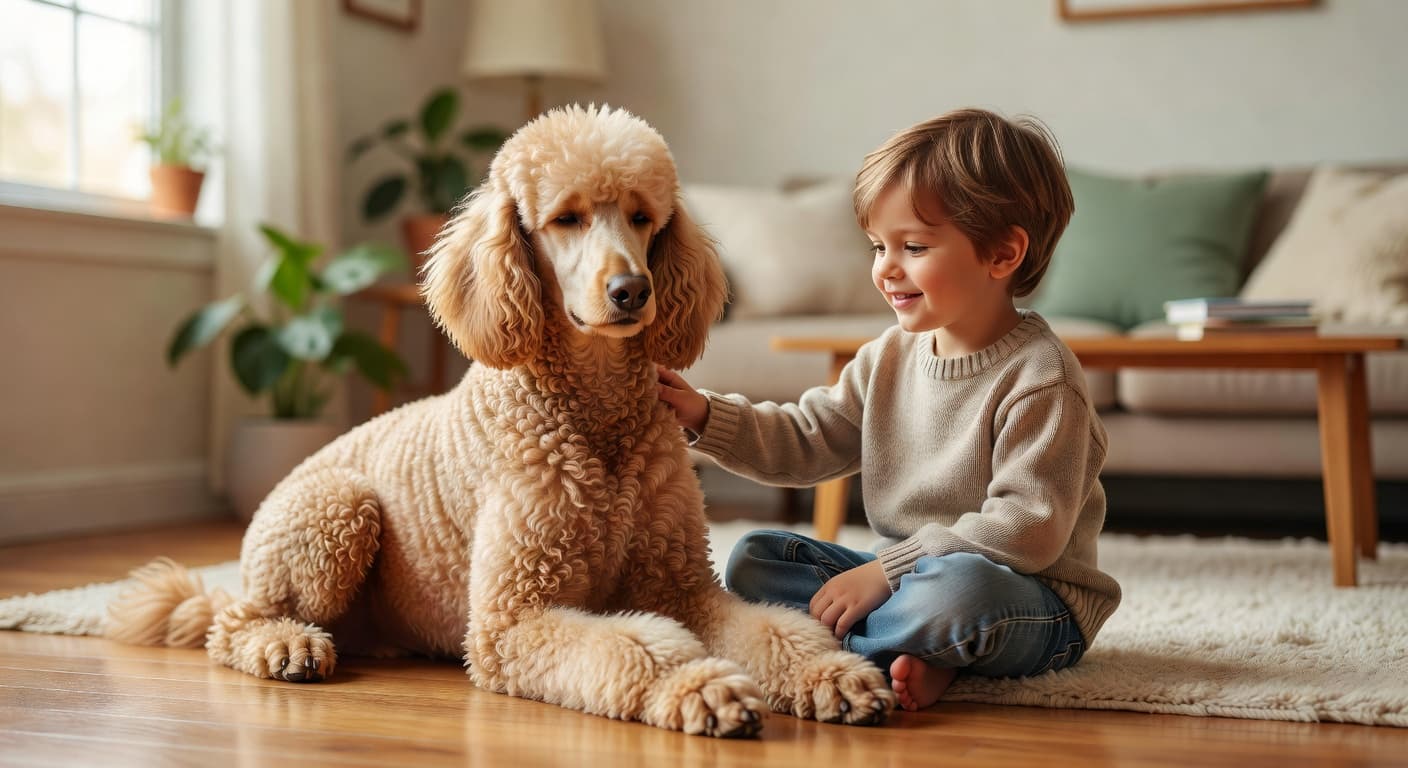
Poodles can be gentle and playful with kids, especially when they grow up around them. Many enjoy games, cuddles, and being part of family life.
As a loyal family pet, they often seem to know when to turn on the charm and when to settle down.
Even so, children still need to learn respectful handling. No ear pulling, no rough grabbing, and no climbing on the dog like a sofa cushion.
Small children and any dog need supervision, because even a patient poodle can feel pushed too far.
Larger dogs, especially a Standard Poodle, can be a better match for active families. They usually cope well with a bit more noise and physical energy.
A tiny Toy Poodle can still be a lovely family dog, but they are more fragile and can be hurt by clumsy play.
A simple rule helps here: keep play calm, then let the dog rest. That balance makes family life smoother for everyone.
Living with other dogs and pets
Poodles often get along well with other dogs when they are introduced properly. Early socialization makes a big difference, because it teaches them that other animals are normal, not a threat.
The same idea can work with cats, rabbits, and other pets, as long as the introduction is calm and gradual.
A steady routine helps too. Dogs relax faster when the day feels predictable, and that can reduce tension around food, toys, and shared spaces.
Short introductions, separate feeding at first, and clear boundaries all make life easier.
A few basics can help the process go more smoothly:
- Start slow with short, calm meetings.
- Keep leashes loose so no one feels trapped.
- Use baby gates or crates when you need space.
- Reward calm behavior around the other pet.
- Keep the routine steady so everyone knows what happens next.
When a poodle may not be the best match
Poodles can struggle in homes that are always rushed. If everyone is out all day, every day, the dog may end up bored, lonely, or noisy.
They like company, and they notice when life feels patchy or unpredictable.
They are also not the easiest choice if you want a very low-maintenance dog. Their coat needs regular grooming, and their minds need regular work.
Skip those things, and you often get a restless dog with too much time on its paws.
That does not mean a poodle will not fit. It just means the match needs to be honest. If you want a dog that is happy with a quick toilet break and not much else, this is not usually the breed for you.
If you can offer walks, training, and attention, a poodle often gives plenty back.
Homes with very young children, irregular routines, or frequent absences should think carefully.
In those cases, a calmer schedule or extra support, like regular dog walking, can make all the difference.
The care needs people should know before getting a poodle
If you are asking are poodles good dogs, the next question matters just as much; can you meet their care needs?
Poodles are brilliant companions, but they are not low-effort pets. They require daily exercise, consistent coat maintenance, and training that stays steady, not random.
Daily exercise and mental stimulation matter
A poodle needs more than a quick toilet break and a pat on the head. Consistent daily exercise, including walks and play, is essential for their well-being.
Furthermore, providing adequate mental stimulation is just as vital as physical activity. If you skip these, boredom often manifests as barking, chewing, or general mischief.
Think of it this way: a tired poodle is usually a happier poodle. That tiredness should come from both physical activity and engaging training exercises.
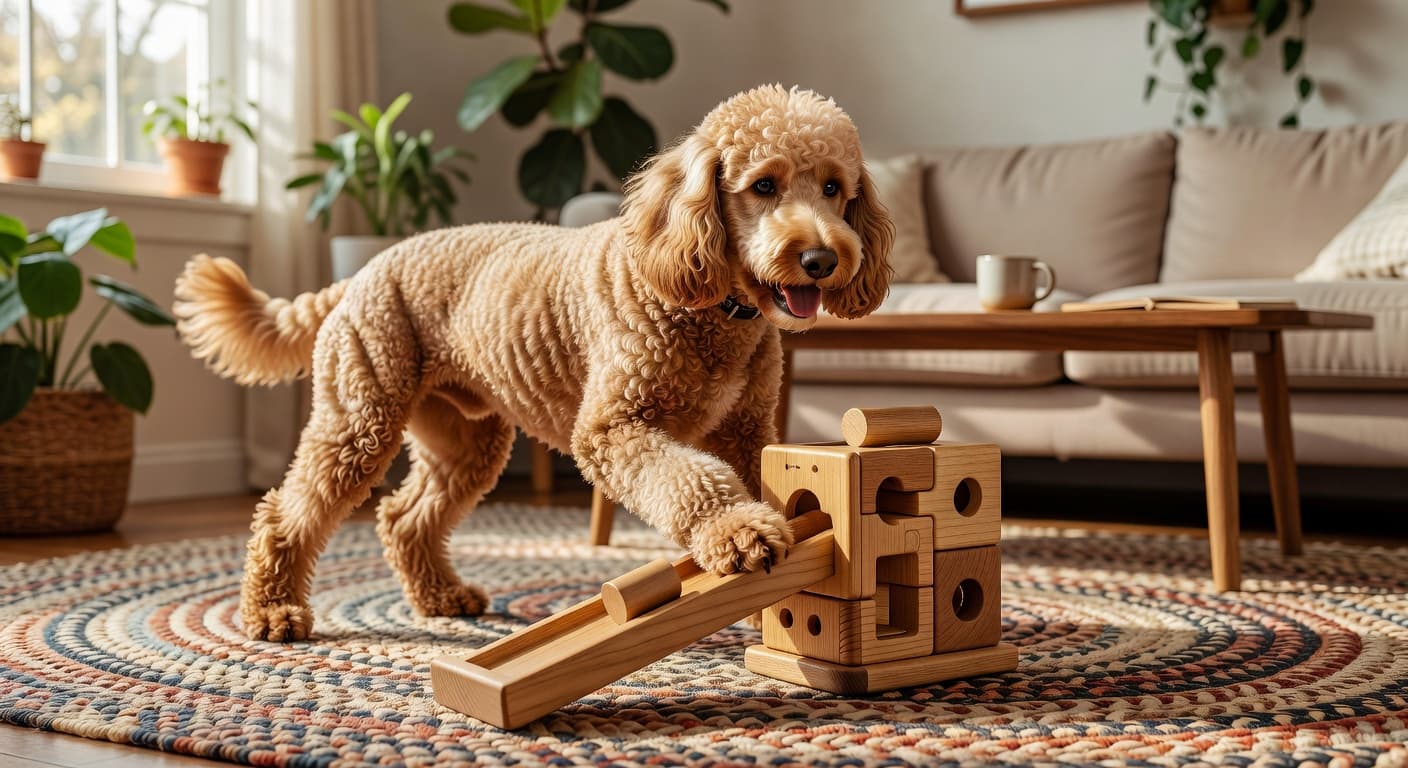
Puzzle toys, short games, and scent work are easy ways to give them a job. Even five or ten minutes of focused mental stimulation can take the edge off their restless energy.
Good options include:
- Puzzle feeders for meals
- Hide-and-seek games with treats
- Short obedience sessions in the house or garden
- Scent trails using food or a favorite toy
- Fetch and recall games in a safe space
These dogs do best when their routine feels regular, not occasional. A long walk once in a while will not replace the steady rhythm they need each day.

Grooming is not optional
Poodles have a distinctive curly coat that keeps growing. That sounds manageable until you skip brushing for a week and find mats hiding under the legs, behind the ears, and around the collar.
Their grooming needs are significant, and without a regular routine, that curly coat turns into a tangle very quickly.
Regular brushing helps prevent knots before they become painful. While home care is vital, you should also schedule regular visits with a professional groomer.
A visit to a professional groomer keeps the coat tidy, healthy, and much easier to manage between appointments.
Dirty, matted coats can pull on the skin, trap moisture, and make your dog uncomfortable.
A poodle’s coat looks soft for a reason, it needs regular work to stay that way.
If you are planning to bring a poodle home, budget for their grooming needs in the same way you plan for food and walks. It is simply a part of the breed requirements, not an extra.
Training works best with calm, steady rules
Poodles usually respond well to positive reinforcement. They thrive when given clear lessons, short sessions, and rewards they can understand.
You do not need long, intense drills; instead, you need consistency, patience, and a calm voice.
Harsh methods are a poor fit for this breed. They can knock confidence, damage trust, and make a smart dog shut down instead of learning.
A poodle that feels safe through consistent positive reinforcement will usually try much harder for you.
The best approach is simple:
- Keep sessions short.
- Reward the behavior you want.
- Use the same rules each time.
- End on a win, even if it is a small one.
That steady style matters at home and on walks. If your poodle pulls, rushes, or gets distracted, calm repetition works better than pressure.
The same goes for handling and grooming, because these dogs notice tone fast.
For owners who want a stronger foundation on walks and everyday manners, the best dog harness for large dogs can help if you are managing a bigger Standard Poodle, and Tractive GPS dog tracker advice is worth a look if you want extra peace of mind outdoors.
Poodle health problems every owner should watch for
When you understand the common health problems poodles may face, you can better protect your companion.
Poodles can live long, active lives, but their life expectancy is often tied to how well you monitor their physical well-being.
Knowing the signs early gives you a better chance of catching trouble before it snowballs.
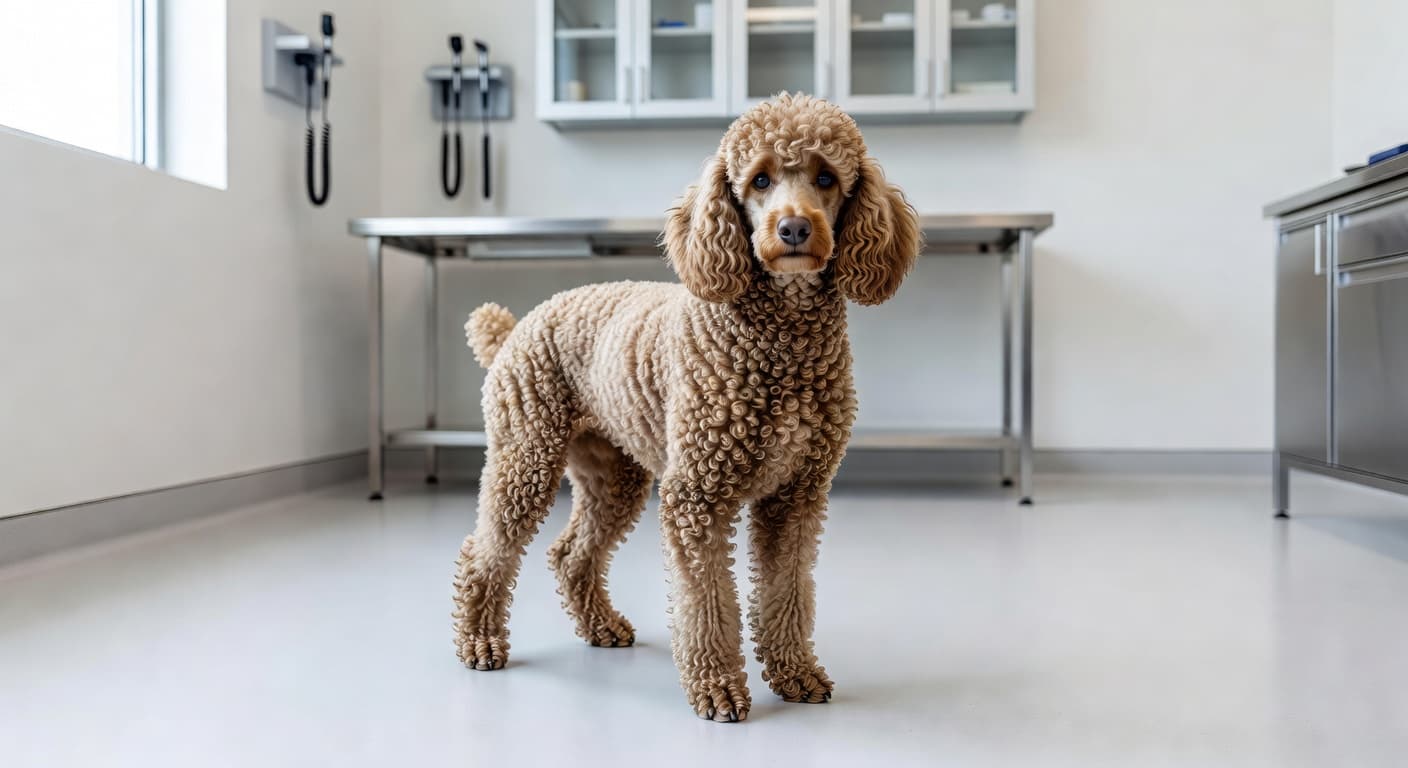
A healthy poodle is still a dog with a body that needs checking, not a machine that runs on charm alone.
The good news is that many problems show warning signs. You just need to know what to look for.
Common breed health concerns
Some poodle health issues come up more often than others.
While many are a genetic condition passed down through generations, they are not a guarantee. Every owner should know the basics.
- Hip dysplasia is when the hip joint does not fit together properly. It can lead to stiffness, pain, and trouble getting up. You might notice bunny hopping, shorter walks, or your dog lagging behind on stairs.
- Addison’s disease affects the adrenal glands and can start with vague signs. Low energy, vomiting, diarrhea, poor appetite, and shaking are all common clues. It can look like a mild tummy bug at first, which is why it gets missed. The Poodle Club of America’s health concerns page is a useful background read, and Addison’s disease in dogs can become an emergency if symptoms worsen.
- Progressive retinal atrophy (PRA) affects the eyes and slowly leads to vision loss. Dogs often bump into things in dim light first, or act unsure on evening walks. You may also see dilated pupils or a dog that startles more easily in the dark.
- Bloat in dogs is a life-threatening stomach problem where the belly twists or fills with gas. This is a particular risk for the Standard Poodle. The belly may look swollen, and your dog may retch without bringing anything up. Restlessness, drooling, and a tight abdomen mean you need a vet right away.
- Patellar luxation means the kneecap slips out of place. It can cause a sudden skip in the stride, a hop, or brief limping that comes and goes. It often looks small at first, then becomes harder to ignore.
If your poodle seems off, trust that feeling. Dogs rarely fake pain well.
You can also read more about dog eye and knee health if you want a broader breed overview. The main thing is simple: watch for changes in movement, appetite, energy, and balance.
How regular vet care helps
Routine care gives you a better chance of spotting problems early. That matters with poodles, because some issues creep in slowly and look harmless at first.
Wellness checks, vaccines, parasite prevention, and dental care all play a part. So does early screening, especially if your vet wants to monitor joints, eyes, or hormone related signs.
Regular visits can catch a small issue before it turns into a big one.
A solid vet routine usually covers:
- Annual or twice-yearly wellness checks
- Vaccines kept up to date
- Flea, tick, and worm prevention
- Dental exams and teeth cleaning
- Early screening for breed-linked concerns
Dental care matters more than many owners expect. Bad teeth can affect eating, comfort, and overall health.
A sore mouth can hide behind normal-looking behavior for weeks.
If you are trying to stay ahead of problems, consistency is the trick. One good check-up will not do the whole job.
Regular care gives your vet a clear picture of what is normal for your dog, and that makes changes easier to spot.
Food, weight, and joint health
Food and weight play a bigger role in poodle health than many people think. A balanced diet, proper portions, and steady exercise help keep joints under less strain.
Extra weight puts pressure on hips, knees, and the spine. It can also make breathing, movement, and recovery harder.
If your poodle already has joint trouble, carrying too much weight makes life tougher for both of you.
Simple habits help here:
- Measure meals instead of guessing
- Stick to a regular feeding routine
- Treats should stay small and counted
- Use walks and play to keep movement steady
- Check body shape, not just the scales
You want to feel ribs easily, but not see them sharply. Your poodle should look fit, with a waist you can notice from above.
If you are unsure, ask your vet to check body condition at a visit.
Good food supports energy too. A well-fed poodle is usually more willing to walk, train, and bounce back after busy days.
That matters, because strong muscles help support the joints that need the most protection.
Which type of poodle might suit your lifestyle best?
The best poodle for you usually comes down to one thing: your daily rhythm. A poodle that fits your home, schedule, and energy level is far easier to live with than one that only looks right on paper.
If you have long walks, open spaces, and plenty of time outdoors, a bigger dog may feel like the natural match.
If you live in a smaller home and still want a clever, affectionate companion, a smaller dog can work well too.
The key is simple: match the dog to your real life, not your wish list.
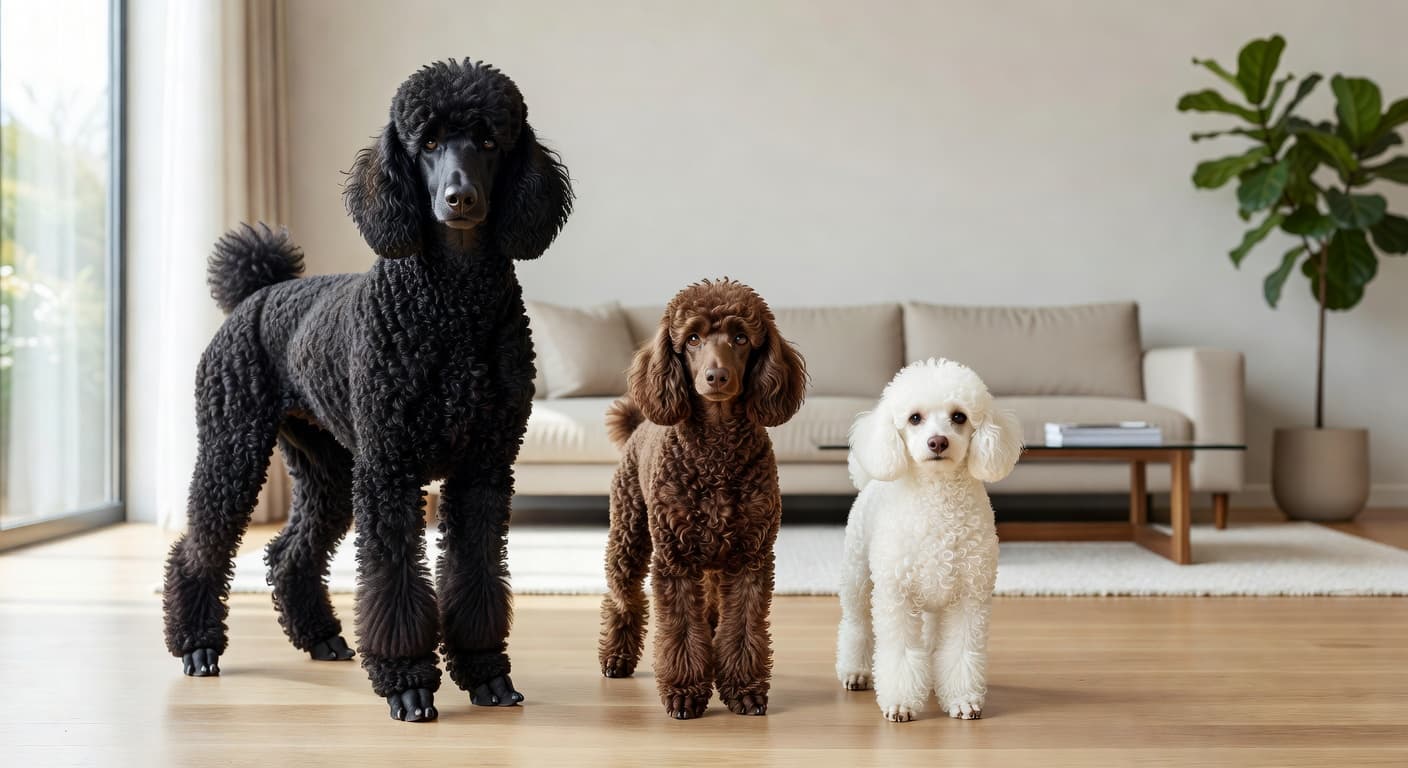
Standard poodles for active owners
A Standard Poodle is the biggest of the three sizes, and they tend to bring the strongest presence into a home.
They are elegant, but they are also substantial dogs that notice what is happening around them.
These dogs usually suit people who enjoy an active lifestyle with long walks, steady exercise, and time outside in all sorts of weather.
A Standard Poodle is often happiest when life has a bit of structure and a decent amount of movement built in.
If your idea of a good day includes muddy boots and a proper stretch of the legs, this size can be a great fit.
A Standard Poodle is not a dainty lap dog in disguise. It needs room, a purpose, and an owner who is ready to keep up.
For homes that want a bigger walking buddy, the best dog harness for large dogs can be a sensible place to start, especially if you want more control on busy roads or open paths.
Miniature and Toy poodles for smaller spaces
A Miniature Poodle or a Toy Poodle can fit well in apartments or smaller homes, but they still need proper training, exercise, and care.
Tiny size does not mean tiny needs. A small poodle may take up less floor space, but it still needs your time and attention.
Miniature poodles usually strike a useful middle ground. They are small enough for compact living, yet sturdy enough for regular walks and active play.
Toy poodles are even smaller, which can suit people who want a delicate, close companion, but they need careful handling and sensible exercise.
If you are wondering what separates the sizes, the basic pattern is clear: toy means gentler needs, miniature means moderate needs, and standard means the most activity.
The Wikipedia page on poodles gives a simple background if you want a quick breed reference before you decide.
Are poodles good dogs for beginners?
Poodles are highly intelligent and trainable, which makes them appealing to many new owners.
However, their smart nature means they require clear leadership and consistent guidance.
A bored or under-stimulated poodle can develop behavioral quirks, so beginners should be prepared to invest time in obedience training and mental enrichment to ensure their dog thrives as a well-behaved family member.
Allergy sufferers
Many people are drawn to this breed because of their hypoallergenic coat. While no dog is entirely non-allergenic, the poodle coat sheds very little, which helps reduce dander in your home environment.
This makes them a popular choice for families concerned about sensitivities, though regular maintenance is essential to keep the skin and coat healthy.
How to choose the right poodle for your home
Choosing the right poodle is less about appearance and more about honesty. Ask yourself how much time you really have for walks, grooming needs, and training.
Then think about how many dogs you can comfortably manage on a normal Tuesday, not just on a perfect weekend.
Before you decide, check these points:
- Your schedule: can you give the dog daily exercise and company?
- Your budget: can you cover food, vet care, and professional grooming?
- Your home setup: do you have enough space for the size you want?
- Your energy level: do you want a relaxed companion or an active walking partner?
- Your experience: are you ready for a smart dog that needs clear rules?
Grooming costs matter more than many people expect. Poodles need regular coat care, and that does not change with size.
Smaller dogs may eat less, but they still need brushing, clipping, and the same kind of steady attention.
If you are adopting, look at the dog’s background as well as its size. A rescue poodle may already show you a lot about temperament, confidence, and exercise habits.
If you are buying from a breeder, ask direct questions about health testing, early training, and the parents’ size and energy.
The right poodle should fit your life without making every day feel like a juggling act. If you want a calm companion for shorter walks, a Miniature or Toy may suit you best.
If you want a dog that can keep pace on long country routes, a Standard often makes more sense.
Frequently Asked Questions
Are poodles truly hypoallergenic?
While no dog is completely hypoallergenic, poodles are a top choice for allergy sufferers because they shed very little dander compared to other breeds.
Their curly coat traps hair and skin cells, but regular grooming is required to maintain this benefit and keep the coat healthy.
How much exercise does a Standard Poodle need daily?
Standard Poodles are athletic dogs that typically require at least 60 to 90 minutes of daily activity, including brisk walks and play.
They thrive when they have opportunities to run and engage in tasks that challenge both their bodies and their sharp minds.
Do poodles suffer from separation anxiety?
Because poodles are highly people-focused and social, they can struggle if left alone for long periods without company or stimulation.
Establishing a predictable routine and providing mental enrichment tools like puzzle toys can help them learn to settle comfortably while their owners are away.
Is professional grooming strictly necessary?
Yes, professional grooming is essential for poodles, as their hair grows continuously and will quickly mat if not properly maintained.
Most owners should plan for a professional clip every 4 to 8 weeks to keep the dog comfortable, clean, and free of skin irritation.
Conclusion
So, are they good pets? Yes, they can be excellent companions for the right home.
They are smart, affectionate, and full of personality, which is a lovely mix when you want a pet that truly feels like part of the family.
The catch is simple. This breed requires consistent coat maintenance, daily exercise, regular training sessions, and proactive monitoring of potential health concerns to ensure they stay happy.
They thrive with owners who provide a stable routine and plenty of engagement.
If your household can offer the necessary time, commitment, and quality care, this breed can be a brilliant companion for many years to come.
If you are still deciding, think about your daily rhythm first, then the specific needs of the animal.
Ultimately, they are a great choice when your lifestyle, available time, and dedication align with what these intelligent dogs require.