

Start Simple, Stay Calm
Border Collies are clever, energetic, and a bit too quick to spot weak spots in your routine.
If you are among the many first-time owners of this breed, border collie training for beginners works best when you keep it calm, short, and clear.
Start with simple rules, repeat them every day, and give your dog enough physical exercise before you ask for focus.
These dogs need mental stimulation as well as physical movement, so basic commands alone will not cut it, and a good reward-based training approach can make the whole process smoother.
A tired Border Collie is easier to teach, but a bored one will make its own plans.
If you want steady progress, think short sessions, steady practice, and plenty of structure, plus support from dog walking services or a professional dog walker when your days are full.
Key Takeaways
- Keep sessions short and clear: Focus on 5-10 minute training bursts to maintain your Border Collie’s interest and prevent frustration for both you and your dog.
- Prioritize mental stimulation: Physical exercise is not enough for this high-drive breed; incorporate puzzle games, scent work, and training tasks to keep their active minds satisfied.
- Embrace consistency: Use the same cues and routines every day, as these intelligent dogs learn patterns quickly and will be confused by inconsistent rules.
- Use positive reinforcement: Reward desired behaviors immediately with high-value treats or play, and avoid harsh corrections that can cause stress or reactivity.
- Build a solid foundation: Start with essential skills like sit, recall, and a settle cue to establish self-control and safety before moving on to more complex behaviors.
Why Border Collies Need a Different Training Approach
Border Collies are not your average family dog. As a highly intelligent breed, they learn fast, notice everything, and get bored just as quickly.
That mix can be brilliant in the right hands, but it can also turn messy fast if the rules keep changing.
For border collie training for beginners, the big lesson is simple: stay clear, stay calm, and stay consistent. These dogs do best when they know what happens next.
If one day jumping is ignored, the next day it gets a reaction, and the day after that it is a problem, your dog will spot the pattern before you do.
Smart, driven, and easily bored
Border Collies pick up routines in no time.
That can work in your favor when you are teaching basics during puppy training, but it can also work against you if your cues are mixed or your timing is sloppy.
They notice tiny changes in tone, posture, and routine. So if you let the dog on the sofa sometimes, but not always, you are not being flexible, you are just being confusing.
Beginners should expect a dog that learns the good stuff fast, then tests the weak spots just as fast.
A helpful way to think about it is this: a Border Collie is like a student who finishes the worksheet early and then starts rewriting the instructions.
Give them something clear to do, keep sessions short, and finish before they lose interest.
For more on the breed’s herding drive, this overview of Border Collie instincts explains why their behavior is so tied to movement and control.
How herding instincts show up at home
The herding instinct does not switch off at the front door. At home, it can look like chasing feet, nipping at heels, staring hard at children, or trying to steer other pets around the room.
Some dogs also circle, block doorways, or react to every bit of movement as if it were a job.
That does not mean your dog is being rude. It means the herding instinct is there, and training needs to redirect it instead of fighting it.
You want to give the brain a better task, not just tell the dog to stop it and hope for the best.
A few common signs show up again and again:
- Chasing movement: bikes, cats, running kids, or even a bouncing ball can trigger it.
- Heel nipping: often a leftover herding habit, not aggression.
- Staring and stalking: the dog locks on and waits for movement.
- Control behavior: blocking, nudging, or pushing other pets around.
This is where calm redirection matters. A Border Collie usually does better when you give them a job, a cue, or a reward for choosing the right behavior.
If you need support with daily structure or dog walking services in East Cornwall, a reliable dog walker can help keep those habits steady on busy days.
Available as an instant download…

Why structure matters from day one
Border Collies relax more when life feels predictable. Routines, clear boundaries, and quiet leadership give them something solid to lean on.
Because of their high energy levels, structure prevents them from filling the gaps with unwanted behaviors.
Proper socialization is also a critical part of this early structure to ensure they grow up to be well-rounded adults.
Too much freedom too soon is a common beginner mistake. A young dog with unlimited access to the house, garden, and every exciting sound outside will start practicing the wrong things.
Once those habits settle in, they take more time to fix.
Start with simple routines:
- Keep feeding, toilet breaks, and walks on a rough schedule.
- Use the same words for the same actions.
- Reward calm choices before excitement takes over.
- Limit off-lead freedom until recall is reliable.
- Build in rest as well as activity.
If your week is already full, daily dog walks or local dog walking support can help keep training consistent.
In some cases, puppy walking services or dog exercise services are useful while you build the basics at home.
For owners searching for pet walking near me or checking dog walking rates, the right help is the one that keeps your Border Collie settled, not wound up.
A calm, steady routine gives this breed the best start. Keep the rules simple, repeat them often, and do not hand over too much freedom before your dog has earned it.
Set Up the Right Training Basics Before You Begin
Before you ask for sits, stays, or recall, get the setup right. Border Collies learn fast, but they also notice everything, including your tone, your timing, and whether the room feels busy or calm.
A good start makes training sessions feel simple. You want the dog focused on you, not the cat, the window, or the sound of bins outside.
That is why the first training sessions should feel boring in the best way.
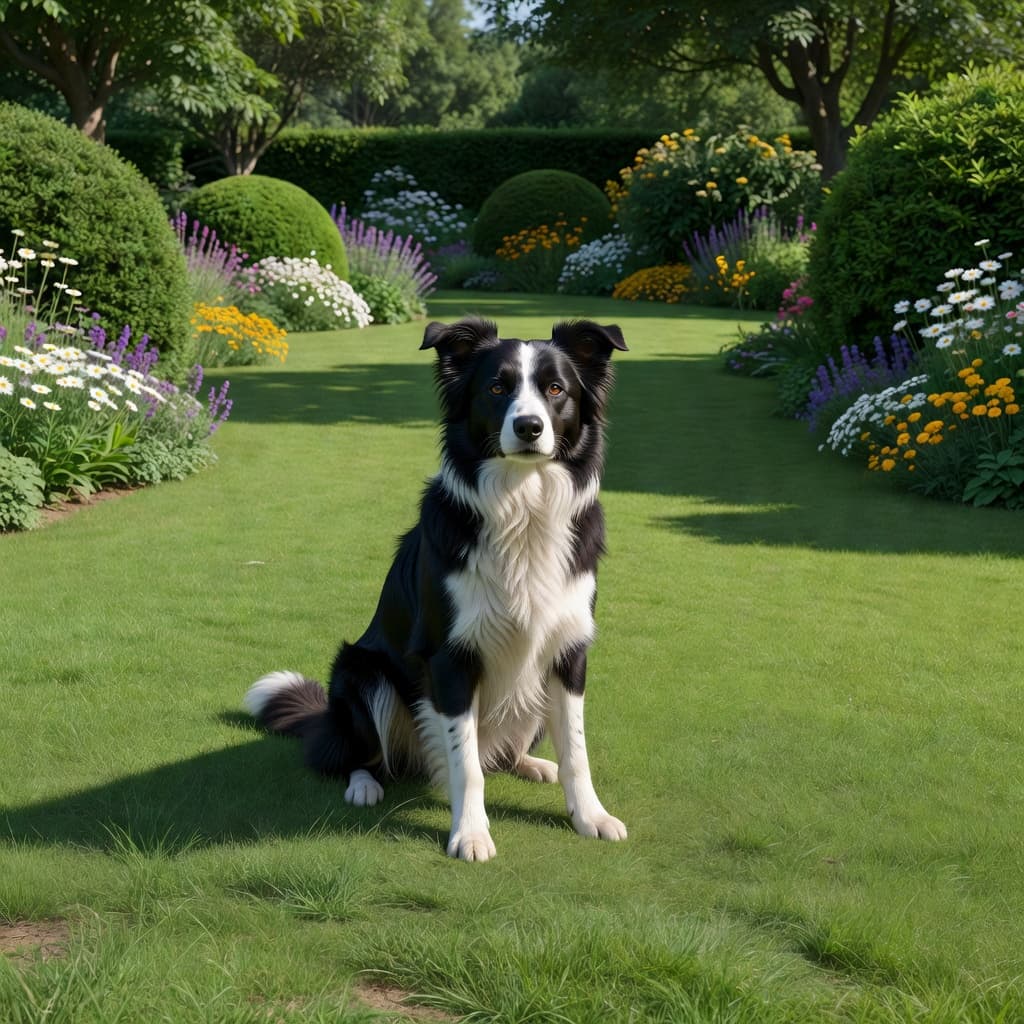
What you need for your first sessions
Keep it plain and practical. You do not need a bag full of gadgets, and you do not need a big open space either.
Start with these basics:
- Small, soft treats that your dog can eat fast
- A front-clip harness for steady, gentle control
- A normal leash with enough length to move comfortably
- A quiet area with few distractions
- Water for breaks between short sessions
- Crate training tools, which provide a helpful, calm space for your dog to settle after work
A front-clip harness is often easier for beginners than a collar alone, especially if your dog pulls or gets excited quickly.
If you are choosing gear for walks and training, common dog walking mistakes and simple fixes can help you avoid the usual slip-ups before they start.
If your Border Collie is looking everywhere except at you, the space is too exciting.
For early sessions, think of a calm kitchen, a quiet hallway, or a fenced garden at a quiet time of day.
That same idea helps with daily dog walks too, because a calmer route is easier to learn from than a busy one.
Always remember that incorporating enough physical exercise before you begin will help your dog focus on these new training techniques.
Choose rewards your dog actually wants
Not every reward works the same way. Food, praise, and play all have their place, but Border Collies often work best for fast, high-value treats at the start of your reward system.
Food rewards are easy to time well. A tiny bit of chicken, cheese, or another favorite treat gives clear feedback.
Praise is useful too, but many Collies do not find it exciting enough on its own when they are learning something new.
Play can be powerful, especially if your dog loves a quick chase or tug session. Short games are great for motivation, and tug toys can turn a few minutes of practice into a fun reward.
For some dogs, that works better than a pocket full of treats.
If you ever use dog walking services or a professional dog walker, tell them what reward your dog likes most.
That makes it easier to support the same habits during local dog walking, dog exercise services, or even puppy walking services.
It also helps when you are comparing dog walking rates and deciding what kind of support you need.
Keep training short and upbeat
Short sessions beat long ones every time. Five to 10 minutes is plenty for a beginner Border Collie, especially when you are teaching in a new home routine.
Long sessions can turn messy fast. The dog gets tired, the focus drops, and both of you start repeating yourself. That is when frustration creeps in, and training stops feeling clean.
End while your dog is still doing well. One good recall, one neat sit, or one calm hand touch is enough. That final win tells your dog, “I got this,” which is exactly the mood you want to build.
A Border Collie that finishes on success is more likely to come back ready next time.
That matters whether you are training at home, working with a reliable dog walker, or checking pet walking near me options in East Cornwall.
For a bit of background on the breed’s wider working history, the Border Collie entry on Wikipedia gives useful context on why these dogs are so quick to learn.
The First Skills Every Beginner Should Teach
When you start border collie training for beginners, keep the first basic commands useful and plain.
You want skills that help at home, on walks, and in busy moments when your dog’s brain is buzzing.
That is why the best first basic commands are the ones that build control, safety, and self-restraint. If your dog learns those early, everything else gets easier.
Start with sit, come, and leave it
These three actions pull a lot of weight for such simple words. Sit helps your Border Collie settle and gives you a clean reset when excitement climbs.
Come acts as a vital recall command to keep your dog safe and gives you a stronger hold before distractions take over.
Leave it teaches impulse control, which is huge for a breed that wants to notice, chase, and grab everything.
You do not need to teach the Ten Commands at once.
That usually leads to confusion, and confusion makes smart dogs invent their own rules. Start with these basics, reward the good choices fast, and keep the tone light.
A simple order works well:
- Sit for control and calm.
- Come as a reliable recall command for safety.
- Leave it for manners and self-control.
A Border Collie that can pause is easier to guide than one that reacts first.
If you want a deeper look at early training, these dog training secrets fit nicely with a simple beginner routine.
Teach loose leash walking early
Leash manners matter a lot with a dog that wants to move at full speed. A Border Collie that pulls on day one can turn every walk into a tug-of-war.
That is no fun for you, and it teaches the dog that pulling gets them where they want to go.
Effective leash walking is easier to build than to fix later. Reward calm steps beside you, stop when the leash tightens, then move again when the leash relaxes.
That clear pattern teaches your dog that calm leash walking keeps the adventure going.
This matters on daily dog walks, whether you handle them yourself or use dog walking services with a professional dog walker.
Good habits are easier to keep when everyone follows the same rules. If your week gets hectic, a reliable dog walker can help reinforce those habits during local dog walking routes, and that support often beats trying to repair pulling months later.
For owners comparing dog walking rates or looking at dog exercise services, calm lead work should be part of the picture.
If you are searching for pet walking near me in East Cornwall, ask how leash manners are handled before booking group dog walks or puppy walking services.
Add a settle cue so your dog can relax
Border Collies need to learn how to rest, not just how to work. That is where a settle cue comes in. It tells your dog that quiet time has value too.
Whether you are focused on puppy training or working with an adult, the goal is to help your dog settle in the house.
You can start with a mat, a bed, or a spot near your feet. Reward your dog for lying down calmly, staying quiet, and choosing to stay put.
Keep it easy at first. If your dog can relax for a minute on a mat, that is a real win.
A settle cue helps in the house, after walks, and when visitors arrive.
It also gives your dog a clear off-switch, which many beginners forget to teach. Without one, an alert Border Collie can keep running on excitement long after the fun should have stopped.
If you want extra support with structure and routine, a professional dog walker or reliable dog walker can help keep those calm habits going during daily dog walks.
That kind of steady support matters when you are building confidence and looking for dog walking services that fit your dog’s pace.
For more background on the breed’s instincts and training style, the Border Collie article on Wikipedia gives useful context on why these dogs pick up habits so fast.
How to Use Positive Reinforcement the Right Way
Positive reinforcement is simple when you strip it back. You reward the behavior you want, and your Border Collie learns that good choices pay off.
That is the heart of border collie training for beginners, and it works best when you keep your timing sharp and your expectations clear.
By focusing on positive reinforcement, you foster a cooperative relationship where your dog is eager to engage during your daily training sessions.
This breed does not need harsh handling. It needs clean feedback, steady routines, and rewards that land at the right moment. If you get that part right, training feels calmer for both of you.
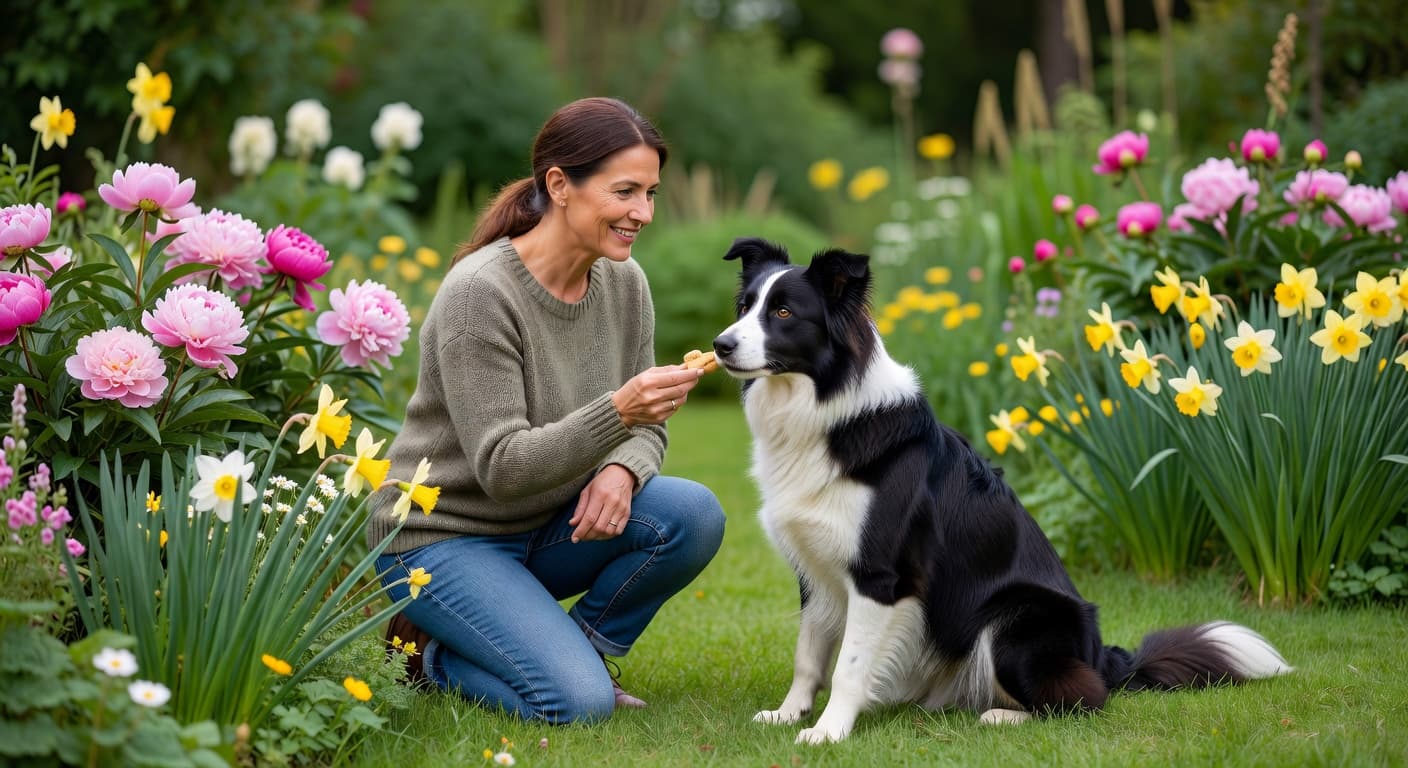
Reward the behavior you want, fast
The reward has to come right after the good behavior. Not later, not after a chat, and not once your dog has already moved on to something else.
A Border Collie learns by linking the reward to the last thing it did. Having a clear reward system in place prevents confusion and ensures your dog understands exactly which action earned the praise.
So, if your dog sits, pay fast. If it comes when called, reward fast. If it settles on its mat, reward fast. That tiny gap matters more than most beginners think.
A simple pattern works best:
- Your dog does the right thing.
- You mark it with a word like “yes” or a click.
- You give the treat, praise, or play right away.
That quick response keeps the lesson clean. Positive reinforcement training basics explain the same idea clearly, and it lines up well with recall practice too.
If you want a solid recall to build on, this recall training guide fits neatly with a reward-first approach.
A Border Collie is quick on the uptake, so use that speed. Reward the moment the good choice happens, and repeat it often.
Why punishment often backfires
Harsh corrections can make training harder, not easier. They can create fear, confusion, or a dog that starts avoiding you. That is a poor trade for a smart, sensitive breed.
A Border Collie that feels stressed often stops thinking clearly. Some dogs shut down. Others get noisier, faster, or more frantic. None of that helps you teach a calm sit or a reliable recall.
Punishment often fails because it does not teach your dog what to do instead. Furthermore, it rarely addresses the root cause of behavioral problems, which usually stem from boredom, lack of direction, or excess energy.
Training should show the dog how to succeed rather than focusing on correcting failures.
If your dog is unsure, more pressure usually gives you more mess.
For many Border Collies, a better reward on a calmer schedule works far better than a correction.
Even a short game with tug toys can be a useful outlet when your dog needs movement and focus together.
That mix of exercise and reward keeps the training positive without turning it wild.
Use consistency with words and routines
Mixed messages slow everything down. If one person says “down” and another says “lie,” your dog has to guess. If sit means “sit” some days and “park yourself if you feel like it” on others, progress stalls.
Keep the same cue words, hand signals, and house rules every time. That includes walks, doors, food, and greetings.
Border Collies do best when the pattern stays the same. Consistency is the key to maintaining progress, as it helps your dog understand expectations in every environment.
Consistency also helps if you use dog walking services or a professional dog walker. Tell them the same cues you use at home, so your dog hears one clear message.
That matters for daily dog walks, local dog walking, and even puppy walking services if you are still at the early stage.
A few habits make life easier:
- Use one cue word for each skill.
- Reward the same behavior the same way.
- Keep rules steady at home and on walks.
- Ask everyone in the house to follow the same system.
That kind of routine is also useful when comparing dog walking rates or choosing a reliable dog walker in East Cornwall.
The best support is the kind that keeps your dog learning the same lesson, wherever the walk happens.
For a wider look at why rewards work so well, the Kennel Club’s positive training advice gives a clear explanation of timing and repetition.
Give Your Border Collie Enough Exercise and Mental Stimulation
A Border Collie with a busy body but an empty mind will still make trouble. A long run helps, but it does not solve boredom on its own.
This breed needs a mix of movement, mental stimulation, and calm repetition, or the energy just spills into barking, pacing, and pestering.
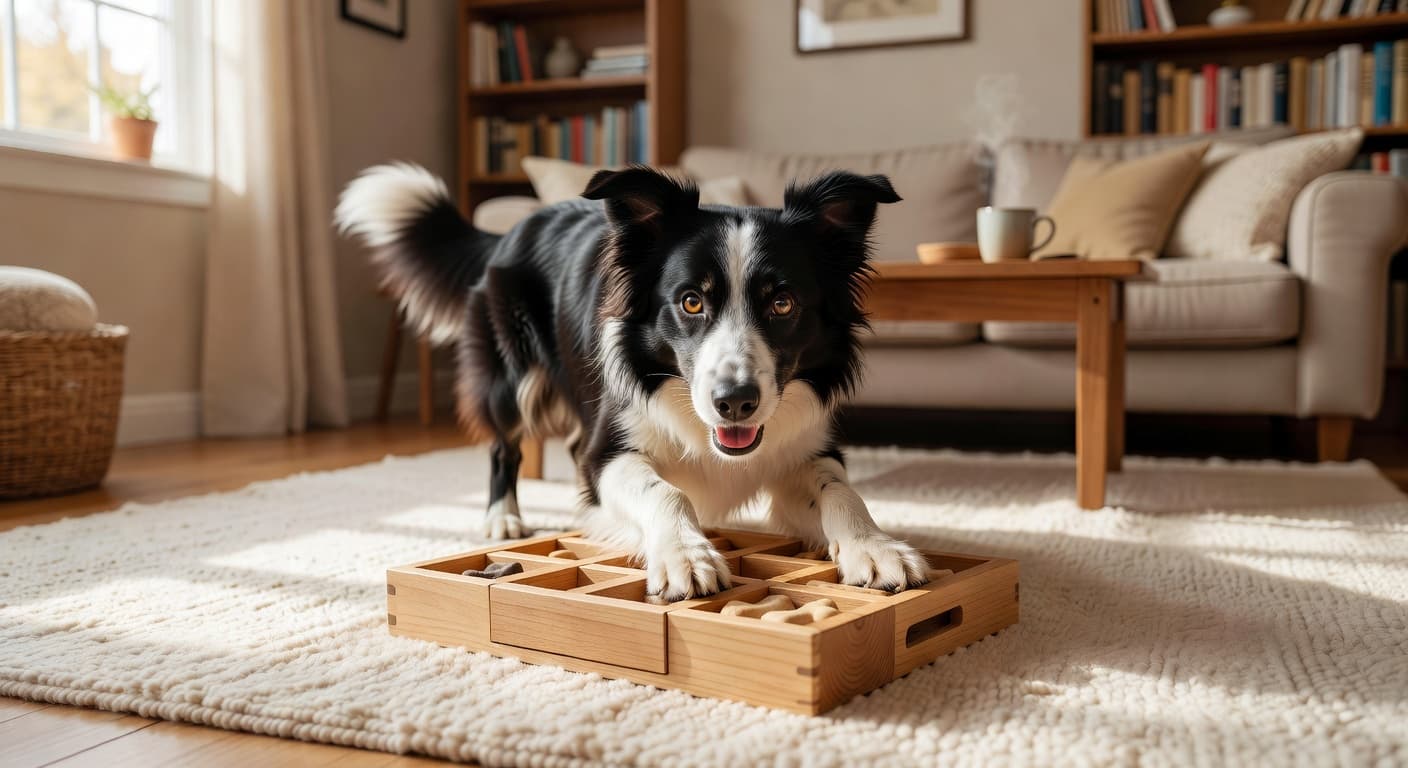
> If your dog only gets physical exercise, you may still have a bored Border Collie on your hands.
Why a busy body is not enough
Running hard is useful, but it only takes you so far. A Border Collie can chase balls, sprint around a field, and still come home ready to invent new mischief.
Mental stimulation tires the brain in a different way, and that can be just as draining as physical exercise.
That is why border collie training for beginners should never be only about burning energy. Add short training sessions, simple cues, and problem-solving games.
A dog that has to think, wait, sniff, and choose is usually calmer than one that only runs.
The breed’s background as a working dog explains a lot of this. Border Collies were bred to watch, react, and control movement, so their brains stay switched on.
For a quick background on that history, the Border Collie breed profile gives useful context.
Simple enrichment ideas that work well
You do not need fancy gear to start. At home, keep things easy and repeatable. That makes the games fun instead of frustrating.
Try a few of these:
- Puzzle feeders: use them for part of a meal so your dog has to work for the food.
- Sniff walks: let your dog stop, smell, and explore at a slow pace.
- Hide and seek: hide yourself or a treat, then let your dog search.
- Short training games: practice sit, touch, or recall for a few minutes.
- Tug play: a quick round with tug toys can provide mental stimulation and a nice physical lift.
Start small. Ten minutes of focused enrichment often does more good than an hour of wild, messy play. For beginners, that is usually the sweet spot.
If you want more ideas that fit a busy home routine, enrichment for Border Collies is a handy place to compare simple self-calming activities like sniffing, licking, and chewing.
Available on our eBook Guide Store
How to spot signs of under-stimulation
An under-stimulated Border Collie rarely looks sleepy and peaceful. More often, the dog exhibits high energy levels that can lead to behavioral problems like nipping or pacing.
Pacing, barking, and constant attention-seeking are common signs.
Look for these clues:
- Pacing or restlessness when nothing much is happening
- Barking or whining for no clear reason
- Nipping or herding people, feet, or other pets, which often stems from their natural herding instinct
- Zooming after short bursts of pent-up energy
- Mischief like stealing items, chewing, or digging
- Neediness such as pawing, nudging, or following you room to room
These signs usually mean the dog needs more structure, not more punishment. More rules, more routine, and more useful work often help far more than a sharp voice. That is true at home and during daily dog walks, where a calm, thoughtful route can do more than a frantic lap around the block.
If your week is packed, dog walking services, a professional dog walker, or a reliable dog walker can help keep that balance steady.
For some dogs, local dog walking, dog exercise services, or even group dog walks add the right amount of movement without turning every outing into chaos.
If you are searching pet walking near me in East Cornwall, the goal is simple: a dog that comes back used, not wound up.
Avoid the Most Common Beginner Mistakes
Border Collie training gets easier when you stop trying to do everything at once. Most early problems come from timing, consistency, and reading too much into excitement.
A dog that looks busy is not always learning, and a dog that misses a lesson once will not suddenly remember it next week.
Keep the work simple. Keep the tone calm. That is how border collie training for beginners starts to make sense.
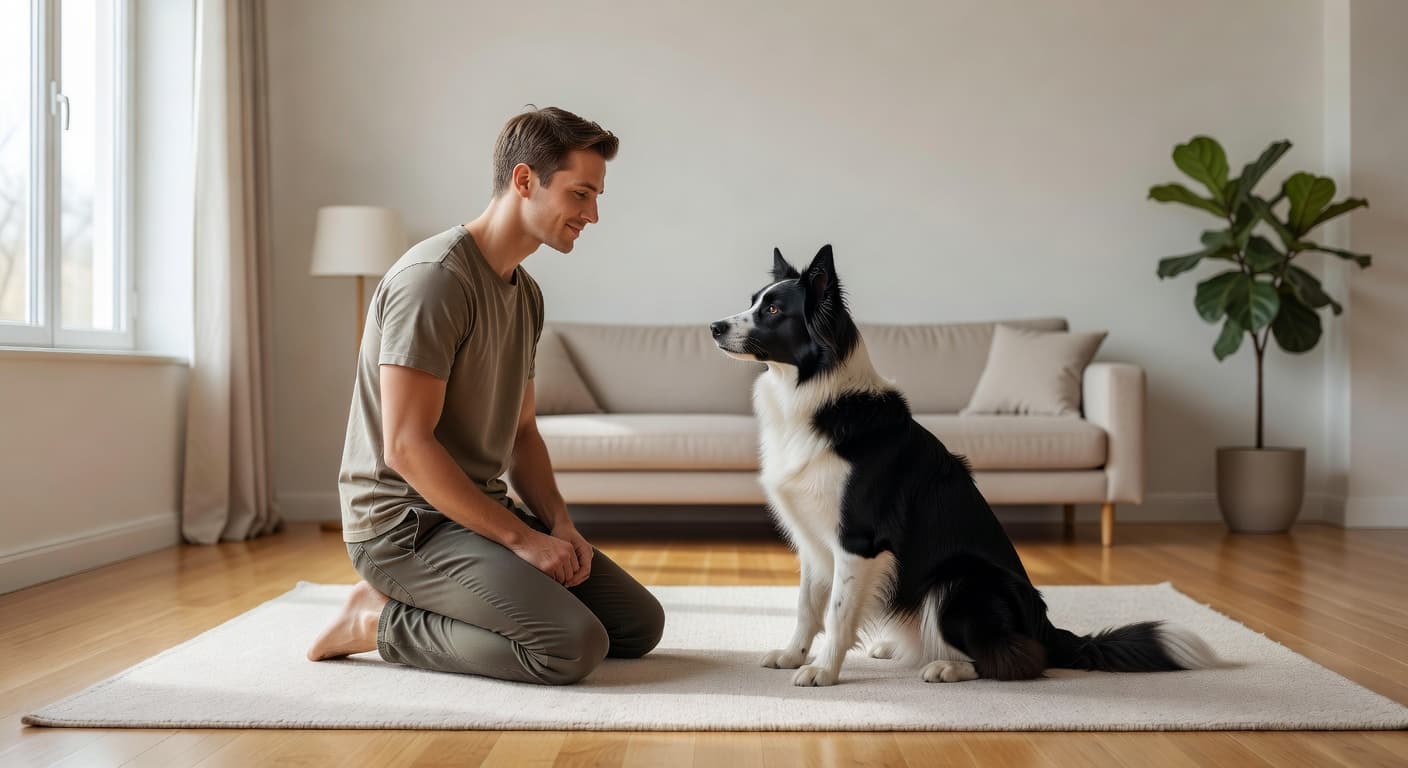
Do not train only when you feel like it
Skipping days slows everything down. Dogs learn through repetition, and Border Collies are quick to spot gaps in the routine.
If you practice for three days, then vanish for four, your dog has to keep re-learning the same lesson.
Short daily sessions work better than random bursts of effort. Five minutes after breakfast, a few minutes before a walk, or one calm practice in the evening can do more than a big weekend session.
That steady rhythm helps the behavior stick.
If you want to stay on track, make training part of the day, not a special event. A reliable schedule is easier for you and clearer for your dog.
The American Kennel Club’s advice on common training mistakes backs up the same idea, consistency beats guesswork every time.
Do not wait until bad habits are big
It is much easier to stop a small habit than fix a big one. During puppy training, it is essential to address issues like jumping or leash pulling early, as this intelligent breed is quick to learn both good and bad patterns.
If you notice the first signs of behavioral problems, act immediately. Pause the game, reset the dog, and reward the behavior you want instead. That calm correction is far kinder than waiting until the habit is hardwired.
Early work matters on daily dog walks too. Proper socialization is key here, and mistakes often happen when owners let their dog rush toward every distraction without guidance.
A professional dog walker or reliable dog walker who follows your rules can help stop problems from growing.
If you are searching for pet walking near me, ask how they handle young dogs before the habit gets out of hand.
Do not confuse excitement with progress
Busy does not always mean better. A Border Collie can spin, bark, sit, and bounce, all in one minute, without learning much at all.
Real progress looks calmer than that.
Look for small wins instead. A quicker sit, a shorter pause before recall, or a looser lead on the same street all count.
Those quiet changes matter more than hype.
A good rule is simple: reward focus, not chaos. If your dog works well for a few minutes, stop there.
End on a clean win, then give rest. That keeps training sharp and keeps frustration low.
A calm Border Collie often learns more in five focused minutes than in fifteen excited ones.
When your dog needs an outlet, use short brain work, not endless frenzy. A quick sniff game or a few minutes with tug toys can help, as long as the session stays controlled.
That balance of movement and calm is what keeps dog exercise services, local dog walking, and group dog walks useful rather than over-stimulating.
For owners juggling work and home life in East Cornwall, the goal is simple: keep the lessons clear, the sessions short, and the energy level sensible.
That is how steady habits take hold.
Frequently Asked Questions
How much exercise does a Border Collie really need?
While physical exercise is important, Border Collies require a significant amount of mental engagement to remain balanced.
Aim for a mix of brisk walks and daily training or enrichment activities, as a purely physical workout often leaves their brain bored and looking for trouble.
Can I train a Border Collie in an apartment?
Yes, it is possible if you are committed to providing enough structure and mental stimulation throughout the day.
The environment matters less than the consistency of your routine and your ability to offer the dog a clear, calm place to rest indoors.
Why is my Border Collie nipping at my heels?
Nipping is a natural expression of their herding instinct rather than an act of aggression.
You can manage this by teaching them an alternative task or redirecting their focus when they start to exhibit this behavior during play or walks.
How long does it take for training to show results?
Because they are highly intelligent, Border Collies can learn new commands very quickly, often in just a few repetitions.
However, the true challenge lies in proofing those behaviors across different environments, so expect to practice consistently over several weeks to build reliable habits.
Conclusion
Mastering Border Collie training for beginners is a rewarding journey that relies on two simple pillars: consistency and positive reinforcement.
By keeping your sessions short and your rewards high-value, you build a foundation of trust and clear communication. Remember that success comes from repetition, so practice essential skills like sit, come, and settle until they become second nature for your dog.
Beyond basic commands, remember that a happy dog requires a balance of daily physical exercise and consistent mental stimulation.
Providing this structure gives your intelligent partner the job they crave while preventing the unwanted behaviors that often stem from boredom.
With a bit of patience and a commitment to your routine, you can guide your dog toward becoming a calm, well-behaved companion.
If you are ready to take the next step in your journey, remember that even small, daily habits make a significant difference over time.
Consistent effort today will save you stress in the future, and having a clear plan makes the process much more enjoyable for both of you.
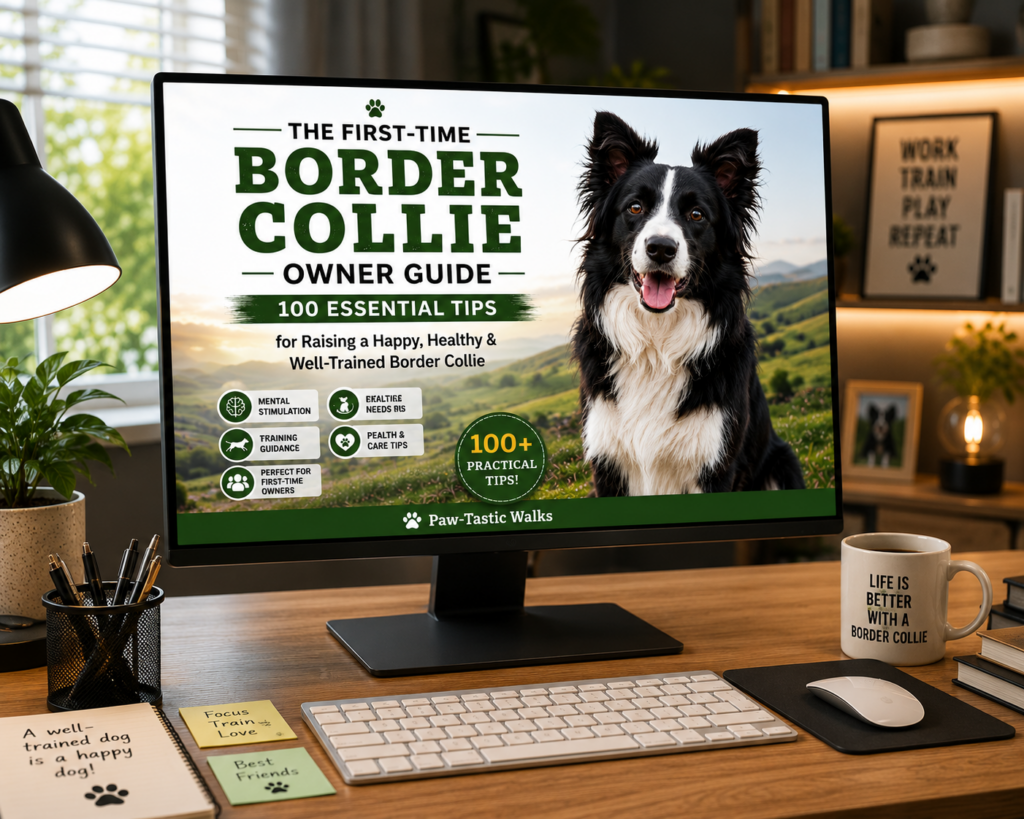
You can also get our comprehensive ebook here for a more guided way to begin your training.
The First-Time Border Collie Owner Guide:
100 Essential Tips for Raising a Happy, Healthy & Well-Trained Border Collie
(Instant PDF Download)
£6.97