
Daily Care Guide
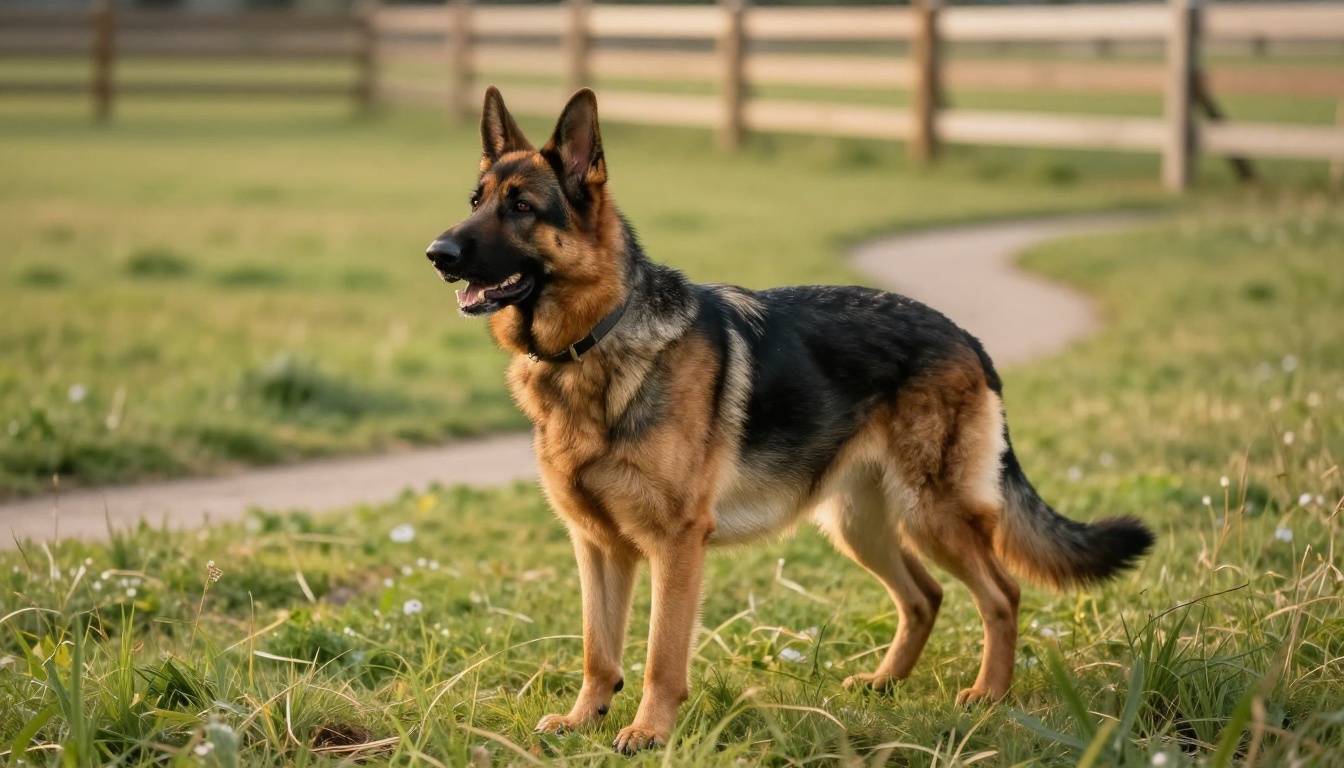
German Shepherds are highly intelligent working dogs, but they are not low-maintenance pets.
If you are figuring out how to take care of German Shepherds, the short answer is simple; they need daily exercise, steady training, social time, high-quality nutrition, and regular grooming.
Skip those basics, and you will notice the effects at home very quickly. Keep up with them, and you will usually have a calm, loyal German Shepherd that is far easier to live with, whether you are in town or out on the lanes.
As a popular large dog breed from the herding group, they thrive when given a clear job to do and consistent leadership.
A good routine makes all the difference, and that starts with movement, manners, and a bit of patience. If you want a broader look at dog exercise and care support in East Cornwall, this guide will help you build it step by step.
Key Takeaways
- Consistent Routine is Vital: German Shepherds thrive on predictability; maintaining a regular schedule for exercise, meals, and rest helps minimize stress and behavioral issues.
- Mental Stimulation is Essential: Beyond physical exercise, these intelligent dogs require daily mental challenges—such as training, puzzle toys, and scent games—to prevent boredom and destructive behaviors.
- Prioritize Proper Training: Early socialization and positive reinforcement-based training are crucial for raising a confident, well-behaved dog and preventing overprotectiveness.
- Proactive Health Management: Due to their predisposition for issues like joint dysplasia and bloat, owners should monitor their dog’s movement, maintain a healthy weight, and schedule regular veterinary checkups.
What German Shepherds need every day
German Shepherds do best when their day has movement, mental stimulation, and a bit of structure.
Miss those basics, and you often get a dog that paces, barks, or invents its own jobs. Give them steady care, and they usually settle into confident, calm companions.
How much exercise keeps them happy and calm?
Most German Shepherds need about 1 to 2 hours of regular exercise a day. That can be split into brisk walks, fetch, sniff breaks, and some easy backyard time.
Keeping up with this level of physical activity is key to a well-adjusted dog.
A good day might look like this:
- A morning walk to take the edge off
- A play session with fetch or tug
- A slower sniff walk later on
- A little free movement in the garden
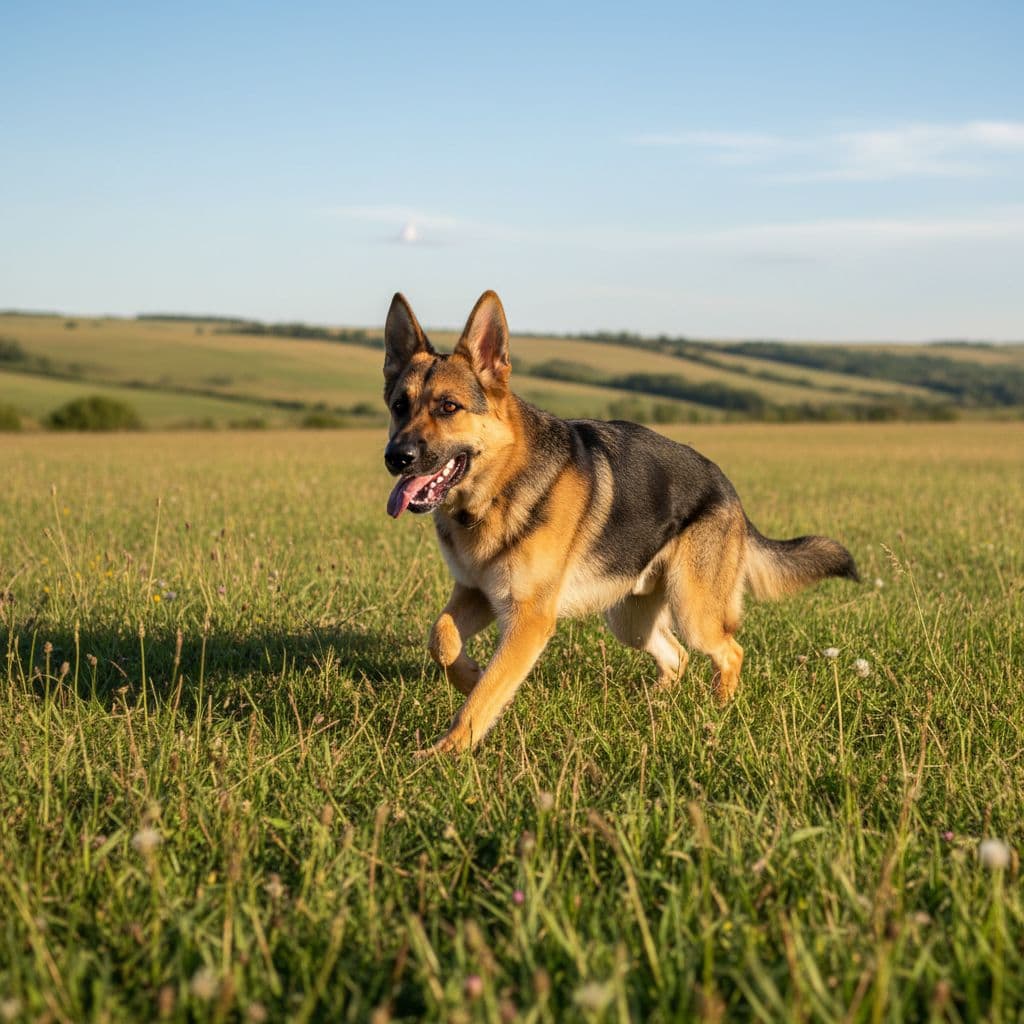
That said, pace matters. A German Shepherd puppy needs shorter bursts of play and more rest to protect developing joints.
Older dogs usually need gentler walks and fewer sudden jumps. If your dog has joint trouble, tire them out with calm walks instead of hard running.
A tired German Shepherd is good. A worn-out one is not. Watch the difference.
For a deeper look at the breed, the German Shepherd page is a useful place to start.
Why mental stimulation matters as much as walking
This breed gets bored fast. Walks help, but they do not tick every box. German Shepherds also need high-quality mental stimulation every day, or they tend to make their own entertainment.
Short training sessions work well. Five minutes is enough for most dogs. Try simple cues, new tricks, or a quick recall practice in the garden.
Puzzle feeders and hide-and-seek games are great too, because they make the dog think before they eat.
Mental work can also calm common problem behavior. When a Shepherd gets the right challenge, you often see less chewing, less barking, and less restless pacing.
That is why mental stimulation for dogs matters so much for this breed.
A few easy ideas:
- Hide treats around one room.
- Ask for a sit, stay, or down before meals.
- Change the walking route now and then.
- Teach one new cue each week.
For extra fun, tug toys can be a brilliant way to mix play with focus.
Building a steady daily routine
German Shepherds like to know what comes next. Regular meal times, walk times, potty breaks, and rest periods help them feel safe.
They do not need a military schedule, just a pattern they can trust.
Routine also helps with house training and behavior. If you feed, walk, and settle them at roughly the same times each day, they usually relax faster.
That makes life easier for everyone, especially in a busy home.
Keep it simple and repeatable:
- Feed at the same time each day
- Offer potty breaks after sleep, meals, and play
- Plan at least one solid walk
- Build in a quiet rest time after exercise
Consistency is the trick. A German Shepherd that knows the rhythm of the day is far less likely to feel stressed, and far easier to live with.
Training that builds a well-behaved German Shepherd
A well-behaved German Shepherd does not happen by luck. It comes from steady obedience training, clear rules, and lots of repeated practice.
If you are figuring out how to take care of German Shepherds, proper instruction is one of the biggest pieces of the puzzle.
Keep it simple at first. These dogs learn fast, but they also pick up bad habits just as quickly. A calm, fair approach to obedience training works best, and it makes life easier for everyone in the house.
Start with simple commands and positive rewards
Begin with the basics: sit, stay, come, down, leash manners, and name recognition. Your German Shepherd does not need a huge lesson plan.
It needs short, clear practice that makes sense.
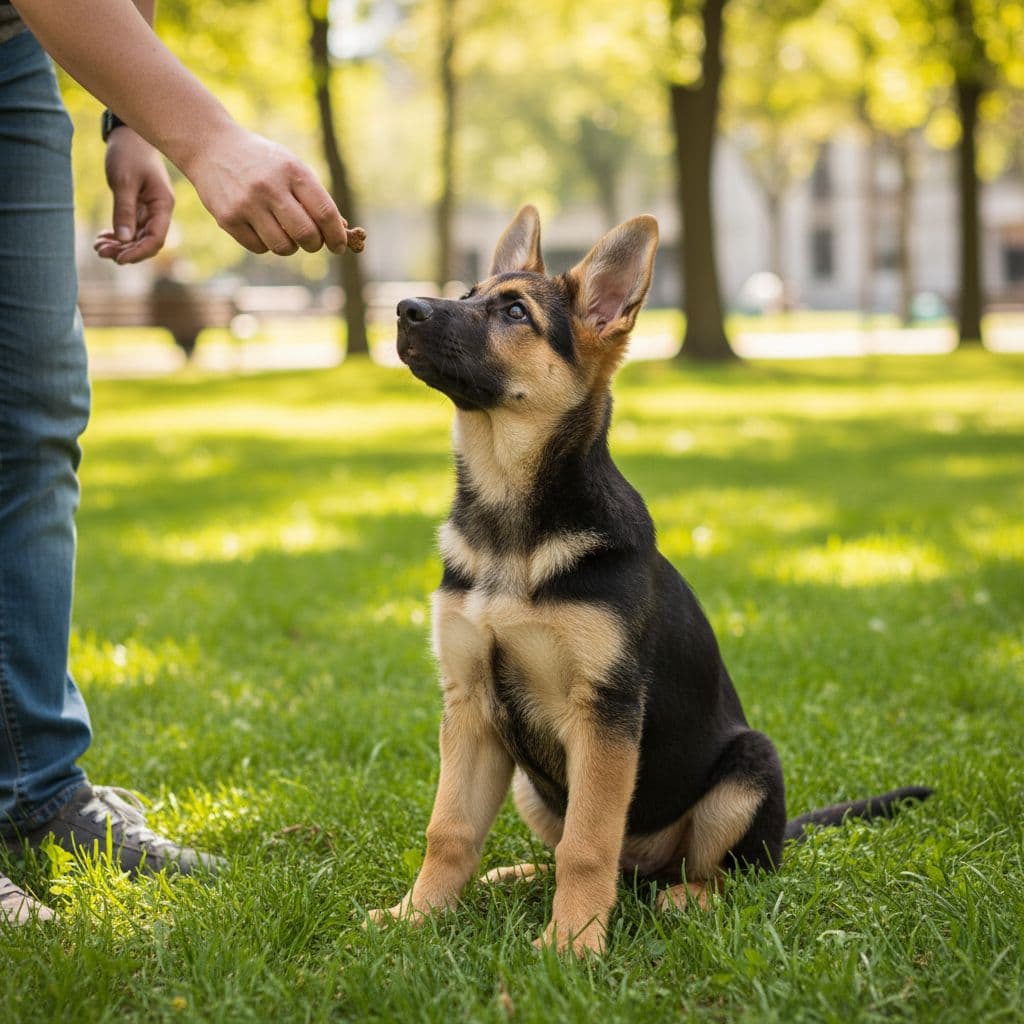
Positive reinforcement means you reward the behavior you want. That reward can be a treat, praise, or a quick bit of play.
The dog repeats what works, so timing matters for a young German Shepherd puppy. Give the reward right after the good choice, not a minute later.
Short sessions beat long ones every time, especially for puppies and busy owners. Five minutes, a few times a day, is often better than one long stretch.
If you want a deeper look at reward-based methods, this guide to positive reinforcement dog training is a useful next step.
A simple training rhythm can look like this:
- Say the dog’s name.
- Reward eye contact.
- Ask for one cue, like sit.
- Reward again.
- Stop while the dog is still interested.
That tiny win builds confidence. It also makes training feel like a game, not a chore.
For recall work, the recall training tips for dogs page can help you tighten up the come command.
Keep the first lessons easy. If your dog keeps getting it wrong, the step is too hard.
Socialization helps prevent fear and overprotectiveness
German Shepherds need early, calm exposure to the real world through consistent socialization. That means people, dogs, places, sounds, and everyday life.
Cars, bikes, visitors, children, groomers, and other dogs all matter.
The goal is not to overwhelm your German Shepherd puppy. It is to show them that the world is safe and normal.
Start small, keep sessions brief, and stop before your dog gets worried. A quiet street is better than a busy crowd on day one.
Through proper socialization, you help your dog grow into a confident adult.
A few good early experiences can help a lot:
- Let your puppy watch cars from a safe distance.
- Introduce calm visitors one at a time.
- Meet friendly, well-mannered dogs.
- Hear normal noises like vacuums, doorbells, and traffic.
- Visit new places when they are quiet and low-stress.
If you want a broader background on the breed, the German Shepherd page gives a solid overview.
Common training mistakes to avoid
The biggest mistake is being too lenient. If a rule matters today, it should still matter tomorrow. German Shepherds notice patterns fast, and they test weak spots just as quickly.
Inconsistency causes trouble, too.
If jumping is allowed on Monday and banned on Tuesday, your dog gets mixed messages. That confusion can turn into pulling, barking, or pushing boundaries at home and on walks.
Another common problem is expecting too much too soon. A puppy is not ready for perfect leash walking or long stays on day one. Build each skill in small steps, and keep the bar realistic.
Avoid punishment as your main tool. It usually makes dogs nervous, and nervous dogs make worse choices. Guidance works better. Clear rules, calm repetition, and quick rewards are the safer road.
If leash control is a daily battle, the best dog harness for large dogs article can help with gear that suits strong pullers.
And if walks feel unsafe because of other dogs, the advice on loose aggressive dogs is worth a read before you head out again.
For owners who want a practical training handout, the Paw-Tastic Walks guide is a handy extra to keep nearby.
Feeding a German Shepherd for health and energy
Food has a big job here. It needs to fuel long walks, support strong muscles, and keep your dog steady through the day.
If you are learning how to take care of German Shepherds, feeding is one of the easiest ways to make a real difference.
A good diet does not have to be complicated. It just needs to match your dog’s age, activity, and body condition, then stay consistent.
Choose food that fits their age and activity level
Puppies, adults, and senior dogs do not eat the same way. A German Shepherd puppy needs puppy food that supports rapid growth, while an older dog usually needs fewer calories and easier-to-digest meals.
Active dogs need more fuel than couch potatoes, plain and simple.
When selecting a brand, look for a statement indicating the product meets AAFCO nutrient profiles for your dog’s life stage.
A busy working dog and a laid-back family dog should not be eating the same amount of adult food.
A few smart habits help keep things on track:
- Pick food specifically formulated for your dog’s life stage.
- Watch the first ingredients, not just the front of the bag.
- Choose foods with named meat sources.
- Change diets slowly over several days, not all at once.
Sudden food changes can upset the stomach fast. Slow is better for Shepherds.
If you want a clearer idea of what a balanced German Shepherd diet looks like, this German Shepherd food guide gives a simple breakdown of protein, fat, and daily nutrition.
### Watch meal timing to help lower health risks
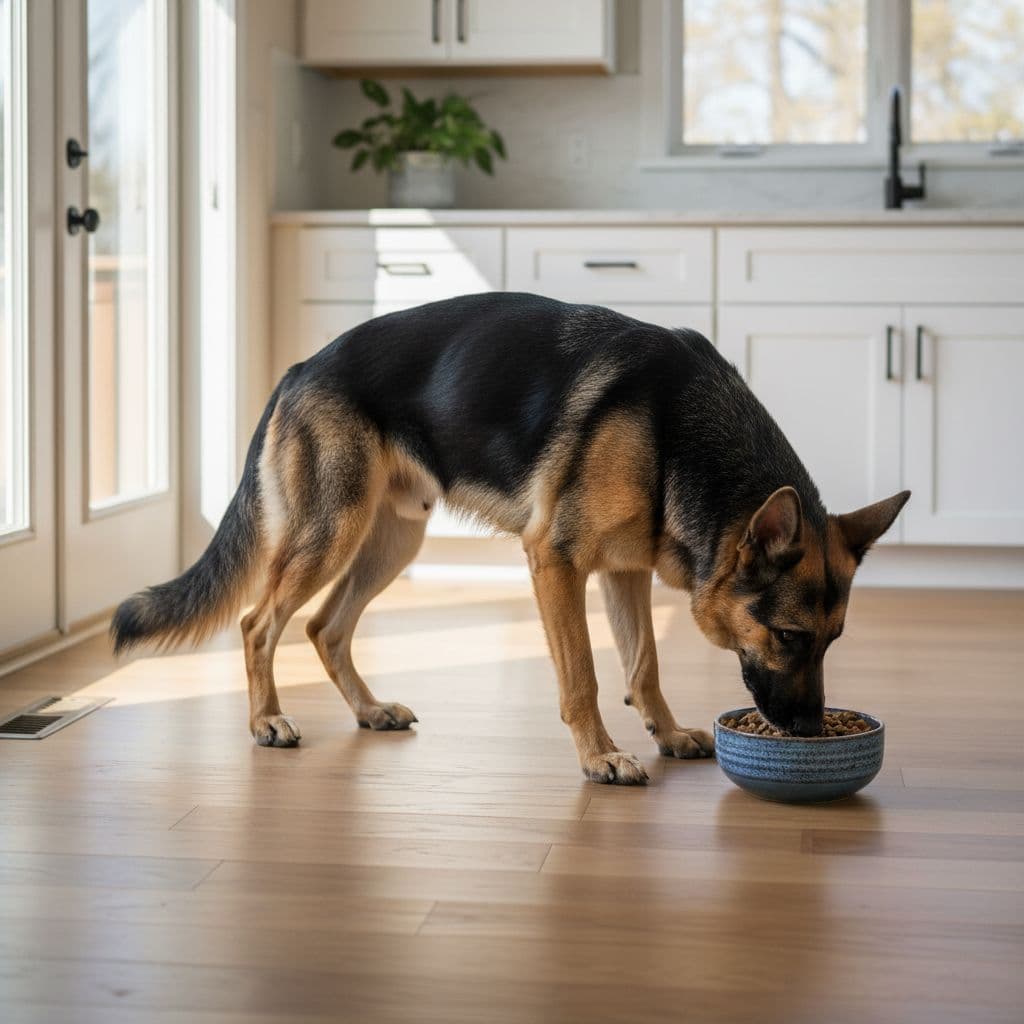
Large, deep-chested breeds are prone to bloat, formally known as Gastric Dilation-Volvulus. Because this is a life-threatening emergency, routine matters.
Hard exercise right before or after eating is a bad idea. Give your dog time to settle before play, running, or rough activity.
Additionally, be aware that German Shepherds can be genetically predisposed to exocrine pancreatic insufficiency, a condition where the pancreas cannot produce enough digestive enzymes.
If your dog has a ravenous appetite but is still losing weight or having chronic digestive issues, consult your veterinarian.
A simple rule works well; feed first, then wait before exercise. Or exercise first, then feed after your dog has cooled down.
A short potty walk after meals is usually fine, but save the zoomies for later.
Water, treats, and weight control
Fresh water should always be easy to reach. German Shepherds burn through energy fast, especially after walks, training, or in warm weather.
If your dog drinks less than usual or seems flat, check the bowl first.
Treats are useful, but they should support training, not replace meals. Keep them small, keep them healthy, and count them as part of the day’s food.
If your Shepherd gets four or five extras in one session, dinner should not stay the same.
Effective weight control matters more than many owners think. A dog that stays lean usually moves better, feels better, and ages better. That means easier walks, happier joints, and more comfort over the long haul.
If you want quick treat ideas that still fit a sensible feeding plan, these homemade pumpkin and peanut butter dog treats are a handy option for training days.
Get this great guide TODAY! At just £6.97 and instantly downloadable, it’s unbeatable value!

Grooming and coat care without the hassle
German Shepherd grooming does not need to eat up your whole afternoon. A steady routine keeps shedding under control, supports healthy skin, and makes the double coat easier to manage.
Think of it like brushing mud off boots before it dries; a little effort now saves a bigger job later.
A few simple habits make the biggest difference. If you keep them regular, coat care feels far less like a chore.
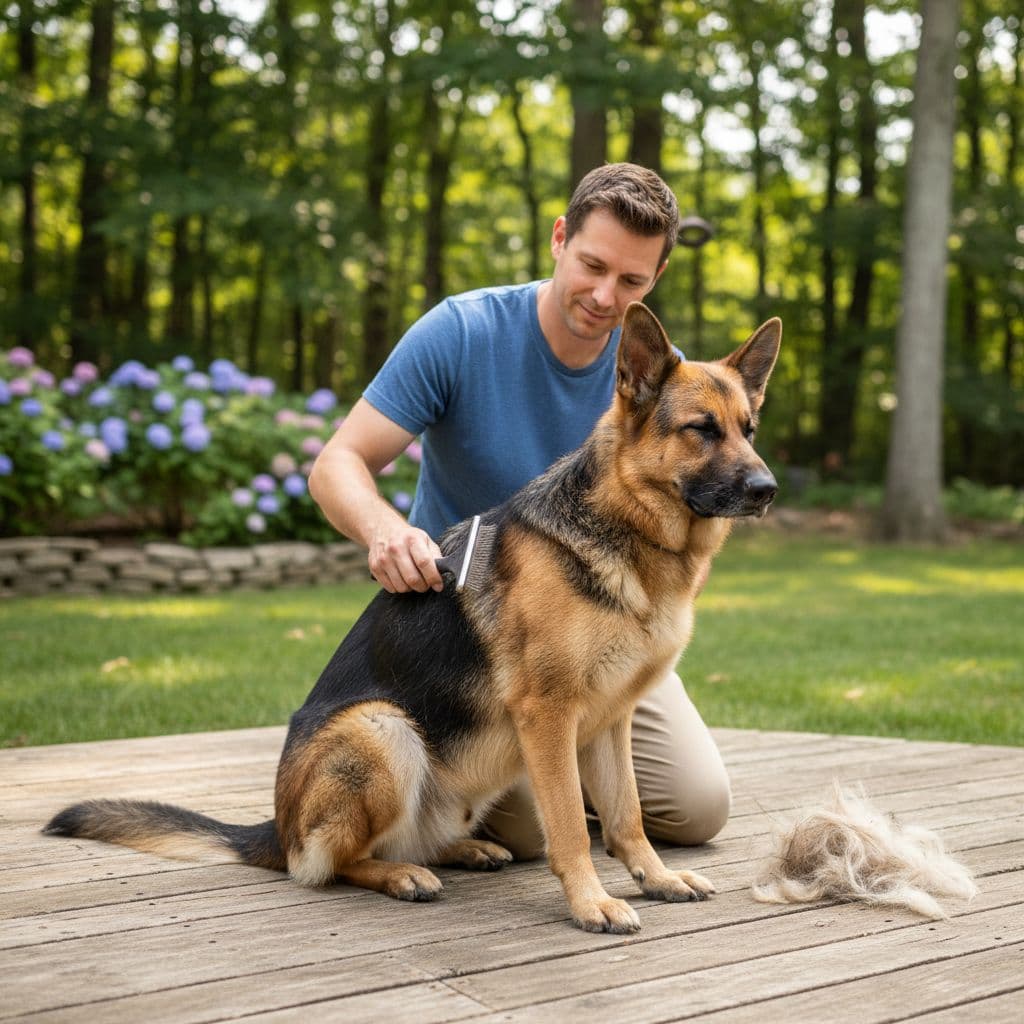
How often to brush their coat
Brushing several times a week is a good target for most German Shepherds. During periods of heavy shedding, brush more often, even daily if you can.
That helps lift loose hair before it lands on your sofa, your car seats, and your floors.
Regular grooming does more than cut down the fluff. It removes loose hair from the double coat, spreads natural oils, and helps the skin stay healthy and comfortable.
A slicker brush or de-shedding tool usually works well, and a quick comb-through catches knots before they turn into tangles.
A simple way to keep it on track is to tie brushing to something you already do. For example, brush after the Sunday walk or before dinner on set days each week.
If your German Shepherd treats grooming like a mild insult, keep it short and praise them often. A few calm minutes is better than one long battle.
For a more hands-on guide, the simple dog grooming guide is a useful extra, and managing dog hair at home can help keep the mess under control too.
The best grooming routine is the one you can repeat.
Bathing, nail trims, ears, and teeth
Baths should be occasional, not constant. Too many washes can strip the coat, so use a dog-safe shampoo only when your dog really needs it, like after a muddy walk or a good roll in something suspicious.
Nail trims are essential to ensure your pet walks comfortably. If you hear clicking on hard floors, they are probably overdue.
Ears should stay clean and dry, especially after wet weather or swimming, as moisture can lead to painful ear infections. Finally, teeth need regular care if you want to avoid bad breath and bigger problems later.
A quick brush a few times a week is a solid habit, and dental chews can help between brushings.
Keep the basics simple:
- Wash only when needed.
- Trim nails before they click.
- Check ears for dirt or moisture to prevent ear infections.
- Brush teeth often enough to stay on top of plaque.
If coat care ever feels confusing, the American Kennel Club’s grooming advice for German Shepherds is a handy background read, and it matches what most owners see in real life; a little regular care goes a long way.
For owners who like a practical reference nearby, the Paw-Tastic Walks guide is a simple extra to keep on hand.
Keeping your German Shepherd healthy for the long run
A German Shepherd can look solid and tough, but long-term health still needs attention. The trick is to spot small changes early, keep up with routine care, and make life easy on joints, skin, and digestion.
If you are learning how to take care of German Shepherds for the long haul, think steady, not dramatic.
Small checks, regular appointments with your veterinarian, and sensible daily habits do more than quick fixes ever will.
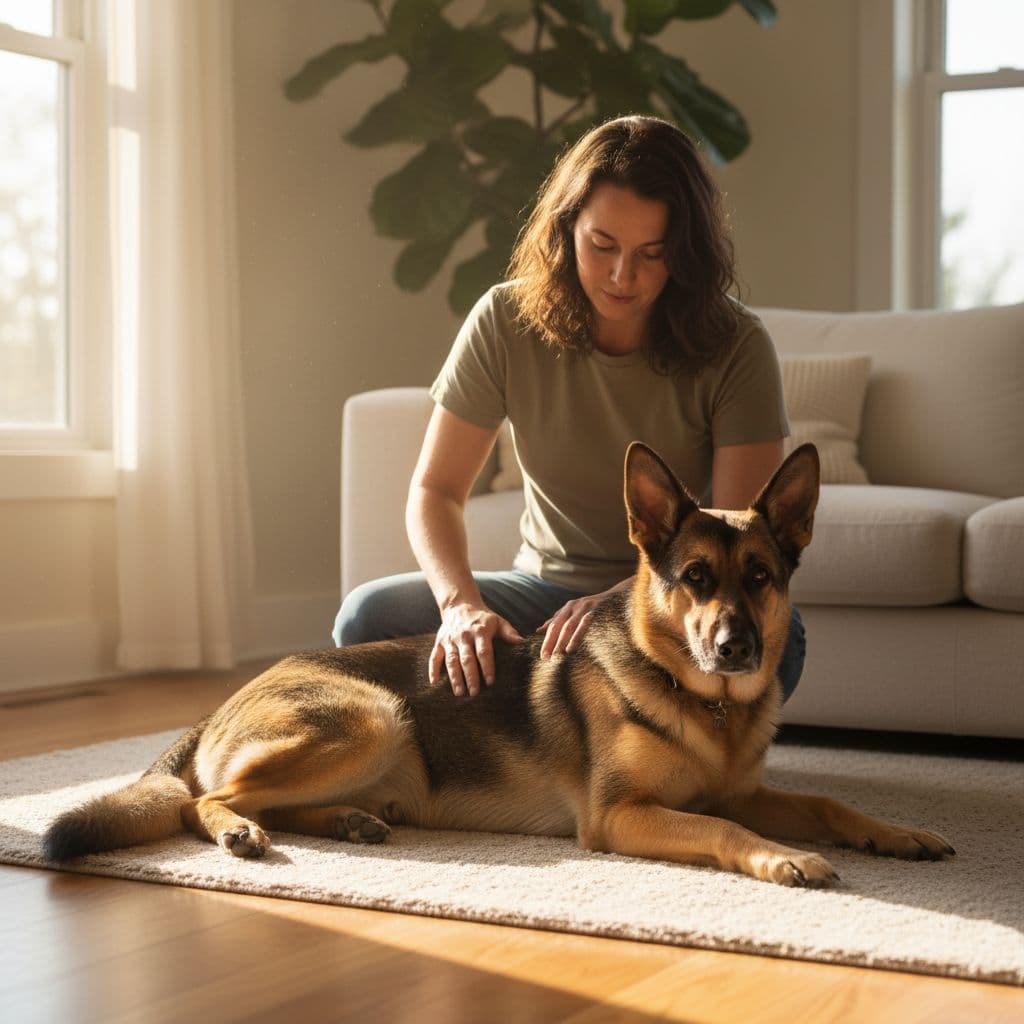
Watch for common health problems early
German Shepherds can run into specific conditions such as hip dysplasia, elbow dysplasia, and Degenerative Myelopathy, along with digestion trouble, skin issues, and weight gain.
You do not need to become a walking encyclopedia.
You just need to notice when your dog moves, eats, or behaves differently.
A stiff rise after rest, a new limp, a swollen belly, flaky skin, itching, loose stools, or a shape that starts to round out are all worth a closer look.
If something feels off, call your veterinarian sooner rather than later.
Waiting usually makes the simple stuff harder.
Small changes are easier to fix than big ones.
For background on structural health, the hip dysplasia overview on Wikipedia is a useful starting point.
It gives a plain explanation without the fluff.
Make veterinary care part of your normal routine
Yearly checkups are one of the easiest ways to stay ahead of problems. Your veterinarian can track weight, joints, teeth, skin, and general condition before anything turns into a bigger job.
Keep up with vaccines, flea and tick prevention, and dental care too. These are boring in the best way.
They save stress, save money, and keep your dog feeling more like itself.
A simple routine can look like this:
- Book a yearly wellness exam.
- Keep vaccinations up to date.
- Use flea and tick treatment on schedule.
- Ask about teeth cleaning or dental checks.
- Mention any limps, itching, or stomach changes to your veterinarian.
Dental care matters more than many owners think. Bad teeth can lead to pain, bad breath, and bigger health problems down the line.
Regular brushing at home helps, even if your dog only tolerates a quick go.
If you want a breed-specific reference, the German Shepherd health guide has a useful overview of the common issues owners tend to see.
Daily habits that protect joints and provide comfort
Keeping your German Shepherd lean is one of the best things you can do. Extra weight puts more strain on hips, elbows, and back legs, which can worsen conditions like hip dysplasia.
A dog that stays trim usually moves more easily and feels better on walks. Many owners also find that incorporating high-quality joint supplements into their dog’s diet provides extra support for long-term mobility.
Good bedding helps too. A thick, supportive bed gives joints a break, especially for older dogs or dogs who do a lot of resting on hard floors. Think of it like a decent mattress for a big, active body.
Young dogs need a bit of restraint with jumping. Repeated high leaps, stairs, and rough landings can be hard on growing joints.
Keep playing sensibly, and swap wild jumping for controlled games and steady walking.
It also helps to adjust exercise with age. Puppies need shorter bursts and more rest. Adults can usually handle longer walks, while seniors often do best with gentler routes and fewer sudden starts and stops.
A few easy home habits make a real difference:
- Keep meals measured so weight stays under control.
- Use a soft, supportive bed in a quiet spot.
- Limit hard jumping for young dogs.
- Choose walks that suit your dog’s age and energy.
- Watch how your dog moves after exercise.
If you need practical help with walk safety, the best dog harness for large dogs guide is handy for strong Shepherds.
And if you ever need support booking local help, contact our dog walking team for friendly advice.
Regular care does not have to feel like a project. Keep an eye on the little things, stick to the basics, and your Shepherd has a much better shot at staying comfortable for years.
Is a German Shepherd the right dog for your home?
A German Shepherd can be a fantastic family dog, but it needs the right setup.
This breed is highly intelligent, loyal, and full of energy, so the match works best when your home has time, structure, and room for daily effort.
If you want a dog that stays on the sofa all day and asks very little, this probably isn’t the one.
If you want a clever companion that thrives on routine and close contact, you are in better territory.
What first-time owners should be ready for
First-time owners should expect a dog that needs daily exercise, regular training, and a fair bit of patience.
Because they are working dogs, German Shepherds learn fast, but they also notice inconsistency just as quickly.
If one day means sit and the next day means do whatever you like, they get confused and then push back.
Shedding is part of the package too. Hair will turn up on floors, clothes, and probably places you did not know hair could reach.
A good brush, a steady grooming habit, and a sense of humor help a lot.
They also need more than a quick walk around the block. Think of them like a car that runs best with regular use, not a short spin once in a while. Walks, training, sniff time, and simple games all matter.
German Shepherds are rewarding dogs, but they do best with owners who stay consistent.
If you are still comparing breeds, the PDSA German Shepherd guide gives a solid outside view of what daily life looks like.
For many homes, the real question is simple: can you give this dog your time every day, not just your good intentions?
How to set up your home before bringing one in
Before your new dog walks through the door, make the basics ready. That way, day one feels calm instead of chaotic.
A prepared home helps both of you settle faster.
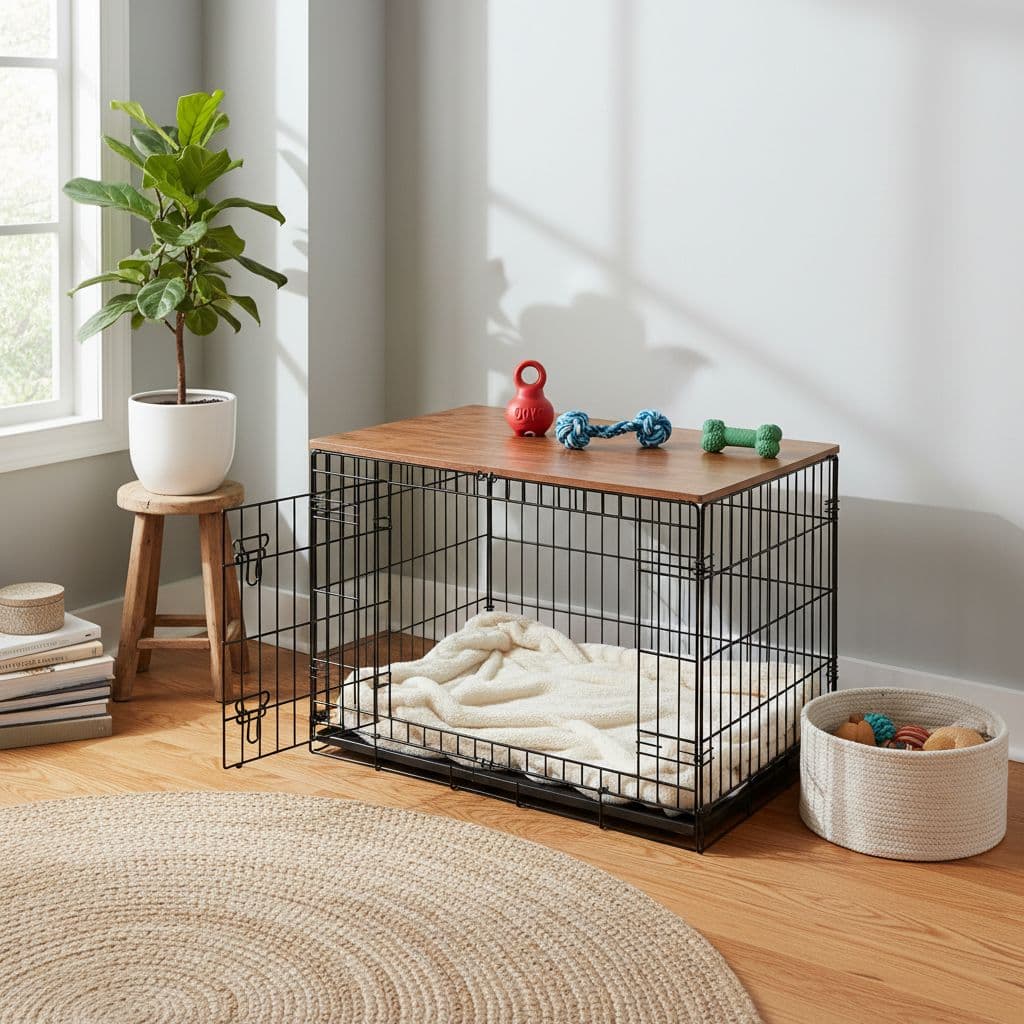
Start with this simple checklist to prepare for your German Shepherd puppy:
- Food and water bowls that are sturdy and easy to clean.
- A leash, collar, or harness that fits well and feels secure.
- A crate or safe space where your German Shepherd puppy can relax without fuss.
- Grooming tools like a slicker brush and nail clippers.
- Toys for chewing and play, including tug toys if your dog enjoys interactive games.
- A quiet sleeping spot away from heavy foot traffic.
A crate or safe space is especially useful. It gives your dog a place to rest when the house is busy, and it helps with house training and calm downtime.
If you are unsure what kind of setup works best for a bigger breed, our best dog harness for large dogs guide is also handy when you start planning walks.
For first-time owners, the aim is not to buy everything at once.
It is to have the right basics ready so your German Shepherd can settle in without extra stress.
A little preparation goes a long way. If the bed is soft, the water is waiting, and the quiet corner is ready, your new dog gets a much better start.
Frequently Asked Questions
How much exercise does a German Shepherd actually need?
Most German Shepherds require 1 to 2 hours of daily physical activity, which should be a mix of brisk walks, playtime, and mental engagement.
However, you should adjust this based on the dog’s age, with puppies needing shorter sessions to protect their growing joints and seniors requiring gentler, lower-impact movement.
Why is mental stimulation just as important as physical exercise?
As a highly intelligent working breed, German Shepherds can become bored quickly, leading to unwanted behaviors like excessive barking or chewing.
Providing mental work, such as training drills or scent games, gives them a “job” to focus on, which keeps them calm and mentally satisfied.
How can I prevent or manage heavy shedding?
While you cannot stop a German Shepherd from shedding, you can keep it under control with a consistent grooming routine of brushing several times a week.
Using a quality slicker brush or de-shedding tool helps remove loose fur from the double coat before it ends up on your furniture.
What should I know about feeding to prevent bloat?
German Shepherds are prone to a dangerous condition called bloat, so it is important to avoid vigorous exercise immediately before or after meals.
Providing smaller, frequent meals and ensuring your dog has a period of rest after eating can significantly reduce these health risks.
Conclusion
Learning how to take care of German Shepherds comes down to a consistent routine that includes regular exercise, clear obedience training, and attentive health management.
Providing this structure keeps their minds sharp, their bodies strong, and their behavior well-managed.
By meeting these fundamental needs, you ensure your dog remains happy and healthy without adding unnecessary stress to your daily life.
Focus on these basics, and you will enjoy the best qualities of a German Shepherd, a loyal companion who becomes a cherished member of your household for years to come.
Get this great guide TODAY! At just £6.97 and instantly downloadable, it’s unbeatable value!